
Wires and Cables
Low Voltage Power Cable
Ensure reliable and safe power distribution with our premium Low Voltage Power Cables. Engineered for versatility and long-term performance, these cables feature advanced insulation (e.g., PVC/XLPE) and high-purity copper conductors, making them ideal for residential, commercial, and light industrial applications. Our LV cables offer excellent flexibility, superior resistance to abrasion and moisture, and low fire hazard properties, ensuring minimal energy loss and maximum safety. Rated up to 1 kV, they support essential power circuits, machinery connections, and lighting systems. Choose our durable cables for guaranteed compliance and a resilient electrical infrastructure.
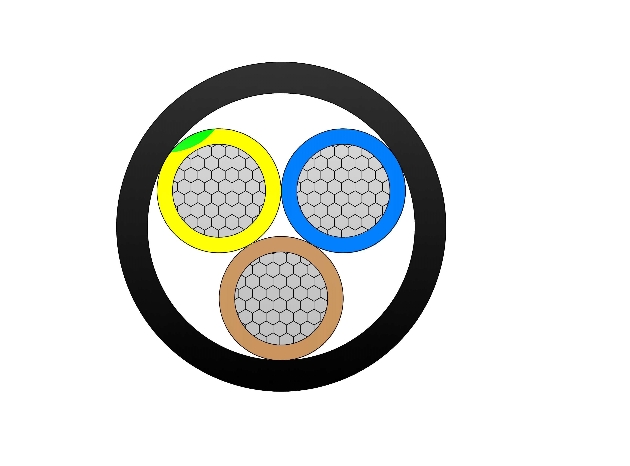
NA2XY 0.6/1 (1.2)kV Low Voltage Power Cable
NA2XY 0.6/1 (1.2)kV is a low-voltage power cable manufactured according to IEC 60502-1, suitable for fixed installation in indoor and outdoor environments, including underground and concrete installations where mechanical stress is minimal. This lightweight cable offers excellent electrical performance, high thermal stability, and superior resistance to moisture, chemicals, and mechanical stress. Suitable for direct burial, ducts, trays, or indoor fixed installations where no additional armour is required. With low dielectric losses and good current-carrying capacity, it minimizes energy waste. Flame-retardant and environmentally robust, the NA2XY 0.6/1 (1.2)kV Low Voltage Power Cable provides long service life and low maintenance costs. Widely used in industrial plants, commercial buildings, residential networks, and infrastructure projects needing reliable, cost-saving low-voltage aluminium cabling solutions worldwide.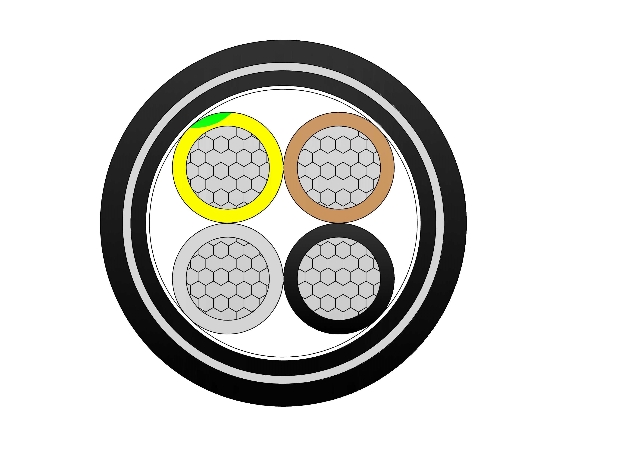
NAYBY 0.6/1kV Low Voltage Power Cable
NAYBY 0.6/1kV are low voltage power cables designed according to DIN VDE 0276 standard, suitable for fixed installation in indoor, outdoor, underground, cable ducts, or concrete (not exposed to vibration), with steel tape armoring providing additional mechanical protection. Featuring stranded or solid aluminium conductors, PVC insulation, filler, and robust PVC outer sheath, it complies with VDE 0276-603 and IEC standards. This unarmoured cable offers good electrical properties, mechanical strength, and resistance to moisture and chemicals. Lightweight aluminium design reduces installation and material costs compared to copper equivalents. Suitable for direct burial, ducts, or indoor fixed installations where mechanical protection is not critical. Flame-retardant with adequate current-carrying capacity, the NAYBY 0.6/1kV Low Voltage Power Cable ensures reliable performance with minimal losses.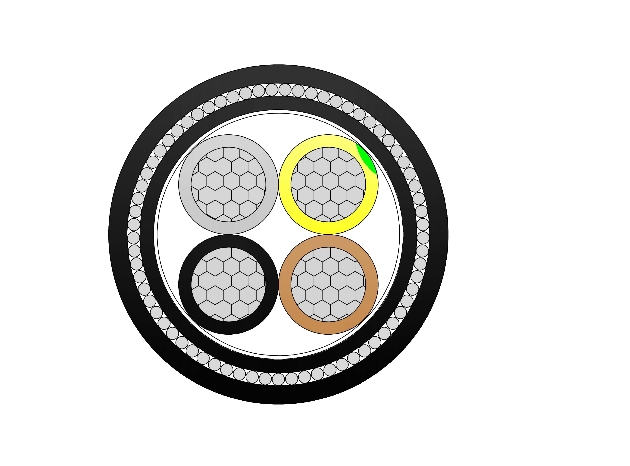
NAYRY 0.6/1kV Low Voltage Power Cable
NAYRY are low voltage power cables designed according to DIN VDE 0276-603 standard, suitable for fixed installation in indoor, outdoor, underground, or concrete (not subject to vibration and long-term underwater) environments. Constructed with aluminium conductors, PVC core insulation, filling, galvanized steel wire armour, and tough PVC outer sheath, it meets VDE 0276 and IEC requirements. The SWA layer delivers outstanding resistance to mechanical damage, enabling direct burial without conduits. Aluminium design lowers weight and costs while providing adequate current rating. Flame-retardant and stable in moist conditions, the NAYRY 0.6/1kV Low Voltage Power Cable is popular for factories, renewable energy projects, commercial sites, and infrastructure needing reliable, low-maintenance low-voltage cabling with enhanced safeguarding in aggressive soils.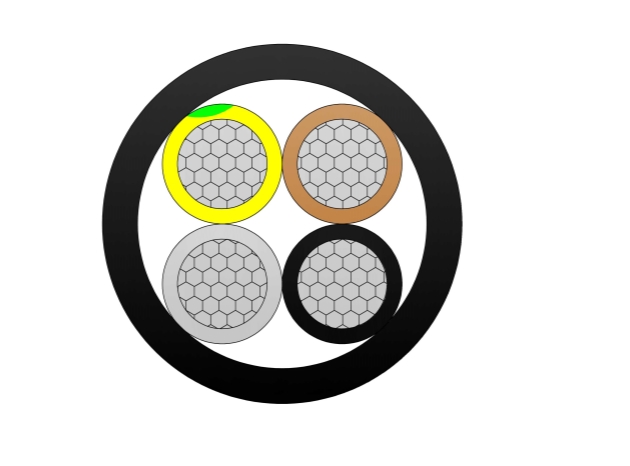
NAYY-J and NAYY-O 0.6/1kV Low Voltage Power Cable
NAYY-J and NAYY-O are low voltage power cables designed according to IEC 60502-1 standard, suitable for fixed installation in indoor, outdoor, underground, or concrete (not subject to vibration) environments. Featuring solid or stranded aluminium conductors, PVC insulation, filler, and robust PVC outer sheath, they comply with VDE 0276-603 standards. NAYY-J includes a protective earth conductor (green/yellow), while NAYY-O does not. These unarmoured cables offer good electrical performance, mechanical strength, and resistance to moisture and chemicals. Lightweight aluminium design significantly reduces costs compared to copper. Suitable for direct burial, ducts, or indoor fixed installations where mechanical protection is not required. Flame-retardant with adequate current rating, the NAYY-J and NAYY-O 0.6/1kV Low Voltage Power Cables ensure reliable energy transmission with minimal losses. Widely applied in industrial facilities, commercial buildings, residential networks, and infrastructure projects needing cost-effective, maintenance-free low-voltage aluminium cabling worldwide.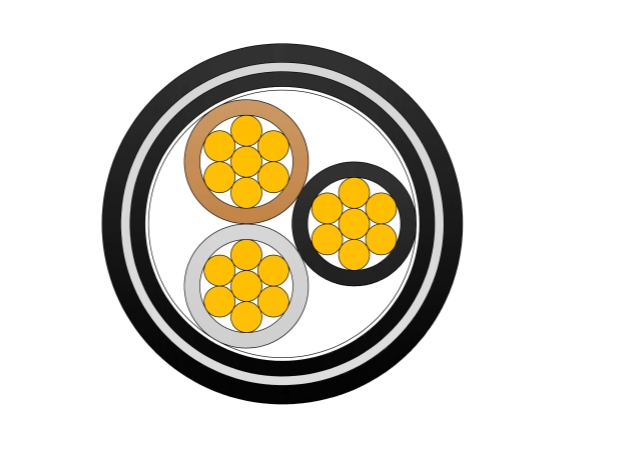
NYBY 0.6/1kV Low Voltage Power Cable
NYBY 0.6/1kV are low voltage power cables designed according to IEC 60502-1 standard, suitable for fixed installation in indoor, outdoor, underground, cable ducts, or concrete environments, with steel tape armoring for enhanced mechanical protection. Constructed with copper conductors, PVC core insulation, filling, galvanized steel wire armour, and tough PVC outer sheath, it meets VDE 0276 and IEC requirements. The SWA layer offers outstanding resistance to mechanical damage, enabling direct burial without additional conduits. Copper ensures minimal losses and high current rating. Flame-retardant and stable in moist conditions, the NYBY 0.6/1kV Low Voltage Power Cable is widely used in factories, renewable energy sites, commercial complexes, and infrastructure needing reliable, long-service-life low-voltage cabling with enhanced safeguarding in aggressive soils or high-risk areas.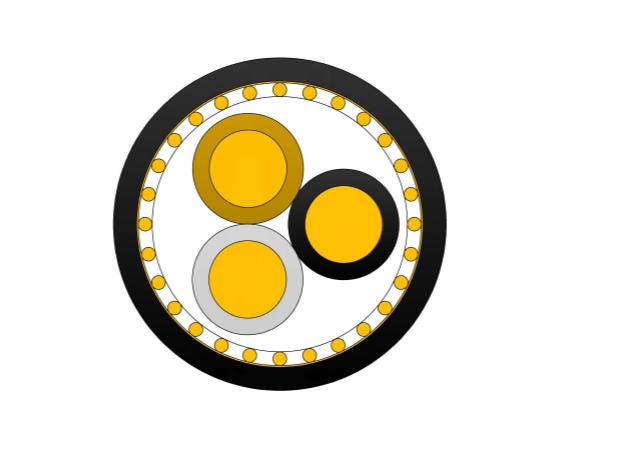
NYCY 0.6/1kV Low Voltage Power Cable
NYCY 0.6/1kV are low-voltage power cables designed according to VDE 0276 standard, suitable for fixed installation in indoor, outdoor, underground, cable ducts, or concrete (not exposed to mechanical vibration). Featuring stranded copper conductors, PVC insulation, filler, concentric copper wire screen with counter-helix tape, and robust PVC outer sheath, it complies with VDE 0276-603 and IEC standards. The concentric screen serves as neutral/earth conductor and provides excellent EMI shielding, reducing interference in sensitive areas. Suitable for direct burial, ducts, or indoor fixed installations, it offers good mechanical strength, moisture resistance, and flame-retardant properties. Copper conductors ensure low losses and high current capacity. The NYCY 0.6/1kV Low Voltage Power Cable delivers long service life with minimal maintenance, making it ideal for industrial plants, commercial buildings, residential networks, and infrastructure projects requiring screened, efficient low-voltage copper cabling for safe and interference-free energy transmission worldwide.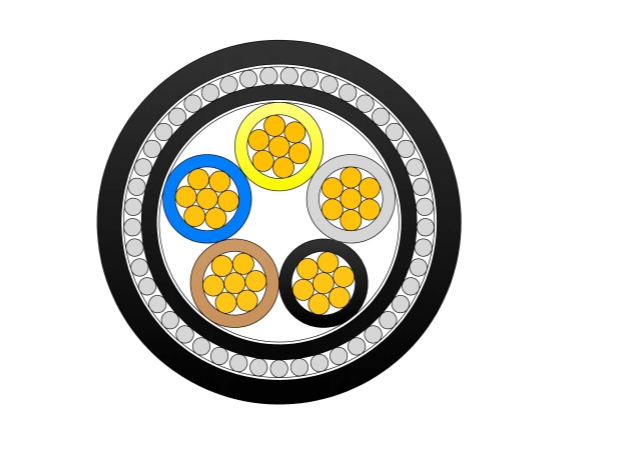
NYRY 0.6/1kV Low Voltage Power Cable
NYRY 0.6/1kV are low voltage power cables designed according to BS 5467 standard, suitable for fixed installation in indoor, outdoor, underground, cable ducts or concrete (not subject to vibration) environments, with steel wire armouring for mechanical protection. The cable features stranded copper conductors insulated with high-quality PVC, ensuring dependable electrical performance and thermal resistance under normal operating conditions. The metallic concentric conductor layer provides effective grounding and enhanced fault current capability, while the robust PVC outer sheath offers protection against moisture, abrasion, and external mechanical stress. Rated at 0.6/1kV and manufactured in accordance with relevant IEC standards, the NYRY cable is suitable for fixed installation both indoors and outdoors. Its construction supports long service life, consistent power delivery, and safe operation in demanding environments.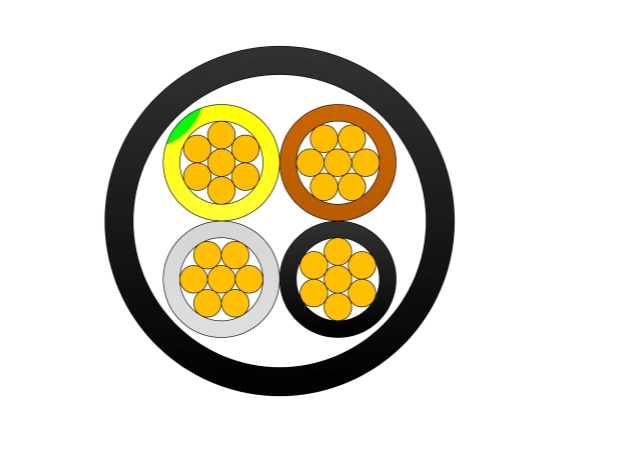
NYY-J / NYY-O 0.6/1kV Low Voltage Power Cable
NYY-J / NYY-O 0.6/1kV are low voltage power cables designed according to VDE 0276 standard, suitable for fixed installation in indoor, outdoor, and underground, cable ducts or concrete (not exposed to mechanical stress or vibration). It uses copper conductors to deliver stable electrical performance and features a durable outer sheath that protects against mechanical damage, moisture, and chemical exposure. NYY-J cables incorporate a protective earth conductor for enhanced safety, while NYY-O cables are supplied without an earth conductor for specific system designs. Designed for a rated voltage of 0.6/1kV and manufactured in compliance with IEC requirements, the cable is suitable for indoor and outdoor use, including installation in ducts, concrete, or underground. Its balanced construction supports long-term reliability, easy installation, and low maintenance costs in demanding operating environments.
Single Core Copper Cable CU/XLPE/PVC 0.6/1kV
The Single Core Copper Cable CU/XLPE/PVC 0.6/1kV is engineered for reliable power transmission and distribution in industrial, commercial, and utility applications. Featuring a high-purity copper conductor, XLPE insulation, and durable PVC outer sheath, the cable delivers outstanding electrical conductivity, thermal stability, and mechanical protection. The XLPE insulation offers superior dielectric properties, allowing the cable to operate continuously at conductor temperatures up to 90°C while maintaining excellent insulation performance. The PVC sheath provides resistance against moisture, abrasion, chemicals, and environmental exposure, ensuring a long service life even in demanding installations. Designed according to international standards including IEC 60502-1, this cable is suitable for fixed installations in power networks, industrial facilities, commercial buildings, renewable energy projects, and infrastructure developments. Various conductor sizes and sheath colors can be customized to meet specific project requirements. Its combination of safety, durability, and efficient power transmission makes the Single Core Copper Cable CU/XLPE/PVC 0.6/1kV a dependable solution for modern electrical systems.In-Depth Analysis
NPC Electric power cables are built to deliver high efficiency, reliable performance, and advanced safety, helping businesses reduce energy costs while ensuring stable power supply. With future-ready adaptability for renewable energy and smart grid applications, they provide a sustainable and innovative solution for today’s and tomorrow’s power needs.
Comparative Analysis of Efficiency and Loss
Compared to the industry average, NPC wires and cables exhibit lower losses and higher efficiency across the entire load range.
Load Efficiency Comparison(%)
No-load Loss Comparison(W)

High Conductivity Design
High-purity oxygen-free copper or high-quality aluminum conductors are used with smooth surface and low resistance to ensure efficient power transmission and reduce energy loss.
Improved Conductivity
+20%
Reduced Energy Loss
-15%

Insulation Protection System
Use flame-retardant, wear-resistant and corrosion-resistant polymer insulation materials to meet the safe operation requirements in different environments.
Withstand Voltage Level
≥1kV
Flame Retardant Grade
VW-1 / IEC 60332-3

Weather-Resistant & Durable Technology
The outer sheath is made of UV-resistant, heat-resistant, and oil-resistant materials, making it suitable for high and low temperatures, humidity, and long-term outdoor use.
Service Life
≥ 25 Years
Operating Temperature Range
-40°C to +90°C

Safe Flame Retardant System
The multi-layered flame-retardant structure effectively slows the spread of flames and releases low-smoke, halogen-free gases during combustion, reducing secondary hazards.
Flame Retardant Performance
IEC 60332 / UL 1581 Qualified
Smoke Density
Low Smoke ≤50%

Easy Installation & Maintenance
The flexible core and flex-resistant outer sheath provide a small bend radius and high installation efficiency. Color coding and length markings reduce installation and maintenance costs.
Bend Radius
≤6D
Installation Efficiency Improvement
+30%

Intelligent Monitoring
An optional remote monitoring system is available to monitor operating status, temperature, load and other parameters in real time, and supports fault warning and remote diagnosis.
Data Collection Frequency
one times a minute
Fault Warning Accuracy
98%
Environmental Adaptability Analysis
NPC power cable have been rigorously tested and can operate stably under various harsh environmental conditions.
Temperature Range
-40℃ ~ +55℃
Can work normally in extreme high and low temperature environments

Humidity Adaptation
0 ~ 100% RH
Including condensation environment, no frost requirement

Weather Resistance Grade
UV/IEC 60811-501
The outer sheath has excellent UV resistance and aging resistance

Chemical Corrosion Resistance
Oil / Acid / Alkali
Resistant to oil, acid, alkali and some chemical corrosion environments
Why Choose Us
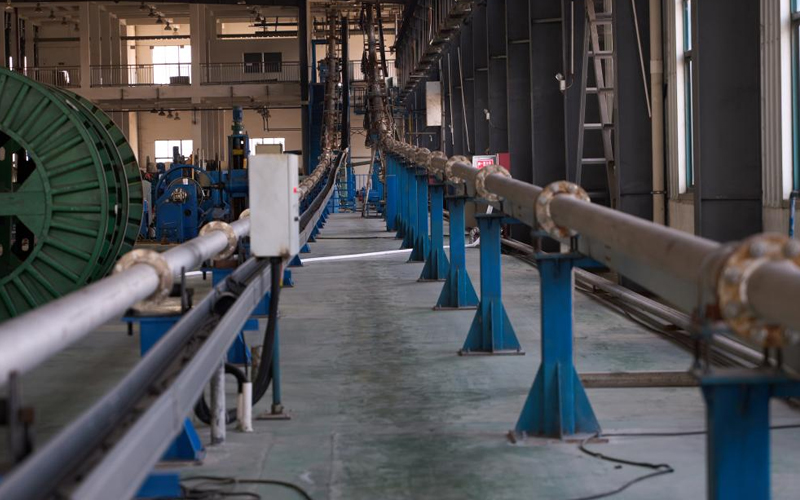
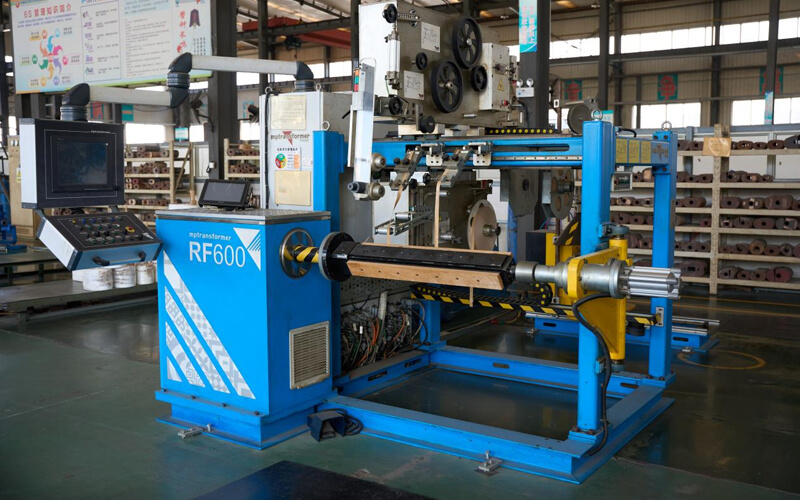
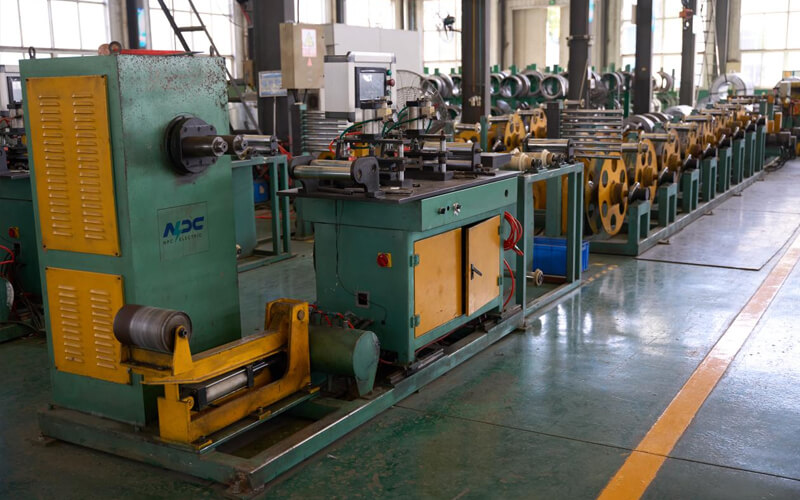
With 30 years of expertise, global certifications, and advanced manufacturing technology, NPC Electric delivers reliable, high-performance low-voltage power cable trusted by industries worldwide.
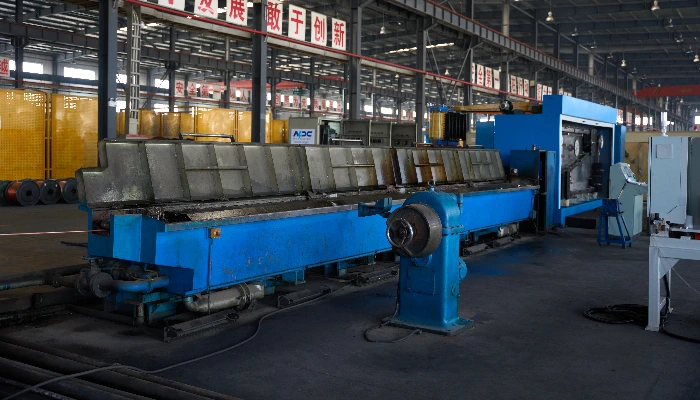
High Quality for LV Cables Manufacturer
We are dedicated to providing premium low-voltage power cables, meticulously manufactured from high-purity copper conductors and fortified with advanced insulation materials like XLPE and PVC. Every batch undergoes rigorous testing to not only meet but exceed stringent international standards such as IEC and BS. This commitment ensures our LV cables possess exceptional durability, superior abrasion and moisture resistance, and a significantly extended service life across diverse operational environments. Choosing our reliable low-voltage power cable solutions guarantees robust, long-lasting performance for your critical electrical infrastructure, minimizing replacements and maintenance over time.
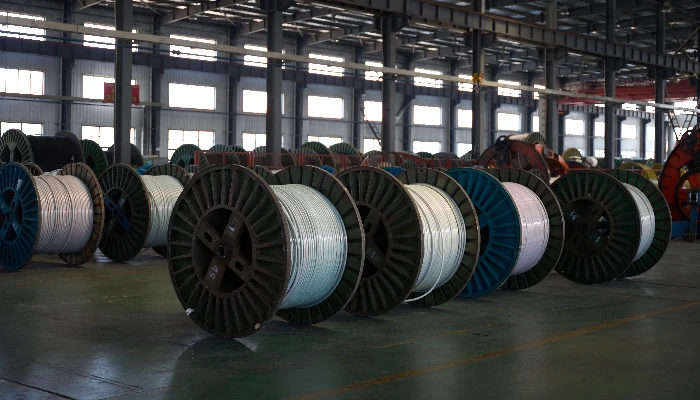
Optimized Performance & Energy Efficiency
Our low-voltage cables are precision-engineered to deliver optimal electrical performance, critically designed to minimize energy loss and maximize power transmission efficiency throughout your systems. Specifically, our 0.6/1 kV cables ensure a stable and consistent current flow while significantly reducing voltage drop, which directly contributes to overall system efficiency. This focus on performance translates into tangible cost savings and reduced operational expenses for all your power distribution projects, from intricate residential wiring to extensive commercial and industrial applications. Invest in our cables for smarter, more efficient energy use.
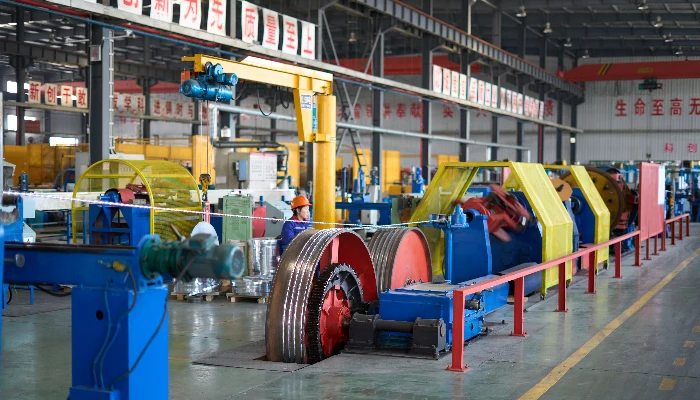
Safety & Compliance Guaranteed
At the core of our manufacturing philosophy is an unwavering commitment to safety. All our LV power cables are developed and produced in strict adherence to a comprehensive range of global safety regulations and critical industry standards, ensuring peace of mind for every installation. We specifically engineer our cables for superior flame retardancy and environmental resilience, often utilizing halogen-free and low-smoke materials to mitigate risks. By prioritizing the use of safe, non-toxic components, our electrical wiring solutions are not just highly effective but also actively contribute to creating a safer operational environment for buildings, infrastructure, and personnel alike, protecting your most valuable assets.
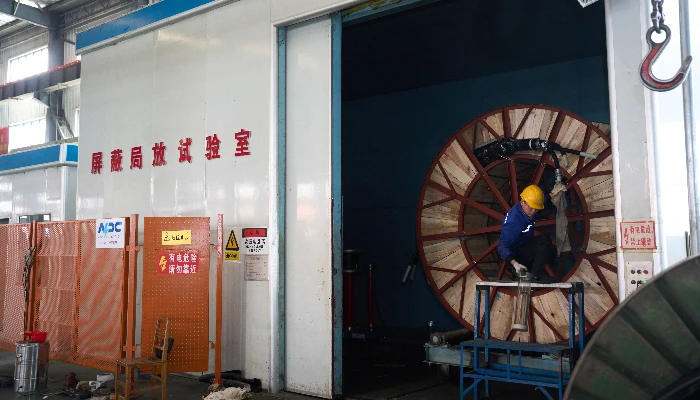
Expert Support & Tailored Solutions
We believe in offering more than just products; we provide unparalleled expert support and personalized service. Our seasoned team possesses profound knowledge of low-voltage electrical systems and stands ready to offer bespoke advice perfectly suited to your specific project requirements. From guiding you through the optimal power cable selection process to meticulously detailing technical specifications and deployment strategies, we are your dedicated, trusted partner. Whether you need custom-engineered or standard LV cable solutions, our commitment is to ensure seamless project execution and long-term satisfaction, making your complex electrical engineering challenges manageable and successful.
Product Show
Explore the detailed design and practical application scenarios of low-voltage power cables
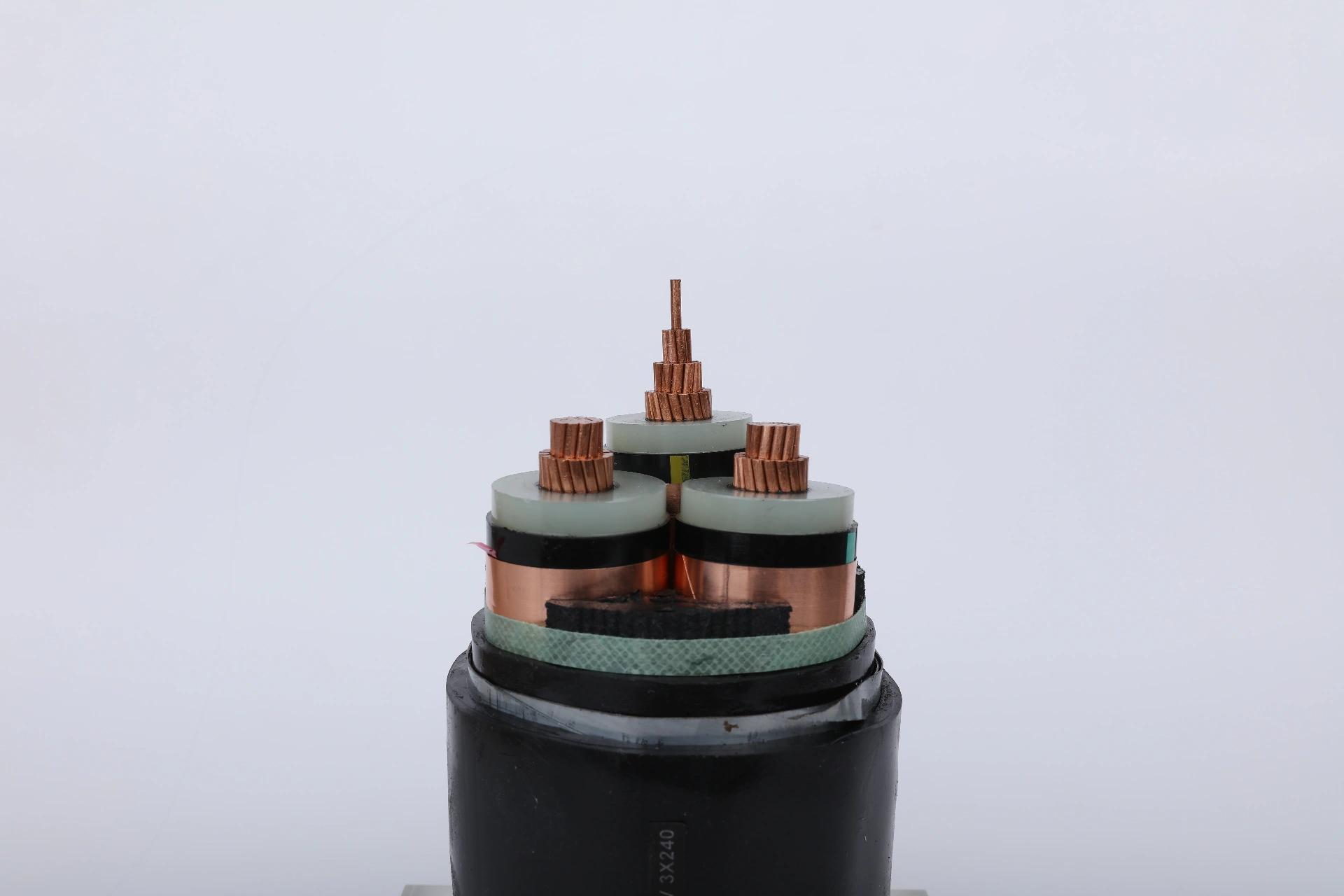
Power Cable Design
power cable core design
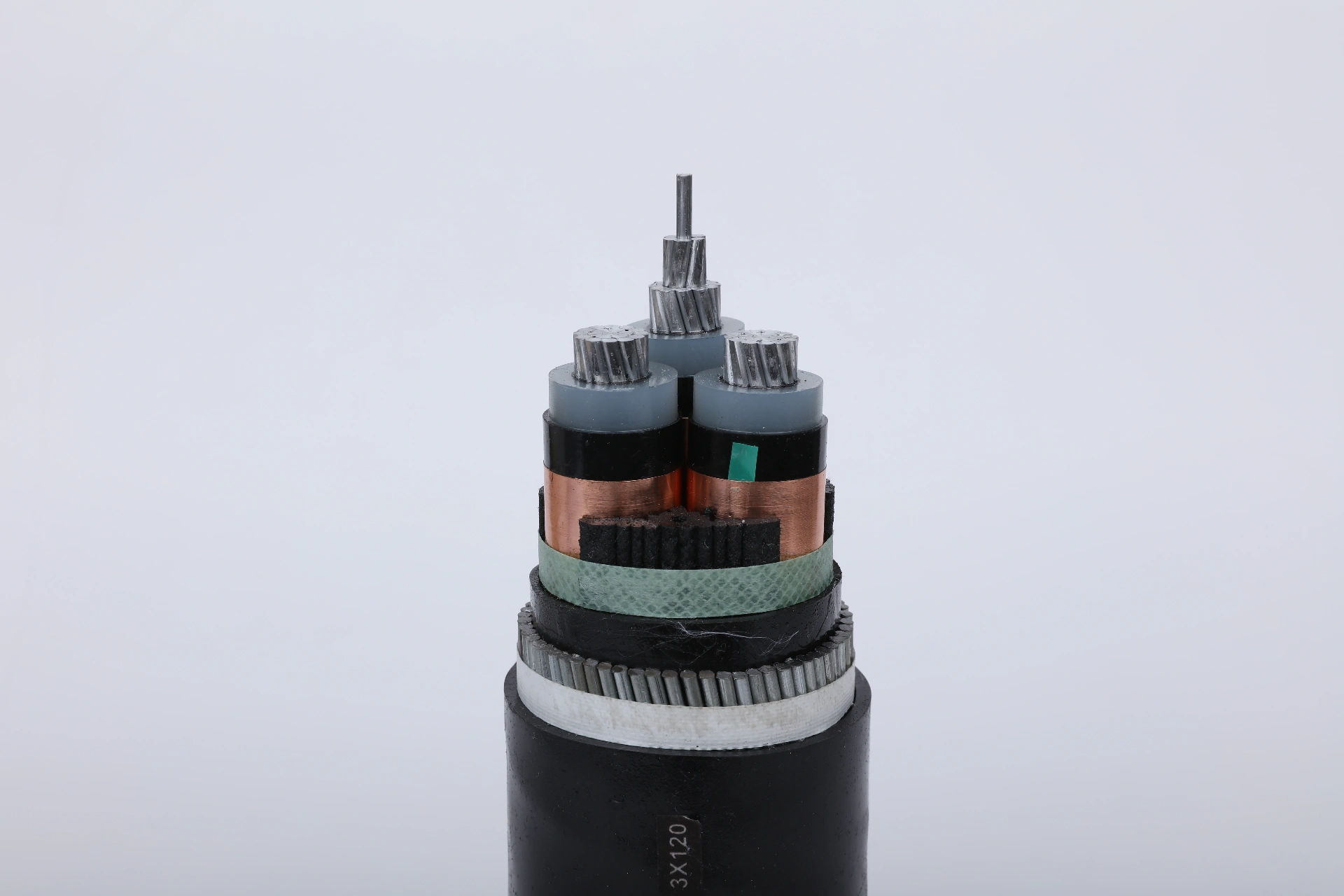
Low Voltage Power Cable
lv power cable design
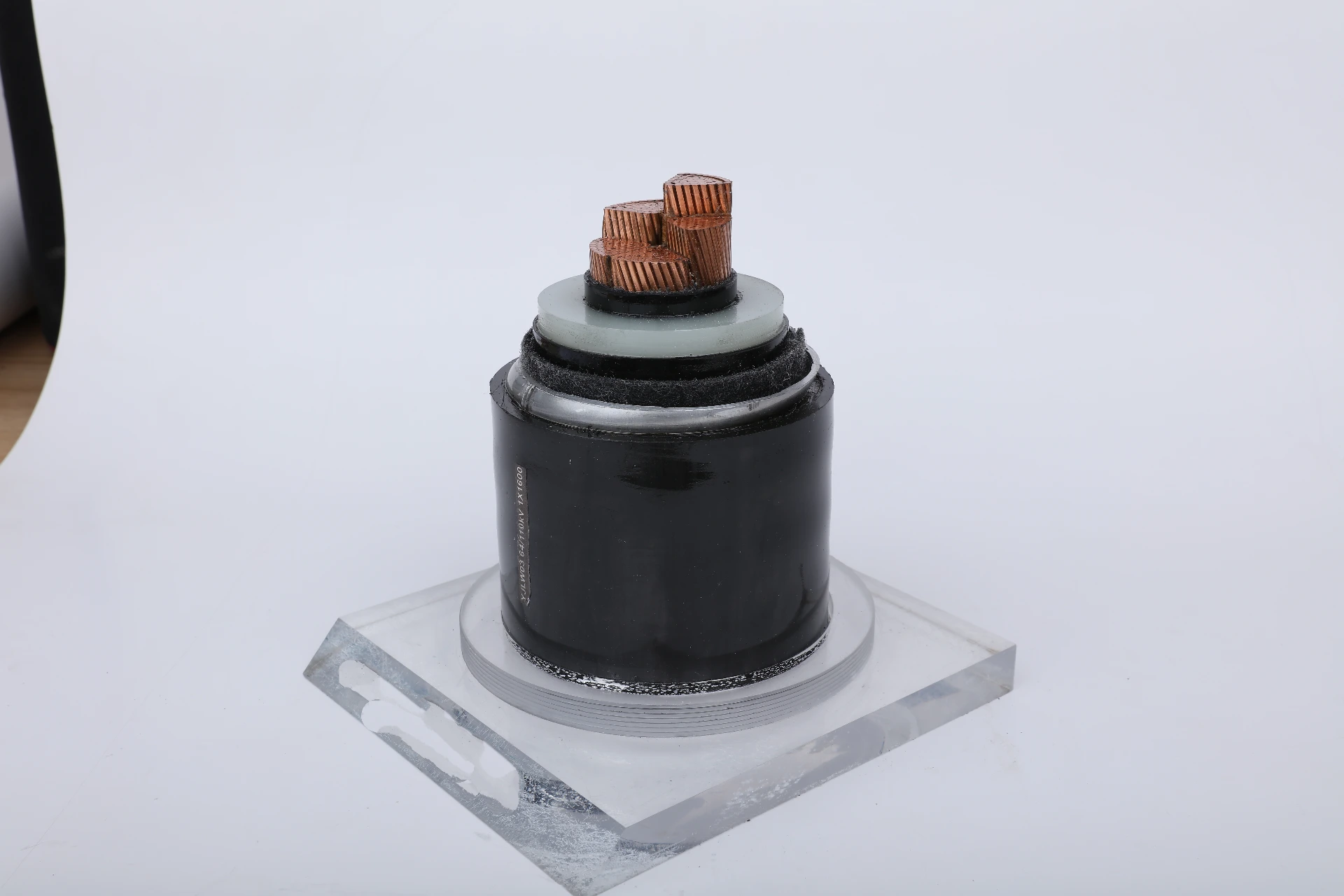
High Voltage Power Cable
hv power cable design
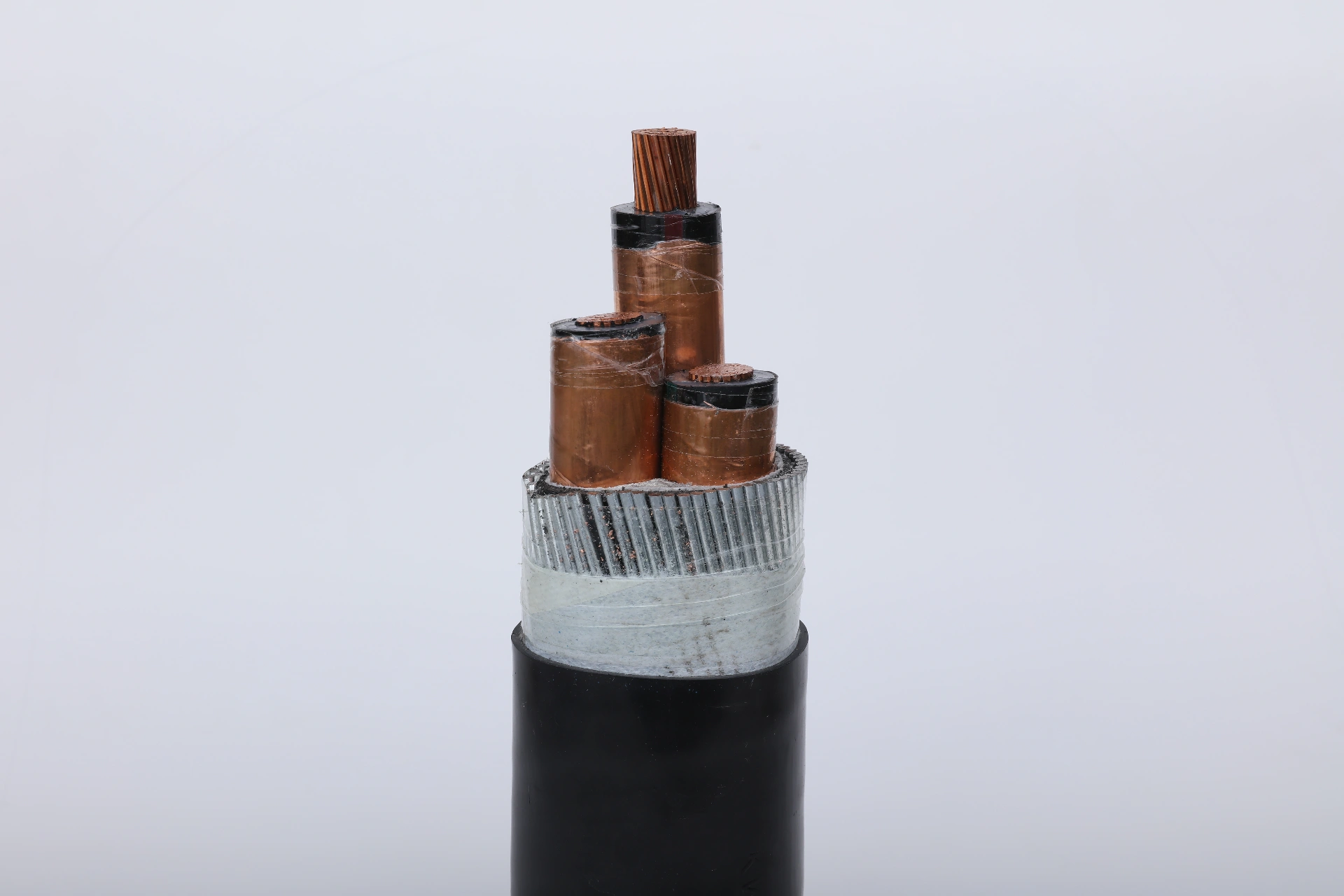
Three Cores Power Cable
three cores power cable design
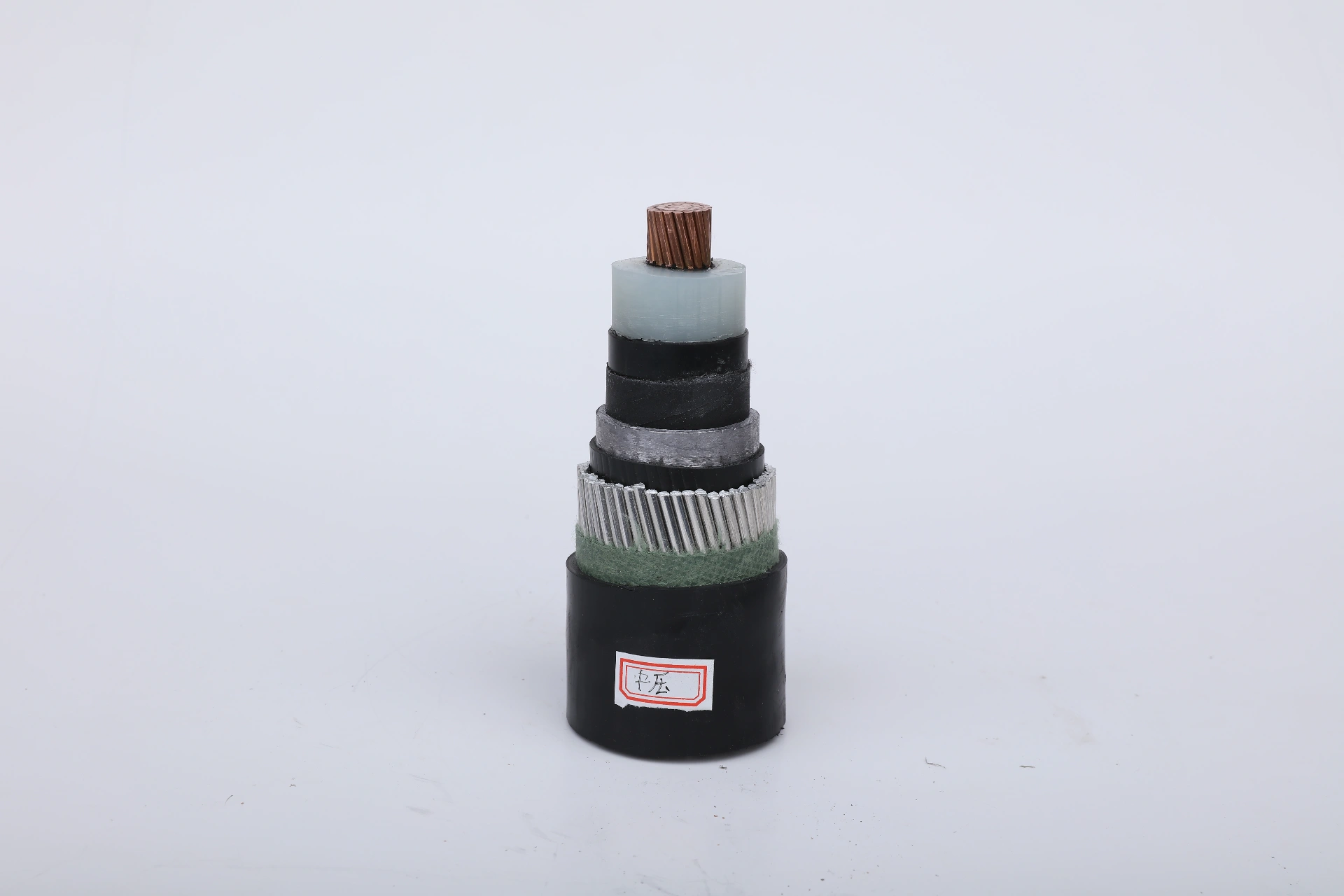
Medium Voltage Power Cable
mv power cable design
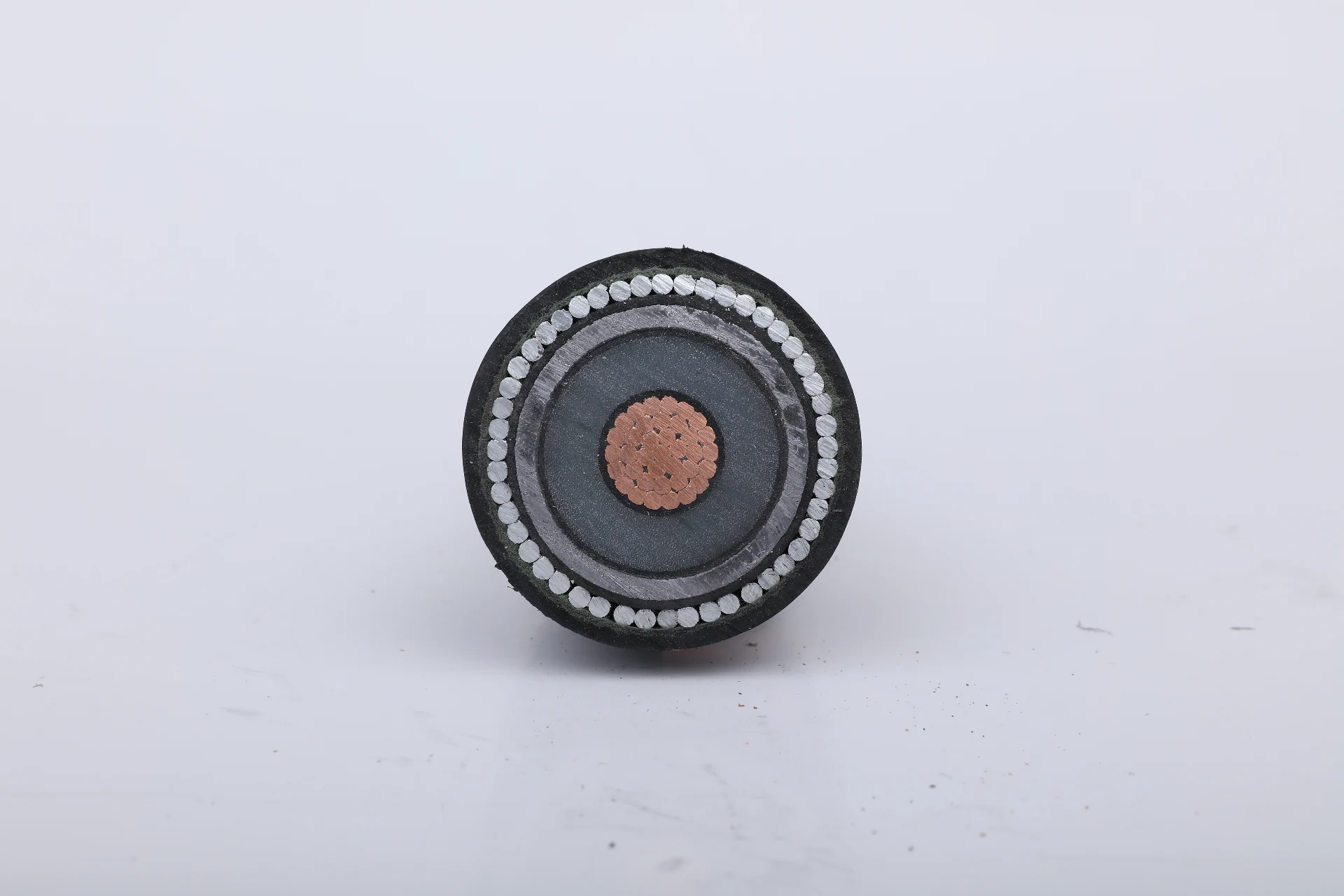
SWA HV Power Cable
swa high voltage power cable
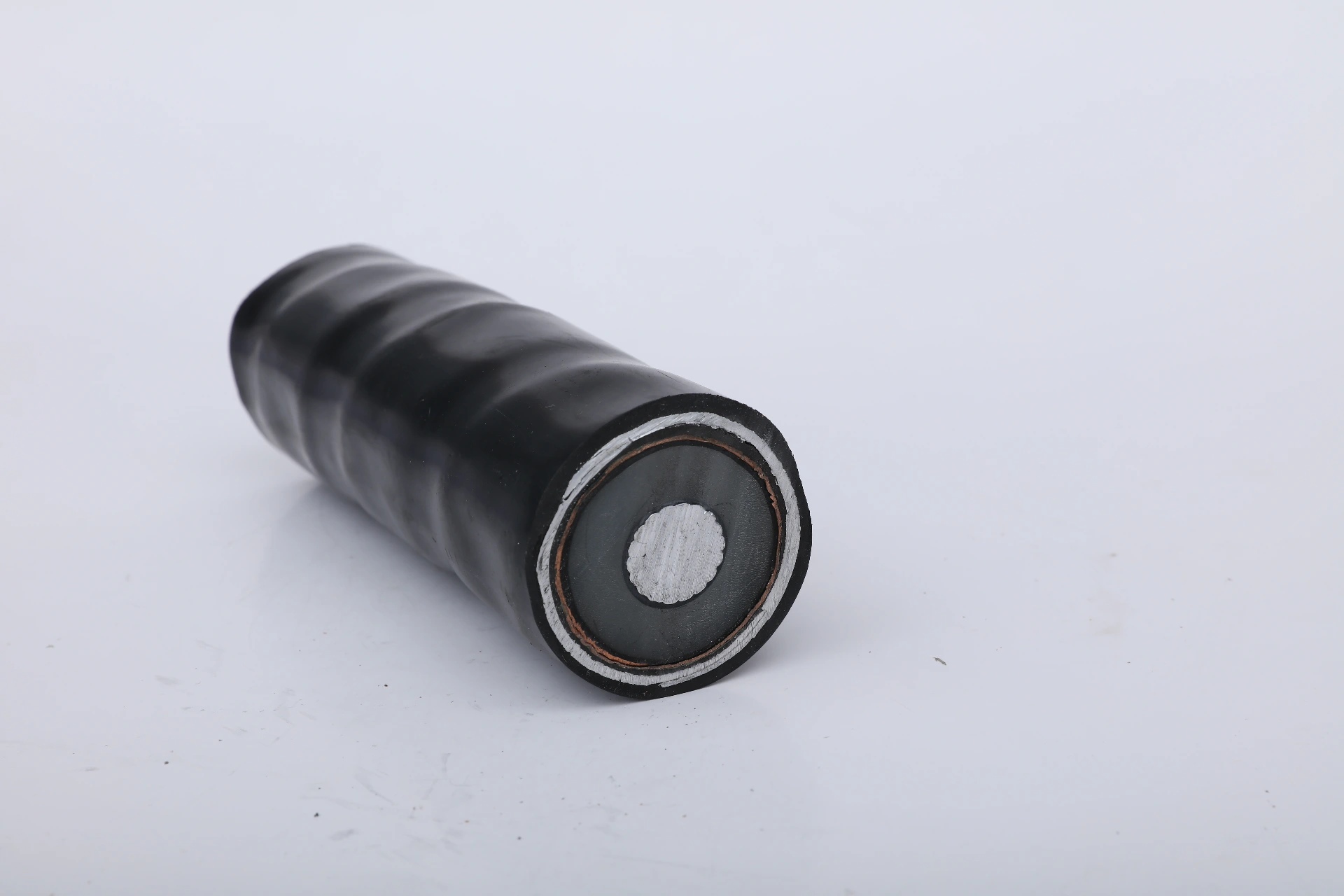
Single Core Power Cable
single core power cable design
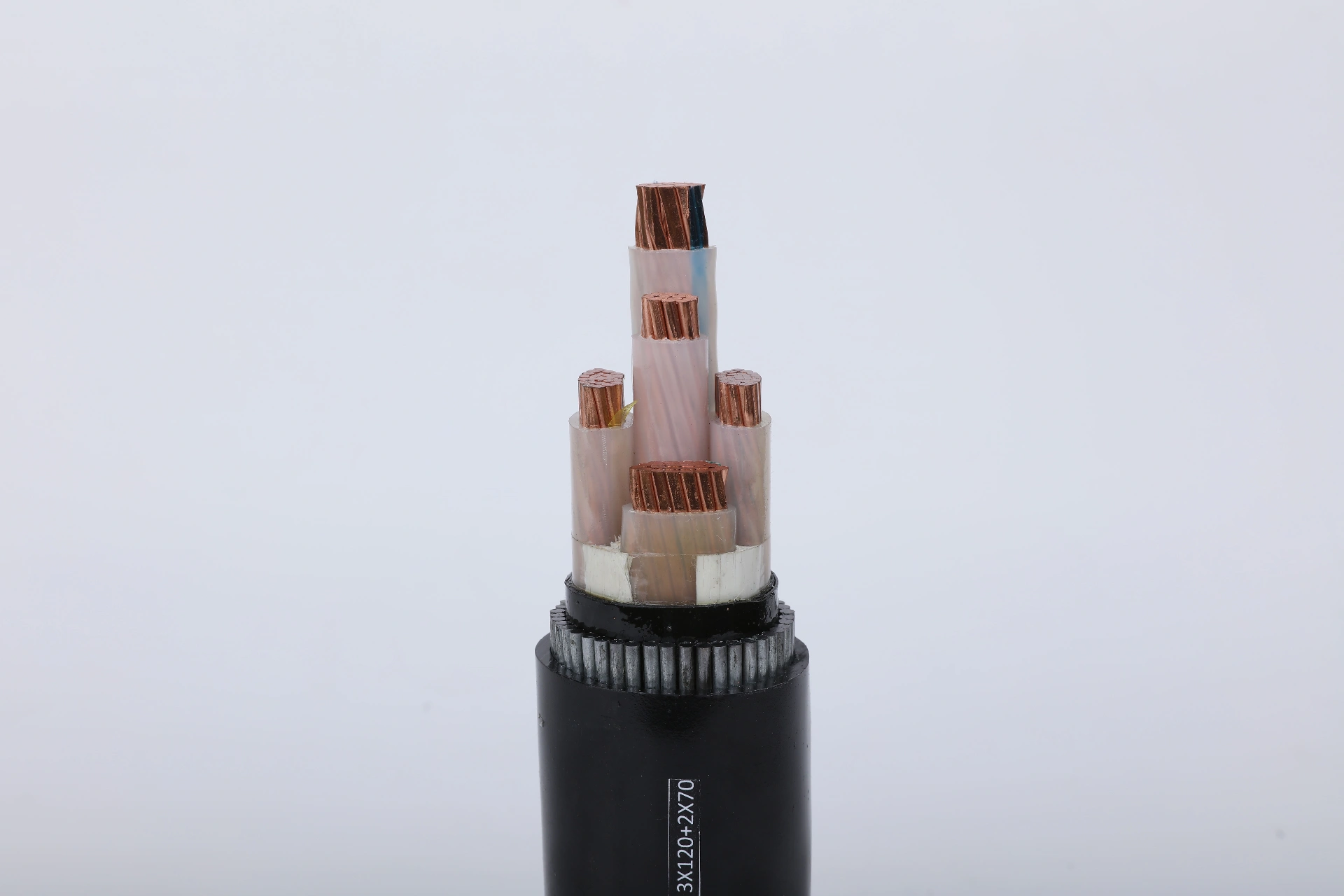
Five Cores MV Power Cable
five cores mv power cable design
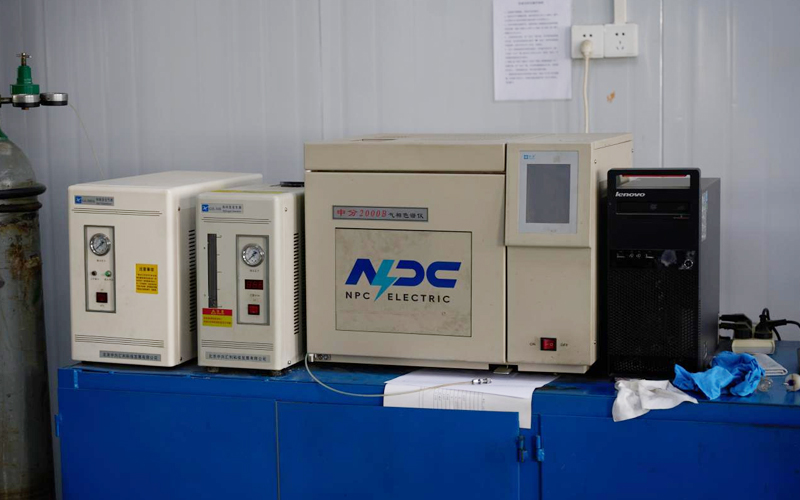
Testing and Certification
Tested with precision and certified to meet international standards as
well as strict industry requirements.
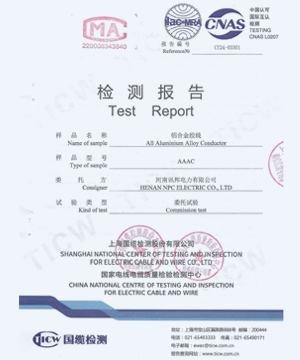
Bare Cable Test Report
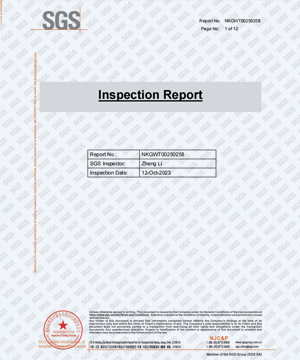
SGS Inspection Report
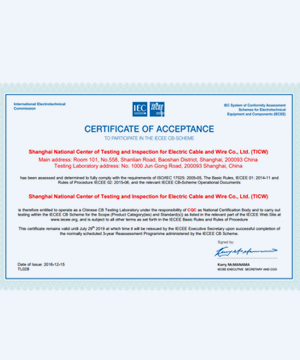
Certificate of Acceptance
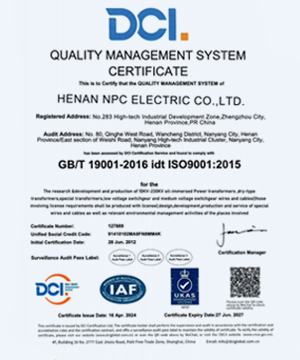
ISO Quality Certificate
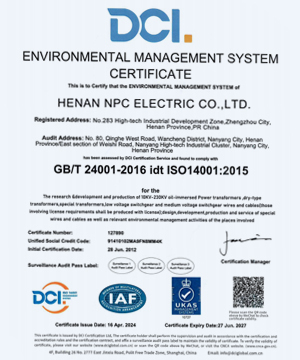
ISO Environmental Certificate
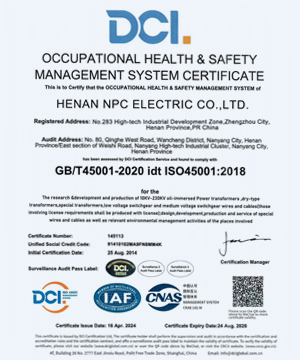
ISO Occupational Certificate
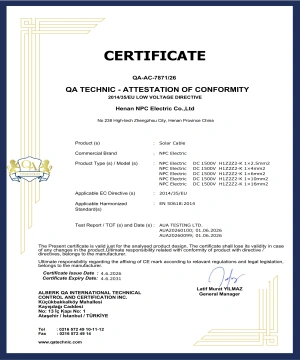
Solar Calbe- QA TECHNIC
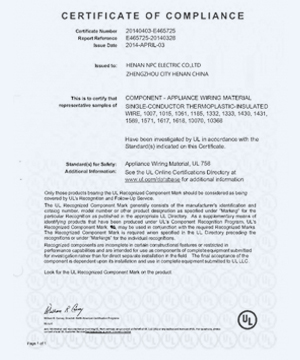
UL Product Certificate
Project Cases
NPC low-voltage power cables have been successfully applied in many projects and have been highly praised by customers.
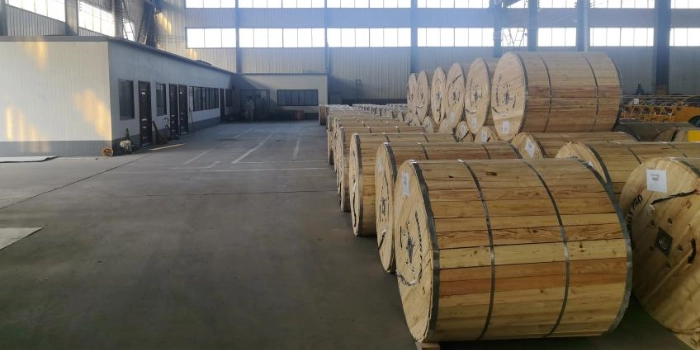
Peru Solar PV Project
CompletedNPC Electric Delivers Medium-Voltage Cables for Peru Solar PV Project
Country:Peru
Model:HEPRZ1(AS) 1x630 mm² 19/33kV x 6km
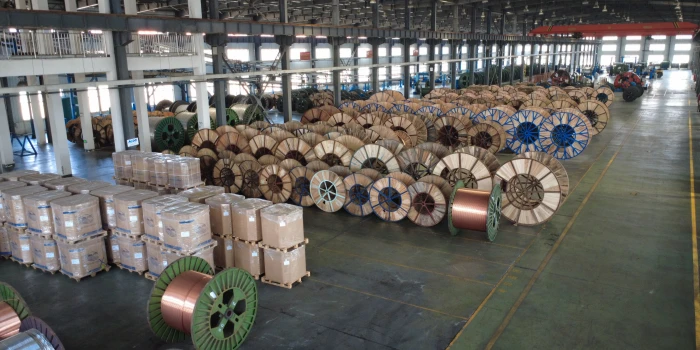
Chile El Project
CompletedReliable 19/33kV MV cables ensuring safe, stable, and efficient power transmission for critical projects.
Country:Chile
Model:19/33kV MV Power Cables x 5km
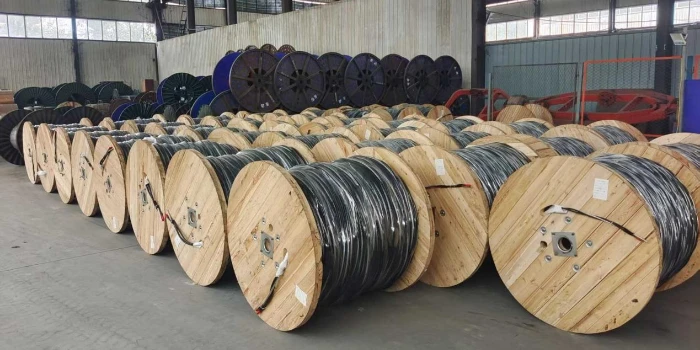
Dominican Edenorte Project
CompletedProvide outdoor power solutions for urban main road reconstruction projects to adapt to complex environments.
Country:Dominican
Model:NPC AAAC Cable & Triplex Cable x 10km
Related Articles
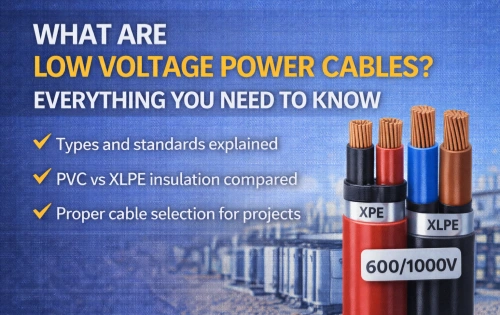
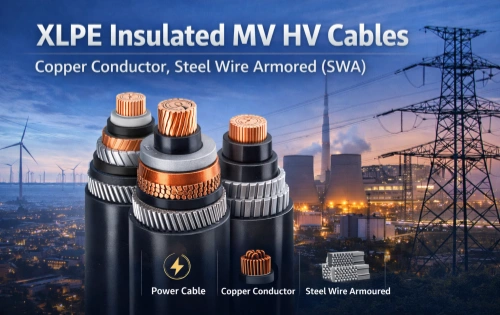
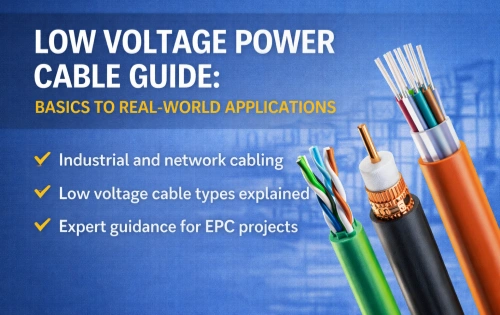
Understand the product's characteristics, structure, and applications.
Technical Advantages
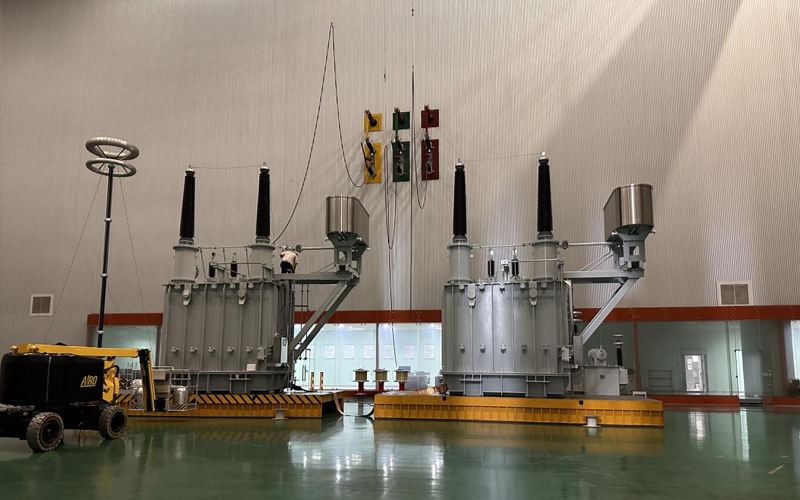
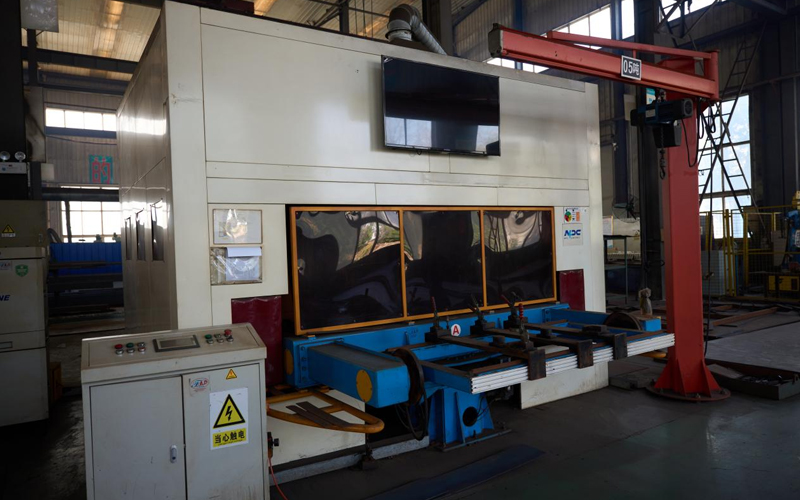
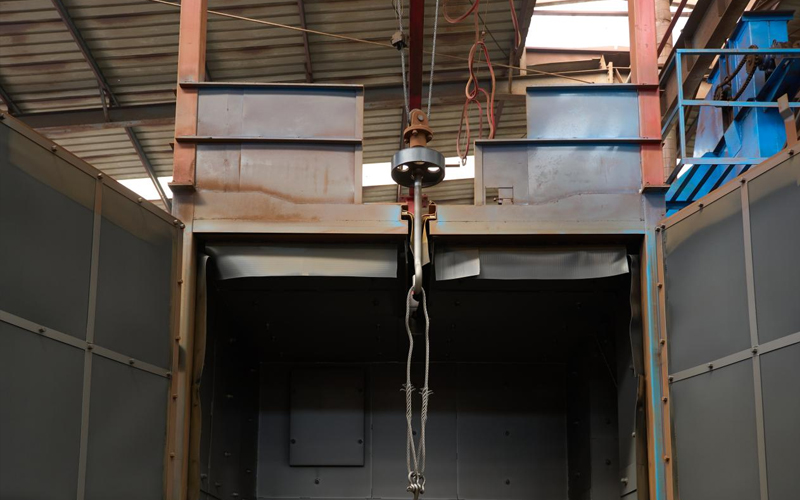
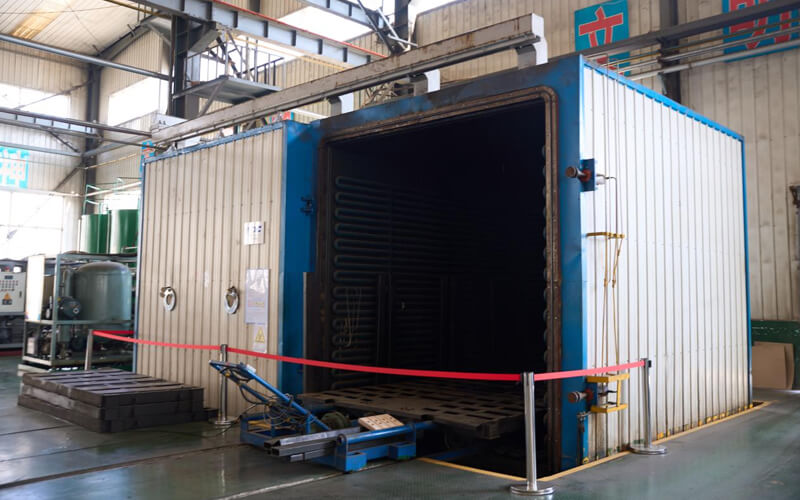
● 30+ years of manufacturing experience
● ISO and UL certified production
● Customized cable and transformer solutions

FAQ From Customers
-
What are low voltage power cables?
Low voltage power cables are electrical cables designed to carry electrical current at voltages up to 1kV. These cables are used in residential, commercial, and industrial applications for power distribution and internal wiring systems. They are commonly found in lighting circuits, appliances, and smaller electrical installations. Low voltage cables are typically made with copper or aluminum conductors and feature insulation that ensures safe transmission of electricity within buildings and infrastructure. -
What are the different types of low voltage cables?
There are several types of low voltage cables, each designed for specific applications:
1. Power cables: These cables are used for general electrical distribution and power transmission within buildings.
2. Control cables: Used to transmit control signals for various electrical equipment.
3. Communication cables: Designed for telecommunication systems, including data transfer.
4. Flexible cables: These cables are used where the installation requires movement, such as in machinery or mobile equipment. -
Where are low voltage power cables typically used?
Low voltage power cables are primarily used in residential and commercial electrical systems for lighting, appliance power supply, electrical circuits, and distribution panels. They are also used in industrial applications to connect machinery, lighting systems, and control systems. These cables are commonly installed in walls, floors, and roofs of buildings and are an essential part of any electrical installation. -
What are the benefits of using low voltage power cables?
Low voltage power cables offer several benefits, including cost-effectiveness, ease of installation, and safety. These cables are lightweight and flexible, making them easy to route through walls, ceilings, and other tight spaces. They are also designed to be durable, offering long-term performance and minimal maintenance. Additionally, low voltage cables are safer for residential and commercial use, as they are designed to handle electrical currents that are below 1kV, reducing the risk of electrical hazards. -
What materials are used in low voltage power cables?
Low voltage power cables are typically made from copper or aluminum conductors, which provide excellent electrical conductivity. The insulation material used for these cables is often PVC (polyvinyl chloride) or XLPE (cross-linked polyethylene), which provides durability and excellent protection against electrical faults. The outer sheath is usually made from PVC or PE (polyethylene) to provide mechanical protection and ensure the cables are resistant to environmental factors like moisture, chemicals, and UV radiation.
Welcome your inquiry
Honesty, Integrity, Frugality, Activeness and Passion