
Ultimate Guide to Prefabricated Substations: Advantages, Applications, and Modern Power Distribution Solutions
2026-07-03
As global demand for reliable electrical infrastructure continues to increase, utilities, industrial facilities, renewable energy developers, and infrastructure contractors are seeking faster and more efficient methods for deploying power distribution systems. Traditional substation construction often requires extensive civil works, long installation schedules, and complex on-site engineering coordination. In contrast, Prefabricated Substations offer a highly integrated, modular, and scalable solution that significantly reduces installation time while improving operational reliability.
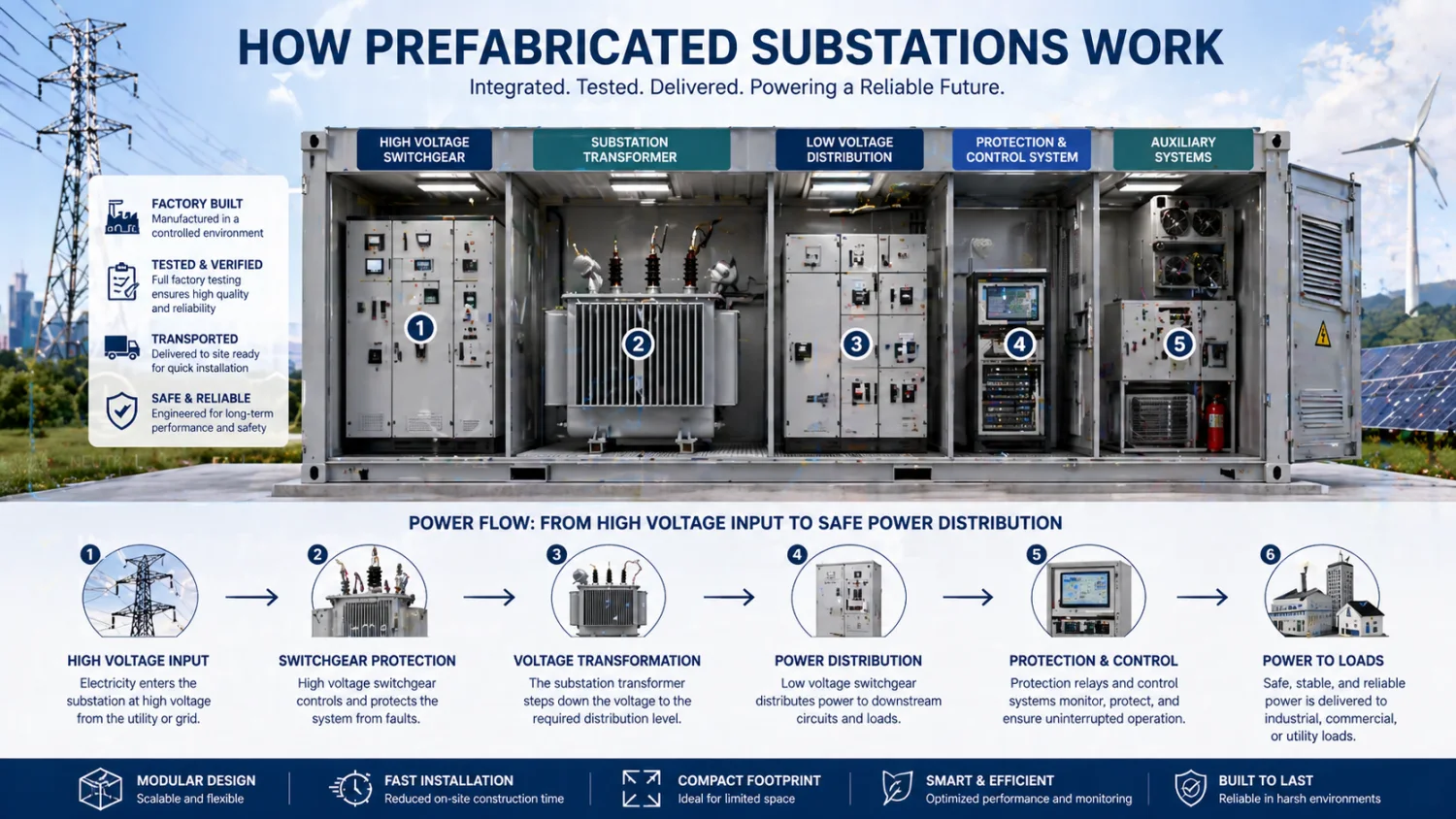
A prefabricated electrical substation combines major electrical components—including high voltage switchgear, substation transformer systems, protection equipment, low-voltage panels, monitoring devices, and cooling systems—into a factory-assembled unit. These systems are tested before shipment and delivered ready for rapid installation in the field.
Today, prefab substations are widely used in wind farms, solar plants, mining operations, transportation infrastructure, urban power distribution networks, and emergency mobile power applications. Their modular designs align with modern smart grid strategies and the growing demand for decentralized electrical systems.
1. What Are Prefabricated Substations?
A prefabricated substation is a factory-built electrical substation designed as an integrated and transportable power distribution unit. Unlike traditional substation construction, where equipment is assembled individually on-site, prefabricated substations are engineered, wired, and tested in controlled manufacturing environments before deployment.
These substations typically integrate:
- High voltage switchgear
- Medium-voltage distribution equipment
- Substation transformer units
- Protection and control systems
- SCADA monitoring
- Cooling system components
- Cable compartments
- Auxiliary power systems
The concept behind box substations and modular substations is to simplify installation while maintaining the same operational functionality as a conventional high-voltage electric substation.
Depending on the application, the unit may be installed as:
- Outdoor compact substations
- Containerized substations
- Mobile substations
- Skid-mounted substations
- Underground or urban compact substations
Modern prefabricated substation manufacturers increasingly customize systems according to environmental conditions, grid requirements, and project-specific power ratings.
2. How Prefabricated Substations Work
The operating principle of a prefab substation is similar to that of a traditional substation. The system receives incoming electrical energy at higher voltage levels, transforms voltage as required, and distributes electricity safely to downstream networks.
Voltage Transformation Process
The substation transformer serves as the core component responsible for transforming voltage levels.
For example:
- Utility transmission voltage may enter at 33kV or 66kV
- The transformer reduces the voltage to 11kV or 415V
- Electricity is then distributed to industrial equipment or local grids
This process allows substations to transform high-voltage electricity into usable operating voltages for various applications.
Protection and Switching
High voltage switchgear isolates faults, controls circuit operation, and protects electrical equipment from overloads or short circuits.
Protection systems typically include:
- Circuit breakers
- Relays
- Surge arresters
- Current transformers
- Voltage transformers
Integrated automation enables remote monitoring and smart grid compatibility.
Cooling System Integration
Transformer cooling system design is essential for maintaining operational stability.
Common cooling methods include:
- ONAN (Oil Natural Air Natural)
- ONAF (Oil Natural Air Forced)
- Dry-type air cooling
Proper thermal management directly impacts transformer lifespan and reliability.
3. Types of Prefabricated Substations
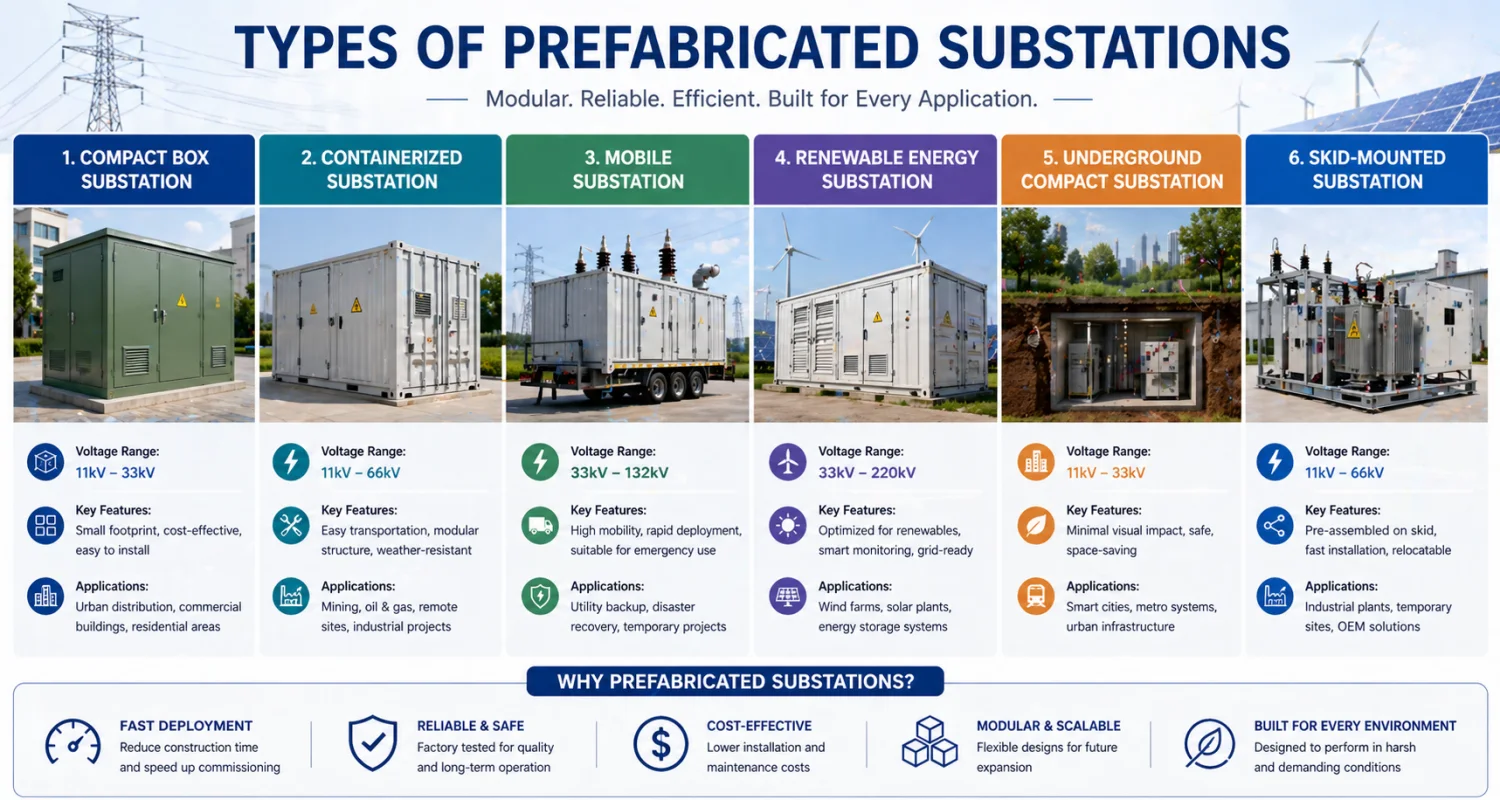
Different industries require different substation configurations. Understanding the types of prefabricated substations helps engineers select the most suitable solution.
Compact Box Substations
Box substations are among the most widely used compact solutions for urban and industrial power distribution.
Advantages include:
- Small footprint
- Lower installation cost
- Enhanced safety enclosure
- Simplified maintenance
These systems are common in:
- Residential developments
- Commercial buildings
- Industrial parks
Containerized Substations
Containerized substations house all electrical equipment inside ISO-style steel containers.
These systems are popular in:
- Mining operations
- Oil and gas facilities
- Remote infrastructure projects
- Temporary construction sites
Their modular designs simplify transportation and relocation.
Mobile Substations
A mobile substation is mounted on trailers or transport platforms for rapid emergency deployment.
Utilities use them for:
- Disaster recovery
- Temporary grid reinforcement
- Maintenance bypass operations
- Emergency backup power
Mobile substations reduce downtime significantly during unexpected failures.
Renewable Energy Substations
Wind farms and solar plants often use specialized prefabricated substations optimized for renewable integration.
These substations must handle:
- Variable power generation
- Harmonic distortion
- Reactive power compensation
- Grid synchronization requirements
Comparison of Different Types of Prefabricated Substations
|
Type of Prefabricated Substation |
Typical Voltage Range |
Main Advantages |
Common Applications |
Mobility Level |
|
Compact Box Substation |
11kV – 33kV |
Space-saving and cost-effective |
Urban distribution, commercial buildings |
Low |
|
Containerized Substation |
11kV – 66kV |
Easy transportation and modular installation |
Mining, oil & gas, remote infrastructure |
Medium |
|
Mobile Substation |
33kV – 132kV |
Rapid emergency deployment |
Utility backup, disaster recovery |
Very High |
|
Renewable Energy Substation |
33kV – 220kV |
Optimized for inverter integration |
Wind farms, solar plants |
Medium |
|
Underground Compact Substation |
11kV – 33kV |
Minimal visual impact |
Smart cities, metropolitan infrastructure |
Low |
|
Skid-Mounted Substation |
11kV – 66kV |
Fast installation and relocation |
Industrial temporary projects |
High |
4. Advantages of Prefabricated Substations
Substantial operational and economic advantages drive the rapid growth of prefabricated electrical substations.
Faster Installation
Traditional substations may require months or years of construction. Prefabricated systems dramatically shorten project schedules because most assembly work occurs at the factory.
Benefits include:
- Reduced civil engineering work
- Lower labor requirements
- Faster commissioning
- Reduced weather-related delays
For utility-scale renewable projects, speed of deployment can significantly affect project profitability.
Improved Quality Control
Factory assembly environments provide better manufacturing consistency than field construction sites.
This improves:
- Wiring accuracy
- Equipment testing quality
- Mechanical integrity
- Protection coordination reliability
Most prefabricated substation manufacturers perform complete factory acceptance testing (FAT) before shipment.
Lower Total Project Cost
Although initial equipment pricing may appear higher, overall lifecycle cost is often lower because of:
- Reduced installation labor
- Shorter construction schedules
- Lower maintenance requirements
- Improved energy efficiency
Enhanced Safety
Modern prefabricated substations include enclosed and compartmentalized equipment designs that reduce exposure to energized components.
Safety features often include:
- Arc-resistant switchgear
- Interlocking systems
- Fire-resistant materials
- Remote operation capability
Scalability and Flexibility
Modular designs allow future system expansion with minimal operational disruption.
This is especially valuable for:
- Expanding industrial plants
- Renewable energy projects
- Data centers
- Smart city infrastructure
5. Applications of Prefabricated Substations
The applications of prefabricated substations continue to expand across multiple industries.
Wind Farms
Wind farms require distributed power collection systems capable of handling fluctuating generation output.
Prefabricated substations support:
- Collector circuit integration
- Voltage step-up transformation
- Reactive power management
- Grid interconnection
Their transportable structure simplifies installation in remote areas.
Solar Power Plants
Utility-scale solar projects frequently use prefab substations for inverter collection and medium-voltage distribution.
Advantages include:
- Rapid deployment
- Reduced field wiring
- Simplified maintenance
- Smart monitoring integration
Mining Operations
Mining facilities operate in harsh and remote environments where traditional substation construction is difficult.
Containerized substations provide:
- Ruggedized operation
- Dust-resistant enclosures
- Mobility
- Reduced downtime
Urban Infrastructure
Cities increasingly deploy compact box substations because land availability is limited.
Applications include:
- Metro systems
- Airports
- Commercial complexes
- Residential districts
Compact substations reduce visual impact while maintaining high reliability.
Industrial Manufacturing
Heavy industrial plants require stable power distribution for motors, automation systems, and production equipment.
Prefabricated substations improve:
- Installation speed
- Operational continuity
- Expansion flexibility
- Maintenance accessibility
6. Prefabricated Substation vs Traditional Substation
Choosing between prefab and traditional systems depends on project objectives, budget, and operational conditions.
|
Feature |
Prefabricated Substation |
Traditional Substation |
|
Installation Time |
Short |
Long |
|
Site Construction |
Minimal |
Extensive |
|
Mobility |
High |
Low |
|
Quality Control |
Factory-tested |
Site-dependent |
|
Initial Engineering |
Standardized |
Custom-heavy |
|
Expansion Flexibility |
Excellent |
Moderate |
|
Land Requirement |
Compact |
Larger |
|
Best Applications |
Renewable, industrial, temporary |
Large utility grids |
While traditional substations remain essential for ultra-high-voltage transmission networks, prefabricated systems dominate many medium-voltage and distributed power applications.
Prefabricated Substation vs Pad-Mounted Transformer
|
Feature |
Prefabricated Substation |
Pad Mounted Transformer |
|
Function |
Complete power distribution solution |
Voltage transformation only |
|
Integrated Switchgear |
Yes |
Limited |
|
Protection System |
Advanced |
Basic |
|
Typical Voltage Level |
MV/HV |
LV/MV |
|
Installation Complexity |
Moderate |
Simple |
|
Scalability |
High |
Limited |
|
Typical Applications |
Industrial plants, utilities, renewables |
Residential and light commercial |
7. Key Design Considerations
Selecting the correct prefabricated electrical substation requires careful engineering evaluation.
Voltage Level
Typical voltage ratings include:
- 11kV
- 13.8kV
- 33kV
- 66kV
The design must support system fault levels and insulation requirements.
Environmental Conditions
Outdoor substations must withstand:
- Extreme temperatures
- Humidity
- Corrosion
- Sand and dust
- Seismic conditions
Enclosure protection ratings are critical.
Cooling System Selection
Transformer cooling systems directly influence operational efficiency and transformer lifespan.
Engineers evaluate:
- Ambient temperature
- Load profile
- Installation space
- Noise limitations
Smart Grid Compatibility
Modern substations increasingly include:
- IoT monitoring
- Remote diagnostics
- Predictive maintenance systems
- Digital relays
- SCADA communication
Digitalization improves operational efficiency and grid visibility.
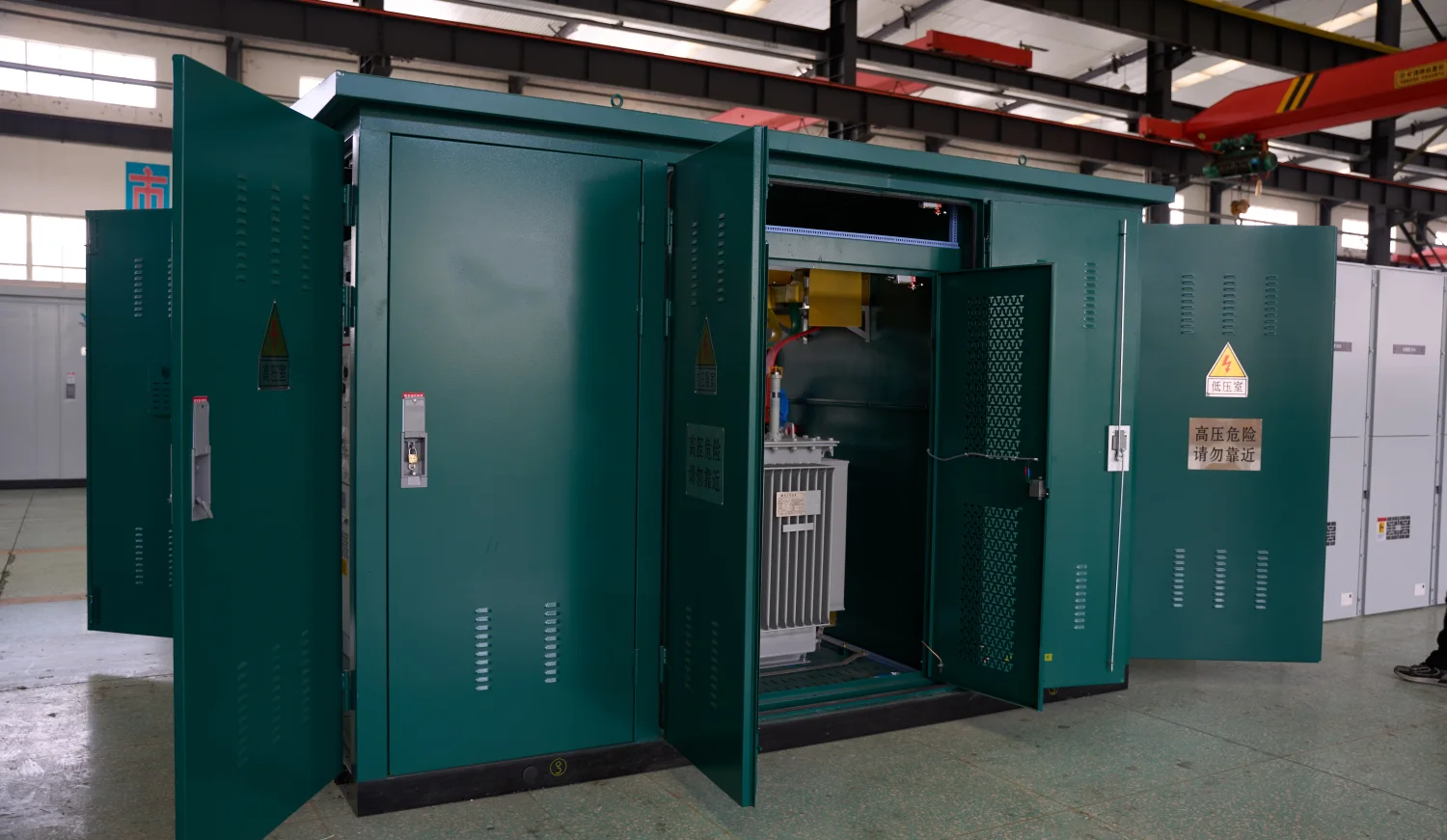
Transportation Constraints
Container dimensions, weight limitations, and road transport regulations affect prefab substation design.
Engineers must balance compactness with maintainability.
Key Engineering Parameters in Prefabricated Electrical Substation Design
|
Design Parameter |
Typical Range |
Engineering Importance |
|
Incoming Voltage |
11kV – 220kV |
Determines insulation and switchgear requirements |
|
Transformer Capacity |
500kVA – 100MVA |
Defines system load capability |
|
Frequency |
50Hz / 60Hz |
Affects transformer and protection design |
|
Cooling System Type |
ONAN / ONAF / Dry Type |
Influences thermal performance and lifespan |
|
Protection Degree |
IP44 – IP65 |
Determines environmental resistance |
|
High Voltage Switchgear Type |
GIS / AIS |
Impact footprint and maintenance requirements |
|
Fault Current Rating |
16kA – 40kA |
Defines short-circuit withstand capability |
|
Ambient Temperature |
-40°C to +55°C |
Influences cooling and enclosure design |
|
SCADA Integration |
Optional / Standard |
Enables smart grid monitoring |
|
Installation Environment |
Indoor / Outdoor |
Determines enclosure structure and corrosion protection |
8. Future Trends in Prefabricated Substations
The future of power distribution increasingly favors modular and intelligent infrastructure.
Several major trends are accelerating adoption.
Renewable Energy Expansion
Global investment in wind farms and solar power continues driving demand for modular substations optimized for distributed generation.
Smart Grid Integration
Utilities increasingly require intelligent substations capable of:
- Real-time monitoring
- Automated fault isolation
- Remote operation
- Cybersecurity integration
Sustainable Infrastructure
Modern substations increasingly incorporate:
- Eco-friendly insulation fluids
- Energy-efficient transformers
- Reduced carbon manufacturing
- Recyclable materials
Environmental regulations are influencing future transformer and switchgear technologies.
Rapid Urbanization
Compact box substations support urban electrical infrastructure where land and installation time are limited.
This trend is especially strong in Asia, the Middle East, and Africa.
9. FAQ: Prefabricated Substations
What is a prefabricated substation?
A prefabricated substation is a factory-assembled electrical distribution system that integrates transformers, high-voltage switchgear, protection devices, low-voltage panels, and monitoring systems into a compact modular unit. Unlike traditional substations constructed entirely on-site, prefab substations are tested before shipment, significantly reducing installation time and improving project efficiency.
How does a prefabricated electrical substation work?
A prefabricated electrical substation receives incoming high voltage electric power from utility or transmission networks and distributes it safely to downstream systems. The substation transformer reduces voltage to usable levels, while integrated switchgear, relays, and protection systems manage switching operations, fault isolation, and power distribution reliability.
What are the advantages of prefabricated substations?
Prefabricated substations offer several major advantages, including faster installation, lower construction costs, factory-tested reliability, reduced site labor, modular scalability, and improved operational safety. Their compact modular designs also minimize land usage and simplify transportation for remote or temporary installations.
What is the difference between a prefabricated substation and a traditional substation?
A traditional substation is typically constructed and assembled on-site, requiring extensive civil engineering and longer installation schedules. In contrast, a prefab substation is manufactured and tested in a controlled factory environment before delivery. Prefabricated substations offer faster deployment, better quality control, and easier expansion for modern power distribution systems.
Where are prefabricated substations commonly used?
Prefabricated substations are widely used in wind farms, solar power plants, industrial manufacturing facilities, mining operations, utility distribution systems, transportation infrastructure, data centers, and urban electrical networks. Their flexibility makes them ideal for both permanent and temporary power applications.
What types of prefabricated substations are available?
Common types of prefabricated substations include compact box substations, containerized substations, mobile substations, skid-mounted substations, and renewable energy substations. Each type is designed for specific environmental conditions, voltage levels, and operational requirements.
How do prefabricated substations support wind farms and solar plants?
Renewable energy facilities require reliable voltage distribution and grid integration systems. Prefabricated substations help wind farms and solar plants transform high voltage electricity, stabilize power output, manage protection coordination, and support efficient grid connection while reducing installation time in remote locations.
What is included in a prefab substation?
A prefab substation typically includes a substation transformer, high-voltage switchgear, medium-voltage panels, low-voltage distribution systems, protection relays, SCADA monitoring equipment, cable compartments, grounding systems, and transformer cooling system components.
How do engineers select the right prefabricated substation?
Engineers evaluate multiple technical factors when selecting a prefabricated electrical substation, including system voltage, transformer capacity, fault current levels, environmental conditions, cooling requirements, smart grid compatibility, transportation constraints, and future expansion needs.
What is the difference between a prefabricated substation and a pad-mounted transformer?
A pad-mounted transformer primarily performs voltage transformation in distribution systems, while a prefabricated substation is a complete integrated power distribution solution that includes transformers, high voltage switchgear, protection systems, and control equipment. Prefabricated substations are generally used for more complex industrial and utility applications.
Conclusion
Prefabricated Substations have transformed modern power distribution by offering faster deployment, enhanced reliability, reduced construction complexity, and superior scalability compared with traditional substations.
From wind farms and mining operations to industrial manufacturing and urban infrastructure, prefab substations provide highly flexible solutions for modern electrical networks. Their modular designs, integrated cooling systems, high voltage switchgear protection, and factory-tested reliability make them essential components of next-generation electrical infrastructure.
As utilities and industries continue modernizing global power systems, prefabricated electrical substations will play an increasingly important role in supporting efficient, resilient, and intelligent energy distribution networks.

Related Articles
Related Products
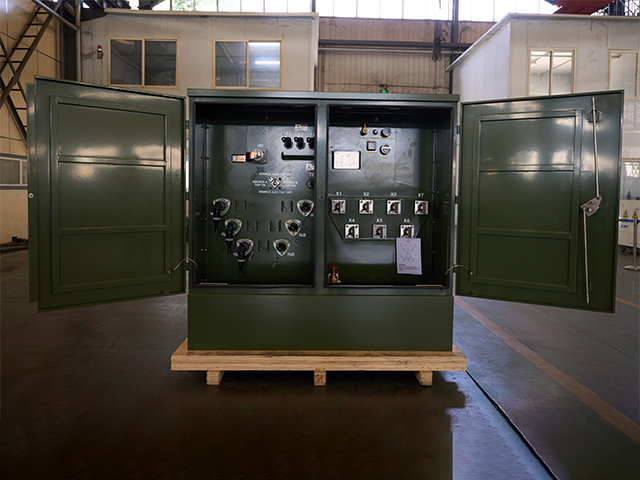
300kVA Three Phase Pad Mounted Transformer
The 300kVA three-phase pad transformer is an efficient and reliable power device designed for commercial, industrial and distribution systems. The transformer provides a high power capacity of 300kVA, which can provide a stable three-phase power supply for high-load equipment, ensuring efficient and smooth operation of the power system. Its sturdy housing adopts a protective design that meets the NEMA 3R standard, which can effectively resist the invasion of the external environment and is suitable for outdoor installation.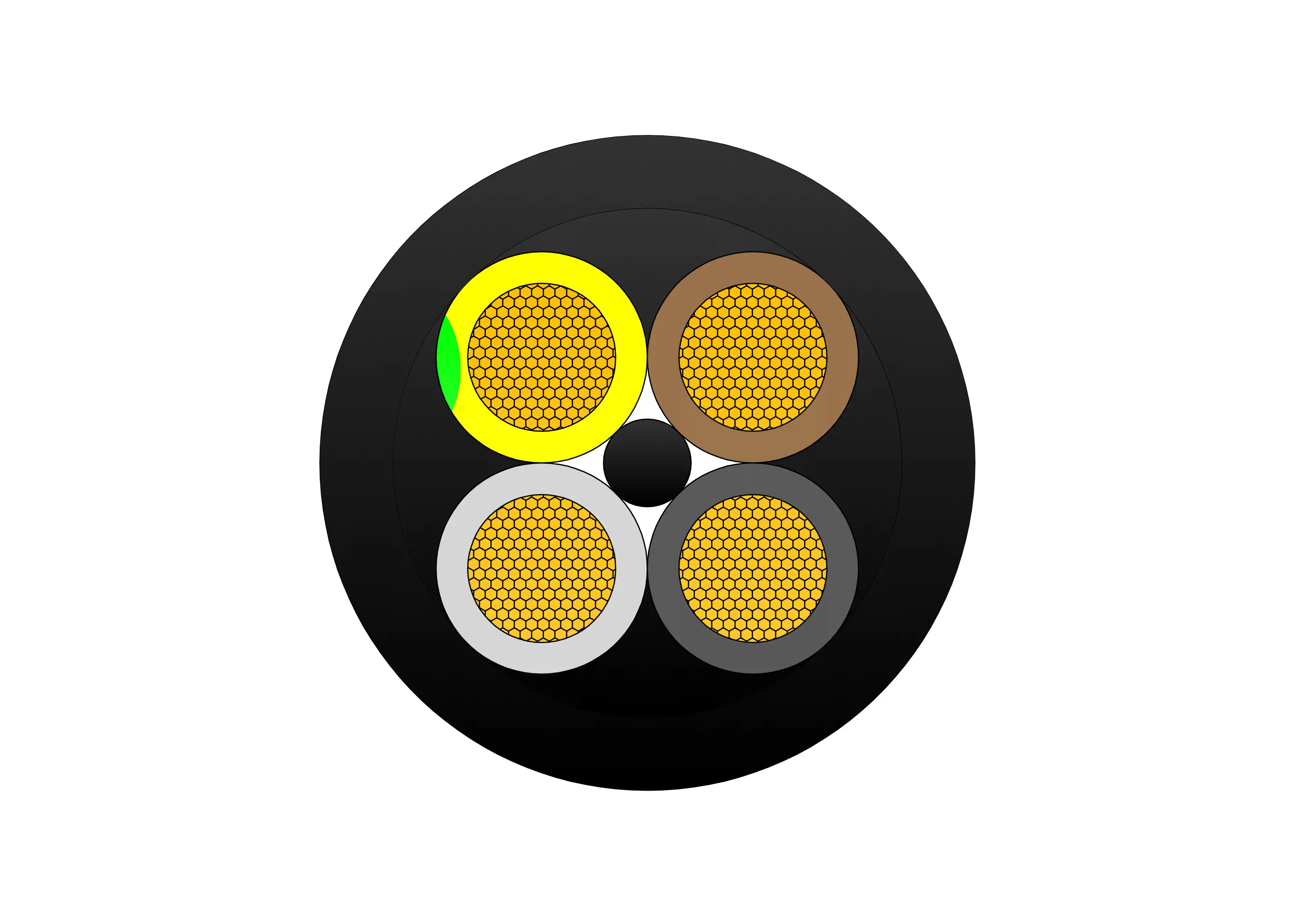
H07RN-F AD8 EN 50525-2-21 Flexible Rubber Cable
The H07RN-F AD8 EN 50525-2-21 Flexible Rubber Cable is a versatile, heavy-duty flexible cable designed for demanding applications in harsh environments. It features fine-stranded class 5 bare copper conductors for excellent flexibility and conductivity, EPR (ethylene propylene rubber) core insulation for high dielectric strength and thermal resistance (90°C continuous, 250°C short-circuit), an overall tinned copper braid screen (optional for some variants), and a robust polychloroprene (neoprene) outer sheath providing superior oil resistance, flame retardancy (IEC 60332-1), abrasion/chemical resistance, and weatherproofing. The AD8 rating ensures submersible performance up to 10 meters depth for continuous use in wet or underwater conditions. Compliant with EN 50525-2-21 and VDE 0285 standards, it offers mechanical robustness, ozone resistance, and long service life. The H07RN-F AD8 is ideal for mobile equipment, construction sites, mining, marine applications, and industrial power supply where flexibility, water immersion, and safety are critical.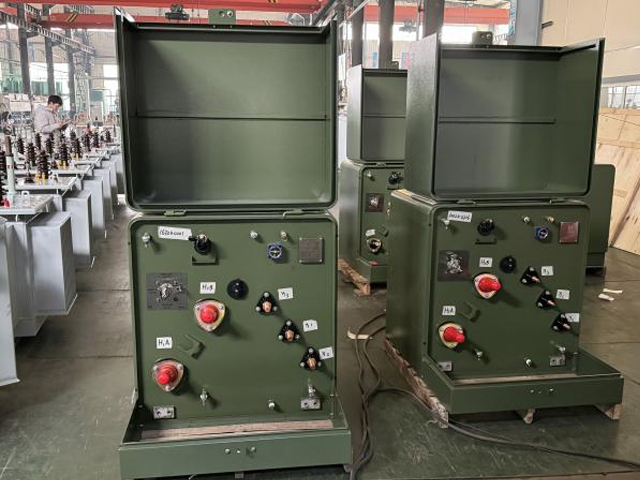
50kVA Conventional Type Single Phase Pole Mounted Transformer
The 50kVA Conventional Type Single Phase pole Mounted transformer produced by NPC ELECTRIC has a rated capacity ranging from 10kVA to 333kVA, meeting the standards of ANSI/IEEE C57, IEC60076, etc. Its main function is to convert high-voltage power (such as 10kV, 11kV, etc.) into low-voltage power (such as 220V, 240V) through the transformer for use in homes, shops, industrial equipment, etc. It is suitable for residential areas, commercial areas, rural power grids, agricultural facilities and small industrial power supply. Standard features encompass mineral oil insulation (ONAN cooling), aluminum or copper windings, primary voltages 2.4kV–34.5kV grounded wye or delta (common: 7200/12470GrdY, 7620/13200GrdY, 12470GrdY/7200, 24940GrdY/14400, 34500GrdY/19920), secondary 120/240V or 240/120V split-phase, BIL ratings 95–150kV HV / 30kV LV, impedance typically 2.0–4.0%, ±2×2.5% or 5-position tap changer, conventional or CSP (completely self-protected) configurations with internal fuses, lightning arresters, weak-link protection, pressure relief valve, oil sight gauge, and ANSI 70 gray tank finish. Efficiency typically reaches 99.11%+, with low sound levels and corrosion-resistant hardware for extended outdoor service.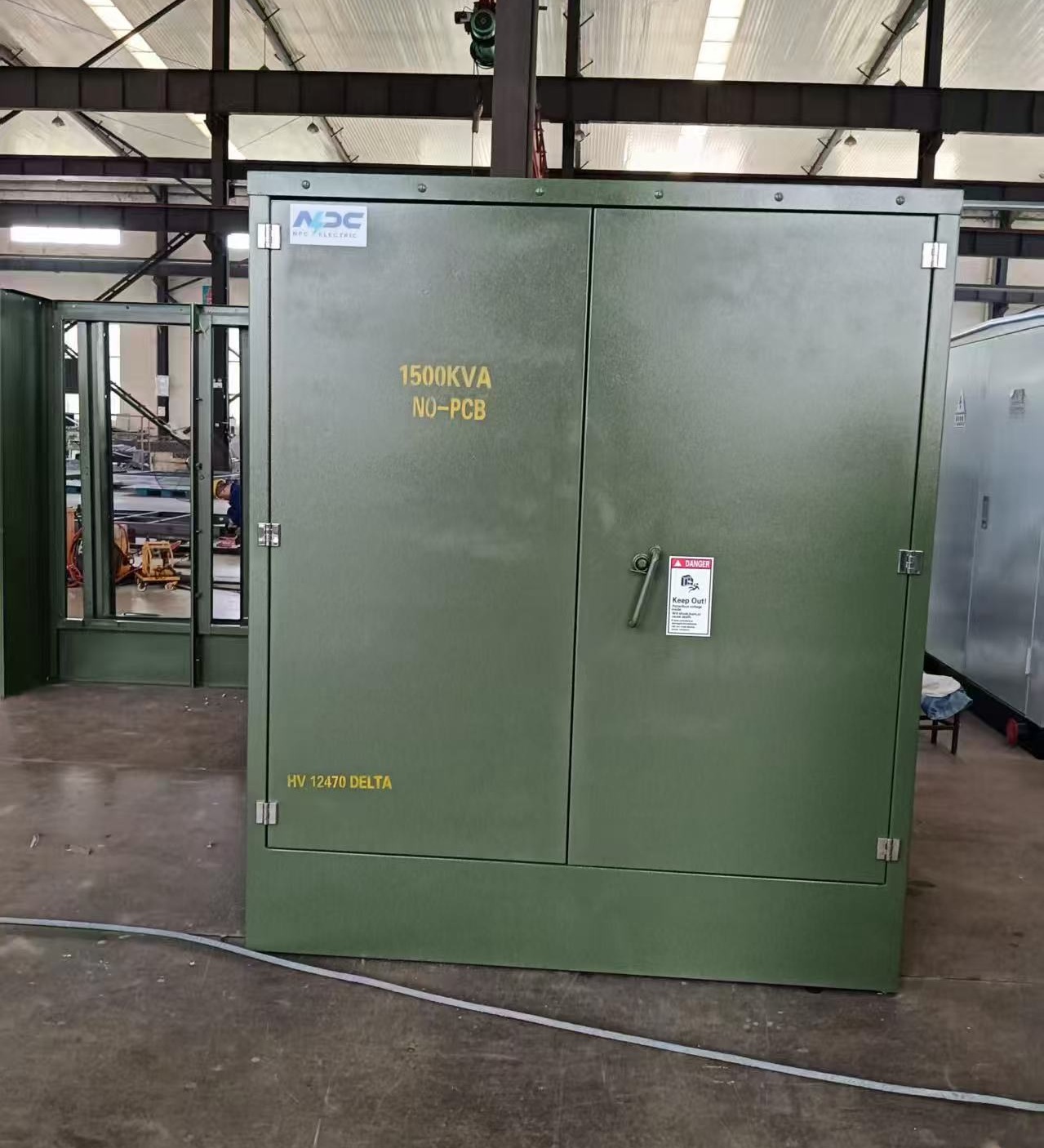
1500kVA Radial Feed Pad Mounted transformer DOE 2016
The 1500kVA Radial Feed Pad-Mounted Transformer is designed for reliable medium-voltage power distribution in utility, commercial, and renewable energy (solar) applications. Engineered to comply with IEEE C57.12.34, C57.12.24, C57.12.00, and DOE 2016 efficiency standards, this pad-mounted transformer is ideal for step-down applications from 12.47kV to 480/277V. Standard features include mineral oil or FR3 natural ester fluid (ONAN cooling), aluminum or copper windings, primary voltage 13.8kV (13800V Delta or 12470GrdY/7200 common), secondary 480Y/277V (or 208Y/120V, custom options), BIL 95kV HV / 30kV LV, impedance 5.75–7.0% (±7.5%), ±2×2.5% taps, radial-feed dead-front design with three high-voltage bushings (H1, H2, H3), bayonet fuses + partial-range current-limiting fuses, load-break switch (optional), lightning arresters, pressure relief valve, oil level/temperature gauges, and ANSI 70 gray (or Munsell green) finish.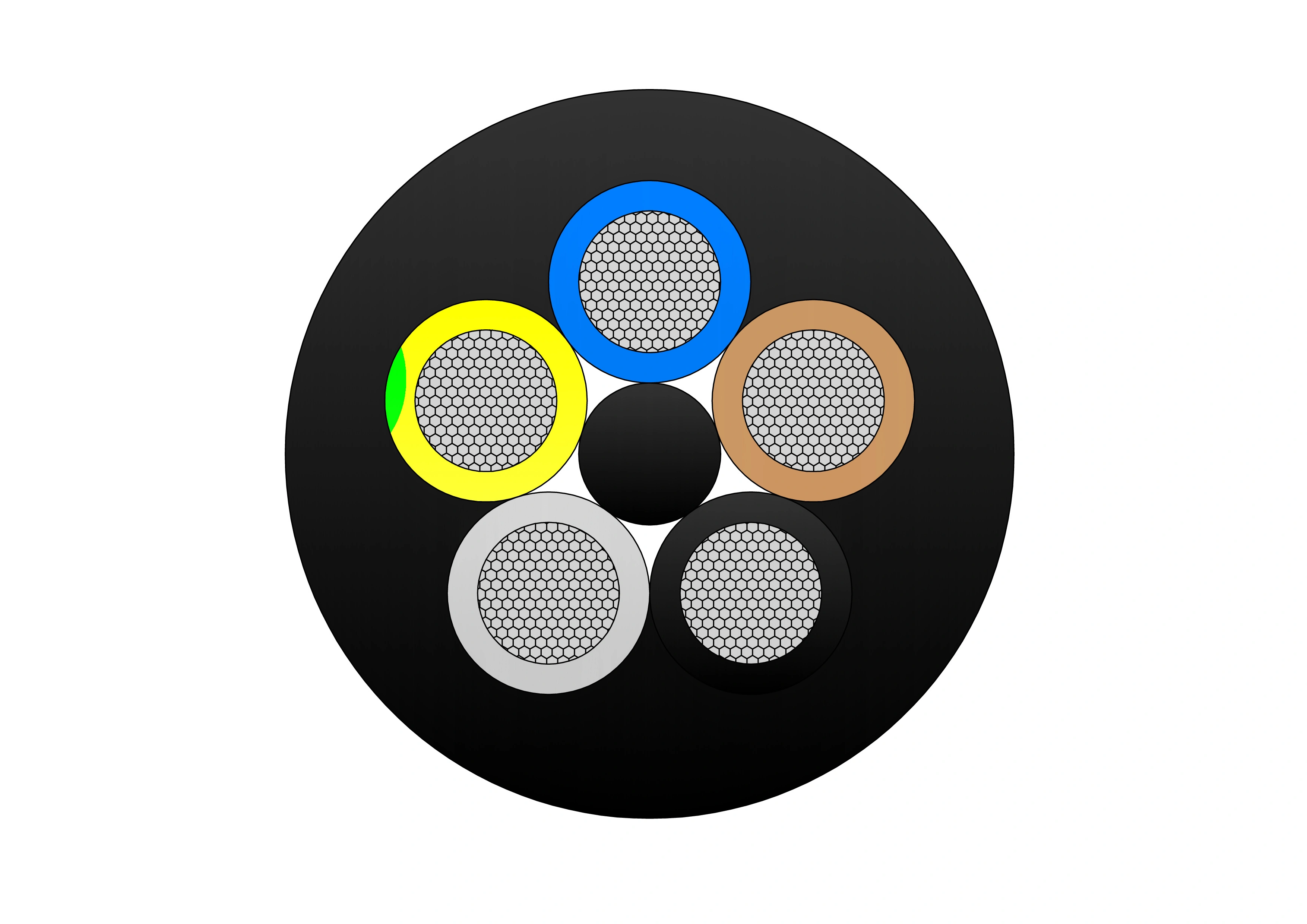
Type 455 Flexible Screened Mining Cable With Two Earth And One Pilot Core
The Type 455 Flexible Screened Mining Cable With Two Earth And One Pilot Core is an extra-heavy-duty flexible cable designed for the most severe underground mining operations requiring enhanced electrical safety. It features finely stranded tinned copper conductors (class 5) for exceptional flexibility and corrosion resistance, EPR insulation for high dielectric strength and 90°C continuous rating, tinned copper braid screen for effective EMI protection and grounding, two dedicated earth cores for redundant grounding and increased safety, one pilot core for earth continuity monitoring and machine interlock protection, and an extra-heavy-duty flame-retardant rubber outer sheath resistant to oil, abrasion, tearing, crushing, impact, and chemicals. Compliant with AS/NZS 2802 and mining safety standards, it supports very high tensile loads, frequent reeling/drag, tight bending radii, and reliable performance in wet, dusty, and hazardous conditions. The Type 455 is ideal for high-power trailing applications in coal and metalliferous mines, powering longwall shearers, continuous miners, face conveyors, shuttle cars, and critical mobile equipment with dual earth redundancy and pilot monitoring for maximum safety.
Type 245 Flexible Rubber Mining Cable
The Type 245 Flexible Rubber Mining Cable is an extra-heavy-duty flexible cable purpose-built for the most severe high-voltage underground mining environments. It features finely stranded tinned copper conductors (class 5) for exceptional flexibility and corrosion resistance, EPR (ethylene propylene rubber) insulation for outstanding dielectric strength, thermal stability (90°C continuous rating), and resistance to moisture/heat, an overall tinned copper braid screen providing superior EMI protection and grounding, and an extra-heavy-duty flame-retardant rubber outer sheath engineered to endure extreme abrasion, crushing, impact, cutting, tearing, oils, chemicals, and repeated high-tension reeling/drag. Compliant with AS/NZS 2802 and rigorous mining safety standards, it supports very high tensile loads, frequent flexing, tight bending radii, and reliable operation in wet, dusty, and hazardous mine conditions. The Type 245 is specifically suited for high-power trailing applications in coal and metalliferous mines, powering longwall shearers, continuous miners, face conveyors, shuttle cars, and other critical high-capacity mobile equipment, delivering maximum safety, durability, and uptime.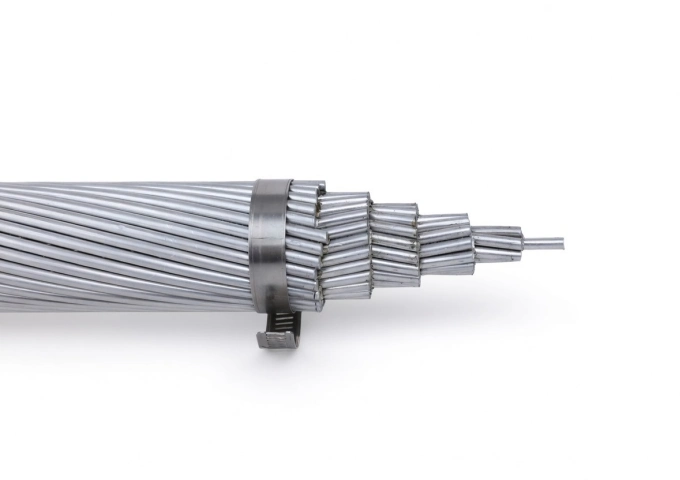
2000 MCM Cowslip AAC All Aluminum Bare Conductor Cable
The 2000 MCM Cowslip AAC Cable represents premium All Aluminum Conductor technology for overhead power applications. Built with 91 strands of high-conductivity 1350-H19 aluminum, this bare conductor delivers an optimal balance of electrical efficiency and mechanical robustness. With a 1.631-inch diameter, 32,200 lbs breaking strength, and 1518 amps ampacity, the Cowslip AAC offers low DC resistance of 0.00864 ohms per 1000 ft at 20°C and a weight of 1877 lbs per 1000 ft. This design minimizes sag while providing excellent corrosion resistance for extended outdoor service. Manufactured to meet ASTM B-230 and B-231 standards, the 2000 MCM Cowslip AAC Cable undergoes extensive quality testing from raw materials through finished product. It is the ideal solution for new installations and upgrades in transmission and distribution systems that demand lightweight, high-conductivity bare aluminum conductors.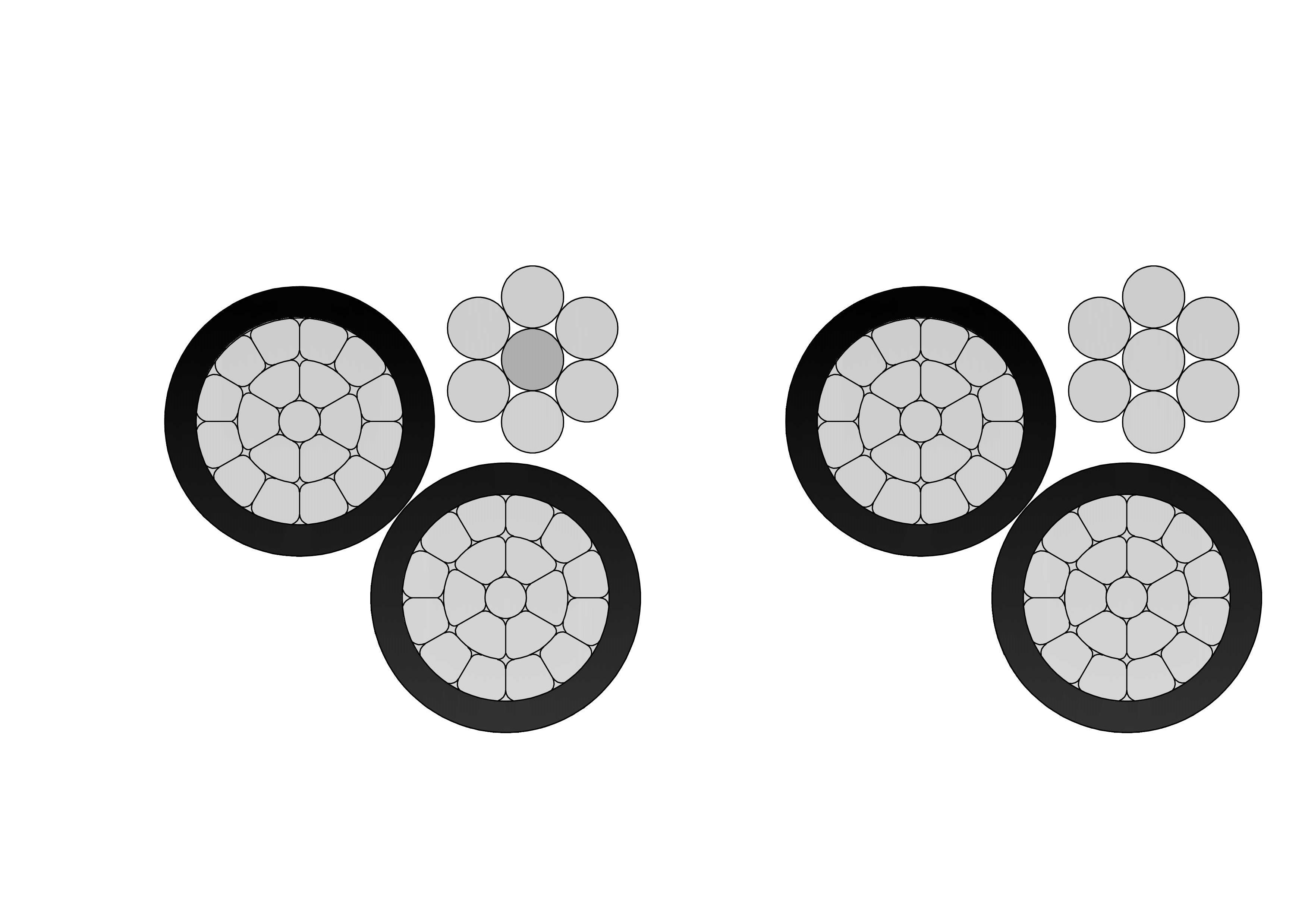
4 Periwinkle Aluminum Conductor Triplex Overhead Service Drop Cable
The 4-4-6 Periwinkle Aluminum Conductor Triplex Overhead Service Drop Cable is a cost-effective solution for overhead power delivery from utility poles to residential or light commercial weatherheads. It features concentric-lay-stranded 1350-H19 aluminum phase conductors (#4 AWG, 7-strand), black cross-linked polyethylene (XLPE) insulation for superior weather, UV, and thermal resistance, and a bare ACSR neutral messenger (#6 AWG, 6/1) providing mechanical strength and conductivity. Rated for 600 volts phase-to-phase at conductor temperatures up to 90°C (XLPE) or 75°C (Poly), it offers an allowable ampacity of approximately 100 amps (XLP). Compliant with ASTM B-230, B-231, B-232, B-399, and ICEA S-76-474 standards, this lightweight, flexible cable ensures easy installation and reliable performance in outdoor conditions, including wind, ice loading, moisture, and temperature fluctuations.
954 MCM Magnolia AAC Cable
The 954 MCM Magnolia AAC Cable is a high-performance All Aluminum Conductor designed for demanding overhead power transmission and distribution lines. Manufactured with 37 strands of premium 1350-H19 aluminum wire in a concentric lay configuration, this bare conductor provides excellent electrical conductivity with a low DC resistance of 0.0181 ohms per 1000 ft at 20°C. Featuring an overall diameter of 1.124 inches and a rated breaking strength of 16,400 lbs, the Magnolia AAC delivers a robust ampacity of 982 amps while weighing only 895.6 lbs per 1000 ft. Its optimized strength-to-weight ratio minimizes sag and structural loading. Fully compliant with ASTM B-230 and B-231 standards, the 954 MCM Magnolia AAC Cable offers outstanding corrosion resistance for long-term durability in harsh outdoor environments, making it the preferred choice for utility networks requiring cost-effective, high-reliability bare aluminum conductors.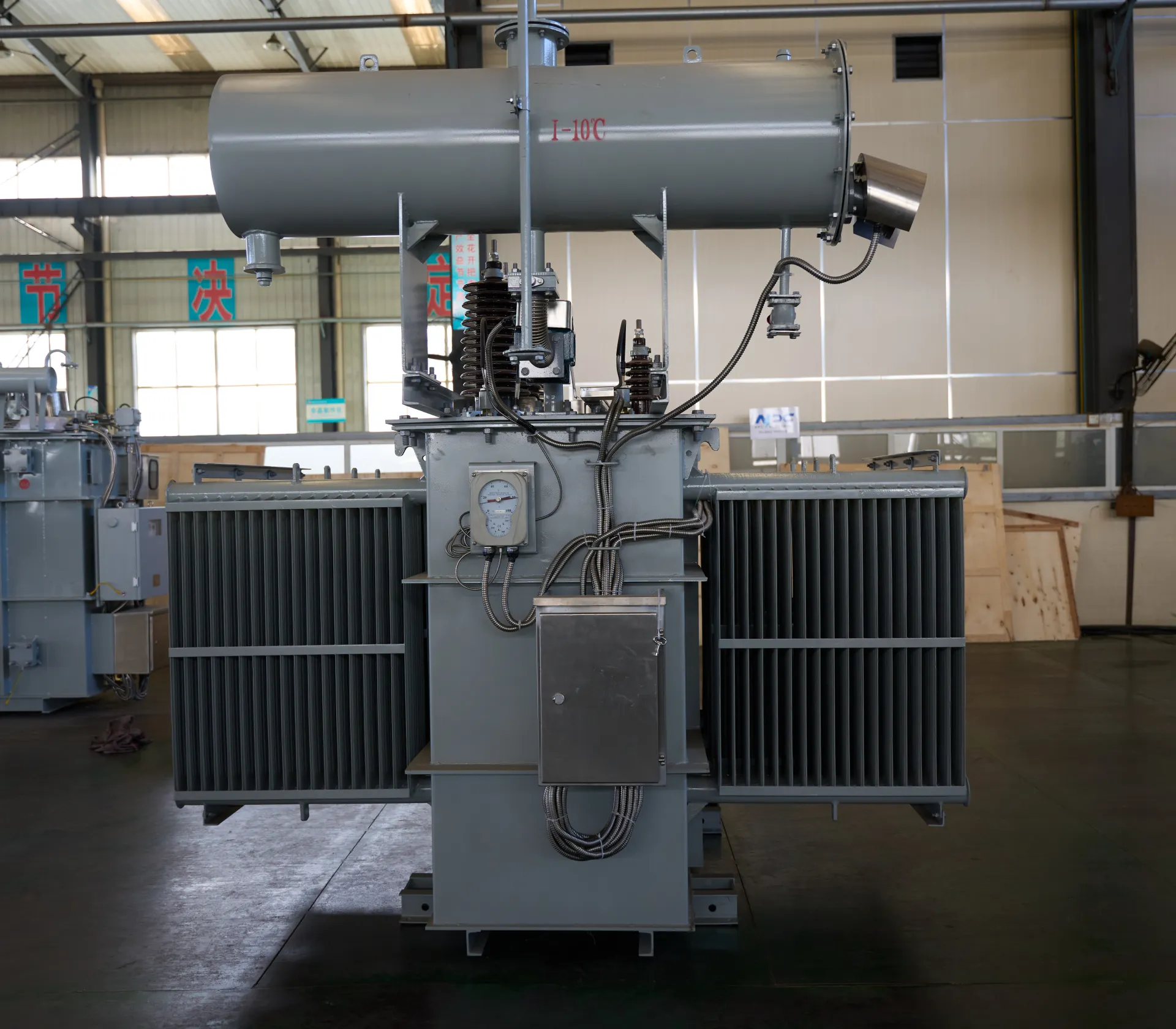
630kVA Three-Phase Oil-Immersed Outdoor Substation Transformer | 220V to 380V Step-Up Transformer
This 630kVA three-phase oil-immersed transformer is designed for outdoor substations, providing reliable voltage conversion from 220V to 380V. With a robust oil-immersed cooling system, it ensures excellent heat dissipation, stable performance, and long service life. Ideal for industrial facilities, commercial power distribution, and utility applications, this step-up transformer delivers consistent efficiency even under heavy load conditions.
Variable Frequency Drive (VFD) EMC 2YSL(st)CY Cable
The Variable Frequency Drive (VFD) EMC 2YSL(st)CY Cable is a flexible, low-voltage power and control cable designed for use with frequency-controlled drives. Built to DIN VDE 0250 standards, it features low capacitance, enhanced EMC shielding with aluminium-foil and tinned copper braid, and PVC outer sheath for durability. It provides excellent electromagnetic compatibility, oil and grease resistance, and reliable performance under medium mechanical stress. Ideal for connecting motors to inverters, this cable supports fixed and temporary installations in both indoor and outdoor environments (excluding direct burial).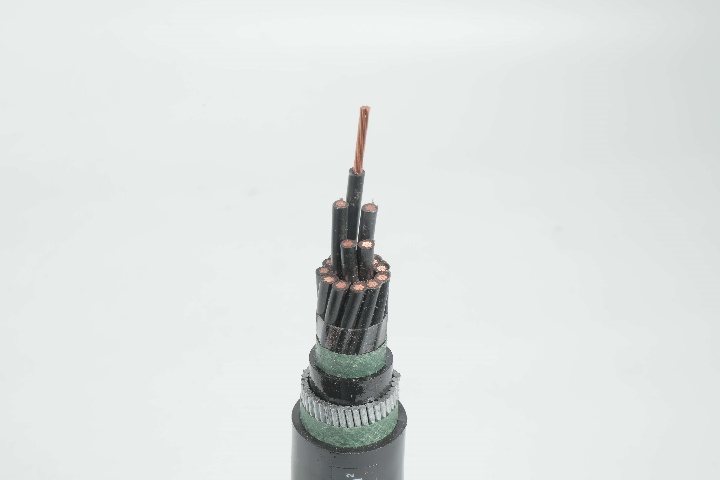
LiHH LSZH Control Cable - Halogen-Free Flexible Control Cable
The LiHH LSZH Control Cable is a high-performance halogen-free flexible control cable designed for applications requiring enhanced fire safety and low smoke emission. It features finely stranded copper conductors with low-smoke zero-halogen (LSZH) insulation, twisted cores, and a robust LSZH outer sheath. This construction provides excellent flexibility, reliable signal transmission, and superior fire performance with minimal toxic gas and smoke generation during combustion. Rated 300/500V, the LiHH LSZH Control Cable is ideal for public buildings, transportation systems, data centers, and industrial environments where safety and environmental protection are critical. Manufactured to international standards such as IEC 60227 and VDE 0812, it undergoes rigorous quality testing from raw materials to finished product, ensuring consistent electrical performance, mechanical strength, and compliance with strict fire safety regulations.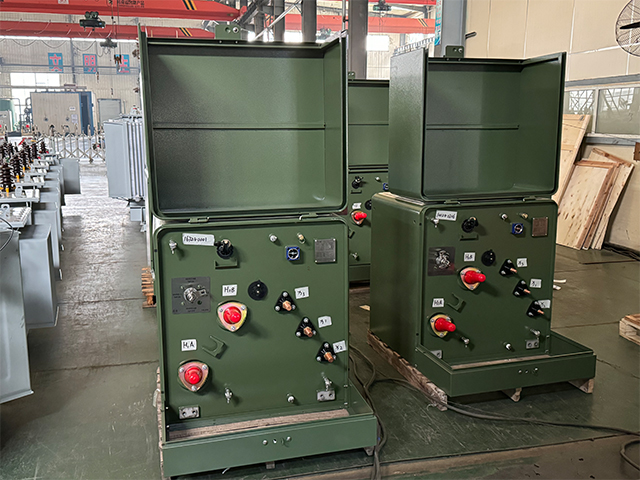
10kVA Single Phase Pad Mounted Transformer
The 10 kVA pad-mounted transformer meets ANSI, CSA, NEMA, IEEE, and DOE standards. NPC Electric's 10 kVA pad-mounted transformers comply with DOE efficiency values and are UL listed. Based on specific technical requirements, the incoming line can be designed as either a loop feed or radial feed, and it also supports customized dual voltage.
1/0 Sandcrab Aluminum Conductor Triplex Overhead Service Drop Cable
NPC Electric 1/0 Sandcrab Triplex Service Drop Cable provides reliable overhead secondary distribution for residential applications. Consisting of two 1/0 AWG aluminum phase conductors and one neutral messenger (7-strand) insulated with cross-linked polyethylene (XLPE) and twisted in triplex form, it meets ASTM, ICEA, and international standards. The robust insulation resists sunlight, moisture, and mechanical damage for decades of outdoor service. Lightweight design simplifies installation with low sag and easy handling. The 1/0 Sandcrab Triplex Service Drop Cable ensures minimal losses, high current capacity, and excellent weather performance up to 600V. Self-supporting messenger reduces pole loading. Flame-retardant options enhance safety. Commonly chosen for two-phase power delivery with neutral in subdivisions, rural homes, and temporary connections requiring safe, economical aerial bundled solutions with proven durability.
37.5kVA Conventional Type Single Phase Pole Mounted Transformer
37.5kVA Conventional Type Single Phase pole Mounted transformer has a rated capacity range from 10 kVA to 333 kVA, and complies with ANSI, IEEE, CSA, IEC60076 and other standards, ensuring safety, stability, and efficiency, allowing you to reduce operating costs. Our products have been widely exported to markets such as North America, Central and South America, and Southeast Asia. With rich experience, we provide comprehensive technical support and services. Key specifications include mineral oil insulation (ONAN cooling), aluminum or copper windings, primary voltages 2.4kV–34.5kV grounded wye or delta (common: 7200/12470GrdY, 7620/13200GrdY, 12470GrdY/7200, 24940GrdY/14400, 34500GrdY/19920), secondary 120/240V or 240/120V split-phase, BIL ratings 95–150kV HV / 30kV LV, impedance typically 2.0–4.0%, ±2×2.5% or 5-position tap changer, conventional or CSP (completely self-protected) configurations with internal fuses, lightning arresters, weak-link protection, pressure relief valve, oil sight gauge, and standard ANSI 70 gray tank finish. Efficiency typically reaches 99.01–99.05%+, with low sound levels and corrosion-resistant features for long-term outdoor durability.Welcome your inquiry
Honesty, Integrity, Frugality, Activeness and Passion