3GHSSYCY-mining-cable-2.webp)
3GHSSYCY-mining-cable-2-small.webp)
(N)3GHSSYCY Mining Cable
The (N)3GHSSYCY medium voltage flexible cable is manufactured according to VDE 0250 standards, designed to deliver reliable power in demanding environments such as underground mining, tunneling, and heavy-duty industrial sites. Featuring EPR rubber insulation, a robust PVC outer sheath, and a copper wire braid with concentric conductors, it provides exceptional mechanical durability, flame retardancy, and electromagnetic compatibility (EMC). Its flexible construction and high thermal performance (up to +90°C continuous and +250°C short circuit) ensure dependable operation in both fixed and mobile applications. With a wide temperature range (-40°C to +80°C fixed) and compliance with VDE, EN, and IEC standards, this cable is the ideal choice for medium voltage power distribution in harsh conditions where flexibility, safety, and durability are critical.
- Voltage Rating Uo/U 3.6/6kV | 6/10kV | 8.7/15kV | 12/20kV
-
Test Voltage
3.6/6kV: 11kV | 6/10kV: 17kV
8.7/15kV: 24kV | 12/20kV: 29kV -
Temperature Rating
Fixed: -40°C to +80°C
Flexed: +5°C to +80°C -
Minimum Bending Radius
Fixed: 6 x overall diameter
Flexed: 10 x overall diameter - Maximum Short Circuit Temp +250°C
- Maximum Working Temp +90°C
Construction
Technical Specifications
Quality Control
Application
Construction
(N)3GHSSYCY Cable Constrution
3GHSSYCY-mining-cable-standard.webp)
Conductor
Class 5 flexible stranded copper
Insulation
Rubber compound/Rubber compound Type 3GI3
Protective Earth Conductor
Individual copper screen/Individual copper wire screen
Control Conductor
Class 5 flexible stranded tinned copper
Central Filler
Rubber compound on a textile polyester support
First Inner Sheath
PVC (Polyvinyl Chloride)/PVC (Polyvinyl Chloride) Type YM5
Monitoring Conductor
Copper wire
Second Inner Sheath
PVC (Polyvinyl Chloride)/PVC (Polyvinyl Chloride) Type YM5
Armour
Steel wire braid over the second inner sheath
Outer Sheath
PVC (Polyvinyl Chloride)/PVC (Polyvinyl Chloride) Type YM5
Sheath Colour
Red
Manufacturer Standard
VDE 0250 Part 605, VDE 0295, EN 60228
Flame Retardant
IEC/EN 60332-1-2
Semi-Conductive Layers
Semi-conductive tape over the conductor and inner and outer
Semi-conductive rubber layer on the insulation
Semi-conductive rubber layer on the insulation
Application
(N)3GHSSYCY cable is used for medium voltage power distribution to equipment in underground mining, tunneling, and other demanding work sites. Its flexible design and robust construction make it ideal for both indoor installations and outdoor use in harsh environmental conditions.
Technical Specifications
(N)3GHSSYCY Mining Cable
(N)3GHSSYCY Cable 3.6/6kV
(N)3GHSSYCY Cable 6/10kV
(N)3GHSSYCY Cable 8.7/15kV
(N)3GHSSYCY Cable 12/20kV
|
No. Of Cores CONTROL+UL) |
Nominal Cross Sectional Area mm² |
CONDUCTOR DIAMETER |
MINIMUM OVERALL DIAMETER |
MAXIMUM OVERALL DIAMETER |
MAXIMUM TENSILE LOAD |
NOMINAL WEIGHT |
||
|
Phase N Conductor |
Earth Conductor |
Control Conductor |
mm | mm | mm | N | kg/km | |
| 3+3+3+UL | 25 | 25/3E | 2.5ST | 6.1 | 47.2 | 52.1 | 1125 | 4160 |
| 3+3+3+UL | 35 | 25/3E | 2.5ST | 7.2 | 49 | 54 | 1575 | 4610 |
| 3+3+3+UL | 50 | 25/3E | 2.5ST | 8.9 | 52.5 | 57.8 | 2250 | 5340 |
| 3+3+3+UL | 70 | 35/3E | 2.5ST | 10.6 | 56.1 | 61.6 | 3150 | 6410 |
| 3+3+3+UL | 95 | 50/3E | 2.5ST | 12.3 | 60.3 | 66.2 | 4275 | 7650 |
| 3+3+3+UL | 120 | 70/3E | 2.5ST | 13.8 | 63.8 | 70 | 5400 | 9040 |
| 3+3+3+UL | 150 | 70/3E | 2.5ST | 15.5 | 67.2 | 73.7 | 6750 | 10190 |
|
No. Of Cores CONTROL+UL) |
Nominal Cross Sectional Area mm² |
CONDUCTOR DIAMETER |
MINIMUM OVERALL DIAMETER |
MAXIMUM OVERALL DIAMETER |
MAXIMUM TENSILE LOAD |
NOMINAL WEIGHT |
||
|
Phase N Conductor |
Earth Conductor |
Control Conductor |
mm | mm | mm | N | kg/km | |
| 3+3+3+UL | 25 | 25/3E | 2.5ST | 6.1 | 47.2 | 52.7 | 1125 | 4200 |
| 3+3+3+UL | 35 | 25/3E | 2.5ST | 7.2 | 49 | 54.6 | 1575 | 4650 |
| 3+3+3+UL | 50 | 25/3E | 2.5ST | 8.9 | 52.5 | 58.4 | 2250 | 5380 |
| 3+3+3+UL | 70 | 35/3E | 2.5ST | 10.6 | 56.1 | 62.2 | 3150 | 6450 |
| 3+3+3+UL | 95 | 50/3E | 2.5ST | 12.3 | 60.3 | 66.8 | 4275 | 7690 |
| 3+3+3+UL | 120 | 70/3E | 2.5ST | 13.8 | 63.8 | 70.7 | 5400 | 9080 |
| 3+3+3+UL | 150 | 70/3E | 2.5ST | 15.5 | 67.2 | 74.4 | 6750 | 10230 |
|
No. Of Cores CONTROL+UL) |
Nominal Cross Sectional Area mm² |
CONDUCTOR DIAMETER |
MINIMUM OVERALL DIAMETER |
MAXIMUM OVERALL DIAMETER |
NOMINAL WEIGHT |
||
|
Phase N Conductor |
Earth Conductor |
Control Conductor |
mm | mm | mm | kg/km | |
| 3+3+3+UL | 25 | 25/3E | 2.5ST | 6.1 | 50.5 | 55.6 | 4530 |
| 3+3+3+UL | 35 | 25/3E | 2.5ST | 7.2 | 52.3 | 57.6 | 5000 |
| 3+3+3+UL | 50 | 25/3E | 2.5ST | 8.9 | 55.8 | 61.3 | 5740 |
| 3+3+3+UL | 70 | 35/3E | 2.5ST | 10.6 | 59.3 | 65.2 | 6840 |
| 3+3+3+UL | 95 | 50/3E | 2.5ST | 12.3 | 62.8 | 68.9 | 8020 |
| 3+3+3+UL | 120 | 70/3E | 2.5ST | 13.8 | 66.2 | 72.6 | 9270 |
|
No. Of Cores CONTROL+UL) |
Nominal Cross Sectional Area mm² |
CONDUCTOR DIAMETER |
MINIMUM OVERALL DIAMETER |
MAXIMUM OVERALL DIAMETER |
NOMINAL WEIGHT |
||
|
Phase N Conductor |
Earth Conductor |
Control Conductor |
mm | mm | mm | kg/km | |
| 3+3+3+UL | 25 | 25/3E | 2.5ST | 6.1 | 52.9 | 58.2 | 4820 |
| 3+3+3+UL | 35 | 25/3E | 2.5ST | 7.2 | 54.7 | 60.2 | 5290 |
| 3+3+3+UL | 50 | 25/3E | 2.5ST | 8.9 | 58.3 | 64 | 6120 |
| 3+3+3+UL | 70 | 35/3E | 2.5ST | 10.6 | 61.7 | 67.8 | 7210 |
| 3+3+3+UL | 95 | 50/3E | 2.5ST | 12.3 | 65.2 | 71.5 | 8410 |
| 3+3+3+UL | 120 | 70/3E | 2.5ST | 13.8 | 68.7 | 75.3 | 9700 |
Quality Control
(N)3GHSSYCY Mining Cable
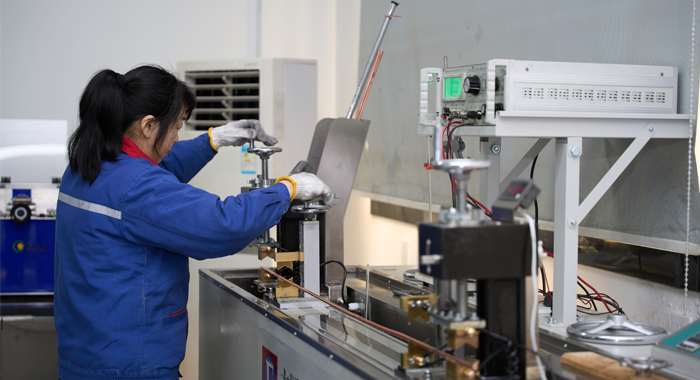
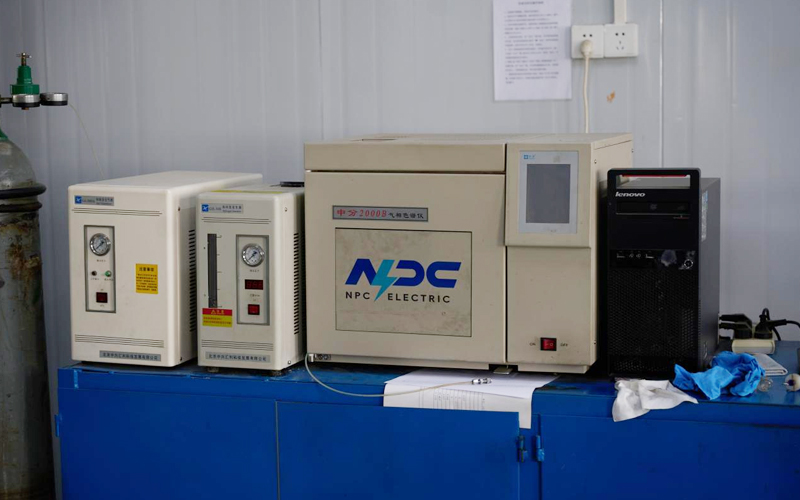
Raw Material Test
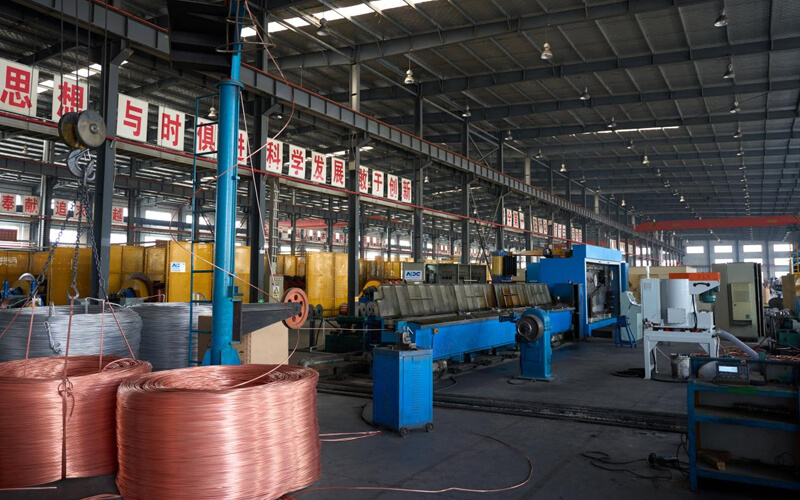
Raw material testing is the first and most critical quality assurance step for the (N)3GHSSYCY Mining Cable. All incoming copper conductors are tested for chemical composition, electrical conductivity, and mechanical properties. Conductivity tests ensure efficient power transmission, while tensile strength and elongation tests verify the conductor’s flexibility and resistance to repeated bending during operation. Thermal aging tests evaluate long-term material stability under elevated temperatures, while oil resistance and chemical resistance tests confirm suitability for underground conditions. Flame retardancy tests are performed to ensure compliance with safety regulations for mining applications. Moisture absorption tests verify stable electrical performance in humid and wet environments.
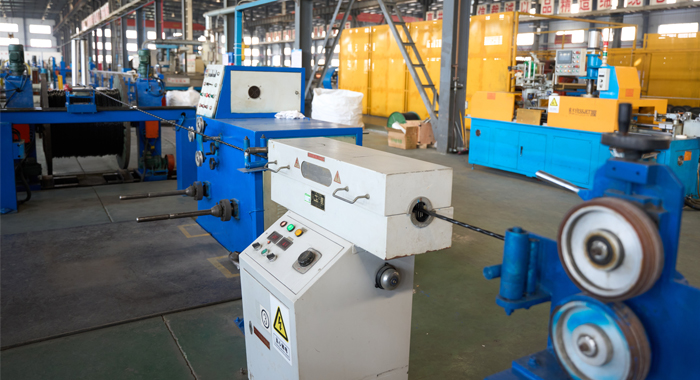
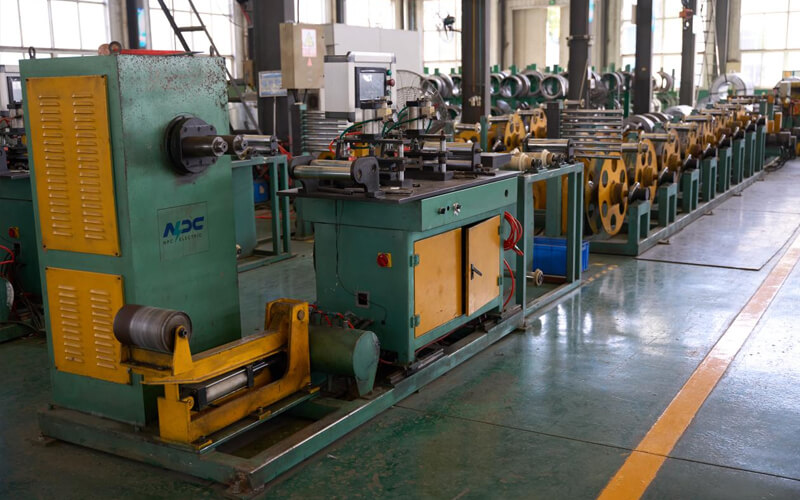
Process inspection
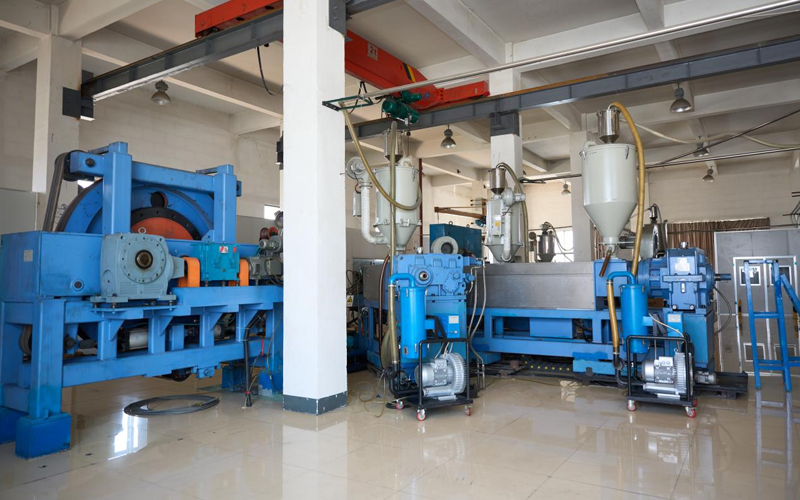
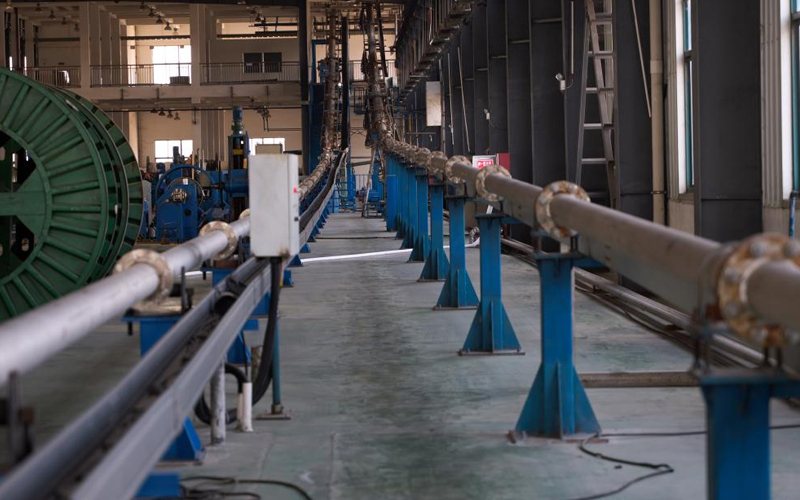
Process inspection ensures consistent manufacturing quality of the (N)3GHSSYCY Mining Cable throughout all production stages. During conductor stranding, inspections verify strand count, compactness, flexibility, and conductor diameter to ensure uniform electrical characteristics and bending performance. During insulation extrusion and vulcanization, key parameters such as temperature, pressure, and line speed are continuously monitored. Insulation thickness, concentricity, and surface quality are measured in real time. Spark testing is applied to detect insulation defects and ensure electrical integrity. The CY copper wire braid shielding process is closely inspected to confirm braid density, coverage rate, and mechanical stability. Proper shielding coverage is essential for effective electromagnetic interference protection.
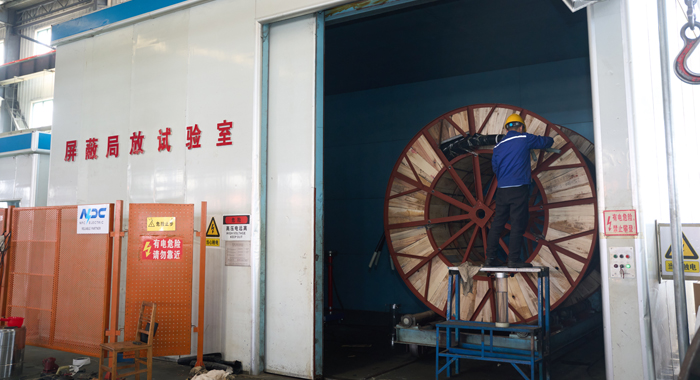
Finished Product
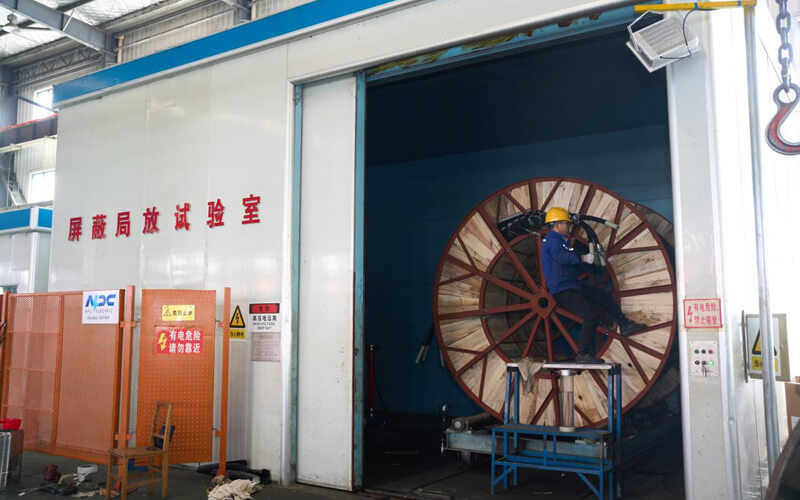
Finished product testing validates the overall quality and safety of the (N)3GHSSYCY Mining Cable before delivery. Electrical tests include conductor resistance measurement and voltage withstand testing to confirm compliance with design and standard requirements. Shielding effectiveness tests verify the continuity and performance of the copper braid screen. Mechanical tests assess tensile strength, bending performance, and impact resistance, ensuring the cable can withstand harsh mining conditions. Abrasion resistance tests simulate long-term mechanical wear. Thermal aging, oil resistance, and flame propagation tests evaluate long-term safety and operational stability. Dimensional inspections confirm conductor size, insulation thickness, shield coverage, sheath thickness, and overall cable geometry.
Application
The (N)3GHSSYCY Mining Cable is used for power supply to mining machinery and equipment in underground and surface mining operations, including conveyors, cutting machines, drilling equipment, and electrically sensitive mining systems.
Technical Advantages
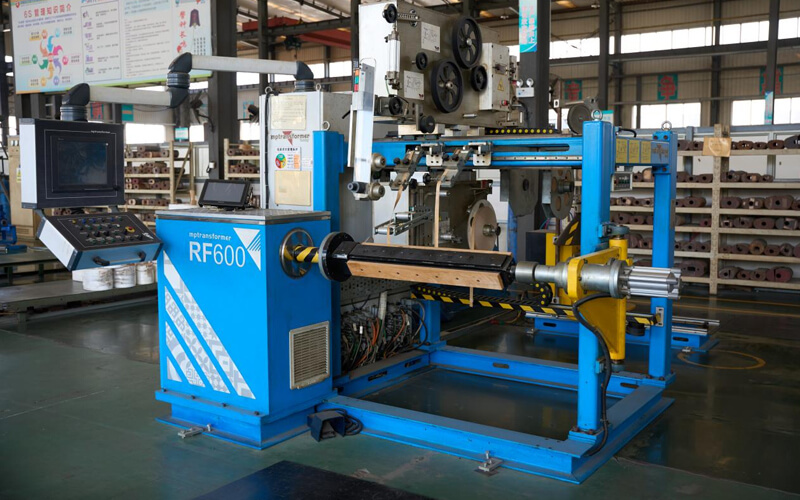
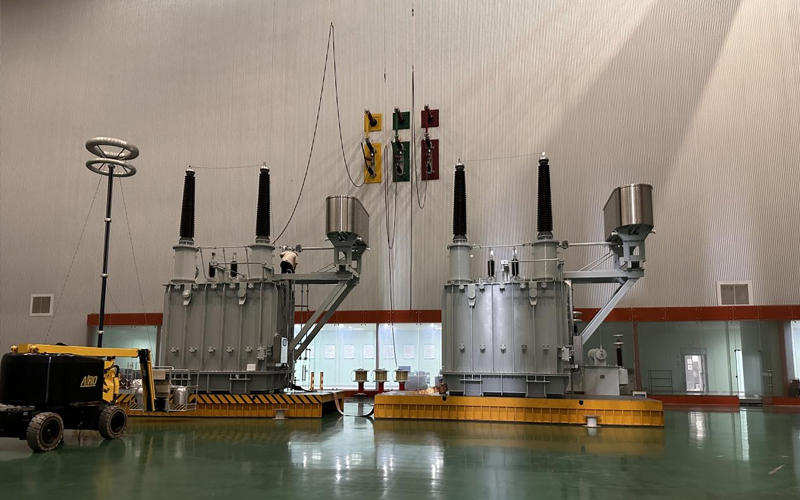
● 30+ years of manufacturing experience
● ISO and UL certified production
● Customized cable and transformer solutions
Product Packaging
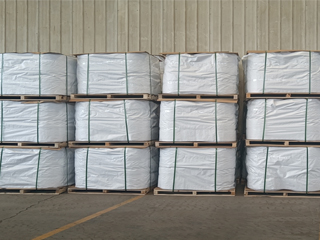
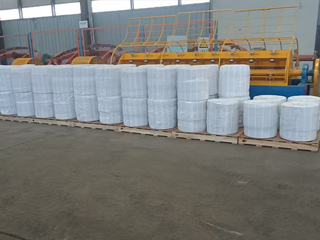
Wires and Cables packaging (1)
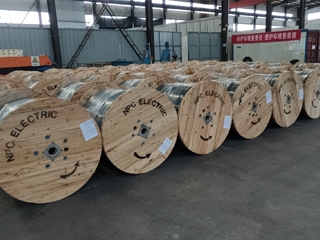
Wires and Cables packaging (2)
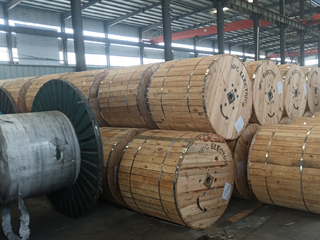
Wires and Cables packaging (3)
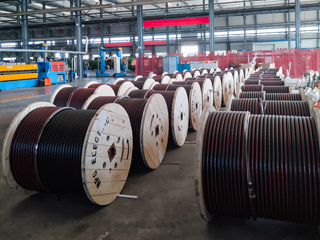
Wires and Cables packaging (4)
Wires and Cables packaging (5)
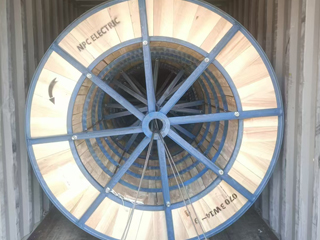
Wires and Cables packaging (6)
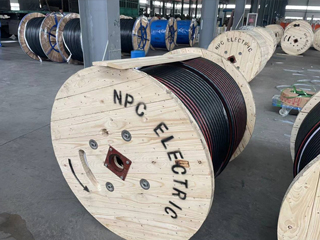
Wires and Cables packaging (7)
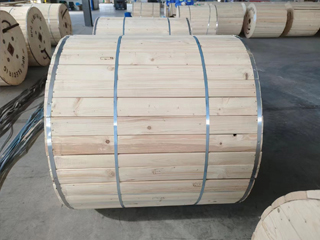
Wires and Cables packaging (8)
Related Products
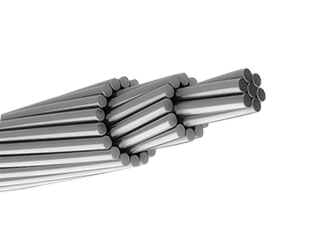
1590 MCM LAPWING ACSR Conductor Cable
The ACSR 1590 MCM Lapwing 45/7 is a high-efficiency, bare concentric-lay-stranded conductor designed for superior performance in overhead power transmission and distribution systems, meeting ASTM B232 standards. It features a galvanized steel core (Class A or B) with 7 steel strands for robust mechanical strength, surrounded by 45 strands of hard-drawn 1350-H19 aluminum wire for excellent electrical conductivity. Ideal for long-span transmission lines and primary/secondary distribution networks, the Lapwing configuration offers exceptional corrosion resistance and customizable aluminum-to-steel ratios to fulfill specific electrical and mechanical demands, ensuring reliable and durable power delivery. Galvanized steel wires used for the core undergo tensile testing, zinc coating thickness measurement, and corrosion resistance evaluation. Dimensional accuracy and surface condition of all materials are verified before approval.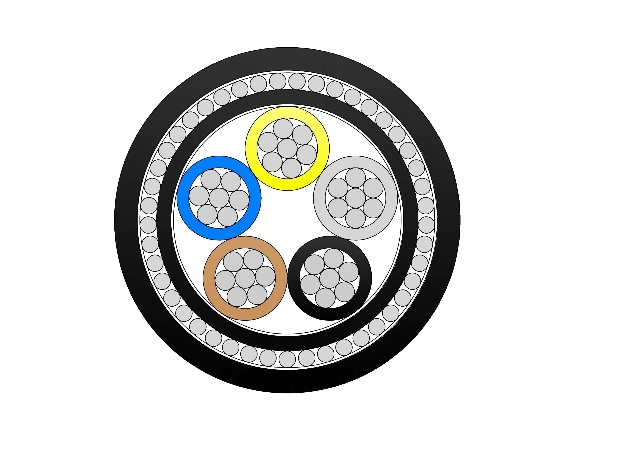
NA2XRY 0.6/1kV Low Voltage Power Cable
NA2XRY 0.6/1kV are low voltage power cables designed according to BS 5467 standard, suitable for fixed installation in indoor, outdoor, underground, or concrete (Can withstand certain mechanical forces) environments. Constructed with aluminium conductors, thermosetting XLPE insulation, PVC inner bedding, double galvanised steel tape armour, and tough PVC outer sheath, it meets IEC 60502-1 requirements. The STA armour offers outstanding resistance to compression and external forces, enabling direct burial. Lightweight aluminium lowers installation costs while ensuring good current rating and low losses. Flame-retardant and stable in harsh conditions, the NA2XRY 0.6/1kV Low Voltage Power Cable is favoured for manufacturing plants, renewable sites, commercial complexes, and infrastructure demanding reliable, low-maintenance low-voltage cabling with enhanced mechanical safeguarding.
954 MCM RAIL ACSR Conductor Cable
The ACSR CAA 954 MCM 45/7F RAIL is a robust Aluminium Conductor Steel Reinforced (ACSR) cable designed to meet the demanding requirements of modern overhead transmission and distribution systems. It consists of 45 hard-drawn 1350-H19 aluminium strands concentrically wound around 7 galvanized steel strands, forming a high-capacity conductor with a reliable strength-to-conductivity ratio. Manufactured in accordance with ASTM B232, the RAIL configuration is ideal for long-span installations where increased tensile strength and environmental durability are essential. The galvanized steel core, coated to Class A or B standards, provides corrosion resistance and mechanical reinforcement against environmental stressors like wind, ice loading, and mechanical tension. This ACSR design supports efficient power delivery across overhead transmission networks, while also serving as a dependable solution for primary and secondary distribution lines. Suitable for voltages up to 230kV in distribution lines, the Rail ACSR Conductor Cable minimizes line losses and withstands harsh weather, including wind and ice loading.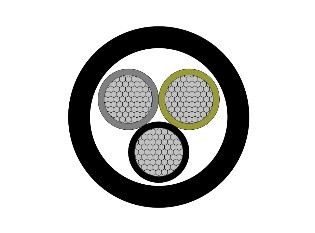
NAYY-J/NAYY-O Cables
The NAYY-J/NAYY-O Solar Cables provide cost-effective, reliable power distribution in photovoltaic systems. With sector-shaped or round aluminum conductors, PVC core insulation, and robust PVC outer jacket, they meet VDE 0276 requirements. NAYY-J includes a protective earth conductor, while NAYY-O is without. These cables excel in wet environments with superior water and chemical resistance, suitable for direct burial without additional protection. UV-stabilized and mechanically strong, they withstand soil stress and installation pulling forces. Low-weight aluminum reduces handling efforts, making them popular for extensive solar parks. NAYY-J/NAYY-O Solar Cables ensure efficient energy transfer with minimal losses, supporting sustainable solar infrastructure worldwide.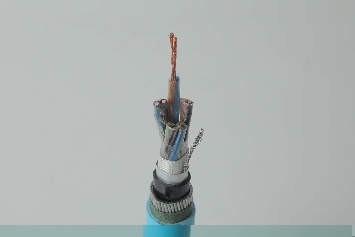
Instrumentation Cables—XLPE Insulated,Individual & Overall Screened,Lead Sheathed,Wire Armoured PVC Sheathed Cables(CU/XLPE/IOSCR/LEAD/SWA/PVC)
Instrumentation Cables are multi-conductor cables that carry and transport low-voltage electrical signals. These low-voltage signals are used to control and monitor electrical power systems. Instrumentation cables have many different industrial applications that include broadcasting, equipment control, such as drilling and pumping in the oil and gas industry, and data transfer, which includes analog and digital signals. They are manufactured according to the BS EN 50288-7 and BS EN 50288-1 standards to ensure quality. Depending on the application, instrumentation cables can be insulated with PVC or XLPE; the cables can be armoured or unarmoured. The sheathing materials can be of PVC, LSZH, or PE. The cables can have additional flame retardant or flame retardant properties, and they can be manufactured with special protections such as lead sheaths, or DRYLAM or AIRBAG technology.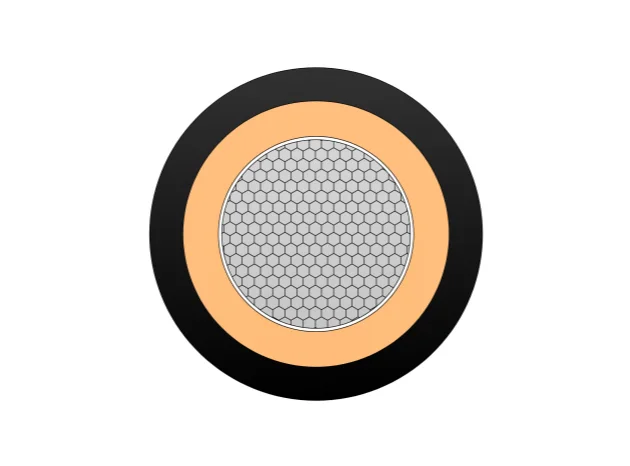
Coil End Lead Type 4 BS 6195 Cable
The Coil End Lead Type 4 BS 6195 Cable is a premium, highly flexible high-temperature lead wire engineered for demanding coil and transformer applications. It features fine-stranded tinned copper conductors for superior conductivity and corrosion resistance, high-purity silicone rubber insulation providing excellent dielectric strength, exceptional heat resistance (continuous 180°C, short-term 220°C), and outstanding flexibility even in cold conditions. Compliant with BS 6195 Type 4 standard, it offers flame retardancy, ozone resistance, and long-term thermal stability without cracking or hardening. The cable is lightweight, easy to strip, and suitable for tight bending radii in coil winding, motor connections, and transformer lead-outs. The Coil End Lead Type 4 BS 6195 Cable ensures reliable performance in high-heat environments, reducing downtime and enhancing safety in electrical equipment manufacturing and repair.FAQ From Customers
-
What are the advantages of power cables and overhead lines?(1) Reliable operation, because it is installed in a hidden place such as underground, it is less damaged by external forces, has less chance of failure, and the power supply is safe, and it will not cause harm to people; (2) The maintenance workload is small and frequent inspections are not required; (3) No need to erect towers; (4) Help improve power factor.
-
Which aspects should be considered when choosing the cross section of a power cable?(1) The long-term allowable working current of the cable; (2) Thermal stability once short circuited; (3) The voltage drop on the line cannot exceed the allowable working range.
-
What are the measures for cable fire prevention?(1) Use flame-retardant cables; (2) Use fireproof cable tray; (3) Use fireproof paint; (4) Fire partition walls and fire baffles are installed at cable tunnels, mezzanine exits, etc.; (5) Overhead cables should avoid oil pipelines and explosion-proof doors, otherwise local pipes or heat insulation and fire prevention measures should be taken.
-
What should be paid attention to during the transportation and handling of cables?(1) During transportation, loading and unloading, cables and cable reels should not be damaged. It is strictly forbidden to push the cable reels directly from the vehicle. Generally, cables should not be transported and stored flat. (2) Before transporting or rolling the cable reel, ensure that the cable reel is firm, the cable is wound tightly, the oil pipe between the oil-filled cable and the pressure oil tank should be fixed without damage, the pressure oil tank should be firm, and the pressure indication should meet the requirements.
-
What inspections should be carried out for the acceptance of cable lines?(1) The cable specifications should meet the regulations, the arrangement should be neat, no damage, and the signs should be complete, correct and clear; (2) The fixed bending radius of the cable, the related distance and the wiring of the metal sheath of the single-core power cable should meet the requirements; (3) The cable terminal and the middle head should not leak oil, and the installation should be firm. The oil pressure of the oil-filled cable and the meter setting should meet the requirements; (4) Good grounding; (5) The color of the cable terminal is correct, and the metal parts such as the bracket are completely painted; (6) There should be no debris in the cable trench, tunnel, and bridge, and the cover should be complete.
Welcome your inquiry
Honesty, Integrity, Frugality, Activeness and Passion