
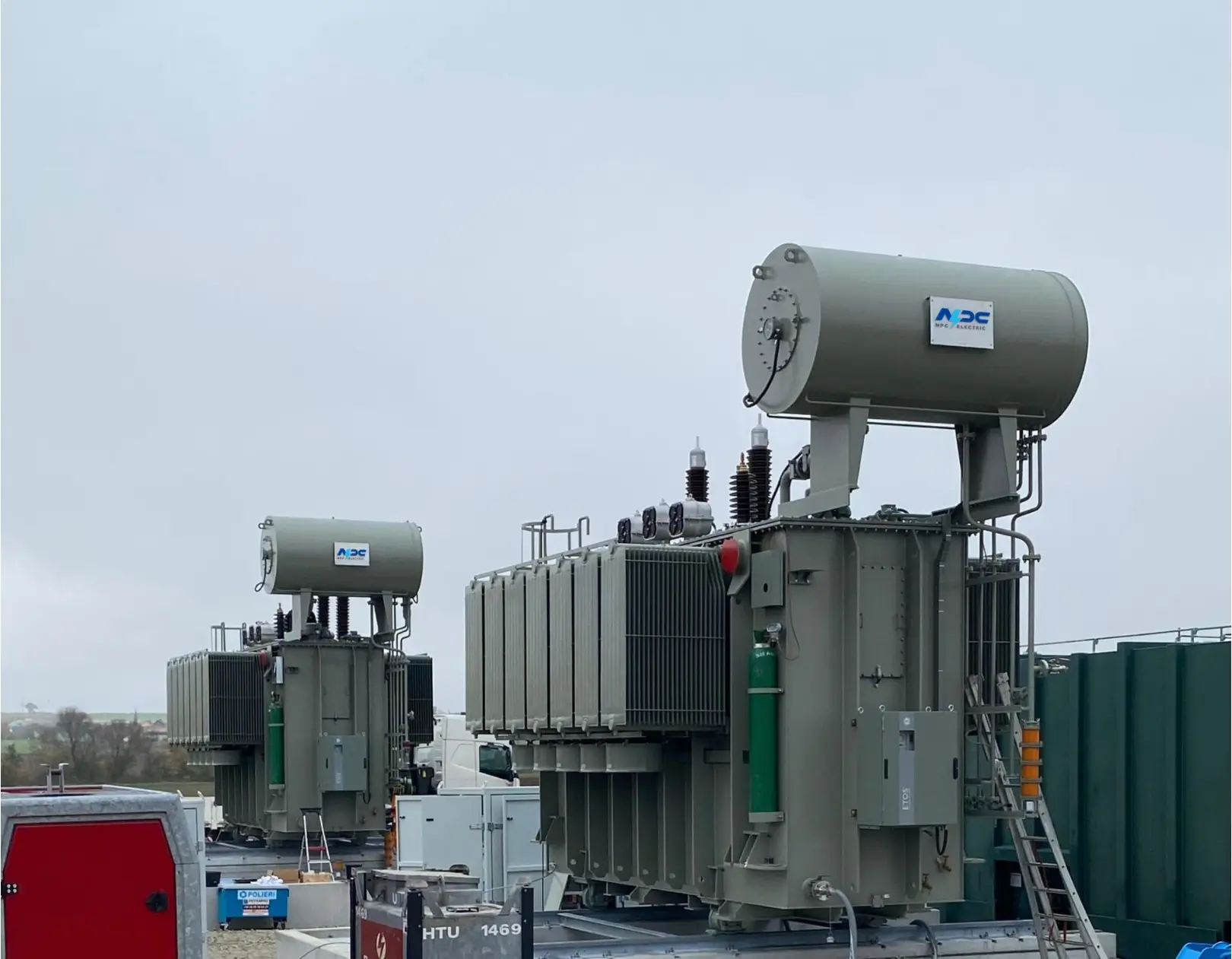
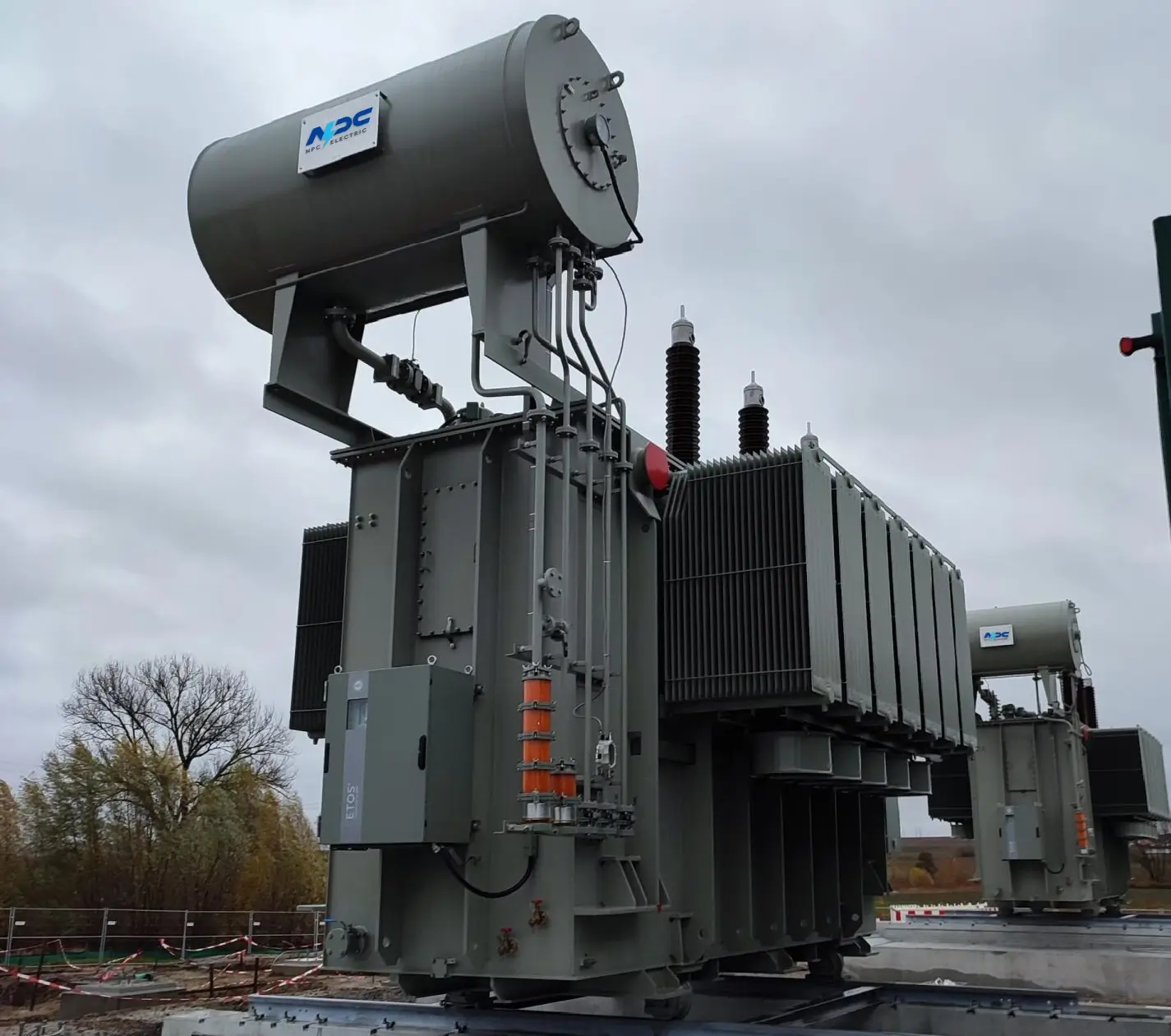
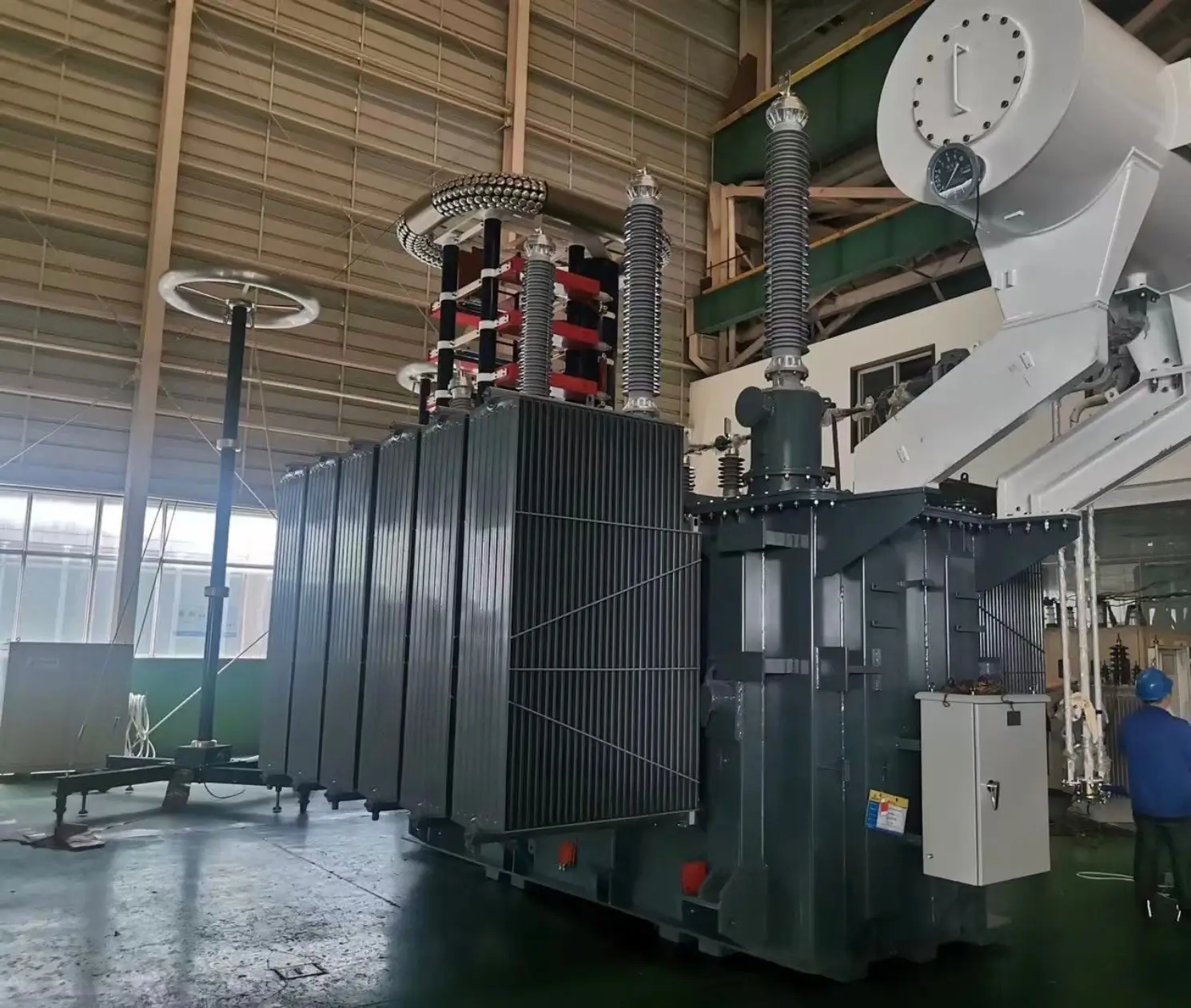
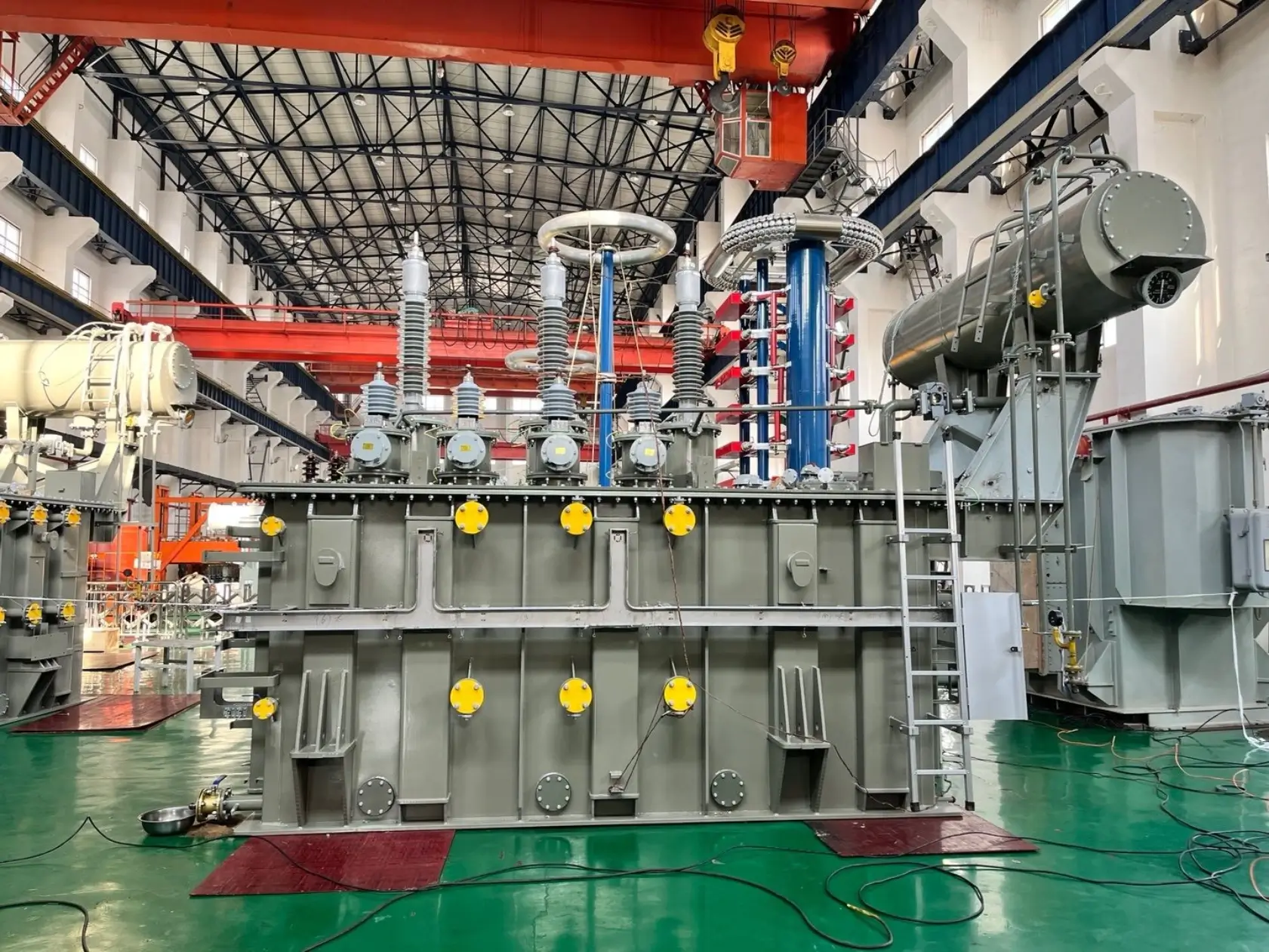


500kV Oil-Immersed Power Transformer For Ultra-High Voltage Grid Solutions
NPC Electric 500kV Oil-Immersed Power Transformer is a critical component for national ultra-high voltage (UHV) backbones, engineered to transmit massive blocks of power with industry-leading efficiency. Utilizing premium, laser-scribed CRGO silicon steel in a multi-step lap core construction, this transformer minimizes magnetizing current and core noise. The active part is submerged in high-grade inhibited mineral oil, processed through advanced vacuum degasification to ensure maximum dielectric strength. Its robust, shield-type winding structure provides exceptional resistance against lightning surges and short-circuit mechanical stresses. Designed to meet IEC 60076 and IEEE standards, this 500kV unit is the definitive solution for long-distance energy dispatch, connecting remote generation hubs to major load centers while maintaining grid frequency and voltage stability.
- Primary Voltage Ratings 220kV 230kV 500 kV
- Secondary Voltage Ratings 69/35/37/34.5/26.4./11/10.5/6.6/13.2 kV or others
- H.V. Tap Range ± 8×1.25% HV taps or others
- Type Oil-immersed power transformer
- BIL 900kV
- Standards IEEE, ANSI, IEC, GB
- Application ultra-high voltage substations, Renewable Energy Integration
- Power Rating 250MVA-1000MVA
- Certificate UL, ISO, CESI
- Cooling Method ONAN/ ONAF
- Oil Mineral Oil or FR3
- Opeartion Step Down & Step Up
Technical Specifications
Customization Optional
Packing and Shipping
Manufacturer Test
Routine Testing
Application
Technical Specifications
500kV Oil-Immersed Power Transformer For Ultra-High Voltage Grid Solutions
Technical Specifications
Accessories
| Rated Power | 250MVA-1000MVA |
| Rating Primary Voltage | 220kV 230kV 500kV |
| Secondary Voltage |
69/35/37/34.5/26.4/11/10.5/6.6/13.2 kV Customized |
| Frequency | 50/60Hz |
| Vector Group | Dyn11, YD11, YNd11 or anothers |
| Winding Material | Aluminum/Copper |
| Efficiency | As IEEE, CAS Std or Customized |
| Impedance Voltage | As IEC |
| Altitude | ≤1,000m or Customized |
| Enclosure material | Mid Steel |
| HV Bushing |
| LV Bushing |
| OLTC/NLTC |
| Lifting hook for complete transformer |
| Name plate |
| Oil temperature |
| Winding temperature |
| Radiators |
| Oil level |
| Pressure relief valve |
| CT |
Customization Optional
500kV Oil-Immersed Power Transformer For Ultra-High Voltage Grid Solutions
NPC Electric 500kV units offer bespoke cooling and structural engineering to match specific environmental demands. For regions with extreme ambient heat, we provide ODAF (Oil Directed Air Forced) or ODWF (Oil Directed Water Forced) cooling systems that use high-speed pumps to circulate oil through the windings, significantly increasing the power-to-weight ratio. We also offer customization of the transformer tank into "Bell-type" or "Tank-type" configurations to meet transport weight restrictions or site assembly preferences. Bushings can be specified as OIP (Oil Impregnated Paper) or RIS (Resin Impregnated Synthetic) to ensure optimal performance in high-altitude or coastal environments.
Beyond physical specs, we offer Digital Twin integration and advanced monitoring. This includes the installation of smart sensors for Online Dissolved Gas Analysis (DGA), fiber-optic probes for direct winding hotspot measurement, and electronic pressure relief devices. We can also customize the On-Load Tap Changer (OLTC) with vacuum-type switching technology, reducing maintenance intervals and extending the life of the transformer oil. For noise-sensitive areas, we offer external acoustic shielding and low-decibel cooling fans to ensure compliance with strict local environmental regulations without sacrificing power output.
Packing and Shipping
500kV Oil-Immersed Power Transformer For Ultra-High Voltage Grid Solutions
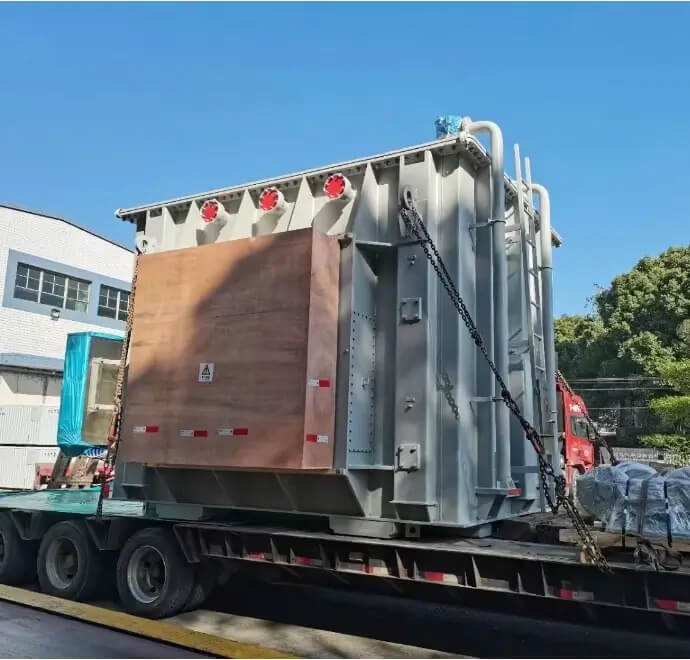
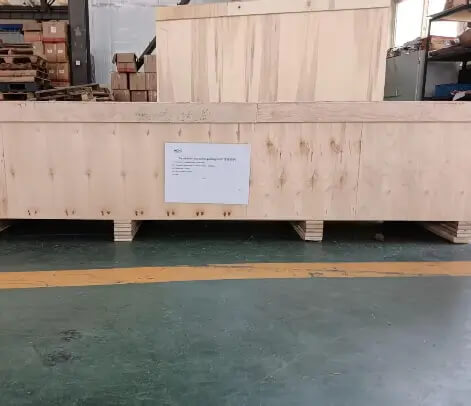
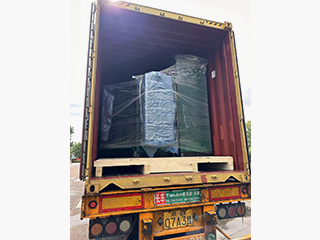
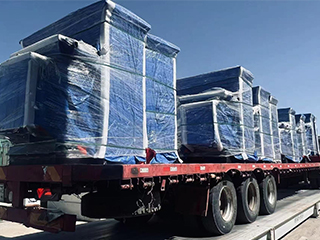
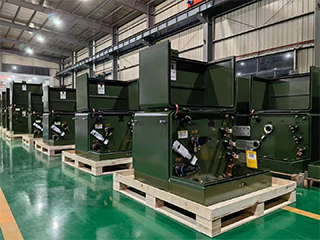
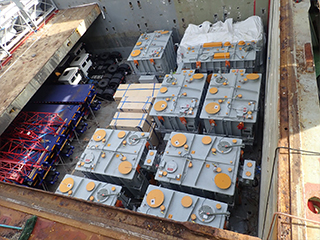
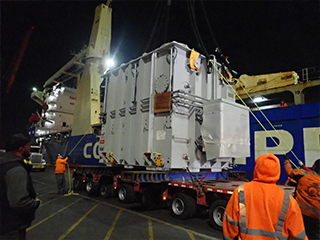
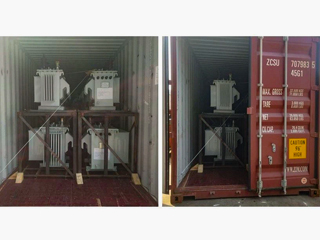
Shipping a 500kV transformer—often weighing over 250 tons—is a logistical feat requiring military-grade precision. The main tank is shipped dry-filled with high-purity nitrogen to maintain an internal pressure of 0.02-0.03 MPa, preventing any moisture ingress into the delicate insulation during the journey. All external accessories, including the 500kV capacitive bushings, radiator banks, and the oil conservator, are packed in heavy-duty, seaworthy steel-framed crates. These crates are lined with VCI (Volatile Corrosion Inhibitor) materials to protect electrical contacts from salt-air degradation during international sea freight.
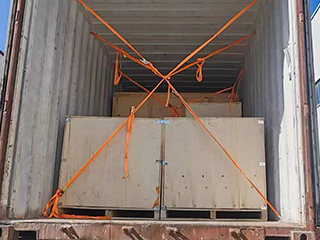
The transformer body is transported using Schnabel cars (rail) or multi-axle self-propelled modular trailers (SPMT) to ensure the weight is distributed safely across road and rail infrastructure. Prior to dispatch, a detailed route survey is mandatory to verify clearances under bridges and the load-bearing capacity of all transit surfaces. The transformer is secured using 20mm+ high-tensile steel chains and turnbuckles, with rubber friction mats placed under the base to prevent any micro-movements during the high-inertia forces encountered during sea or rail transport.
To guarantee the unit arrives in factory-calibrated condition, we install multiple 3D Digital Impact Recorders. These devices provide real-time, time-stamped logs of any shocks in the X, Y, and Z axes. GPS tracking allows the client to monitor the location and transit speed in real-time. Upon arrival at the port of entry or the substation site, a joint inspection is performed by our engineers and the logistics team to verify the nitrogen pressure and analyze the impact recorder data before any unloading begins, ensuring total transparency in the supply chain.
The final "last mile" delivery involves positioning the unit on its foundation using hydraulic jacks and sliders. Once the transformer is anchored, the nitrogen is purged using a vacuum pump (reaching <50 Pa) before the unit is refilled with hot, filtered oil. This vacuum-filling process is critical for 500kV units to ensure there are no air bubbles (voids) in the insulation system. Our end-to-end shipping strategy ensures that your high-value asset is protected from the factory floor to the final energization at the substation.
The transformer body is transported using Schnabel cars (rail) or multi-axle self-propelled modular trailers (SPMT) to ensure the weight is distributed safely across road and rail infrastructure. Prior to dispatch, a detailed route survey is mandatory to verify clearances under bridges and the load-bearing capacity of all transit surfaces. The transformer is secured using 20mm+ high-tensile steel chains and turnbuckles, with rubber friction mats placed under the base to prevent any micro-movements during the high-inertia forces encountered during sea or rail transport.
To guarantee the unit arrives in factory-calibrated condition, we install multiple 3D Digital Impact Recorders. These devices provide real-time, time-stamped logs of any shocks in the X, Y, and Z axes. GPS tracking allows the client to monitor the location and transit speed in real-time. Upon arrival at the port of entry or the substation site, a joint inspection is performed by our engineers and the logistics team to verify the nitrogen pressure and analyze the impact recorder data before any unloading begins, ensuring total transparency in the supply chain.
The final "last mile" delivery involves positioning the unit on its foundation using hydraulic jacks and sliders. Once the transformer is anchored, the nitrogen is purged using a vacuum pump (reaching <50 Pa) before the unit is refilled with hot, filtered oil. This vacuum-filling process is critical for 500kV units to ensure there are no air bubbles (voids) in the insulation system. Our end-to-end shipping strategy ensures that your high-value asset is protected from the factory floor to the final energization at the substation.
32
32 years of industry experience
Manufacturer Test
500kV Oil-Immersed Power Transformer For Ultra-High Voltage Grid Solutions
Progress test
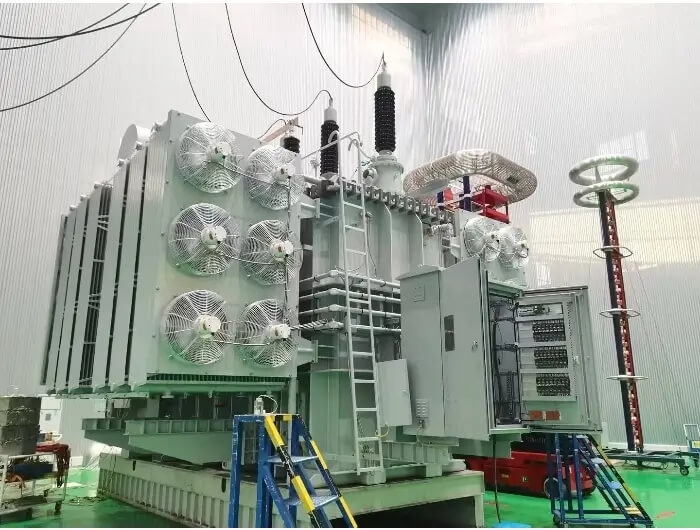
After the windings are pressed and dried, we perform Winding Resistance and Turns Ratio Tests across all tap positions to ensure high-precision voltage regulation. A critical Frequency Response Analysis (SFRA) is conducted at the pre-tanking stage to establish a mechanical baseline of the coil structure. Finally, we perform an Insulation Power Factor (Tan Delta) Test on the main insulation to verify that the Vapor Phase Drying (VPD) process has successfully removed all traces of moisture from the cellulose materials. Progress testing for the 500kV Oil-Immersed Power Transformer focuses on insulation system integrity, oil processing quality, and mechanical strength. Controlled drying cycles, vacuum oil filling procedures, and sealing inspections are carefully supervised to maintain dielectric performance and prevent internal defects. By embedding transformer-specific performance parameters into each inspection step, the factory ensures consistent quality, operational safety, and long-term reliability of the 500kV oil-immersed power transformer.
Design Tests
All transformers will be tested after finishing the production test items as below:
♦ Leak testing with pressure for liquid-immersed transformers
♦ Test of transformer oil
♦ Measurement of voltage ratio and check of phase displacement
♦ Measurement of winding DC resistance
♦ Measurement of d. c. Insulation resistance between each winding to earth, and check of the core and frame insulation
♦ Capacitive bushing test
♦ Measurement of no-load loss and current at 90%,100%,110% of rated voltage
♦ Operation test on on-load tap-changer
♦ Measurement of short-circuit impedance and load loss
♦ Lightning impulse test
♦ Induced-voltage test with partial discharge measurement
♦ Auxiliary wiring check
♦ Current transformer test
♦ Frequency response analysis test
Transformer Factory Acceptance Test
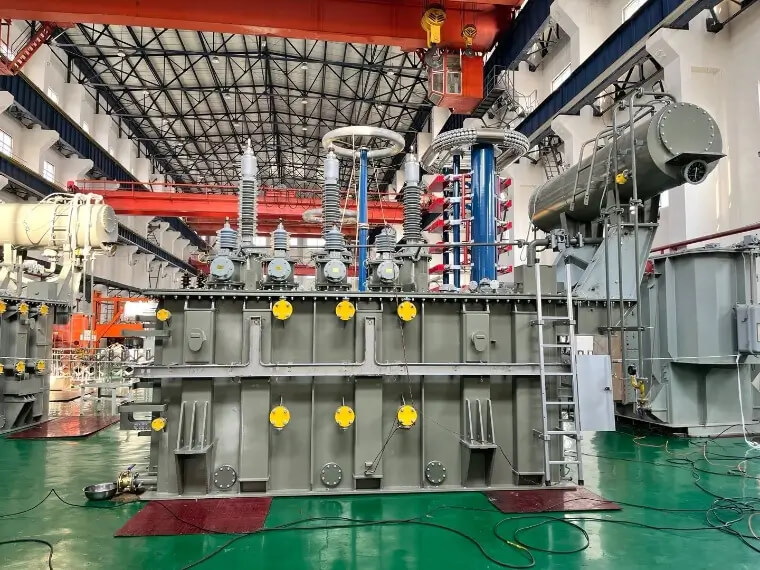
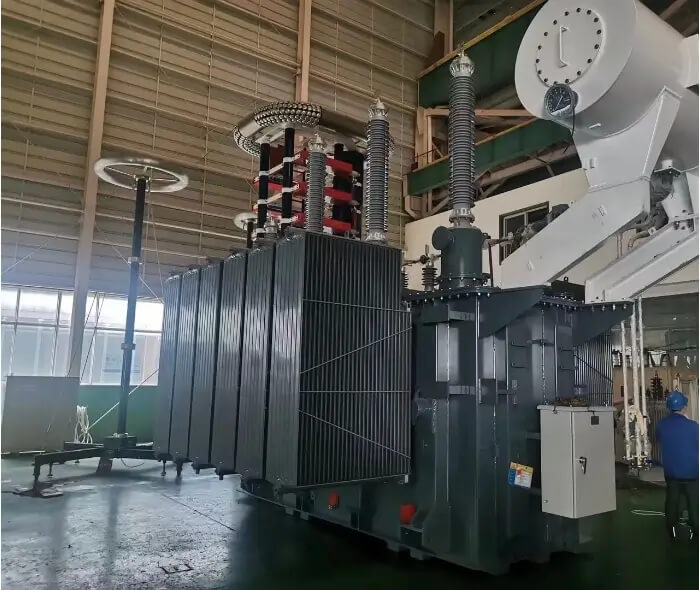
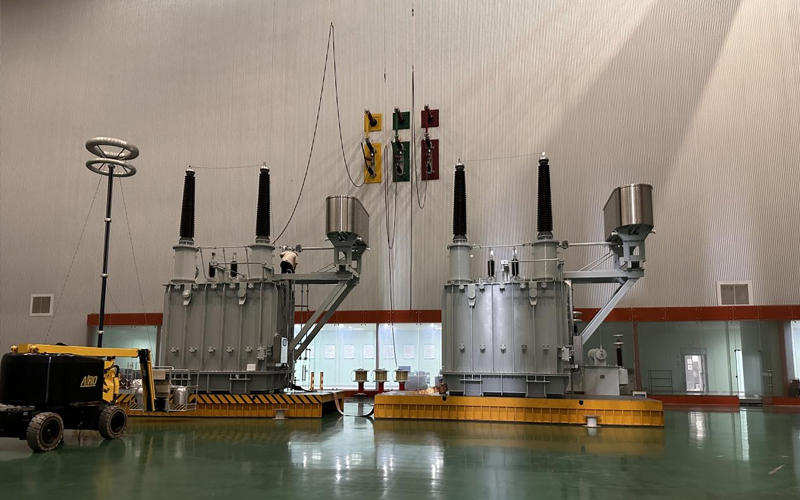
The FAT for our 500kV units is dominated by high-voltage endurance testing. This includes Lightning Impulse Tests (BIL) at 1550kV and Switching Impulse (SIL) tests to simulate extreme grid transients. We then perform a Long-duration Induced Overvoltage (ACLD) Test combined with Partial Discharge (PD) monitoring. For 500kV reliability, we guarantee PD levels below 50pC at 1.58Ur, ensuring the unit is free from internal voids or manufacturing defects that could cause long-term insulation failure. The Factory Acceptance Test for the 500kV Oil-Immersed Power Transformer is performed in accordance with IEC and other applicable international standards. Test items include winding resistance measurement, voltage ratio and vector group verification, applied and induced voltage withstand tests, and partial discharge measurement. These tests verify the electrical integrity and functional accuracy of the 500kV oil-immersed power transformer prior to shipment.
Routine Test - Induced Voltage
Purpose of Testing
The purpose of the Induced Voltage test is to simulate the electrical stress that the equipment may encounter under actual working conditions by applying an induced voltage, thereby evaluating the tolerance and stability of the equipment's insulation system. This test helps to detect the insulation performance of the equipment under high voltage conditions and ensure its safety and reliability in operation.
Testing Equipment
Induced Voltage Tester (e.g. OMICRON, Megger, HioKI, etc.)
AC voltage source, commonly 2 kV, 5 kV, 10 kV, or customized according to test requirements.
Environmental thermometer and hygrometer, used to record the temperature and humidity of the environment for appropriate test evaluation.
AC voltage source, commonly 2 kV, 5 kV, 10 kV, or customized according to test requirements.
Environmental thermometer and hygrometer, used to record the temperature and humidity of the environment for appropriate test evaluation.
Pre-Test Preparation
Disconnect all relevant power supplies and ensure that the equipment is properly grounded and discharged.
Check the connection wires and terminals to ensure they are secure and free of contamination.
Test under suitable environmental conditions: relative humidity below 75%, no rain (recommended temperature: 20-30°C).
Check the connection wires and terminals to ensure they are secure and free of contamination.
Test under suitable environmental conditions: relative humidity below 75%, no rain (recommended temperature: 20-30°C).
Test Progress
Connect the Test Instrument:
Connect the test equipment to the appropriate terminals or bushings of the device under test, ensuring that the connections are secure and properly grounded.
Apply Test Voltage:
Select the appropriate induction voltage according to the rated voltage and standard of the equipment.
Connect the test equipment to the appropriate terminals or bushings of the device under test, ensuring that the connections are secure and properly grounded.
Apply Test Voltage:
Select the appropriate induction voltage according to the rated voltage and standard of the equipment.
Test Standard
IEC 60076 Oil-immersed power transformers
Measure and Record
Start the test and record the following parameters:
Induced Voltage
Applied Current
Voltage peak, stability and waveform (waveform analysis)
Any abnormal current or voltage changes during the measurement process.
Induced Voltage
Applied Current
Voltage peak, stability and waveform (waveform analysis)
Any abnormal current or voltage changes during the measurement process.
Temperature Correction
The measured induced voltage data is corrected to the reference temperature (usually 20°C) to ensure the accuracy of the test results.
Repeat Testing (if necessary)
If necessary, test different windings (HV, MV, LV) and bushings separately and compare the results at different test points.
Evaluation Criteria (Reference)
Inductive voltage ≤ 1% (Excellent): normally and meets safety standards.
1% < Inductive voltage ≤ 3% (Good): still within acceptable range.
Inductive voltage > 3% : faulty or not meet safety requirements and requires further analysis and repair.
1% < Inductive voltage ≤ 3% (Good): still within acceptable range.
Inductive voltage > 3% : faulty or not meet safety requirements and requires further analysis and repair.
*These comprehensive tests ensure that each transformer meets performance standards and operates
reliably under various conditions.
Application
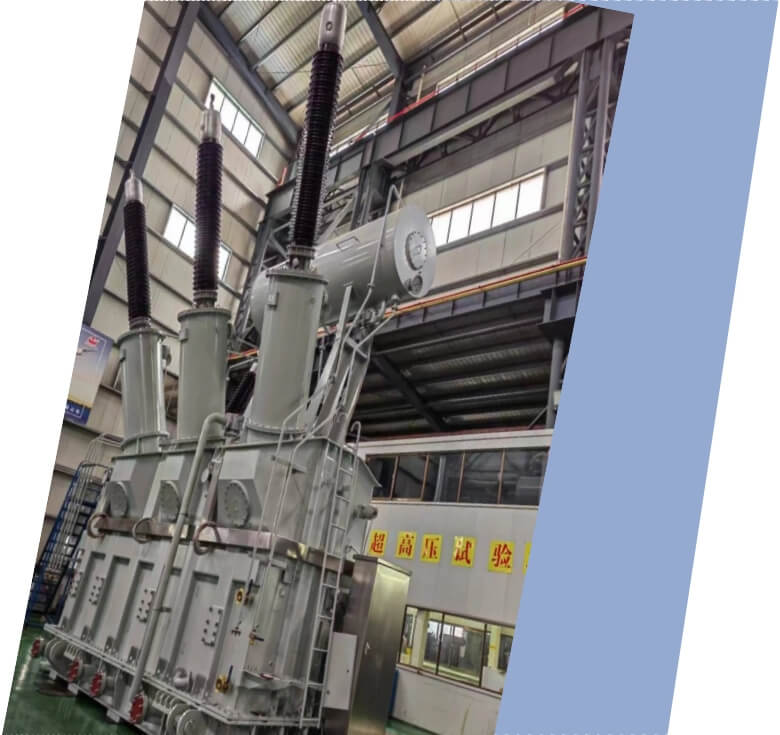
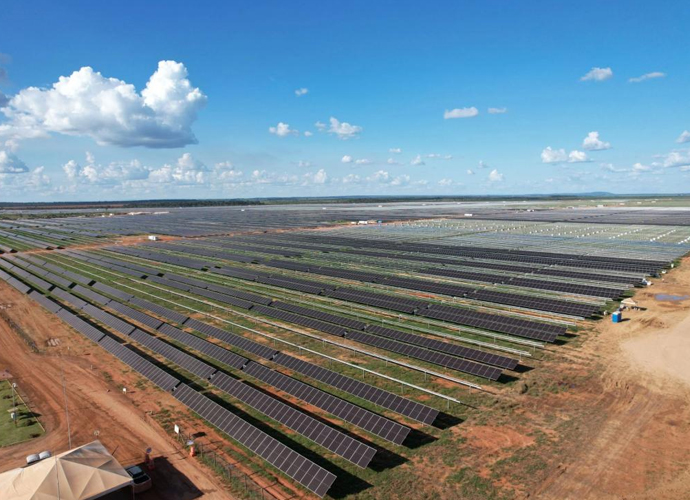
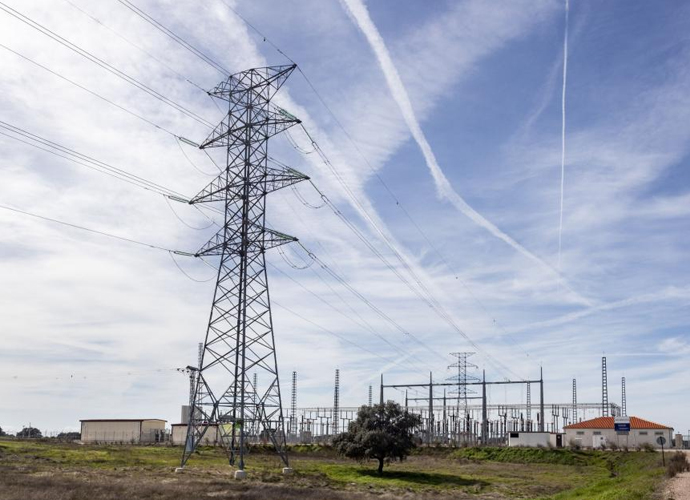
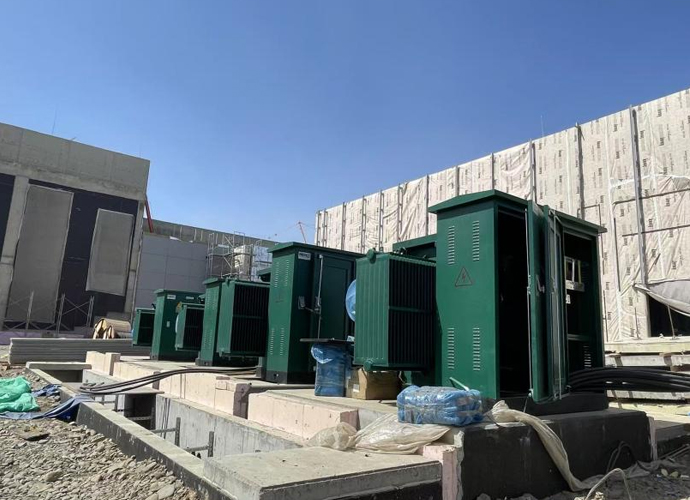
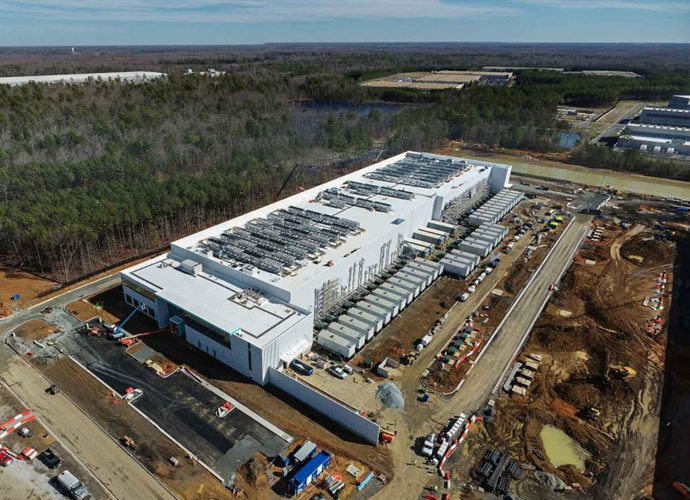
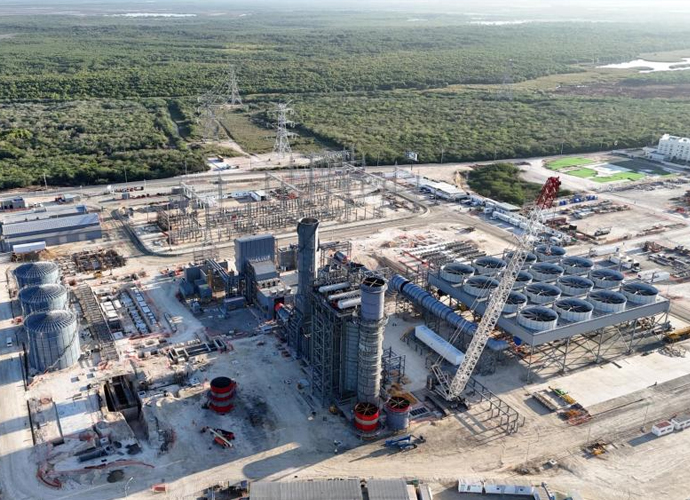
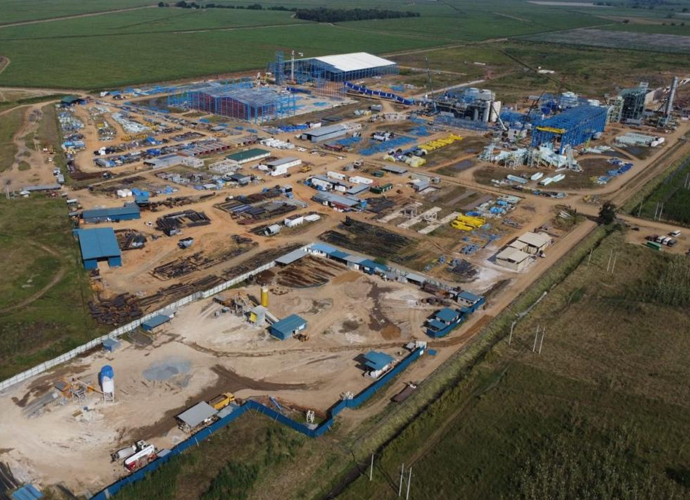
Strategically deployed as a primary transformer in 500kV ultra-high voltage substations, this unit facilitates the bulk transfer of power across thousands of kilometers, connecting the national grid to regional energy pools with extremely low transmission losses.


Technical Advantages
● 30+ years of manufacturing experience
● ISO and UL certified production
● Customized cable and transformer solutions
Product Packaging
Transformers Packaging (1)
Transformers Packaging (2)
Transformers Packaging (3)
Transformers Packaging (4)
Transformers Packaging (5)
Transformers Packaging (6)
Transformers Packaging (7)
Transformers Packaging (8)
Related Products
Medium Voltage Switchgear
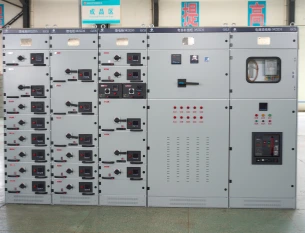
The Medium Voltage Switchgear is an advanced electrical distribution and protection system engineered for safe, reliable, and efficient medium-voltage power management in utility substations, industrial facilities, renewable energy plants, commercial infrastructure, and smart-grid applications. The system integrates vacuum circuit breakers, disconnect switches, protection relays, busbar assemblies, intelligent monitoring systems, and automation devices into a compact modular enclosure structure to ensure stable electrical distribution and enhanced operational safety. Designed with high-strength insulated structures and precision-manufactured electrical components, the medium voltage switchgear provides outstanding dielectric performance, thermal stability, and mechanical durability under demanding operating conditions. Its modular cabinet configuration improves installation flexibility, simplifies maintenance procedures, and supports future power distribution expansion while minimizing operational downtime and maintenance costs. The Medium Voltage Switchgear supports air-insulated and gas-insulated configurations, intelligent automation systems, remote communication protocols, and smart-grid integration technologies. With customizable protection schemes and scalable electrical distribution capabilities, the switchgear delivers dependable medium-voltage control and protection performance for industrial automation systems, utility power networks, renewable energy integration projects, transportation infrastructure, and mission-critical electrical facilities.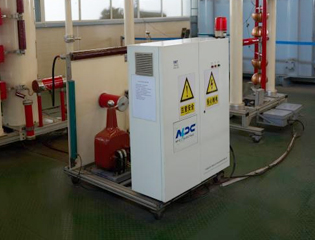
Step Up Dry Type Transformer Copper Winding High Overload Capacity
The Step Up Dry Type Transformer Copper Winding High Overload Capacity is a robust, oil-free power solution designed to increase (step up) voltage from lower primary levels to higher secondary outputs for efficient power transmission in indoor applications. This three-phase cast resin dry type transformer features premium high-conductivity copper windings fully encapsulated in epoxy resin under vacuum pressure, paired with low-loss grain-oriented silicon steel cores to achieve superior energy efficiency (typically 98%+), minimal no-load and load losses, and excellent partial discharge performance (<10pC). Compliant with IEC 60076-11, IEEE/ANSI, and relevant efficiency standards, this transformer commonly steps up voltages such as 0.4kV/480V primary to 6.6kV, 11kV, 13.8kV, 22kV, or 35kV secondary (Dyn11 or custom vector group), with capacities from 100kVA to several MVA, making it ideal for renewable energy systems, generator step-up, industrial processes, and utility indoor substations prioritizing safety, sustainability, and overload resilience.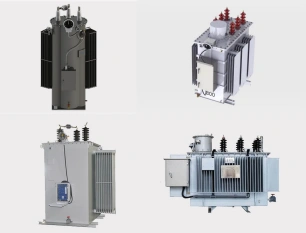
Single Phase Automatic Step Voltage Regulator
The Single-phase Automatic Step Voltage Regulator is an advanced, intelligent voltage stabilization device designed to automatically correct voltage fluctuations and deliver stable output for sensitive electrical equipment. Utilizing a high-efficiency toroidal or laminated core with premium copper windings and multiple tap positions, this regulator provides fast, precise step-type voltage correction (±10% to ±30% input range) with response times under 1 second. It features a microprocessor-based digital controller with LCD display, multiple protection functions (over-voltage, under-voltage, overload, short-circuit, and surge), and automatic bypass capability. Built with robust construction and high overload capacity (up to 200% for short durations), it ensures reliable performance in varying load conditions while maintaining low waveform distortion and high efficiency (>98%). Ideal for single-phase 220V/230V/240V systems, this voltage regulator is widely used in residential, commercial, and light industrial applications to protect equipment from unstable grid voltage and extend service life.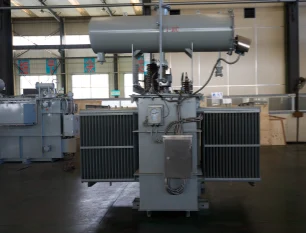
2500kVA Substation Transformer
The 2500kVA Substation Transformer stands as a robust, high-capacity solution engineered for medium-voltage power substations, delivering reliable step-down transformation with exceptional energy efficiency and durability. This oil-immersed unit features premium grain-oriented silicon steel laminations and low-loss copper windings to achieve superior no-load and load efficiency ratings, often exceeding 99% under typical operating conditions. Designed with ONAN cooling for natural convection reliability and optional ONAF upgrades for increased capacity during peak loads, it includes a conservator tank with high-quality mineral or biodegradable ester oil for optimal insulation and fire safety. Built to withstand demanding environments, it incorporates advanced protection like pressure relief valves, Buchholz relays, and temperature monitoring, while maintaining low noise levels and extended service life beyond 35 years. Compliant with IEC 60076, IEEE, and CSA standards, this substation transformer ensures stable voltage regulation, minimal losses, and seamless integration into utility, industrial, and renewable energy grids for cost-effective, sustainable power distribution.
20kV Three-Phase Oil-Immersed Power Transformer 50-2500kVA Copper
The 20kV Three-Phase Oil-Immersed Power Transformer 50-2500kVA Copper adopts high-purity electrolytic copper windings, Class A insulation, and advanced ONAN cooling design. Available in energy-saving S11/S13/S20 series with no-load loss reduced by up to 40%. Fully sealed corrugated tank or conservator type effectively prevents oil aging and moisture ingress. It complies with IEC 60076, GB/T 1094, and can be equipped with ±5% or ±2×2.5% off-circuit tap changer. Low noise (<55 dB), strong short-circuit withstand capability, and overload capacity make it ideal for industrial parks, commercial buildings, and renewable energy projects. Vacuum oil filling and nitrogen sealing ensure insulation performance for over 30 years. Factory supports full third-party inspection (SGS/BV) and provides type test reports.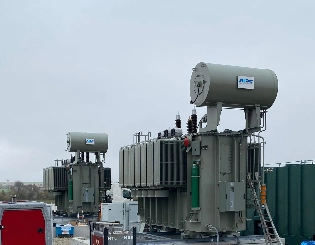
220kV 3-Phase Oil-Immersed Power Transformer – Reliable & Efficient
The 220kV 3-Phase Oil-Immersed Power Transformer is designed for high-capacity transmission and substation systems that demand long-term reliability and superior electrical efficiency. Built for modern power grids, it enables stable voltage transformation while minimizing operational losses over extended transmission distances. The oil-immersed insulation system provides excellent dielectric strength and efficient heat dissipation, supporting continuous operation under heavy electrical loads. Advanced core and winding design reduces noise and energy loss while improving voltage regulation accuracy. The robust mechanical structure enhances resistance to thermal stress and short-circuit forces, ensuring dependable performance in demanding grid environments. This transformer is ideal for utility substations, regional grid interconnections, and critical power infrastructure requiring efficient, safe, and stable high-voltage power delivery.FAQ From Customers
-
What is a Transformer?A transformer is an electrical device used to change the voltage of alternating current (AC). It works on the principle of electromagnetic induction, converting high-voltage current into low-voltage current or low-voltage current into high-voltage current. Transformers are widely used in power transmission, distribution systems, and various electronic devices.
-
What are the main uses of a transformer?The main use of a transformer is voltage conversion. Transformers are used in power transmission systems to help transfer electricity from power plants to consumers. In addition, transformers are also used in electronic devices such as chargers, televisions, power adapters, etc., to adjust the voltage to meet the requirements of different devices.
-
Do you have UL listed?Yes, our transformer has UL listed. We have exported to America many pad mounted transformer,substation transformer and HV.
Welcome your inquiry
Honesty, Integrity, Frugality, Activeness and Passion