
Data Center Electrical Planning: Designing Reliable Power Supply and Electrical Distribution Systems
2025-10-21
As the demand for data processing, cloud services and artificial intelligence grows, modern data centers face unprecedented challenges in their power infrastructure. Designing an efficient electrical distribution system and power supply for a data center isn’t just about delivering electricity—it's about achieving high reliability, handling high power densities, minimising power outages, and optimising for energy performance (e.g., low power usage effectiveness (PUE)).
In this guide we will examine engineering principles for data center electrical planning, discuss practical design approaches, and draw from real-world examples such as Google and Microsoft to illustrate best practices.
1. The Importance of Electrical Distribution Systems in Data Centers
The electrical distribution system in a data center is analogous to a utility grid within the facility: it must bring medium-voltage (MV) power into the site, transform it, distribute via switchgear, busway and power distribution units (PDUs), and finally deliver to IT racks.
Failures in this system often translate into service interruptions. For example, Microsoft reported that an issue with its internal distribution system caused a section of racks to lose power because the redundant path was inaccessible.
Therefore, planning must address redundancy, fault tolerance, and rapid recovery.
2. Key Design Metrics: PUE, Power Density, and Outage Prevention
One of the most important metrics in data center electrical planning is Power Usage Effectiveness (PUE). For example, Google reports a fleet-wide average PUE of 1.09 in 2024, significantly better than industry norms.
High power densities (kW per rack or per square metre) place heavy demands on the distribution system—electrical engineers must account for thermal loads, conductor sizing, voltage drop, and the minimisation of conversion losses.
Outage avoidance is equally critical: any momentary disruption in the electrical distribution can cascade into large-scale service failures. Robust design including redundant paths and automatic transfer switching is essential.
3. Typical Power Supply & Distribution Architecture
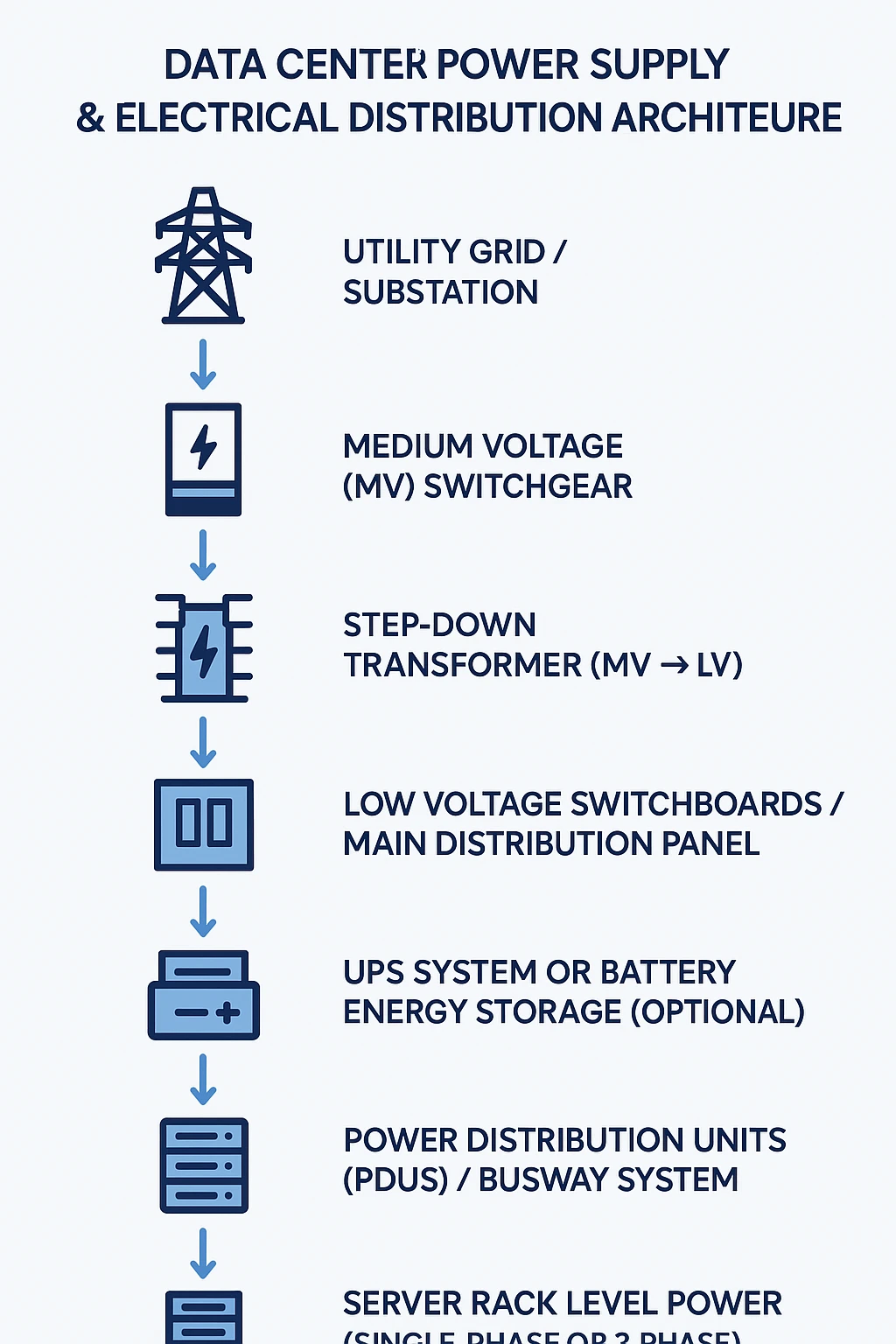
A common architecture for data center electrical planning follows this path: utility supply → medium-voltage switchgear → MV/LV transformer → low-voltage switchboards → UPS (if used) → PDUs/busways → rack power.
In many modern data centers, to reduce conversion losses and improve efficiency, designers use higher distribution voltages directly to racks (e.g., 480 V or direct-to-DC) or eliminate intermediate conversion stages, as Microsoft has done.
This kind of approach reduces the number of power conversion stages, thereby reducing losses and improving reliability.
4. Case Study: Google’s Data Center Approach
Google’s data center fleet emphasises energy efficiency and grid integration. Their facility designs deliver over six times more computing power per unit of electricity compared to five years ago.
They also tightly couple their data center growth with clean energy and grid infrastructure upgrades.
For electrical distribution systems this means: large-scale, homogeneous modules; optimised busway and transformer designs; advanced cooling to reduce load on power systems; and continuous monitoring. Through their efficiency measures, they lower overhead energy usage and deliver high reliability.
5. Case Study: Microsoft’s Distribution Innovation
Microsoft has adopted a direct three-phase 480 V AC distribution to the rack, reducing conversion losses by bypassing traditional UPS and step-down stages.
Their design shows how electrical distribution systems can be simplified to improve both efficiency and reliability. The lesson for engineers: rethink legacy distribution paths and optimise power infrastructure especially where densities are high.
6. Engineering Considerations and Best Practices
a. Redundancy & Fault Tolerance
Design with N+1 or 2N+1 configurations, ensure dual-feed switchgear, automatic transfer switches, and backup generators or battery systems.
b. Voltage Choice and Conversion Stages
Avoid unnecessary transformation—higher voltage or direct-to-rack systems reduce losses and improve efficiency.
Design for single phase or three phase as required: many data center PDUs convert three phase to single phase at the rack.
c. Conductor and Cable Sizing
High densities demand careful conductor sizing and fault current rating. Select components to minimise voltage drop and thermal accumulation.
d. Monitoring & Control
Use real-time PDU monitoring, busway sensors, and integration with building management systems to detect faults early and reduce risk of power outages.
e. Energy Reduction Strategies
Integrate efficient power conversion, smart cooling, variable-speed drive fans, and implement energy-aware scheduling—Google reports ~30% energy savings from machine-learning cooling optimisation.
7. Serviceability and Lifecycle Planning
While designing the distribution system, also plan for maintenance access, spare capacity (future growth), modular upgrades and single phase and three-phase flexibility. Design for ease of replacement of PDUs, busway segments, and modular UPS systems.
Lifecycle planning ensures long-term reliability and optimises total cost of ownership.
8. Challenges and Future Trends
The rise of AI hardware means rack power densities could reach 1 MW or more.
This drives new distribution topologies: 400 V DC distribution, merged UPS/busway systems, and even direct-chip power delivery. Electrical engineers must anticipate these shifts in power infrastructure, distribution and system design.
Effective data center design for electrical planning and electrical distribution systems is a complex but critical engineering endeavour. By learning from leaders like Google and Microsoft, applying rigorous planning for redundancy, conversion minimisation, high power density, and systems monitoring, organizations can avoid power outages, reduce energy consumption (improving PUE), and deliver reliable service to customers.
Electrical engineers and data center power planners who apply these principles will position their facilities for today’s demands of high density, high reliability and tomorrow’s challenges of smarter, greener infrastructure.

Related Articles



Related Products
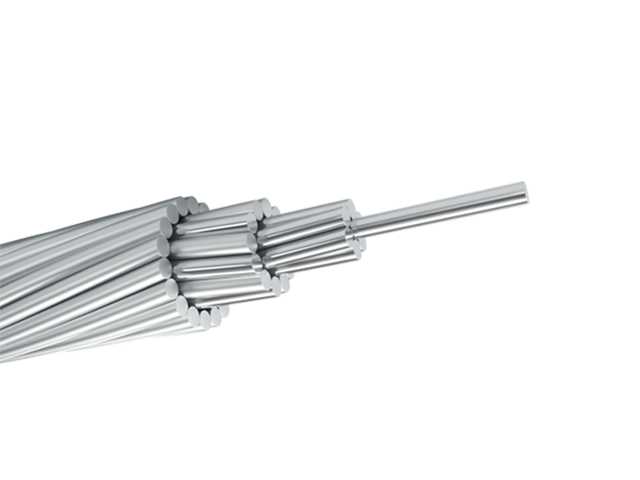
ALUMINUM CONDUCTOR ALLOY REINFORCED(ACAR)
Aluminum Conductor Alloy Reinforced (ACAR) is a high-performance overhead conductor featuring concentrically stranded 1350-H19 aluminum wires around a core of 6201 aluminum-magnesium-silicon alloy strands. This design optimizes the balance between electrical conductivity and mechanical strength, offering higher ampacity than equivalent AAAC and better strength-to-weight ratio than AAC. ACAR excels in applications requiring reduced sag and enhanced durability, with excellent corrosion resistance suitable for coastal or industrial settings. Compliant with ASTM B524, B231, and B398 standards, it supports various stranding configurations for flexibility in line design. The alloy reinforcement provides superior tensile strength (up to 30% more than pure aluminum), minimizing support structures and installation costs. Ideal for primary and secondary distribution, ACAR reduces energy losses while maintaining reliability under heavy loads or extreme weather. Its lightweight nature facilitates easier handling, and full aluminum construction ensures recyclability, aligning with sustainable power infrastructure goals. ACAR is a versatile choice for modern grids seeking efficiency and longevity.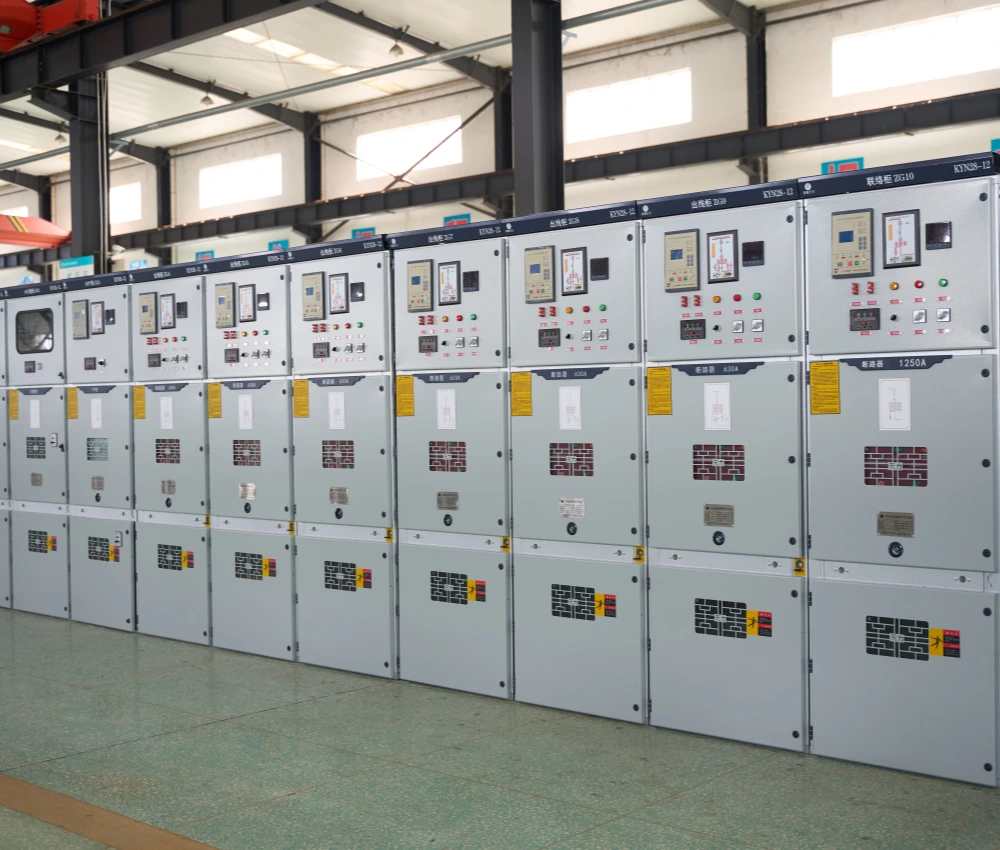
Armored Metal Enclosed Switchgear
The Armored Metal Enclosed Switchgear is a high-performance medium-voltage electrical distribution and protection system designed for industrial power networks, utility substations, renewable energy facilities, transportation infrastructure, and smart-grid applications. The switchgear adopts a fully compartmentalized armored metal enclosure structure integrating vacuum circuit breakers, disconnect switches, protection relays, current transformers, voltage transformers, and intelligent control systems into a compact modular cabinet assembly. This design significantly improves operational safety, electrical reliability, and maintenance efficiency for modern medium-voltage power distribution systems. Manufactured using precision-engineered insulated structures and reinforced metal-clad compartments, the armored metal enclosed switchgear provides outstanding dielectric strength, internal arc resistance, and mechanical durability under demanding operating conditions. Independent compartments for busbars, breaker units, cable chambers, and low-voltage control sections effectively isolate electrical faults and minimize fault propagation risks while improving maintenance accessibility and operational security. The Armored Metal Enclosed Switchgear supports intelligent automation systems, remote monitoring interfaces, and advanced communication protocols for digital substations and smart-grid infrastructure. With scalable configuration capabilities and flexible protection architectures, the switchgear delivers stable medium-voltage switching, fault isolation, and electrical distribution performance for industrial automation systems, utility networks, renewable energy integration projects, and mission-critical electrical facilities.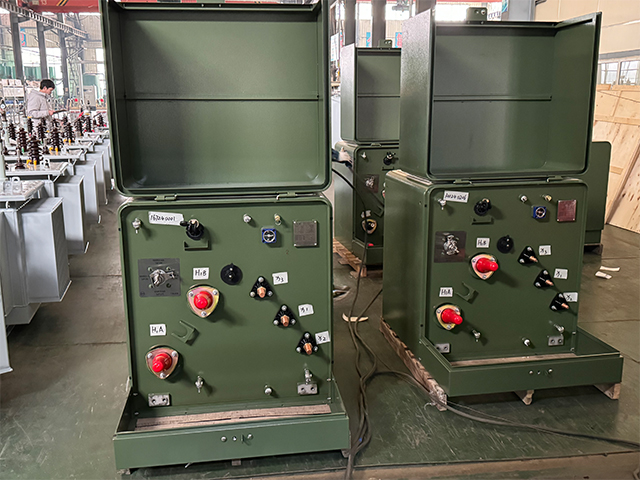
75kVA Single Phase Pad Mounted transformer
The 75kVA single phase pad mounted transformer is designed for medium-capacity underground residential and light commercial distribution, transforming primary voltages such as 12470GrdY/7200, 24940GrdY/14400, 34500GrdY/19920, or dual-voltage setups to secondary 120/240V split-phase or 240V. The compartmental dead-front enclosure with tamper-resistant doors, mineral oil insulation, and ONAN cooling supports a 65°C temperature rise for dependable performance under residential peak demands.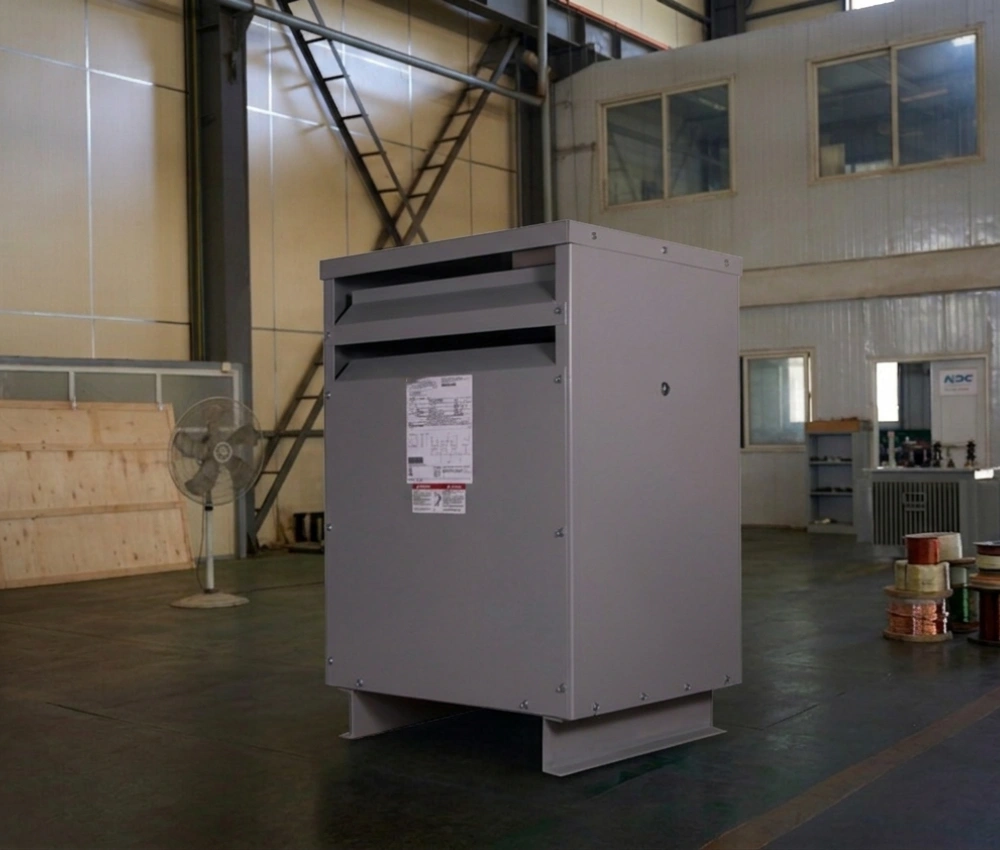
Three Phase Isolation Transformer
The Three Phase Isolation Transformer is a premium electrical power solution designed to provide complete galvanic isolation between the primary and secondary circuits of three-phase power systems. By eliminating direct electrical continuity between power sources and connected loads, the transformer effectively reduces electrical noise, suppresses common-mode disturbances, minimizes transient voltage surges, and improves overall power quality. This advanced isolation capability helps protect sensitive equipment, enhance operational safety, and improve system reliability in demanding industrial and commercial environments. Manufactured using high-permeability CRGO silicon steel cores and precision-engineered copper or aluminum windings, the Three Phase Isolation Transformer delivers excellent efficiency, low losses, and stable voltage regulation. Its robust insulation system ensures superior dielectric performance while reducing the risk of electrical faults and ground loop issues. The transformer is widely deployed in industrial automation facilities, manufacturing plants, renewable energy installations, data centers, transportation infrastructure, healthcare facilities, and critical power applications where reliable and clean power is essential.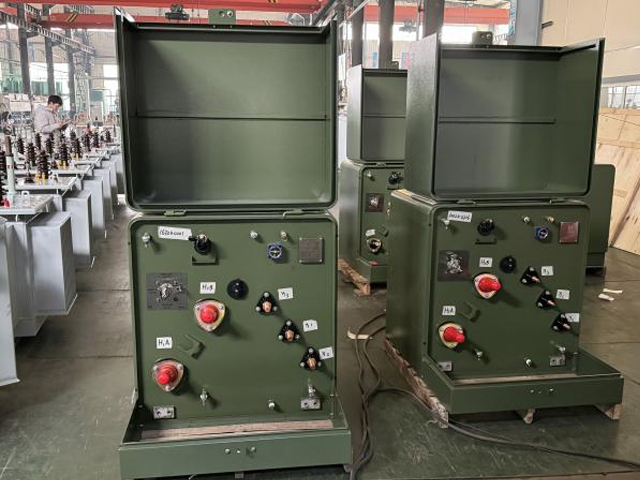
11kV Single Phase Pole Mounted Transformer
The 11kV single phase pole mounted transformer is a compact, high-performance solution for overhead distribution systems, stepping down 11kV primary voltage to standard secondary levels like 230V, 240V, or 415V for safe end-user supply. Built with high-grade silicon steel cores and copper or aluminum windings, it minimizes core and copper losses while meeting IEC 60076 and relevant IEEE/ANSI standards for energy efficiency. The oil-immersed tank with ONAN natural cooling supports a 55-65°C temperature rise, ensuring reliable operation under varying loads. Features include robust bushings, pressure relief mechanisms, and optional surge protection, making it weather-resistant and low-maintenance for exposed pole installations. This transformer excels in providing stable, low-distortion power with excellent overload tolerance, perfect for utilities expanding access in diverse terrains.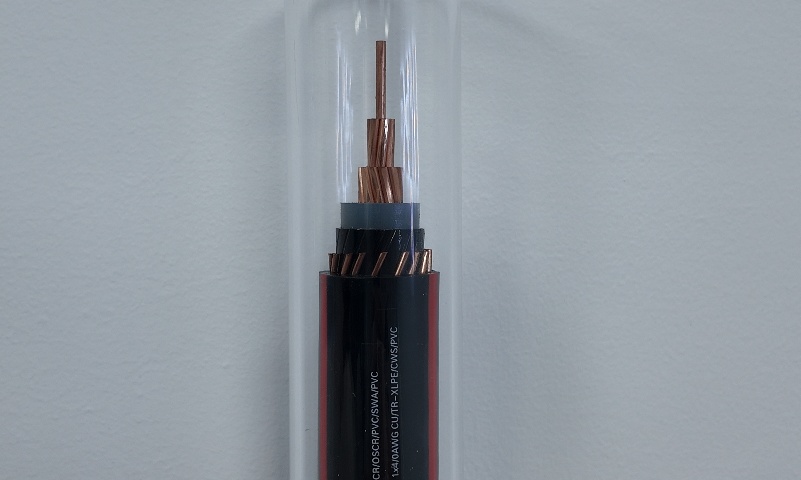
5-46kV TR-XLPE URD Medium Voltage Utility Cables
5–46kV TR-XLPE URD Medium Voltage Utility Power Cables are specifically designed for underground residential distribution and utility power networks. Manufactured with high-quality copper or aluminum conductors and tree-retardant cross-linked polyethylene (TR-XLPE) insulation, these cables provide superior resistance to electrical treeing, moisture ingress, and long-term aging. The TR-XLPE insulation system significantly extends service life in underground installations where environmental stress and moisture exposure are common. Rated for voltage levels from 5kV to 46kV, the cable ensures stable and efficient power transmission under continuous operating conditions. Its robust construction supports direct burial or duct installation, meeting the reliability requirements of modern utility infrastructure. Designed to meet utility and industry performance expectations, TR-XLPE URD cables offer consistent electrical performance, enhanced durability, and reduced maintenance over their operational lifespan.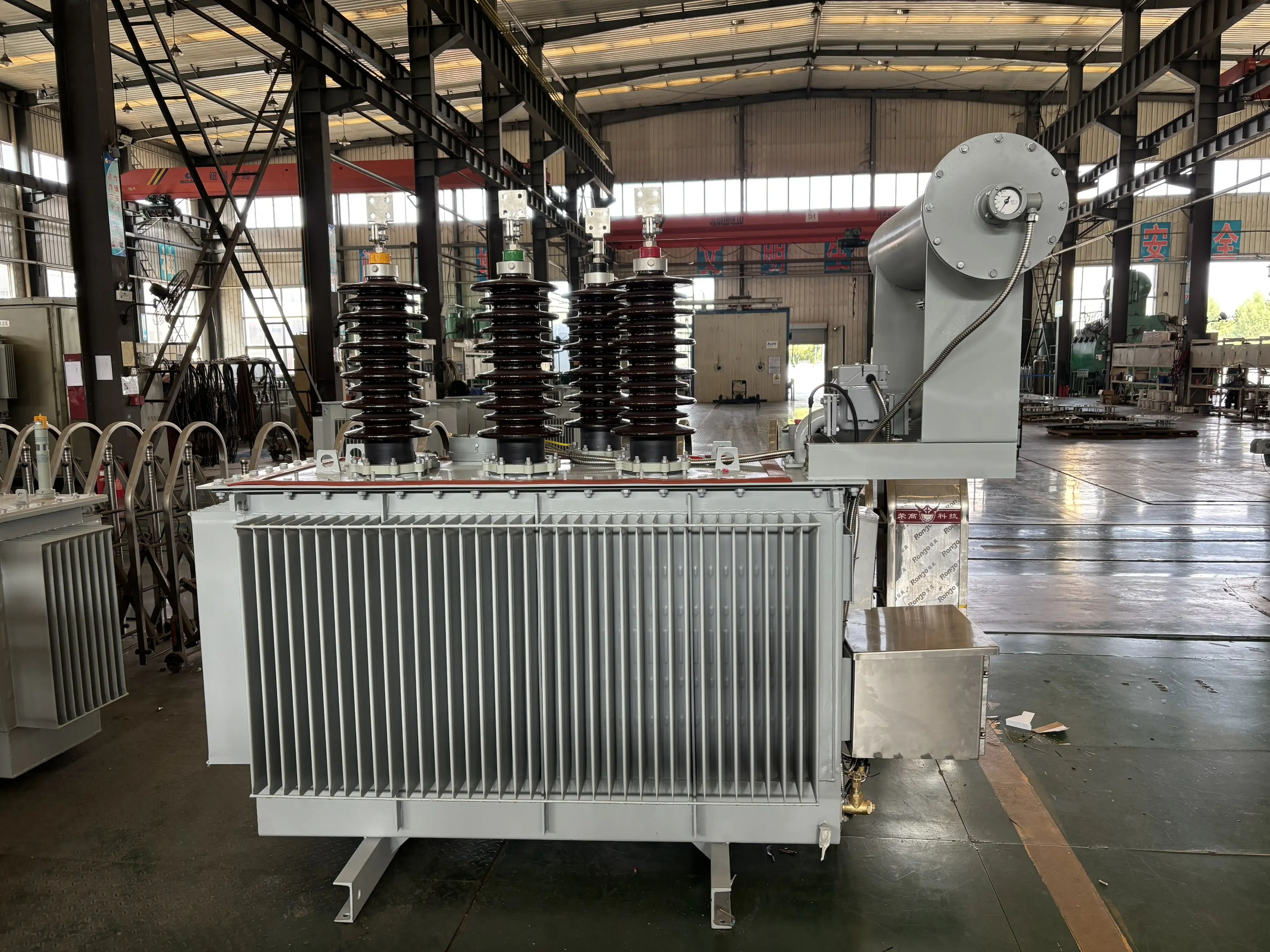
Earthing Transformer
The Earthing Transformer (also known as Grounding Transformer or Neutral Grounding Transformer) is a specialized auxiliary transformer used in three-phase power systems to provide a neutral grounding point and a low-impedance path for zero-sequence currents during ground faults. It is essential in ungrounded delta or ungrounded wye systems (common in industrial, utility, and renewable energy applications) where no natural neutral exists, enabling safe fault current flow to ground, stabilizing voltages, limiting overvoltages on unfaulted phases, and supporting protective relaying. Typical features include three-phase construction, rated voltage matching system line-to-line (e.g., 11kV, 33kV, 35kV, up to 220kV+), short-time rating for fault current (e.g., 10–30 seconds at 100–1000A or more), neutral bushing for grounding connection.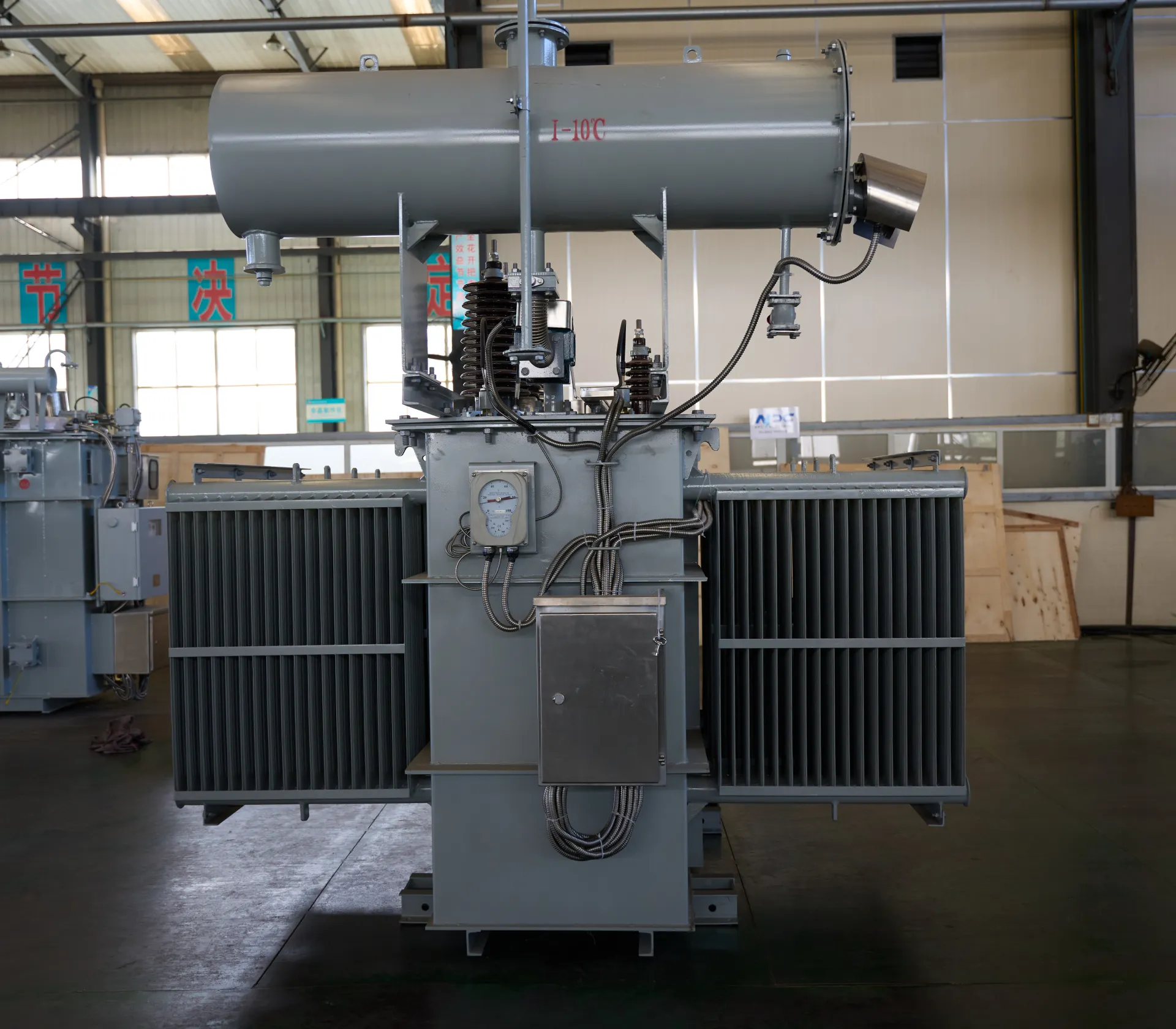
750kVA 3-Phase Oil-Immersed Outdoor Substation Transformer
A 750kVA 3-phase oil-immersed outdoor substation transformer is designed for stable and efficient power distribution in industrial, commercial, and utility applications. Built with high-quality insulation and premium transformer oil, it provides excellent cooling performance and long-term reliability. The transformer ensures accurate current measurement and voltage conversion, making it ideal for outdoor substations operating under demanding conditions.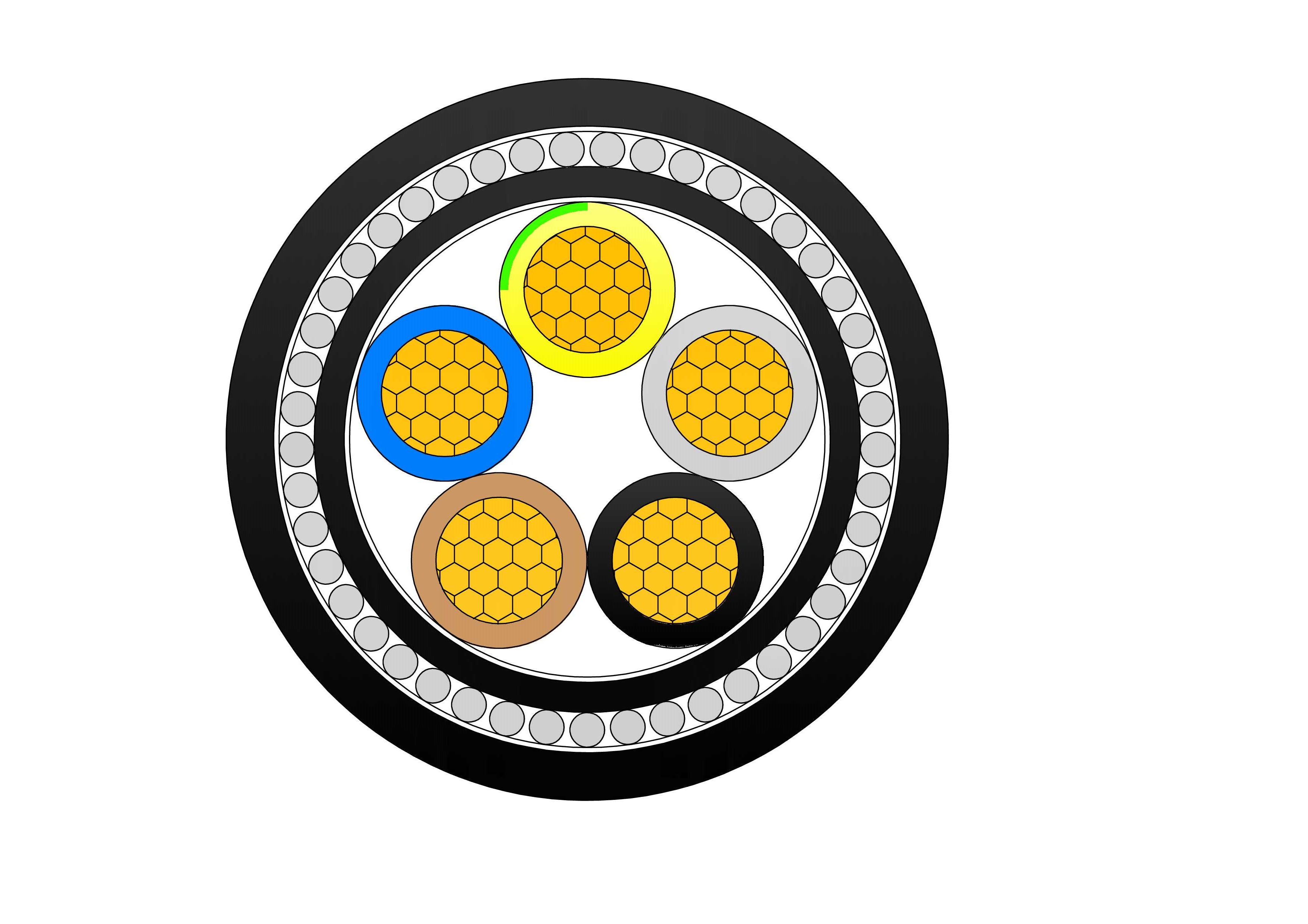
N2XRY 0.6/1kV Low Voltage Power Cable
N2XRY 0.6/1kV are low voltage power cables designed according to BS 5467 standard, suitable for fixed installation in indoor, outdoor, underground, Cable ducts ,conduits or concrete (not subject to vibration) environments,with additional mechanical protection due to steel wire armouring. Constructed with high-purity copper conductors, thermosetting XLPE insulation, PVC inner bedding, double galvanized steel tape armour, and tough PVC outer sheath, it meets IEC 60502-1 requirements. The STA armour delivers superior resistance to compression, impacts, and penetration, suitable for direct burial without conduits. Excellent electrical properties, reduced losses, and high overload capacity ensure optimal performance. Flame-retardant and environmentally stable, the N2XRY 0.6/1kV Low Voltage Power Cable is favored for factories, commercial developments, renewable energy sites, and infrastructure needing reliable, maintenance-free low-voltage cabling in challenging terrains.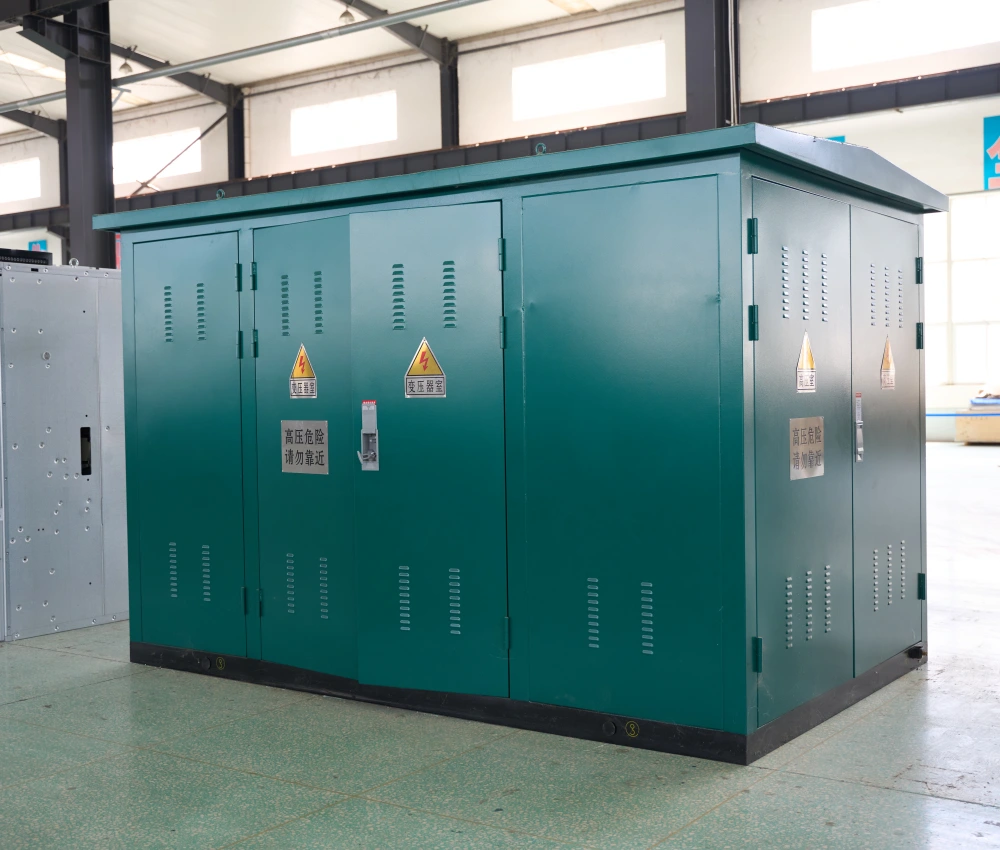
Prefabricated Switchgear Substation
The Prefabricated Switchgear Substation is an integrated medium-voltage power distribution system designed to provide safe, efficient, and intelligent electrical control for utility networks, industrial facilities, renewable energy projects, and commercial infrastructure. The system combines medium-voltage switchgear, transformer equipment, low-voltage distribution units, and advanced protection systems within a compact prefabricated enclosure, significantly reducing installation time and civil construction requirements. Manufactured using high-strength corrosion-resistant materials and advanced insulation technology, the switchgear substation delivers stable outdoor operation under harsh environmental conditions including high humidity, dust exposure, temperature fluctuations, and coastal environments. Its modular architecture improves operational flexibility, maintenance accessibility, and transportation efficiency while supporting scalable electrical distribution requirements. The Prefabricated Switchgear Substation supports multiple voltage classes, intelligent monitoring functions, and customized protection configurations for modern smart-grid applications. The compact design optimizes installation space while ensuring reliable medium-voltage switching, power distribution stability, and enhanced operational safety for industrial, utility, and infrastructure projects.
FR-N20XA8E-AR Triplex 12/20kV Cable Gen to NF C 33-226 - AL/XLPE/MDPE
The NF C 33-226 AL-XLPE-MDPE 12/20(24)kV Triplex Cable is a high-quality three-core medium voltage power cable designed for reliable three-phase energy transmission. It is constructed with Class 2 stranded aluminum conductors, cross-linked polyethylene (XLPE) insulation, and a medium-density polyethylene (MDPE) outer sheath, providing excellent electrical performance, thermal stability, and mechanical durability. Manufactured in accordance with NF C 33-226, IEC 60502-2, and EN 60228, this cable is ideal for industrial plants, municipal networks, and commercial power systems. It offers high resistance to water (AD7) and UV radiation (ISO 4892), and is halogen-free (IEC/EN 60754-1), ensuring safe and environmentally friendly operation. With a rated voltage of 12/20 (24)kV and a maximum conductor temperature of 90°C, this AL-XLPE-MDPE Triplex cable ensures efficient, safe, and long-term power transmission in medium-voltage distribution networks.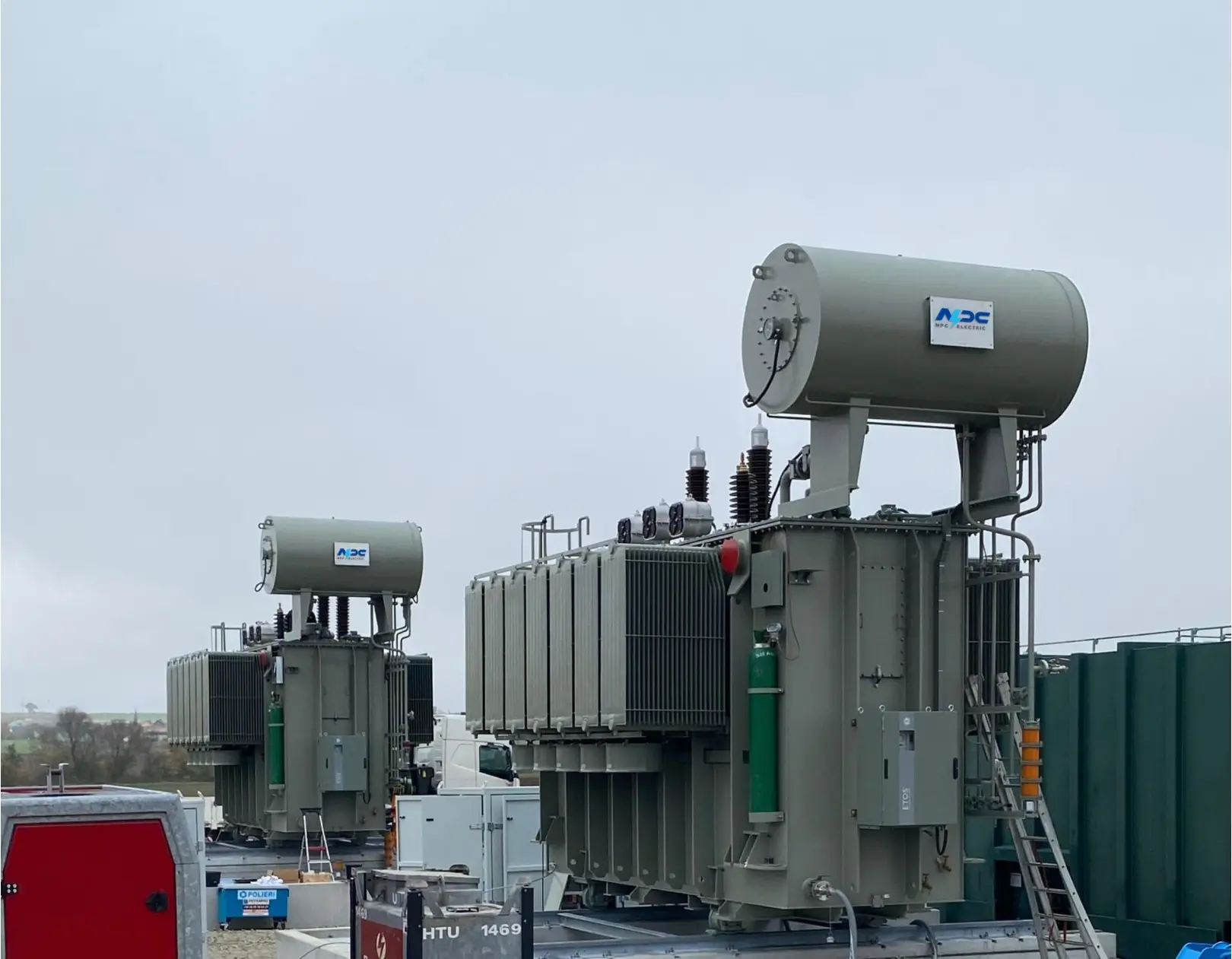
120kV High-Voltage Three-Phase Oil-Immersed Power Transformer
The 120kV High-Voltage Three-Phase Oil-Immersed Power Transformer is engineered for reliable and efficient operation in transmission networks and high-voltage substations. Designed with high-permeability silicon steel cores and precision-wound copper conductors, it delivers low losses, excellent thermal performance, and strong short-circuit withstand capability. The oil-immersed cooling system ensures effective heat dissipation, supporting continuous operation under heavy-load and fluctuating grid conditions. A robust tank structure, advanced insulation system, and outdoor-rated protection allow stable operation in harsh climates and demanding environments. Manufactured in accordance with IEC, IEEE, and ANSI standards, this transformer is widely applied in utility grids, industrial power systems, and large-scale infrastructure projects where high reliability, long service life, and stable voltage transformation are essential.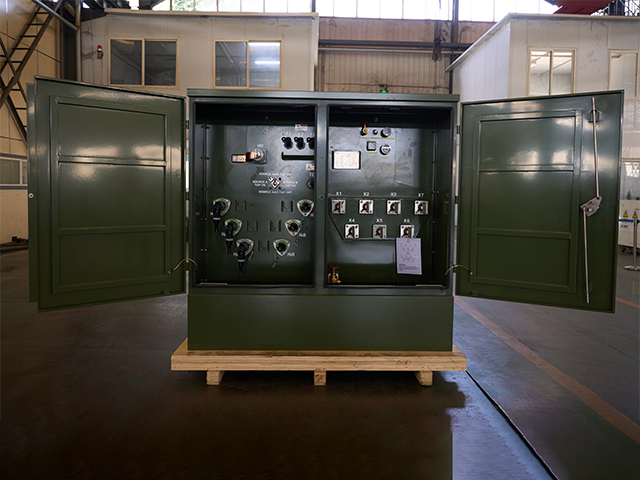
1000kVA Three Phase Pad Mounted Transformer
The 1000kVA three-phase pad transformer is an efficient and reliable power transformer designed for high-load applications such as large commercial, industrial and distribution systems. The transformer has a high power capacity of 1000kVA and can stably provide continuous power supply for three-phase power systems to meet large-scale power needs. With a rugged and durable casing and protective design, it is suitable for operation in various outdoor environments and can effectively resist adverse weather conditions.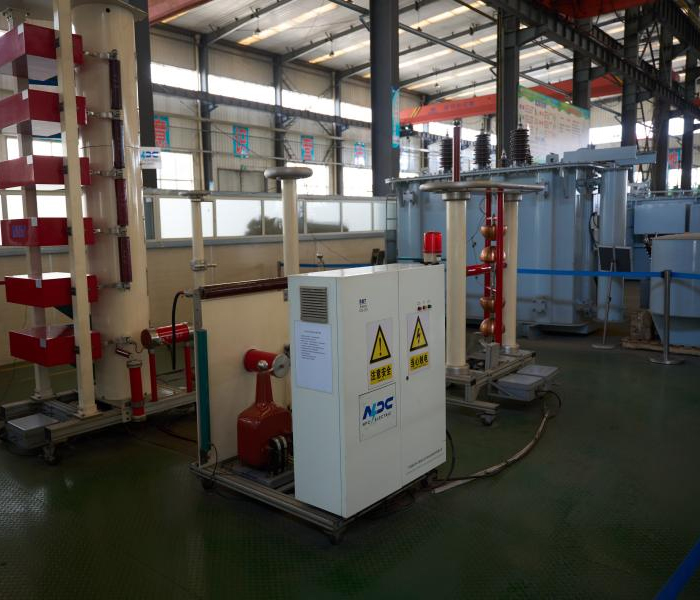
Step Up Dry Type Transformer Copper Winding High Overload Capacity
The Step Up Dry Type Transformer Copper Winding High Overload Capacity is a robust, oil-free power solution designed to increase (step up) voltage from lower primary levels to higher secondary outputs for efficient power transmission in indoor applications. This three-phase cast resin dry type transformer features premium high-conductivity copper windings fully encapsulated in epoxy resin under vacuum pressure, paired with low-loss grain-oriented silicon steel cores to achieve superior energy efficiency (typically 98%+), minimal no-load and load losses, and excellent partial discharge performance (<10pC). Compliant with IEC 60076-11, IEEE/ANSI, and relevant efficiency standards, this transformer commonly steps up voltages such as 0.4kV/480V primary to 6.6kV, 11kV, 13.8kV, 22kV, or 35kV secondary (Dyn11 or custom vector group), with capacities from 100kVA to several MVA, making it ideal for renewable energy systems, generator step-up, industrial processes, and utility indoor substations prioritizing safety, sustainability, and overload resilience.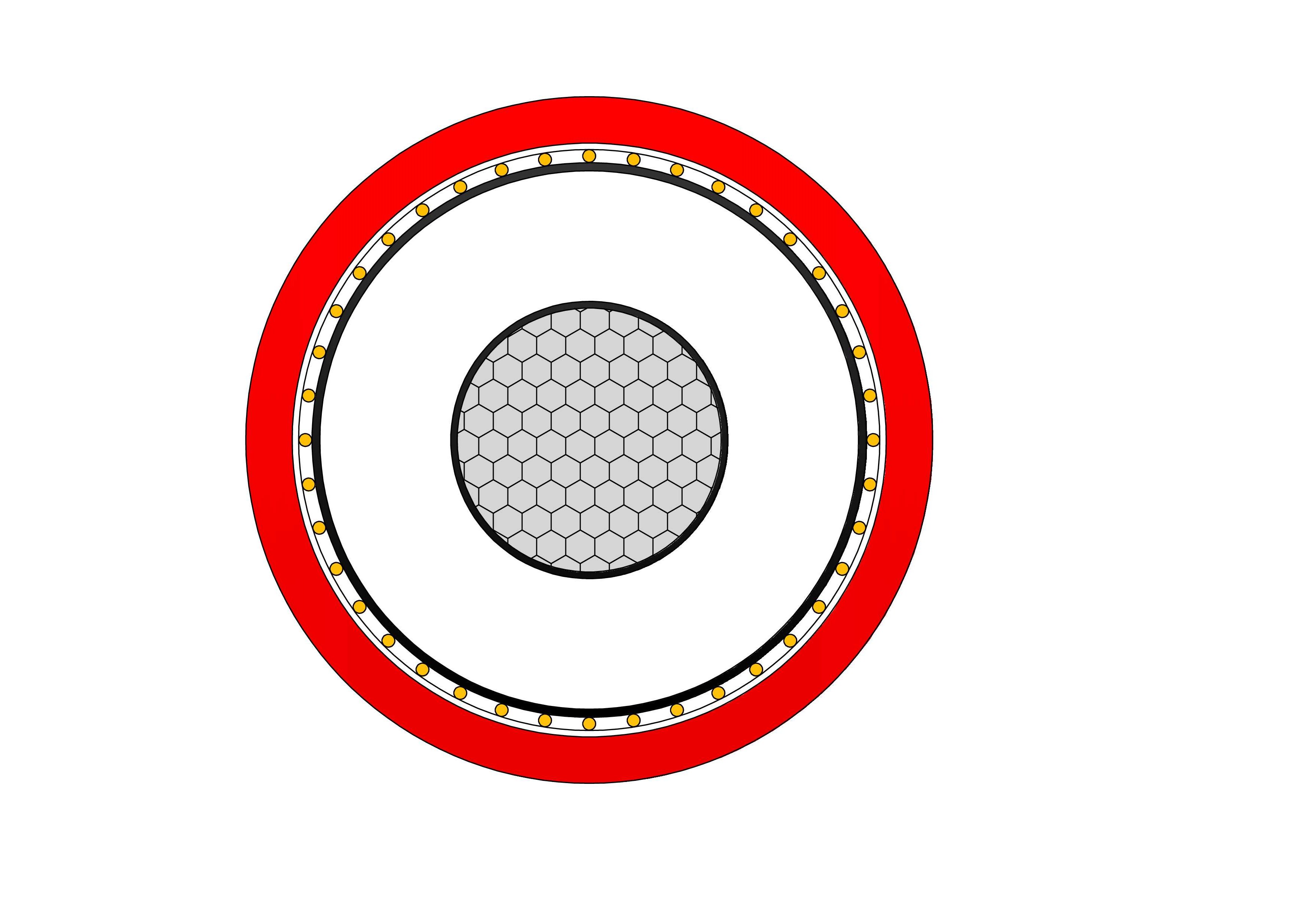
RHZ1-AL Medium Voltage Power Cable(8.7/15kV, 12/20kV, 18/30kV)
NPC Electric RHZ1-AL Medium Voltage Power Cable (8.7/15kV, 12/20kV, 18/30kV) provides economical fire safety for medium voltage networks. Built with aluminium conductors, thermosetting XLPE insulation, metallic screen, and advanced low smoke zero halogen (LSZH) sheath, it meets UNE 21123-4 and CPR requirements. During fires, it emits very low smoke and no corrosive gases, facilitating evacuation. Lightweight aluminium reduces costs and installation effort while delivering reliable current capacity. Superior partial discharge resistance, low tan delta, and thermal endurance ensure efficiency and longevity. Suitable for direct burial, ducts, or indoor use in sensitive areas, the RHZ1-AL Medium Voltage Power Cable is widely used in transportation hubs, data centers, public facilities, and infrastructure demanding reliable medium voltage cabling with enhanced fire protection, environmental compliance, and life-safety features in populated or confined spaces.Welcome your inquiry
Honesty, Integrity, Frugality, Activeness and Passion