
How Chinese Power Transformer Manufacturers Meet IEC & IEEE Standards for Global Export
2026-08-04
The global demand for reliable electrical infrastructure continues to accelerate as countries expand transmission networks, integrate renewable energy, modernize industrial facilities, and electrify transportation systems. At the heart of every power network is the power transformer, a critical asset responsible for voltage conversion, efficient energy transmission, and stable grid operation.
Over the past two decades, China has become one of the world's largest manufacturing centers for electrical equipment. Today, many international utilities, EPC contractors, renewable energy developers, and industrial companies source transformers from a qualified Chinese transformer manufacturer because of competitive pricing, advanced production capabilities, and increasingly stringent quality management systems.
However, international buyers are no longer focused solely on cost. Compliance with globally recognized standards such as IEC 60076 and IEEE C57 has become the primary requirement for export projects. Whether supplying Africa, Southeast Asia, the Middle East, Europe, Oceania, or Latin America, every reputable power transformer manufacturer must demonstrate that its products meet rigorous requirements for design, performance, safety, reliability, and testing.
1. Why IEC and IEEE Standards Matter for Global Transformer Projects
Power transformers are expected to operate continuously for 25–40 years under varying environmental and loading conditions. A transformer failure can interrupt electricity supply, damage connected equipment, and result in significant financial losses.
International standards establish a common engineering framework that ensures transformers manufactured in different countries deliver consistent performance and reliability.
The two most influential standards are:
- IEC 60076 Series – Widely adopted across Europe, Asia, Africa, the Middle East, and many international utility projects.
- IEEE C57 Series – Predominantly specified in North America, but also widely referenced in international EPC projects.
Comparison Between IEC 60076 and IEEE C57 Transformer Standards
|
Technical Aspect |
IEC 60076 |
IEEE C57 Series |
|
Primary Market |
Europe, Asia, Middle East, Africa |
North America, Canada, International EPC Projects |
|
Scope |
Power Transformers |
Power & Distribution Transformers |
|
Rated Frequency |
50 Hz / 60 Hz |
60 Hz (primarily), 50 Hz optional |
|
Temperature Rise Limits |
IEC-defined classes |
IEEE-defined insulation classes |
|
Dielectric Tests |
Lightning & Switching Impulse |
BIL (Basic Insulation Level) Tests |
|
Short-Circuit Withstand |
IEC 60076-5 |
IEEE C57.12.90 |
|
Efficiency Requirements |
IEC EcoDesign / Local Regulations |
DOE / IEEE Requirements |
|
Routine Tests |
Mandatory |
Mandatory |
|
Type Tests |
Project Dependent |
Project Dependent |
|
Typical Export Markets |
Europe, Africa, Middle East, Asia |
USA, Canada, Caribbean |
These standards define requirements covering:
- Electrical design
- Thermal performance
- Insulation coordination
- Dielectric withstand capability
- Mechanical strength
- Short-circuit withstand
- Temperature rise limits
- Routine testing
- Type testing
- Special testing
- Nameplate information
- Documentation and quality assurance
Compliance with these standards enables an electrical transformer to be accepted across diverse international markets while reducing technical and contractual risks.
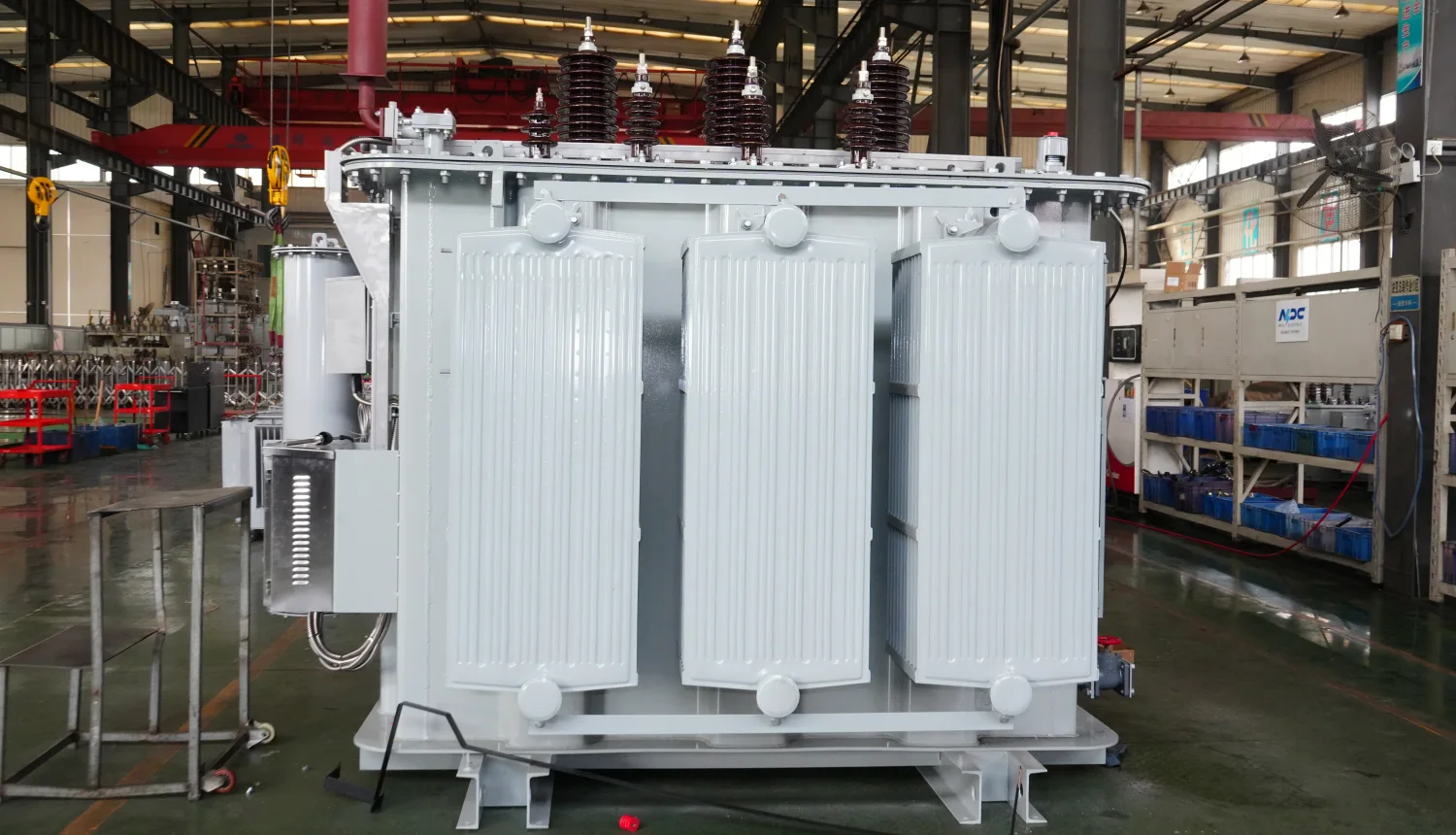
2. Engineering Design Begins with International Standards
Compliance is established long before manufacturing begins. A professional power transformer manufacturer starts every project with a comprehensive engineering review based on customer specifications and applicable standards.
Key design considerations include:
Magnetic Core Design
Engineers optimize core geometry using high-permeability grain-oriented silicon steel or amorphous alloy materials to minimize no-load losses, noise, and magnetizing current.
Winding Design
Copper or aluminum windings are designed to withstand:
- Rated current
- Thermal expansion
- Short-circuit forces
- Impulse voltages
Finite Element Analysis (FEA) is increasingly used to verify mechanical strength under fault conditions.
Insulation Coordination
Insulation systems are selected according to:
- Rated voltage
- Basic Insulation Level (BIL)
- Switching impulse requirements
- Lightning impulse withstand levels
Proper insulation coordination ensures long-term dielectric reliability.
Cooling System Design
Depending on transformer rating, cooling methods may include:
- ONAN
- ONAF
- OFAF
- OFWF
The selected cooling arrangement must satisfy IEC and IEEE temperature-rise limits while maximizing service life.
3. Advanced Manufacturing Processes Ensure Consistent Quality
Modern Chinese transformer factories increasingly employ automated production technologies to improve manufacturing precision and repeatability.
Core Manufacturing
Computer-controlled core cutting and stacking reduce air gaps, lowering losses and acoustic noise.
Winding Production
Automatic winding machines maintain accurate conductor tension, layer alignment, and insulation spacing.
Vacuum Drying
Vacuum drying removes moisture from cellulose insulation before oil filling, significantly improving dielectric strength and extending transformer life.
Oil Processing
High-vacuum oil filtration removes moisture, dissolved gases, and contaminants from insulating oil before impregnation.
Precision Assembly
Experienced technicians assemble active parts in clean environments to minimize contamination and maintain dimensional accuracy.
This manufacturing discipline enables Chinese factories to consistently meet international export requirements.
4. Comprehensive Testing According to IEC and IEEE Standards
Testing is one of the most critical stages in transformer manufacturing.
Every export transformer should undergo a structured testing program before shipment.
Routine Tests
Routine tests are performed on every transformer and typically include:
- Winding resistance
- Voltage ratio verification
- Polarity and phase displacement
- No-load losses
- Load losses
- Impedance voltage
- Insulation resistance
- Applied voltage test
- Induced voltage test
- Leak testing
Type Tests
Type tests validate design performance and generally include:
- Lightning impulse test
- Temperature-rise test
- Short-circuit withstand verification
- Sound level measurement
Special Tests
Depending on project requirements, additional tests may include:
- Partial discharge measurement
- Zero-sequence impedance
- Harmonic analysis
- FRA (Frequency Response Analysis)
- Dissolved Gas Analysis compatibility
A professional power transformer supplier provides detailed Factory Acceptance Test (FAT) reports for customer review before shipment.
Transformer Factory Testing Matrix
|
Test Item |
Purpose |
IEC / IEEE Requirement |
|
Winding Resistance Test |
Verify winding continuity |
Routine Test |
|
Turns Ratio Test |
Confirm voltage ratio accuracy |
Routine Test |
|
Polarity & Phase Displacement |
Verify vector group |
Routine Test |
|
No-Load Loss Test |
Measure core losses |
Routine Test |
|
Load Loss & Impedance Test |
Verify copper losses and impedance |
Routine Test |
|
Applied Voltage Test |
Check insulation strength |
Routine Test |
|
Induced Voltage Test |
Verify inter-turn insulation |
Routine Test |
|
Lightning Impulse Test |
Evaluate insulation withstand capability |
Type Test |
|
Temperature Rise Test |
Verify thermal performance |
Type Test |
|
Short-Circuit Withstand Test |
Validate mechanical strength |
Type Test |
|
Partial Discharge Test |
Detect insulation defects |
Special Test |
|
FRA (Frequency Response Analysis) |
Assess winding integrity after transport |
Special Test |
Typical Acceptance Criteria
|
Parameter |
Typical Requirement |
|
Voltage Ratio Error |
Within IEC/IEEE tolerance |
|
Insulation Resistance |
Meets specified minimum values |
|
Partial Discharge |
Below specified limits |
|
Temperature Rise |
Within insulation class limits |
|
Oil Breakdown Voltage |
Meets IEC 60156 requirements |
|
Sound Level |
Meets contractual specifications |
5. Quality Management Beyond Manufacturing
Meeting IEC and IEEE standards requires more than technical design—it demands a robust quality management system throughout the production lifecycle.
Leading manufacturers implement comprehensive quality procedures including:
Incoming Material Inspection
Critical materials such as:
- Silicon steel
- Copper conductors
- Insulating paper
- Bushings
- Tap changers
- Transformer oil
are verified before production begins.
Process Quality Control
Each manufacturing stage is documented and inspected to ensure conformity with approved engineering drawings and process specifications.
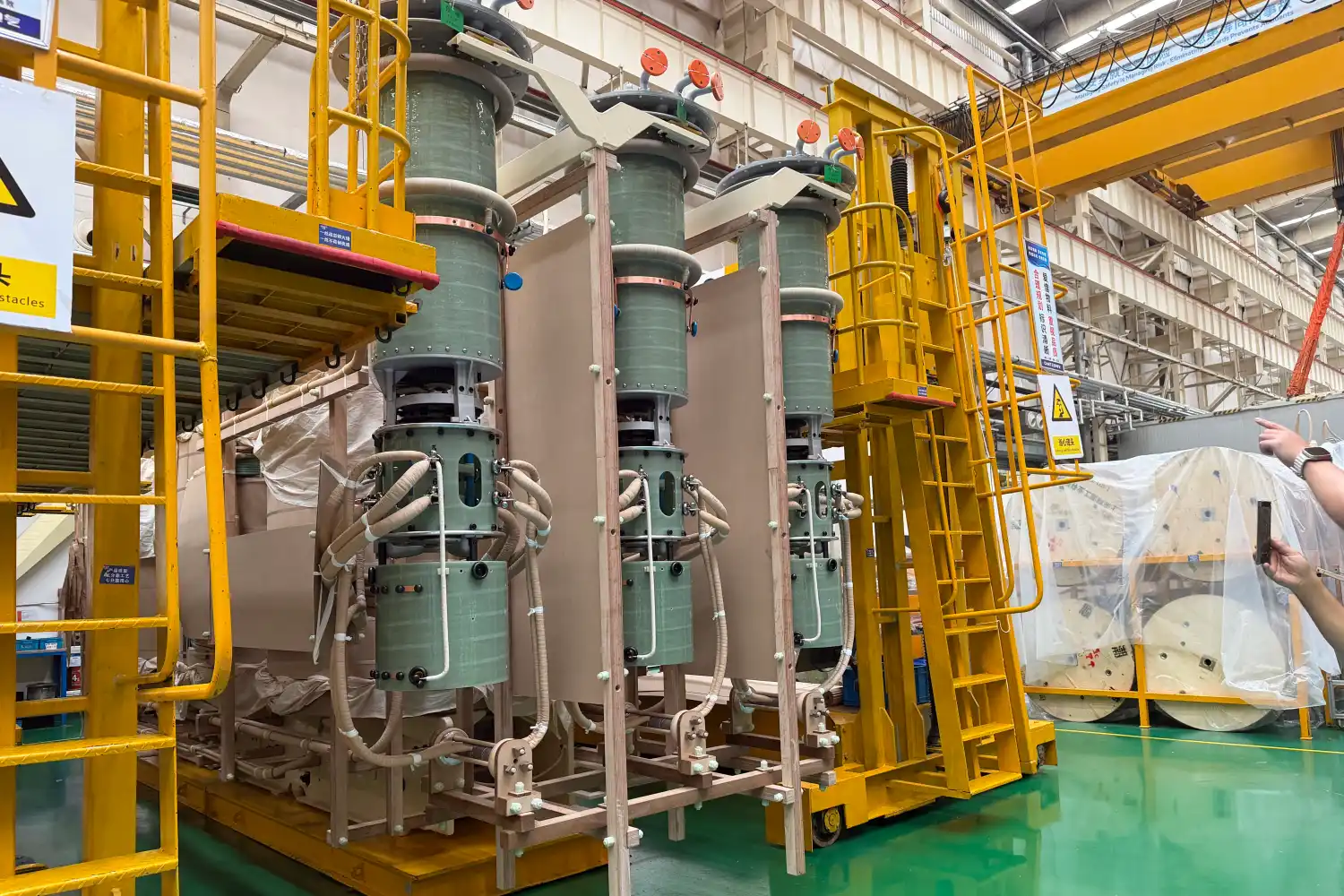
Factory Acceptance Testing (FAT)
Customers or third-party inspectors frequently witness FAT procedures before shipment.
Documentation Control
Export documentation typically includes:
- Test reports
- Drawings
- Nameplate data
- Material certificates
- Quality certificates
- Packing lists
- Installation manuals
Quality Control Workflow for Power Transformer Manufacturing
|
Production Stage |
Quality Control Activities |
|
Engineering Design |
Design review, IEC/IEEE compliance verification |
|
Raw Material Inspection |
Silicon steel, copper, insulation paper, transformer oil testing |
|
Core Manufacturing |
Dimensional inspection, core loss measurement |
|
Winding Production |
Conductor tension, insulation spacing, dimensional verification |
|
Active Part Assembly |
Mechanical inspection, torque verification |
|
Vacuum Drying |
Moisture content monitoring |
|
Oil Filling |
Vacuum impregnation and oil filtration |
|
Final Assembly |
Accessory installation and functional inspection |
|
Factory Acceptance Test (FAT) |
Complete routine and contractual testing |
|
Packing & Shipment |
Corrosion protection, shock monitoring, export packaging |
Typical Export Documentation
|
Document |
Purpose |
|
Factory Acceptance Test Report |
Demonstrates compliance with IEC/IEEE standards |
|
Routine Test Certificate |
Confirms manufacturing quality |
|
Nameplate Drawing |
Equipment identification |
|
General Arrangement Drawing |
Installation reference |
|
Transformer Schematic Diagram |
Electrical connection |
|
Packing List |
Shipping verification |
|
Operation & Maintenance Manual |
Installation and maintenance guidance |
|
Certificate of Origin |
Customs clearance |
|
Warranty Certificate |
Product quality assurance |
International Quality Certifications
|
Certification |
Importance |
|
ISO 9001 |
Quality Management System |
|
ISO 14001 |
Environmental Management |
|
ISO 45001 |
Occupational Health & Safety |
|
IEC 60076 Compliance |
International transformer design standard |
|
IEEE C57 Compliance |
North American transformer standard |
|
CE (where applicable) |
European market conformity |
|
Third-Party Inspection (SGS/BV/TÜV) |
Independent quality verification |
Traceable documentation is essential for international acceptance and long-term asset management.
6. Meeting Diverse Global Export Requirements
Different regions often specify different technical preferences.
Europe
European utilities typically prioritize IEC compliance, EcoDesign efficiency requirements, and low-loss transformer technologies.
North America
Projects often require compliance with IEEE C57 standards, ANSI practices, and utility-specific specifications.
Middle East
Transformers frequently require enhanced cooling systems, high ambient temperature ratings, and corrosion-resistant finishes.
Africa
Projects emphasize durability, voltage fluctuation tolerance, and simplified maintenance for remote installations.
Renewable Energy Projects
Solar and wind farms require transformers capable of handling cyclic loading, harmonics, and variable generation profiles.
Experienced Chinese transformer manufacturers adapt designs to meet these regional requirements while maintaining compliance with international standards.
7. Why International Buyers Choose Chinese Power Transformer Manufacturers
China's transformer industry has evolved significantly over the past decade.
Modern export-oriented manufacturers offer several competitive advantages.
Advanced Manufacturing Capacity
Large-scale production facilities enable consistent quality and shorter lead times.
Competitive Cost Structure
Efficient manufacturing processes reduce production costs without compromising technical performance.
Custom Engineering
Manufacturers provide customized designs for:
- Voltage ratings
- Frequency
- Cooling methods
- Environmental conditions
- Special accessories
International Certification
Leading manufacturers comply with ISO quality management systems while designing products according to IEC and IEEE standards.
Global Logistics Experience
Experienced exporters understand:
- International packing
- Container loading
- Marine protection
- Customs documentation
- Destination-specific regulations
Companies such as NPC Transformer combine engineering expertise, international project experience, and strict quality control to support utilities, EPC contractors, renewable energy developers, and industrial customers worldwide.
8. Future Trends in Global Transformer Manufacturing
The transformer industry continues to evolve as electrical networks become more digital, sustainable, and intelligent.
Future developments include:
Digital Smart Transformers
Integrated sensors provide continuous monitoring of:
- Oil temperature
- Winding temperature
- Partial discharge
- Moisture
- Dissolved gases
- Load conditions
Environmentally Friendly Insulating Fluids
Natural ester and biodegradable fluids are increasingly adopted to improve fire safety and environmental performance.
Low-Loss Core Materials
Advanced magnetic materials reduce no-load losses and improve energy efficiency.
Predictive Maintenance
Artificial intelligence and cloud-based analytics enable condition-based maintenance, reducing unplanned outages.
Renewable Energy Integration
Future transformers will increasingly support distributed generation, battery storage, EV charging infrastructure, and smart grid applications.
Conclusion
International transformer buyers increasingly evaluate suppliers based on engineering capability, manufacturing quality, standards compliance, and long-term reliability rather than price alone. Leading Chinese transformer manufacturers have demonstrated that they can meet the demanding requirements of IEC 60076 and IEEE C57 through advanced design, precision manufacturing, comprehensive testing, and rigorous quality management.
From material selection and insulation design to Factory Acceptance Testing and export documentation, every stage of the production process contributes to a transformer capable of operating safely for decades in demanding power systems.
For utilities, EPC contractors, and industrial operators seeking a dependable power transformer supplier, partnering with an experienced manufacturer such as NPC Transformer provides confidence that each electrical transformer is engineered for international compliance, optimized for long-term performance, and ready to support modern transmission and distribution networks around the world.

Related Articles



Related Products
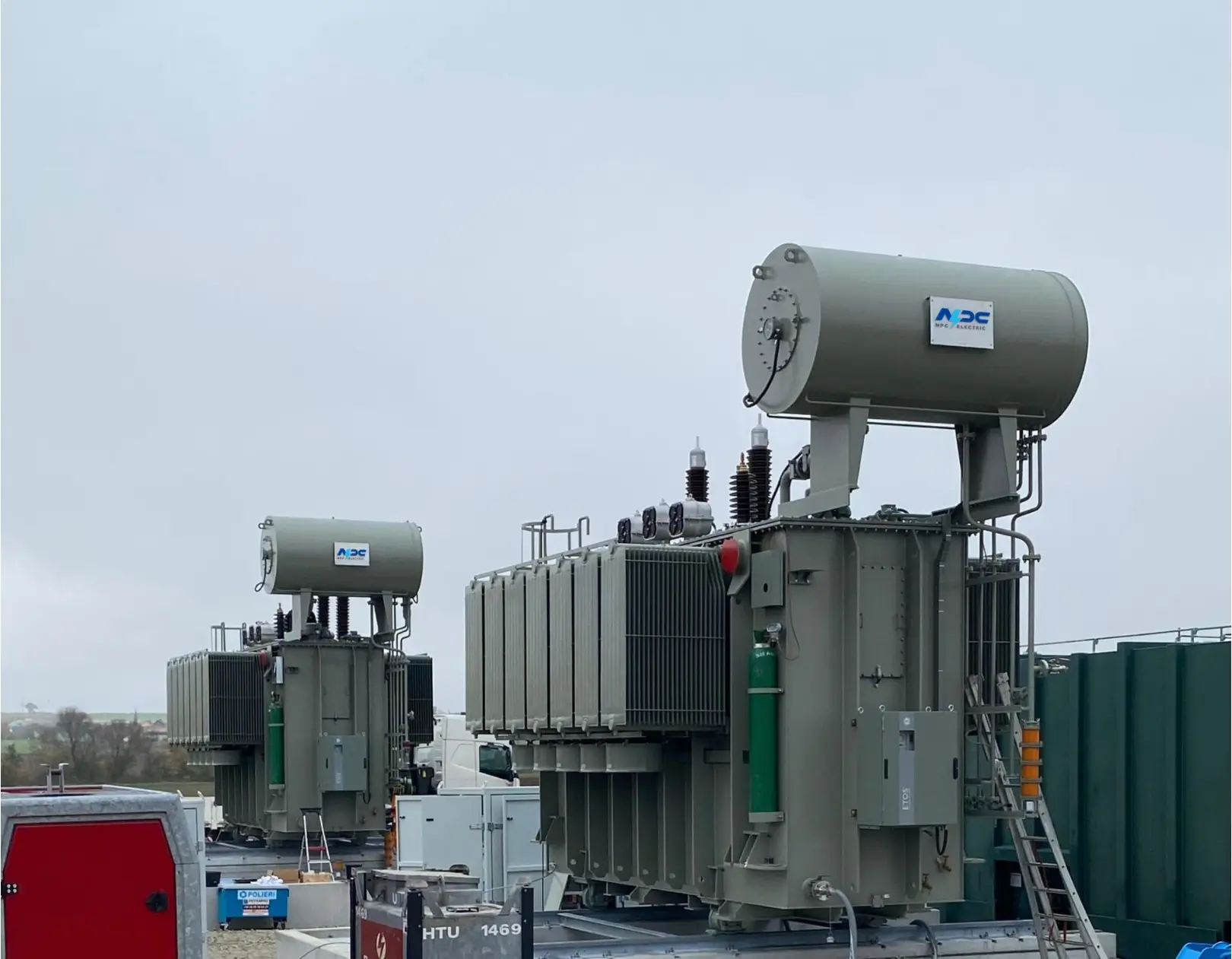
90kV Three-Phase Oil-Immersed Power Transformer
The 90kV Three-Phase Oil-Immersed Power Transformer for High-Voltage Distribution is engineered to deliver reliable and efficient performance across utility grids, industrial substations, and high-voltage transmission systems. Designed with high-grade silicon steel cores and 100% copper windings, the transformer ensures low losses, strong short-circuit resistance, and stable thermal performance. Its oil-immersed cooling structure provides superior heat dissipation, supporting continuous and heavy-duty operation. The robust tank, high-performance insulation system, and outdoor-ready protection structure enable safe operation in harsh climate conditions. Compliant with IEC, IEEE, and GB standards, the transformer offers excellent voltage stability, long service life, and high operational reliability. It is widely used in power utilities, infrastructure projects, renewable energy integration, and industrial distribution networks requiring dependable high-voltage transformation.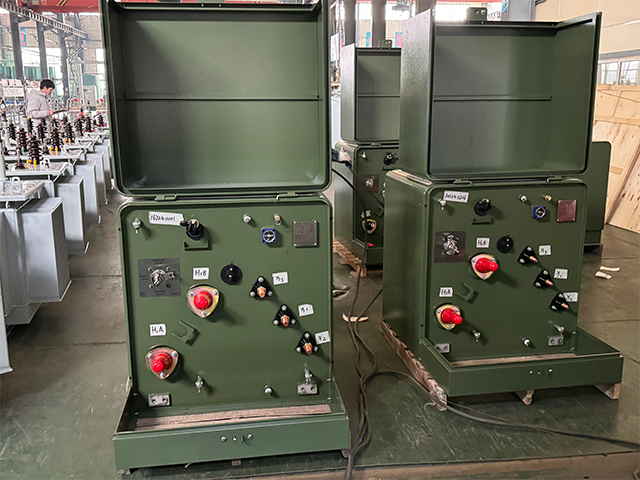
300kVA Single Phase Pad Mounted Transformer
300kVA Single Phase Pad Mounted Transformer is a compact and efficient solution tailored for underground residential distribution (URD) systems and loop-feed applications. This fully sealed, oil-immersed transformer features high-efficiency electrical steel cores and robust aluminum or copper windings to deliver minimal losses and superior voltage regulation from high-voltage inputs like 13.8kV or 34.5kV down to 120/240V or 277/480V secondary. The environmentally friendly PCB-free dielectric fluid ensures excellent cooling and insulation while meeting ANSI/IEEE standards for loop or radial feed configurations. Ideal for urban and suburban settings, this pad-mounted transformer provides quiet operation, high overload capacity.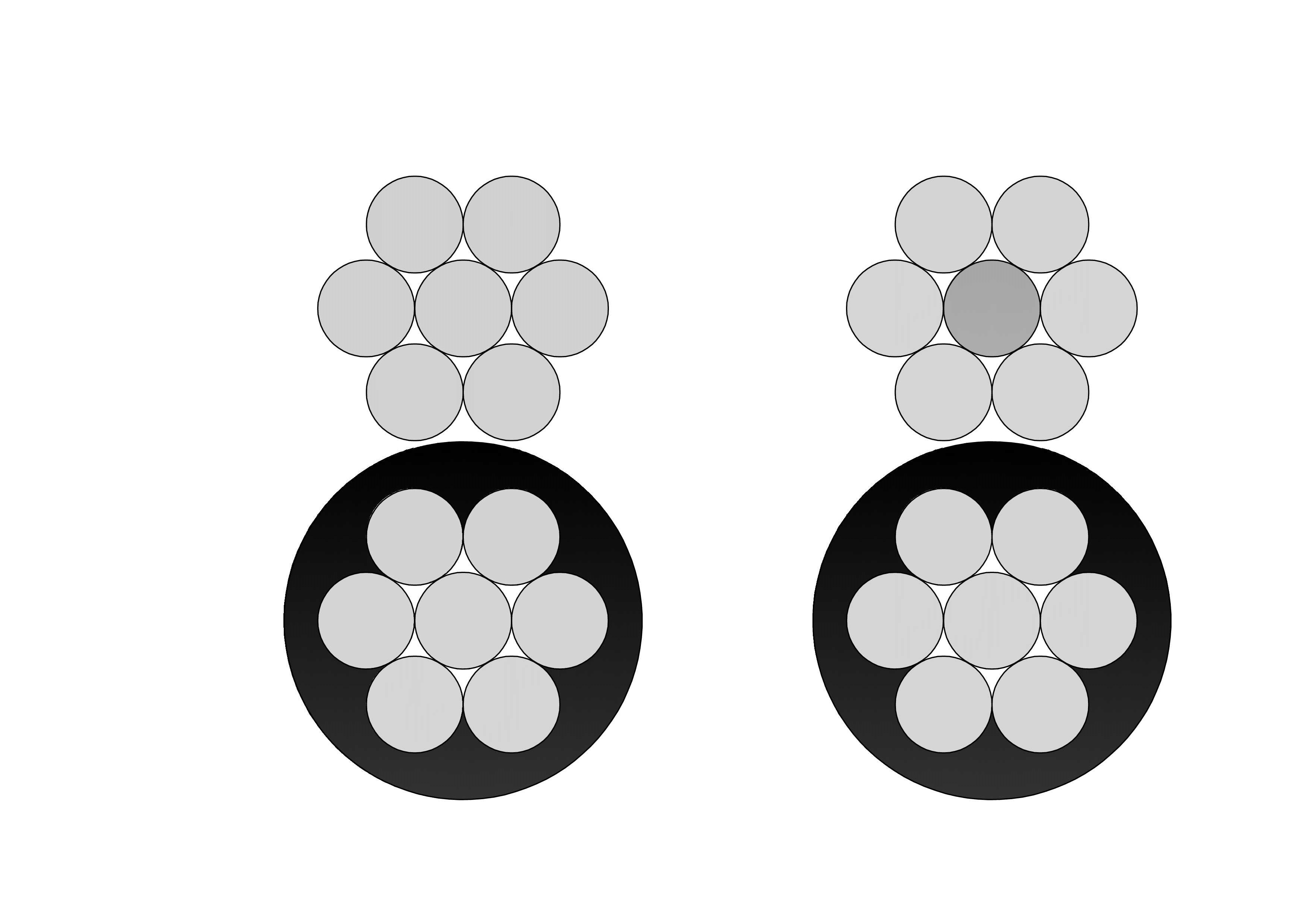
2 Doberman Aluminum Conductor Duplex Overhead Service Drop Cable
The 2 Doberman Aluminum Conductor Duplex Overhead Service Drop Cable is designed to provide efficient and dependable power delivery in overhead secondary distribution systems. Constructed with stranded aluminum conductors, the duplex configuration combines electrical conductivity with mechanical support for service drop installations. The No. 2 Doberman size is suitable for standard service drop spans, offering reliable load capacity with controlled sag under varying environmental conditions. Aluminum conductors reduce overall cable weight, simplify handling, and enhance corrosion resistance for long-term outdoor operation. Produced under strict quality management systems, the 2 Doberman Aluminum Conductor Duplex Overhead Service Drop Cable meets utility and ASTM requirements, making it a trusted solution for modern overhead service connections where safety, durability, and consistent performance are essential.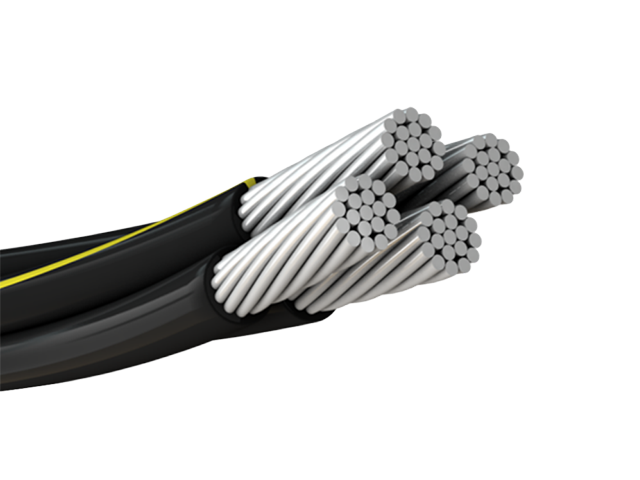
ABC CABLE NFC 33-209
Aerial Bundled Cable under NPC 33-209 standard is mainly used in the field of overhead power distribution. ABC Cable, manufactured in accordance with NFC 33-209 is designed for overhead low-voltage power distribution with enhanced mechanical strength and operational safety. The cable consists of insulated aluminum phase conductors twisted around a reinforced messenger conductor, forming a compact aerial bundle. This structure reduces the risk of short circuits caused by external contact and minimizes power outages in densely populated or environmentally challenging areas. The insulation material provides excellent resistance to UV radiation, weather exposure, and thermal aging, ensuring stable electrical performance over long service periods. Compliant with NFC 33-209 requirements, the cable delivers reliable current transmission, reduced line losses, and simplified installation compared with bare conductors. ABC Cable NFC 33-209 is widely used by utility companies for modern overhead distribution networks where safety, durability, and cost efficiency are critical.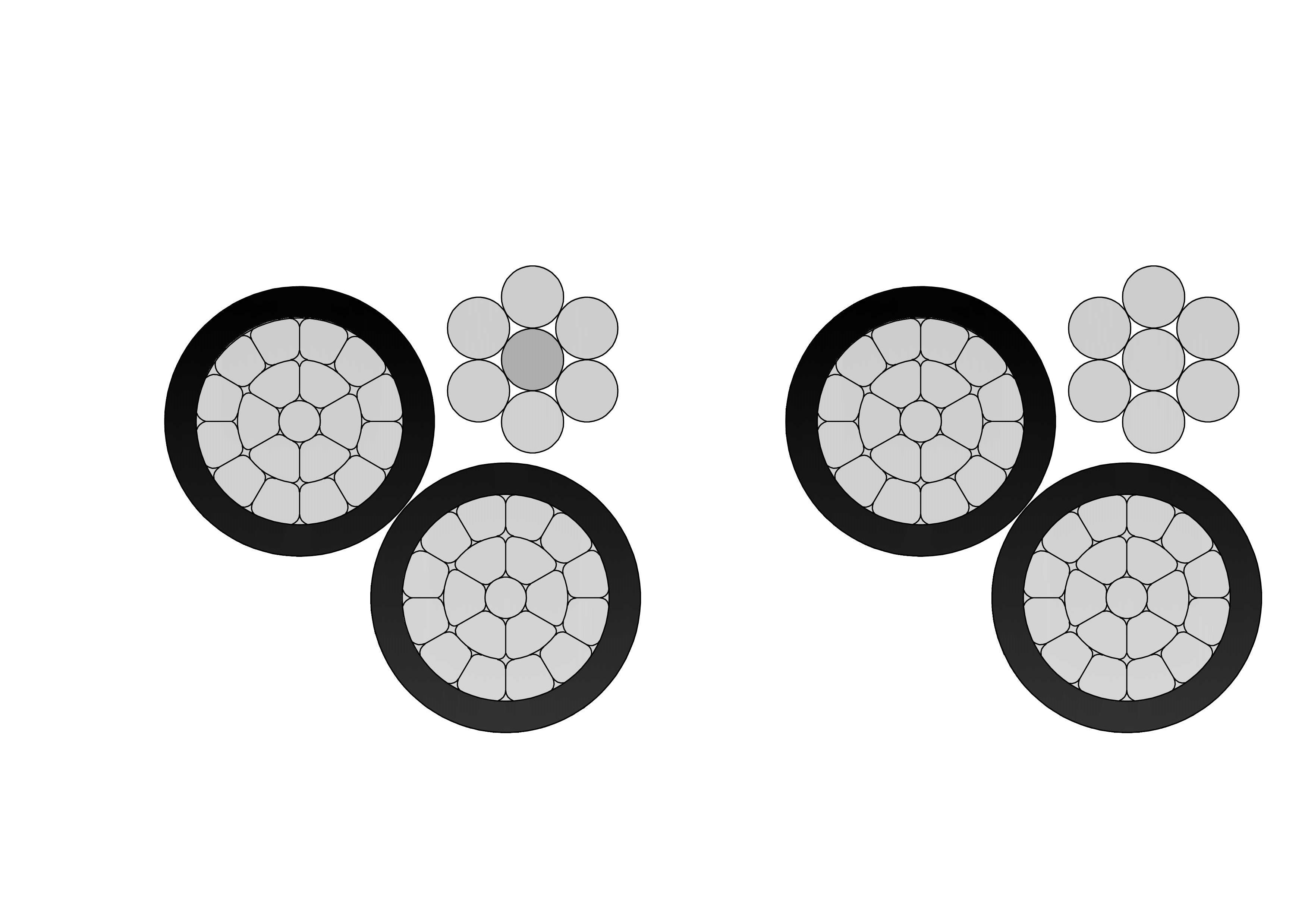
2 Clam Aluminum Conductor Triplex Overhead Service Drop Cable
2-2-2 Clam Aluminum Conductor Triplex Overhead Service Drop Cable provides high-performance overhead power transmission for utility-to-consumer connections. Constructed with compressed or concentric 1350-H19 aluminum phase conductors (#2 AWG), durable black XLPE insulation for enhanced thermal and environmental protection, and a bare neutral messenger (#2 AWG ACSR or AAC), it delivers efficient conductivity, corrosion resistance, and structural support. Suitable for 600V phase-to-phase applications with conductor temperatures up to 90°C, offering ≈150A ampacity. Meets or exceeds ASTM B-230/B-231/B-232/B-399 and ICEA S-76-474 requirements. Its lightweight design and flexibility make installation efficient, while rugged construction ensures long service life in demanding outdoor exposure to weather, abrasion, and mechanical stress.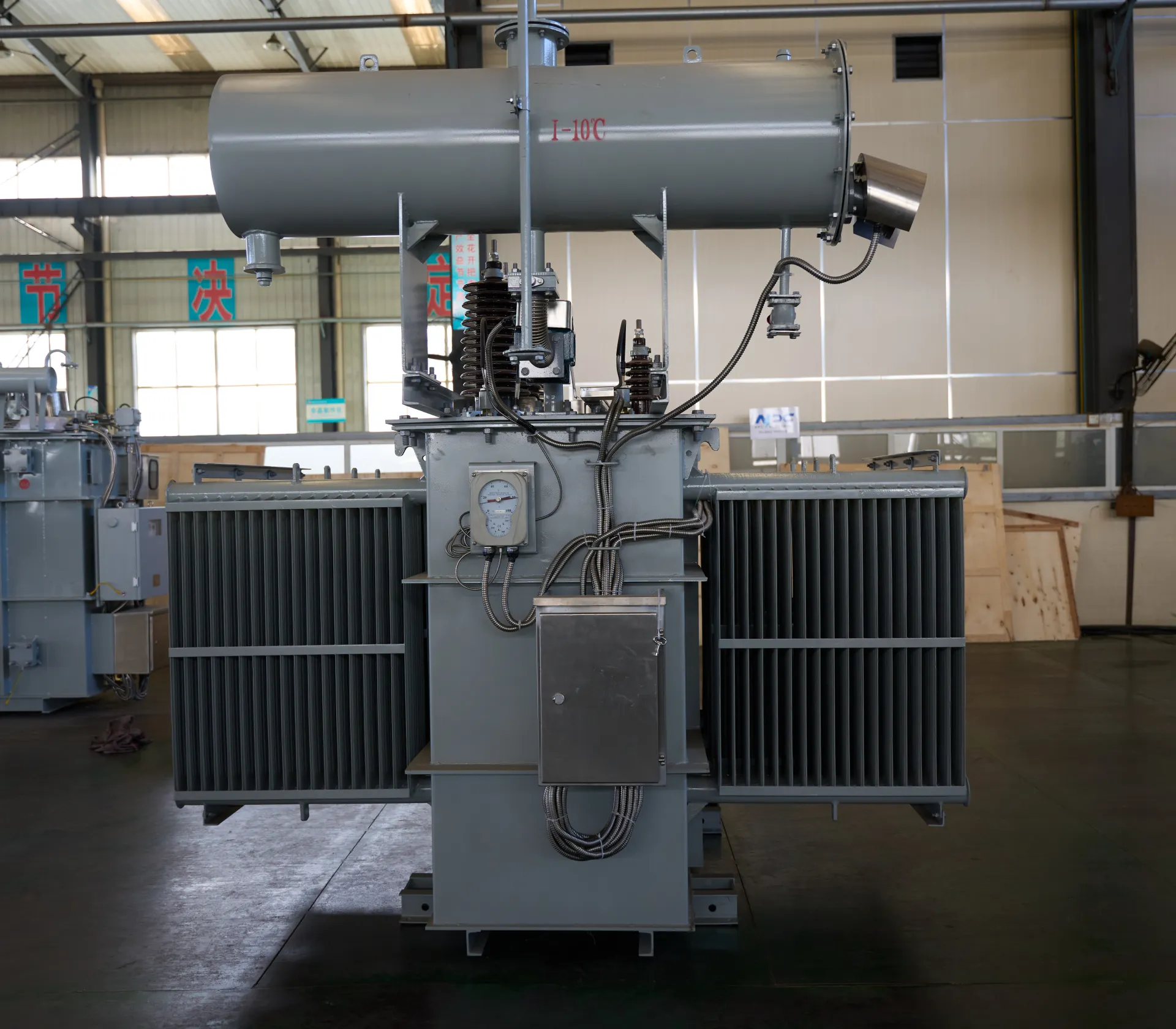
100kVA–20MVA Solar Step-Up Transformer for PV Power Plants
The 100kVA–20MVA Solar Step-Up Transformer is engineered specifically for modern solar power plants, providing efficient voltage elevation from inverter output levels to medium- or high-voltage grid requirements. Designed for continuous operation under fluctuating solar loads, this transformer ensures stable power transmission, low energy losses, and high operational reliability. Featuring a robust oil-immersed insulation system, the transformer delivers excellent thermal performance and long service life even in harsh outdoor environments. High-quality copper or aluminum windings, optimized magnetic core design, and advanced cooling configurations contribute to superior efficiency and reduced lifecycle costs. The transformer complies with IEC and IEEE standards, making it suitable for utility-scale photovoltaic projects, distributed generation systems, and renewable energy substations. With flexible capacity coverage from 100kVA to 20MVA, it adapts seamlessly to small, medium, and large solar installations.
6 Minex Aluminum Conductor Triplex Overhead Service Drop Cable
The 6 Minex Aluminum Conductor Triplex Overhead Service Drop Cable is engineered for reliable overhead power distribution from utility lines to service entrances. The cable structure consists of two insulated aluminum phase conductors twisted around a reinforced neutral messenger, delivering stable electrical performance and strong mechanical support. Manufactured from high-purity aluminum and weather-resistant insulation materials, the 6 Minex Aluminum Conductor Triplex Overhead Service Drop Cable offers excellent conductivity, low weight, and ease of installation. The insulation system is designed to withstand UV radiation, moisture, temperature fluctuations, and environmental aging, ensuring dependable long-term outdoor performance. A comprehensive quality control system is applied throughout production. The 6 Minex Aluminum Conductor Triplex Overhead Service Drop Cable undergoes systematic raw material testing, continuous process inspection, and rigorous finished product testing. Each stage follows standardized procedures to ensure compliance with international standards and utility specifications. This cable is an ideal solution for residential, commercial, and light industrial overhead service drop applications requiring safety, durability, and consistent quality.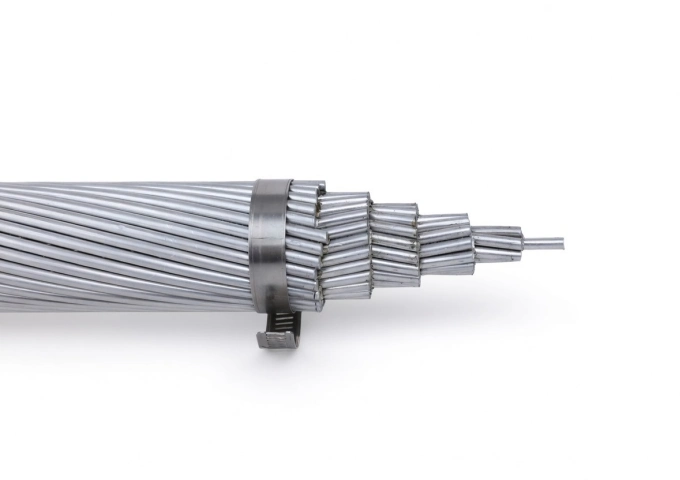
636 MCM Orchid AAC Cable
The 636 MCM Orchid AAC Cable represents premium All Aluminum Conductor technology for overhead power applications. Built with 37 strands of high-conductivity 1350-H19 aluminum, this bare conductor delivers an optimal balance of electrical efficiency and mechanical robustness. With a 0.918-inch diameter, 11,400 lbs breaking strength, and 765 amps ampacity, the Orchid AAC offers low DC resistance of 0.027 ohms per 1000 ft at 20°C and a weight of 597 lbs per 1000 ft. This design minimizes sag while providing excellent corrosion resistance for extended outdoor service. Manufactured to meet ASTM B-230 and B-231 standards, the 636 MCM Orchid AAC Cable undergoes extensive quality testing from raw materials through finished product. It is the ideal solution for new installations and upgrades in transmission and distribution systems that demand lightweight, high-conductivity bare aluminum conductors.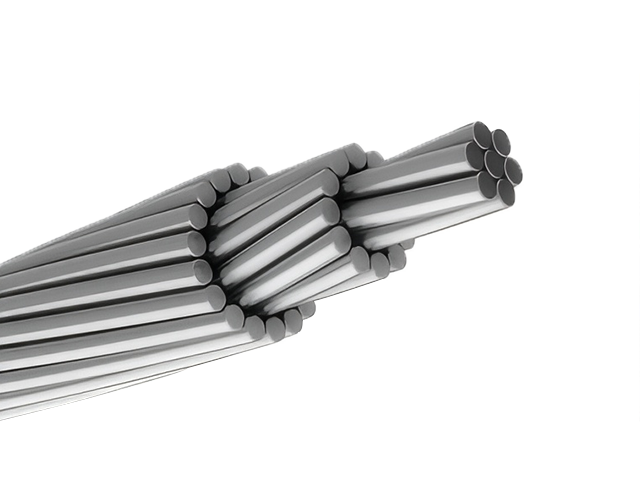
Penguin ACSR Conductor Cable
The ACSR Penguin is an Aluminium Conductor Steel Reinforced (ACSR) designed with a robust steel core surrounded by layers of high-conductivity aluminium wires, adhering to ASTM B232 standards. It features a stranded steel core surrounded by layers of aluminum conductors, combining excellent tensile strength with efficient current-carrying capability. The steel core provides superior load-bearing capacity, while the aluminum strands ensure low electrical resistance and reduced line losses. This balanced construction allows the Penguin ACSR Conductor Cable to withstand long spans, high wind loads, and varying environmental conditions. Manufactured in accordance with relevant ASTM and IEC standards, it offers stable performance, ease of installation, and long service life. The conductor is widely adopted in overhead transmission lines where durability, economy, and mechanical reliability are critical.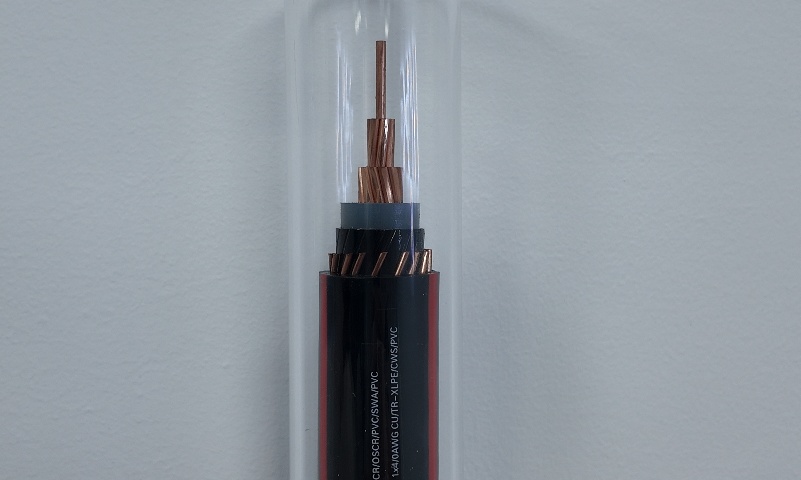
Aluminum URD Cable
The Aluminum URD Cable is a practical and economical 600V underground residential distribution cable engineered for service entrance and secondary power delivery. It utilizes stranded AA8000 aluminum alloy conductors with XLPE insulation and a concentrically stranded aluminum alloy neutral, all encased in a durable black polyethylene sheath. This design offers excellent flexibility, high conductivity, and superior moisture resistance, making it suitable for direct burial or conduit installations. Lightweight and corrosion-resistant, the Aluminum URD Cable provides a cost-effective alternative to copper while maintaining strong mechanical performance and long service life. Manufactured to UL 854 and ICEA standards, it undergoes extensive quality testing to ensure consistent performance in underground environments.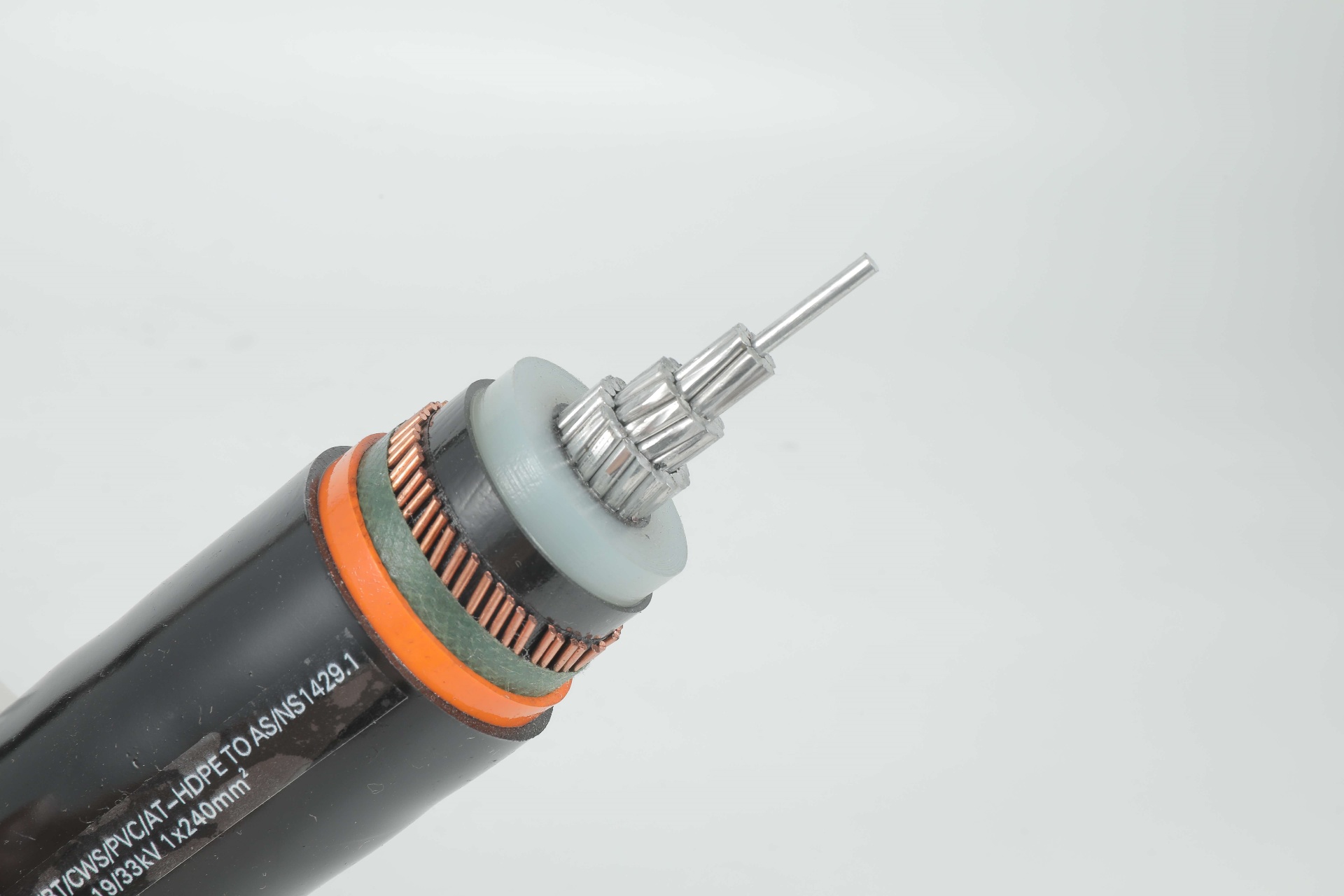
Single Core Medium Voltage Power Cable to IEC 60502
The Single Core Medium Voltage Power Cable to IEC 60502 is designed for efficient and reliable power transmission in medium voltage electrical networks. Manufactured with high-purity copper or aluminum conductors, this cable ensures low electrical losses and stable current flow. The insulation system, typically based on XLPE, provides excellent dielectric strength, thermal stability, and resistance to electrical stress. Single core construction allows flexible system design and efficient heat dissipation, making the cable suitable for substations, power plants, and industrial installations. The cable is engineered to withstand mechanical loads and operational stresses encountered in medium voltage applications. Compliance with IEC 60502 ensures the cable meets international requirements for safety, electrical performance, and durability. This medium voltage power cable is a dependable solution for modern power distribution systems requiring long service life and consistent performance.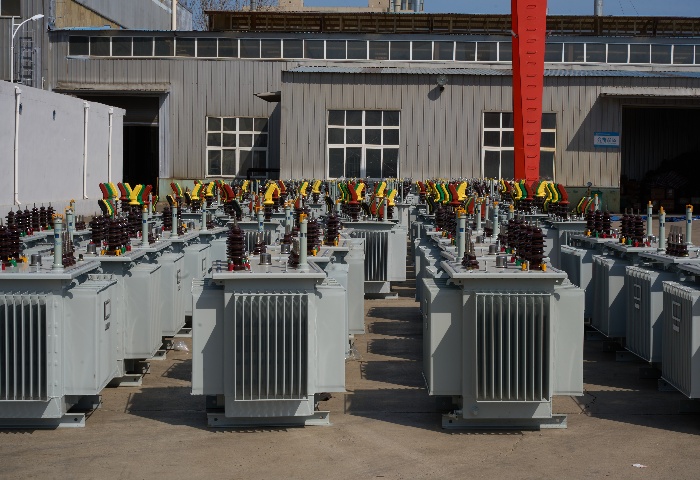
15KV Oil Immersed Substation Transformer
NPC ELECTRIC's 15kV Oil Immersed Substation Transformer is designed for medium-voltage substations that require dependable power transformation, high insulation reliability, and long-term operational stability. By adopting a mature oil-immersed insulation system, the transformer ensures excellent dielectric performance. This 15kV oil immersed substation transformer features a sealed tank structure that effectively protects internal components from moisture, dust, and external contamination. With low noise operation and reliable voltage regulation performance, the transformer is well suited for modern substations serving industrial, commercial, and infrastructure power distribution networks.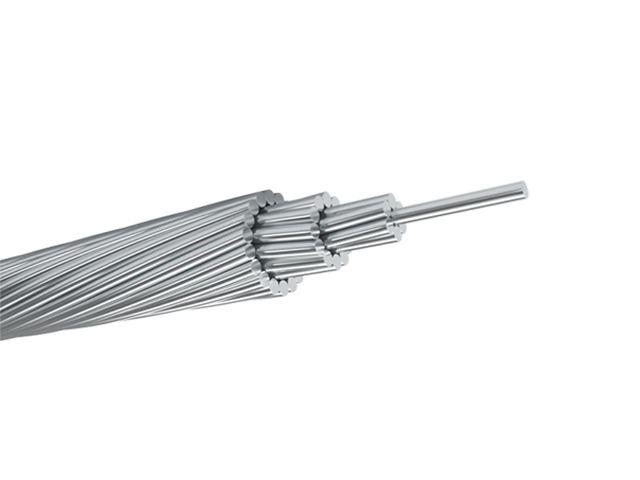
AZUSA AAAC Conductor Cable
AZUSA AAAC (All Aluminum Alloy Conductor) cables comply with ASTM B399 standards and are characterized by high strength, excellent conductivity, and superior corrosion resistance. Meeting ASTM B398, B399, IEC 61089, and BS EN 50182 standards, this cable handles ampacity up to 900A at 75°C and voltages up to 33kV. The all-alloy construction avoids bimetallic corrosion, providing better resistance in harsh conditions than ACSR. Reduced weight minimizes sag and installation expenses, supporting longer spans. The Azusa AAAC Conductor Cable delivers low electrical losses, high mechanical endurance, and excellent weather tolerance. Flame-retardant variants available. Perfect for urban grids, renewable projects, and coastal setups, it provides cost-effective, low-maintenance power delivery in overhead applications globally, excelling in reliability and lifespan over conventional conductors.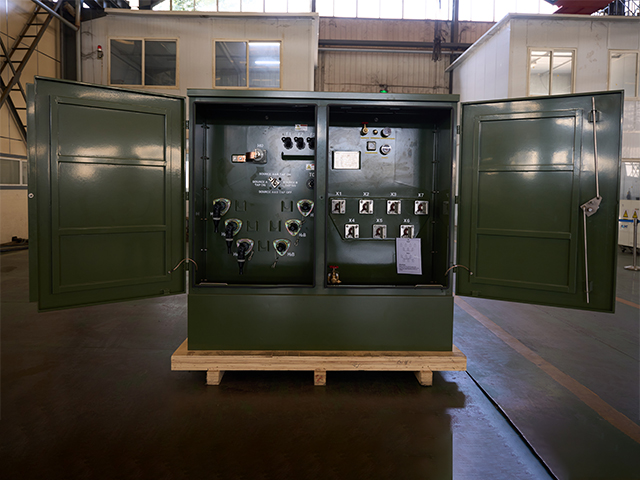
167kVA Three Phase Pad Mounted Transformer
The 167kVA three phase pad mounted transformer delivers robust and efficient power distribution for medium-voltage applications. Built to exceed ANSI C57.12.34, IEEE, and DOE efficiency standards, this compartmental-type unit features a durable, tamper-resistant steel enclosure with dead-front or live-front high-voltage bushings, radial or loop feed configurations, and a 65°C average winding rise for optimal thermal performance. Primary voltages range from 4160V to 34500V (with common options like 12470GrdY/7200 or 13800V), while secondary voltages include 208Y/120V, 480Y/277V, or custom low-voltage setups.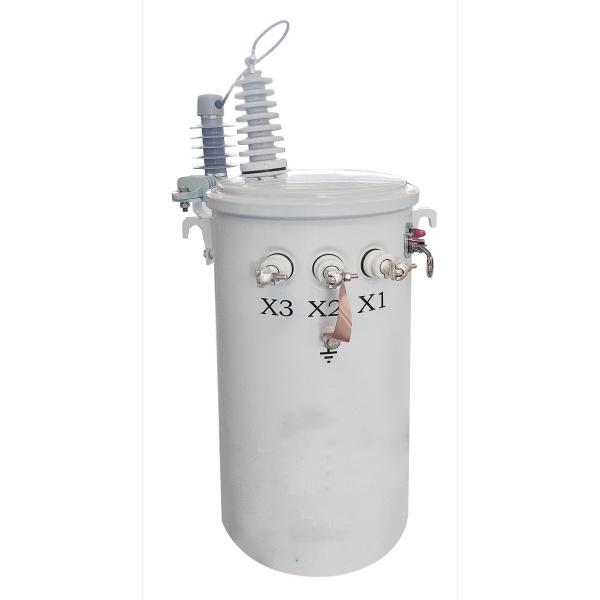
5kVA Completely self-protected(CSP) Single Phase Pole Mounted Transformer
NPC ELECTRIC the production of the 5kVA Completely self-protected(CSP) Single Phase pole Mounted transformer is designed for reliable and efficient distribution of electrical power in residential and light commercial applications. Built to withstand harsh outdoor conditions, this transformer is equipped with a self-protection system that eliminates the need for external protection devices, offering enhanced safety and durability. The CSP feature ensures that the transformer can handle internal faults such as short circuits or overloads without causing damage to the system. This compact, oil-immersed transformer is easy to install on poles, making it ideal for overhead distribution in areas with limited space. It is designed to meet international standards, including ANSI, IEEE, and CSA, ensuring high-quality performance and long-lasting operation. The 5kVA CSP transformer is energy-efficient, providing stable voltage regulation and minimizing maintenance requirements, making it an excellent choice for both utility and commercial applications.Welcome your inquiry
Honesty, Integrity, Frugality, Activeness and Passion