


11kV Oil Immersed Transformer
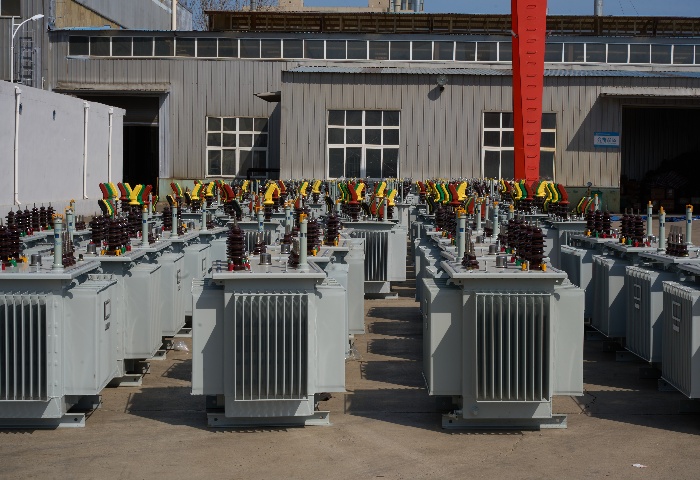
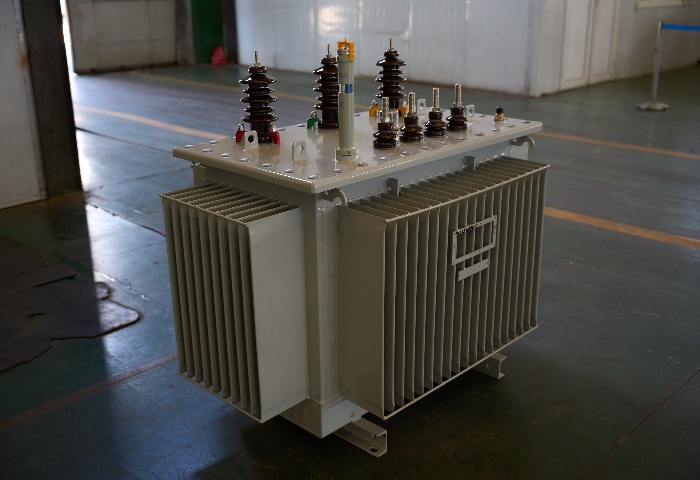
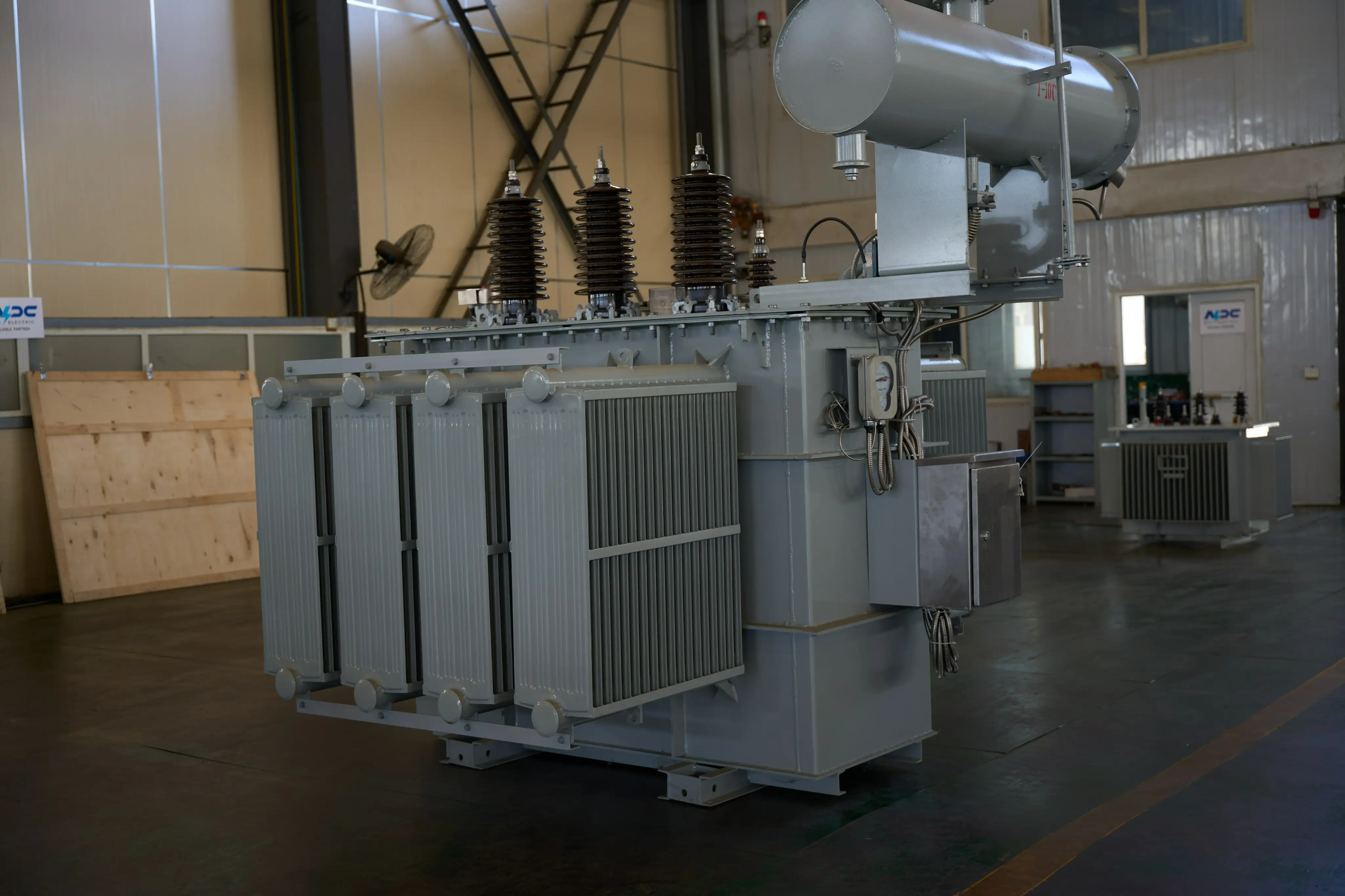
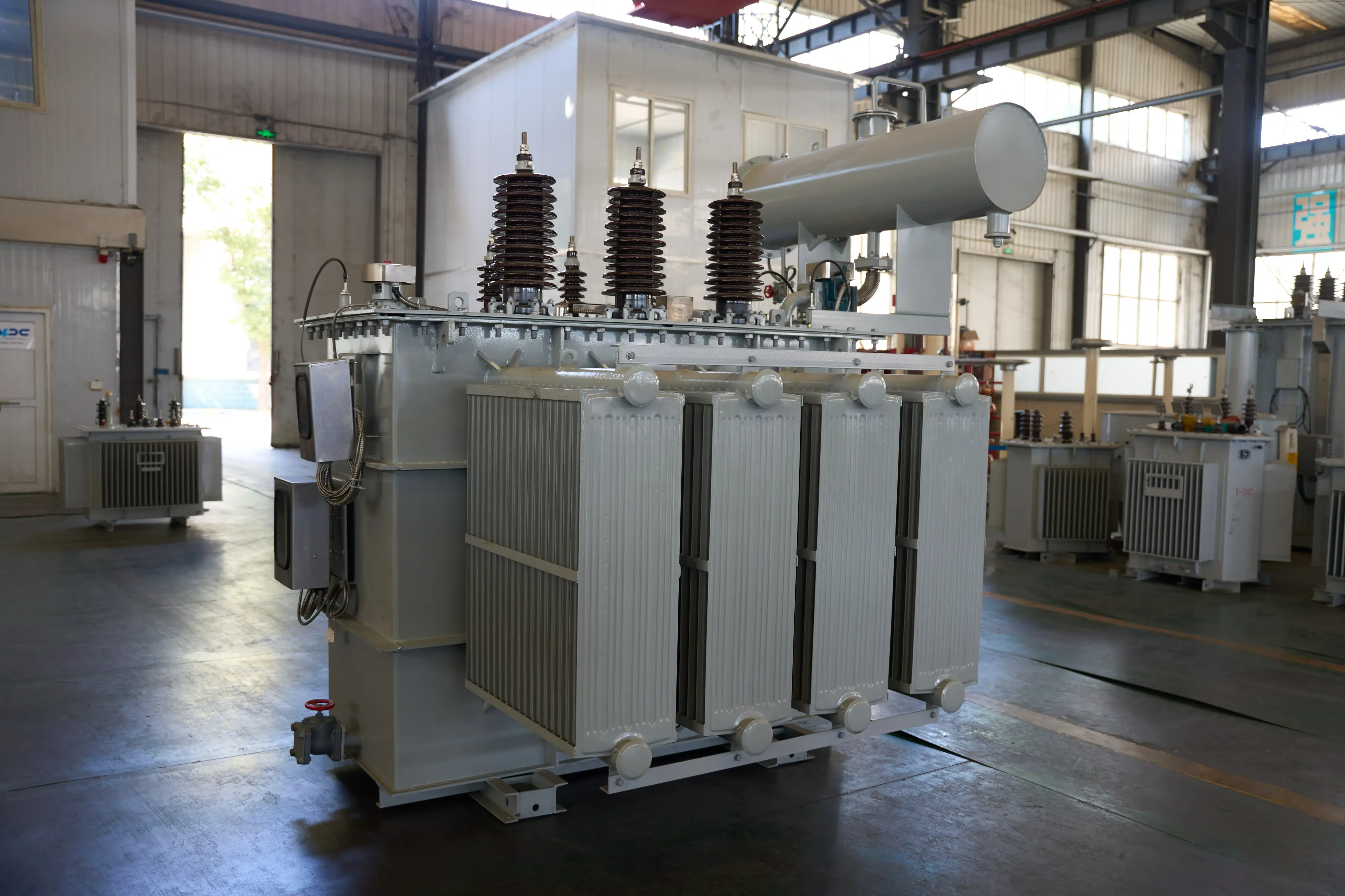
The 11kV Oil Immersed Transformer is a robust, three-phase medium-voltage distribution unit optimized for efficient step-down power delivery in 50/60Hz AC networks. Engineered with a hermetically sealed tank featuring corrugated fins for thermal expansion compensation, it eliminates conservator requirements while offering superior moisture protection and extended operational durability. High-grade cold-rolled grain-oriented silicon steel laminations reduce core losses significantly, paired with low-resistance copper or aluminum windings for minimized load losses and enhanced conductivity.
- Primary Voltage Ratings 34.5-19.92/13.8-7.957/13.2-7.62/12.47-7.2, or others
- Secondary Voltage Ratings 480/277V, 400/230V, 380/220V or customized
- H.V. Tap Range ± 2×2.5% HV taps or others
- Type Oil immersed distribution transformer
- BIL 11kV
- Standards IEEE, ANSI, NEMA, IEC, CE
- Application commercial building complexes, modern agricultural power facilities
- Power Rating 30kVA - 5000kVA
- Certificate UL, CESI, IEEE
- Cooling Method ONAN, ONAN/ONAF, KNAN, KNAN/KNAF
- Oil Mineral Oil or FR3
- Opeartion Step Down & Step Up
Technical Specifications
Customization Optional
Packing and Shipping
Manufacturer Test
Routine Testing
Application
Technical Specifications
11kV Oil Immersed Transformer
Technical Specifications
Accessories
| Rated Power | 30kVA - 5000kVA | |
| Rating Primary Voltage | 2.4 - 34.5kV | |
| Secondary Voltage | 480/277V 400/230V 380/220V Customized |
|
| Frequency | 50/60Hz | |
| Vector Group | Dyn11, Yyn0, Dyn5 | |
| Winding Material | Aluminum/Copper | |
| Efficiency | As IEEE, Doe 2016, CAS Std or Customized | |
| Impedance Voltage | Nominal 2% or Customized 1.1 - 5.75% | |
| Altitude | ≤1,000m or Customized | |
| Color | ANSI 70 Light gray/Munsell 7GY3.29/1.5 or customized, etc | |
| Tank material | Mild Steel, 304 Stainless Steel | |
| Insulating Oil Weight | 850 kg | |
| Total Weight | 5000 kg | |
| Outline Dimensions(L×W×H)in. | 2650 × 1650 × 2450(mm) | |
| HV Bushing |
| LV Bushing |
| Tap changer |
| Oil level gauge |
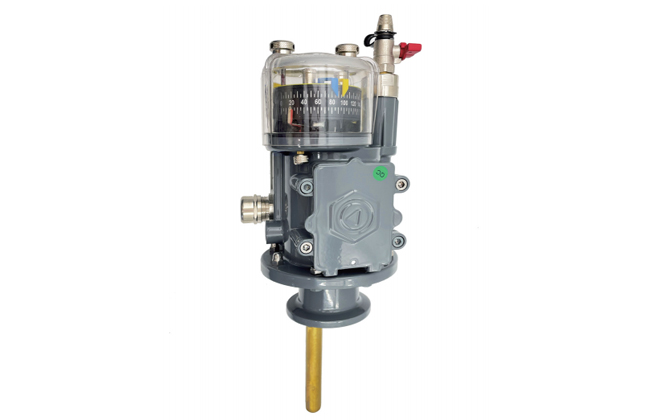
| Oil temperature indicator |
| Pressure relief device |
| Pressure vacuum gauge |
| Lifting hook for complete transformer |
| Name plate |
| Radiators |
| Oil upper filtering valve |
| Oil drain valve with 3/8" sampler |
Customization Optional
11kV Oil Immersed Transformer
Tailored engineering ensures the 11kV oil immersed transformer fits exact application demands, grid conditions, and site constraints. Available rated capacities span 50kVA to 5000kVA, with primary voltage at 11kV (options for 10kV/6.6kV/6.3kV) and secondary voltages customizable to 0.4kV, 0.415kV, 0.433kV, or specialized low-voltage outputs. Voltage regulation via off-circuit tap changers (typically ±2×2.5% or ±5%) or on-load tap changers (OLTC) for precise voltage control under fluctuating loads. Core construction choices include conventional grain-oriented silicon steel for standard efficiency or advanced amorphous alloy cores to further slash no-load losses by 60-70%. Winding materials offer flexibility between high-purity copper for maximum conductivity and aluminum for cost-effective performance.
Tailored engineering ensures the 11kV oil immersed transformer fits exact application demands, grid conditions, and site constraints. Available rated capacities span 50kVA to 5000kVA, with primary voltage at 11kV (options for 10kV/6.6kV/6.3kV) and secondary voltages customizable to 0.4kV, 0.415kV, 0.433kV, or specialized low-voltage outputs. Voltage regulation via off-circuit tap changers (typically ±2×2.5% or ±5%) or on-load tap changers (OLTC) for precise voltage control under fluctuating loads. Core construction choices include conventional grain-oriented silicon steel for standard efficiency or advanced amorphous alloy cores to further slash no-load losses by 60-70%. Winding materials offer flexibility between high-purity copper for maximum conductivity and aluminum for cost-effective performance.
Packing and Shipping
11kV Oil Immersed Transformer
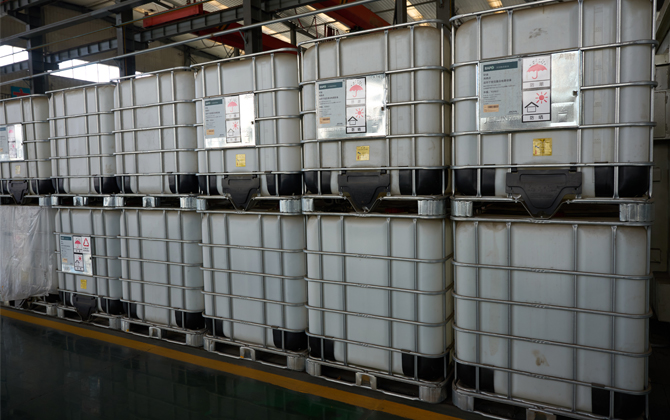
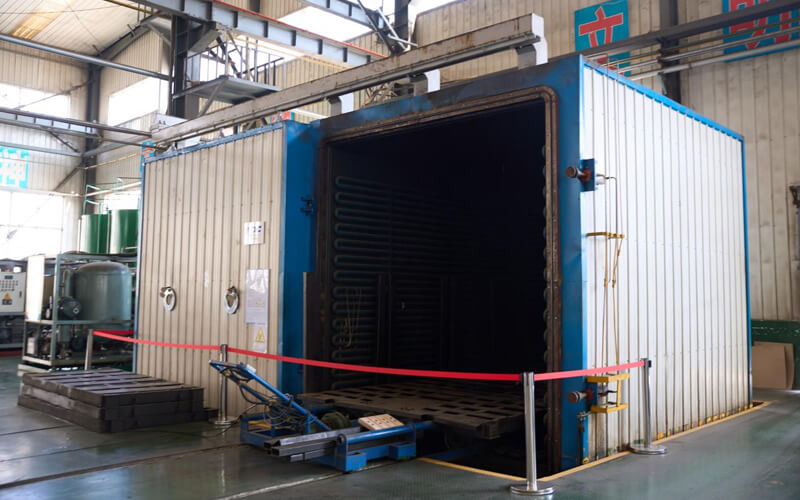
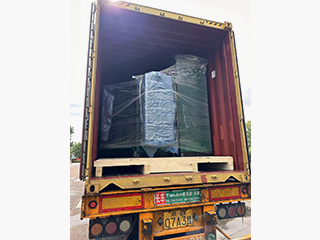
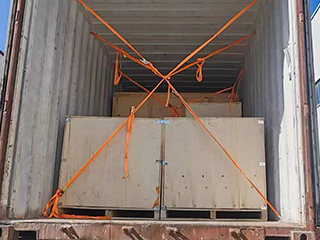
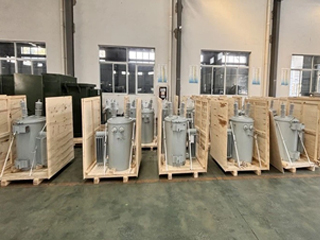
Protecting the 11kV oil immersed transformer throughout transit demands meticulous preparation and robust packaging to preserve its precision-engineered components and insulating oil integrity. Prior to packing, every unit passes rigorous visual and functional checks, including leak tests on the sealed tank, secure fastening of internal parts, and verification of bushing/terminal integrity. For most shipments, the transformer ships oil-filled under controlled positive nitrogen pressure (0.02-0.05 MPa) to block humidity and oxidation; larger units (>50 tons) may have oil partially or fully removed, with separate sealed containers for high-purity insulating oil supplied for field refilling and vacuum processing.
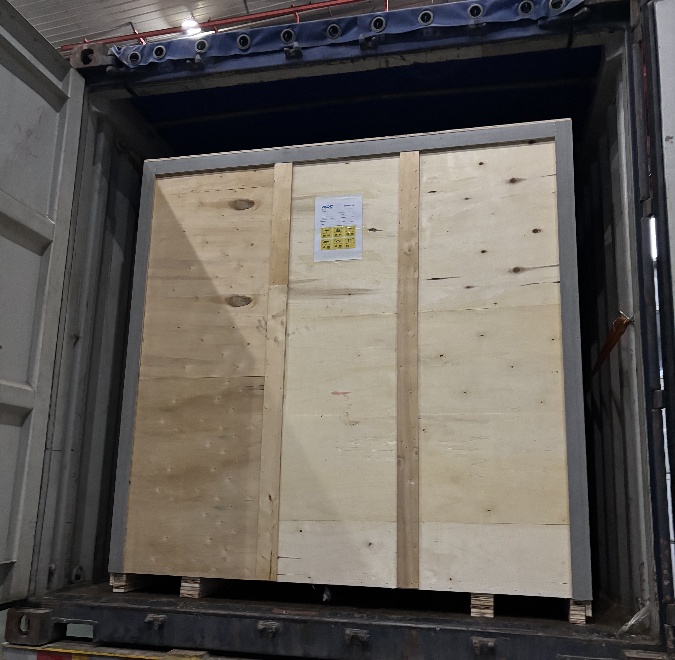
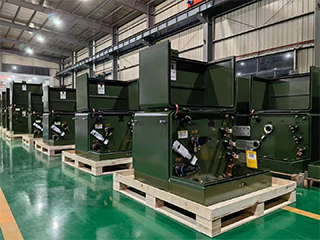
Individual components receive dedicated protection: bushings wrapped in foam and crated separately, radiators shielded with corrugated covers, control boxes padded and sealed against dust/moisture, and accessories like tap changers locked in position. Full-unit packaging utilizes heavy-duty wooden cases or steel skid bases meeting ISPM-15 phytosanitary requirements, reinforced with internal bracing, impact-absorbing cushions, and anti-vibration mounts to endure road, rail, and sea transport stresses. Moisture barriers, silica gel desiccants, corrosion-preventive coatings, and humidity/temperature indicators are standard inclusions, alongside shock/tilt recorders for monitoring handling.
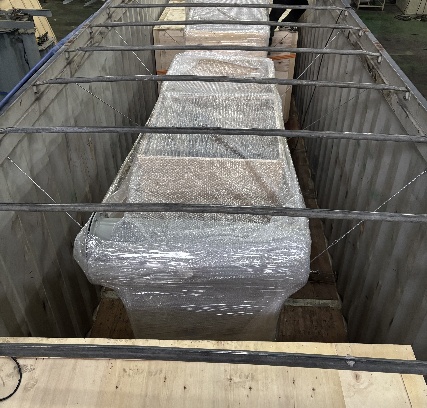
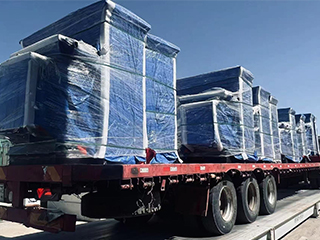
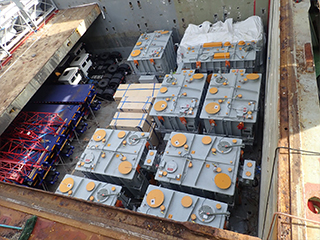
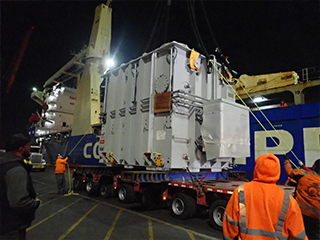
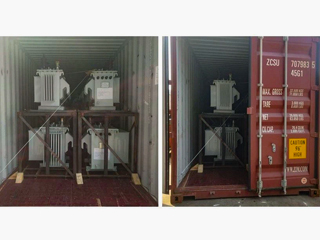
For international ocean freight—the primary mode for export—transformers are loaded onto flat-rack or open-top containers, or secured via RoRo vessels, with protective tarpaulins, salt-resistant wraps, and lashing compliant to IMO standards. Overland transport employs low-bed trailers with specialized cradles for weight distribution and secure tie-downs. Comprehensive export documentation includes detailed packing lists, commercial invoices, certificates of conformity, routine/test reports, dimensional drawings, handling instructions, and customs declarations (HS codes, origin certificates, oil safety data sheets).
We provide end-to-end logistics coordination, including port-to-site delivery options, customs brokerage support, and optional on-site services such as professional unloading supervision, oil reclamation/filtering, erection guidance, and commissioning tests. This thorough process safeguards against transit damage, maintains factory-fresh condition, ensures regulatory compliance, and supports reliable, on-schedule arrival for global customers.
Individual components receive dedicated protection: bushings wrapped in foam and crated separately, radiators shielded with corrugated covers, control boxes padded and sealed against dust/moisture, and accessories like tap changers locked in position. Full-unit packaging utilizes heavy-duty wooden cases or steel skid bases meeting ISPM-15 phytosanitary requirements, reinforced with internal bracing, impact-absorbing cushions, and anti-vibration mounts to endure road, rail, and sea transport stresses. Moisture barriers, silica gel desiccants, corrosion-preventive coatings, and humidity/temperature indicators are standard inclusions, alongside shock/tilt recorders for monitoring handling.
For international ocean freight—the primary mode for export—transformers are loaded onto flat-rack or open-top containers, or secured via RoRo vessels, with protective tarpaulins, salt-resistant wraps, and lashing compliant to IMO standards. Overland transport employs low-bed trailers with specialized cradles for weight distribution and secure tie-downs. Comprehensive export documentation includes detailed packing lists, commercial invoices, certificates of conformity, routine/test reports, dimensional drawings, handling instructions, and customs declarations (HS codes, origin certificates, oil safety data sheets).
We provide end-to-end logistics coordination, including port-to-site delivery options, customs brokerage support, and optional on-site services such as professional unloading supervision, oil reclamation/filtering, erection guidance, and commissioning tests. This thorough process safeguards against transit damage, maintains factory-fresh condition, ensures regulatory compliance, and supports reliable, on-schedule arrival for global customers.
32
32 years of industry experience
Manufacturer Test
11kV Oil Immersed Transformer
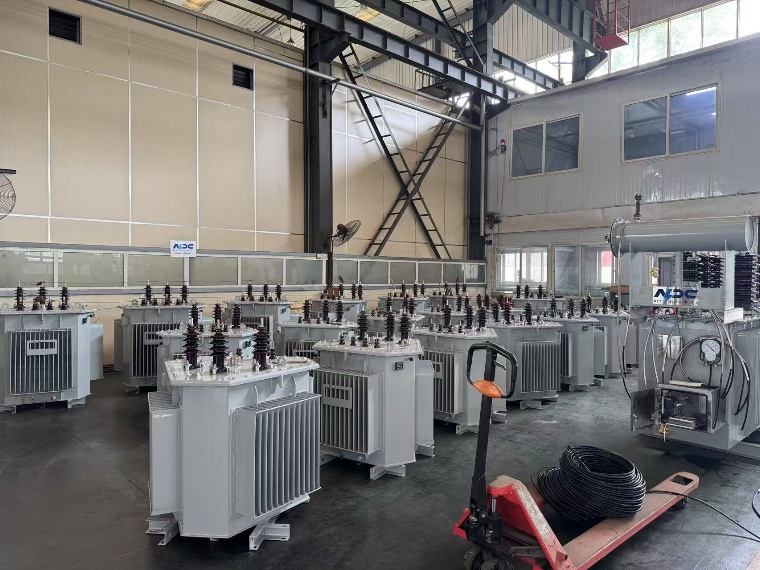
Progress Test
Progress testing in 11kV oil immersed transformer production starts with incoming material verification for silicon steel sheets checking lamination thickness coating quality and magnetic properties via Epstein frame samples to guarantee low core losses. Core building progress test inspects precise step-lap miter joints clamping force uniformity and no-burr assembly to avoid increased eddy currents or mechanical hum. Winding process monitoring includes conductor resistivity tension uniformity insulation wrapping thickness and inter-turn spacing measured with high-precision tools for dielectric reliability. After coil-core integration progress test confirms adequate clearance distances axial compression stability and secure bracing to resist electromagnetic forces. Tank manufacturing progress test evaluates weld seam continuity pressure integrity surface preparation and painting thickness for long-term corrosion resistance. Pre-final assembly progress test verifies component alignment accessory mounting bushings radiators conservator (if used) and preliminary vacuum/pressure simulation to identify early defects ensuring smooth advancement to comprehensive testing stages.
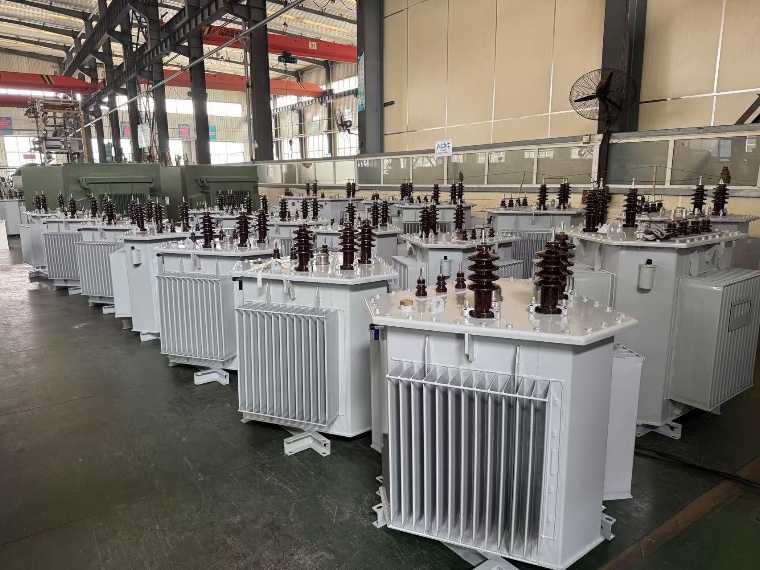
Design Tests
All transformer will be test after finished the production, test items as below:
♦ Insulation Power Factor
♦ Ratio, Polarity, and Phase Relation
♦ Winding Resistance
♦ Impulse Tests
♦ On load Loss Test
♦ No Load Loss Test
♦ Leak Test
♦ DC Insulation Resistance Test
♦ Transformer Turns Ratio/TTR (All Tap Voltages)
♦ Impedance Voltage & Load Loss (Rated Voltage)
♦ Polarity, 1-Ph / Phase Relation, 3-Ph (Rated Voltage)
♦ Excitation & No-Load Loss (Rated Voltage)
♦ Insulation Resistance (Rated Voltage)
♦ Temperature Rise
♦ Dielectric Withstand (Hipot)
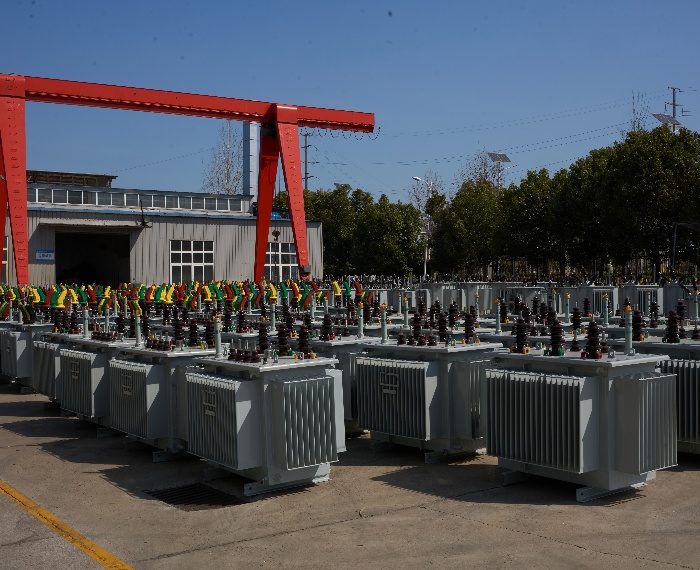
Transformer Factory Acceptance Test
Factory Acceptance Test (FAT) for 11kV oil immersed transformer initiates with routine insulation resistance and polarization index measurements to assess winding dryness and contamination levels per IEC 60076 guidelines. Separate-source withstand voltage and induced voltage tests apply elevated potentials to validate major insulation strength between windings core and ground. Winding resistance DC testing at controlled temperature determines conductor integrity calculates temperature-corrected values and detects connection issues. Voltage ratio turn ratio and phase angle verification using automated testers confirms accurate ratios vector group adherence (e.g. Dyn11) and correct polarity across all taps. No-load loss and exciting current measurement at rated voltage evaluates core efficiency harmonic content and magnetization performance ensuring compliance with specified low no-load levels.
Routine Test - Winding Resistance
Purpose of Testing
The purpose of winding resistance testing is to detect the continuity and connection quality of the internal conductors of the motor or transformer windings, and to promptly detect potential faults such as open circuits, poor contact or local heating.
Testing Equipment
Winding resistance tester (e.g. OMICRON, DV Power, Raytech, Megger, ISA, etc.)
Test voltage source (commonly used are 6V, 10V, 20V, 40V or 100V, depending on the equipment model or customer requirements)
Temperature and humidity meter (used to record the ambient temperature and humidity during the test)
Test voltage source (commonly used are 6V, 10V, 20V, 40V or 100V, depending on the equipment model or customer requirements)
Temperature and humidity meter (used to record the ambient temperature and humidity during the test)
Pre-Test Preparation
Check if the instrument has been calibrated to ensure the test accuracy.
Disconnect the electrical connection between the test cable and the equipment to ensure that there is no external current or voltage interference.
Select a suitable voltage range for testing and set the test voltage according to the equipment requirements.
Disconnect the electrical connection between the test cable and the equipment to ensure that there is no external current or voltage interference.
Select a suitable voltage range for testing and set the test voltage according to the equipment requirements.
Test Progress
Connect the Test Instrument:
Connect the test equipment to the winding terminals of the device under test, making sure the connections are secure and properly grounded to avoid measurement errors.
Apply Test Voltage:
Select the appropriate test current according to the equipment specifications (such as test current for low-voltage windings, single-phase or three-phase windings).
Connect the test equipment to the winding terminals of the device under test, making sure the connections are secure and properly grounded to avoid measurement errors.
Apply Test Voltage:
Select the appropriate test current according to the equipment specifications (such as test current for low-voltage windings, single-phase or three-phase windings).
Measure and Record
Start the test and record the following parameters:
Winding resistance (usually expressed in units of "Ω")
Test current (A)
Test voltage (V)
Temperature (record the winding temperature before and after the test)
Winding resistance (usually expressed in units of "Ω")
Test current (A)
Test voltage (V)
Temperature (record the winding temperature before and after the test)
Temperature Correction
The measured winding resistance values are converted to a reference temperature (usually 20°C) based on a temperature correction formula to allow accurate evaluation and comparison.
Repeat Testing (if necessary)
Test the different windings (high voltage, medium voltage, low voltage) separately and make sure to record the resistance value of each winding.
Evaluation Criteria (Reference)
Resistance deviation is less than 5% (normal)
Resistance deviation is between 5% and 10% (warning)
Resistance deviation exceeds 10% (further inspection or corrective action is required)
Resistance deviation is between 5% and 10% (warning)
Resistance deviation exceeds 10% (further inspection or corrective action is required)
*These comprehensive tests ensure that each transformer meets performance standards and operates
reliably under various conditions.
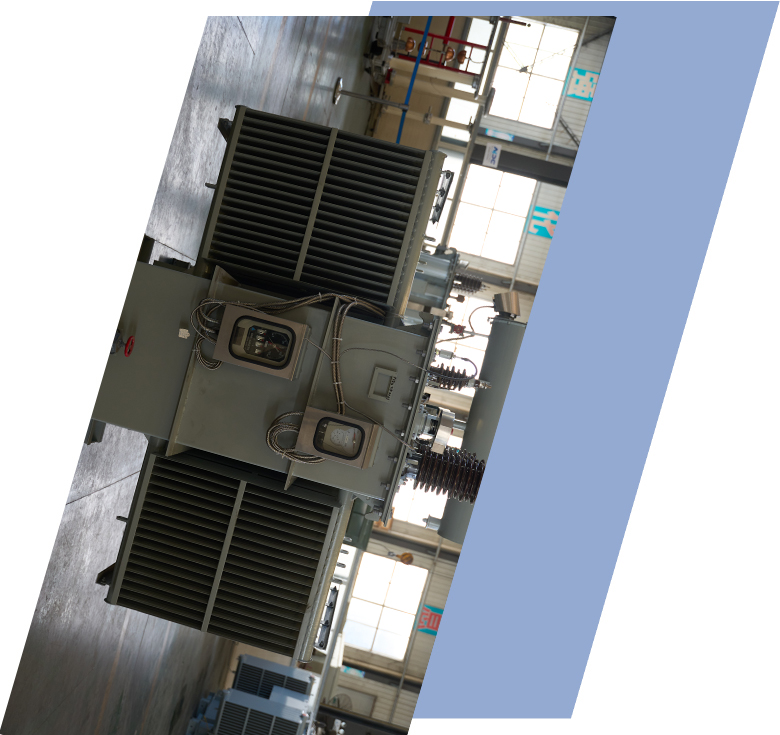
Application
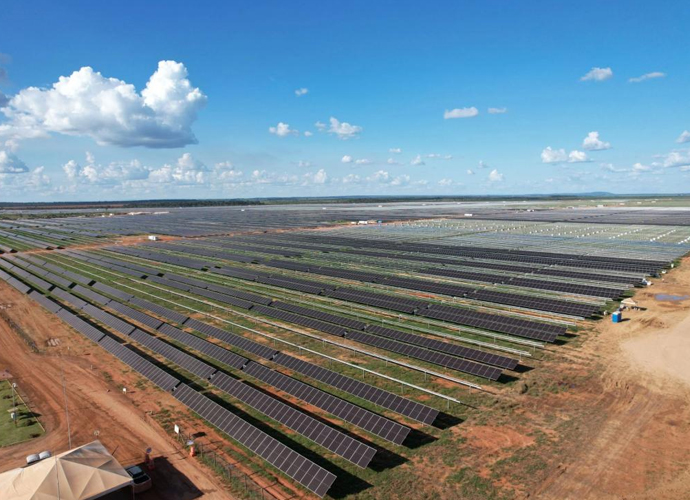
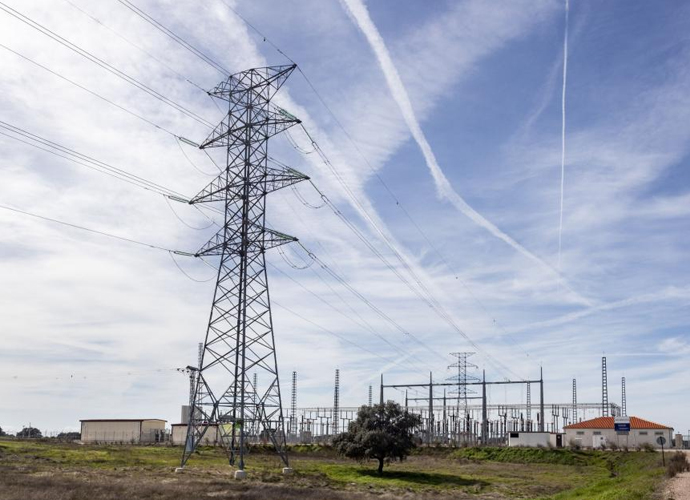
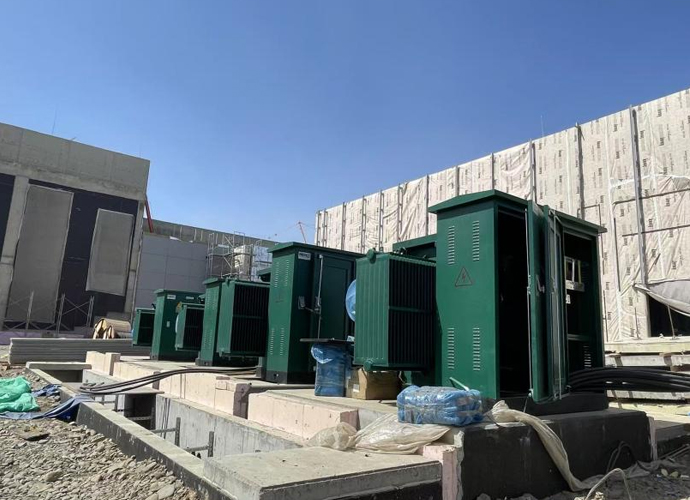
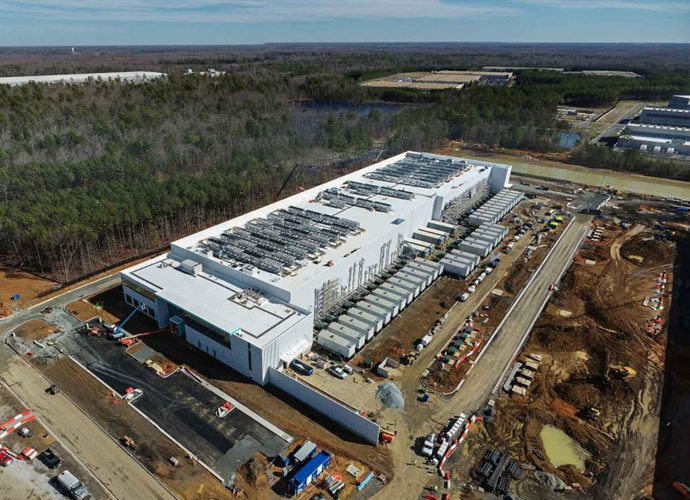
It is widely used in combined applications such as regional substations in 11kV power grids, power supply for commercial building complexes, modern agricultural power facilities, transportation hub substations, critical loads in hospitals and schools, new energy access and energy storage systems, providing reliable and low-loss voltage regulation and power distribution.


Technical Advantages
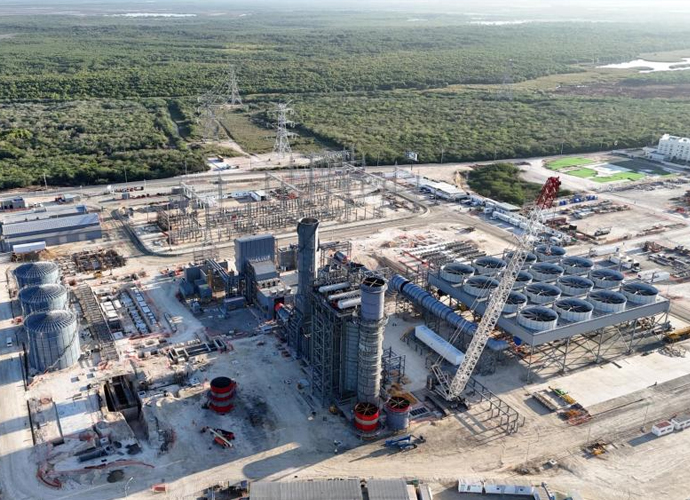
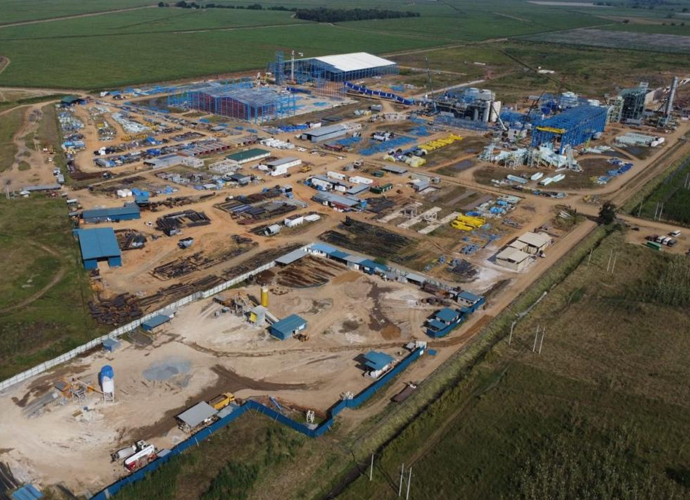
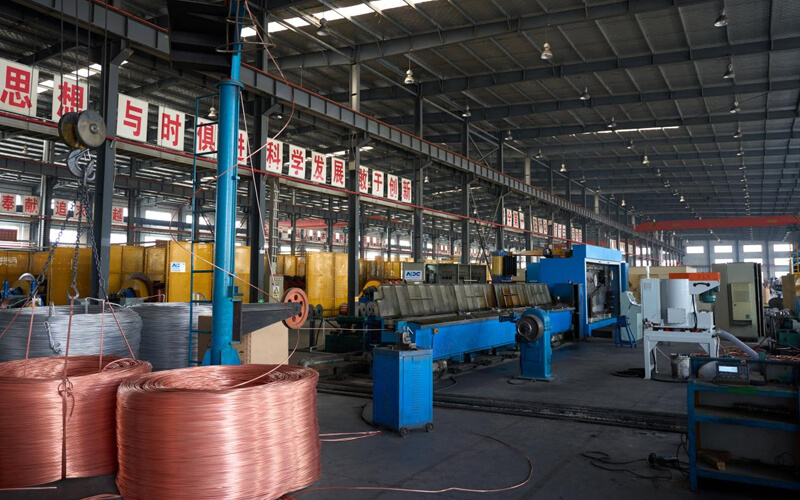
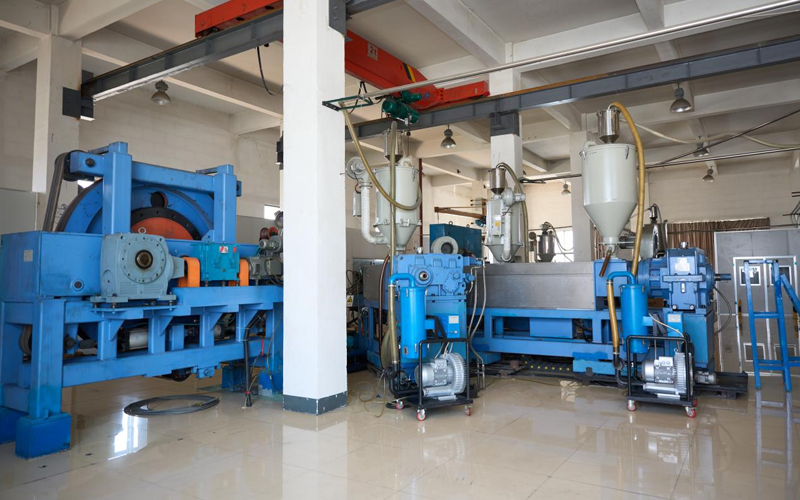
● 30+ years of manufacturing experience
● ISO and UL certified production
● Customized cable and transformer solutions
Product Packaging
Transformers Packaging (1)
Transformers Packaging (2)
Transformers Packaging (3)
Transformers Packaging (4)
Transformers Packaging (5)
Transformers Packaging (6)
Transformers Packaging (7)
Transformers Packaging (8)
Related Products
160kVA Oil Immersed Transformer
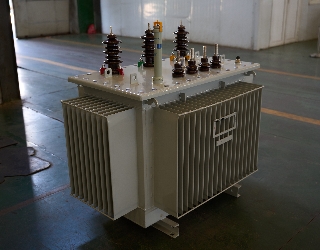
The 160kVA Oil-Immersed Transformer is characterized by its high efficiency and low loss, significantly reducing power consumption and operational costs. This transformer offers notable social benefits and is a high-tech product actively promoted by the government. Produced by a leading Chinese manufacturer, the NPC ELECTRIC 160kVA Oil-Immersed Transformer represents a pinnacle of electrical engineering, designed to meet the stringent demands of contemporary power distribution systems. These transformers are crafted with precision and incorporate cutting-edge technology, renowned for their exceptional durability, efficiency, and reliability.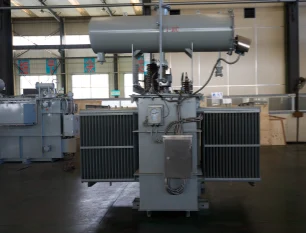
25000kVA Oil-Immersed Copper Transformer For Substation
The 25,000kVA oil-immersed copper transformer is engineered for high-standard power distribution in large industrial facilities, utility networks, and high-voltage substations. Built with premium pure copper windings, it delivers exceptional electrical conductivity, reduced losses, and long-term operational stability. The oil-immersed cooling system ensures efficient heat dissipation, allowing the transformer to perform reliably under continuous heavy load conditions.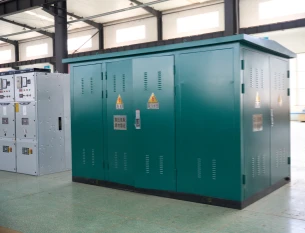
22kV 1000kVA Prefabricated Compact Substation
The 22kV 1000kVA Prefabricated Compact Substation is a modern integrated power distribution solution designed for medium-voltage electrical networks requiring high operational reliability, compact installation, and efficient energy transformation. The system integrates 22kV medium-voltage switchgear, a 1000kVA distribution transformer, low-voltage distribution equipment, and intelligent control devices into a single modular enclosure, significantly reducing installation complexity and project construction time. Manufactured using high-strength corrosion-resistant materials and advanced electrical insulation technology, the compact substation is engineered for stable outdoor operation under demanding environmental conditions. Its optimized structural layout improves heat dissipation efficiency, maintenance accessibility, and operational safety while minimizing installation footprint for urban infrastructure and industrial applications. The 22kV 1000kVA compact transformer substation is widely suitable for renewable energy systems, industrial production facilities, mining operations, commercial complexes, municipal distribution networks, and smart-grid infrastructure projects. With intelligent communication capability and flexible configuration options, the substation delivers reliable, energy-efficient, and scalable medium-voltage power distribution performance.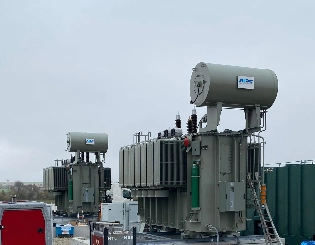
90kV Three-Phase Oil-Immersed Power Transformer
The 90kV Three-Phase Oil-Immersed Power Transformer for High-Voltage Distribution is engineered to deliver reliable and efficient performance across utility grids, industrial substations, and high-voltage transmission systems. Designed with high-grade silicon steel cores and 100% copper windings, the transformer ensures low losses, strong short-circuit resistance, and stable thermal performance. Its oil-immersed cooling structure provides superior heat dissipation, supporting continuous and heavy-duty operation. The robust tank, high-performance insulation system, and outdoor-ready protection structure enable safe operation in harsh climate conditions. Compliant with IEC, IEEE, and GB standards, the transformer offers excellent voltage stability, long service life, and high operational reliability. It is widely used in power utilities, infrastructure projects, renewable energy integration, and industrial distribution networks requiring dependable high-voltage transformation.
125kV Three-Phase Power Distribution Transformer
The 125kV Three-Phase Power Distribution Transformer is engineered to deliver reliable, efficient, and stable voltage transformation for high-voltage distribution networks and utility substations. Designed with a high-permeability silicon steel core and precision-wound conductors, it achieves low no-load loss, reduced operating noise, and excellent short-circuit withstand capability. The robust insulation system and optimized thermal design ensure long-term performance under continuous load and fluctuating grid conditions. Its reinforced tank structure and outdoor-rated configuration allow safe operation in demanding environments, including high temperature, humidity, and industrial pollution areas. Manufactured in compliance with IEC, IEEE, and ANSI standards, this transformer is suitable for modern power distribution systems requiring high reliability, operational safety, and extended service life.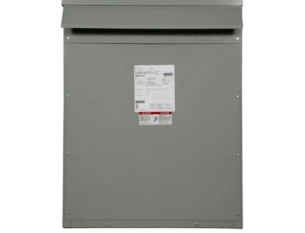
Three Phase Isolation Transformer
The Three Phase Isolation Transformer is a premium electrical power solution designed to provide complete galvanic isolation between the primary and secondary circuits of three-phase power systems. By eliminating direct electrical continuity between power sources and connected loads, the transformer effectively reduces electrical noise, suppresses common-mode disturbances, minimizes transient voltage surges, and improves overall power quality. This advanced isolation capability helps protect sensitive equipment, enhance operational safety, and improve system reliability in demanding industrial and commercial environments. Manufactured using high-permeability CRGO silicon steel cores and precision-engineered copper or aluminum windings, the Three Phase Isolation Transformer delivers excellent efficiency, low losses, and stable voltage regulation. Its robust insulation system ensures superior dielectric performance while reducing the risk of electrical faults and ground loop issues. The transformer is widely deployed in industrial automation facilities, manufacturing plants, renewable energy installations, data centers, transportation infrastructure, healthcare facilities, and critical power applications where reliable and clean power is essential.FAQ From Customers
-
What is a Transformer?A transformer is an electrical device used to change the voltage of alternating current (AC). It works on the principle of electromagnetic induction, converting high-voltage current into low-voltage current or low-voltage current into high-voltage current. Transformers are widely used in power transmission, distribution systems, and various electronic devices.
-
What are the main uses of a transformer?The main use of a transformer is voltage conversion. Transformers are used in power transmission systems to help transfer electricity from power plants to consumers. In addition, transformers are also used in electronic devices such as chargers, televisions, power adapters, etc., to adjust the voltage to meet the requirements of different devices.
-
Do you have UL listed?Yes, our transformer has UL listed. We have exported to America many pad mounted transformer,substation transformer and HV.
Welcome your inquiry
Honesty, Integrity, Frugality, Activeness and Passion