
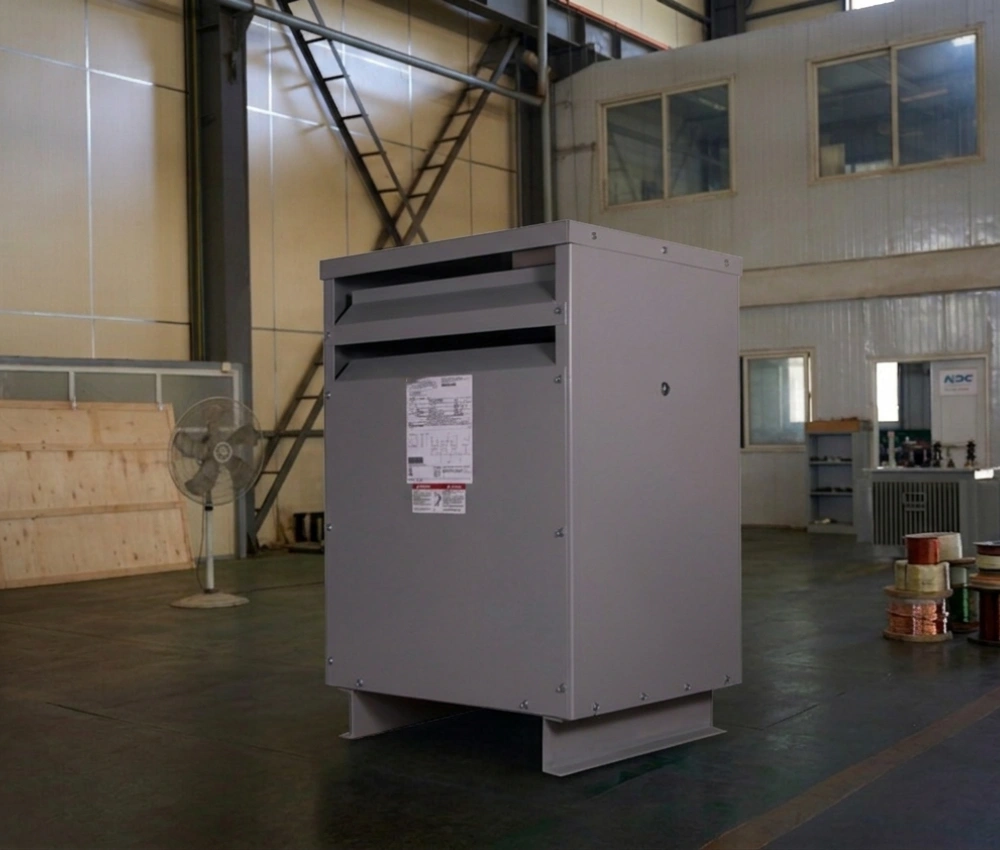
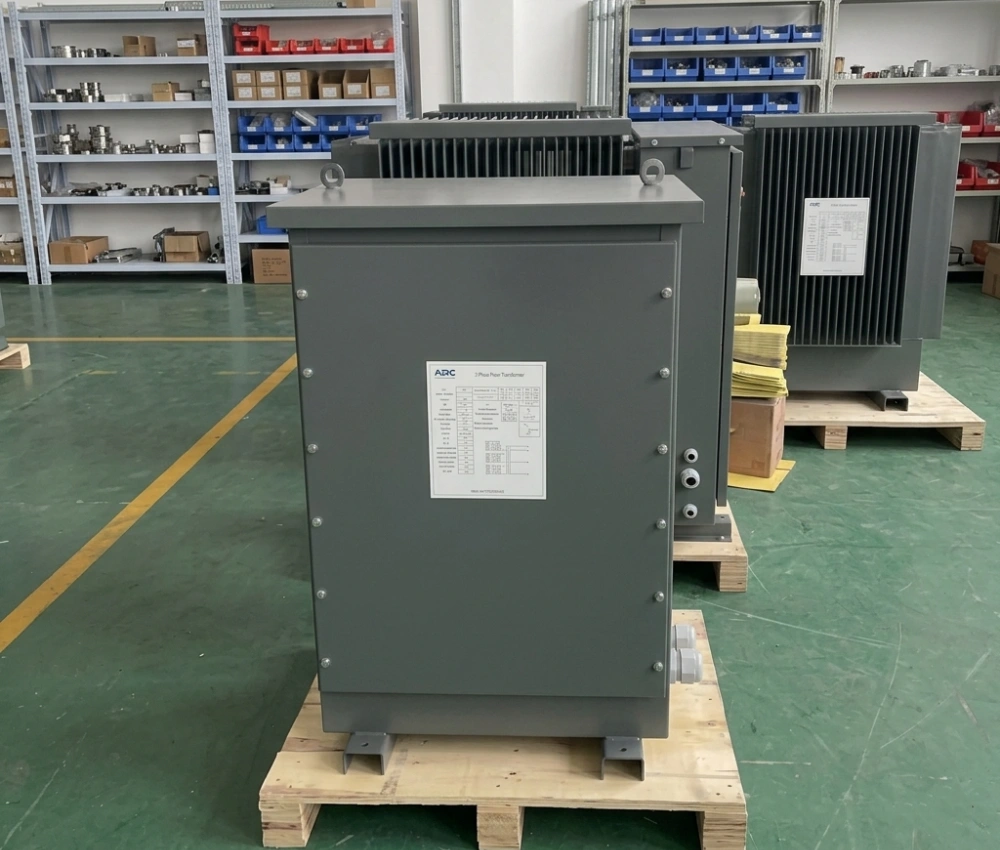
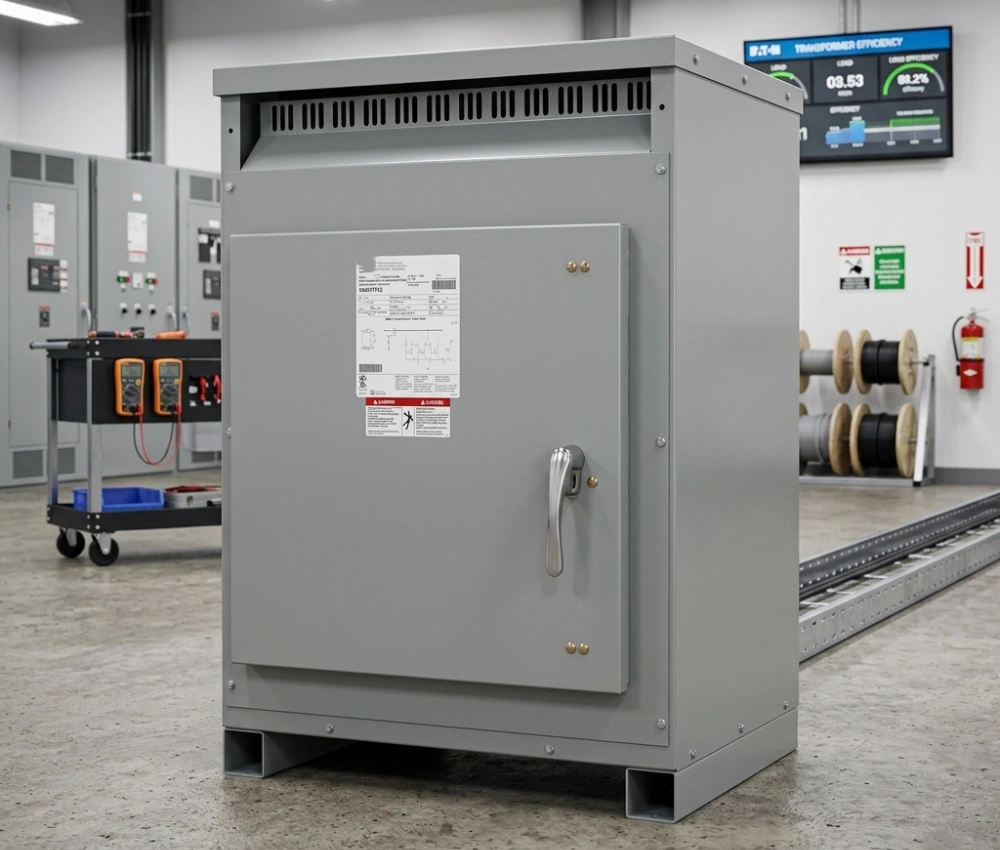
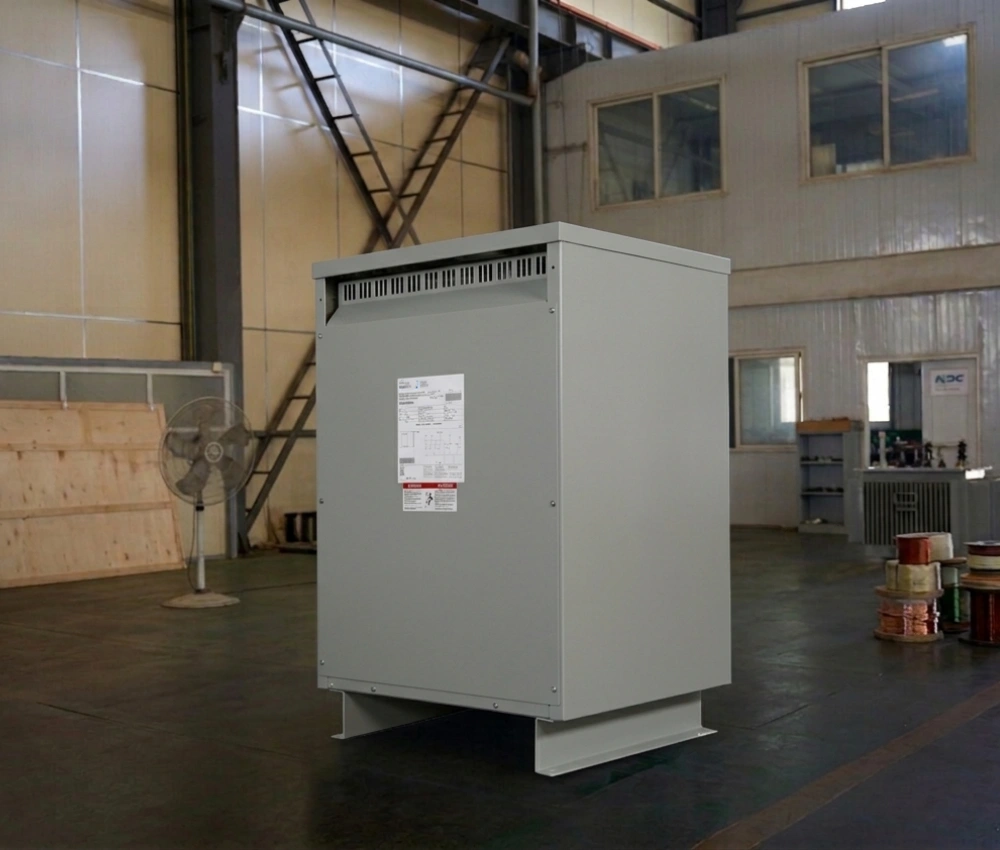


Three Phase Isolation Transformer
The Three Phase Isolation Transformer is a premium electrical power solution designed to provide complete galvanic isolation between the primary and secondary circuits of three-phase power systems. By eliminating direct electrical continuity between power sources and connected loads, the transformer effectively reduces electrical noise, suppresses common-mode disturbances, minimizes transient voltage surges, and improves overall power quality. This advanced isolation capability helps protect sensitive equipment, enhance operational safety, and improve system reliability in demanding industrial and commercial environments. Manufactured using high-permeability CRGO silicon steel cores and precision-engineered copper or aluminum windings, the Three Phase Isolation Transformer delivers excellent efficiency, low losses, and stable voltage regulation. Its robust insulation system ensures superior dielectric performance while reducing the risk of electrical faults and ground loop issues. The transformer is widely deployed in industrial automation facilities, manufacturing plants, renewable energy installations, data centers, transportation infrastructure, healthcare facilities, and critical power applications where reliable and clean power is essential.
- Primary Voltage Ratings 220V – 35kV
- Secondary Voltage Ratings 380V/380V, 400V/400V, 415V/415V, 480V/480V, custom
- Type Isolation Transformer
- Standards IEC 60076 / IEC 60076-11 / IEEE / ANSI
- Application hospitals, operating rooms, medical imaging centers,
- Power Rating 10 kVA – 5000 kVA
- Certificate UL, CESI, IEEE
- Cooling Method AN (Natural Air) / AF (Forced Air)
Technical Specifications
Customization Optional
Packing and Shipping
Manufacturer Test
Routine Testing
Application
Technical Specifications
Three Phase Isolation Transformer
Three Phase Isolation Transformer Data Sheet
| Parameter | Specification |
| Product Type | Three Phase Isolation Transformer |
| Transformer Type | Dry Type / Cast Resin / Oil Immersed |
| Rated Capacity | 10kVA – 10000kVA |
| Phase Configuration | Three Phase |
| Vector Group | Dyn11 / Yyn0 / Dd0 / Customized |
| Primary Voltage | 380V – 35kV |
| Secondary Voltage | Customized |
| Rated Frequency | 50Hz / 60Hz |
| Voltage Regulation | ≤ 2.5% |
| Efficiency | Up to 99.3% |
| Insulation Class | F / H Class |
| Core Material | High-Grade CRGO Silicon Steel |
| Winding Material | Copper / Aluminum |
| Cooling Method | AN / AF / ONAN / ONAF |
| Temperature Rise | 80K / 100K / 125K |
| Impedance Voltage | Customized |
| Noise Level | ≤ 50dB – 75dB |
| Electrostatic Shield | Optional |
| Harmonic Mitigation Design | Optional |
| Protection Degree | IP20 / IP23 / IP44 / IP54 |
| Thermal Monitoring | PT100 / Fiber Optic Sensors |
| Intelligent Monitoring | Optional |
| Communication Interface | Modbus / Ethernet |
| Operating Temperature | -25°C to +55°C |
| Relative Humidity | ≤ 95% |
| Installation Altitude | Up to 5000m |
| Seismic Resistance | Up to 9 Degree |
| Service Life | More than 30 Years |
| Applicable Standards | IEC 60076 / IEC 60076-11 / IEEE / ANSI |
Customization Optional
Three Phase Isolation Transformer
The Three Phase Isolation Transformer offers extensive customization to meet demanding industrial and commercial requirements. Customers can specify exact voltage ratios, capacity, and number of phases along with custom impedance values for optimal system coordination. Multiple electrostatic shielding layers with independent grounding terminals, ultra-low leakage current designs, and K-factor ratings (K-4 to K-20) are available for environments with high harmonic content from drives and non-linear loads. Enclosure options include open-type IP20, wall-mounted, floor-standing, or fully enclosed IP54/IP55 cabinets with stainless steel construction for corrosive or outdoor applications.
We also provide specialized medical and laboratory-grade models with enhanced creepage distance and reinforced insulation, integrated surge protection devices, PT100 temperature sensors with digital monitoring relays, and smart communication interfaces (Modbus/RS485/Ethernet). Custom mounting arrangements, low-noise designs with advanced vibration dampers, and forced air cooling systems for high ambient temperature installations are available. These tailored solutions ensure maximum electrical isolation, superior noise suppression, and seamless integration into any three-phase power system.
Packing and Shipping
Three Phase Isolation Transformer
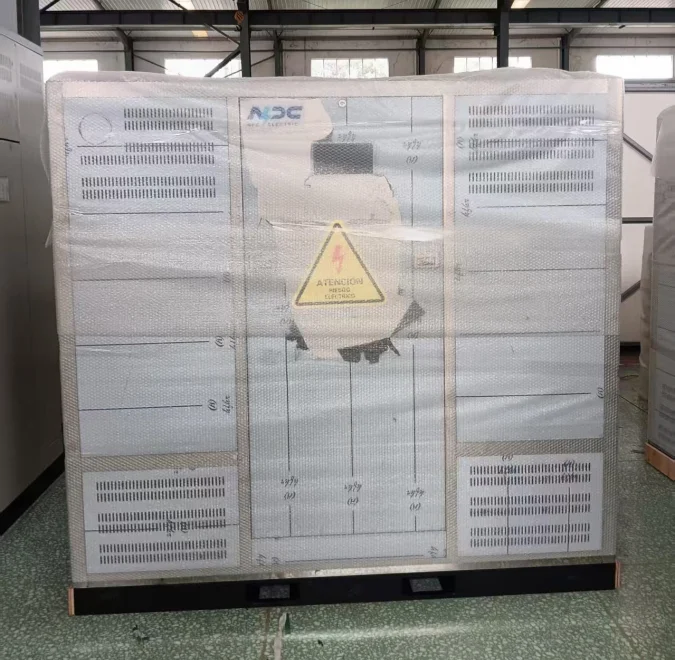
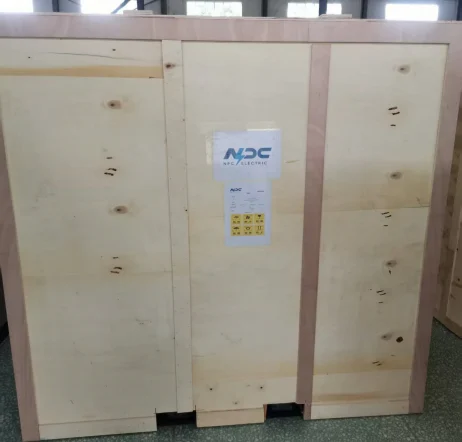
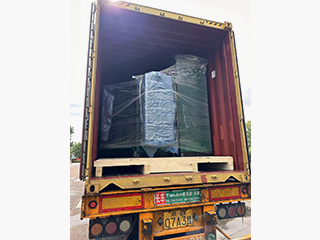
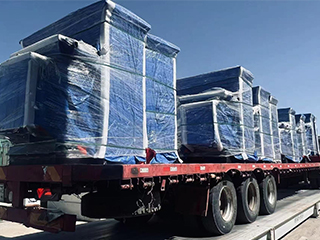
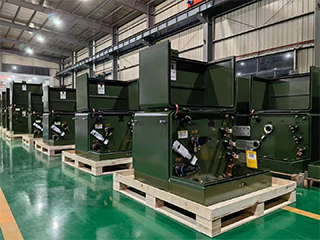
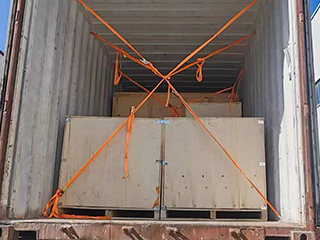
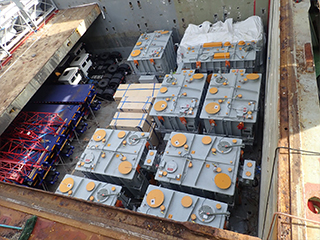
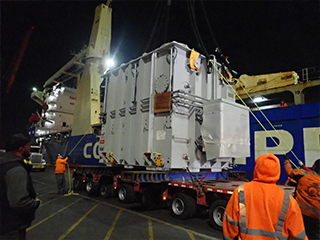
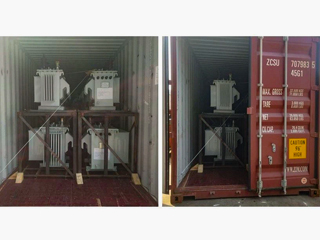
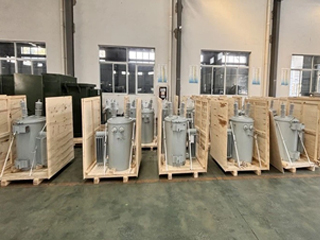
The Three Phase Isolation Transformer is packaged using industrial-grade protection methods to ensure safe arrival. The unit is securely mounted on a reinforced wooden pallet with anti-vibration rubber pads and heavy-duty steel strapping. All terminals, enclosures, and cooling components are protected with custom foam inserts and rigid corner guards. The complete transformer is wrapped in multi-layer anti-static and moisture-proof film with sufficient desiccant packets. A sturdy, ISPM 15 fumigated wooden crate or steel-reinforced frame provides full enclosure, equipped with shock indicators and tilt sensors for complete transit monitoring.
We provide flexible and secure shipping solutions worldwide. Sea freight in 20ft or 40ft containers with professional blocking and bracing is the most economical option for medium to large capacity units, typically taking 20–55 days. Air freight is available for urgent or smaller capacity transformers. Domestic and regional shipments use specialized vehicles with secure tie-down systems and weatherproof covering.
Full export documentation is prepared in advance, including commercial invoices, packing lists, certificates of origin, test reports, and safety compliance declarations to ensure smooth customs clearance. Sustainable packing practices are prioritized by using recyclable materials and optimizing load configurations. Customers receive real-time GPS tracking and dedicated logistics coordinator support throughout the journey.
Upon arrival, we offer optional professional unpacking supervision, insulation resistance verification, and packaging disposal services. For bulk or project orders, we support consolidated shipments and phased delivery scheduling to minimize logistics costs and site management complexity. This careful packing and shipping process guarantees every three phase isolation transformer arrives in perfect condition, ready for immediate installation.
Each shipment includes a complete documentation package containing factory inspection reports, routine test certificates, operation manuals, maintenance guidelines, packing lists, wiring diagrams, quality assurance records, and export compliance documentation. Additional customer-specific certifications and project-related documents can also be provided. The overall packing and shipping process is designed to ensure every transformer arrives at its destination in optimal condition and ready for installation.
We provide flexible and secure shipping solutions worldwide. Sea freight in 20ft or 40ft containers with professional blocking and bracing is the most economical option for medium to large capacity units, typically taking 20–55 days. Air freight is available for urgent or smaller capacity transformers. Domestic and regional shipments use specialized vehicles with secure tie-down systems and weatherproof covering.
Full export documentation is prepared in advance, including commercial invoices, packing lists, certificates of origin, test reports, and safety compliance declarations to ensure smooth customs clearance. Sustainable packing practices are prioritized by using recyclable materials and optimizing load configurations. Customers receive real-time GPS tracking and dedicated logistics coordinator support throughout the journey.
Upon arrival, we offer optional professional unpacking supervision, insulation resistance verification, and packaging disposal services. For bulk or project orders, we support consolidated shipments and phased delivery scheduling to minimize logistics costs and site management complexity. This careful packing and shipping process guarantees every three phase isolation transformer arrives in perfect condition, ready for immediate installation.
Each shipment includes a complete documentation package containing factory inspection reports, routine test certificates, operation manuals, maintenance guidelines, packing lists, wiring diagrams, quality assurance records, and export compliance documentation. Additional customer-specific certifications and project-related documents can also be provided. The overall packing and shipping process is designed to ensure every transformer arrives at its destination in optimal condition and ready for installation.
32
32 years of industry experience
Manufacturer Test
Three Phase Isolation Transformer
Progress Test
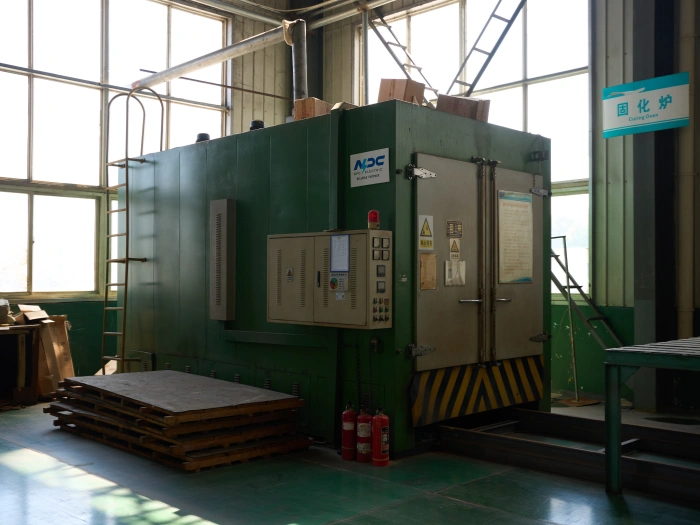
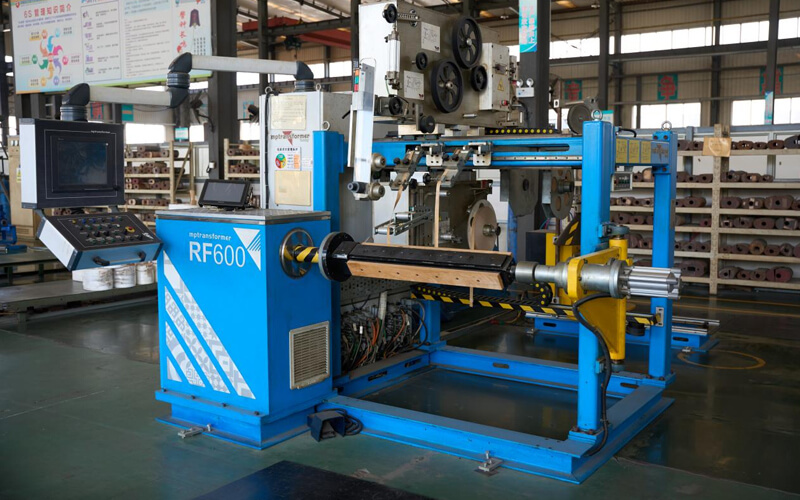
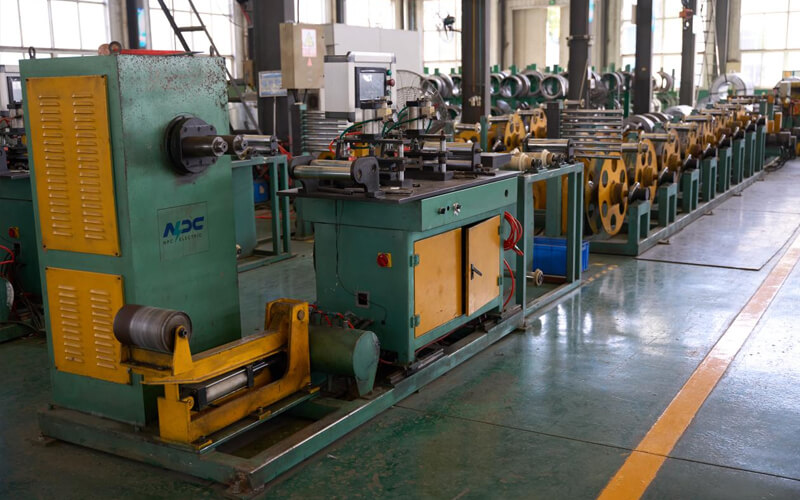
The manufacturing progress test program for the Three Phase Isolation Transformer begins with rigorous inspection of incoming materials including silicon steel cores, winding conductors, insulation materials, enclosure components, and monitoring accessories. Material dimensions, conductivity characteristics, insulation properties, and certification records are verified to ensure compliance with approved engineering specifications and international quality standards. During winding production and core assembly, engineers perform dimensional inspections, winding tension verification, conductor continuity testing, insulation placement assessments, and magnetic circuit alignment evaluations. Core clamping systems, terminal structures, grounding assemblies, and optional electrostatic shields are carefully inspected to ensure proper installation. Mechanical stability and electrical integrity are continuously monitored throughout the manufacturing process.
Design Tests
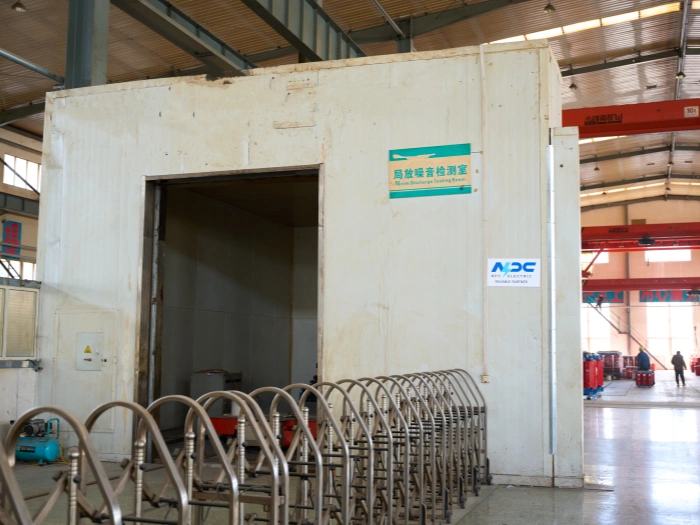
All transformers will be tested after production is finished. Test items are as follows:
♦ Insulation Power Factor
♦ Ratio, Polarity, and Phase Relation
♦ Winding Resistance
♦ Impulse Tests
♦ Transformer Turns Ratio/TTR (All Tap Voltages)
♦ Impedance Voltage & Load Loss (Rated Voltage)
♦ Polarity, 1-Ph / Phase Relation, 3-Ph (Rated Voltage)
♦ Excitation & No-Load Loss (Rated Voltage)
♦ Insulation Resistance (Rated Voltage)
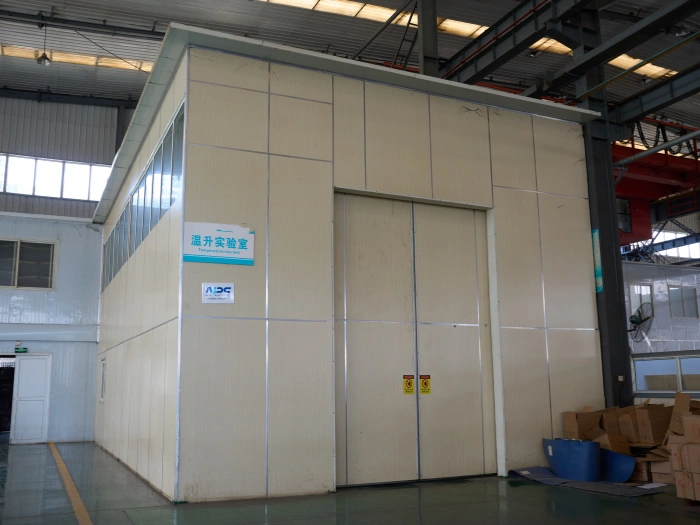
♦ Temperature Rise
♦ Dielectric Withstand (Hipot)
Factory Acceptance Test
The Factory Acceptance Test for the Three Phase Isolation Transformer is conducted to verify electrical performance, insulation reliability, operational safety, and manufacturing quality before shipment. All testing procedures are performed using calibrated instruments in accordance with IEC, IEEE, ANSI, and customer-specified technical standards. Routine FAT procedures include winding resistance measurement, turns ratio verification, polarity testing, insulation resistance evaluation, applied voltage testing, and induced voltage testing. These assessments confirm transformer efficiency, voltage conversion accuracy, insulation system integrity, and overall operational reliability. No-load current measurements, load loss evaluations, and impedance verification are additionally conducted to assess transformer performance characteristics.
Routine Test - Impulse Tests
Purpose of Testing
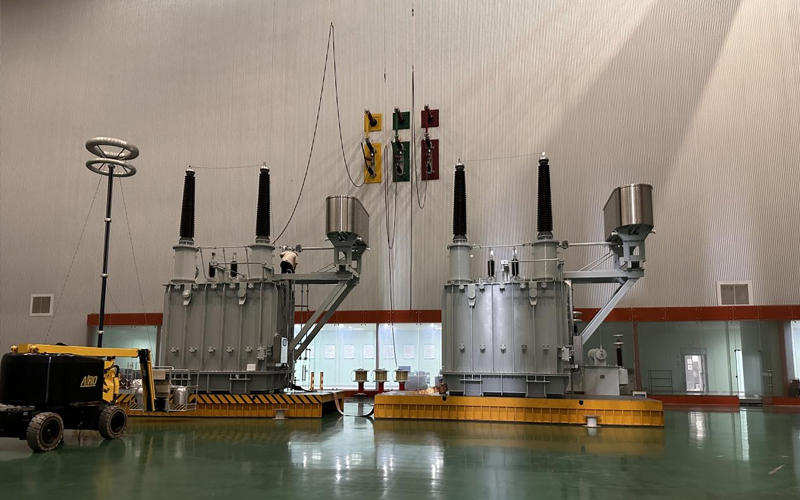
The purpose of Impulse Tests is to verify the insulation strength of electrical equipment when it is subjected to lightning strikes or switching overvoltages. By applying high-energy impulse voltages, it is possible to detect potential defects in the insulation system.
Testing Equipment
Impulse voltage generator (e.g. Haefely, Hipotronics, Tettex, etc.)
Voltage divider (used to measure impulse voltage waveform, resistor divider or capacitor divider)
Oscilloscope (used to record impulse waveform, common brands such as Tektronix, Keysight)
Voltage divider (used to measure impulse voltage waveform, resistor divider or capacitor divider)
Oscilloscope (used to record impulse waveform, common brands such as Tektronix, Keysight)
Pre-Test Preparation
Please test under suitable environmental conditions: relative humidity less than 65%, no rain or condensation (recommended temperature: 15-30°C).
Calibrate and check the impulse voltage generator, measurement system, and control system to ensure that the instruments and equipment are in good condition and meet the test standards.
Calibrate and check the impulse voltage generator, measurement system, and control system to ensure that the instruments and equipment are in good condition and meet the test standards.
Test Progress
Connect the Test Instrument:
Connect the impulse voltage generator correctly to each winding terminal (high voltage terminal, ground terminal) of the device under test, and ensure that all test instruments are well grounded.
Apply Test Voltage:
Select the appropriate impulse voltage waveform and amplitude according to the rated voltage of the equipment
Connect the impulse voltage generator correctly to each winding terminal (high voltage terminal, ground terminal) of the device under test, and ensure that all test instruments are well grounded.
Apply Test Voltage:
Select the appropriate impulse voltage waveform and amplitude according to the rated voltage of the equipment
Measure and Record
Collect and record the impact waveform, including:
Front Time
Time to Half-Value
Peak Voltage
Distortion
Ambient temperature and humidity (especially when the test environment needs to be corrected)
Front Time
Time to Half-Value
Peak Voltage
Distortion
Ambient temperature and humidity (especially when the test environment needs to be corrected)
Waveform Correction
Check whether the impulse voltage waveform meets the specification requirements (wave head time 1.2μs ±30%, half-peak time 50μs ±20%).
If the waveform deviation is too large, adjust the impulse generator parameters and reapply the test.
If the waveform deviation is too large, adjust the impulse generator parameters and reapply the test.
Repeat Testing (if necessary)
Impact tests are performed for different phases and windings (HV/MV/LV).
In special cases, inter-winding impact, voltage-to-ground impact or coil corner impact are performed (according to the test plan).
In special cases, inter-winding impact, voltage-to-ground impact or coil corner impact are performed (according to the test plan).
Evaluation Criteria (Reference)
No internal insulation breakdown or flashover (detected by observing waveform continuity and audibly).
Waveforms are stable and meet standard specifications.
Waveform variations between repeated tests are minimal (usually good waveform overlap with no noticeable abnormal excursions).
Waveforms are stable and meet standard specifications.
Waveform variations between repeated tests are minimal (usually good waveform overlap with no noticeable abnormal excursions).
*These comprehensive tests ensure that each transformer meets performance standards and operates
reliably under various conditions.
Application
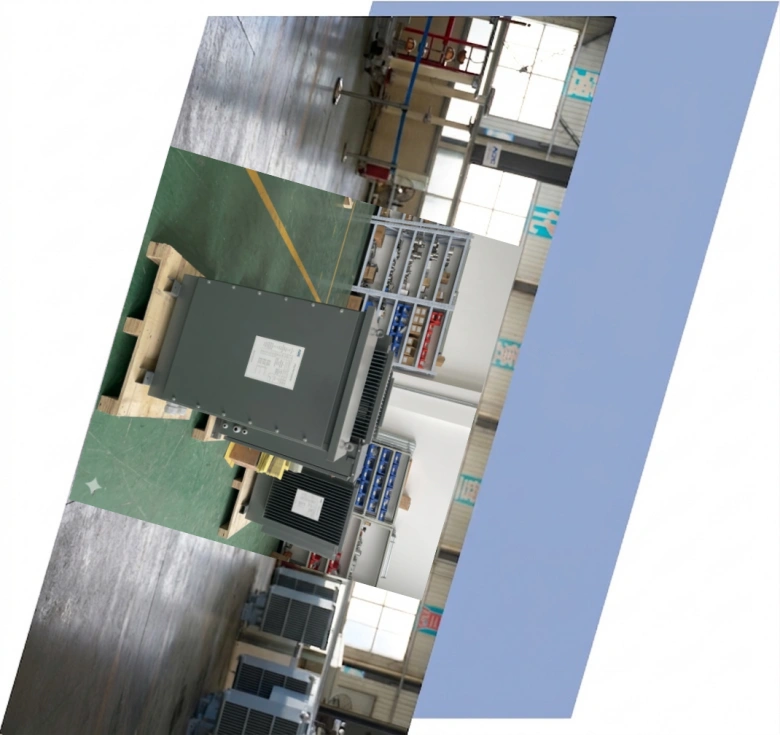
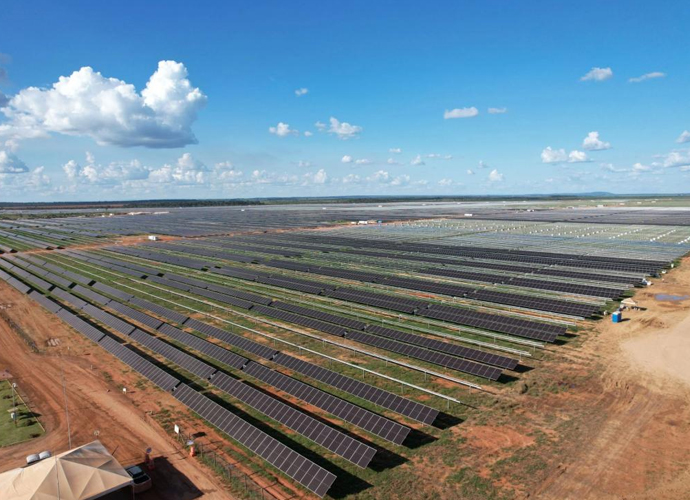
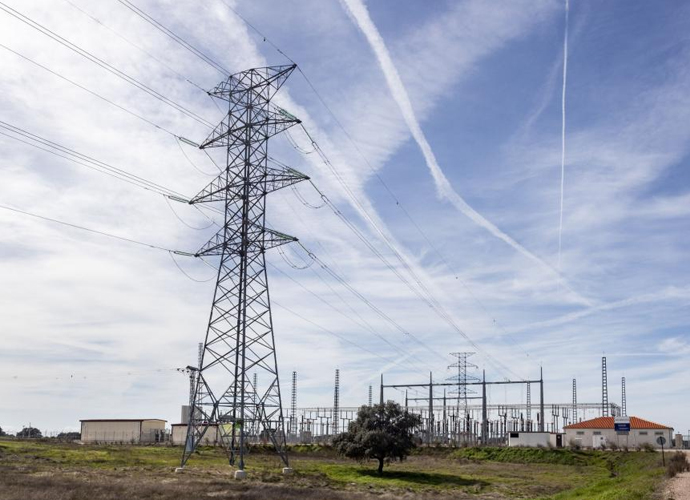
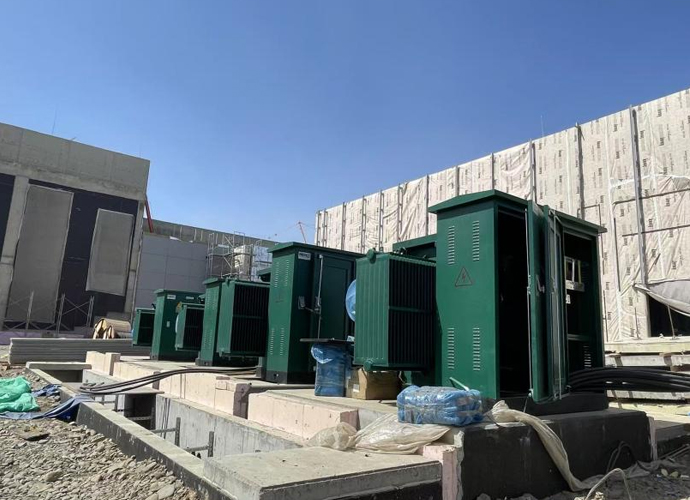
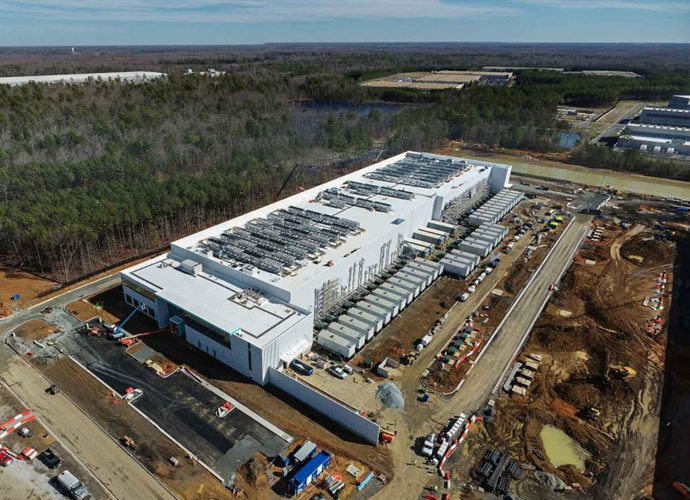
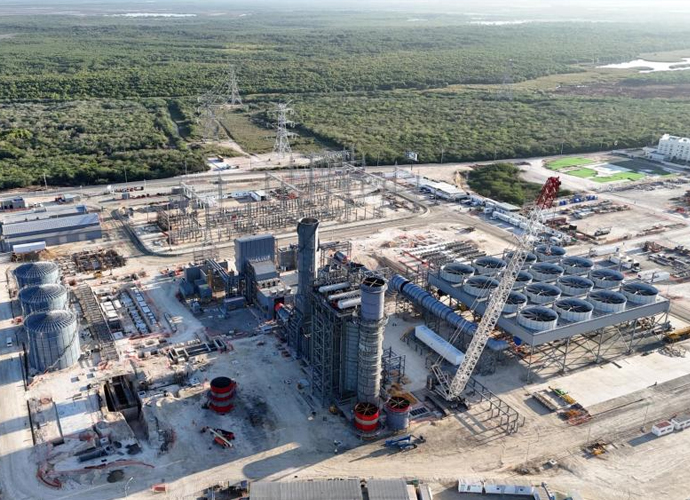
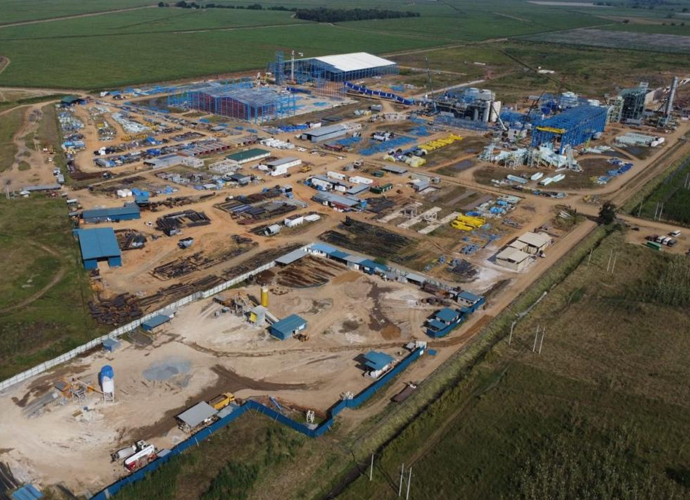
Widely used in mining facilities, petrochemical plants, water treatment stations, commercial complexes, telecommunications centers, marine installations, semiconductor factories, and critical process industries.


Technical Advantages
● 30+ years of manufacturing experience
● ISO and UL certified production
● Customized cable and transformer solutions
Product Packaging
Transformers Packaging (1)
Transformers Packaging (2)
Transformers Packaging (3)
Transformers Packaging (4)
Transformers Packaging (5)
Transformers Packaging (6)
Transformers Packaging (7)
Transformers Packaging (8)
Related Products
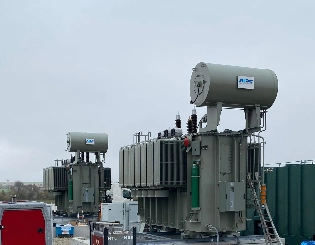
75kV 1250kVA Three Phase Oil Immersed Power Transformer Copper
The 75kV 1250kVA Three Phase Oil Immersed Power Transformer Copper is engineered for regional 66–75 kV transmission and industrial step-down applications. It adopts 99.99 % electrolytic copper windings, high-grade grain-oriented silicon steel S13 core, corrugated tank + ONAN cooling, and ±5 % off-circuit tap changer (on-load optional). Fully compliant with IEC 60076, lightning impulse withstand 350 kV peak, PD <10 pC, noise ≤58 dB. Fully sealed or conservator design with vacuum oil filling and nitrogen sealing ensures >30-year maintenance-free operation even in high-altitude or polluted areas. Ideal for mining, metallurgy, wind farms, and urban 75 kV substations requiring high reliability and low loss.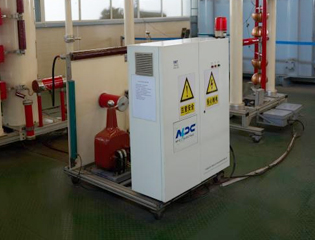
160 kVA Three Phase Cast Resin Dry Type Transformer Low Loss Energy Efficient
The 160 kVA Three Phase Cast Resin Dry Type Transformer Low Loss Energy Efficient is a state-of-the-art, maintenance-free power solution engineered for indoor installations where safety, reliability, and sustainability are paramount. Encased in high-quality epoxy resin under vacuum pressure, its windings deliver outstanding moisture resistance, superior partial discharge performance, and fire-retardant self-extinguishing properties without flammable liquids. Utilizing premium grain-oriented silicon steel cores and optimized conductor designs, this transformer achieves significantly reduced no-load and load losses, attaining high efficiency levels often exceeding 98.5% and complying with stringent energy regulations. With natural air (AN) cooling, low acoustic emissions below typical 58-62 dB, and Class F or H insulation, it ensures stable operation in harsh indoor environments. Fully compliant with IEC 60076-11, this compact, eco-conscious dry-type unit supports primary voltages like 10kV/11kV/20kV/35kV stepping down to 0.4kV or custom secondaries, making it ideal for modern, green power distribution networks.
125kV Three-Phase Power Distribution Transformer
The 125kV Three-Phase Power Distribution Transformer is engineered to deliver reliable, efficient, and stable voltage transformation for high-voltage distribution networks and utility substations. Designed with a high-permeability silicon steel core and precision-wound conductors, it achieves low no-load loss, reduced operating noise, and excellent short-circuit withstand capability. The robust insulation system and optimized thermal design ensure long-term performance under continuous load and fluctuating grid conditions. Its reinforced tank structure and outdoor-rated configuration allow safe operation in demanding environments, including high temperature, humidity, and industrial pollution areas. Manufactured in compliance with IEC, IEEE, and ANSI standards, this transformer is suitable for modern power distribution systems requiring high reliability, operational safety, and extended service life.
125kVA Cast Resin Dry Type Transformer 3 Phase 10kV/0.4kV Copper Winding IEC Certified
The 125kVA Cast Resin Dry Type Transformer is a compact, three-phase, high-efficiency indoor power transformer engineered for safe and reliable voltage transformation in commercial, institutional, and light-to-medium industrial environments. Featuring advanced cast-resin encapsulation and full copper windings, it eliminates oil-related fire hazards, environmental risks, and routine maintenance while delivering superior performance in confined spaces, high-rise buildings, hospitals, schools, data centers, office complexes, and renewable energy tie-in applications. Fully compliant with IEC 60076-11, IEC 60076-1, IEC 60076-3, IEC 60076-5, IEC 60076-20, IEEE C57.12.01, IEEE C57.12.91, UL 1561 (optional), and DOE 2016 efficiency standards.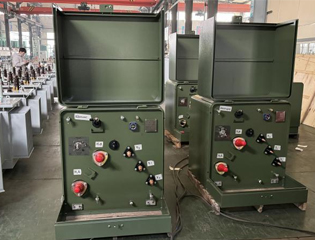
150kVA Single Phase Pole Mounted Transformer
NPC ELECTRIC'S 150kVA single phase pole mounted transformer is engineered for superior performance in overhead electrical distribution networks. This robust unit efficiently steps down high-voltage primary inputs, such as 13.8kV or 24.94kV, to secondary voltages like 120/240V or 277V, ensuring safe and reliable power delivery. Built with high-permeability toroidal cores and precision-wound copper conductors, it minimizes energy losses and enhances durability. Compliant with DOE-2016 efficiency standards and featuring a NEMA 3R-rated enclosure, this transformer withstands harsh environmental conditions while providing quiet operation. Ideal for utilities seeking long-term reliability, it includes protective features like surge arrestors and pressure relief valves to safeguard against overloads and faults. With a 65°C temperature rise rating and ONAN cooling, it handles diverse loads without compromising efficiency.
100kVA Conventional Type Single Phase Pole Mounted Transformer
NPC ELECTRIC has been specialized in manufacturing 100kVA Single Phase pole Mounted transformer for more than 20 years, which complies with international standards such as ANSI/IEEE C57, IEC60076 and other standards. Its main function is to convert high voltage electricity (such as 11kV, 13.8kV, etc.) into low voltage electricity (such as 120V/240V), providing stable and reliable power supply to end users. It is suitable for residential, commercial, agricultural and small industrial loads. Standard features include mineral oil insulation (ONAN cooling), aluminum or copper windings, primary voltages 2.4kV–34.5kV grounded wye or delta (common: 7200/12470GrdY, 7620/13200GrdY, 12470GrdY/7200, 24940GrdY/14400, 34500GrdY/19920), secondary 120/240V or 240/120V split-phase (options for 277V or custom), BIL ratings 95–150kV HV / 30kV LV, impedance typically 2.0–4.5%, ±2×2.5% or 5-position tap changer, conventional or CSP (completely self-protected) configurations with internal fuses, lightning arresters, weak-link protection, pressure relief valve, oil sight gauge, and ANSI 70 gray tank finish. Efficiency typically reaches 99.25–99.29% at 50% load per DOE levels (with 2029 amendments targeting further reductions in losses for units >100 kVA), with low sound levels and corrosion-resistant hardware for extended outdoor service.FAQ From Customers
-
What is a Transformer?A transformer is an electrical device used to change the voltage of alternating current (AC). It works on the principle of electromagnetic induction, converting high-voltage current into low-voltage current or low-voltage current into high-voltage current. Transformers are widely used in power transmission, distribution systems, and various electronic devices.
-
What are the main uses of a transformer?The main use of a transformer is voltage conversion. Transformers are used in power transmission systems to help transfer electricity from power plants to consumers. In addition, transformers are also used in electronic devices such as chargers, televisions, power adapters, etc., to adjust the voltage to meet the requirements of different devices.
-
Do you have UL listed?Yes, our transformer has UL listed. We have exported to America many pad mounted transformer,substation transformer and HV.
Welcome your inquiry
Honesty, Integrity, Frugality, Activeness and Passion