Oil Immersed Transformer Advantages: Cooling, Cost and High Power Applications
2026-07-10
Oil-immersed transformers remain one of the most widely used electrical equipment solutions in modern power systems. From utility substations and industrial facilities to renewable energy infrastructure and large-scale power distribution networks, oil-filled transformer technology continues to play a critical role in ensuring stable and efficient electric power transmission.
Despite the growing adoption of dry-type transformers in commercial environments, oil-immersed power transformers still dominate high-voltage and high-capacity applications because of their superior thermal performance, insulation reliability, overload capability, and economic advantages.
Transformer oil serves both as a cooling medium and as an insulating material, enabling transformers to operate safely under heavy electrical loads and demanding environmental conditions. As modern electrical grids expand to support renewable energy, battery energy storage systems, and industrial electrification, the operational importance of oil-filled transformers continues to increase globally.
1. What Is an Oil-Immersed Transformer?
An oil-immersed transformer is a transformer in which the transformer core and transformer windings are fully submerged in insulating transformer oil.
The oil performs two essential functions:
- Electrical insulation
- Heat dissipation
Oil-filled transformers are widely used in:
- Electrical grid infrastructure
- Utility substations
- Industrial facilities
- Renewable energy systems
- Power distribution networks
- Heavy manufacturing plants
Unlike dry-type transformers, oil-immersed units use liquid insulation systems that provide enhanced thermal conductivity and higher dielectric strength.
This design enables oil-immersed power transformers to operate efficiently in high-voltage and high-capacity environments.
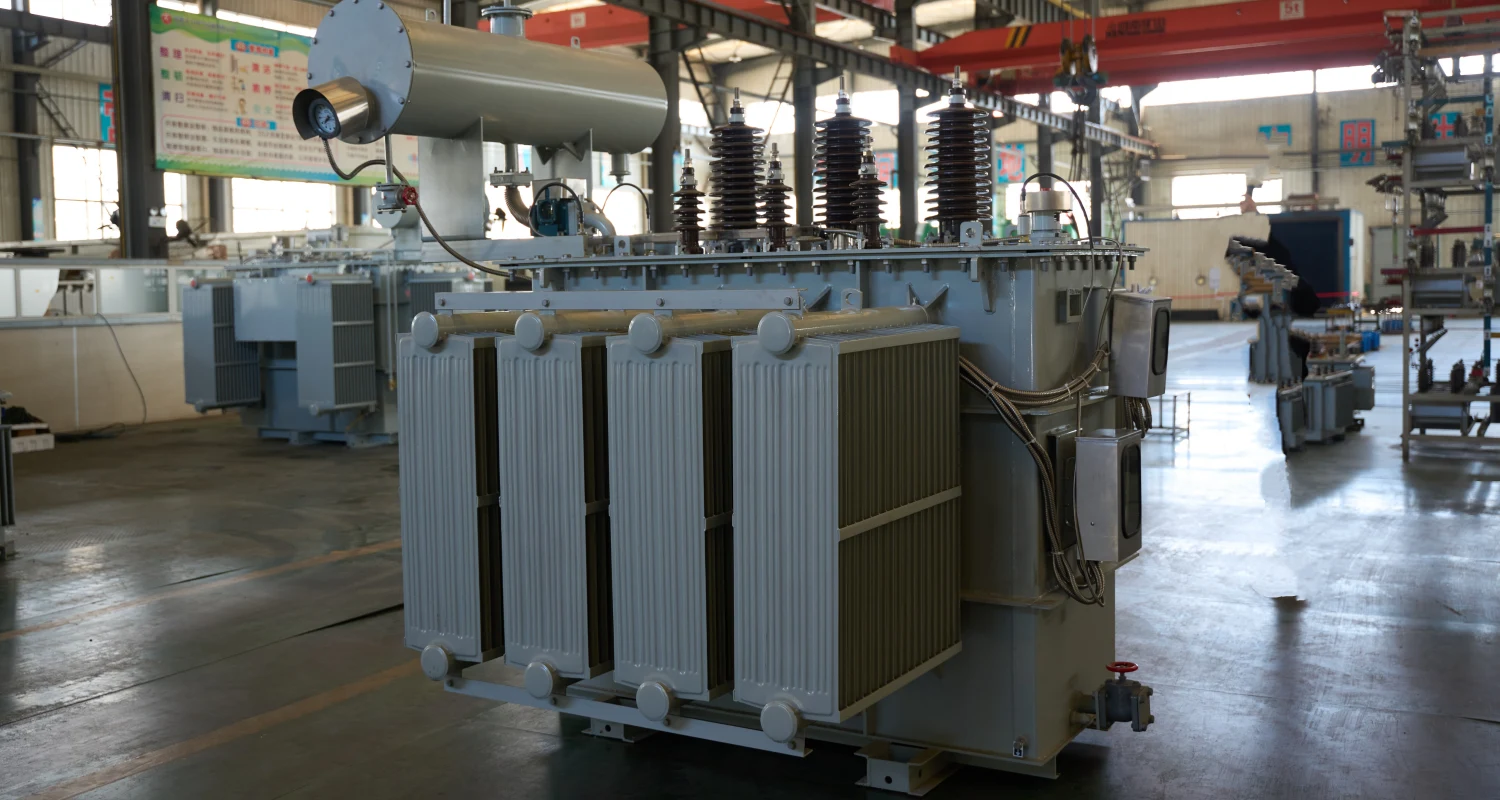
2. How Oil Immersed Transformers Work
Understanding how transformers work is essential for evaluating transformer performance and application suitability.
Electromagnetic Induction Principle
Transformers operate using electromagnetic induction.
When alternating current flows through the primary winding, it creates a changing magnetic field inside the transformer core. This magnetic field induces voltage in the secondary winding.
The transformer transfers electrical energy between voltage levels without a direct electrical connection between windings.
Role of Transformer Oil
Transformer oil plays a central role in transformer operation.
The oil:
- Absorbs heat from transformer windings
- Transfers heat to cooling surfaces
- Provides insulation between energized components
- Reduces internal electrical discharge risk
Without proper transformer oil filling and circulation, the transformer's operating temperature would rise rapidly under heavy loads.
Cooling Cycle
In natural oil circulation systems:
- Transformer windings generate heat
- Heated oil rises
- Cooler oil sinks
- Heat dissipates through radiators
This continuous thermal cycle allows stable long-term transformer operation.
3. Main Advantages of Oil-Immersed Transformers
Oil-immersed transformer technology remains dominant because of several engineering advantages.
Superior Cooling Performance
Transformer oil provides excellent thermal conductivity compared with air.
This allows:
- Higher power capacity
- Better overload capability
- Lower hotspot temperatures
- Improved thermal stability
Oil acts as an efficient cooling medium capable of transferring heat away from critical components.
Large oil-filled transformer systems, therefore, operate more effectively in high-load industrial environments.
Excellent Insulation Properties
Transformer oil has high dielectric strength.
This improves insulation between:
- Transformer windings
- Core components
- High-voltage conductors
Mineral oil remains one of the most commonly used insulation materials because of its balance between cost and electrical performance.
Higher Power Ratings
Oil-immersed power transformers can support significantly higher power ratings than dry-type transformers.
This makes them ideal for:
- Utility substations
- Heavy industrial facilities
- Renewable energy plants
- Long-distance transmission systems
High-voltage applications especially benefit from oil-based insulation systems.
Lower Initial Cost
Compared with dry-type transformers of equivalent capacity, oil-filled transformers generally offer lower installation cost per kVA.
Advantages include:
- Compact design
- Better thermal efficiency
- Reduced conductor material requirements
This economic advantage is particularly important for large infrastructure projects.
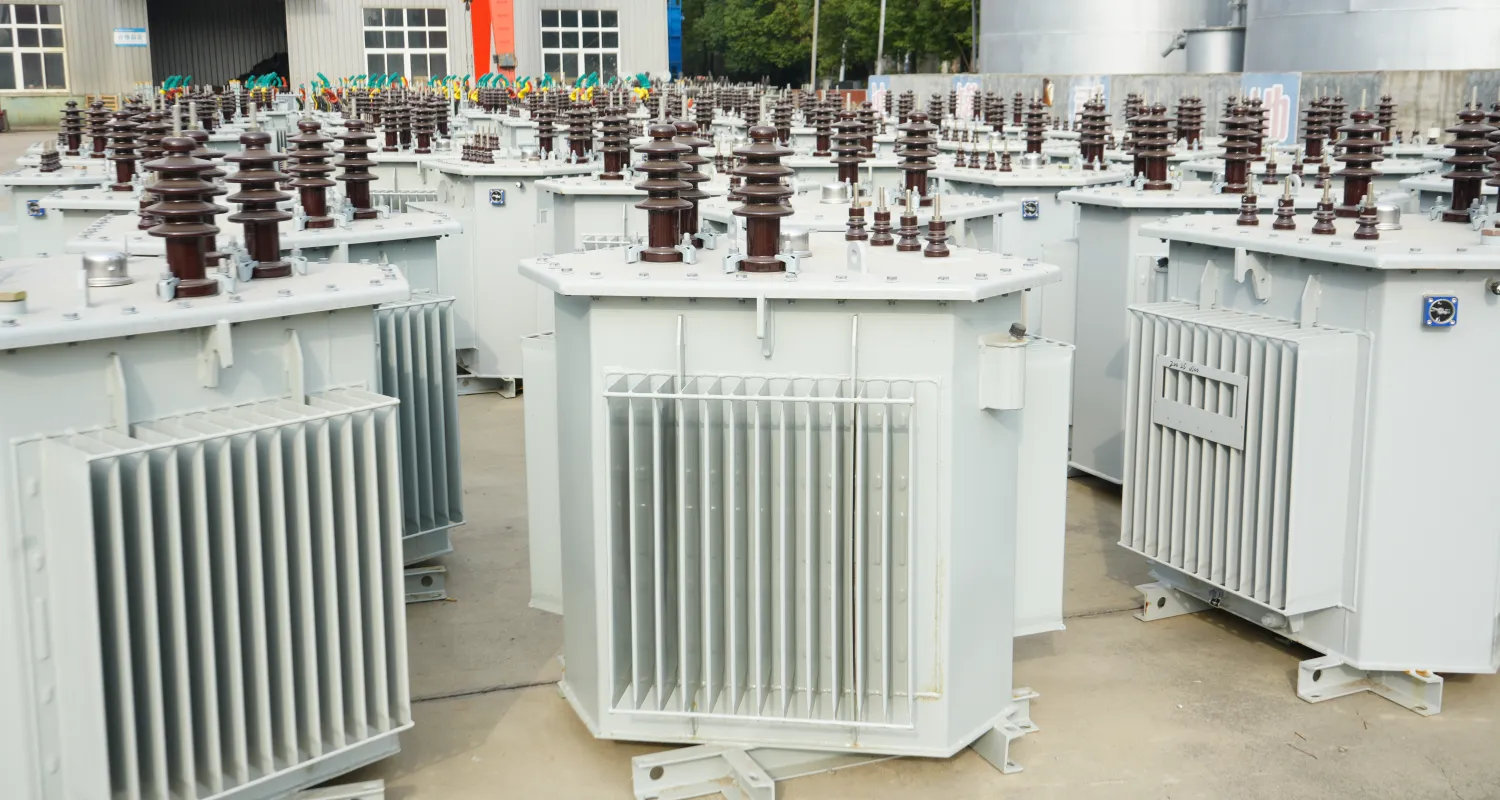
4. Oil Immersed vs Dry Type Transformers
Choosing between oil-immersed and dry-type transformers depends on operational requirements.
Technical Comparison Between Oil Immersed and Dry Type Transformers
|
Parameter |
Oil Immersed Transformer |
Dry Type Transformer |
|
Cooling Medium |
Transformer oil |
Air cooling |
|
Insulation Material |
Mineral oil or ester oil |
Epoxy resin/air insulation |
|
Thermal Performance |
Excellent |
Moderate |
|
High Voltage Capability |
Very high |
Limited |
|
Power Capacity |
Large capacity |
Medium capacity |
|
Overload Capability |
Strong |
Moderate |
|
Installation Environment |
Outdoor / substations |
Indoor commercial areas |
|
Fire Safety |
Requires fire protection |
Better fire resistance |
|
Maintenance Requirement |
Moderate |
Low |
|
Initial Cost per kVA |
Lower |
Higher |
|
Lifespan |
Long |
Moderate |
|
Common Applications |
Utility and industrial power systems |
Commercial buildings |
Dry-type transformers are often preferred in commercial buildings where fire safety is critical, while oil-filled transformers dominate utility and industrial sectors.
5. Cooling Systems Used in Oil-Filled Transformers
Transformer cooling design directly impacts reliability and lifespan.
ONAN Cooling
ONAN stands for:
Oil Natural Air Natural
This is the most common cooling method for medium-capacity transformers.
Heat dissipates naturally through convection.
ONAF Cooling
ONAF stands for:
Oil Natural Air Forced
This system uses cooling fans to improve heat dissipation during high-load operation.
OFAF Cooling
OFAF stands for:
Oil Forced Air Forced
Pumps circulate transformer oil while fans increase external cooling efficiency.
This method is used for large high-voltage transformers.
Common Cooling Systems Used in Oil-Immersed Power Transformers
|
Cooling Method |
Full Name |
Cooling Principle |
Typical Applications |
Cooling Efficiency |
|
ONAN |
Oil Natural Air Natural |
Natural oil and air circulation |
Medium power transformers |
Moderate |
|
ONAF |
Oil Natural Air Forced |
Natural oil flow with forced air fans |
Utility substations |
High |
|
OFAF |
Oil Forced Air Forced |
Forced oil circulation and cooling fans |
High voltage transformers |
Very High |
|
OFWF |
Oil Forced Water Forced |
Water-cooled heat exchangers |
Large industrial transformers |
Extremely High |
|
KNAN |
Ester Oil Natural Air Natural |
Natural ester oil cooling |
Eco-friendly substations |
Moderate |
Importance of Operating Temperature Control
Transformer lifespan is heavily affected by operating temperature.
Excessive heat accelerates:
- Insulation aging
- Oil degradation
- Winding deterioration
Advanced cooling systems, therefore, significantly improve transformer reliability.
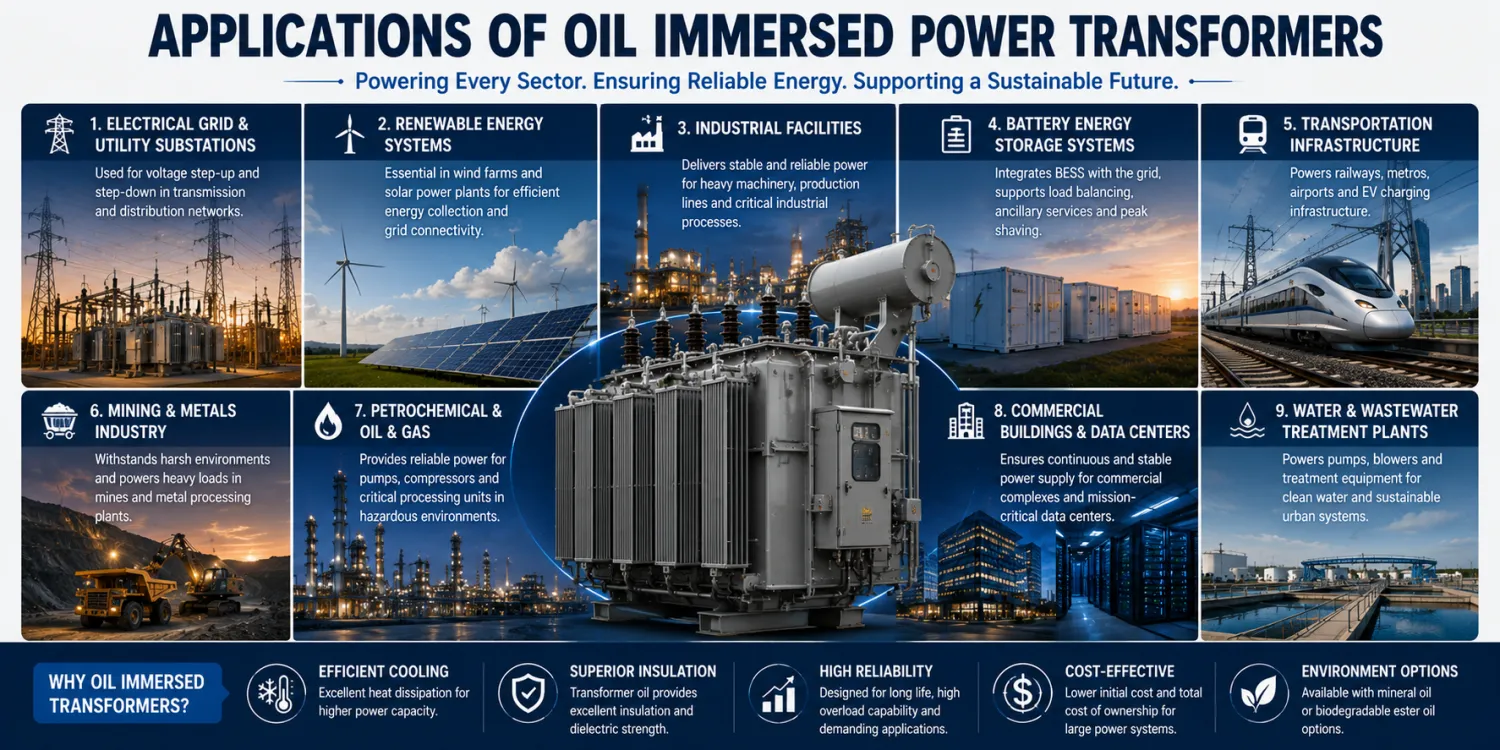
6. Applications of Oil-Immersed Power Transformers
Table: Typical Applications of Oil-Immersed Transformers
|
Industry Sector |
Typical Transformer Capacity |
Main Operational Requirement |
|
Utility Substations |
10MVA – 500MVA |
High voltage transmission |
|
Wind Farms |
2MVA – 100MVA |
Renewable energy integration |
|
Solar Power Plants |
1MVA – 50MVA |
Grid connection |
|
Steel Plants |
5MVA – 200MVA |
Heavy industrial loads |
|
Mining Operations |
2MVA – 80MVA |
Harsh operating conditions |
|
Battery Energy Storage Systems |
1MVA – 100MVA |
Grid stabilization |
Oil-immersed transformers support nearly every sector of modern power infrastructure.
Electrical Grid Infrastructure
Electrical grid systems rely heavily on oil-immersed transformers for:
- Voltage step-up
- Voltage step-down
- Power transmission
- Grid stabilization
Renewable Energy Systems
Wind farms and solar power plants use oil-filled transformers for medium and high voltage interconnection.
Industrial Facilities
Heavy industrial processes require reliable high-power transformer systems.
Applications include:
- Steel plants
- Mining operations
- Petrochemical facilities
- Manufacturing plants
Battery Energy Storage Systems
Battery energy storage systems increasingly integrate oil-immersed transformers to support:
- Grid balancing
- Ancillary services
- Renewable integration
- Peak load management
Emergency Power Infrastructure
Oil-immersed transformers play a critical role during power outages by supporting backup power distribution systems.
7. Challenges and Maintenance Considerations
Although oil-filled transformers provide many advantages, they also require proper maintenance.
Transformer Oil Degradation
Over time, transformer oil may degrade because of:
- Oxidation
- Moisture contamination
- Thermal aging
Regular oil testing is therefore essential.
Fire Safety Risks
Oil-filled systems carry fire risks under fault conditions.
Proper protection systems include:
- Fire barriers
- Pressure relief devices
- Gas monitoring systems
Oil Leakage
Poor sealing may result in transformer oil leakage.
Leak prevention is critical for both environmental and operational safety.
Common Transformer Oil Problems and Preventive Maintenance Solutions
|
Problem |
Main Cause |
Operational Risk |
Recommended Solution |
|
Oil Oxidation |
Long-term thermal exposure |
Reduced insulation performance |
Periodic oil testing |
|
Moisture Contamination |
Poor sealing or aging |
Electrical breakdown risk |
Vacuum dehydration |
|
Sludge Formation |
Oil aging and overheating |
Reduced cooling efficiency |
Oil filtration |
|
Gas Generation |
Internal electrical faults |
Transformer failure |
Dissolved gas analysis (DGA) |
|
Oil Leakage |
Damaged gaskets or seals |
Fire and environmental risk |
Seal inspection and replacement |
|
Excessive Operating Temperature |
Overloading |
Accelerated insulation aging |
Cooling system upgrade |
|
Partial Discharge |
Insulation defects |
High voltage failure |
Online condition monitoring |
|
Carbonization |
Severe overheating |
Catastrophic transformer damage |
Emergency shutdown and inspection |
Monitoring Systems
Modern transformers increasingly use:
- Online thermal monitoring
- Dissolved gas analysis
- Smart diagnostics
Predictive maintenance improves transformer reliability and reduces unexpected failures.
8. Future Trends in Oil Immersed Transformer Technology
Transformer technology continues evolving alongside global electrification trends.
Environmentally Friendly Insulation Fluids
Alternative fluids such as natural ester oils are increasingly replacing traditional mineral oil in environmentally sensitive applications.
Smart Transformers
Digital monitoring systems enable:
- Real-time diagnostics
- AI-based maintenance
- Remote monitoring
Renewable Energy Expansion
Growing renewable energy infrastructure is increasing demand for high-voltage oil-immersed transformers worldwide.
Grid Modernization
Modern electrical grid systems require advanced transformers capable of supporting:
- Distributed energy
- Smart grid operation
- Ancillary services
- Energy storage integration
Conclusion
Oil-immersed transformers remain one of the most important components of global electrical infrastructure. Their superior cooling performance, strong insulation capability, high voltage suitability, and lower cost per capacity make them essential for utility grids, industrial facilities, renewable energy systems, and large-scale power distribution networks.
Although dry-type transformers offer advantages in specific indoor applications, oil-filled transformers continue dominating high-power and high-voltage environments because of their proven reliability and thermal efficiency.
As electrical grids modernize and renewable energy systems expand worldwide, advanced oil-immersed transformer technology will continue playing a critical role in supporting stable, efficient, and resilient power systems.

Related Articles

Related Products
-AL-medium-voltage-power-cable-2.jpg)
RHZ1-2OL(AS)-AL Medium Voltage Power Cable(8.7/15kV, 12/20kV, 18/30kV Specifications)
RHZ1-2OL(AS)-AL are enhanced flame-retardant, low smoke, zero halogen (LSZH) medium voltage cables with aluminum conductors, manufactured under IEC 60502-2 standards. Featuring stranded aluminium conductors, cross-linked polyethylene (XLPE) insulation, metallic screen, and low smoke zero halogen (LSZH) outer sheath with enhanced fire performance (AS designation), it complies with UNE 21123-4 and CPR standards. In fire conditions, it emits very low smoke and no toxic gases. Aluminium construction reduces weight and costs while providing sufficient current capacity. Excellent partial discharge resistance, low dielectric losses, and high thermal stability ensure efficient, long-term operation. Suitable for direct burial, ducts, or indoor use in public areas. The RHZ1-2OL(AS)-AL Medium Voltage Power Cable is ideal for utilities, hospitals, schools, tunnels, and infrastructure projects requiring economical, high-safety medium voltage cabling with superior fire behavior and reliability worldwide.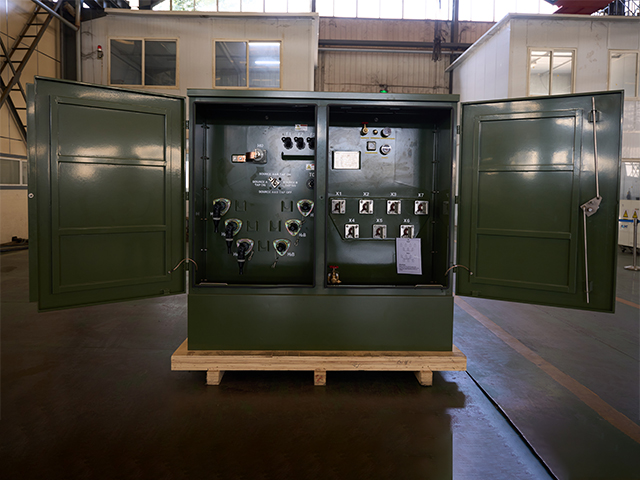
1250kVA Three Phase Pad Mounted Transformer
NPC ELECTRIC's 1250kVA Three Phase Pad Mounted Transformer is a high-performance, oil-immersed distribution transformer engineered for reliable underground power distribution in demanding environments. It delivers exceptional efficiency (up to 99.2% or higher), low no-load and load losses, and a 65°C average winding rise for extended service life exceeding 30-40 years. Key components include high-grade silicon steel core, aluminum or copper windings, 5-position tap changer (±2x2.5%), pressure relief valve, oil level gauge, and tamper-resistant enclosure in Munsell green finish.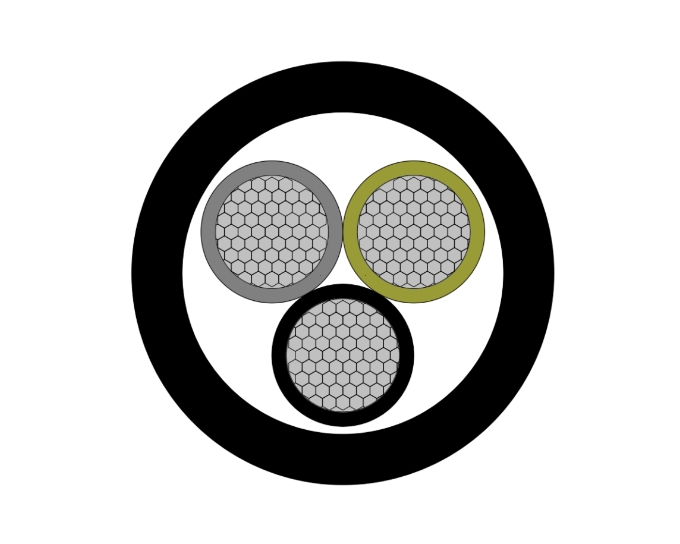
NA2X2Y Cables
NA2X2Y cable is a low-voltage power cable with an aluminum conductor, XLPE (cross-linked polyethylene) insulation, and a PE (polyethylene) outer sheath, designed for fixed installations in power distribution systems. It complies with IEC 60502-1 and is rated for 0.6/1kV. Thanks to its robust PE sheath, NA2X2Y cable provides excellent mechanical protection and high resistance to moisture, UV radiation, and chemicals—making it particularly suitable for outdoor and underground installation in solar photovoltaic (PV) projects. It is commonly used for connecting inverters, combiner boxes, transformers, and the main AC distribution network in solar farms.
FR-N20XA8E-AR 12/20kV Cable Gen to NF C 33-226 - AL/XLPE/MDPE
The NF C 33-226 AL-XLPE-MDPE 12/20(24)kV Cable is a high-quality medium voltage power cable designed for safe and efficient fixed installations. Constructed with a Class 2 stranded aluminum conductor, cross-linked polyethylene (XLPE) insulation, and a medium-density polyethylene (MDPE) outer sheath, it offers outstanding electrical performance, mechanical strength, and long service life. Complying with NF C 33-226, IEC 60502-2, and EN 60228 standards, this cable is ideal for industrial facilities, municipal networks, and commercial power supply systems. It provides superior resistance to water (AD7) and UV radiation (ISO 4892), while being halogen-free (IEC/EN 60754-1) for enhanced environmental and operational safety. With a rated voltage of 12/20 (24)kV and a maximum conductor operating temperature of 90°C, the AL-XLPE-MDPE construction ensures reliable, stable, and efficient power transmission in medium-voltage distribution networks.SHOUOJ-mining-cable-2.webp)
(N)SHOU O/J - 0.6/1kV Mining Cable
The (N)SHOU O/J - 0.6/1kV flexible rubber-insulated cable is engineered according to VDE 0250 standards for reliable power supply in harsh environments such as underground mining, tunneling, and heavy-duty industrial sites. Its robust construction features Class 5 flexible copper conductors, durable rubber insulation, and a heavy-duty rubber outer sheath, delivering excellent mechanical strength, oil resistance, and flame retardancy. Designed for both fixed and flexible installations, the cable operates within a wide temperature range (-40°C to +80°C fixed) and withstands short-circuit temperatures up to +250°C. It is ideal for powering mobile equipment, submersible pumps, and industrial machinery in mining operations, particularly where abrasion resistance and safety are essential.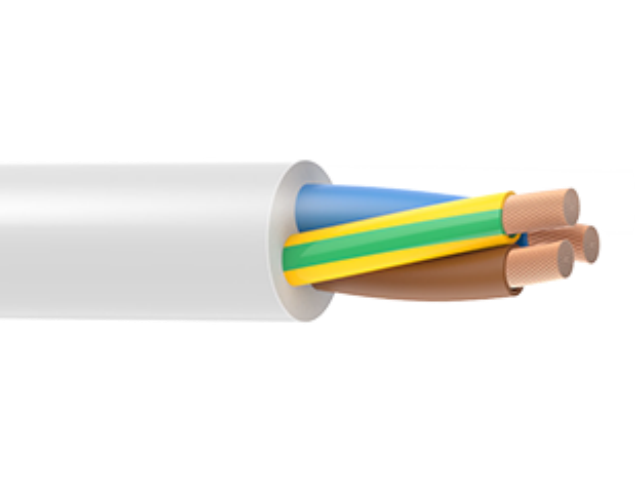
H05VV-F
H05VV-F wires from NPC Electric are flexible PVC insulated and sheathed cables designed for light-duty power connections in household and commercial electrical equipment. Featuring finely stranded copper conductors, these wires provide excellent flexibility, making them easy to install and suitable for applications involving frequent movement. The double PVC insulation structure offers reliable electrical protection, good mechanical strength, and resistance to abrasion, ensuring safe operation under normal indoor conditions. Manufactured in accordance with harmonized standards, NPC Electric H05VV-F wires deliver stable conductivity, consistent insulation thickness, and dependable performance. They are widely used where flexibility, safety, and ease of handling are essential, making them a practical choice for appliances, extension cords, and portable equipment.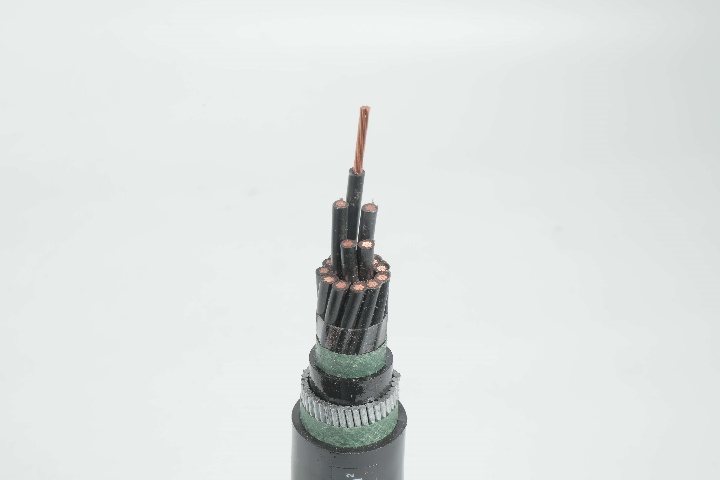
Armoured Copper Control Cable - SWA Steel Wire Braided
The YY Control Cable (YSLY / HSLH) is a highly flexible multi-core control cable designed for industrial automation, machinery, and building management systems. It features finely stranded copper conductors with PVC or halogen-free (LSZH) insulation, twisted cores, and a durable PVC or low-smoke zero-halogen outer sheath. Available in both standard PVC (YSLY) and flame-retardant low-smoke (HSLH) versions, this cable offers excellent flexibility, oil resistance, and reliable signal transmission. Rated 300/500V, it is suitable for indoor and protected outdoor installations. The YY Control Cable (YSLY / HSLH) undergoes strict quality testing from raw materials to finished product, ensuring consistent electrical performance, mechanical strength, and safety compliance with IEC 60227 and related standards.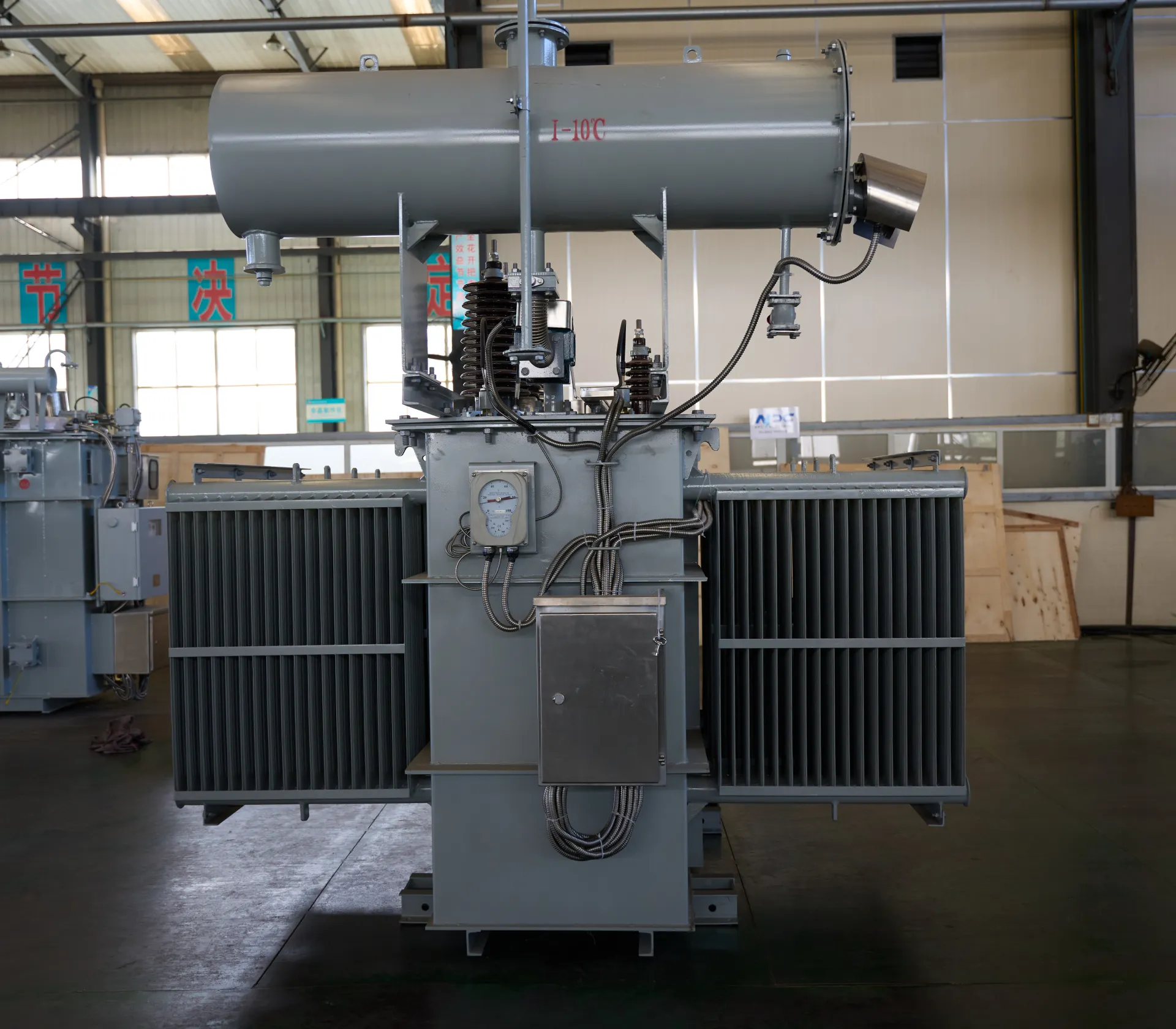
31500kVA 35kV Oil-Immersed Copper Transformer For Substation
The 31500kVA 35kV Oil-Immersed Copper Transformer is engineered for high-capacity, stable, and efficient power distribution across industrial plants, substations, and utility networks. Built with a high-purity copper winding structure, the transformer ensures superior conductivity, reduced losses, and long-term reliability under continuous heavy-load operation. Its oil-immersed insulation system provides excellent thermal performance, enabling stable operation even in demanding outdoor environments. The robust 35kV design enhances voltage regulation, short-circuit resistance, and overall safety. Advanced manufacturing standards, precision coil winding, and strict quality control ensure exceptional dielectric strength and mechanical durability.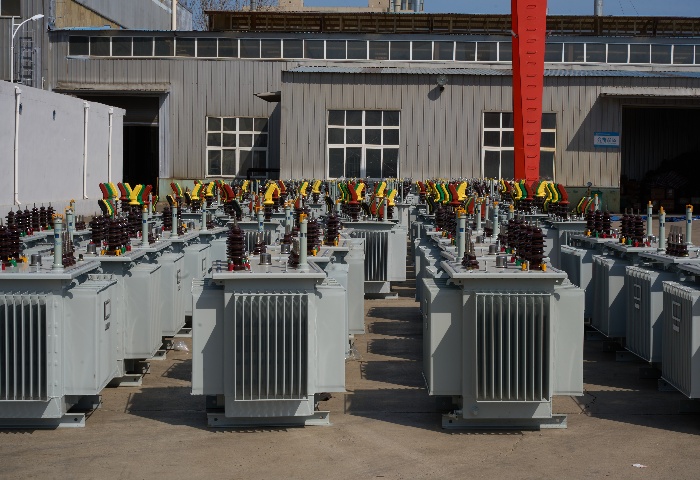
4000kVA Oil Immersed Transformer
4000kVA Oil Immersed Transformer is designed for medium and large-scale power distribution systems that require high reliability, strong overload capacity, and long-term stable operation. The transformer adopts a fully sealed oil-immersed structure, effectively preventing moisture ingress and oil oxidation, thereby extending service life and reducing maintenance frequency. The transformer features excellent thermal performance and robust insulation strength, ensuring stable operation under continuous load or fluctuating grid conditions. Advanced oil circulation and cooling structure enhance heat dissipation, while precise manufacturing processes guarantee low noise and high mechanical strength.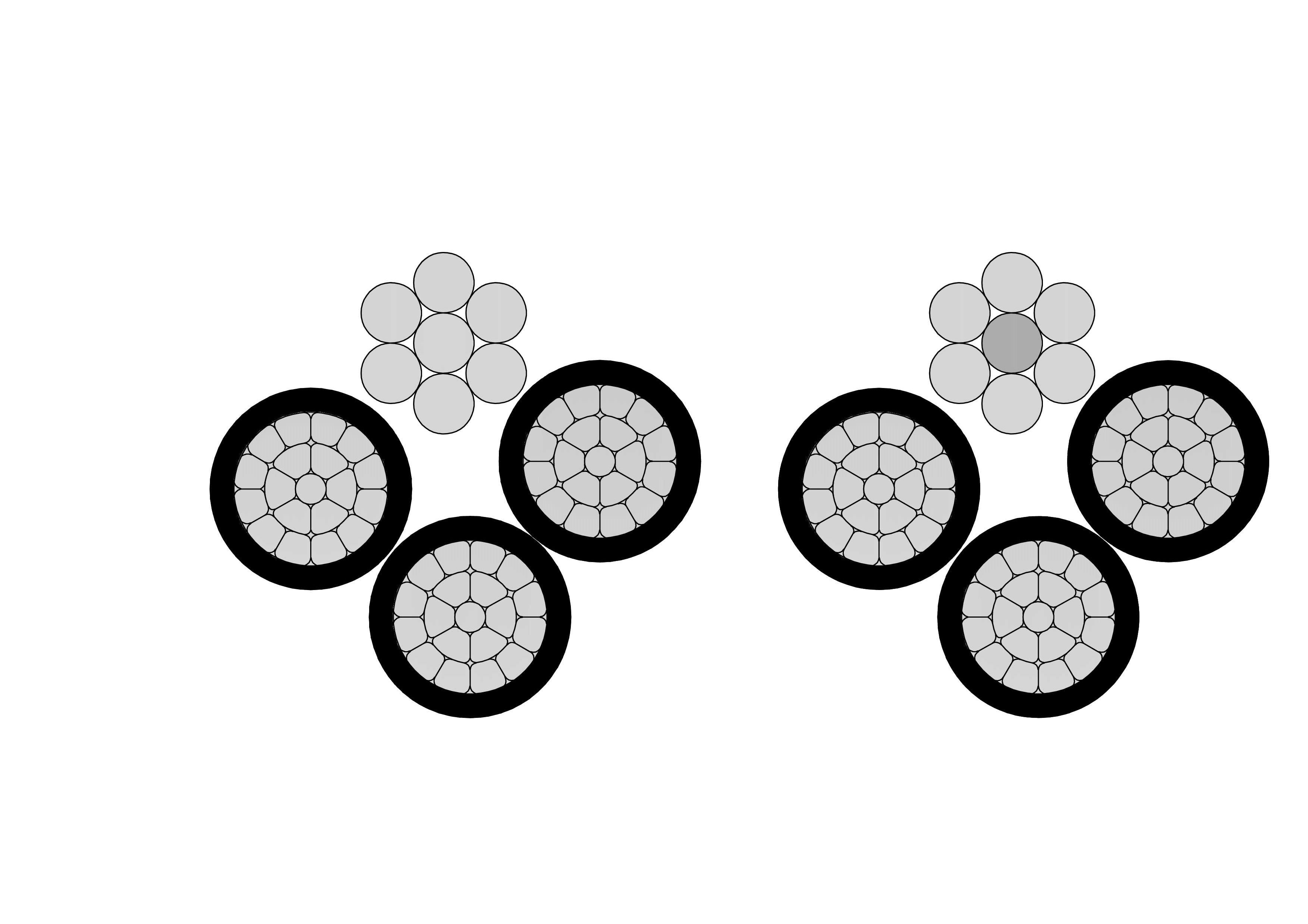
4 Hackney Aluminum Conductor Quadruplex Overhead Service Drop Cable
4 Hackney Quadruplex Service Drop Cable is a robust overhead cable for three-phase secondary power distribution with neutral. Featuring three 4 AWG aluminum phase conductors and one neutral messenger (7-strand) insulated with XLPE or PE and assembled in quadruplex configuration, it offers excellent mechanical strength and weather resistance. Compliant with ASTM B-230, B-231, ICEA S-76-474, and ANSI/ICEA standards, this cable supports 600V applications with superior UV, moisture, and abrasion protection. The self-supporting messenger reduces sag and simplifies installation over medium spans. The 4 Hackney Quadruplex Service Drop Cable ensures low power losses, high current capacity, and long service life in harsh outdoor conditions. Lightweight and flexible, it is widely used for three-phase service drops in residential subdivisions, commercial buildings, and rural areas requiring safe, cost-effective aerial connections from utility poles to service entrances.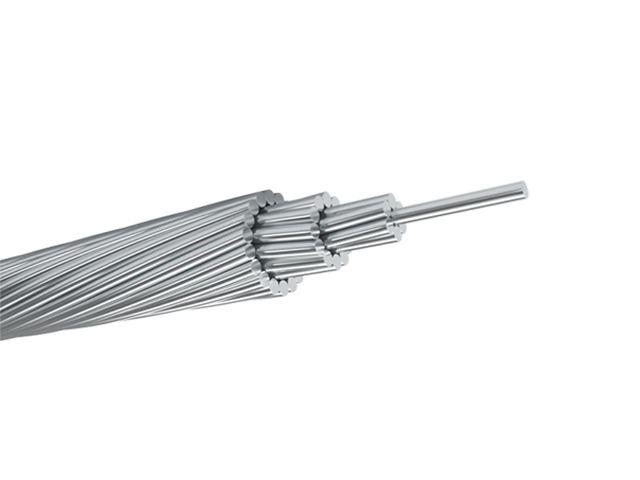
AAAC Panther Conductor Cable
AAAC PANTHER Conductor is a premium-grade All Aluminum Alloy Conductor engineered for reliable performance in overhead distribution and sub-transmission lines. Compliant with ASTM B399, IEC 61089, and BS EN 50182 standards, this conductor is manufactured using high-strength 6201-T81 aluminum alloy, offering excellent conductivity, enhanced tensile strength, and superior corrosion resistance. Compared with traditional AAC conductors, the Panther-size AAAC conductor provides higher tensile strength and reduced sag, making it suitable for longer spans and higher mechanical loading conditions. Its all-aluminum alloy construction eliminates steel reinforcement, effectively preventing galvanic corrosion and improving long-term reliability, especially in coastal, humid, and industrial environments. Produced in accordance with IEC and ASTM standards, the AAAC Panther Conductor Cable ensures uniform strand geometry, stable resistance values, and consistent performance throughout its service life. It is widely selected by utilities seeking lower maintenance costs, improved line efficiency, and enhanced durability for modern overhead power networks.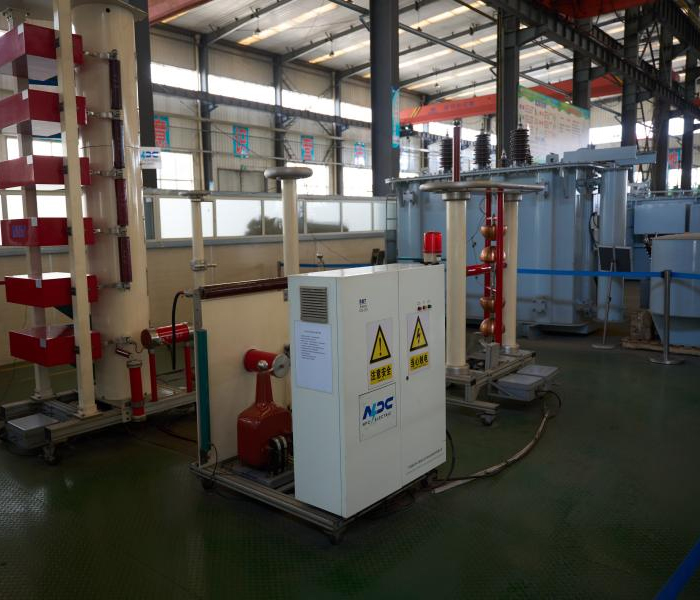
3000kVA Dry Type Transformer
3000kVA Dry Type Transformer is a high-performance, reliable power solution designed to meet the needs of large industrial and commercial facilities. With a 3000kVA capacity, it utilizes advanced dry-type insulation, ensuring exceptional safety, minimal maintenance, and extended durability. Built for demanding environments, this transformer provides stable, efficient, and low-noise operation while minimizing environmental impact. The NPC ELECTRIC 3000kVA Dry Type Transformer is the ideal choice for ensuring reliable and efficient power distribution in large-scale applications. Core features include three-phase design, primary voltages 208V–600V (e.g., 480V Delta, 600V Delta), secondary voltages such as 208Y/120V, 480Y/277V, or custom, aluminum or copper windings, 150°C rise (standard) or 115°C/80°C with 220°C insulation class, ±2×2.5% primary taps, NEMA 1 ventilated enclosure (NEMA 3R/encapsulated options), natural convection cooling (AN), electrostatic shielding, and low sound levels per NEMA.
DARIEN AAAC Conductor Cable
DARIEN AAAC (All Aluminum Alloy Conductor) cables are manufactured in compliance with ASTM B399 and IEC 61089 standards, offering excellent conductivity, high tensile strength, and outstanding corrosion resistance. With 700 mm² nominal area and 61-strand construction, it features heat-treated aluminum-magnesium-silicon alloy (6201-T81) for enhanced strength (295 MPa min) and conductivity (53% IACS min). Meeting ASTM B398, B399, IEC 61089, and BS EN 50182 standards, this cable supports ampacity up to 1100A at 75°C and voltages up to 33kV. The uniform alloy eliminates bimetallic issues, offering superior corrosion resistance in harsh environments compared to ACSR. Low weight reduces sag and installation costs, enabling longer spans. The Darien AAAC Conductor Cable provides minimal electrical losses, high mechanical endurance, and excellent weather tolerance. Flame-retardant options available. Suited for urban grids, renewable connections, and coastal installations, it ensures cost-effective, maintenance-free power delivery in overhead systems globally, outperforming traditional conductors in reliability and lifespan.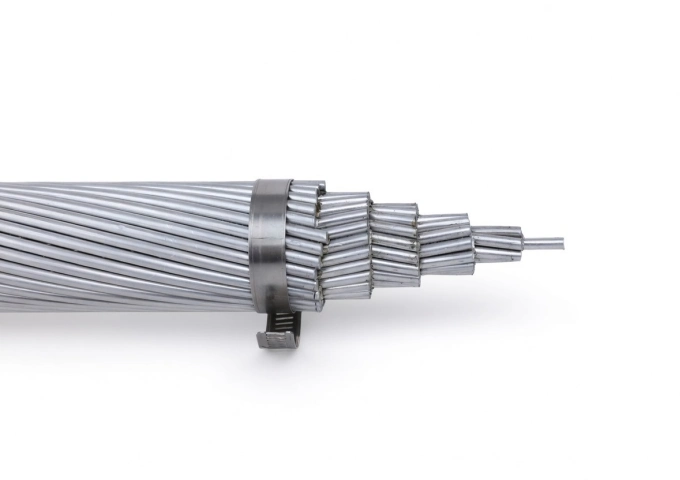
1/0 AWG Poppy AAC Cable
The 1/0 AWG Poppy AAC Cable represents premium All Aluminum Conductor technology for overhead power applications. Manufactured with seven strands of high-conductivity 1350-H19 aluminum, this bare conductor delivers an optimal balance of electrical efficiency and mechanical performance. Its 0.368-inch diameter and 1,990 lbs breaking strength support reliable operation with 247 amps capacity and minimal sag. Weighing just 99.1 lbs per 1000 ft, the Poppy AAC reduces structural loading and installation expenses while providing excellent corrosion resistance for extended outdoor service. Compliant with ASTM B-230 and B-231, the 1/0 AWG Poppy AAC Cable offers low DC resistance of 0.164 ohms/1000 ft at 20°C. It undergoes stringent quality testing from raw materials through finished product, making it an ideal choice for new builds and upgrades in transmission and distribution systems requiring dependable, lightweight bare conductors.
10kV Cast Resin Dry Type Transformer Copper Winding
The 10kV Cast Resin Dry Type Transformer Copper Winding, a high-reliability, oil-free power solution engineered for safe and efficient indoor medium-voltage distribution. This three-phase dry-type transformer features fully vacuum-cast epoxy resin encapsulation around high-purity copper windings, combined with premium low-loss grain-oriented silicon steel cores to deliver exceptional energy efficiency (typically 98%+), significantly reduced no-load and load losses, and outstanding partial discharge performance (<10pC). The cast resin design ensures superior moisture resistance, self-extinguishing fire safety (F1 class), robust short-circuit withstand, and maintenance-free operation. Natural air (AN) cooling with optional forced air (AF) upgrades supports high overload capacity while maintaining low acoustic emissions through advanced vibration isolation and optimized core/winding geometry. Compliant with IEC 60076-11 and equivalent standards, this transformer steps down 10kV primary (with ±2×2.5% or wider off-circuit taps) to 0.4kV secondary (Dyn11 vector group standard), making it the ideal choice for modern commercial, industrial, and utility indoor installations prioritizing safety, sustainability, and long-term performance.Welcome your inquiry
Honesty, Integrity, Frugality, Activeness and Passion