
Flexible Coaxial Cable and FFC Flexible Flat Cable: Complete Comparison and Selection Guide
2026-08-27
Modern electronic systems continue to become smaller, faster, and more integrated. Whether designing consumer electronics, industrial automation systems, medical devices, telecommunications equipment, automotive electronics, or aerospace systems, engineers face a common challenge: selecting the right cable technology to ensure reliable signal transmission while meeting mechanical and space constraints.
Two widely used interconnection solutions are Flexible Coaxial Cable and FFC Flexible Flat Cable (Flexible Flat Cable FFC). Although both are designed for flexible installations, they serve fundamentally different purposes. Flexible coaxial cables excel in high-frequency signal transmission and electromagnetic interference protection, while FFC cables are optimized for compact internal connections and mass-produced electronic assemblies.
Understanding the differences between these technologies is critical for engineers, procurement specialists, OEM manufacturers, and cable assembly suppliers. This guide provides a practical comparison based on real-world engineering requirements, helping buyers and designers make informed decisions.
1. Understanding Flexible Coaxial Cable
A Flexible Coaxial Cable is a specialized transmission cable designed to carry high-frequency electrical signals while maintaining signal integrity and minimizing electromagnetic interference (EMI).
The cable typically consists of four concentric layers:
- Center conductor
- Dielectric insulation
- Metallic shielding layer
- Outer protective jacket
This coaxial structure creates a controlled impedance pathway that allows RF and microwave signals to travel efficiently over long distances.
Key Characteristics
Flexible coaxial cables offer several advantages:
- Excellent EMI shielding
- Stable impedance control
- Low signal attenuation
- High-frequency capability
- Mechanical flexibility
These properties make them essential in industries where signal quality directly affects system performance.
Typical Technical Specifications of Flexible Coaxial Cable
|
Parameter |
Typical Range |
|
Impedance |
50Ω / 75Ω |
|
Frequency Range |
DC – 40 GHz+ |
|
Capacitance |
29–100 pF/m |
|
Velocity of Propagation |
66%–88% |
|
Shielding Effectiveness |
>90 dB |
|
Attenuation @ 1GHz |
0.2–1.5 dB/m |
|
Operating Voltage |
Up to 5 kV |
|
Conductor Material |
Bare Copper / Silver-Plated Copper |
|
Dielectric Material |
PTFE / FEP / PE |
|
Jacket Material |
PVC / LSZH / FEP |
|
Minimum Bend Radius |
5–15 × Cable Diameter |
|
Operating Temperature |
-55°C to +200°C |
Engineering Insight
This specification table helps engineers evaluate signal integrity, attenuation, impedance stability, and environmental suitability when selecting a Flexible Coaxial Cable for RF and high-frequency applications.
Typical Applications
Common applications include:
- Telecommunications infrastructure
- Cellular base stations
- Satellite communication systems
- Aerospace electronics
- Medical imaging equipment
- Test and measurement instruments
- Wireless networking equipment
In many RF systems, a poorly selected coaxial flexible cable solution can significantly degrade signal performance regardless of the quality of other components.
2. Understanding FFC Flexible Flat Cable
An FFC cable (Flexible Flat Cable) is a flat, lightweight cable consisting of multiple parallel conductors laminated between thin insulating films.
Unlike coaxial cables, FFC cables are optimized for compact electronic interconnections rather than high-frequency transmission.
The conductors are typically arranged in a straight parallel configuration, allowing the cable to bend easily while occupying minimal space.
Construction of FFC Flat Cables
A standard FFC Flexible Flat Cable contains:
- Tin-plated copper conductors
- Polyester or polyimide insulation film
- Reinforcement tabs
- Connector termination areas
The most common pitch sizes include:
- 0.5 mm
- 1.0 mm
- 1.25 mm
The popular FFC flexible flat cable 1mm remains one of the most widely used formats in industrial electronics.
Common Specifications of FFC Flexible Flat Cable
|
Parameter |
Typical Values |
|
Conductor Material |
Tin-Plated Copper |
|
Insulation Material |
PET / Polyimide |
|
Pitch Options |
0.5mm, 1.0mm, 1.25mm, 2.54mm |
|
Number of Conductors |
4–100 Pins |
|
Cable Thickness |
0.10–0.35 mm |
|
Voltage Rating |
30V–300V |
|
Current Rating |
0.5A–3A per Contact |
|
Operating Temperature |
-40°C to +105°C |
|
Bend Life |
Up to 1 Million Cycles |
|
Connector Type |
ZIF / LIF Connectors |
|
Typical Length |
50mm–1000mm |
|
Flame Rating |
UL VW-1 |
Engineering Insight
The table highlights why FFC cables dominate applications requiring compact routing, lightweight structures, and low-cost internal connections.
Common Applications
FFC cables are frequently found in:
- LCD displays
- Printers
- Scanners
- Laptops
- Consumer electronics
- Automotive displays
- Industrial control panels
- Power supplies
- Board-to-board interconnections
Their low profile and flexibility make them ideal for modern compact devices.
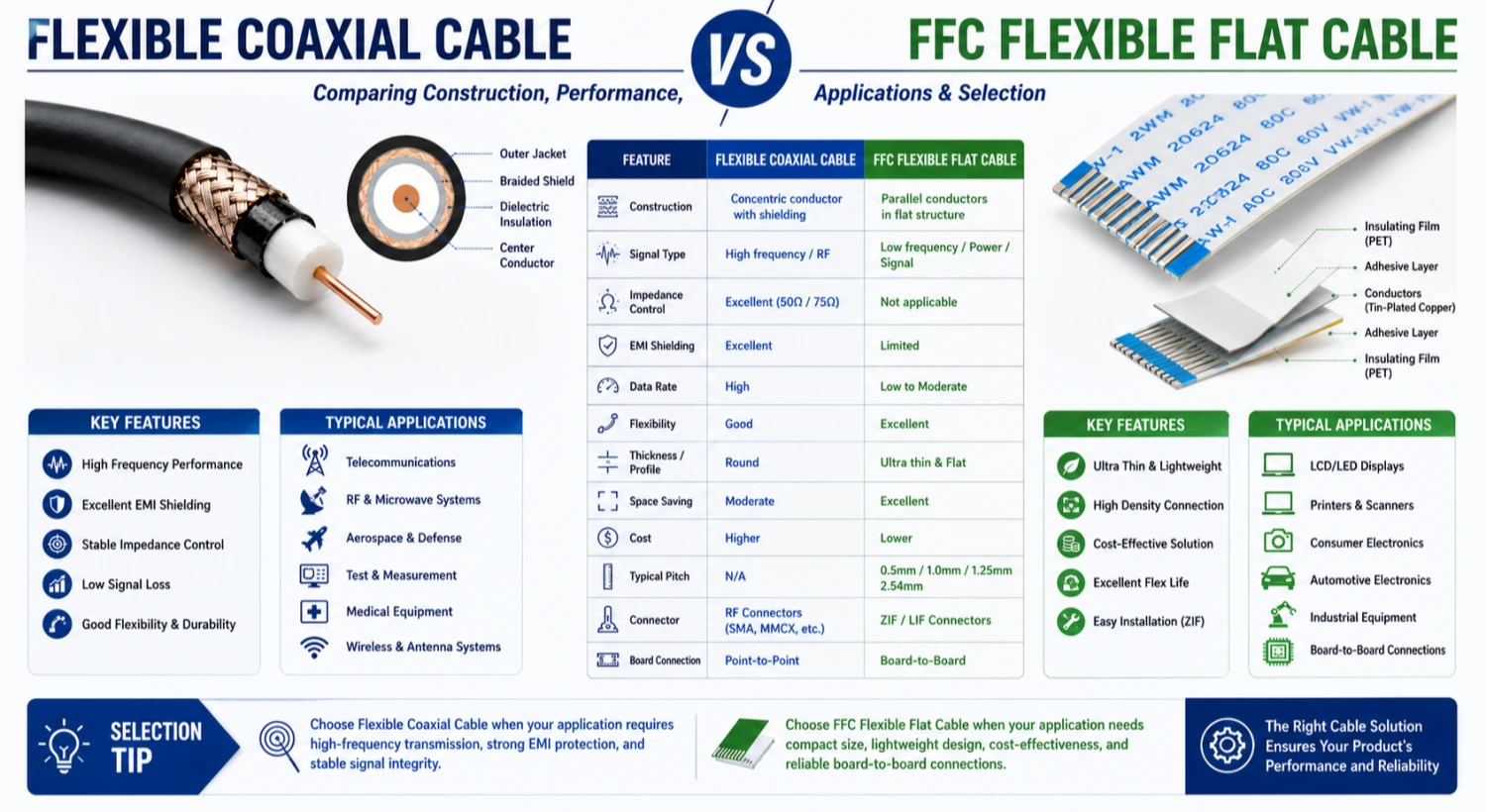
3. Flexible Coaxial Cable vs FFC Cable: Structural Comparison
Understanding structural differences helps engineers select the most appropriate solution.
Construction Comparison
|
Feature |
Flexible Coaxial Cable |
FFC Flexible Flat Cable |
|
Conductor Structure |
Central conductor |
Parallel conductors |
|
Shielding |
Full 360° shield |
Typically unshielded |
|
Cable Shape |
Round |
Flat |
|
Frequency Capability |
Very high |
Low to moderate |
|
EMI Resistance |
Excellent |
Limited |
|
Space Efficiency |
Moderate |
Excellent |
|
Cost |
Higher |
Lower |
The design philosophy behind each cable is fundamentally different.
Coaxial cables prioritize signal quality, while FFC cables prioritize compactness and manufacturing efficiency.
Mechanical Flexibility
Although both cable types are flexible, their bending characteristics differ.
FFC cables are designed for repeated folding and tight-space routing.
Flexible coaxial cables maintain performance under movement but generally require larger bend radii.
4. FFC vs FPC Cable: Understanding the Difference
One of the most common sources of confusion is the comparison between FFC and FPC technologies.
Many engineers mistakenly use the terms interchangeably.
What Is an FPC Cable?
An FPC cable refers to a Flexible Printed Circuit.
Instead of using laminated conductors like FFC cables, FPCs use etched copper traces on flexible polyimide substrates.
FFC vs FPC Cable Comparison
|
Parameter |
FFC Cable |
FPC Cable |
|
Manufacturing Method |
Laminated conductors |
Printed copper circuits |
|
Design Complexity |
Simple |
Complex |
|
Customization |
Limited |
High |
|
Cost |
Lower |
Higher |
|
Circuit Density |
Moderate |
High |
|
Weight |
Low |
Very Low |
|
Integration Capability |
Moderate |
Excellent |
When to Use FPC
FPC solutions are preferred when:
- Space is extremely limited
- Complex routing is required
- High component integration is needed
- Weight reduction is critical
FFC cables remain the preferred solution for many standard interconnect applications due to lower cost and simpler installation.
5. Electrical Performance and Signal Integrity
Electrical performance is often the deciding factor when selecting cable technologies.
Flexible Coaxial Cable Performance
Coaxial cables are specifically designed for:
- RF transmission
- Microwave signals
- Broadband communication
- High-speed data
Typical advantages include:
- Controlled impedance
- Low return loss
- Excellent shielding effectiveness
- Minimal crosstalk
These characteristics are essential in communication systems where signal integrity cannot be compromised.
FFC Cable Performance
FFC cables perform well in:
- Low-voltage circuits
- Internal device interconnections
- Display interfaces
- Control signal transmission
However, FFC cables generally have:
- Lower EMI protection
- Higher susceptibility to noise
- Shorter recommended transmission distances
Therefore, they are not typically suitable for high-frequency RF applications.
6. Connectors, Assembly Methods, and Integration
Cable selection extends beyond the cable itself.
Connector compatibility significantly impacts system reliability.
ZIF Connectors
Many FFC cable systems utilize ZIF connectors (Zero Insertion Force).
Benefits include:
- Quick installation
- Reduced connector wear
- Reliable electrical contact
- Easy maintenance
ZIF connectors are commonly found in:
- LCD modules
- Printers
- Medical devices
- Embedded systems
Cable Assemblies
Modern equipment increasingly relies on customized cable assemblies.
Typical assembly options include:
- Crimped terminations
- Connectorized assemblies
- Shielded assemblies
- Overmolded solutions
For coaxial cable systems, assembly quality directly influences insertion loss and long-term reliability.
Board to Board Connectivity
Both technologies support board-to-board interconnections, but their use cases differ.
FFC cables are preferred for compact internal board connections.
Flexible coaxial cables are preferred when signal performance takes priority over space savings.
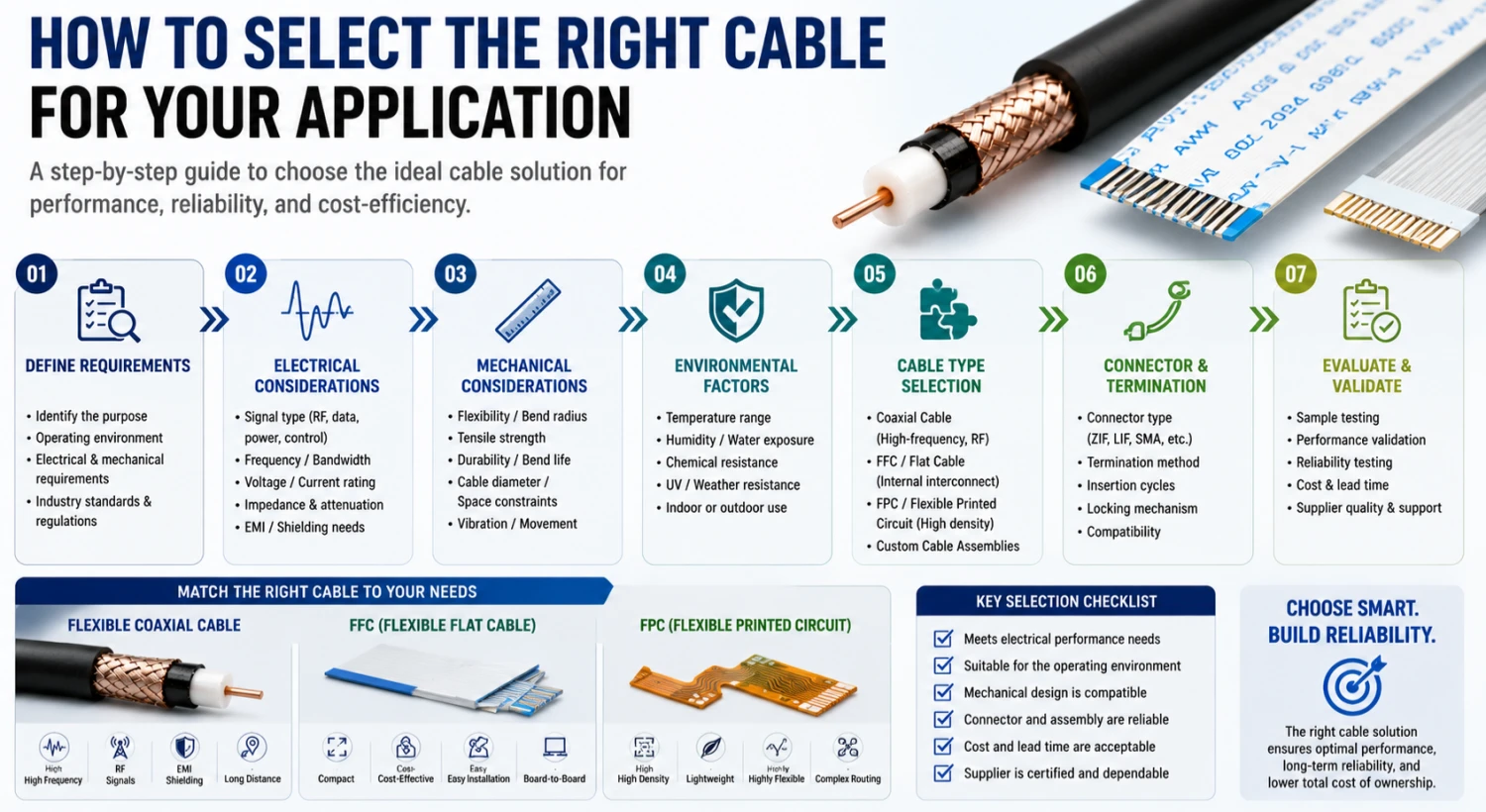
7. How to Select the Right Cable for Your Application
Successful cable selection begins with understanding the operating environment.
Choose Flexible Coaxial Cable When:
Your application requires:
- High-frequency transmission
- RF communication
- EMI shielding
- Long-distance signal transfer
- Precision instrumentation
Examples include:
- Cellular infrastructure
- Aerospace systems
- Radar equipment
- Medical imaging devices
Choose FFC Flexible Flat Cable When:
Your application requires:
- Compact design
- Lightweight construction
- Cost efficiency
- Internal device interconnections
- Flexible routing
Examples include:
- Consumer electronics
- Printers
- Displays
- Industrial controls
- Power supplies
Engineering Selection Matrix
|
Selection Criteria |
Flexible Coaxial Cable |
FFC Flexible Flat Cable |
|
RF Signal Transmission |
★★★★★ |
★ |
|
High-Speed Data |
★★★★★ |
★★ |
|
EMI Resistance |
★★★★★ |
★★ |
|
Compact Installation |
★★ |
★★★★★ |
|
Lightweight Design |
★★★ |
★★★★★ |
|
Repeated Flexing |
★★★★ |
★★★★★ |
|
Cost Efficiency |
★★ |
★★★★★ |
|
Long-Distance Transmission |
★★★★★ |
★ |
|
Board-to-Board Connection |
★★ |
★★★★★ |
|
Cable Assembly Customization |
★★★★★ |
★★★ |
|
Ease of Mass Production |
★★★ |
★★★★★ |
|
Consumer Electronics |
★★ |
★★★★★ |
|
Telecommunications Equipment |
★★★★★ |
★ |
|
Medical Devices |
★★★★★ |
★★★★ |
|
Industrial Automation |
★★★★★ |
★★★★ |
Engineering Insight
This matrix provides a practical decision-making tool for:
- Design Engineers
- Procurement Managers
- Cable Assemblies Manufacturers
- OEM Product Developers
allowing them to quickly determine whether a Flexible Coaxial Cable or an FFC Flexible Flat Cable is the more appropriate solution.
Selection Checklist
Evaluate:
- Signal frequency
- Voltage level
- Current carrying requirements
- Mechanical movement
- Environmental exposure
- EMI conditions
- Connector compatibility
- Assembly requirements
- Total system cost
Selecting the wrong cable often leads to increased maintenance costs and reduced product reliability.
8. Market Trends and Future Developments
The global electronics industry continues to drive innovation in cable technologies.
Growing Demand for Miniaturization
Manufacturers increasingly require:
- Smaller interconnect systems
- Higher density assemblies
- Improved flexibility
- Lower weight solutions
This trend is accelerating adoption of advanced FFC and FPC technologies.
Expansion of High-Speed Communications
5G networks, satellite communications, and data centers continue to increase demand for high-performance Flexible Coaxial Cable solutions.
Improved shielding materials and low-loss dielectric technologies are helping manufacturers achieve better signal performance.
Smart Manufacturing Integration
Leading flat flexible cable manufacturers and flexible flat cable suppliers are incorporating:
- Automated production lines
- Precision inspection systems
- Advanced material technologies
These innovations improve quality consistency while reducing manufacturing costs.
Sustainability Considerations
Environmental regulations increasingly encourage:
- Halogen-free materials
- RoHS compliance
- Recyclable insulation systems
- Reduced material consumption
Future cable technologies will likely focus on both performance improvements and environmental responsibility.
Frequently Asked Questions (FAQ)
1. What is the difference between Flexible Coaxial Cable and FFC Flexible Flat Cable?
The primary difference lies in their intended applications and construction. Flexible Coaxial Cable is designed for high-frequency signal transmission, offering controlled impedance, excellent EMI shielding, and low signal loss. FFC Flexible Flat Cable, on the other hand, is optimized for compact internal connections in electronic devices, providing a lightweight, flexible, and cost-effective solution for board-to-board and display interconnections.
2. When should I choose an FFC cable instead of an FPC cable?
An FFC cable is typically the better choice when standard conductor layouts, lower manufacturing costs, and faster production are priorities. An FPC cable (Flexible Printed Circuit) is more suitable for complex routing, high-density circuit designs, and applications requiring integrated electronic functionality. For most consumer electronics and industrial equipment, FFC cables provide an excellent balance between performance and cost.
3. Are FFC Flat Cables suitable for high-speed data transmission?
FFC Flat Cables can support moderate-speed data transmission over short distances, especially in internal device connections. However, they generally lack the shielding and impedance control required for high-frequency RF or long-distance high-speed applications. For critical signal integrity requirements, Flexible Coaxial Cable is usually the preferred solution.
4. What connector types are commonly used with FFC cables?
Most FFC cables are terminated using ZIF (Zero Insertion Force) connectors or LIF (Low Insertion Force) connectors. ZIF connectors are particularly popular because they simplify installation, reduce wear during repeated insertions, and provide reliable electrical contact in applications such as displays, printers, industrial controls, and medical devices.
5. How do I select a reliable flexible flat cable supplier or cable assembly manufacturer?
When evaluating flexible flat cable suppliers or cable assembly manufacturers, consider factors such as manufacturing experience, quality certifications (ISO 9001, UL, RoHS), engineering support, customization capabilities, testing procedures, production capacity, and global export experience. A reliable supplier should also offer technical guidance for connector selection, cable assemblies, and application-specific design requirements.
Conclusion
Both Flexible Coaxial Cable and FFC Flexible Flat Cable play critical roles in modern electronic systems, but they solve different engineering challenges.
Flexible coaxial cables provide exceptional signal integrity, EMI protection, and high-frequency performance, making them indispensable for telecommunications, aerospace, and RF applications. In contrast, FFC Flat Cables offer compact, lightweight, and cost-effective solutions for internal electronic interconnections, displays, power supplies, and board-to-board applications.
For engineers, OEM manufacturers, and procurement teams, the key to successful cable selection lies in understanding the specific electrical, mechanical, and environmental requirements of the application. By carefully evaluating performance needs, connector systems, installation conditions, and long-term reliability goals, organizations can select the most effective cable technology and achieve optimal system performance while controlling lifecycle costs.

Related Articles

Related Products
NA2X2Y Cables
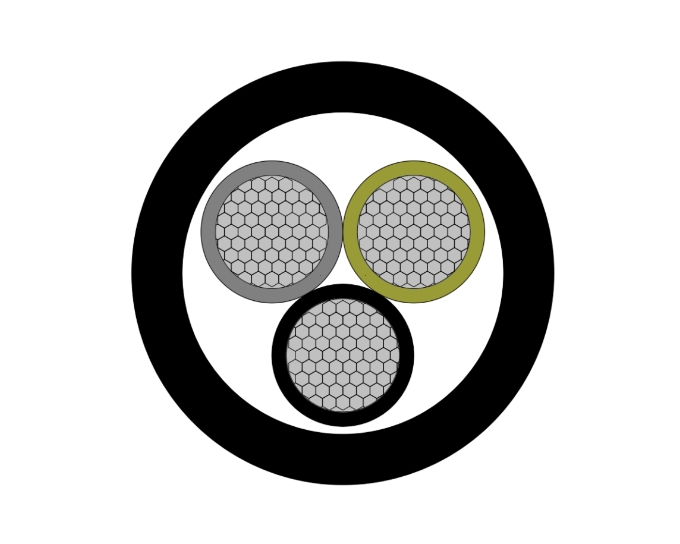
NA2X2Y cable is a low-voltage power cable with an aluminum conductor, XLPE (cross-linked polyethylene) insulation, and a PE (polyethylene) outer sheath, designed for fixed installations in power distribution systems. It complies with IEC 60502-1 and is rated for 0.6/1kV. Thanks to its robust PE sheath, NA2X2Y cable provides excellent mechanical protection and high resistance to moisture, UV radiation, and chemicals—making it particularly suitable for outdoor and underground installation in solar photovoltaic (PV) projects. It is commonly used for connecting inverters, combiner boxes, transformers, and the main AC distribution network in solar farms.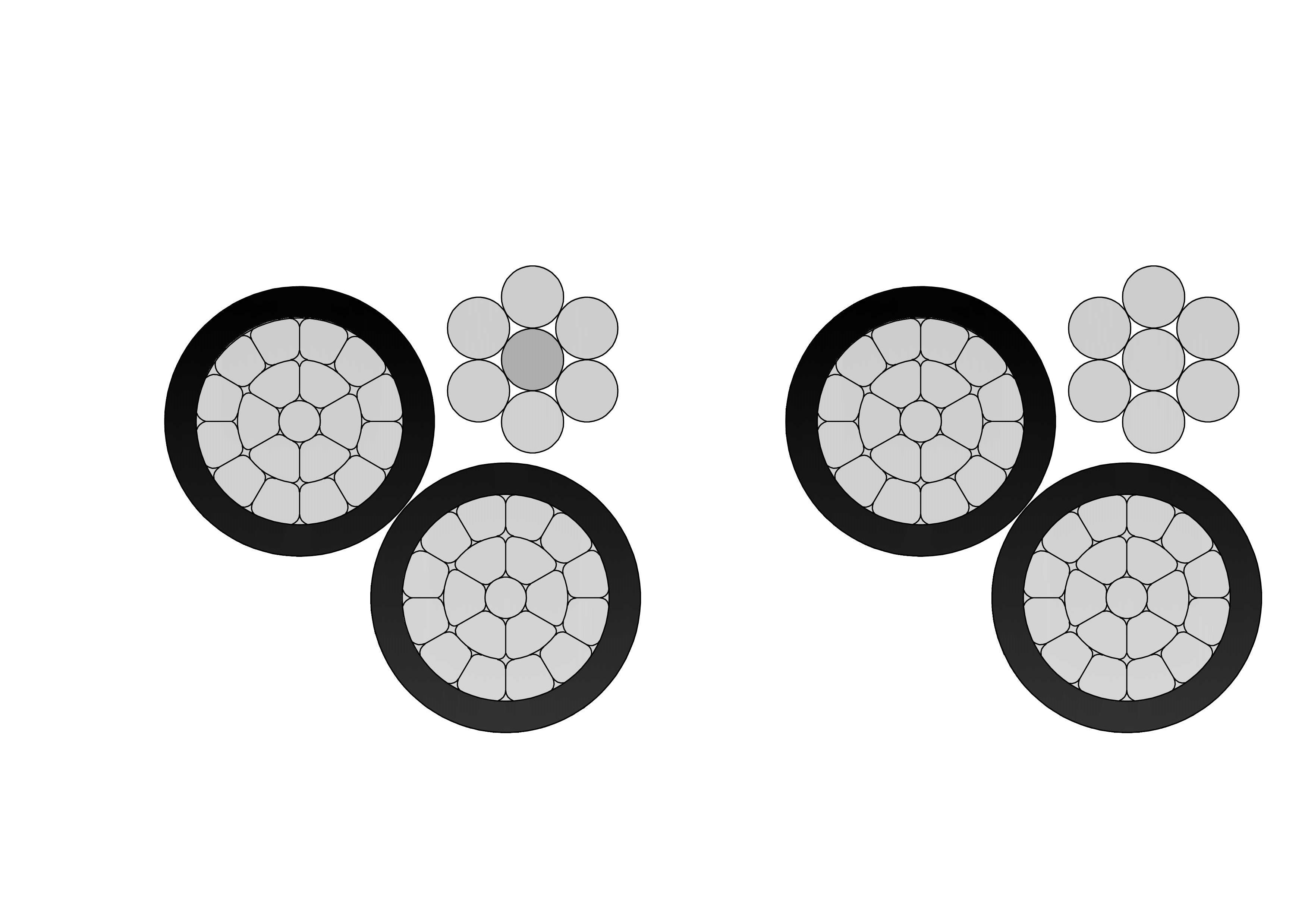
4 Artemia Aluminum Conductor Triplex Overhead Service Drop Cable
The 4 Artemia Aluminum Conductor Triplex Overhead Service Drop Cable is engineered for superior performance in overhead power distribution systems. Featuring three aluminum conductors with a neutral messenger, this cable ensures efficient electricity transmission for residential, commercial, and light industrial applications. Its robust construction includes high-grade aluminum alloy for enhanced conductivity and corrosion resistance, wrapped in weatherproof insulation to withstand harsh environmental conditions like UV exposure, rain, and wind. With a 4 AWG size, it supports voltages up to 600V and offers low impedance for minimal power loss. Easy to install with standard overhead fittings, it complies with ASTM, ANSI, and ICEA standards for safety and reliability. This triplex design reduces sagging and improves longevity, making it a cost-effective choice for utility companies and contractors. Whether upgrading existing lines or new installations, the 4 Artemia delivers dependable service with minimal maintenance. Invest in quality that powers your world efficiently.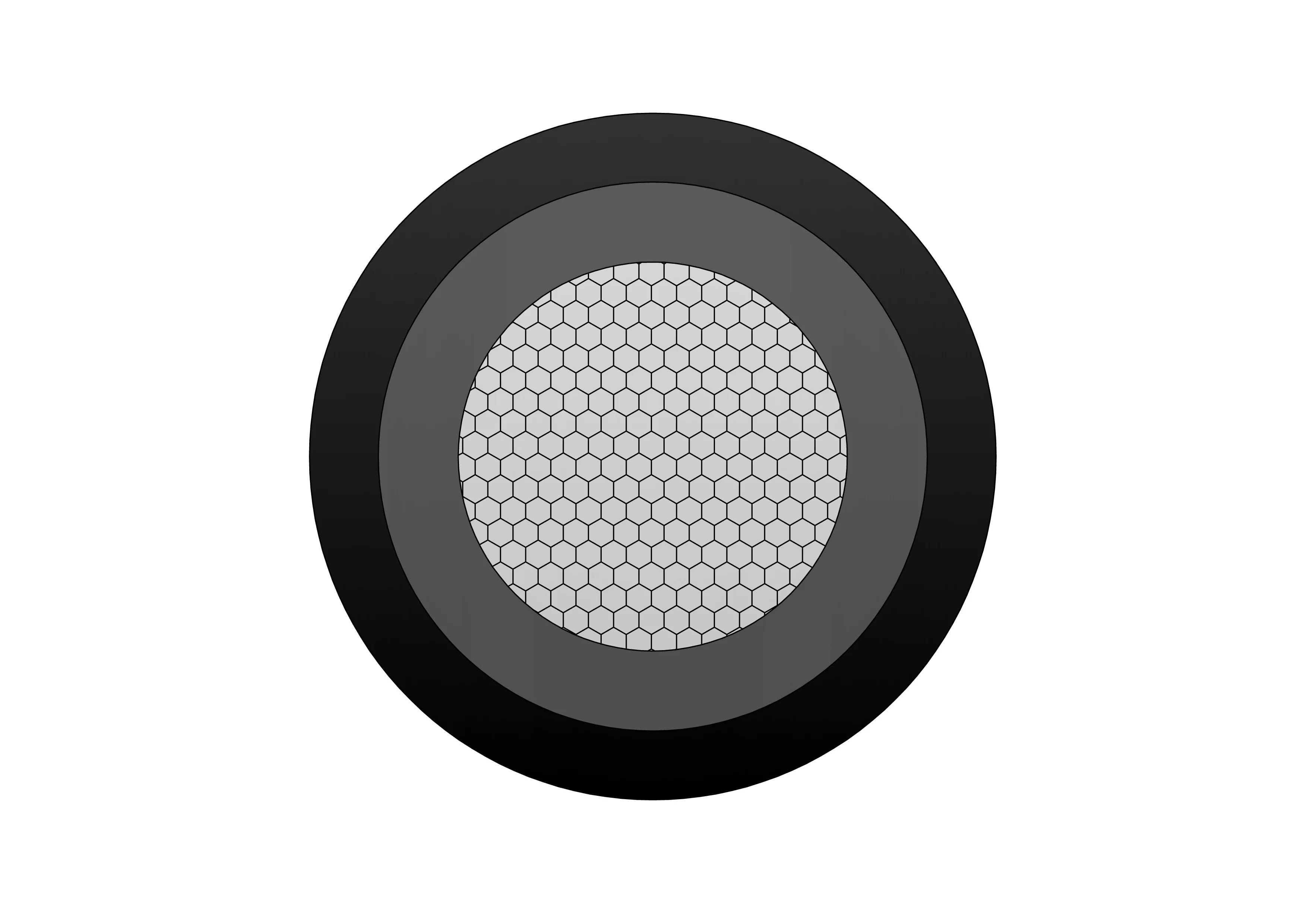
NSGAFÖU 1.8/3kV Rubber Cable
NSGAFÖU 1.8/3kV Rubber Cable is a robust, single-core flexible power cable engineered for extreme mechanical and environmental stresses in mining, tunneling, cranes, and mobile machinery. It features finely stranded tinned copper conductors (class 5) for superior flexibility and corrosion resistance, EPR (ethylene propylene rubber) insulation for excellent dielectric strength and 90°C continuous rating (250°C short-circuit), and a tough CPE (chlorinated polyethylene) or neoprene outer sheath providing outstanding oil resistance, flame retardancy (IEC 60332-1), abrasion/tear resistance, and weatherproofing. Compliant with DIN VDE 0250-813 / HD 22.16 S2 standards, it offers high mechanical strength, tight bending radii, and reliable performance in wet, oily, or abrasive conditions. The NSGAFÖU 1.8/3kV is ideal for trailing cables, reeling systems, and power connections where flexibility, durability, and safety are essential.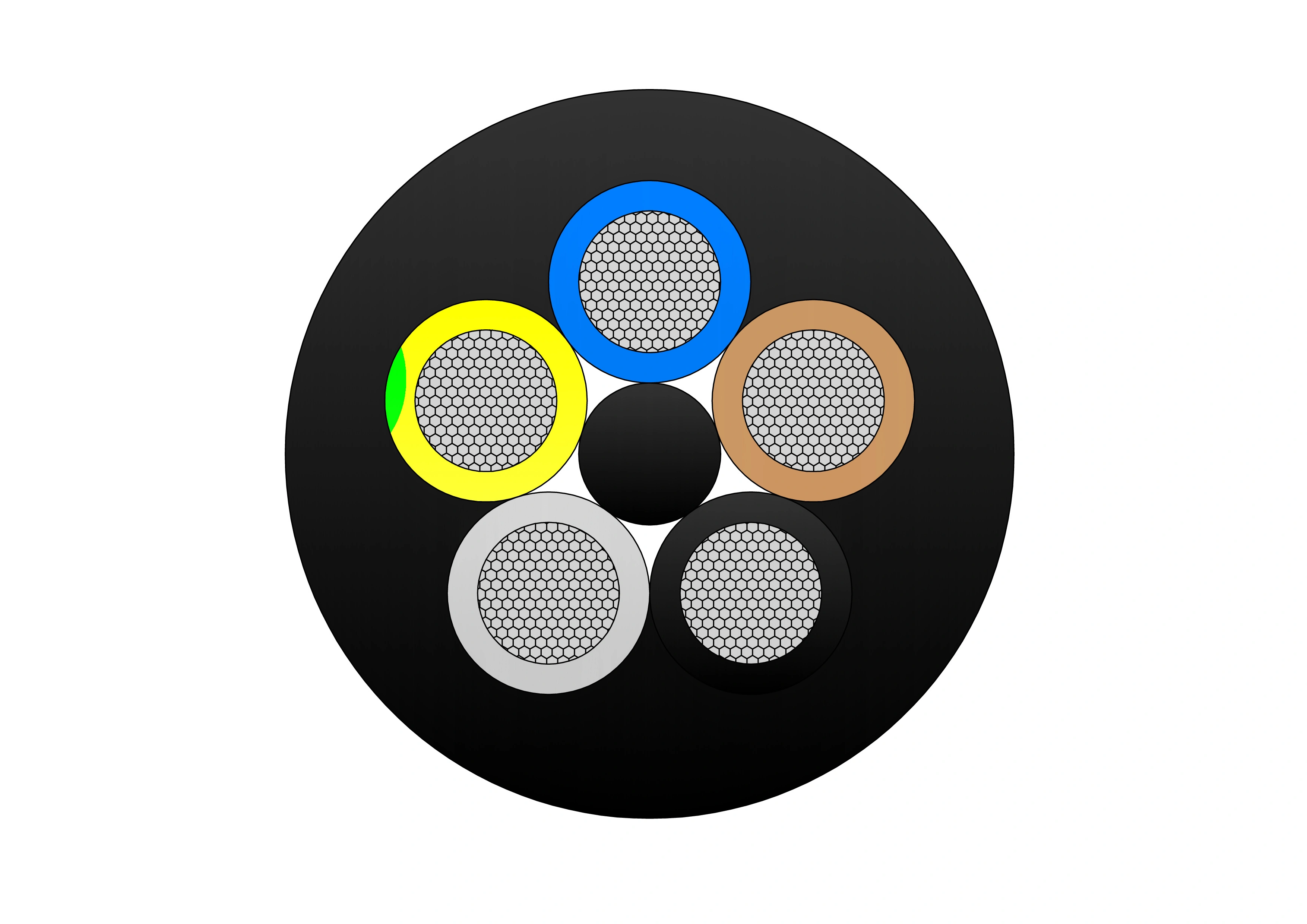
Type 275 Flexible Overall Semi-conductive Rubber Screened Mining Cable
The Type 275 Flexible Overall Semi-conductive Rubber Screened Mining Cable is a 1.1kV, medium-voltage cable designed for coal mining and heavy-duty industrial applications. It features tinned annealed copper conductors, EPR insulation, and a semi-conductive thermosetting compound screen for enhanced electrical performance. The cable is reinforced with polyamide yarn braid and protected by a heavy-duty CSP sheath, offering oil resistance, flame retardancy, and mechanical durability. Its robust construction ensures reliable power delivery to shuttle cars, electric pumps, and other mining equipment. Compliant with AS/NZS 2802 and stringent mining standards, it supports very high tensile loads, frequent flexing, tight bending radii, and reliable operation in wet, dusty, and hazardous mine environments.
NS75/NS90 Triplex Unjacketed Overhead Neutral Supported Cable
The NS75/NS90 Triplex Unjacketed Overhead Neutral Supported Cable provides efficient overhead power delivery for Canadian utilities. It consists of two compact 1350-H19 aluminum phase conductors insulated in black sunlight-resistant PE (NS75, 75°C) or XLPE (NS90, 90°C), twisted around a bare ACSR full neutral messenger for structural support and reduced sag. Rated 600V, with NS90 offering higher ampacity due to 90°C rating, it meets CSA C22.2 No. 129 and supports single-phase service drops or secondary distribution. The unjacketed triplex design is lightweight, easy to install, and resistant to weathering, abrasion, and chemicals. Compliant with relevant standards, the NS75/NS90 Triplex ensures cost-effective, durable performance in pole-to-building or pole-to-pole aerial setups.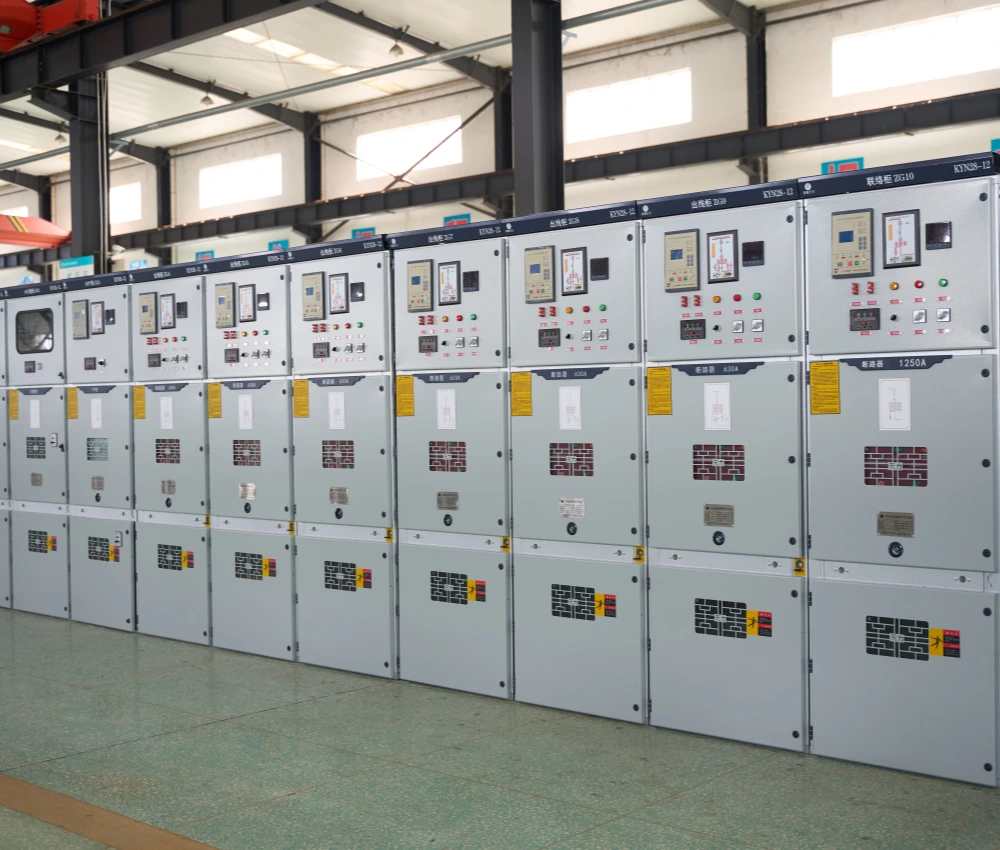
High Voltage Switchgear
NPC Electric high voltage switchgear delivers exceptional reliability and safety for modern electrical networks. Built with cutting-edge insulation technology and intelligent monitoring systems, this HV switchgear ensures seamless power distribution while protecting critical infrastructure from faults and overloads. Ideal for utilities, industrial plants, and renewable energy projects, it combines compact design with robust construction to minimize downtime and maximize operational efficiency in demanding environments.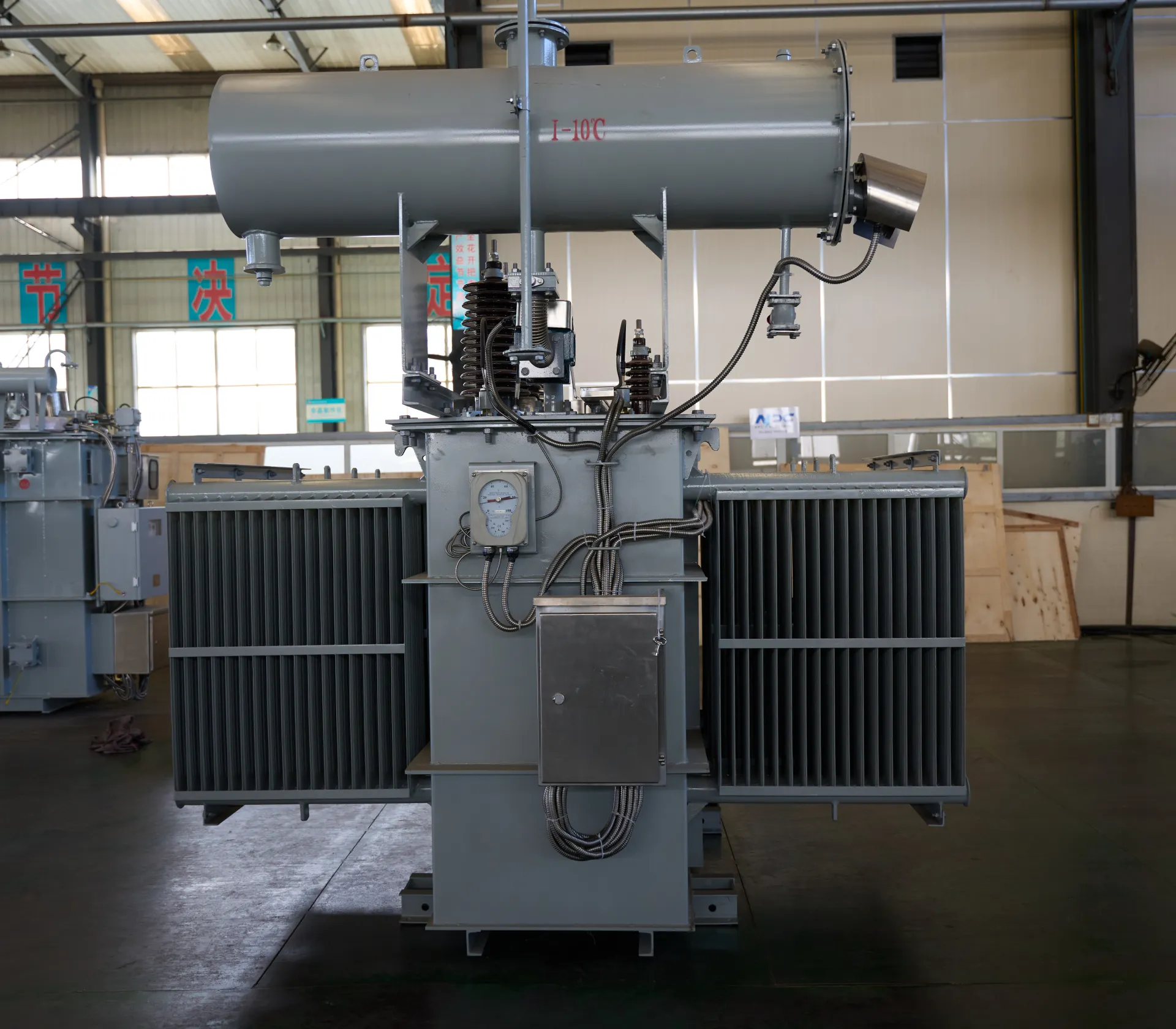
11kV Three-Phase Oil-Immersed Power Transformer
The 11kV Three-Phase Oil-Immersed Power Transformer is engineered for stable and efficient distribution across medium-voltage networks. Designed with high-grade silicon steel, advanced insulation systems, and premium mineral oil, this transformer ensures superior dielectric strength, excellent heat dissipation, and long service life. Its oil-immersed configuration delivers reliable cooling performance, enabling continuous operation under varying load conditions. The three-phase design ensures balanced power delivery, reduced energy losses, and improved grid stability. With enhanced short-circuit strength, low noise levels, and robust mechanical structure, it is suitable for industrial facilities, commercial complexes, substations, and utility distribution networks. Custom voltage ratios, tap changers, protection devices, and enclosure options are available to meet regional standards and project-specific requirements.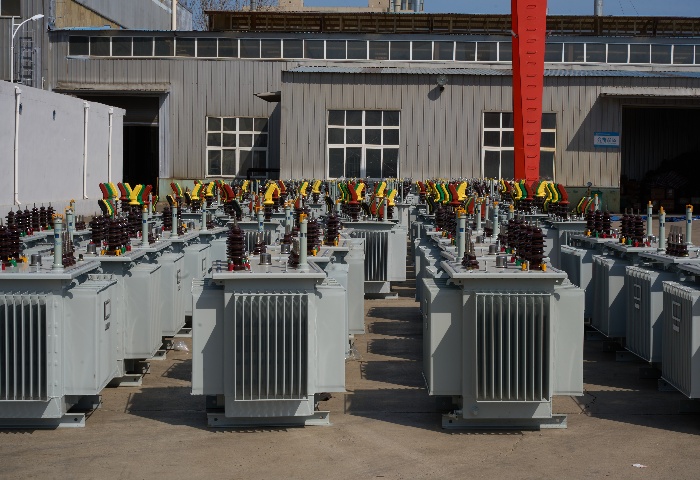
125kVA Oil Immersed Transformer
125kVA Oil Immersed Transformer has the characteristics of high efficiency and low loss, which can reduce power consumption and operation cost, and has significant social benefits. The NPC ELECTRIC 125kva Oil Immersed Transformer, manufactured and supplied by a leading Chinese manufacturer, is are highly advanced electrical device engineered to meet the rigorous demands of modern power distribution systems. These transformers are renowned for their exceptional durability, efficiency, and reliability. As a trusted supplier in China, the manufacturer offers a comprehensive range of 125kVA Oil Immersed Transformers tailored to suit various applications, ensuring optimal performance and long-term value to customers worldwide.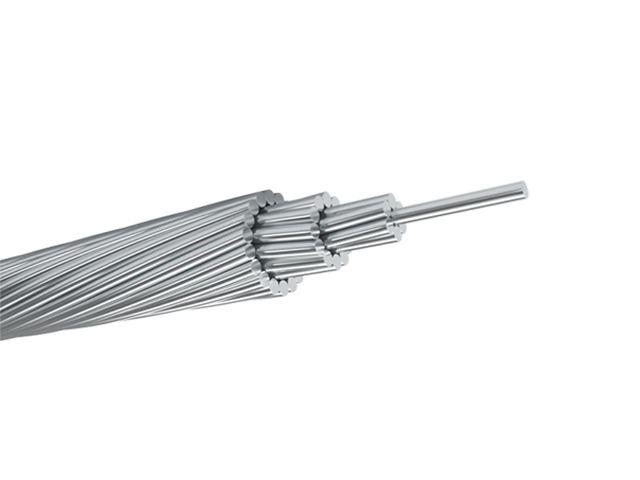
AAAC Moose Conductor Cable
AAAC MOOSE conductor is manufactured in compliance with ASTM B399 or IEC 61089 standards, using high-strength aluminum alloy 6201-T81 for enhanced conductivity and corrosion resistance. Constructed entirely from high-strength aluminum alloy strands, it offers superior mechanical strength and corrosion resistance compared with traditional aluminum conductors. The Moose-size AAAC conductor is particularly suitable for long-span installations, providing excellent sag control and stable operation under heavy mechanical loads. Its all-alloy design ensures uniform conductivity and eliminates steel-related corrosion issues, extending service life in harsh environmental conditions. Manufactured under strict quality management systems, the AAAC Moose Conductor Cable complies with international standards and delivers reliable performance, simplified installation, and reduced lifecycle costs for utility and infrastructure projects worldwide.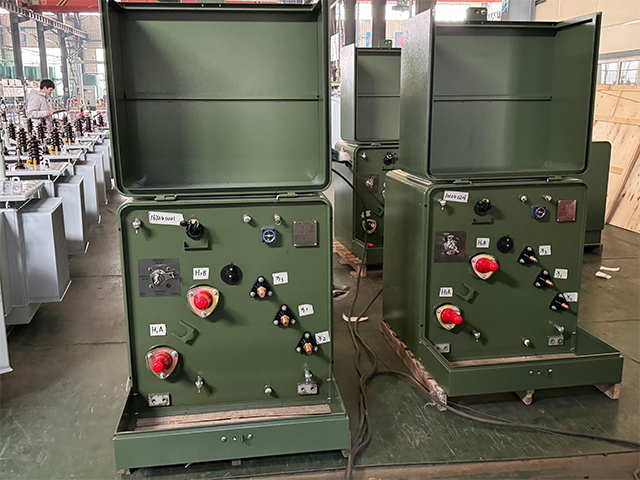
15kVA Single Phase Pad Mounted transformer
The 15 kVA single phase pad mounted transformer operates safely, reliably, and efficiently and can be installed indoors and outdoors. This type of transformer has a low operating cost, is environmentally friendly, easy to install, and has a low purchase cost, so it is widely used in residential, commercial, and other public.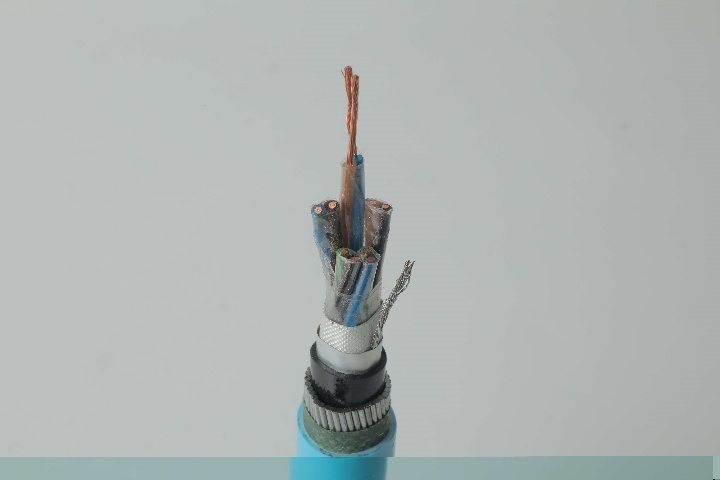
Instrumentation Cables—Mica Tapped, XLPE Insulated, Individual &Overall Screened, Wire Armoured LSZH Sheathed Cables(CU/GMT/XLPE/IOSCR/SWA/LSZH)
CU/GMT/XLPE/IOSCR/SWA/LSZH instrumentation cables are engineered for precise signal and control transmission in environments with high electrical noise and strict safety requirements. The mica tape layer protects the copper conductor during fire exposure, while XLPE insulation ensures stable electrical characteristics and heat resistance. Individual screening of each circuit, combined with an overall screen, provides superior protection against electromagnetic interference, enabling accurate and stable signal performance. Steel wire armour enhances mechanical durability and protects the cable from external damage. The LSZH sheath limits smoke emission and corrosive gases, making the cable suitable for enclosed and public installations. This robust design makes the cable ideal for complex industrial applications requiring both signal integrity and safety compliance.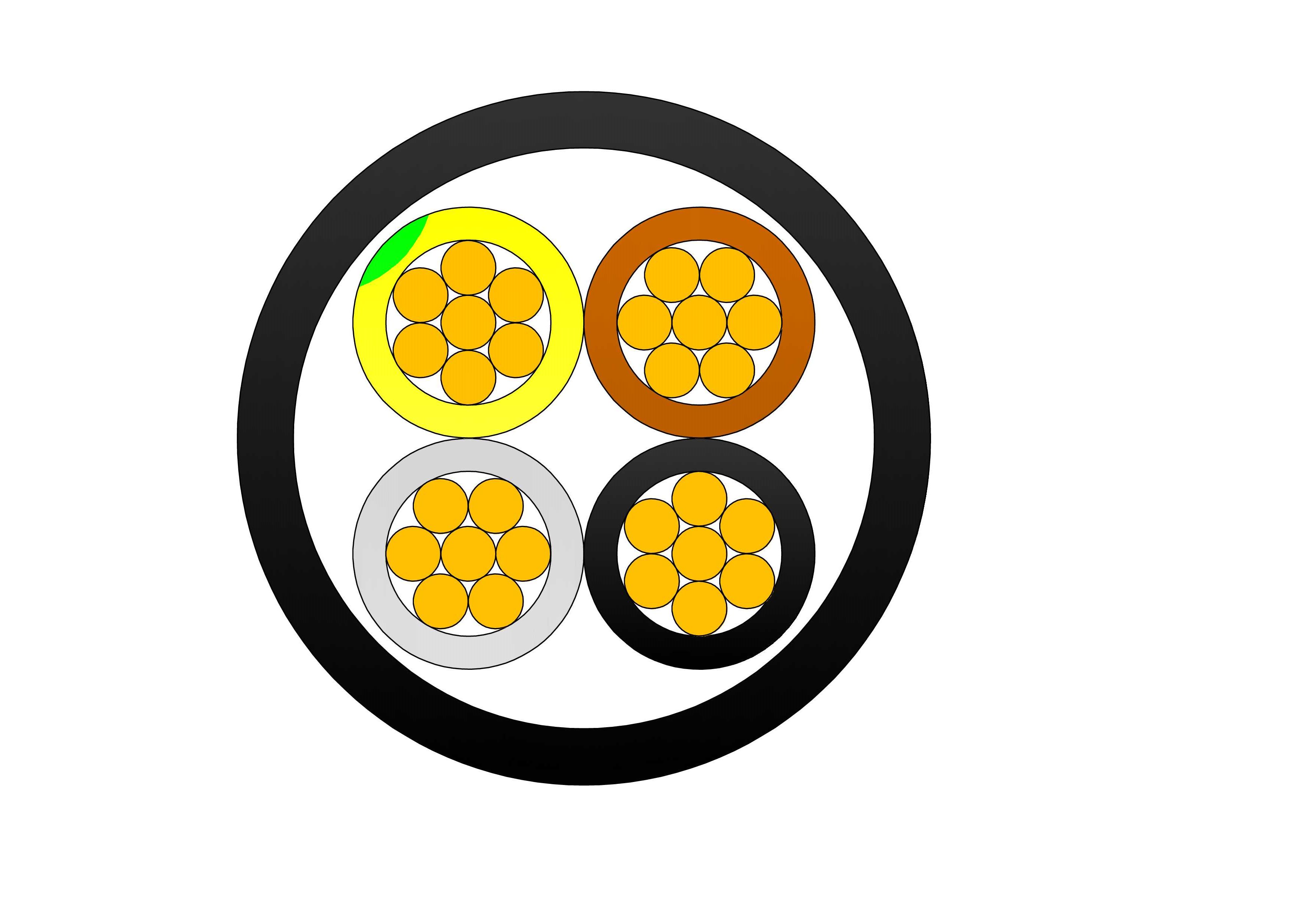
PV SOLAR Copper XLPE Insulated
The PV Solar Copper XLPE Insulated Cable is a premium solar cable engineered for efficient and reliable photovoltaic power systems. It utilizes high-purity stranded copper conductors for maximum conductivity and flexibility, paired with cross-linked polyethylene (XLPE) insulation that provides outstanding thermal stability, UV resistance, and weatherproof performance. Rated for DC 1.8kV and AC 0.6/1kV, this cable meets TÜV 2PfG 1169, EN 50618, and UL 4703 standards, ensuring safety and durability in harsh outdoor conditions. The PV Solar Copper XLPE Insulated Cable offers low voltage drop, high current capacity, and excellent flame retardant properties. Its superior flexibility facilitates easy installation in complex solar arrays. It is the preferred choice for high-end solar farms, rooftop systems, and commercial photovoltaic projects where maximum efficiency and long-term reliability are required.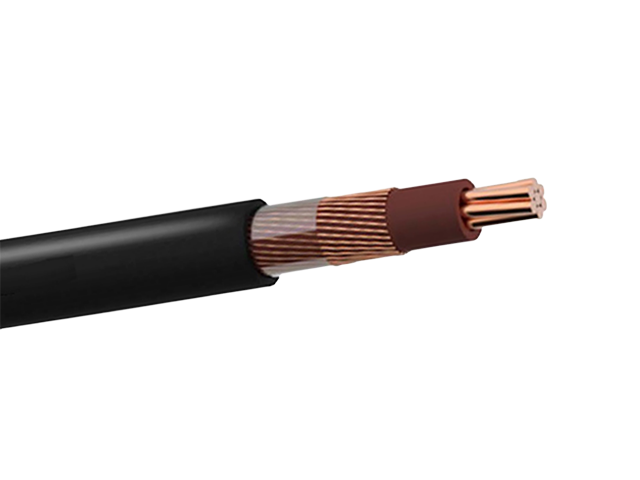
AA8000 Aluminum Alloy Round Concentric LV Cable
Engineered for modern low-voltage applications, the 8000 Aluminum Alloy Concentric Round LV Cable utilizes advanced AA-8000 series aluminum alloy conductors for enhanced flexibility and mechanical strength. The round concentric design, featuring phase conductors surrounded by a neutral layer, provides balanced electrical performance and easy pulling through conduits. XLPE insulation ensures excellent thermal and electrical properties with sunlight and moisture resistance. Rated for 600V/1000V service, this cable is perfect for residential and commercial service entrance from the transformer to the meter panel. Compliant with UL 854 and ASTM standards, the 8000 Aluminum Alloy Concentric Round LV Cable undergoes extensive quality testing to guarantee consistent performance, low resistance, and long-term reliability in wet, dry, or buried environments.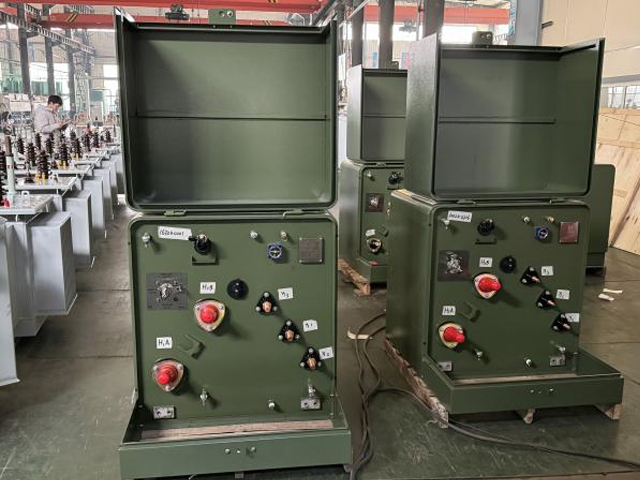
250kVA Single Phase Pole Mounted Transformer
Engineered for heavy-duty overhead applications, the 250kVA single phase pole mounted transformer provides dependable voltage transformation from primary levels like 12.47kV, 24.94kV, or 34.5kV to secondary outputs such as 120/240V or 277/480V. Featuring grain-oriented silicon steel cores for minimal core losses and robust windings, it achieves high efficiency while adhering to DOE energy standards and IEEE C57.12.20 guidelines. The corrugated tank design promotes superior heat dissipation, paired with ONAN self-cooling and a 65°C temperature rise for sustained performance under peak demands. Weather-resistant construction includes lifting lugs, pressure relief devices, and surge protection options, ensuring longevity in exposed environments. This transformer minimizes maintenance needs and supports stable power supply with low noise and excellent overload capability, making it a preferred choice for expanding grid infrastructure.
Copper Conductor Quadruplex Service Drop Cable 600V
Copper Conductor Quadruplex Overhead Service Drop Cable is designed for 600V phase-to-phase electrical distribution, primarily used to carry power from pole-mounted transformers to the customer's service entrance. Comprising three insulated copper phase conductors and one copper neutral messenger (stranded) with XLPE or PE insulation in quadruplex form, it meets ASTM, ICEA, and international standards. High-purity copper ensures minimal voltage drop and excellent current capacity. Robust insulation resists sunlight, moisture, and mechanical damage for decades of outdoor service. Self-supporting design allows easy installation with low sag. The Copper Conductor Quadruplex Service Drop Cable 600V provides reliable power transfer up to 600V in extreme temperatures. Flame-retardant options enhance safety. Commonly chosen for premium single-phase and three-phase power delivery in subdivisions, rural homes, commercial connections, and critical installations requiring high-conductivity copper overhead solutions with proven longevity and performance.Welcome your inquiry
Honesty, Integrity, Frugality, Activeness and Passion