
How to Build a Solar PV Plant: Step-by-Step Guide for Beginners
2026-04-21
Building a solar PV plant, also known as a solar power plant or solar photovoltaic power plant, represents one of the most accessible paths into large-scale renewable energy projects today. For beginners entering the field, understanding the process from an actual work perspective means focusing on real-world engineering, safety protocols, cost management, and regulatory compliance rather than theoretical ideals. A modern solar PV plant converts sunlight directly into electricity using photovoltaic modules arranged in arrays, with the generated direct current (DC) converted to alternating current (AC) for grid integration or local use.
This step-by-step guide emphasizes scientific rigor: accurate solar resource assessment, precise electrical calculations, and adherence to international standards such as IEC 61215 for modules and IEEE 1547 for grid interconnection. From small commercial installations to utility-scale developments, successful solar projects balance energy yield optimization with environmental impact minimization. Key electrical components—including solar panels, solar cable, solar transformer, inverters, and battery types—must be selected and integrated thoughtfully to ensure long-term performance, typically targeting 25-30 years of operation with degradation rates below 0.5% annually.
The construction process demands interdisciplinary coordination among civil engineers, electricians, and project managers. Modern designs incorporate advanced monitoring systems, bifacial modules for higher yields, and hybrid configurations with energy storage to address intermittency. This article breaks the journey into clear, actionable phases grounded in practical experience from global solar installations.
Conducting a Comprehensive Feasibility Study
Every successful solar PV plant begins with a thorough feasibility study that evaluates technical, financial, and environmental viability. From a practical standpoint, start by assessing the solar resource using ground-measured data rather than relying solely on satellite estimates, as local factors like dust, humidity, or shading can reduce output by 10-20%. Tools such as pyranometers measure Global Horizontal Irradiance (GHI), while software like PVsyst or SAM models expect energy yield with P50, P75, and P90 probability scenarios for bankable reports.
Site-specific analysis includes soil geotechnical testing for foundation stability, wind load calculations per ASCE 7 standards, and flood risk assessment. Economically, calculate the Levelized Cost of Energy (LCOE) by factoring capital expenditures (CAPEX), operational expenditures (OPEX), and projected revenue from power purchase agreements (PPAs). Include grid interconnection feasibility: assess existing substation capacity, voltage levels, and potential upgrades. For international projects, comply with local environmental impact assessments (EIA) to address biodiversity and land use conflicts.
A rigorous feasibility study typically takes 3-6 months and prevents costly redesigns later. Beginners should engage certified consultants early to avoid underestimating challenges like weak grid infrastructure in remote areas, where solar transformer specifications become critical for voltage step-up.
Site Selection and Land Preparation
Site selection directly influences the performance and economics of any solar power plant. Prioritize locations with high solar irradiance (ideally >5 peak sun hours daily), flat or south-facing terrain (in the Northern Hemisphere) with slopes under 5%, and minimal shading from vegetation or structures. Proximity to the electrical grid reduces transmission losses and cabling costs, while accessible roads facilitate equipment transport during construction.
In practice, conduct topographic surveys and use GIS tools to map exclusion zones such as wetlands, protected areas, or agricultural lands with high value. Soil testing determines foundation types—driven piles for soft ground or ballasted systems for rocky sites. Land preparation involves clearing, grading, and erosion control measures to comply with stormwater regulations. For large-scale PV solar plant design, allocate space not only for arrays but also for access roads, inverter stations, and maintenance corridors (typically 5-10 meters wide).
Modern considerations include dual-use land strategies, such as agrivoltaics, where solar panels coexist with farming to maximize land utility. From an on-site perspective, secure long-term land rights through leases (20-30 years) and perform boundary surveys to prevent disputes. Rigorous environmental baseline studies ensure minimal habitat disruption, aligning with global sustainability goals in renewable energy development.
PV Solar Plant Design and Layout
PV solar plant design requires scientific optimization of array layout for maximum energy capture while minimizing losses. Begin with string design: connect solar panels in series to achieve optimal DC voltage (typically 600-1500V) matching inverter inputs, then parallel strings for current capacity. Use PVsyst simulations to model shading losses, soiling, and temperature coefficients—modules lose efficiency above 25°C, with coefficients around -0.3% to -0.4%/°C.
A typical PV solar plant diagram shows PV arrays feeding into combiner boxes, then DC cables to central or string inverters, followed by AC collection to a solar transformer for medium-voltage step-up and grid connection. Fixed-tilt mounting at latitude angle plus 10-15° often provides the best cost-yield balance, though single-axis trackers can boost output by 15-25% in suitable climates. Layout spacing prevents inter-row shading, calculated via sun path analysis for the site's latitude.
Incorporate redundancy and safety: include surge protection devices (SPDs), rapid shutdown systems per NEC 690, and grounding per IEC standards. For utility-scale plants, design block layouts with centralized inverters for efficiency or distributed string inverters for better mismatch tolerance. Electrical components must be rated for harsh outdoor conditions—IP67 enclosures, UV-resistant solar cable, and corrosion-protected mounting structures ensure durability.
Table 1: PV Solar Plant Design Parameters and Typical Losses
|
Design Parameter |
Typical Value / Range |
Impact on Performance |
Practical Recommendation |
|
DC/AC Ratio (ILR) |
1.25 – 1.40 |
Optimizes clipping losses vs. inverter utilization |
1.3 common for utility-scale to balance cost/yield |
|
Module Tilt Angle |
Latitude ± 10–15° (Fixed) |
Maximizes annual irradiance capture |
Use simulation tools like PVsyst for site-specific |
|
Row Spacing / GCR |
2.5–4 m (depending on latitude) |
Reduces inter-row shading |
Balance land use and energy yield |
|
System Losses Breakdown |
Soiling: 2–5% Temperature: 8–12% Wiring: 1–3% Inverter: 1–2% |
Total Performance Ratio (PR): 78–86% |
Target PR >82% for a well-designed solar pv plant |
|
String Voltage |
1000–1500 V DC |
Minimizes cable losses and the quantity of solar cable |
Match the inverter MPPT range exactly |
|
Ground Coverage Ratio (GCR) |
0.40 – 0.55 |
Affects land requirement (5–8 acres/MW) |
Lower GCR for trackers, higher for fixed-tilt |
Selecting Key Components – Solar Panels, Inverters, and Mounting Systems
Component selection forms the technical core of any solar energy system. High-efficiency monocrystalline or bifacial solar panels (400-700W per module) dominate modern installations due to better temperature performance and lower degradation. Choose modules certified to IEC 61730 for safety and UL 61730 equivalents, evaluating warranties (25-year linear performance) and temperature coefficients rigorously.
Inverters convert DC to AC with efficiencies exceeding 98% in current models. String inverters suit smaller arrays, while central inverters handle megawatt-scale plants with lower specific costs. Hybrid inverters integrate battery storage seamlessly. Battery types for energy storage include Lithium Iron Phosphate (LFP) for safety and longevity (up to 6000 cycles at 80% DoD) versus Nickel Manganese Cobalt (NMC) for higher energy density, or flow batteries for long-duration utility applications.
Mounting systems—fixed, tracking, or carport—must withstand site-specific wind and snow loads. Practical experience shows that quality racking reduces installation time and long-term maintenance. All selections require lifecycle cost analysis, not just upfront price, to optimize the solar power system’s return on investment.
Table 2: Key Component Specifications for a Modern Solar PV Plant
|
Component |
Typical Specification (Utility-Scale 2026) |
Key Technical Parameters |
Benefits / Considerations |
|
Solar Panels |
Monocrystalline / TOPCon / Bifacial, 550–700 Wp |
Efficiency: 21–23.5% Temp. Coefficient: -0.29 to -0.35%/°C Degradation: <0.4%/year |
Higher yield, bifacial gain up to 10-30% on albedo |
|
Solar Inverter |
Central or String Inverter (1–5 MW) |
Efficiency: 98.5–99.0% DC/AC Ratio: 1.2–1.4 MPPT Inputs: Multiple |
High conversion efficiency, smart grid compliance |
|
Solar Transformer |
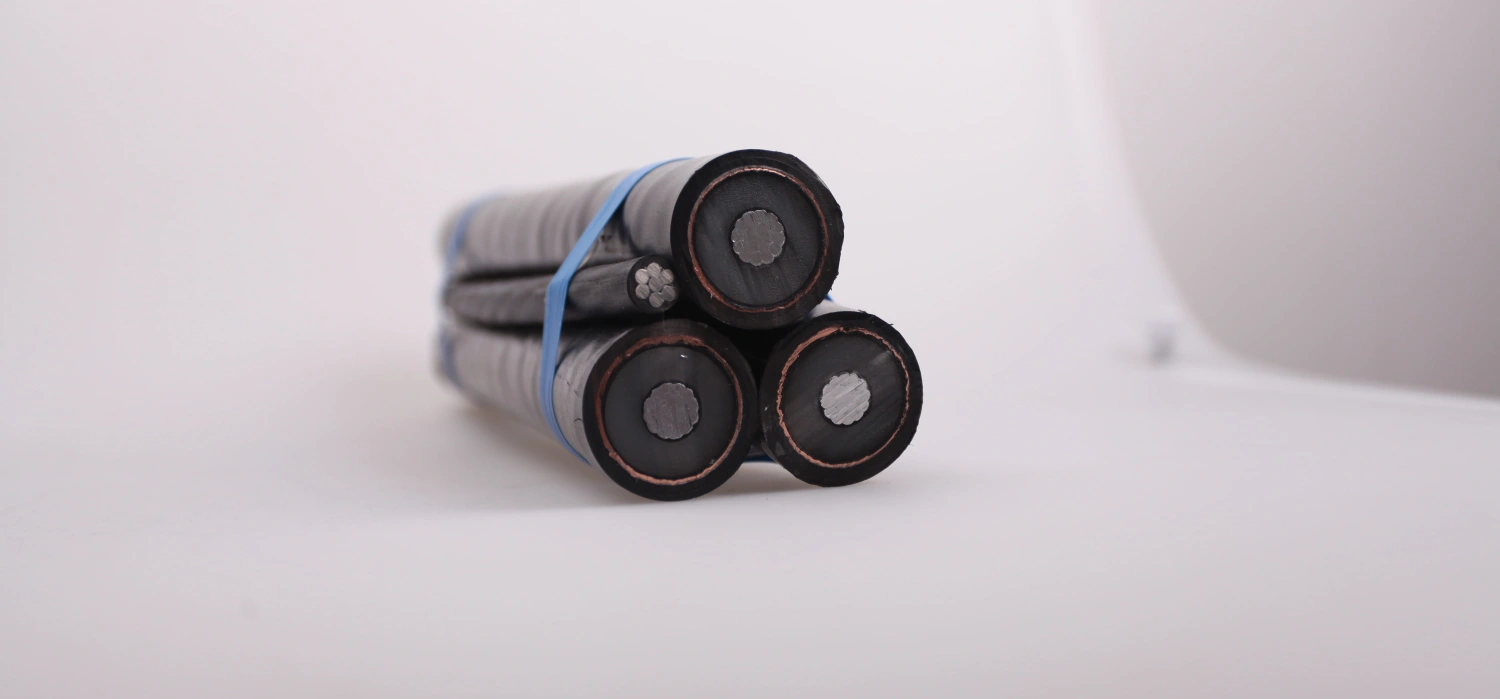
Oil-immersed or Dry-type, 0.4/11 kV or 0.4/33 kV |
Capacity: Matches inverter block Efficiency: >99% Impedance: 6–10% |
Voltage step-up with low losses for grid connection |
|
1500V DC XLPE, Copper/Aluminum, 4–10 mm² |
Voltage Rating: 1500V DC UV & Weather Resistant Derating applied |
Low voltage drop (<2%), long-term durability |
|
|
Mounting System |
Fixed-tilt or Single-Axis Tracker |
Wind Load: ASCE 7 / IEC compliant Ground Coverage Ratio: 0.4–0.55 |
Trackers increase yield by 15–25% in good locations |
Electrical Design – Wiring, Solar Cable, and Transformers
Electrical design demands precision to ensure safety and efficiency. Solar cable, typically single-core copper or aluminum cable with XLPE insulation rated 1500V DC, connects panels in strings while resisting UV, heat, and moisture. Sizing follows voltage drop limits (<2-3%) and ampacity derating for bunding and temperature per IEC 60364 or NEC guidelines.
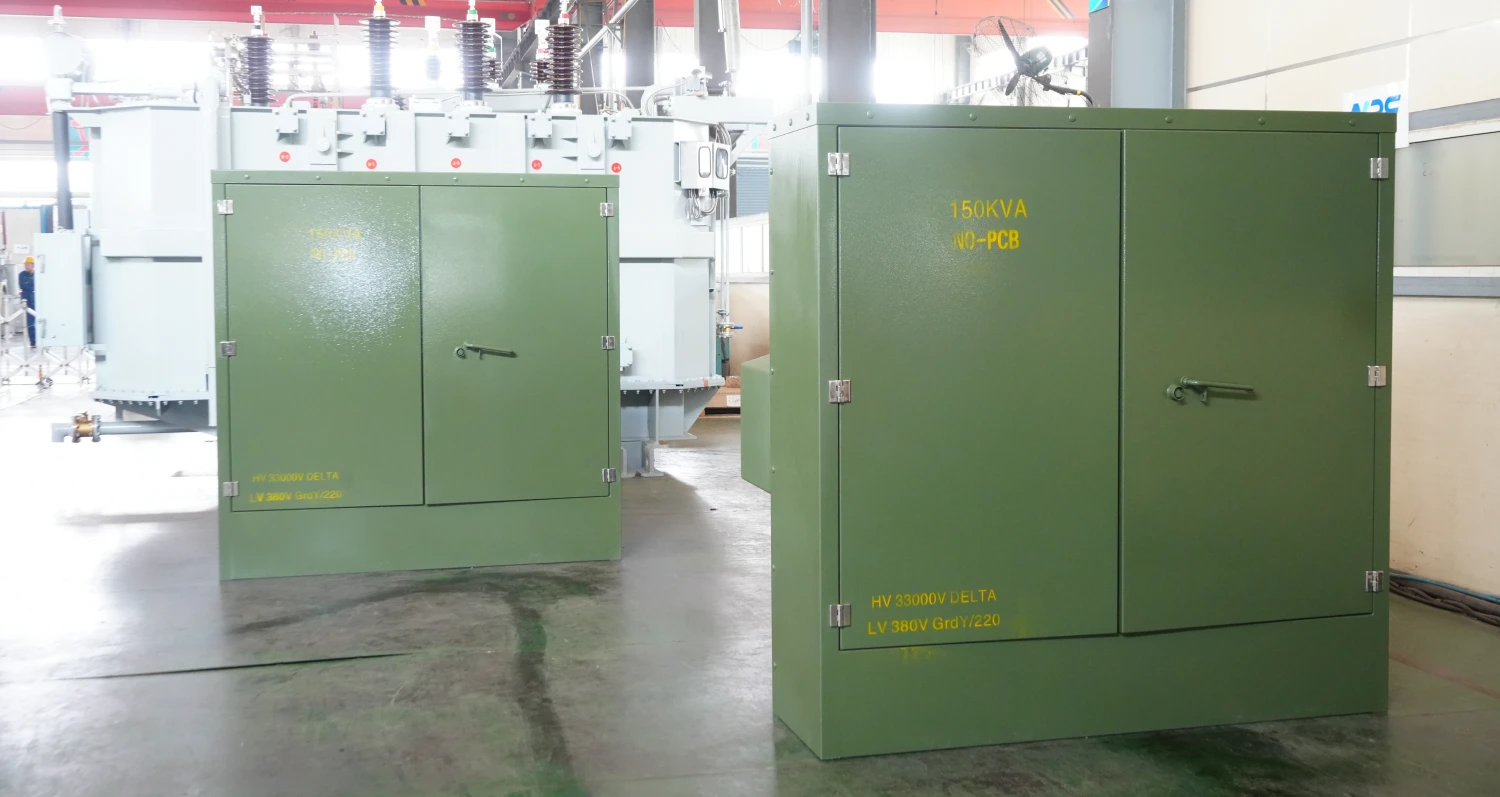
Wiring configurations balance voltage and current: series increases voltage to reduce cable losses, parallel adds current. Use combiner boxes with fuses or circuit breakers for overcurrent protection. DC wiring routes to inverters, then the AC side employs appropriately rated cables to the solar transformer, which steps up voltage (e.g., 0.4kV to 11kV or 33kV) for efficient transmission with minimal I²R losses.
Include comprehensive grounding, lightning protection, and monitoring systems with SCADA integration for real-time performance tracking. Electrical devices such as disconnect switches, meters, and protection relays must comply with grid codes for anti-islanding and fault ride-through. In practice, detailed single-line diagrams and three-line diagrams facilitate permitting and construction, preventing costly field changes.
Table 3: Comparison of Battery Types for Solar Energy Storage Systems
|
Battery Type |
Chemistry |
Cycle Life (at 80% DoD) |
Round-Trip Efficiency |
Energy Density (Wh/kg) |
Typical Use in Solar PV Plant |
Key Advantages / Limitations |
|
Lithium Iron Phosphate (LFP) |
LiFePO4 |
6,000 – 10,000+ |
92–96% |
90–160 |
Utility-scale & commercial hybrid |
High safety, long life, lower cost per cycle |
|
Nickel Manganese Cobalt (NMC) |
LiNiMnCoO2 |
3,000 – 6,000 |
94–97% |
150–220 |
High energy density applications |
Higher density but thermal management needed |
|
Flow Battery (e.g., Vanadium) |
Vanadium Redox |
10,000 – 20,000+ |
75–85% |
20–50 |
Long-duration storage (>4–8 hours) |
Excellent for daily/seasonal shifting |
|
Lead-Acid (Advanced) |
AGM / Gel |
500 – 2,000 |
80–85% |
30–50 |
Small backup only |
Low upfront cost, shorter lifespan |
Procurement, Permitting, and Project Financing
Procurement involves sourcing components from reputable manufacturers with proven bankability for international solar projects. Develop detailed bills of materials (BOM) and issue tenders or RFPs, evaluating not only price but also delivery timelines, warranties, and local content requirements in many markets.
Permitting covers building, electrical, environmental, and grid connection approvals. Submit PV solar plant design documents, including layouts, electrical schematics, and structural calculations, to authorities. Grid operators require interconnection studies to confirm no adverse impacts on stability or power quality.
Financing structures range from equity-debt mixes to project finance with PPAs. Lenders demand independent engineer reviews and insurance coverage for construction risks. From a practical angle, phased procurement—modules early, balance-of-system later—optimizes cash flow. International projects must navigate currency risks, import duties, and logistics for heavy equipment like solar transformers.
Construction and Installation Phase
Construction transforms designs into operational solar installations through sequenced activities. Civil works begin with site leveling, foundation pouring (concrete or driven piles), and road construction. Install mounting structures, followed by module placement using mechanical lifts for safety and efficiency—teams of 4-6 workers per MW typically achieve high productivity.
Electrical installation follows: lay solar cable in trenches or cable trays with proper separation from AC lines to avoid electromagnetic interference. Connect arrays to combiners, inverters, and the solar transformer substation. Quality control includes torque checks on connections, insulation resistance testing (>100 MΩ), and I-V curve tracing for strings.
Safety protocols are non-negotiable: lockout-tagout (LOTO), PPE, and fall protection during elevated work. Modern projects use drones for inspections and digital twins for progress monitoring. Construction timelines for a 10 MW plant might span 6-12 months, depending on weather and labor availability.
Testing, Commissioning, and Grid Connection
Commissioning verifies system integrity before full operation. Perform visual inspections, continuity tests, polarity checks, and insulation testing on all wiring and electrical components. Functional tests include inverter synchronization, power ramping, and response to simulated faults. Energy yield verification compares actual output against modeled predictions, adjusting for soiling or initial degradation.
Grid connection involves utility inspections, relay settings coordination, and final synchronization. Monitor parameters like voltage, frequency, and harmonics to ensure compliance. For plants with battery storage, test charge/discharge cycles and seamless islanding if designed for backup.
Practical experience highlights the importance of punch-list resolution and as-built documentation. Successful commissioning leads to the commercial operation date (COD), triggering revenue under PPAs.
Operation, Maintenance, and Performance Optimization
Post-construction, focus shifts to long-term operation and maintenance (O&M) for sustained performance of the solar power plant. Implement preventive maintenance schedules: quarterly cleaning of solar panels (especially in dusty regions), annual thermographic inspections for hot spots, and torque re-checks on connections. Monitoring platforms track key performance indicators (KPIs) like Performance Ratio (PR >80% target) and Specific Yield (kWh/kWp).
Address common issues such as PID (Potential Induced Degradation) through appropriate grounding or module selection, and vegetation management around arrays. For systems with energy storage, manage battery health via state-of-charge (SoC) optimization and thermal control.
Modern solar energy systems benefit from predictive analytics using AI to forecast failures. Budget 1-2% of CAPEX annually for O&M. Over 25 years, diligent practices maximize returns while contributing reliably to the renewable energy transition.
Building a solar PV plant requires methodical planning, scientific precision in design and electrical integration, and hands-on execution across all phases. By following these steps—from feasibility through O&M—beginners and professionals alike can deliver efficient, safe, and profitable solar projects that advance global sustainability goals. Always consult local regulations and engage qualified professionals for site-specific adaptations.

Related Articles

Related Products
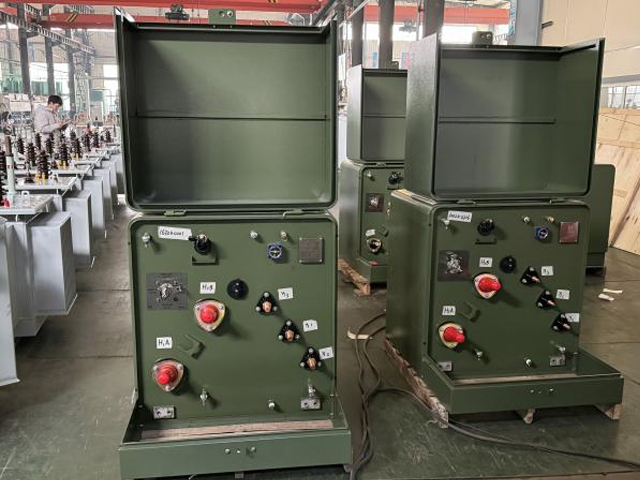
250kVA Single Phase Pole Mounted Transformer
Engineered for heavy-duty overhead applications, the 250kVA single phase pole mounted transformer provides dependable voltage transformation from primary levels like 12.47kV, 24.94kV, or 34.5kV to secondary outputs such as 120/240V or 277/480V. Featuring grain-oriented silicon steel cores for minimal core losses and robust windings, it achieves high efficiency while adhering to DOE energy standards and IEEE C57.12.20 guidelines. The corrugated tank design promotes superior heat dissipation, paired with ONAN self-cooling and a 65°C temperature rise for sustained performance under peak demands. Weather-resistant construction includes lifting lugs, pressure relief devices, and surge protection options, ensuring longevity in exposed environments. This transformer minimizes maintenance needs and supports stable power supply with low noise and excellent overload capability, making it a preferred choice for expanding grid infrastructure.
Step Down Dry Type Transformer
The Step Down Dry Type Transformer is a safe, efficient, oil-free electrical device designed to reduce (step down) higher incoming voltages to lower levels suitable for end-use equipment in indoor power distribution systems. This three-phase or single-phase transformer uses air (natural or forced) for cooling instead of insulating liquids, with windings typically encapsulated in epoxy resin (cast resin) or vacuum pressure impregnated for superior insulation. It features premium low-loss grain-oriented silicon steel cores and high-conductivity copper (or aluminum) windings, delivering excellent energy efficiency (often 98%+ per DOE/IEC standards), minimal no-load/load losses, low partial discharge (<10pC), and robust short-circuit withstand. Compliant with IEC 60076-11, IEEE/ANSI, and DOE efficiency requirements, step-down dry type transformers commonly handle primary voltages from 480V to 35kV+ stepping down to 208Y/120V, 400V, 0.4kV, or custom secondaries, making them ideal for modern, sustainable indoor applications.
Airdac SNE & CNE Concentric Cable
The Airdac SNE & CNE Concentric Cable is a robust low-voltage aerial service connection cable designed for reliable house service from the distribution network to the consumer meter. It features a circular stranded hard-drawn copper phase conductor insulated with XLPE, surrounded by concentrically arranged neutral and earth conductors, and protected by a black polyethylene sheath. The SNE version provides separate neutral and earth conductors, while the CNE version combines them for simplified earthing. With a nylon ripcord for easy stripping and UV-stabilized materials, this cable offers excellent mechanical strength, electrical performance, and long-term durability. Manufactured to SANS 1507-6 and related standards, the Airdac SNE & CNE Concentric Cable undergoes rigorous quality testing from raw materials to finished product, ensuring safe, tamper-resistant, and vandal-proof performance in overhead or underground installations.
85kV 1850kVA Outdoor Oil Immersed Distribution Transformer Copper
The 85kV 1850kVA Outdoor Oil Immersed Distribution Transformer Copper is specially developed for 66–110 kV regional distribution networks and industrial users. It adopts 99.99 % electrolytic copper windings, high-permeability S13 grain-oriented silicon steel core, corrugated-fin tank + ONAN natural cooling, and ±5 % off-circuit tap changer (on-load optional). Fully compliant with IEC 60076, lightning impulse withstand 395 kV peak, PD <10 pC, noise ≤60 dB. Fully sealed conservator or sealed-type design with vacuum oil filling + nitrogen sealing guarantees >30-year maintenance-free operation even in high-altitude, high-pollution, or coastal areas. Ideal for mining, metallurgy, wind/solar grid connection, petrochemical plants, and urban 85 kV substations requiring maximum reliability and minimum losses.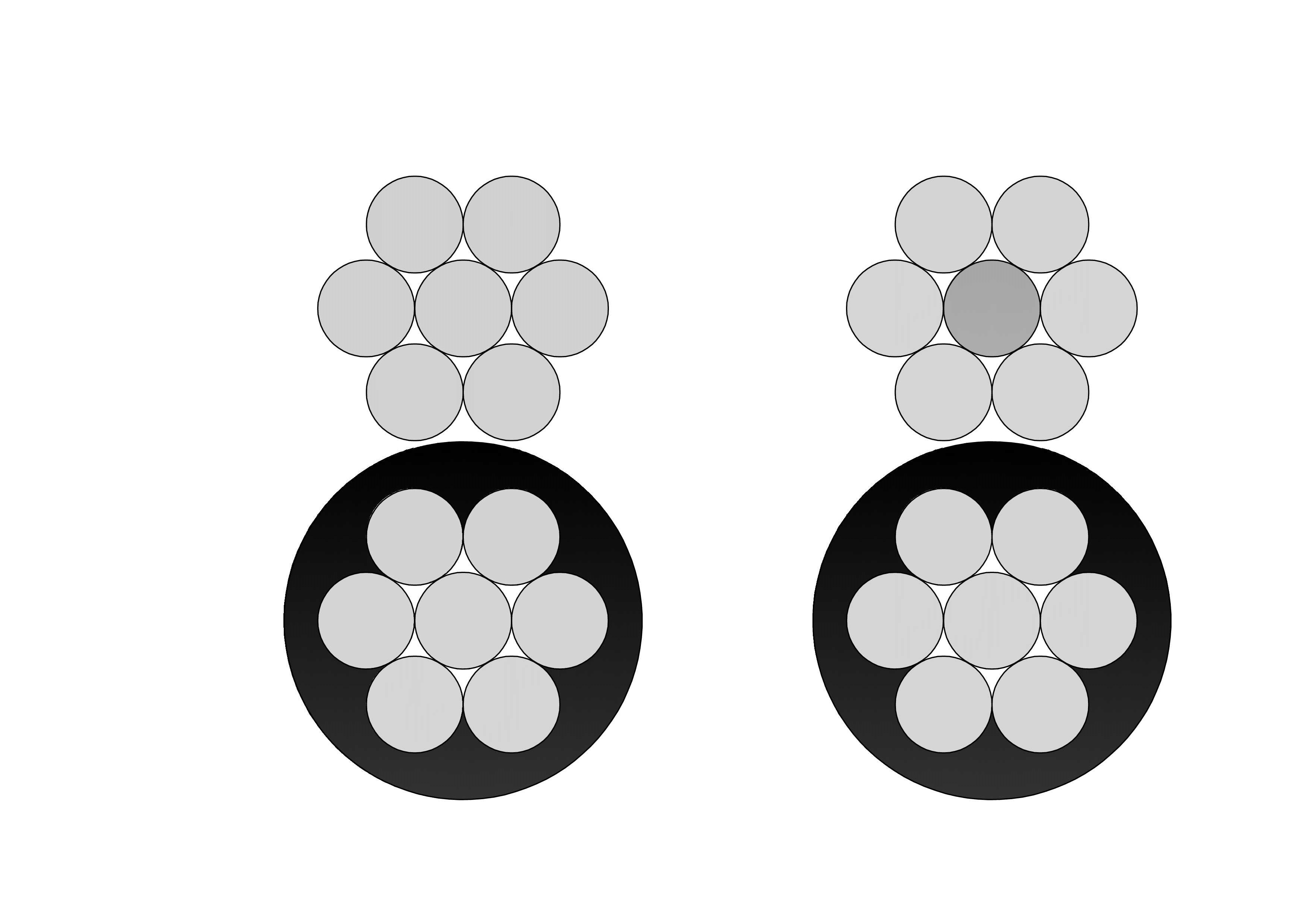
4 Dachshund Aluminum Conductor Duplex Overhead Service Drop Cable
4 Dachshund Duplex Service Drop Cable is a durable overhead cable for secondary power distribution to residential service entrances. Featuring two 4 AWG aluminum conductors (phase and neutral, 7-strand) insulated with XLPE or PE and assembled in duplex configuration, it provides excellent weather resistance and mechanical strength. Compliant with ASTM B-230, B-231, ICEA S-76-474, and ANSI/ICEA standards, this cable supports 600V applications with high UV, moisture, and abrasion protection. The self-supporting design simplifies installation with reduced sag over spans up to 100 feet. The 4 Dachshund Duplex Service Drop Cable ensures low power losses, reliable performance in harsh outdoor conditions, and long service life. Lightweight and flexible, it is widely used for single-phase service drops in urban, suburban, and rural areas requiring safe, cost-effective aerial connections from utility poles to homes.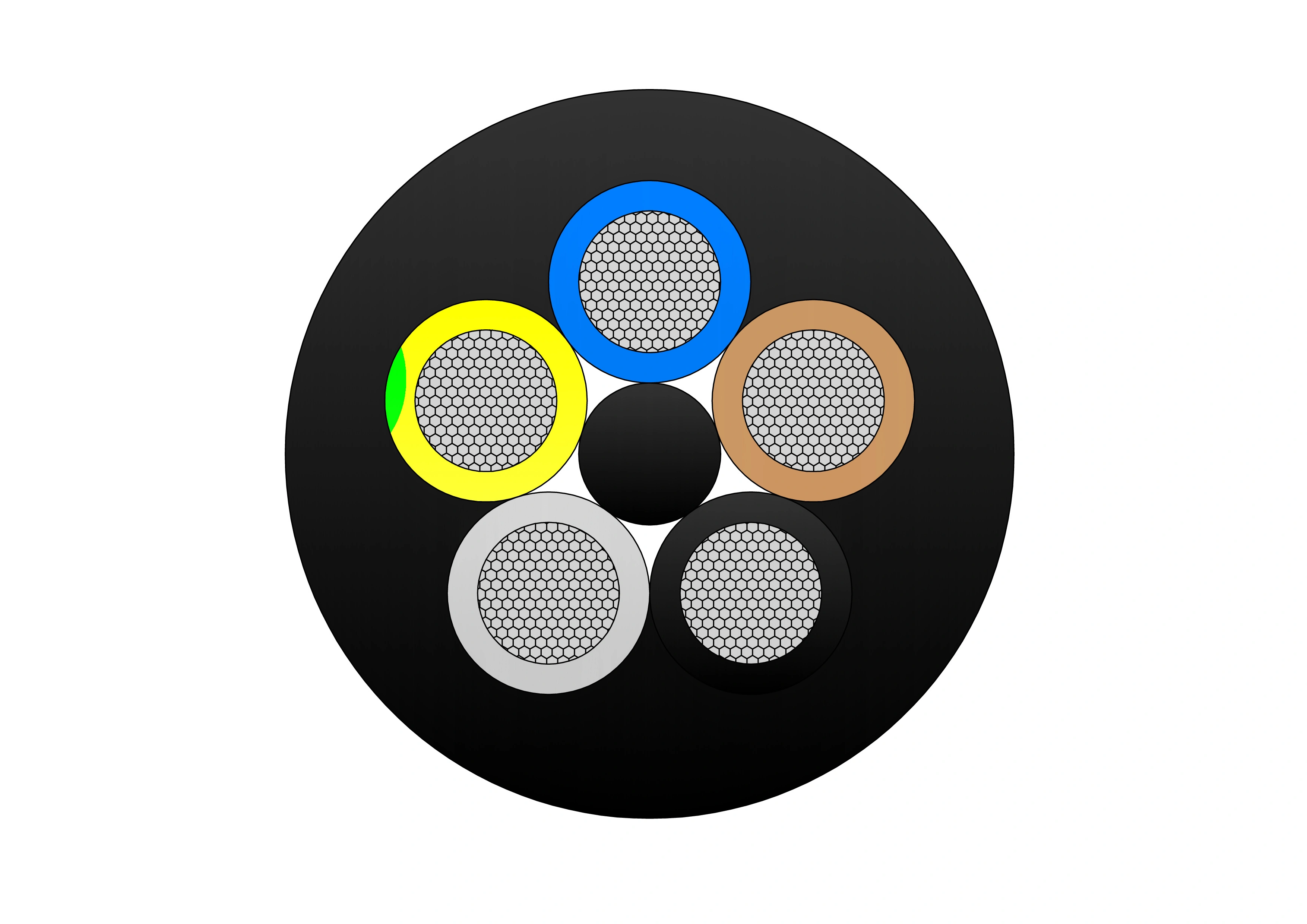
NTSCGEWOU 3.6/6kV, 6/10kV, 8.7/15kV, 12/20kV Cable
The NTSCGEWOU 3.6/6kV, 6/10kV, 8.7/15kV, 12/20kV Cable is a high-performance flexible medium-voltage trailing/reeling cable engineered for extreme mining and tunneling conditions. It comprises class 5 finely stranded tinned copper phase conductors for superior flexibility and corrosion resistance, semi-conductive conductor and insulation screens for field control, EPR insulation for excellent dielectric strength and 90°C continuous operation, copper wire braid screen for EMI protection and grounding, control conductors, monitoring conductor (ÜL), and a durable rubber outer sheath resistant to oil, flame, abrasion, tearing, and mechanical stress. Compliant with DIN VDE 0250, it handles high tensile loads, fast reeling speeds, tight bending radii, and effective EMC shielding across all voltage levels. The NTSCGEWOU delivers safe, reliable MV power to mobile equipment such as shearers, tunnel boring machines, draglines, and conveyors in harsh underground and opencast environments, minimizing downtime and ensuring long-term operational efficiency.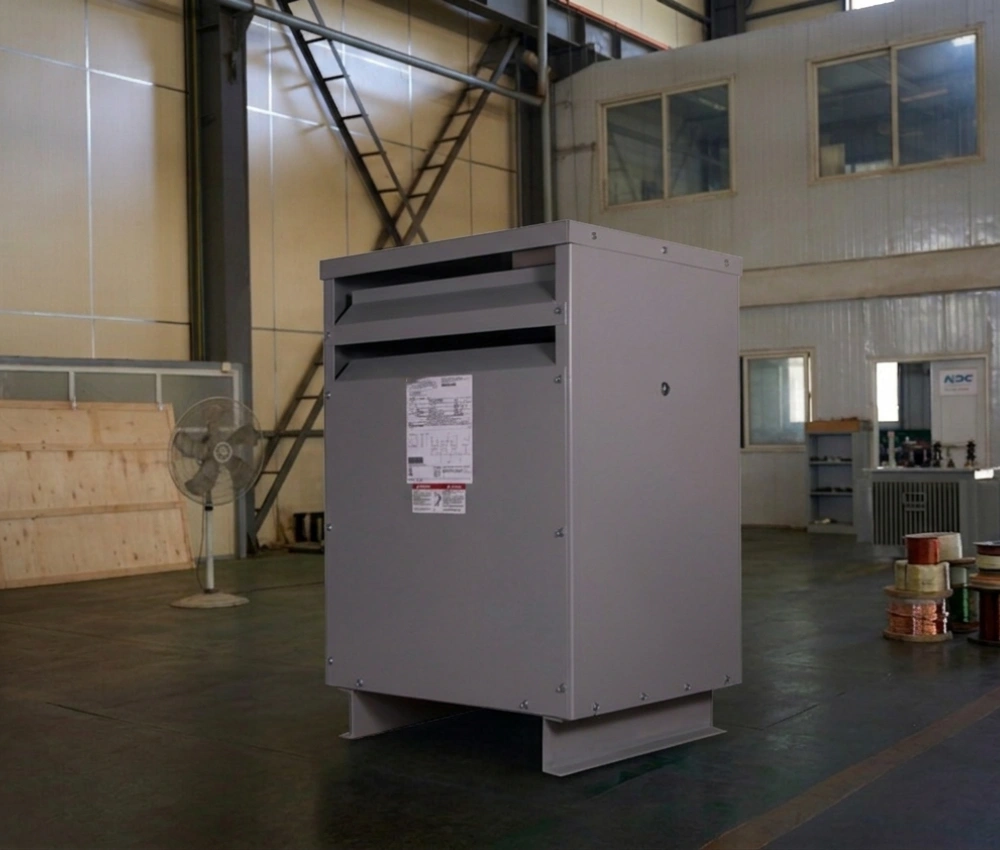
3kVA Isolation Transformer
The 3kVA Isolation Transformer is a compact and highly efficient power isolation solution engineered to provide safe and stable electrical power for sensitive equipment and critical electrical systems. By creating complete galvanic separation between the incoming and outgoing circuits, the transformer effectively eliminates electrical interference, suppresses common-mode noise, reduces transient voltage spikes, and improves overall power quality. This protective design helps prevent equipment damage caused by grounding issues, electrical disturbances, and power fluctuations. Built with premium silicon steel cores and high-conductivity copper windings, the 3kVA Isolation Transformer offers excellent voltage regulation, low operating losses, and long-term reliability. Its compact footprint makes it suitable for installations where space is limited while maintaining superior electrical performance. The transformer is widely used in industrial control panels, laboratory instruments, medical devices, testing equipment, telecommunications systems, security systems, and commercial electrical installations requiring enhanced electrical safety and power conditioning. The transformer can be supplied with customized voltage combinations, enclosure designs, monitoring functions, and protection features to satisfy a wide range of application requirements. With its robust construction and maintenance-friendly design, the 3kVA Isolation Transformer provides dependable performance for demanding power distribution and equipment protection applications.
Single Phase Isolation Transformer
The Single Phase Isolation Transformer is a specialized power transformer designed to provide complete electrical isolation between the primary and secondary circuits while ensuring safe and efficient power transmission. By eliminating direct conductive paths between input and output power sources, the transformer effectively suppresses electrical noise, reduces common-mode interference, minimizes transient voltage disturbances, and enhances operational safety for connected equipment. This makes it an ideal solution for sensitive electronic devices, industrial control systems, laboratory instruments, medical equipment, and commercial power applications. Constructed with premium-grade CRGO silicon steel cores and precision-wound copper or aluminum conductors, the Single Phase Isolation Transformer offers exceptional efficiency, low losses, and stable voltage regulation. Its robust insulation system enhances dielectric strength and provides reliable protection against electrical faults and grounding issues. The transformer is available in a wide range of voltage ratings and capacities, making it suitable for both standard and customized electrical distribution requirements. Designed for long-term performance and minimal maintenance, the Single Phase Isolation Transformer can be integrated into industrial automation systems, telecommunications networks, data processing facilities, and specialized power conditioning applications.
130kV High-Voltage Power Transformer
The 130kV Power Transformer is designed for advanced high-voltage transmission and distribution systems requiring superior electrical stability and long-term operational reliability. Built with an optimized magnetic circuit and precision-engineered windings, it delivers excellent voltage regulation, minimized energy losses, and strong resistance to thermal and mechanical stress. The transformer features a reinforced insulation structure and a sealed oil-immersed cooling system that ensures consistent performance under fluctuating load and environmental conditions. Its rugged construction supports outdoor installation and continuous operation in demanding climates. Designed to meet international grid requirements, this transformer is suitable for utility networks, industrial power hubs, and infrastructure projects where safety, efficiency, and service continuity are critical.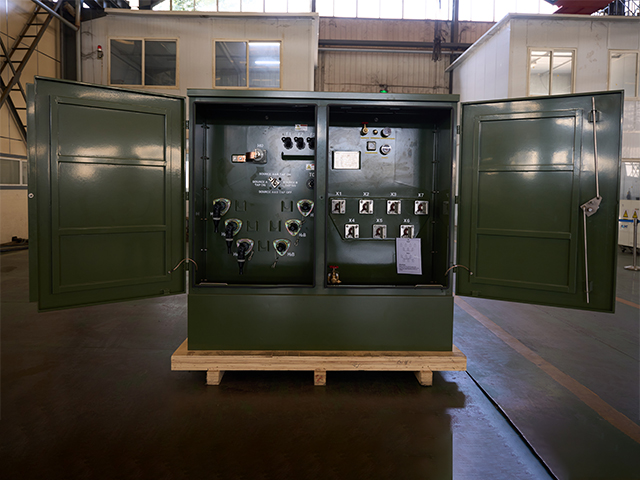
167kVA Three Phase Pad Mounted Transformer
The 167kVA three phase pad mounted transformer delivers robust and efficient power distribution for medium-voltage applications. Built to exceed ANSI C57.12.34, IEEE, and DOE efficiency standards, this compartmental-type unit features a durable, tamper-resistant steel enclosure with dead-front or live-front high-voltage bushings, radial or loop feed configurations, and a 65°C average winding rise for optimal thermal performance. Primary voltages range from 4160V to 34500V (with common options like 12470GrdY/7200 or 13800V), while secondary voltages include 208Y/120V, 480Y/277V, or custom low-voltage setups.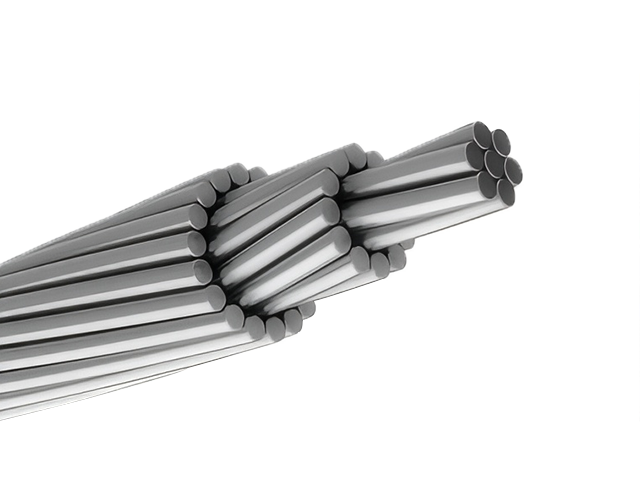
Penguin ACSR Conductor Cable
The ACSR Penguin is an Aluminium Conductor Steel Reinforced (ACSR) designed with a robust steel core surrounded by layers of high-conductivity aluminium wires, adhering to ASTM B232 standards. It features a stranded steel core surrounded by layers of aluminum conductors, combining excellent tensile strength with efficient current-carrying capability. The steel core provides superior load-bearing capacity, while the aluminum strands ensure low electrical resistance and reduced line losses. This balanced construction allows the Penguin ACSR Conductor Cable to withstand long spans, high wind loads, and varying environmental conditions. Manufactured in accordance with relevant ASTM and IEC standards, it offers stable performance, ease of installation, and long service life. The conductor is widely adopted in overhead transmission lines where durability, economy, and mechanical reliability are critical.
(N)TSCGEWOU 3.6/6kV, 6/10kV, 8.7/15kV and 12/20kV ATB Cable
The (N)TSCGEWOU 3.6/6kV, 6/10kV, 8.7/15kV, and 12/20kV ATB Cable is a medium voltage flexible power cable designed in compliance with VDE 0250 standards. It features Class 5 tinned copper conductors, EPR rubber insulation, semi-conductive layers, halogen-free flame-retardant rubber sheath, and an earth detection conductor. The ATB construction ensures superior mechanical strength, oil resistance, abrasion resistance, and flame retardancy, making it ideal for open-pit mining, tunneling, and other heavy-duty mobile equipment applications under extreme mechanical stress. It includes tinned class 5 copper phase conductors, semi-conductive screens, EPR insulation for reliable dielectric and thermal performance (90°C rating), copper braid screen, control conductors, monitoring conductor (ÜL), anti-torsion braid to reduce twisting under load, and a robust rubber sheath resistant to oils, flames, abrasion, and mechanical damage.
350kVA Epoxy Resin Cast Dry Type Transformer 3 Phase 6.6kV/0.4kV Low Noise
Presenting the high-performance 350kVA Epoxy Resin Cast Dry Type Transformer 3 Phase 6.6kV/0.4kV Low Noise, a cutting-edge, eco-friendly power distribution solution ideal for indoor applications demanding superior safety and quiet operation. This three-phase dry-type transformer utilizes premium epoxy resin vacuum casting on high-conductivity copper windings and low-loss grain-oriented silicon steel cores, achieving outstanding energy efficiency (typically 98%+), minimal no-load/load losses, and exceptional partial discharge suppression (<10pC). With natural air (AN) cooling, Class F/H insulation, fire-retardant self-extinguishing properties, and robust short-circuit withstand, it offers maintenance-free reliability in harsh or sensitive environments. Fully compliant with IEC 60076-11, this compact unit steps down 6.6kV primary (with ±2×2.5% off-circuit taps) to 0.4kV secondary (Dyn11 vector group), supporting sustainable grids with overload capability and zero oil risks.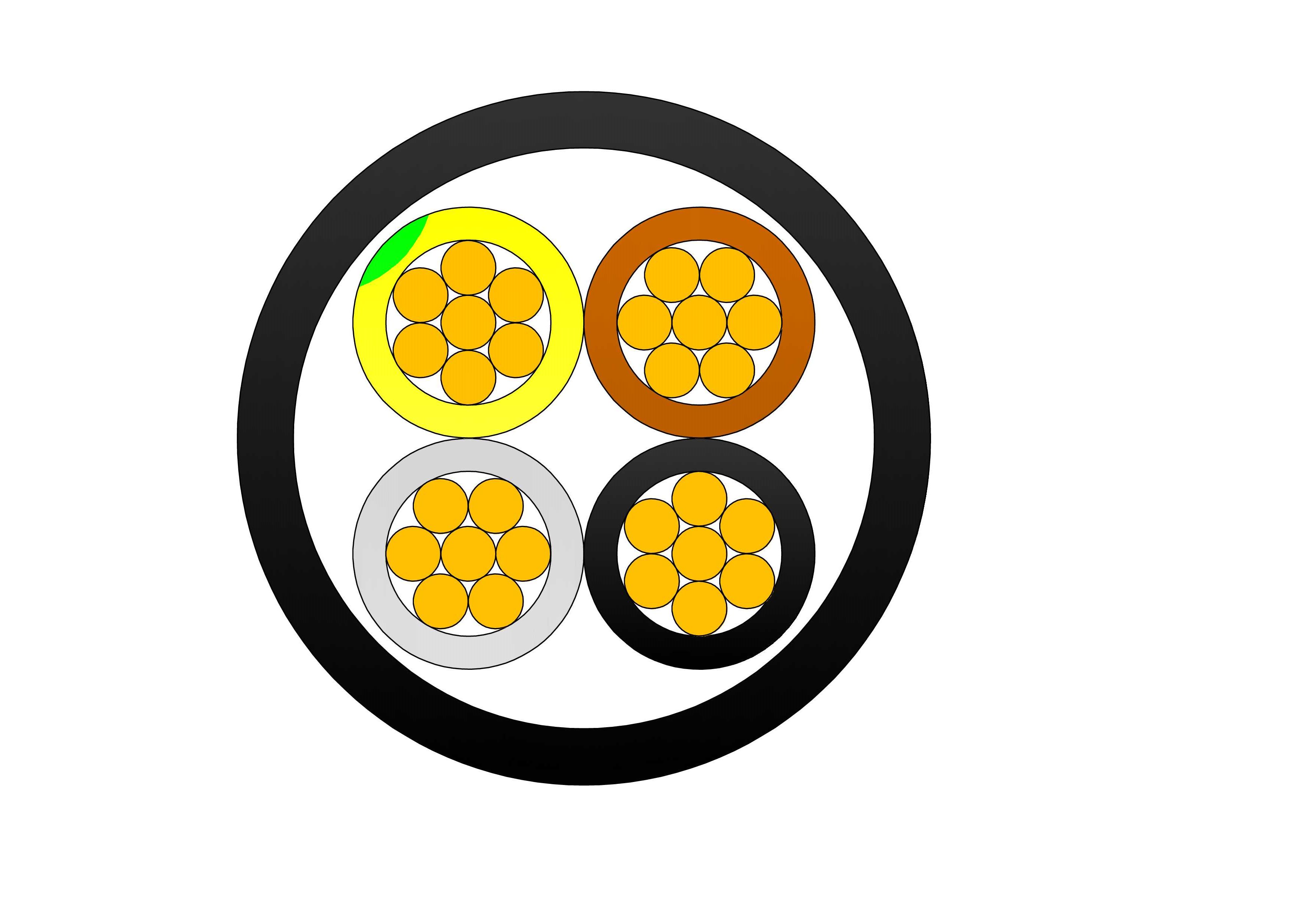
Steel Tape Armoured Cable Type
The Steel Tape Armoured Cable (STA Cable) is designed for reliable power transmission in environments requiring enhanced mechanical protection. Manufactured with high-quality copper or aluminum conductors, XLPE insulation, galvanized steel tape armour, and a durable PVC outer sheath, the cable provides exceptional durability and long-term operational reliability. The galvanized steel tape armour offers superior resistance against mechanical impact, compression, and external damage, making the cable suitable for underground installations and harsh industrial environments. The XLPE insulation ensures excellent electrical performance, low dielectric losses, and continuous operating temperatures up to 90°C. The PVC sheath protects the cable against moisture, chemicals, abrasion, and environmental exposure, extending service life and reducing maintenance requirements. Manufactured according to IEC 60502-1 and other international standards, the cable is widely used in power distribution networks, industrial facilities, infrastructure projects, renewable energy installations, and utility systems. The Steel Tape Armoured Cable combines electrical efficiency, mechanical strength, and installation flexibility, making it a dependable solution for demanding power distribution applications.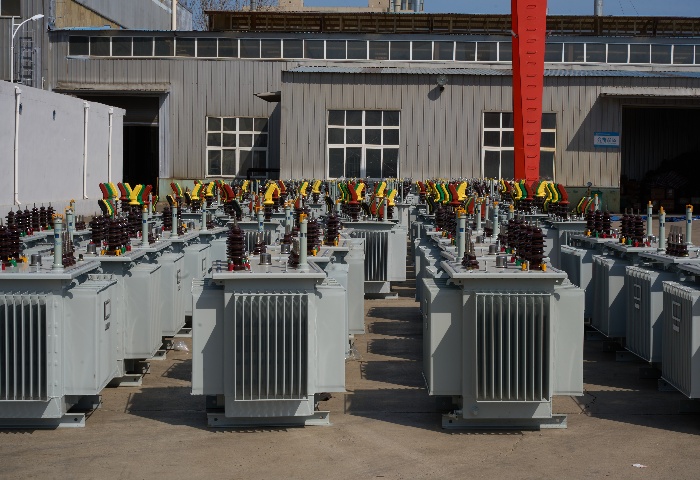
5000kVA Oil Immersed Substation Transformer
The 5000kVA Oil Immersed Substation Transformer is engineered for high-capacity power substations that demand continuous stability, strong load adaptability, and long operational life. Featuring an advanced oil-immersed insulation system, the transformer effectively enhances dielectric strength and thermal conductivity, ensuring reliable performance under heavy and fluctuating load conditions. With superior short-circuit withstand capability and efficient cooling performance, the transformer provides dependable power conversion for substations serving industrial, commercial, and infrastructure applications.Welcome your inquiry
Honesty, Integrity, Frugality, Activeness and Passion