


11kV – 33kV Solar Inverter Duty Transformer Up to 20MVA
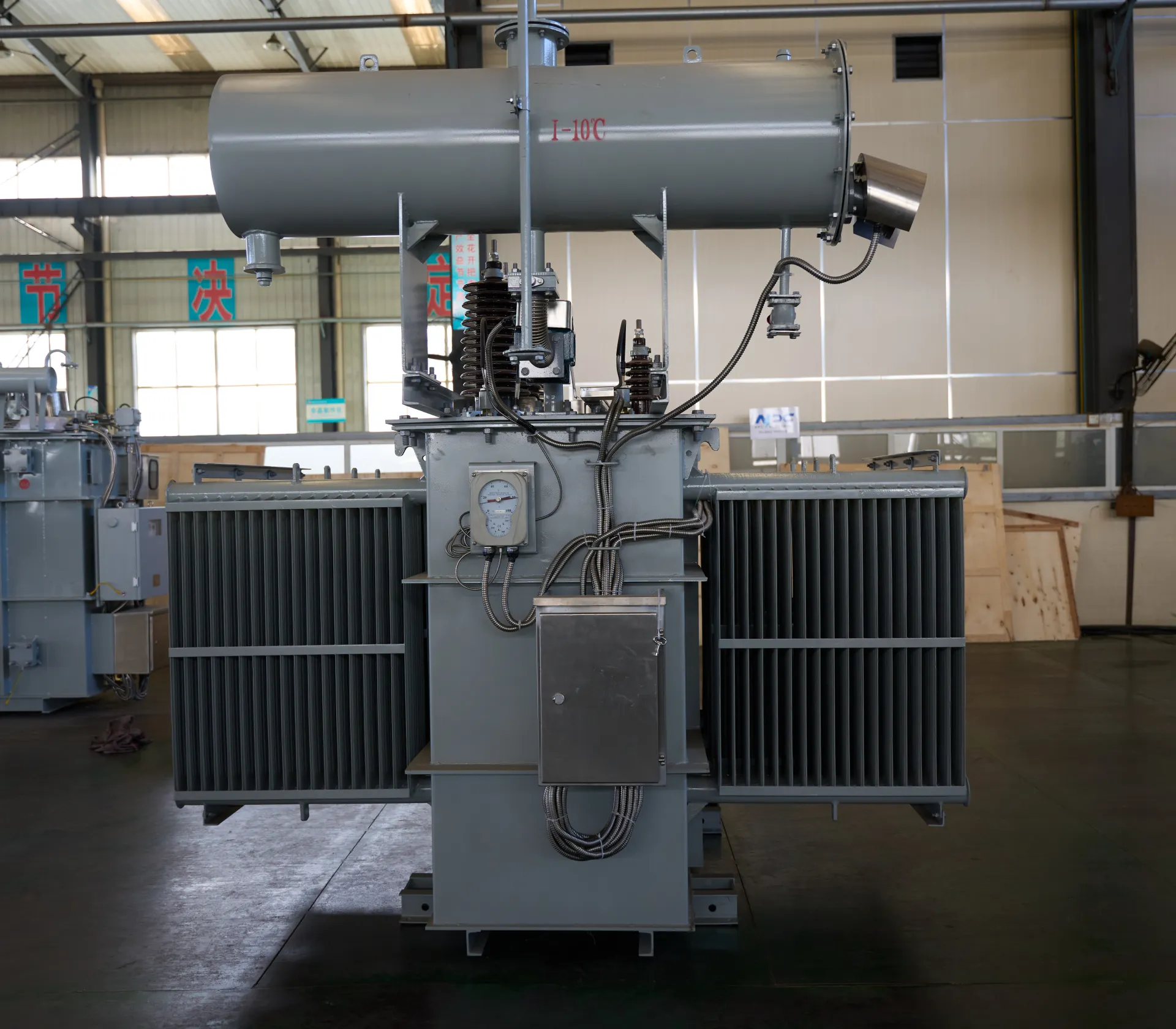
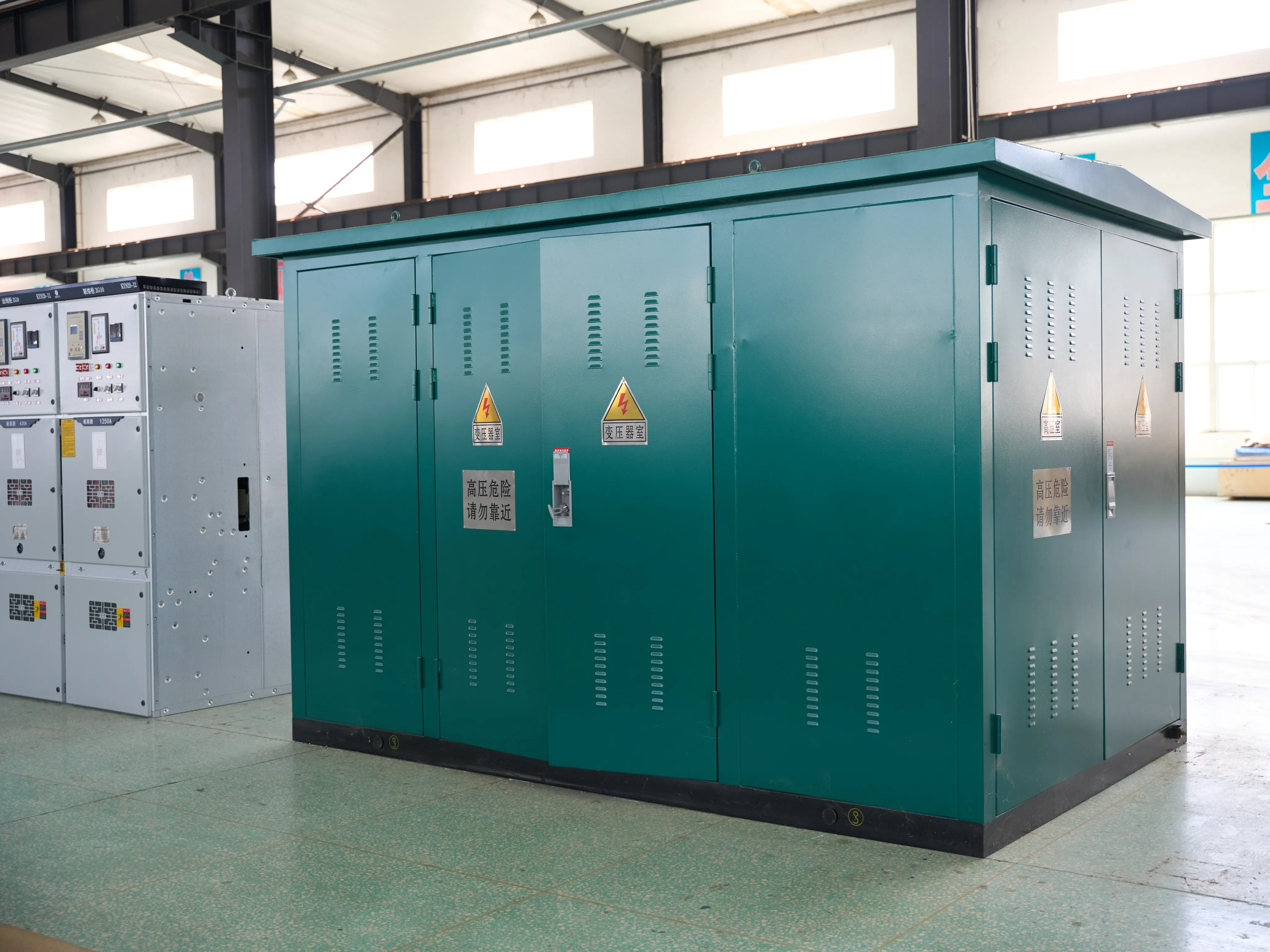
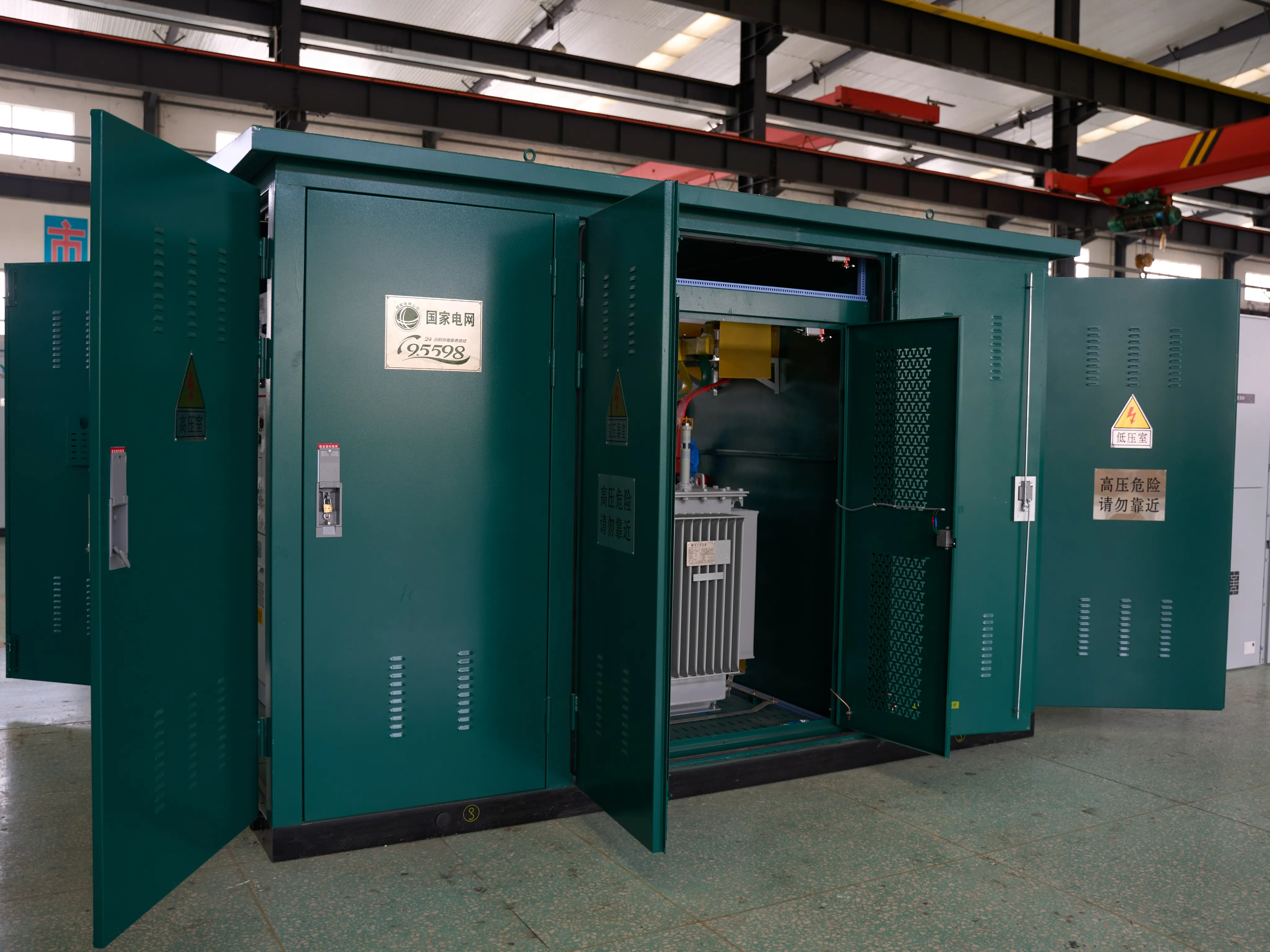
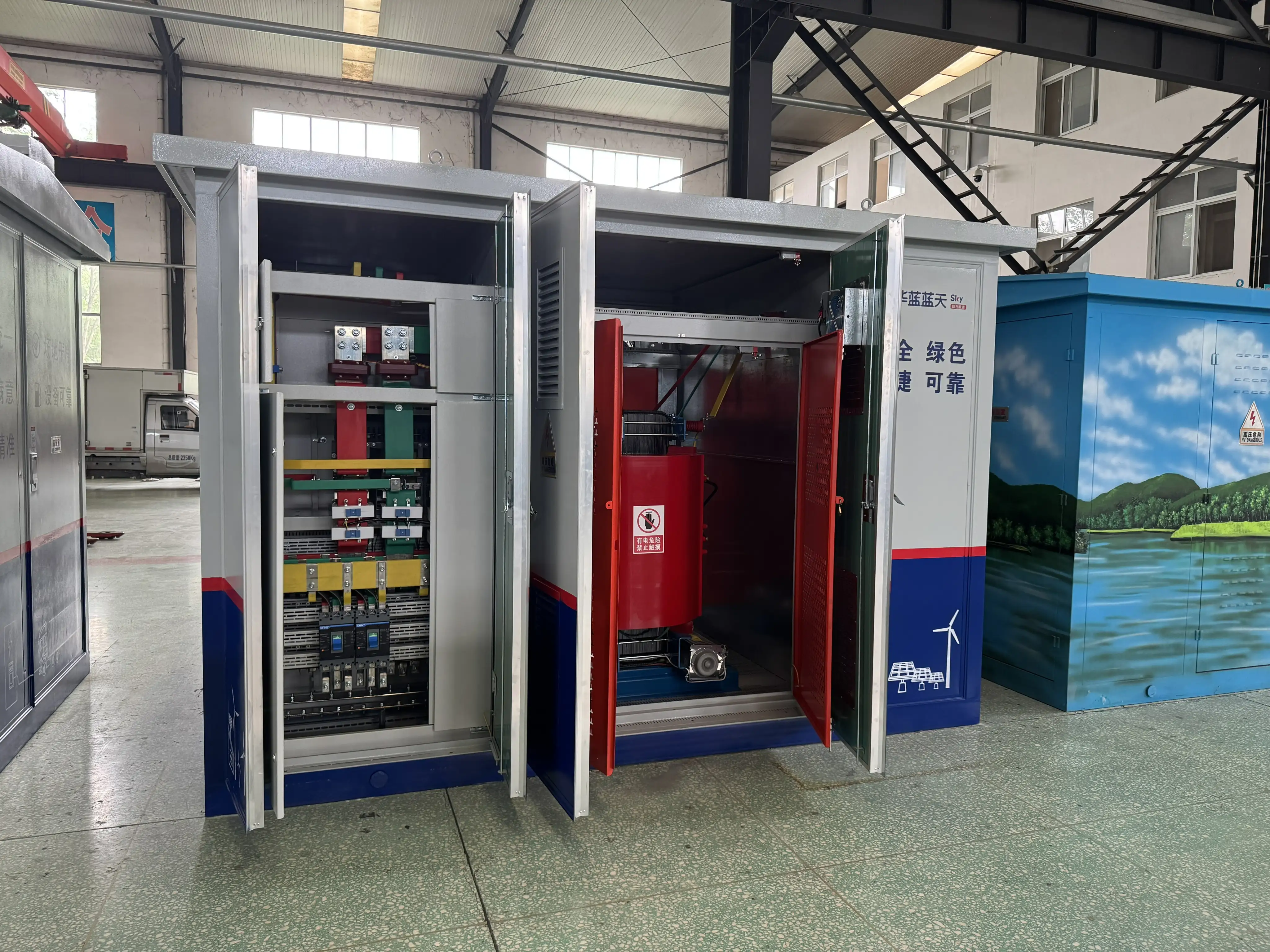
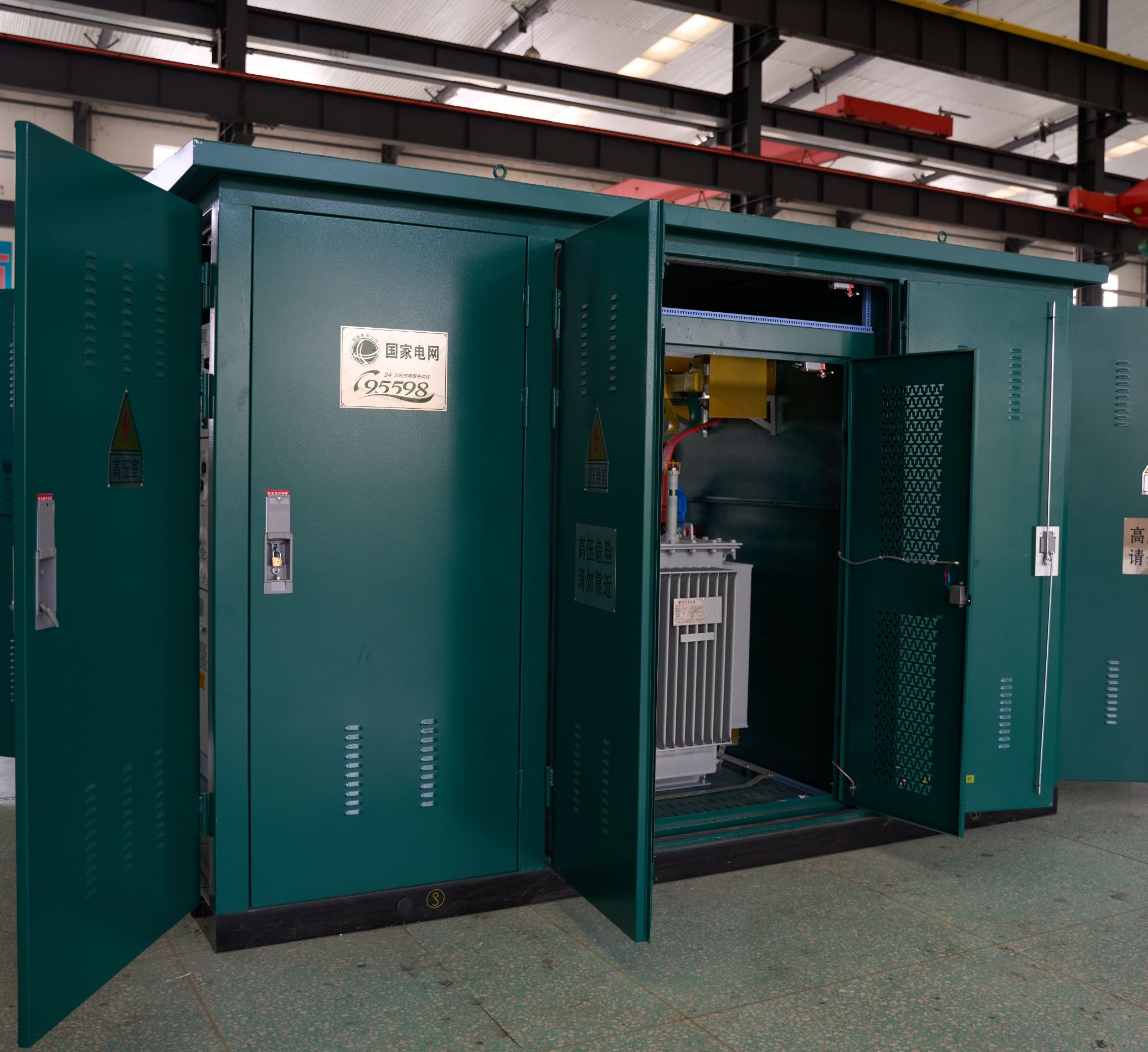
The Reliable Solar Inverter Duty Transformer for Renewable Energy applications is engineered to support modern photovoltaic systems with capacities up to 20MVA and voltage levels from 11kV to 33kV. Designed to interface directly with solar inverters, this transformer ensures stable voltage conversion, excellent harmonic tolerance, and consistent performance under fluctuating generation conditions typical of renewable energy plants. The transformer adopts a robust oil-immersed structure with optimized thermal management to handle continuous load cycling and high ambient temperatures. Advanced magnetic core materials reduce no-load losses, while reinforced insulation systems improve dielectric strength and operational lifespan.
- Primary Voltage Ratings 11kV - 33kV or others
- Secondary Voltage Ratings 0.315kV, 0.38kV, 0.48kV, 0.6kV, 0.69kV, 0.8kV or customized
- H.V. Tap Range ± 2×2.5% HV taps or others
- Type Solar Step-up Transformer
- BIL 30/200kV, 30/170kV, 30/150, 30/95 or others
- Standards IEEE, ANSI, NEMA, IEC, GB
- Application renewable energy substations, solar-plus-storage systems
- Power Rating Up to 20MVA
- Certificate UL ,CESI
- Cooling Method ONAN, KNAN
- Opeartion Step-up
Technical Specifications
Customization Optional
Packing and Shipping
Manufacturer Test
Routine Testing
Application
Technical Specifications
11kV – 33kV Solar Inverter Duty Transformer Up to 20MVA
Technical Specifications
Accessories
| Rated Power | Up to 20MVA | |
| Rating Primary Voltage | 11kV - 33kV | |
| Secondary Voltage | Customized | |
| Frequency | 50/60Hz | |
| Vector Group | Dyn11,Ynd11,Dyn11yn11,YNd11d11 | |
| Winding Material | Aluminum/Copper | |
| Zero-Sequence Impedance | Customized | |
| Altitude | ≤1,000m or Customized | |
| Color | ANSI 70 Light gray/Munsell 7GY3.29/1.5 or customized etc | |
| Tank material | Mild Steel, 304 Stainless Steel | |
| HV Bushing |
| LV Bushing |
| Tap changer |
| Oil level gauge |
| Oil temperature indicator |
| Pressure relief device |
| CT |
| Lifting hook for complete transformer |
| Name plate |
| Radiators |
| Oil upper filtering valve |
| Oil drain valve with 3/8" sampler |
| Terminal box |
Customization Optional
11kV – 33kV Solar Inverter Duty Transformer Up to 20MVA
This solar inverter duty transformer can be customized to meet diverse renewable energy project requirements. Rated power, voltage ratios, and impedance values can be precisely engineered to match inverter output characteristics and grid interconnection standards. Vector group selection and insulation class adjustments allow compatibility with different network configurations and environmental conditions. Additional customization includes enhanced harmonic mitigation designs, low-loss core options, and specialized winding arrangements to improve efficiency under partial load operation.
Clients may also specify accessories such as online temperature monitoring, pressure relief devices, surge protection, and advanced oil preservation systems. These flexible options ensure optimal performance, reduced maintenance needs, and long-term reliability across various solar plant layouts.
Packing and Shipping
11kV – 33kV Solar Inverter Duty Transformer Up to 20MVA
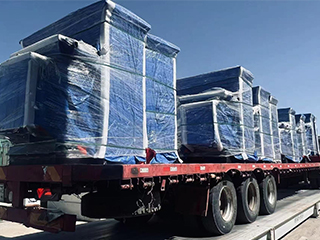
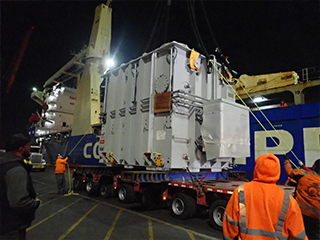
The packing and shipping process for the Reliable Solar Inverter Duty Transformer is carefully planned to ensure maximum protection, compliance with international logistics standards, and safe delivery to the installation site. Each transformer is handled according to its rated capacity, dimensions, transport route, and environmental exposure risks, ensuring its structural and electrical integrity throughout transit.
Before packing, the transformer undergoes a final surface inspection and cleaning process. All external fittings, bushings, radiators, and accessories are securely fastened or separately packed as required. Critical components such as tap changers, monitoring devices, and terminal connections are protected with reinforced covers to prevent impact damage and contamination during transportation.
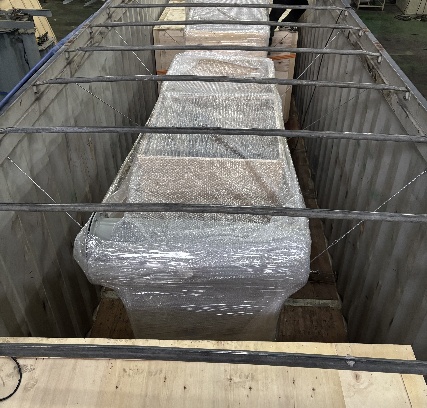
For overseas or long-distance shipments, the transformer tank is treated with anti-corrosion coatings and wrapped using moisture-proof materials. Depending on project requirements, the unit may be shipped oil-filled, nitrogen-filled, or vacuum-sealed to preserve insulation performance and prevent moisture ingress. Oil-filled transformers are sealed with pressure-tested gaskets to ensure leak-free transport under varying temperatures and altitudes.
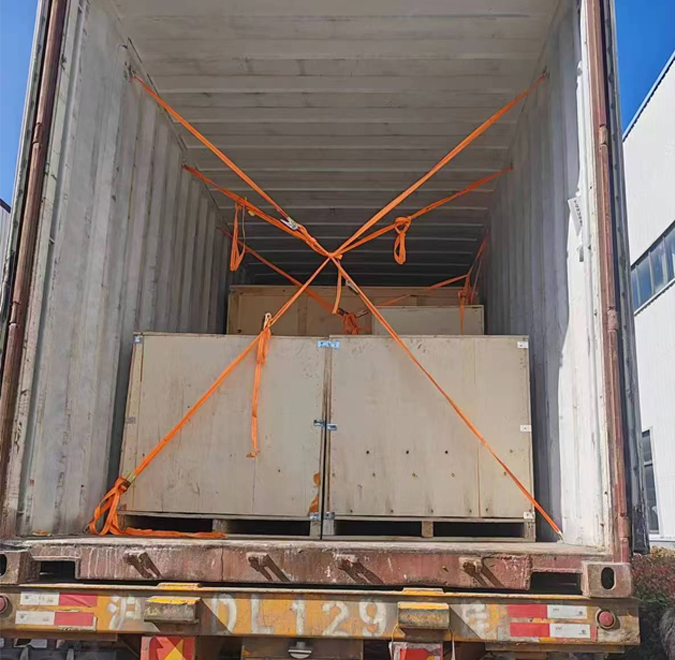
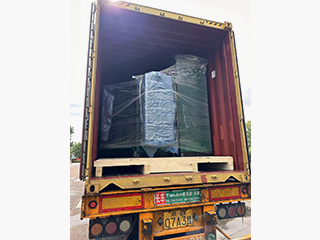
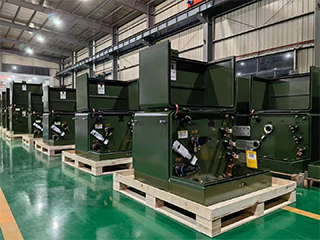
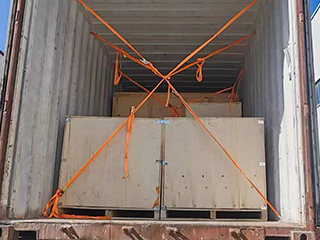
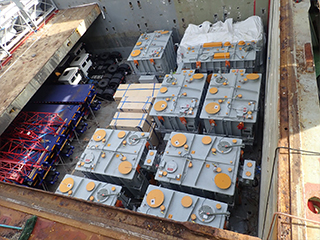
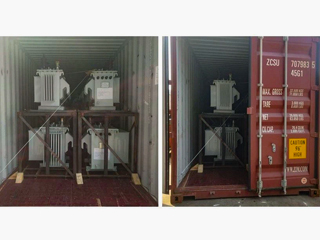
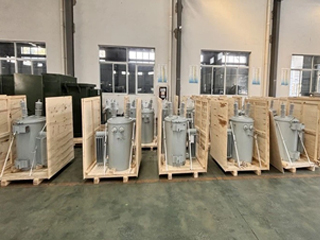
The main body is mounted on heavy-duty steel skids or wooden bases designed to support the transformer’s weight and maintain balance during lifting and transit. Shock-absorbing pads and internal bracing are applied to reduce vibration and mechanical stress. For containerized transport, dimensions and weight distribution are carefully calculated to comply with port and carrier regulations.
Export packaging materials comply with international standards such as ISPM 15 for wooden components. Clear handling marks, center-of-gravity indicators, lifting points, and safety labels are applied to facilitate correct handling at ports, warehouses, and construction sites. Special instructions for lifting, stacking, and storage are clearly marked on the package. Comprehensive shipping documentation is prepared for each transformer, including packing lists, commercial invoices, certificates of origin, factory test reports, and operation manuals. Photos of the packing process may be provided upon request to enhance shipment transparency. This systematic packing and shipping approach ensures that the transformer arrives on site in optimal condition, ready for installation with minimal preparation.
Before packing, the transformer undergoes a final surface inspection and cleaning process. All external fittings, bushings, radiators, and accessories are securely fastened or separately packed as required. Critical components such as tap changers, monitoring devices, and terminal connections are protected with reinforced covers to prevent impact damage and contamination during transportation.
For overseas or long-distance shipments, the transformer tank is treated with anti-corrosion coatings and wrapped using moisture-proof materials. Depending on project requirements, the unit may be shipped oil-filled, nitrogen-filled, or vacuum-sealed to preserve insulation performance and prevent moisture ingress. Oil-filled transformers are sealed with pressure-tested gaskets to ensure leak-free transport under varying temperatures and altitudes.
The main body is mounted on heavy-duty steel skids or wooden bases designed to support the transformer’s weight and maintain balance during lifting and transit. Shock-absorbing pads and internal bracing are applied to reduce vibration and mechanical stress. For containerized transport, dimensions and weight distribution are carefully calculated to comply with port and carrier regulations.
Export packaging materials comply with international standards such as ISPM 15 for wooden components. Clear handling marks, center-of-gravity indicators, lifting points, and safety labels are applied to facilitate correct handling at ports, warehouses, and construction sites. Special instructions for lifting, stacking, and storage are clearly marked on the package. Comprehensive shipping documentation is prepared for each transformer, including packing lists, commercial invoices, certificates of origin, factory test reports, and operation manuals. Photos of the packing process may be provided upon request to enhance shipment transparency. This systematic packing and shipping approach ensures that the transformer arrives on site in optimal condition, ready for installation with minimal preparation.
32
32 years of industry experience
Manufacturer Test
11kV – 33kV Solar Inverter Duty Transformer Up to 20MVA
Progress Test
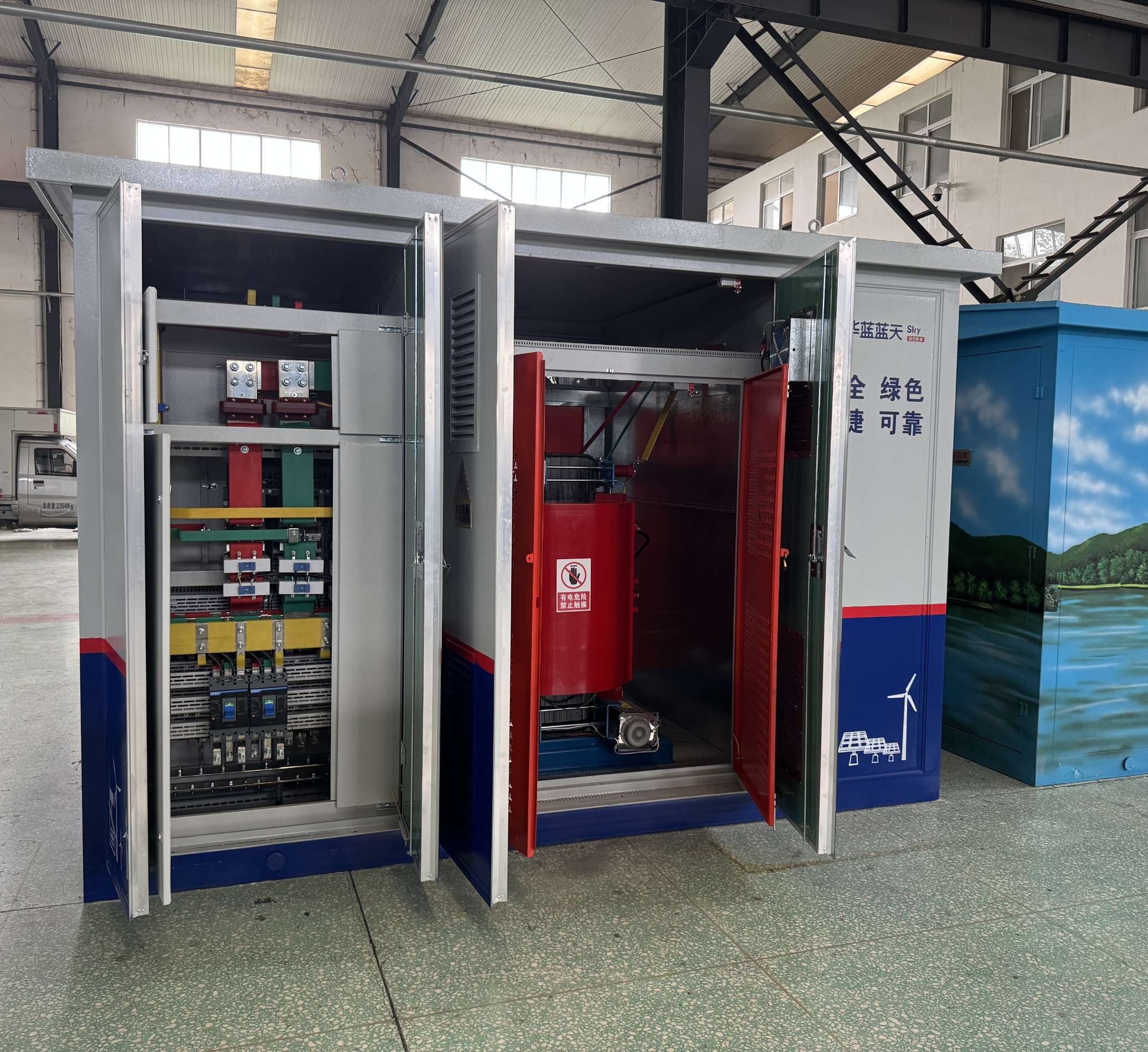
Progress testing is conducted at defined manufacturing milestones to ensure consistent quality throughout production. Incoming inspections verify core steel properties, conductor specifications, and insulation material compliance. During winding fabrication, dimensional accuracy and conductor tension are closely monitored to prevent mechanical stress.
Intermediate electrical checks such as resistance measurement and insulation resistance testing are performed before assembly continues. Core and coil assembly inspections confirm alignment and structural integrity. Oil processing parameters, including filtration level and moisture content, are recorded to ensure dielectric reliability. These progress tests enable early identification of potential issues and ensure manufacturing stability.
Design Tests
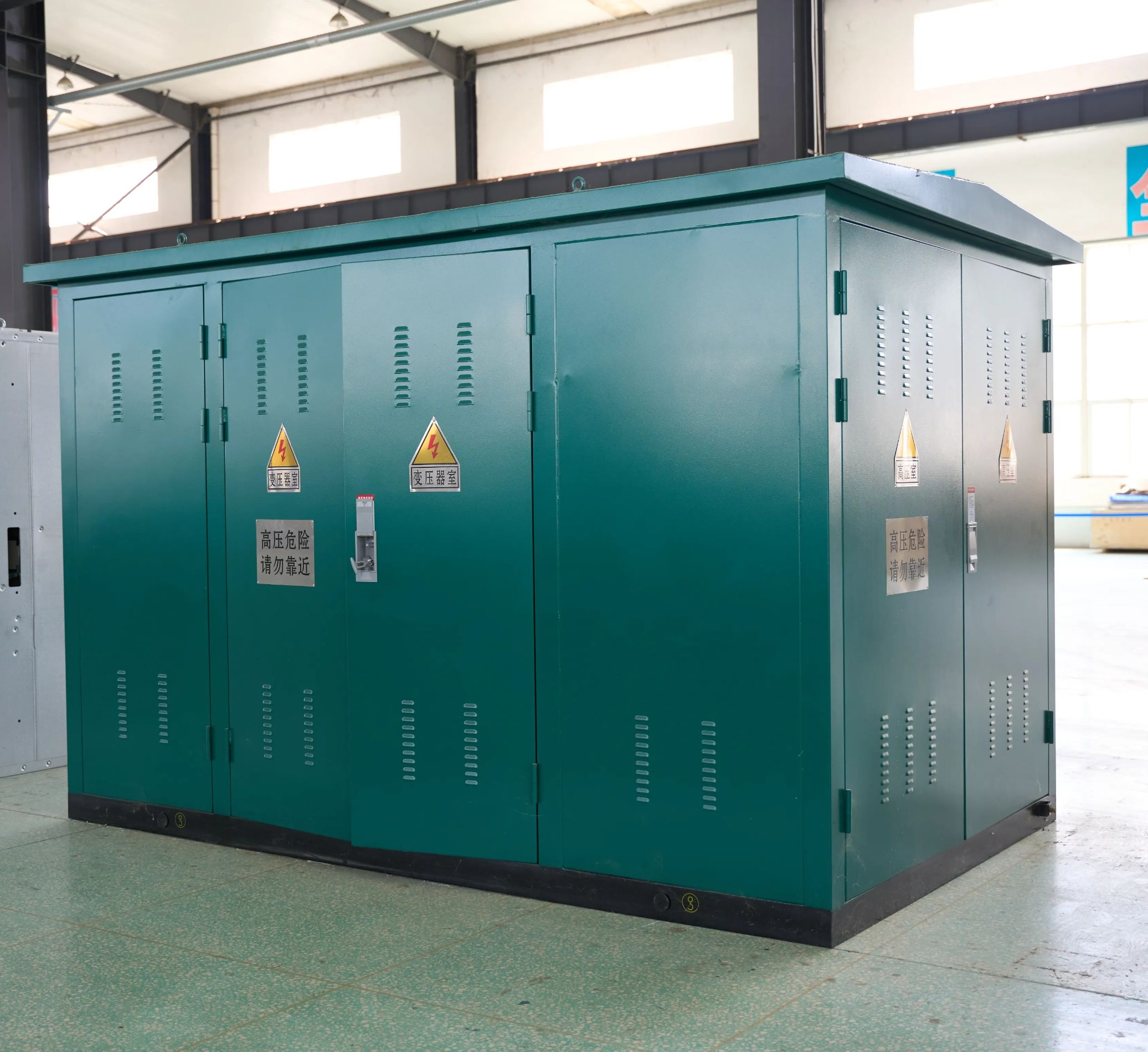
All transformer will be test after finished the production, test items as below:
♦ Insulation Power Factor
♦ Winding Resistance
♦ Impulse Tests
♦ On load Loss Test
♦ No Load Loss Test
♦ Leak Test
♦ DC Insulation Resistance Test
♦ Transformer Turns Ratio/TTR (All Tap Voltages)
♦ Impedance Voltage & Load Loss (Rated Voltage)
♦ Excitation & No-Load Loss (Rated Voltage)
♦ Applied Voltage
♦ Induced Voltage
♦ Lightning Impulse
♦ Insulation Resistance (Rated Voltage)
♦ Temperature Rise
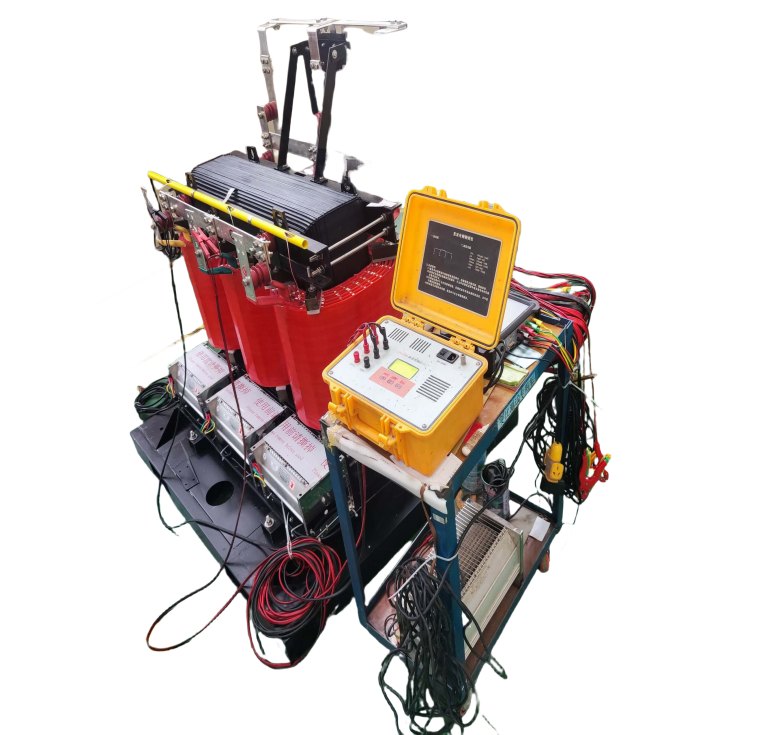
Transformer Factory Acceptance Test
The Transformer Factory Acceptance Test (FAT) is a critical quality assurance procedure conducted to verify that the solar inverter duty transformer fully meets technical specifications, contractual requirements, and applicable international standards prior to shipment. All FAT activities are performed in a controlled factory environment by qualified testing engineers.
The FAT begins with a comprehensive visual and dimensional inspection to confirm correct assembly, workmanship quality, and conformity of nameplate data. Electrical routine tests follow, including winding resistance measurement to verify conductor integrity and contact reliability. Voltage ratio and polarity tests ensure accurate transformation performance and correct phase relationships. Vector group verification is carried out to confirm compatibility with solar inverter systems and grid interconnection requirements. No-load loss and load loss measurements are conducted to validate efficiency targets and thermal design performance. Insulation resistance tests assess the condition of the insulation system before high-voltage testing.
Routine Test - Applied Voltage
Purpose of Testing
The purpose of testing the applied voltage is to verify the insulation strength of the transformer by applying a voltage higher than its normal operating level, ensuring it can withstand potential electrical stresses. This test helps identify any weaknesses or defects in the insulation system before the transformer is put into service.
Testing Equipment
Test equipment: High voltage tester (e.g. TTR, Hipot, etc.)
Voltage source: usually 1 kV, 5 kV, 10 kV, or customized according to customer needs
Temperature and humidity meter: used to record environmental conditions
Voltage source: usually 1 kV, 5 kV, 10 kV, or customized according to customer needs
Temperature and humidity meter: used to record environmental conditions
Pre-Test Preparation
Disconnect the device from the power supply and make sure it is properly grounded and discharged.
Check the connection terminals and wiring to ensure that they are not loose or contaminated.
Test under suitable environmental conditions: relative humidity below 75% and no rain (recommended temperature: 20-30°C).
Check the connection terminals and wiring to ensure that they are not loose or contaminated.
Test under suitable environmental conditions: relative humidity below 75% and no rain (recommended temperature: 20-30°C).
Test Progress
Connect the Test Instrument:
Properly connect the test equipment to the bushings or terminals of the device under test and ensure that all connection points are properly grounded.
Selecting the test voltage:
Select the appropriate applied voltage based on the rated voltage of the equipment.
Properly connect the test equipment to the bushings or terminals of the device under test and ensure that all connection points are properly grounded.
Selecting the test voltage:
Select the appropriate applied voltage based on the rated voltage of the equipment.
Measure and Record
Start the test and record the following parameters:
Measuring leakage current
Applied voltage
Current stability
Any possible voltage fluctuations
Measuring leakage current
Applied voltage
Current stability
Any possible voltage fluctuations
Temperature Correction
If necessary, the measured data is temperature corrected to ensure that it corresponds to standard temperature conditions (usually 20°C).
Repeat Testing (if necessary)
Multiple tests were conducted on different windings (high voltage, medium voltage, low voltage) and bushings, and comparative analysis was performed.
Evaluation Criteria (Reference)
The test was normal and the equipment performed well (qualified)
The current value exceeded the allowable range and the equipment needs to be inspected or maintained (pending repair)
There was a serious fault or instability and the equipment could not continue to operate (unqualified)
The current value exceeded the allowable range and the equipment needs to be inspected or maintained (pending repair)
There was a serious fault or instability and the equipment could not continue to operate (unqualified)
Observing electrical behavior
Observe the electrical behavior of the device under test to ensure that there are no abnormal currents, arcing, noise, or electrical faults.
*These comprehensive tests ensure that each transformer meets performance standards and operates
reliably under various conditions.
Application
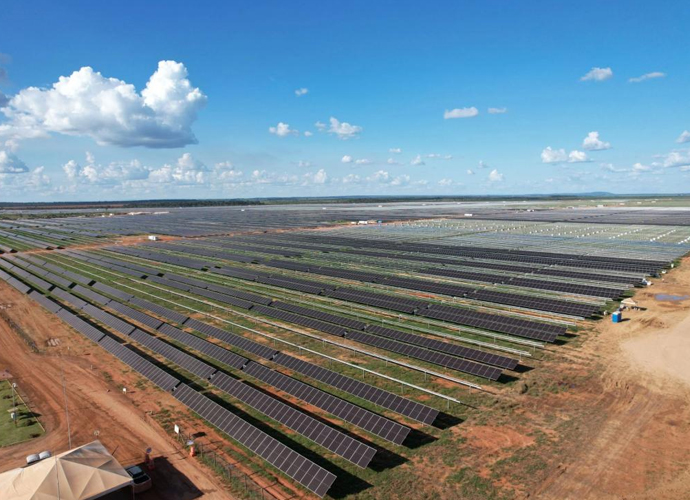
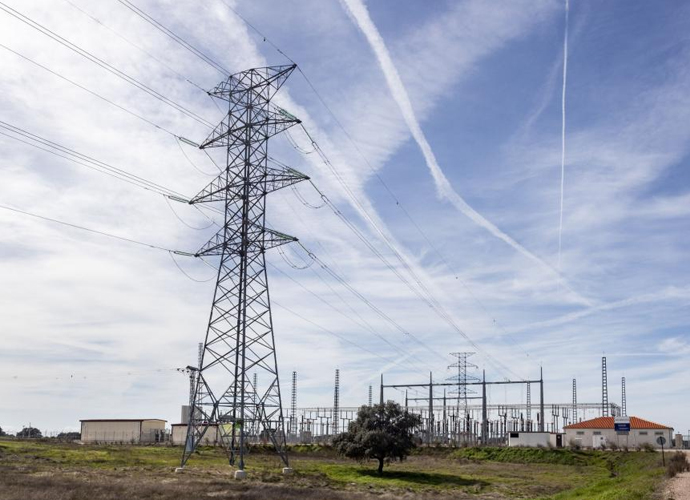
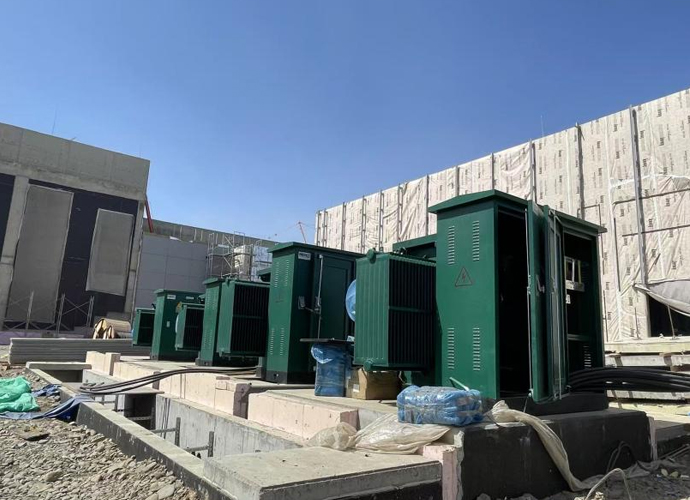
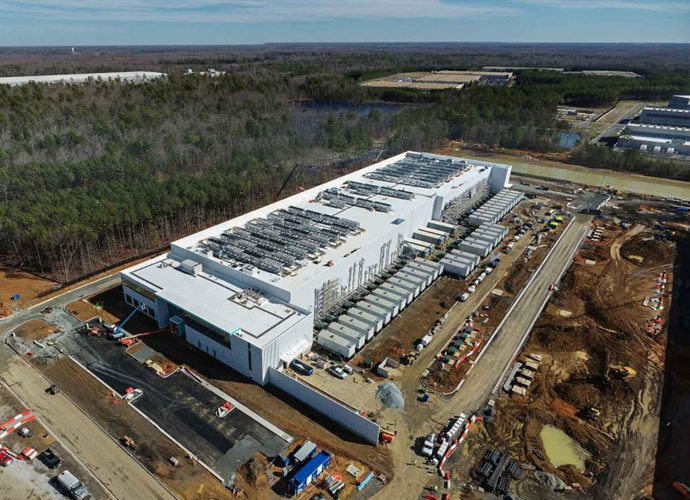
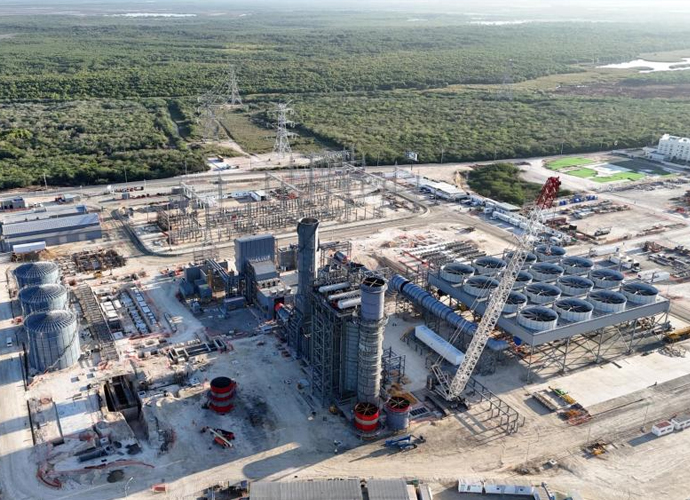
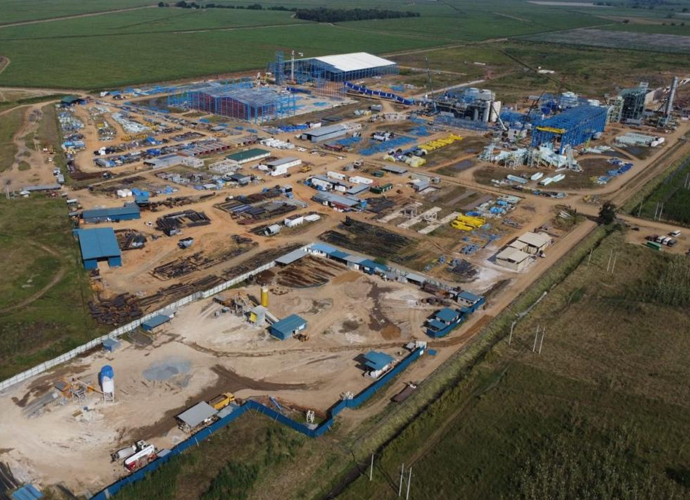
Used in utility-scale photovoltaic plants to step up inverter output voltage from 11kV to 33kV for efficient grid connection and power transmission.


Technical Advantages
● 30+ years of manufacturing experience
● ISO and UL certified production
● Customized cable and transformer solutions
Product Packaging
Transformers Packaging (1)
Transformers Packaging (2)
Transformers Packaging (3)
Transformers Packaging (4)
Transformers Packaging (5)
Transformers Packaging (6)
Transformers Packaging (7)
Transformers Packaging (8)
Related Products
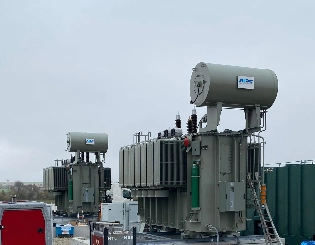
High Voltage 160kV Step-Up Power Transformer: Efficient 20MVA / 30MVA / 60MVA Solutions for Substations
The 160kV High Voltage Step-Up Power Transformer is designed to increase voltage levels efficiently for power generation plants and substation applications. Available in 20MVA, 30MVA, and 60MVA ratings, it supports stable energy transmission from generation sources to high-voltage networks. The transformer adopts a carefully optimized electromagnetic design that enhances voltage conversion efficiency while maintaining controlled thermal and electrical performance. Its oil-immersed insulation system ensures reliable cooling and long-term insulation stability under continuous operating conditions. The structural design emphasizes mechanical strength and operational safety, enabling dependable performance in outdoor substations and demanding grid environments. This step-up transformer is well suited for modern power systems that require efficient voltage elevation, reduced transmission losses, and consistent operational reliability.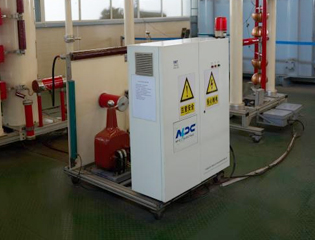
100kVA Dry Type Transformer
The 100kVA dry-type transformer adopts efficient dry-type insulation technology and is designed for industrial, commercial and residential power systems. With its excellent performance and compact structure, the transformer provides stable and reliable power support and is suitable for small and medium-sized power distribution needs. Through strict quality control, NPC ELECTRIC's 100kVA dry-type transformer provides users with high-quality, low-maintenance power solutions.
110kV 115kV Power Transformer
NPC ELECTRIC's 110kV and 115kV power transformers are designed with advanced low-loss silicon steel sheets and efficient cooling systems, complying with international standards such as IEC 60076 and GB 1094, ensuring stable and reliable operation in high-voltage transmission systems. They are widely used in large power plants, substations, and industrial parks, providing safe and efficient power conversion and transmission solutions for power grids. It primary voltages (110kV or 115kV grounded wye/delta, dual-voltage options), secondary voltages (10.5kV, 11kV, 13.8kV, 33kV/34.5kV, or bespoke e.g., 115kV/13.8kV), copper/aluminum windings, ONAN/ONAF/ODAF cooling, BIL 350–550kV (up to 650kV optional), impedance 8–12% (±7.5% tolerance), ±8×1.25% or ±2×2.5% off-load taps (OLTC available), conservator/sealed tank.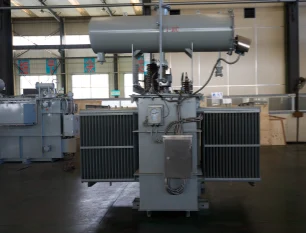
25000kVA Oil-Immersed Copper Transformer For Substation
The 25,000kVA oil-immersed copper transformer is engineered for high-standard power distribution in large industrial facilities, utility networks, and high-voltage substations. Built with premium pure copper windings, it delivers exceptional electrical conductivity, reduced losses, and long-term operational stability. The oil-immersed cooling system ensures efficient heat dissipation, allowing the transformer to perform reliably under continuous heavy load conditions.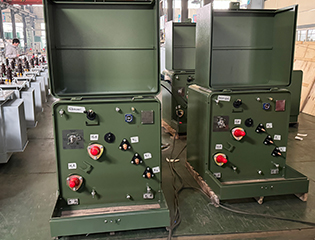
500kVA Single Phase Pad Mounted Transformer
The 500kVA Single Phase Pad Mounted Transformer is a high-capacity electrical transformer designed for reliable and efficient power distribution in commercial, industrial, and utility applications. With a robust, weatherproof enclosure, it is specifically built for outdoor use and can handle the demanding requirements of larger single-phase systems. This transformer offers a 500kVA capacity, ensuring dependable performance for a variety of load conditions.
2500kVA Dry Type Transformer
The NPC ELECTRIC 2500kVA Dry Type Transformer is a high-capacity, reliable power solution designed for large industrial and commercial applications. With a power rating of 2500kVA, it features advanced dry-type insulation technology, offering superior safety, low maintenance, and long-term performance. Engineered to operate efficiently in demanding environments, this transformer delivers stable, noise-free power while minimizing environmental impact.FAQ From Customers
-
What is a Transformer?A transformer is an electrical device used to change the voltage of alternating current (AC). It works on the principle of electromagnetic induction, converting high-voltage current into low-voltage current or low-voltage current into high-voltage current. Transformers are widely used in power transmission, distribution systems, and various electronic devices.
-
What are the main uses of a transformer?The main use of a transformer is voltage conversion. Transformers are used in power transmission systems to help transfer electricity from power plants to consumers. In addition, transformers are also used in electronic devices such as chargers, televisions, power adapters, etc., to adjust the voltage to meet the requirements of different devices.
-
Do you have UL listed?Yes, our transformer has UL listed. We have exported to America many pad mounted transformer,substation transformer and HV.
Welcome your inquiry
Honesty, Integrity, Frugality, Activeness and Passion