


320 kV High Voltage Power Transformer
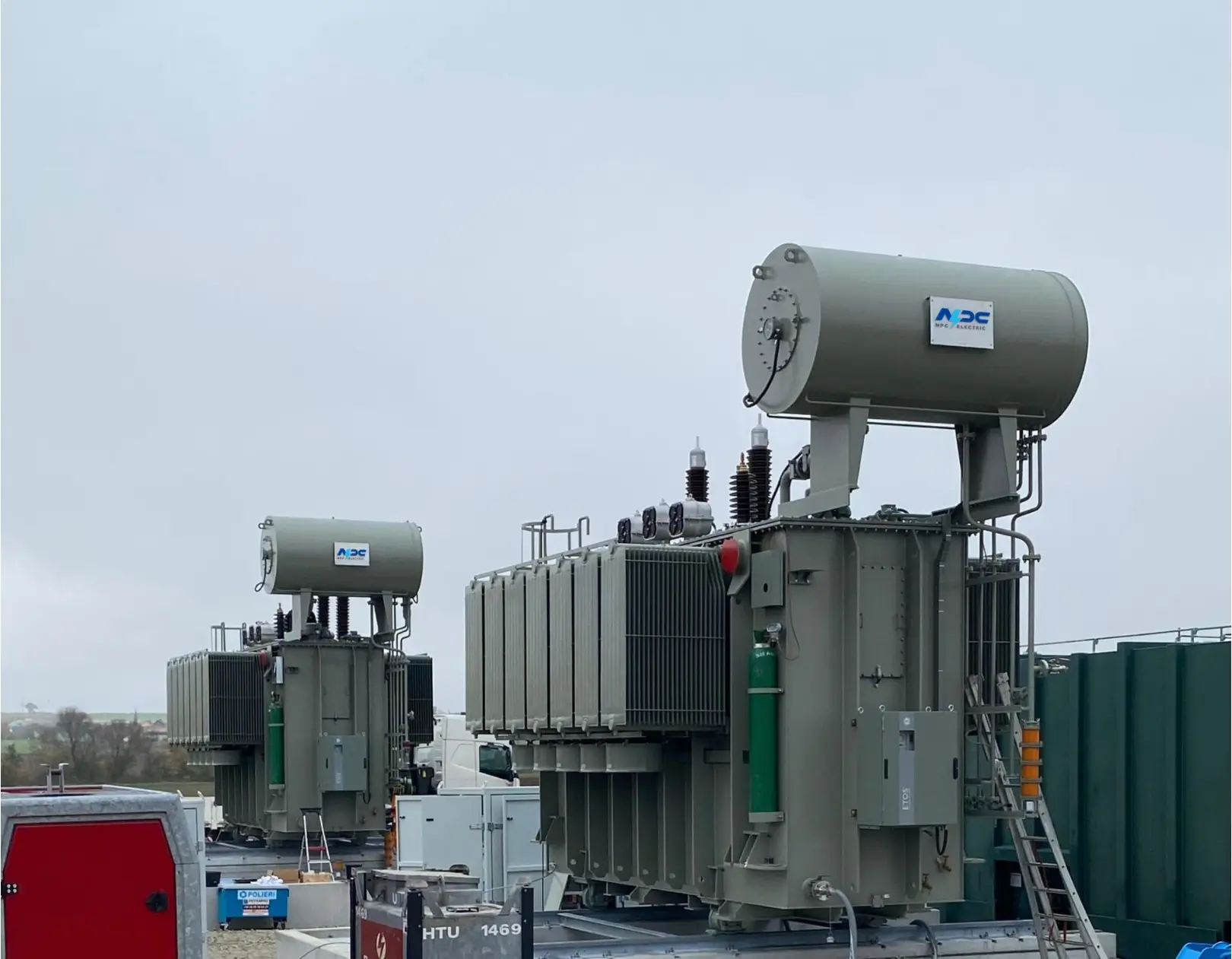
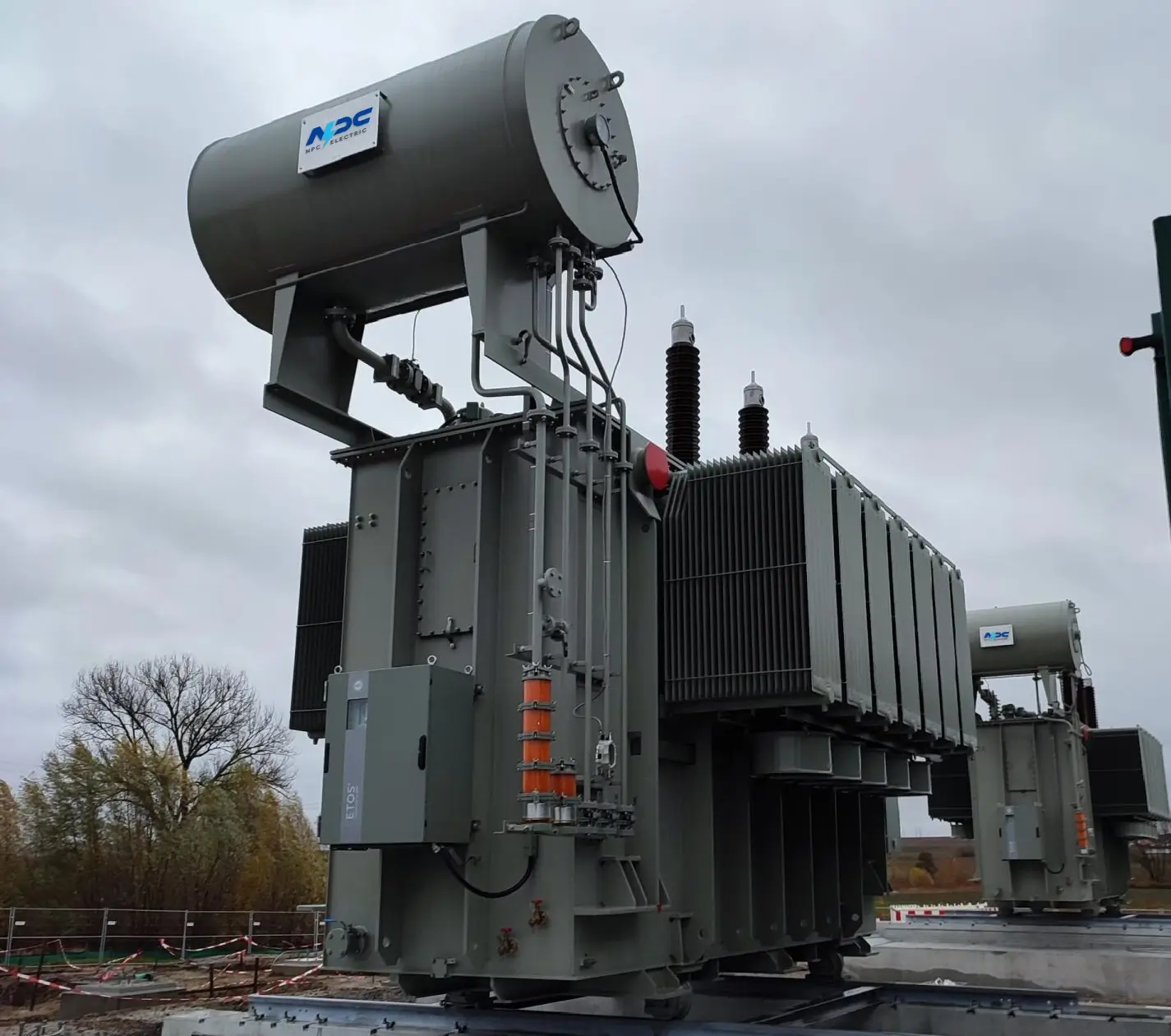
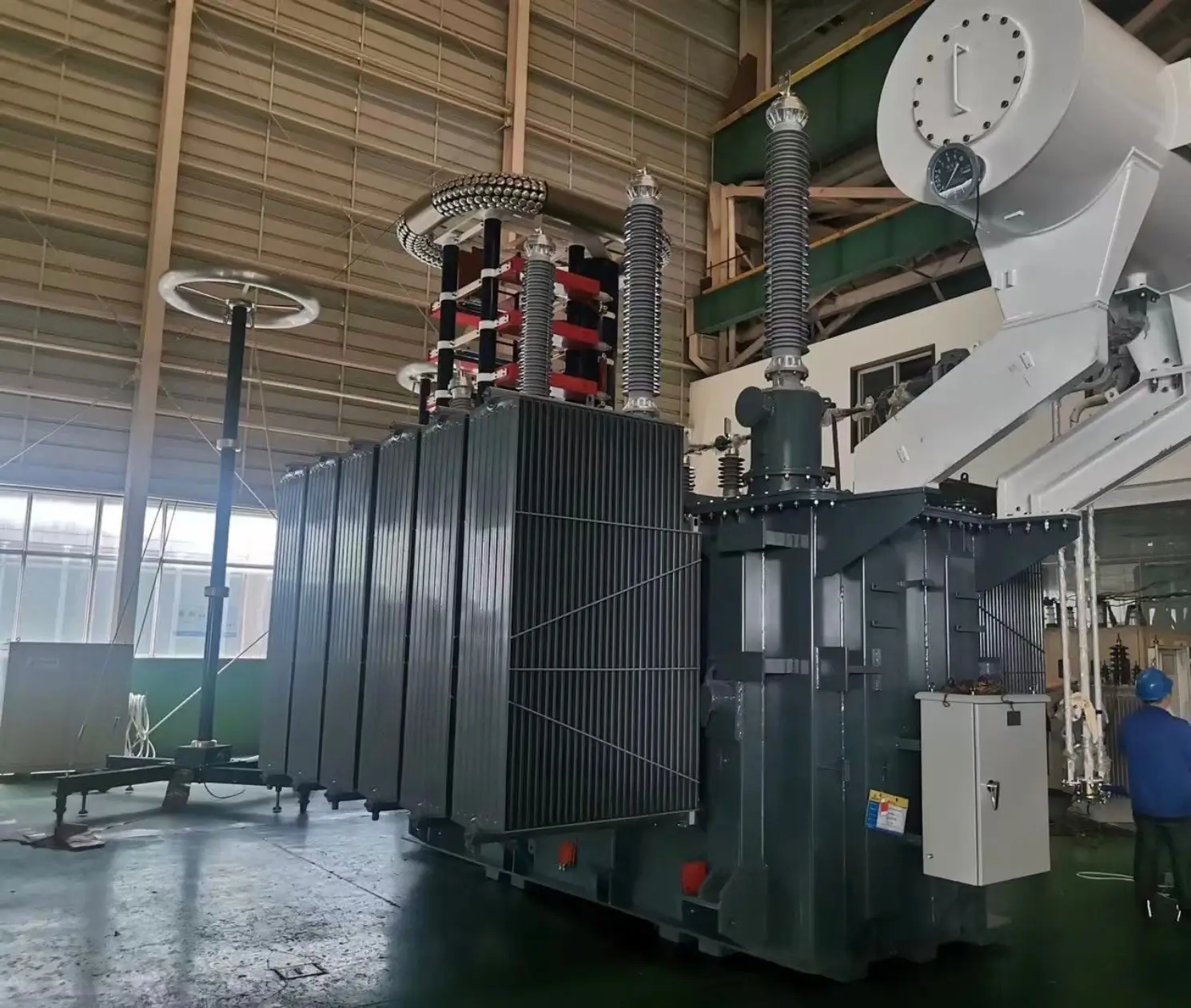
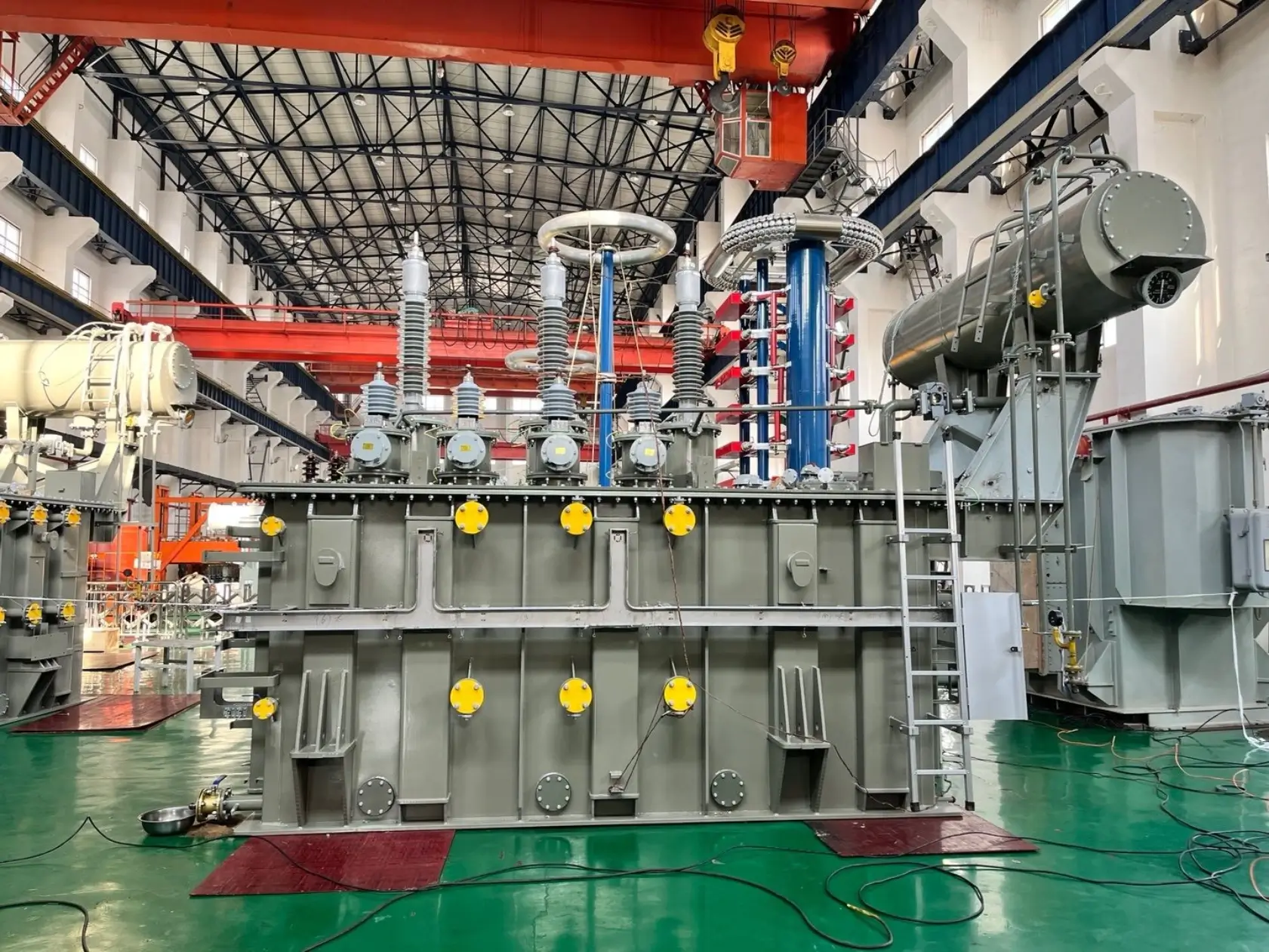
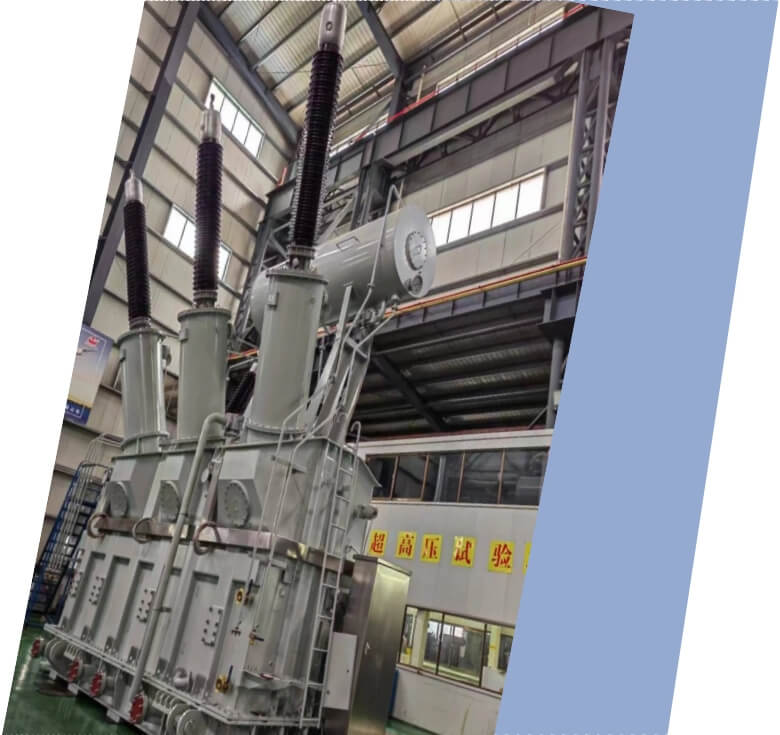
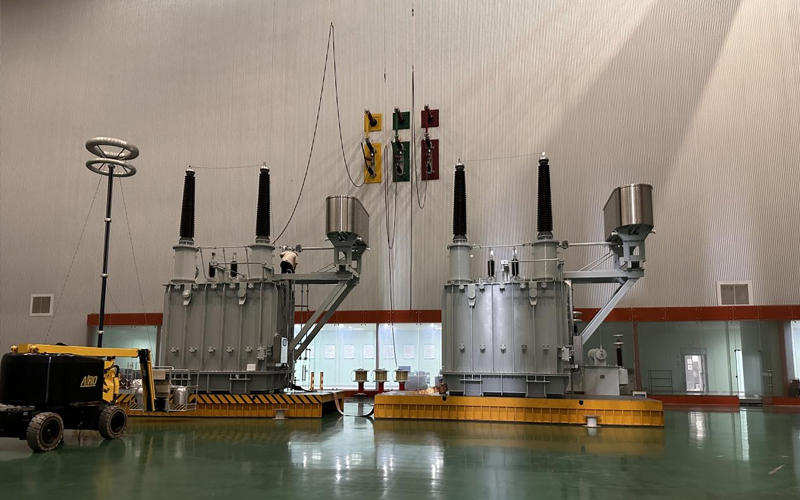
NPC Electric 320 kV High Voltage Power Transformer is engineered for ultra-high-voltage transmission networks where reliability, efficiency, and operational safety are critical. Designed to handle extreme electrical stress, this transformer supports stable power transfer across long-distance transmission lines and major grid interconnection points. Its oil-immersed insulation system provides superior dielectric strength and efficient heat dissipation, ensuring consistent performance under continuous high-load conditions. Advanced core optimization reduces magnetic losses, while precision winding design enhances voltage regulation and system stability. The transformer structure is built to withstand thermal expansion, mechanical forces, and short-circuit events, making it suitable for demanding grid environments. With long service life, low maintenance requirements, and high operational efficiency, the 320 kV power transformer is an ideal solution for modern high-voltage substations and large-scale energy infrastructure projects.
- Primary Voltage Ratings 220kV 230kV 320 kV
- Secondary Voltage Ratings 69/35/37/34.5/26.4./11/10.5/6.6/13.2 kV or others
- H.V. Tap Range ± 8×1.25% HV taps or others
- Type Oil-immersed power transformer
- BIL 900kV
- Standards IEEE, ANSI, IEC, GB
- Application high-voltage transmission substations
- Power Rating 500-250000kVA
- Certificate UL, ISO, CESI
- Cooling Method ONAN/ ONAF
- Opeartion Step Down & Step Up
Technical Specifications
Customization Optional
Packing and Shipping
Manufacturer Test
Routine Testing
Application
Technical Specifications
320 kV High Voltage Power Transformer
Technical Specifications
Accessories
| Rated Power | 500-250000kVA |
| Rating Primary Voltage | 220kV 230kV 320kV |
| Secondary Voltage |
69/35/37/34.5/26.4/11/10.5/6.6/13.2 kV Customized |
| Frequency | 50/60Hz |
| Vector Group | Dyn11, YD11, YNd11 or anothers |
| Winding Material | Aluminum/Copper |
| Efficiency | As IEEE, CAS Std or Customized |
| Impedance Voltage | As IEC |
| Altitude | ≤1,000m or Customized |
| Enclosure material | Mid Steel |
| HV Bushing |
| LV Bushing |
| OLTC/NLTC |
| Lifting hook for complete transformer |
| Name plate |
| Oil temperature |
| Winding temperature |
| Radiators |
| Oil level |
| Pressure relief valve |
| CT |
Customization Optional
320 kV High Voltage Power Transformer
NPC Electric 320 kV High Voltage Power Transformer offers extensive customization to meet complex transmission system requirements. Electrical parameters such as rated voltage combinations, power capacity, impedance levels, and insulation coordination can be precisely engineered to match grid planning objectives and regional standards. Winding structures may be optimized to reduce losses, enhance thermal performance, or improve short-circuit withstand capability. Voltage regulation solutions, including off-circuit or on-load tap changers, can be configured with customized tap ranges and step resolutions to maintain stable voltage levels under varying load conditions. Mechanical and environmental customization options further expand the transformer’s adaptability. Tank designs can be configured for outdoor substations with reinforced structures to accommodate seismic activity or harsh operating conditions.
Surface protection systems may be selected for environments exposed to coastal humidity, industrial pollution, or extreme temperatures. Cooling systems can be tailored to ambient climate, altitude, and load duty cycle to ensure consistent thermal management. Optional intelligent monitoring systems enable real-time tracking of oil temperature, winding temperature, pressure, and load status. Additional customization options include alternative insulating fluids, noise control solutions, customized paint schemes, nameplate formats, and project-specific documentation packages. Each customization is supported by detailed engineering analysis to ensure compliance with international standards and long-term operational reliability.
Packing and Shipping
320 kV High Voltage Power Transformer
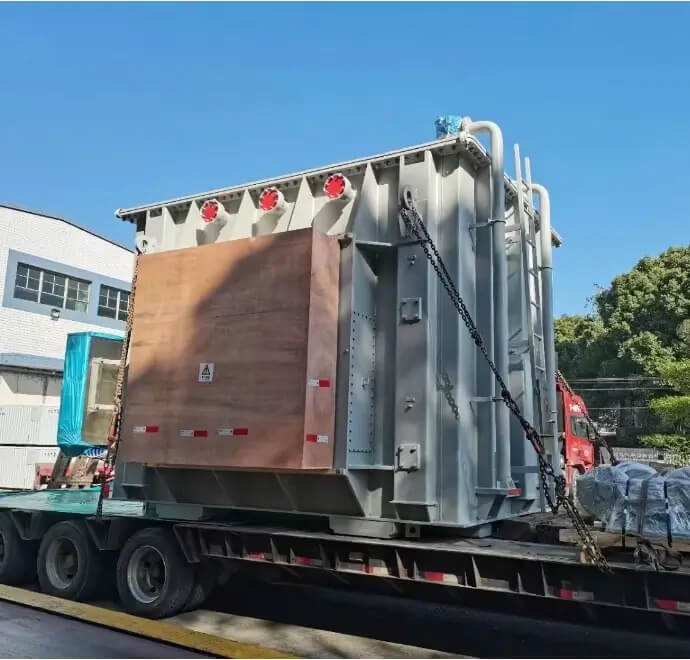
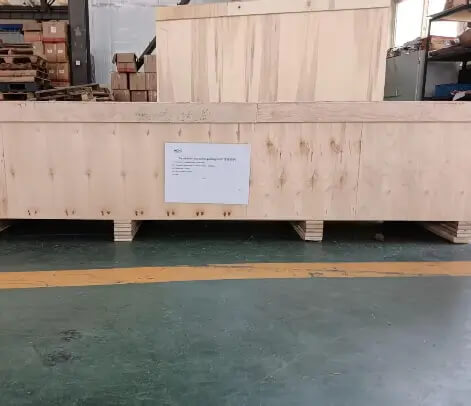
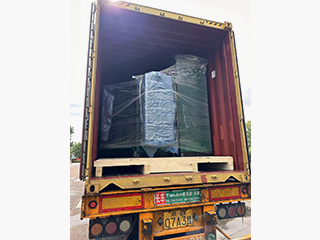
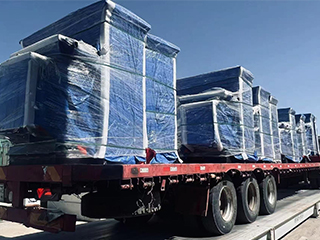
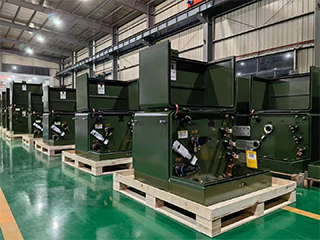
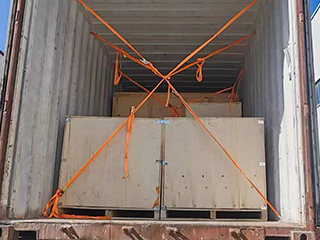
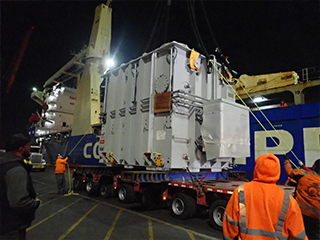
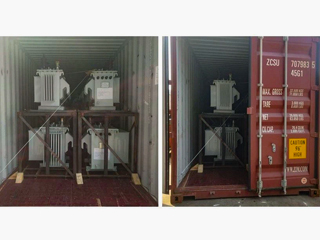
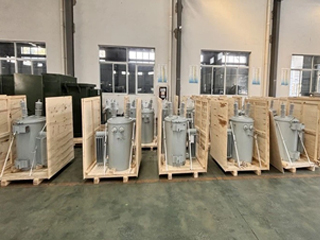
Packing and shipping of the 320 kV high voltage power transformer are managed through a carefully controlled process to protect structural integrity and insulation performance. Prior to packing, the transformer undergoes final inspection, surface treatment, and protective sealing. All openings are securely closed to prevent moisture ingress, dust contamination, or corrosion during transportation. Removable accessories such as bushings, radiators, conservators, and control cabinets are detached as required and packed separately in reinforced crates with cushioning and moisture-resistant linings.
The transformer's main body is mounted on a specially designed transport base engineered to distribute weight evenly and reduce mechanical stress during lifting and transit. Shock-absorbing materials and rigid securing systems are applied to protect against vibration, impact, and movement. For extended transport durations, preservation measures such as oil protection procedures and desiccants are employed to maintain the internal insulation condition.
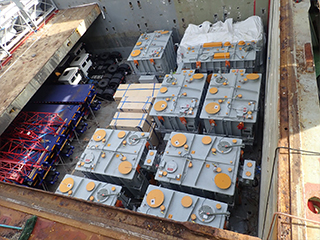
Transportation methods are selected based on transformer dimensions, weight, route constraints, and site accessibility. Depending on project requirements, shipping may be arranged via flat-rack containers, open-top containers, or break-bulk cargo. All packing materials comply with international shipping and export standards, including ISPM-15 requirements for wooden packaging. Clear markings indicating lifting points, center of gravity, and handling instructions are applied to ensure safe loading and unloading.
Each shipment is accompanied by comprehensive documentation, including packing lists, quality certificates, factory test reports, drawings, and operation manuals. Upon delivery, customers receive guidance for inspection, storage, and installation. Optional services such as on-site supervision, oil filling, commissioning support, and technical training can be provided to ensure smooth project execution and reliable commissioning.
The transformer's main body is mounted on a specially designed transport base engineered to distribute weight evenly and reduce mechanical stress during lifting and transit. Shock-absorbing materials and rigid securing systems are applied to protect against vibration, impact, and movement. For extended transport durations, preservation measures such as oil protection procedures and desiccants are employed to maintain the internal insulation condition.
Transportation methods are selected based on transformer dimensions, weight, route constraints, and site accessibility. Depending on project requirements, shipping may be arranged via flat-rack containers, open-top containers, or break-bulk cargo. All packing materials comply with international shipping and export standards, including ISPM-15 requirements for wooden packaging. Clear markings indicating lifting points, center of gravity, and handling instructions are applied to ensure safe loading and unloading.
Each shipment is accompanied by comprehensive documentation, including packing lists, quality certificates, factory test reports, drawings, and operation manuals. Upon delivery, customers receive guidance for inspection, storage, and installation. Optional services such as on-site supervision, oil filling, commissioning support, and technical training can be provided to ensure smooth project execution and reliable commissioning.
32
32 years of industry experience
Manufacturer Test
320 kV High Voltage Power Transformer
Progress test
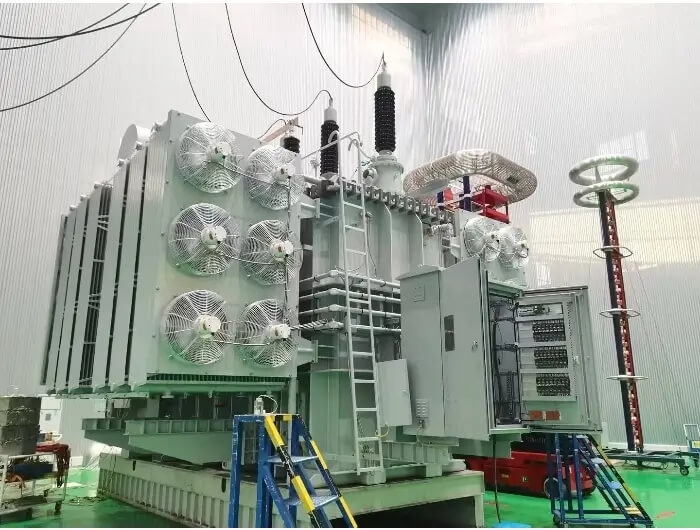
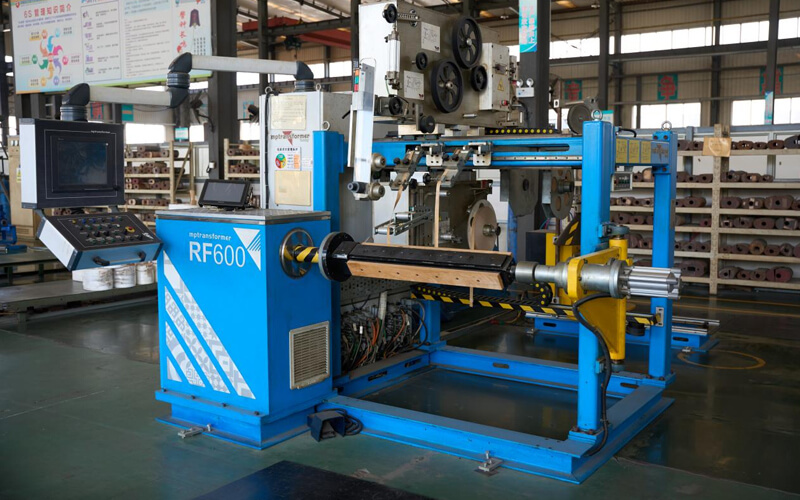
Progress testing for the 320 kV power transformer is implemented as a staged quality assurance process throughout manufacturing. Incoming materials, including magnetic core steel, copper conductors, insulation components, and insulating oil, are inspected to verify compliance with technical specifications. During core assembly, inspections focus on lamination alignment, clamping pressure, and magnetic circuit integrity. Winding production is monitored for insulation uniformity, conductor placement accuracy, and dimensional tolerances. After winding completion, the active part undergoes controlled drying and vacuum processing to achieve specified moisture limits. Intermediate electrical inspections, including winding resistance measurement and voltage ratio verification, are conducted prior to tank installation. Tank fabrication is examined for weld quality, dimensional accuracy, and surface coating integrity. Before oil filling, leak tests, and internal cleanliness inspections are performed. All progress test data are recorded to ensure traceability and manufacturing consistency before final acceptance testing.
Design Tests
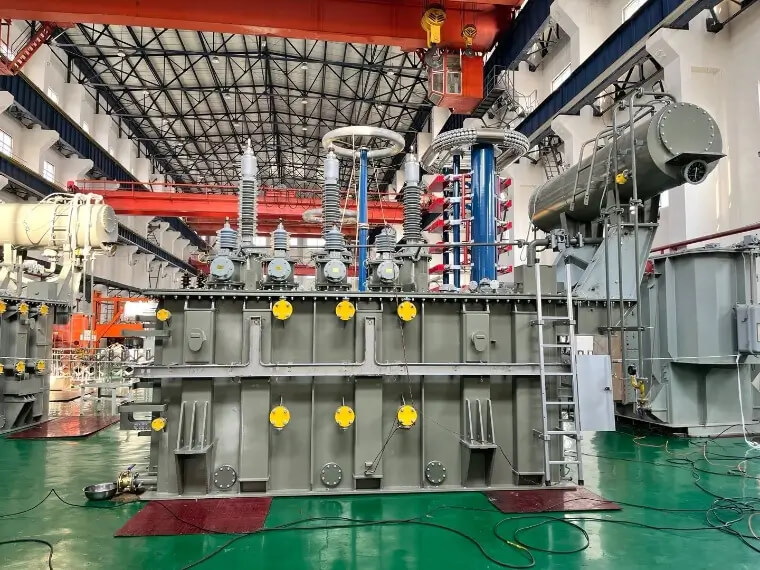
All transformers will be tested after finishing the production test items as below:
♦ Leak testing with pressure for liquid-immersed transformers
♦ Test of transformer oil
♦ Measurement of voltage ratio and check of phase displacement
♦ Measurement of winding DC resistance
♦ Measurement of d. c. Insulation resistance between each winding to earth, and check of the core and frame insulation
♦ Capacitive bushing test
♦ Measurement of dissipation factor (tan δ) of the insulation system capacitances, and determination of capacitances windings-to-earth
♦ Measurement of no-load loss and current at 90%,100%,110% of rated voltage
♦ Operation test on on-load tap-changer
♦ Measurement of short-circuit impedance and load loss
♦ Lightning impulse test
♦ Induced-voltage test with partial discharge measurement
♦ Auxiliary wiring check
♦ Current transformer test
♦ Frequency response analysis test
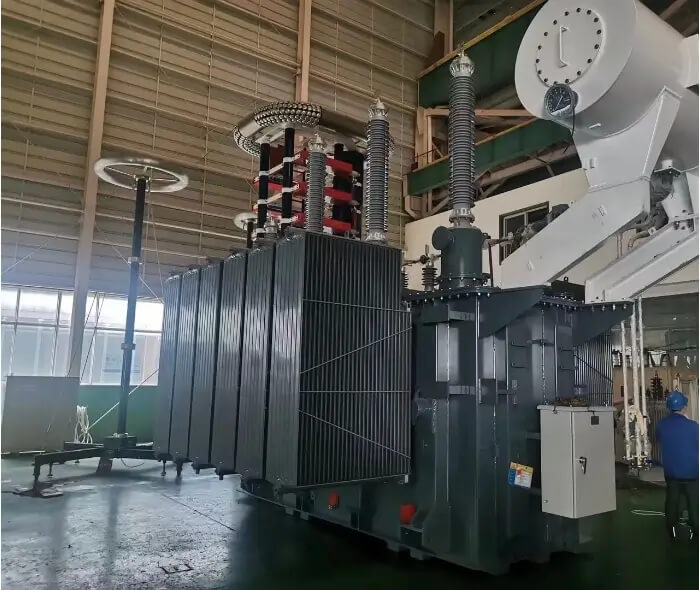
Transformer Factory Acceptance Test
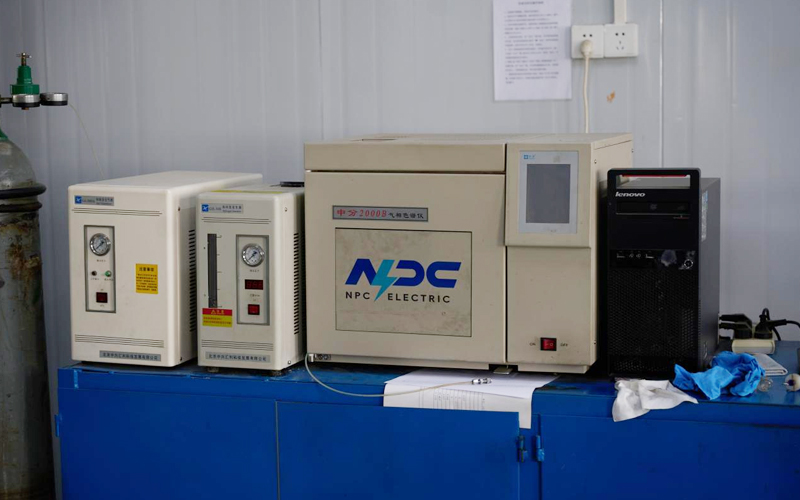
Factory Acceptance Testing ensures the operational readiness of the 320 kV oil-immersed transformer before delivery. Electrical routine tests verify resistance balance, voltage ratio accuracy, phase displacement, and insulation resistance levels. High-voltage dielectric testing confirms the transformer’s ability to withstand rated operating conditions and overvoltage stresses. Thermal performance is validated through temperature rise testing, while efficiency is confirmed by loss and impedance measurements. Partial discharge testing evaluates the internal insulation condition. Mechanical and functional inspections include oil leakage testing, pressure relief device verification, cooling equipment operation, and monitoring system functionality. Oil samples are analyzed for dielectric strength and moisture content. FAT documentation is completed for customer approval prior to dispatch.
Routine Test - Induced Voltage
Purpose of Testing
The purpose of the Induced Voltage test is to simulate the electrical stress that the equipment may encounter under actual working conditions by applying an induced voltage, thereby evaluating the tolerance and stability of the equipment's insulation system. This test helps to detect the insulation performance of the equipment under high voltage conditions and ensure its safety and reliability in operation.
Testing Equipment
Induced Voltage Tester (e.g. OMICRON, Megger, HioKI, etc.)
AC voltage source, commonly 2 kV, 5 kV, 10 kV, or customized according to test requirements.
Environmental thermometer and hygrometer, used to record the temperature and humidity of the environment for appropriate test evaluation.
AC voltage source, commonly 2 kV, 5 kV, 10 kV, or customized according to test requirements.
Environmental thermometer and hygrometer, used to record the temperature and humidity of the environment for appropriate test evaluation.
Pre-Test Preparation
Disconnect all relevant power supplies and ensure that the equipment is properly grounded and discharged.
Check the connection wires and terminals to ensure they are secure and free of contamination.
Test under suitable environmental conditions: relative humidity below 75%, no rain (recommended temperature: 20-30°C).
Check the connection wires and terminals to ensure they are secure and free of contamination.
Test under suitable environmental conditions: relative humidity below 75%, no rain (recommended temperature: 20-30°C).
Test Progress
Connect the Test Instrument:
Connect the test equipment to the appropriate terminals or bushings of the device under test, ensuring that the connections are secure and properly grounded.
Apply Test Voltage:
Select the appropriate induction voltage according to the rated voltage and standard of the equipment.
Connect the test equipment to the appropriate terminals or bushings of the device under test, ensuring that the connections are secure and properly grounded.
Apply Test Voltage:
Select the appropriate induction voltage according to the rated voltage and standard of the equipment.
Test Standard
IEC 60076 Oil-immersed power transformers
Measure and Record
Start the test and record the following parameters:
Induced Voltage
Applied Current
Voltage peak, stability and waveform (waveform analysis)
Any abnormal current or voltage changes during the measurement process.
Induced Voltage
Applied Current
Voltage peak, stability and waveform (waveform analysis)
Any abnormal current or voltage changes during the measurement process.
Temperature Correction
The measured induced voltage data is corrected to the reference temperature (usually 20°C) to ensure the accuracy of the test results.
Repeat Testing (if necessary)
If necessary, test different windings (HV, MV, LV) and bushings separately and compare the results at different test points.
Evaluation Criteria (Reference)
Inductive voltage ≤ 1% (Excellent): normally and meets safety standards.
1% < Inductive voltage ≤ 3% (Good): still within acceptable range.
Inductive voltage > 3% : faulty or not meet safety requirements and requires further analysis and repair.
1% < Inductive voltage ≤ 3% (Good): still within acceptable range.
Inductive voltage > 3% : faulty or not meet safety requirements and requires further analysis and repair.
*These comprehensive tests ensure that each transformer meets performance standards and operates
reliably under various conditions.
Application
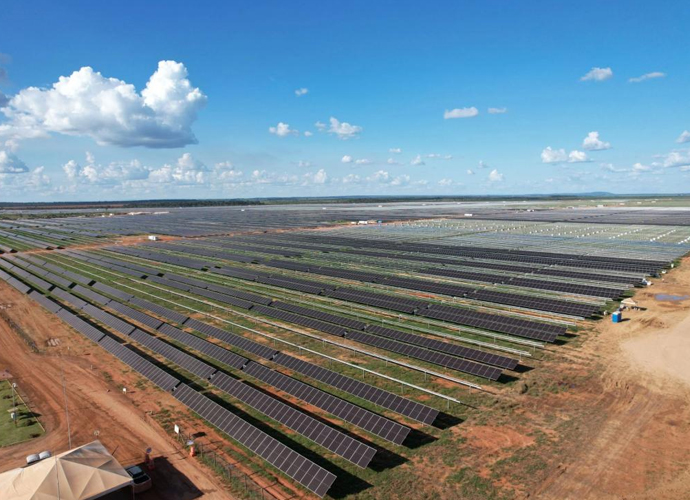
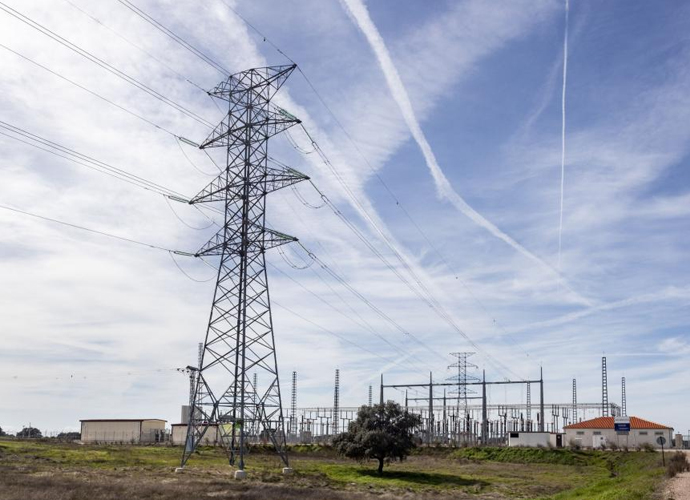
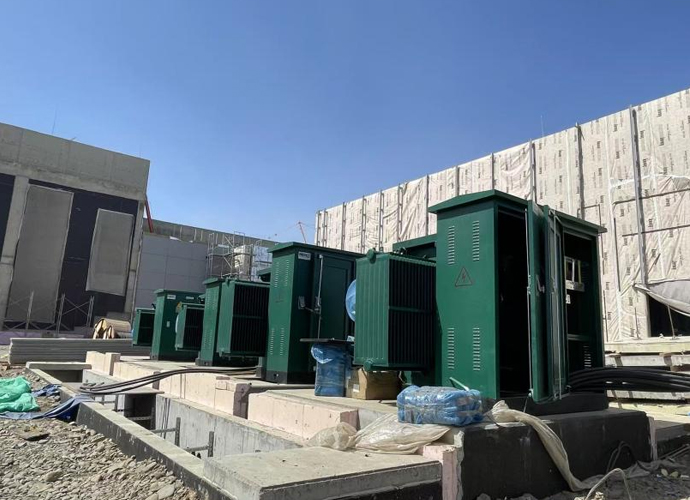
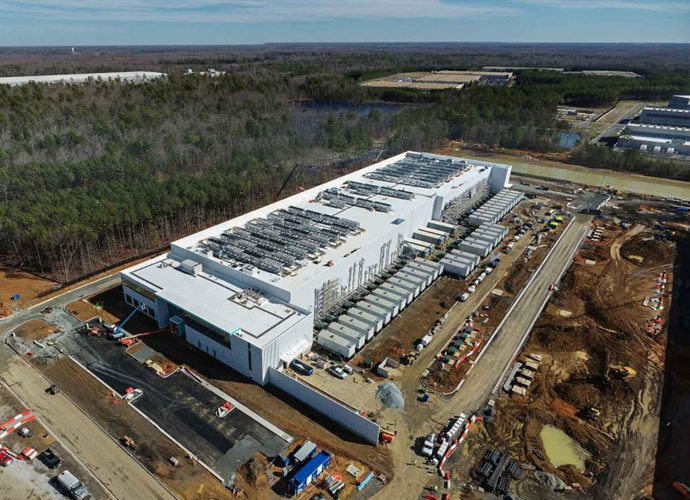
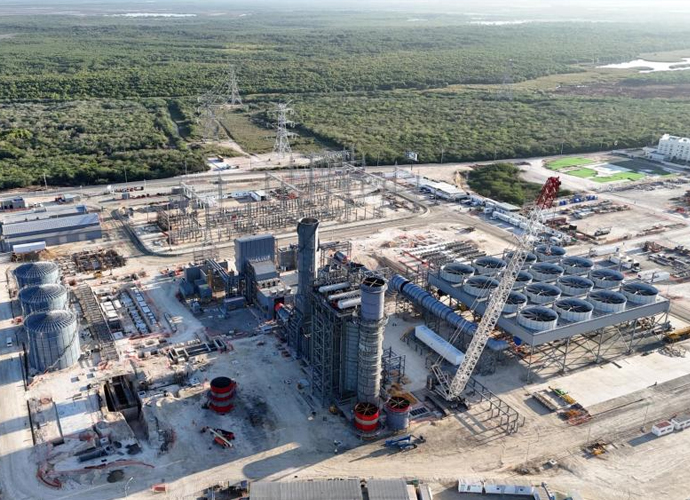
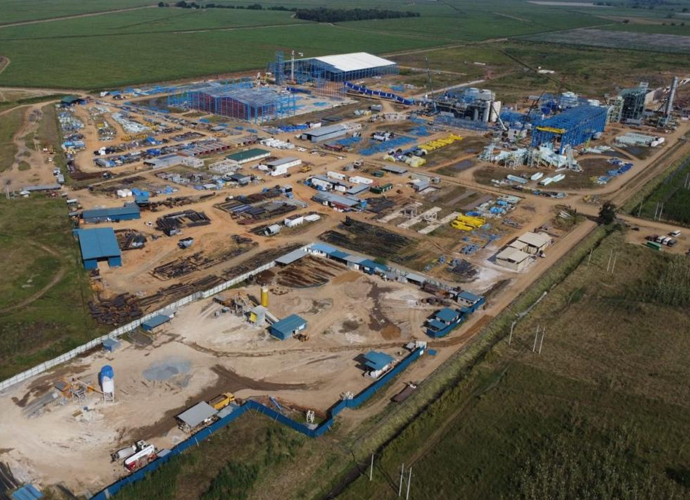
Suitable for ultra-high-voltage transmission substations, national grid interconnections, and major energy infrastructure projects requiring stable and efficient long-distance power transmission.


Technical Advantages
● 30+ years of manufacturing experience
● ISO and UL certified production
● Customized cable and transformer solutions
Product Packaging
Transformers Packaging (1)
Transformers Packaging (2)
Transformers Packaging (3)
Transformers Packaging (4)
Transformers Packaging (5)
Transformers Packaging (6)
Transformers Packaging (7)
Transformers Packaging (8)
Related Products
170kV 4–40MVA Oil-Immersed High-Voltage Power Transformer
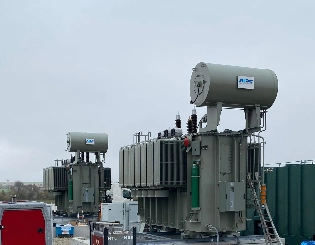
The 170kV 4–40MVA oil-immersed high-voltage power transformer is designed to support flexible capacity requirements across modern transmission and substation systems. Its wide MVA range allows a single platform to adapt to diverse grid configurations, from regional substations to industrial power interfaces. The transformer utilizes a refined oil-paper insulation system to ensure strong dielectric performance and long-term operational stability under high electrical stress. Advanced magnetic circuit optimization minimizes losses while maintaining excellent voltage regulation. The mechanical structure is engineered to withstand thermal cycling, short-circuit forces, and continuous operation under variable load conditions. With a focus on reliability, efficiency, and service life, this transformer is well suited for utility-scale projects that demand dependable high-voltage energy transfer with adaptable power ratings.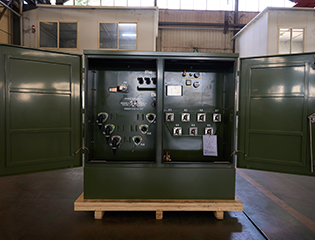
2500kVA Three Phase Pad Mounted Transformer
NPC ELECTRIC's 2500kVA Three Phase Pad Mounted Transformer is a high-performance, oil-immersed distribution transformer engineered for reliable outdoor installation on concrete pads. Compliant with ANSI/IEEE C57, DOE 2016 efficiency standards, and IEC guidelines, this 2.5 MVA unit delivers superior energy efficiency, low losses, and robust durability in demanding utility and industrial environments. Featuring a fully sealed, tamper-resistant enclosure with dead-front or live-front design options, it ensures maximum safety, minimal maintenance, and aesthetic integration in urban settings.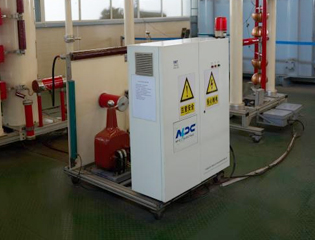
400kVA Dry Type Transformer
The NPC ELECTRIC 400kVA Dry Type Transformer is engineered for efficient and reliable power distribution in industrial, commercial, and utility applications. With a compact, fire-safe design, it operates without the need for oil or other cooling fluids, making it ideal for environments with strict safety and environmental standards. Designed to withstand heavy loads, it is the perfect solution for demanding electrical requirements, providing a sustainable and cost-effective option for modern electrical systems.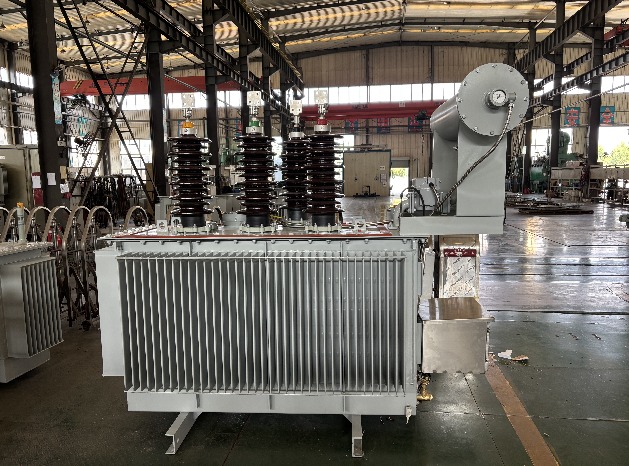
33kV 600A Neutral Zig-zag Grounding Reactor Transformer
The 33kV 600A Neutral Zig-zag Grounding Reactor Transformer is a high-performance grounding solution designed to meet the strict requirements of IEC 60076-1, IEC 60076-5, IEC 60076-20, and GB/T 1094.6 standards, with oil quality tested according to ASTM D6871. This grounding transformer is engineered to provide effective neutral grounding, enhanced system stability, and fault current limitation in medium- and high-voltage networks. With a primary voltage of 33kV and 11432.0kVA rating, the transformer supports 100A power rating for 10 seconds, making it ideal for system grounding applications in substations, industrial facilities, and renewable energy projects. The ONAN cooling method provides efficient heat dissipation for continuous operation, while the use of high-grade mineral insulating oil ensures long-term performance and compliance with international safety standards.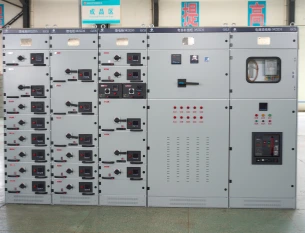
High Voltage Switchgear
NPC Electric high voltage switchgear delivers exceptional reliability and safety for modern electrical networks. Built with cutting-edge insulation technology and intelligent monitoring systems, this HV switchgear ensures seamless power distribution while protecting critical infrastructure from faults and overloads. Ideal for utilities, industrial plants, and renewable energy projects, it combines compact design with robust construction to minimize downtime and maximize operational efficiency in demanding environments.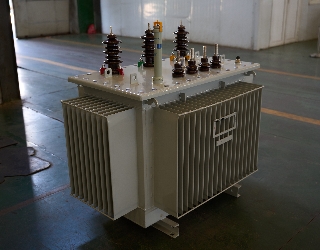
5000kVA Oil Immersed Substation Transformer
The 5000kVA Oil Immersed Substation Transformer is engineered for high-capacity power substations that demand continuous stability, strong load adaptability, and long operational life. Featuring an advanced oil-immersed insulation system, the transformer effectively enhances dielectric strength and thermal conductivity, ensuring reliable performance under heavy and fluctuating load conditions. With superior short-circuit withstand capability and efficient cooling performance, the transformer provides dependable power conversion for substations serving industrial, commercial, and infrastructure applications.FAQ From Customers
-
What is a Transformer?A transformer is an electrical device used to change the voltage of alternating current (AC). It works on the principle of electromagnetic induction, converting high-voltage current into low-voltage current or low-voltage current into high-voltage current. Transformers are widely used in power transmission, distribution systems, and various electronic devices.
-
What are the main uses of a transformer?The main use of a transformer is voltage conversion. Transformers are used in power transmission systems to help transfer electricity from power plants to consumers. In addition, transformers are also used in electronic devices such as chargers, televisions, power adapters, etc., to adjust the voltage to meet the requirements of different devices.
-
Do you have UL listed?Yes, our transformer has UL listed. We have exported to America many pad mounted transformer,substation transformer and HV.
Welcome your inquiry
Honesty, Integrity, Frugality, Activeness and Passion