
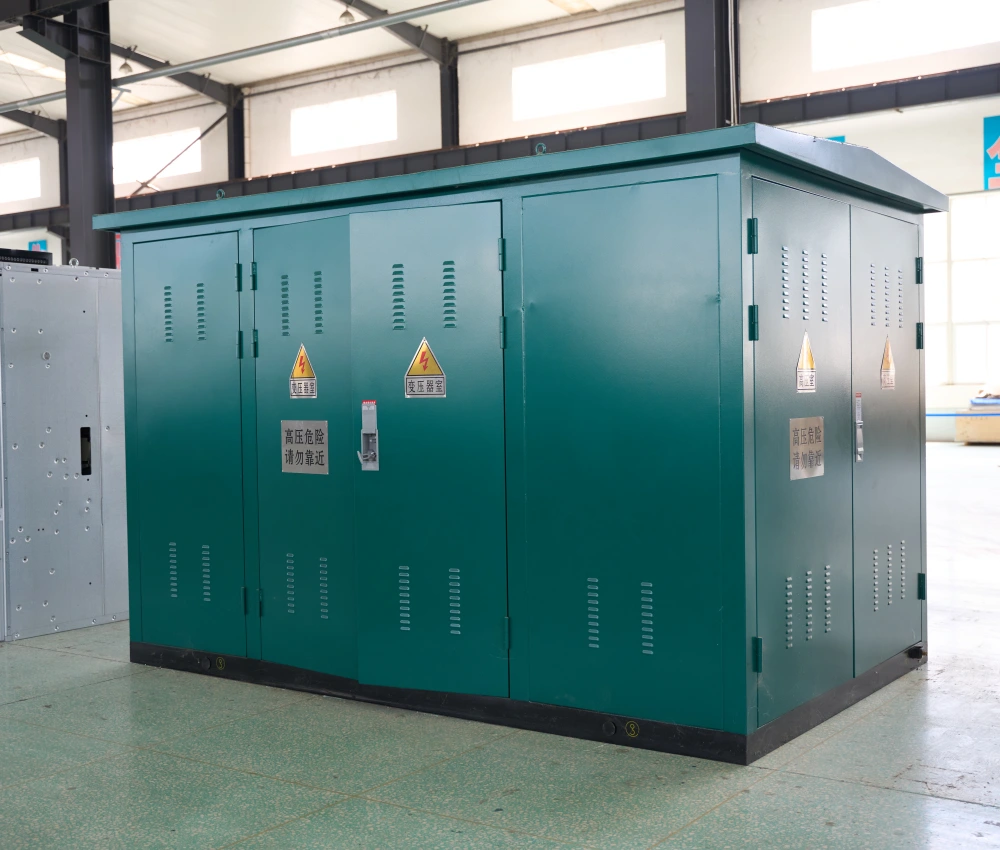
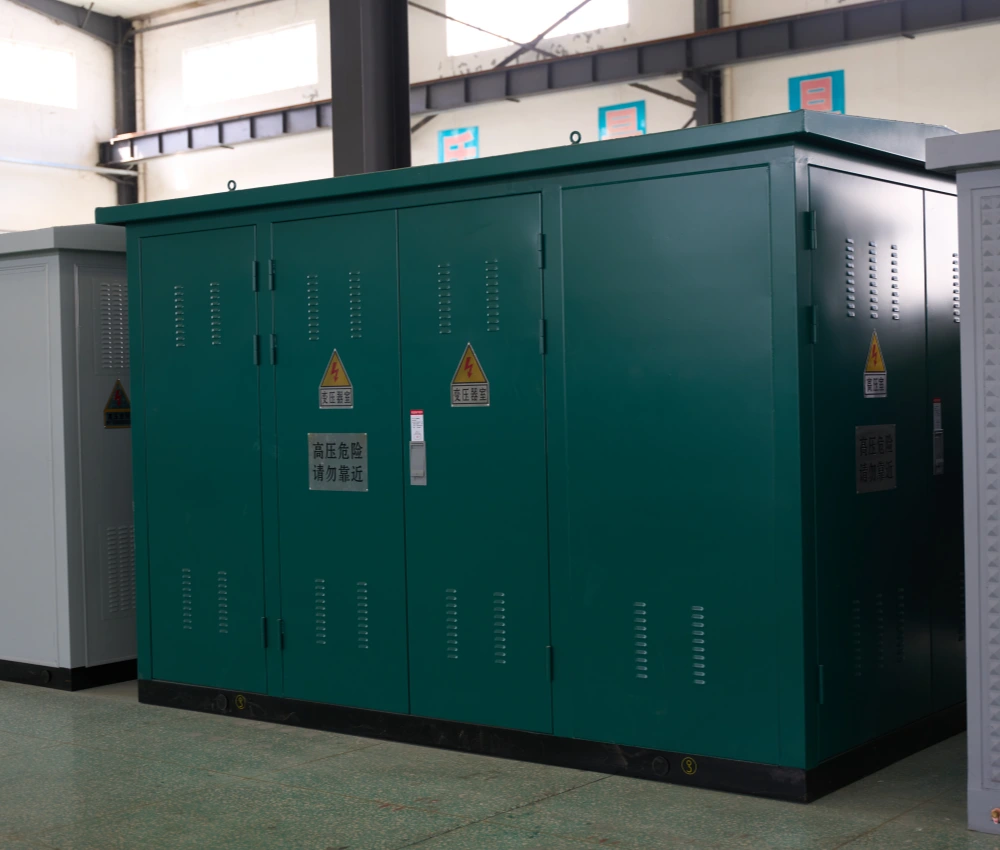


Prefabricated Compact Substation
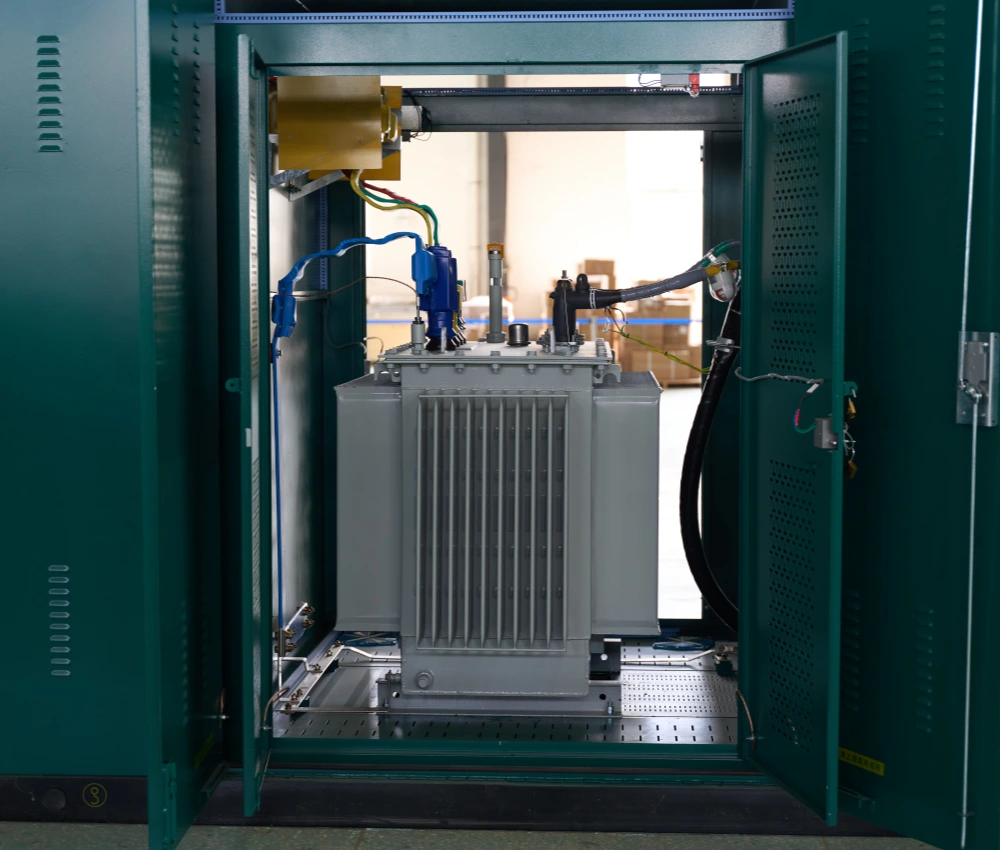
The Prefabricated Compact Substation is an integrated medium-voltage and low-voltage power distribution solution engineered for modern urban infrastructure, renewable energy systems, industrial plants, and commercial facilities. The equipment combines medium-voltage switchgear, distribution transformer, and low-voltage distribution panel into a compact steel enclosure, significantly reducing installation time and site construction costs while improving operational reliability.Designed for outdoor operation under demanding environmental conditions, the compact substation features corrosion-resistant housing, advanced insulation systems, and optimized ventilation structures to ensure stable long-term performance. Its modular architecture allows flexible transformer capacities, voltage combinations, and protection configurations to meet different regional grid requirements and project specifications. The unit supports fast deployment, simplified maintenance, and enhanced safety protection, making it an ideal choice for power utilities, solar farms, wind power stations, transportation infrastructure, data centers, and residential developments. With intelligent monitoring options and customizable internal layouts, the prefabricated compact substation provides efficient, safe, and scalable electrical distribution for modern power networks.
- Primary Voltage Ratings 11kV / 15kV / 20kV / 33kV
- Secondary Voltage Ratings 0.4 kV / 6.6 kV / 11 kV
- Type Prefabricated Substation
- BIL 75kV / 95kV / 125kV
- Standards IEC, ASTM, UL
- Application solar power plants, wind farms, distribution networks
- Certificate UL, CESI, IEEE
- Cooling Method ONAN / ONAF
Technical Specifications
Customization Optional
Packing and Shipping
Manufacturer Test
Routine Testing
Application
Technical Specifications
Prefabricated Compact Substation
Prefabricated Compact Substation Data Sheet
| Parameter | Specification |
| Rated Short-Time Withstand Current | 16kA / 20kA / 25kA / 31.5kA |
| Rated Peak Withstand Current | 40kA – 80kA |
| Rated Insulation Level | 75kV / 95kV / 125kV BIL |
| Transformer Type | Oil-Immersed / Dry-Type / Amorphous Alloy |
| Transformer Efficiency | Up to 99.2% |
| Temperature Rise | 55K / 65K |
| Ambient Operating Temperature | -40°C to +55°C |
| Altitude | ≤ 4000m |
| Noise Level | ≤ 55dB / ≤ 65dB |
| Internal Arc Classification | AFLR 20kA 1s |
| Enclosure Material | Galvanized Steel / Stainless Steel / Aluminum Alloy |
| Corrosion Protection | C3 / C4 / C5 Marine Grade |
| Cable Entry Method | Bottom Entry / Side Entry |
| MV Switchgear Type | RMU / AIS / GIS |
| LV Outgoing Feeders | 4 – 36 Circuits |
| Busbar Material | Copper / Aluminum |
| Busbar Rated Current | 630A – 4000A |
| Protection Relay Type | Digital Intelligent Protection Relay |
| Communication Protocol | Modbus / IEC 61850 / DNP3 |
| SCADA Compatibility | Supported |
| Cooling Ventilation | Natural Ventilation / Forced Air Ventilation |
| Fire Protection Option | Automatic Fire Suppression System |
| Degree of Automation | Manual / Semi-Automatic / Fully Intelligent |
| Humidity Resistance | ≤ 95% RH |
| Seismic Resistance | Up to Richter Scale 8 |
| Ingress Protection Rating | IP33 / IP44 / IP54 / IP65 |
| Frequency | 50Hz / 60Hz |
| Service Life | More than 30 Years |
| Installation Type | Outdoor / Indoor |
| Standards Compliance | IEC 62271 / IEC 60076 / ANSI / IEEE |
| Surface Coating Thickness | 80μm – 200μm |
| Grounding System | TN-S / TT / IT |
| Arc Fault Protection | Optional |
| Energy Metering | Smart Meter Integration Available |
| Remote Monitoring | GSM / Ethernet / Fiber Optic |
| Door Safety System | Mechanical & Electrical Interlocking |
| Lighting System | Internal LED Maintenance Lighting |
| Maintenance Access | Front Access / Side Access / Dual Access |
| Foundation Type | Concrete Base / Skid Mounted |
| Transport Method | Containerized / Skid Transport |
| Warranty Period | 12 – 36 Months Optional |
Customization Optional
Prefabricated Compact Substation
The Prefabricated Compact Substation can be fully customized according to regional grid standards, environmental requirements, and project operating conditions. Customers may select different transformer types including oil-immersed transformers, dry-type transformers, or amorphous alloy transformers for higher energy efficiency. Medium-voltage switchgear configurations can be designed with ring main units, vacuum circuit breakers, SF6 insulated systems, or load break switches depending on network architecture and protection requirements. The low-voltage compartment supports intelligent metering devices, automatic transfer switches, harmonic filtering systems, capacitor banks, and remote monitoring modules for modern smart-grid applications.
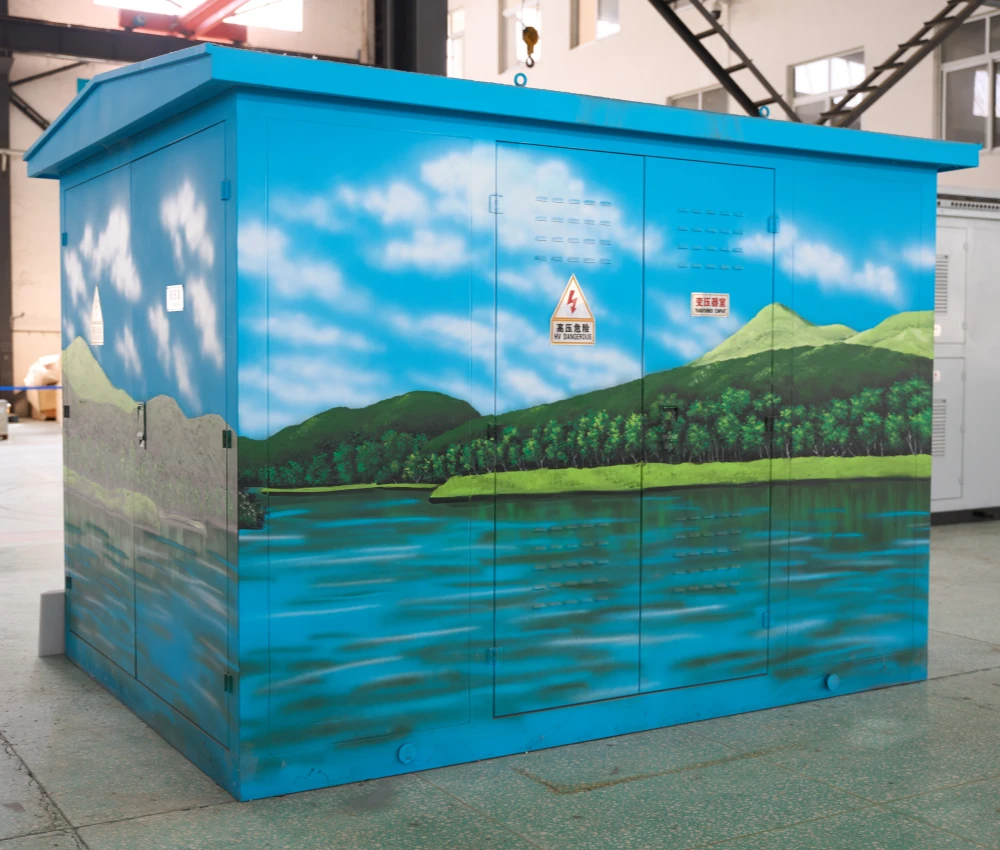
The enclosure structure is available in galvanized steel, stainless steel, aluminum alloy, or concrete-type housing to suit coastal, desert, tropical, and heavy industrial environments. Optional features include anti-condensation heaters, forced ventilation systems, arc fault protection, intelligent temperature monitoring, SCADA communication interfaces, and solar-compatible energy management systems. Dimensions, cable entry directions, paint color, branding labels, internal busbar arrangement, and access layouts can also be customized to optimize installation efficiency and maintenance convenience for specific projects.
Packing and Shipping
Prefabricated Compact Substation
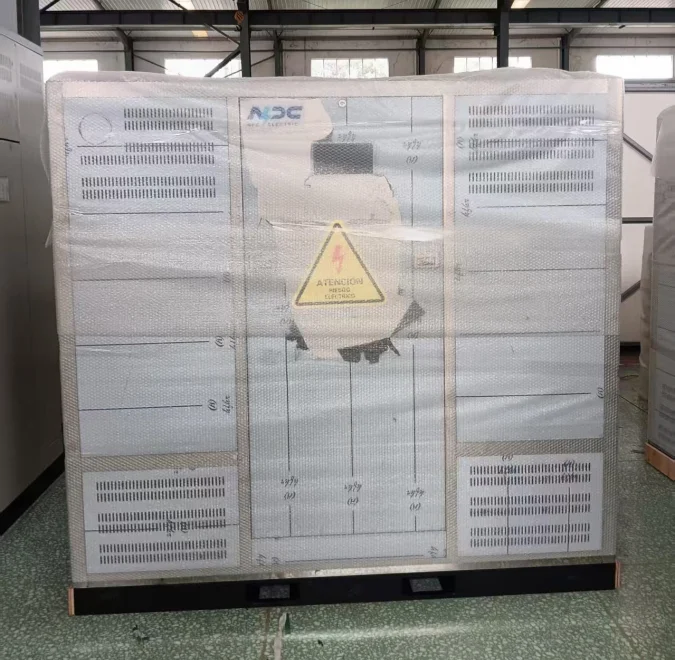
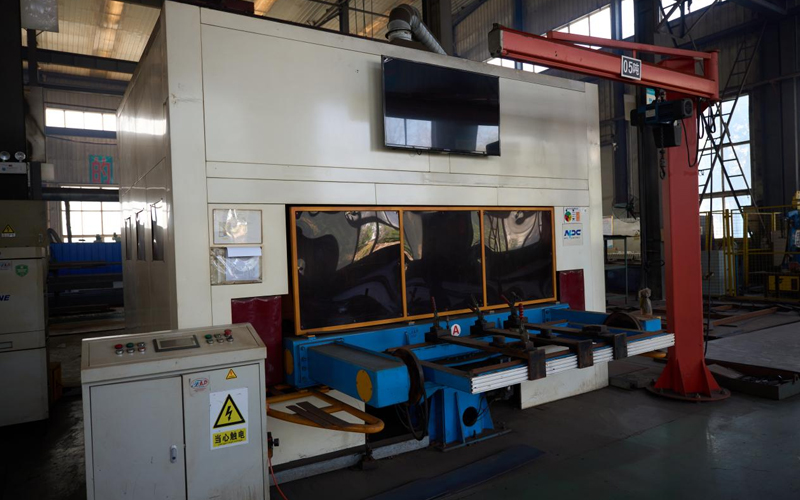
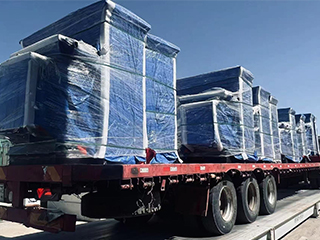
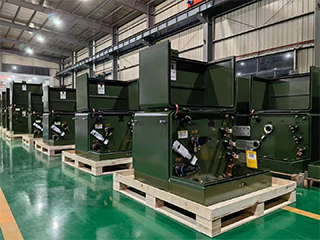
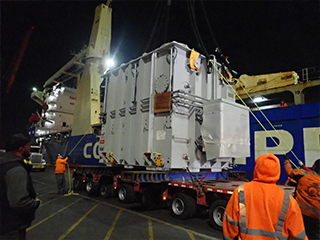
The Prefabricated Compact Substation is carefully packed to ensure maximum protection during transportation, long-distance shipping, and site handling. Before packaging, each component undergoes cleaning, structural inspection, and anti-corrosion treatment to prevent surface damage and environmental contamination during transit. Sensitive electrical devices such as relays, meters, protection modules, and control panels are additionally secured using shock-resistant materials and moisture-proof packaging layers.
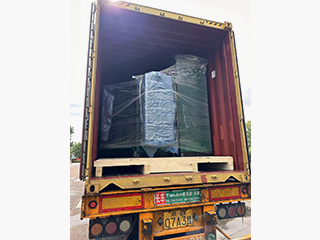
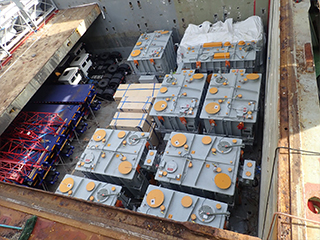
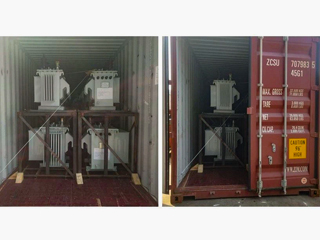
The transformer section, medium-voltage compartment, and low-voltage distribution section are fixed with reinforced internal supports to minimize vibration impact during container transportation or road delivery. External surfaces are wrapped with industrial protective film and waterproof covers to protect against dust, humidity, salt spray, and ultraviolet exposure. Heavy-duty lifting points and forklift channels are integrated into the substation base to simplify loading and unloading operations at ports and project sites.
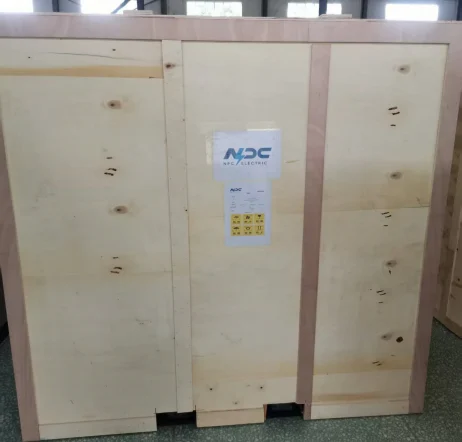
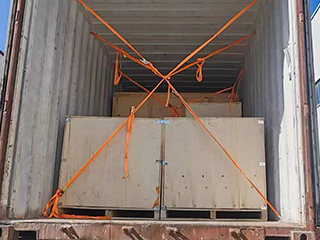
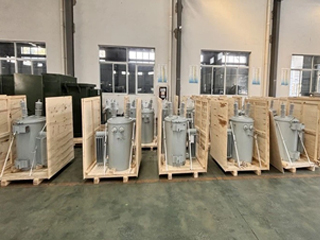
For international export projects, the compact substations are typically packed using fumigation-free wooden cases, steel-frame packaging, or container-fixed transportation methods in compliance with global logistics standards. Packaging methods can be adjusted according to shipping route, transportation duration, climatic conditions, and customer requirements. Special anti-seismic reinforcement measures are available for oversized or high-capacity substations intended for remote or complex installation environments.
Shipping documentation generally includes factory inspection reports, electrical schematics, operation manuals, packing lists, product labels, warranty certificates, and export compliance documents. Customers may also request customized shipping marks, multilingual labels, installation guidance, and logistics coordination services to ensure efficient customs clearance and project delivery. The complete packaging and shipping process is designed to maintain product integrity and ensure safe arrival under demanding international transportation conditions.
The transformer section, medium-voltage compartment, and low-voltage distribution section are fixed with reinforced internal supports to minimize vibration impact during container transportation or road delivery. External surfaces are wrapped with industrial protective film and waterproof covers to protect against dust, humidity, salt spray, and ultraviolet exposure. Heavy-duty lifting points and forklift channels are integrated into the substation base to simplify loading and unloading operations at ports and project sites.
For international export projects, the compact substations are typically packed using fumigation-free wooden cases, steel-frame packaging, or container-fixed transportation methods in compliance with global logistics standards. Packaging methods can be adjusted according to shipping route, transportation duration, climatic conditions, and customer requirements. Special anti-seismic reinforcement measures are available for oversized or high-capacity substations intended for remote or complex installation environments.
Shipping documentation generally includes factory inspection reports, electrical schematics, operation manuals, packing lists, product labels, warranty certificates, and export compliance documents. Customers may also request customized shipping marks, multilingual labels, installation guidance, and logistics coordination services to ensure efficient customs clearance and project delivery. The complete packaging and shipping process is designed to maintain product integrity and ensure safe arrival under demanding international transportation conditions.
32
32 years of industry experience
Manufacturer Test
Prefabricated Compact Substation
Progress Test
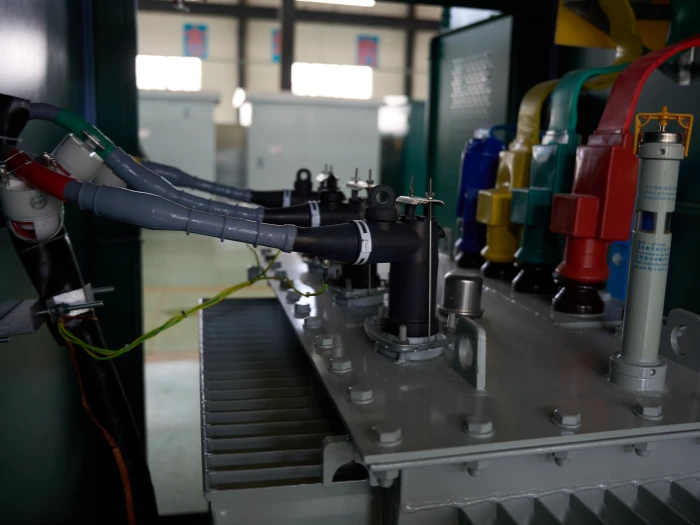
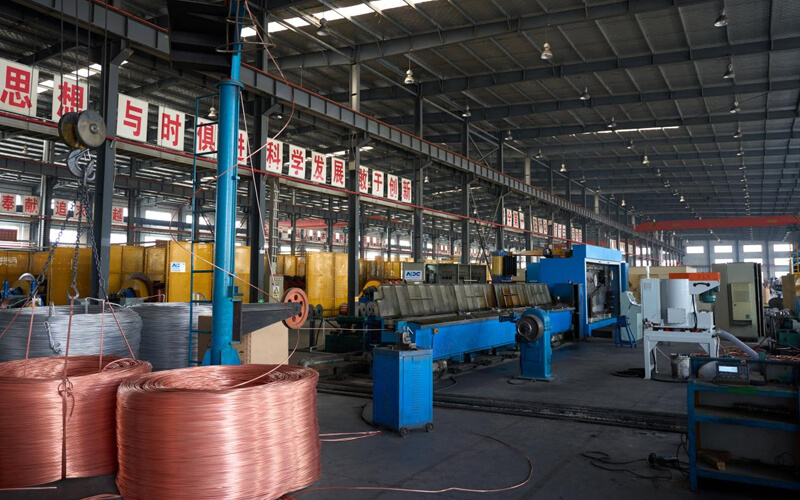
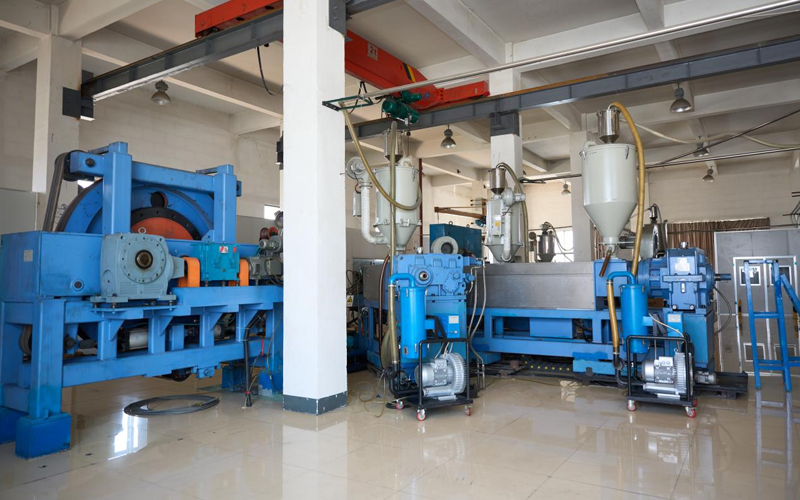
During the manufacturing process, the Prefabricated Compact Substation undergoes a comprehensive progress testing procedure to verify structural integrity, electrical reliability, and assembly accuracy before final commissioning. The testing process begins with raw material verification, including inspection of steel thickness, insulation materials, copper busbars, transformer core components, and protective coatings to ensure compliance with engineering specifications and international standards. Electrical progress tests include insulation resistance measurement, contact resistance verification, phase sequence inspection, low-voltage functional testing, and switchgear mechanical operation testing. Protection relays, circuit breakers, and monitoring devices are evaluated to ensure correct operational logic and communication performance. Transformer winding resistance and tap changer operation are also inspected to guarantee stable voltage regulation capability.
Design Tests
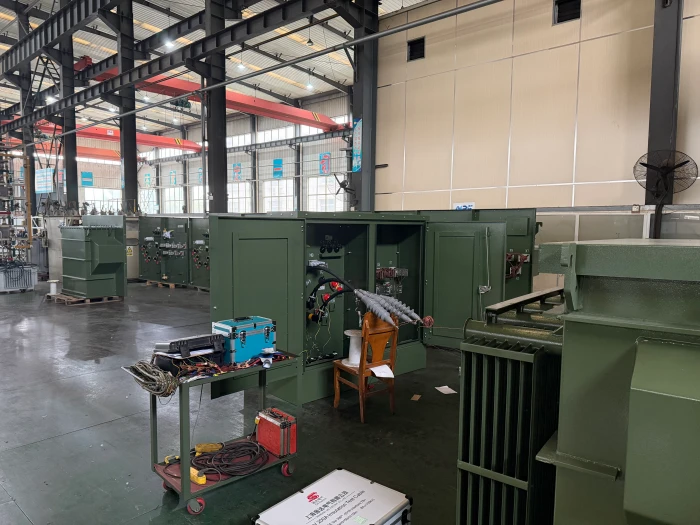
All transformers will be tested after finishing the production, test items as follows:
♦ Insulation Power Factor
♦ Ratio, Polarity, and Phase Relation
♦ Winding Resistance
♦ Impulse Tests
♦ On load Loss Test
♦ No Load Loss Test
♦ Transformer Turns Ratio/TTR (All Tap Voltages)
♦ Impedance Voltage & Load Loss (Rated Voltage)
♦ Polarity, 1-Ph / Phase Relation, 3-Ph (Rated Voltage)
♦ Excitation & No-Load Loss (Rated Voltage)
♦ Applied Voltage
♦ Induced Voltage
♦ Lightning Impulse
♦ Insulation Resistance (Rated Voltage)
♦ Temperature Rise
♦ Dielectric Withstand (Hipot)
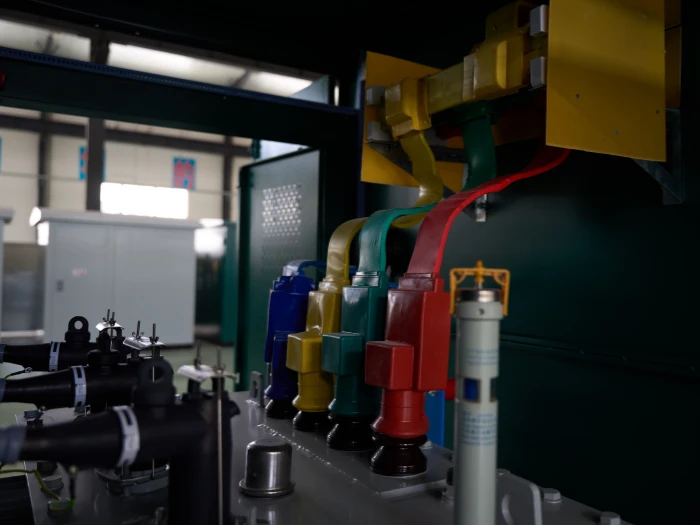
Factory Acceptance Test
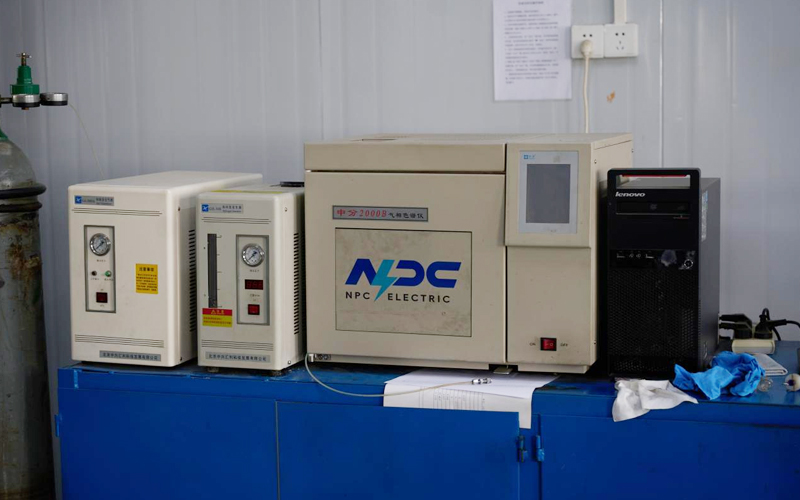
The Transformer Factory Acceptance Test for the Prefabricated Compact Substation is conducted to verify the electrical performance, safety compliance, and operational reliability of the integrated transformer system before shipment. The testing program follows applicable IEC, ANSI, and customer-specific standards to ensure the transformer performs safely under rated operating conditions. Thermal and mechanical inspections are additionally performed to confirm cooling system functionality, oil leakage prevention, tap changer operation, and structural stability. Oil samples may be analyzed for dielectric strength, moisture content, and dissolved gas characteristics to ensure insulation oil quality. Core grounding checks and noise level measurements are also conducted to evaluate operational stability and environmental compliance.
Routine Test - Impulse Tests
Purpose of Testing
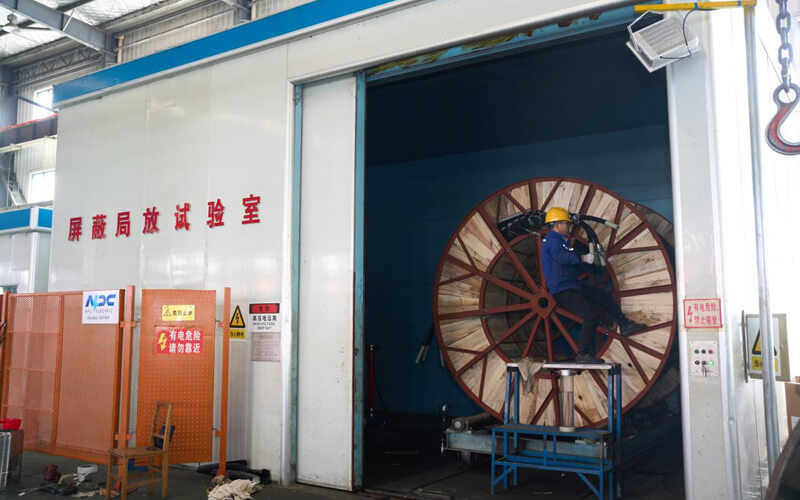
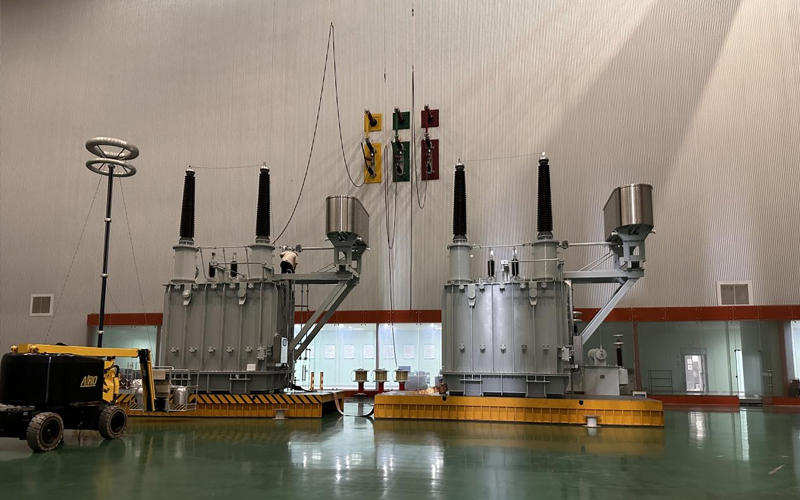
The purpose of Impulse Tests is to verify the insulation strength of electrical equipment when it is subjected to lightning strikes or switching overvoltages. By applying high-energy impulse voltages, it is possible to detect potential defects in the insulation system.
Testing Equipment
Impulse voltage generator (e.g. Haefely, Hipotronics, Tettex, etc.)
Voltage divider (used to measure impulse voltage waveform, resistor divider or capacitor divider)
Oscilloscope (used to record impulse waveform, common brands such as Tektronix, Keysight)
Voltage divider (used to measure impulse voltage waveform, resistor divider or capacitor divider)
Oscilloscope (used to record impulse waveform, common brands such as Tektronix, Keysight)
Pre-Test Preparation
Please test under suitable environmental conditions: relative humidity less than 65%, no rain or condensation (recommended temperature: 15-30°C).
Calibrate and check the impulse voltage generator, measurement system, and control system to ensure that the instruments and equipment are in good condition and meet the test standards.
Calibrate and check the impulse voltage generator, measurement system, and control system to ensure that the instruments and equipment are in good condition and meet the test standards.
Test Progress
Connect the Test Instrument:
Connect the impulse voltage generator correctly to each winding terminal (high voltage terminal, ground terminal) of the device under test, and ensure that all test instruments are well grounded.
Apply Test Voltage:
Select the appropriate impulse voltage waveform and amplitude according to the rated voltage of the equipment
Connect the impulse voltage generator correctly to each winding terminal (high voltage terminal, ground terminal) of the device under test, and ensure that all test instruments are well grounded.
Apply Test Voltage:
Select the appropriate impulse voltage waveform and amplitude according to the rated voltage of the equipment
Measure and Record
Collect and record the impact waveform, including:
Front Time
Time to Half-Value
Peak Voltage
Distortion
Ambient temperature and humidity (especially when the test environment needs to be corrected)
Front Time
Time to Half-Value
Peak Voltage
Distortion
Ambient temperature and humidity (especially when the test environment needs to be corrected)
Waveform Correction
Check whether the impulse voltage waveform meets the specification requirements (wave head time 1.2μs ±30%, half-peak time 50μs ±20%).
If the waveform deviation is too large, adjust the impulse generator parameters and reapply the test.
If the waveform deviation is too large, adjust the impulse generator parameters and reapply the test.
Repeat Testing (if necessary)
Impact tests are performed for different phases and windings (HV/MV/LV).
In special cases, inter-winding impact, voltage-to-ground impact or coil corner impact are performed (according to the test plan).
In special cases, inter-winding impact, voltage-to-ground impact or coil corner impact are performed (according to the test plan).
Evaluation Criteria (Reference)
No internal insulation breakdown or flashover (detected by observing waveform continuity and audibly).
Waveforms are stable and meet standard specifications.
Waveform variations between repeated tests are minimal (usually good waveform overlap with no noticeable abnormal excursions).
Waveforms are stable and meet standard specifications.
Waveform variations between repeated tests are minimal (usually good waveform overlap with no noticeable abnormal excursions).
*These comprehensive tests ensure that each transformer meets performance standards and operates
reliably under various conditions.
Application
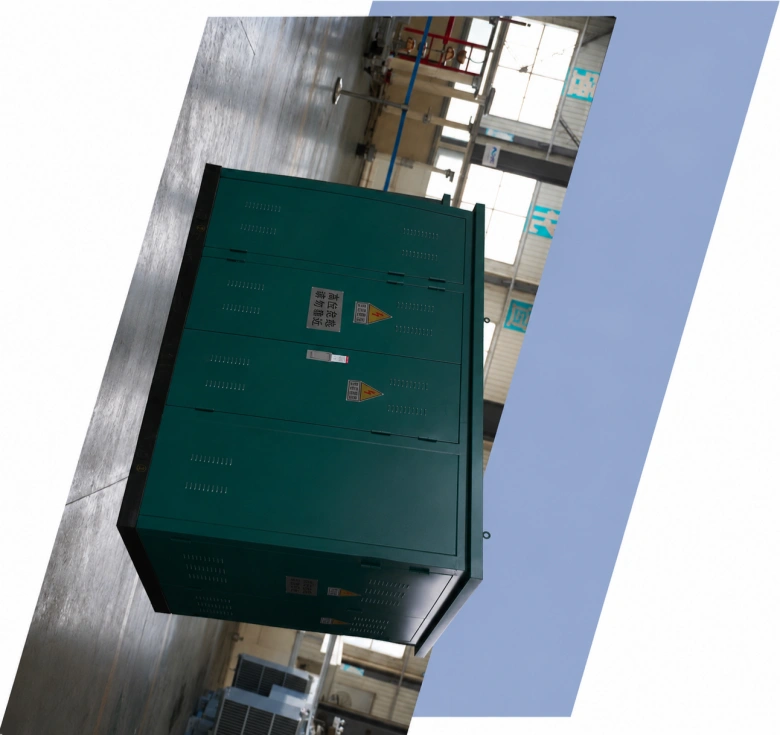
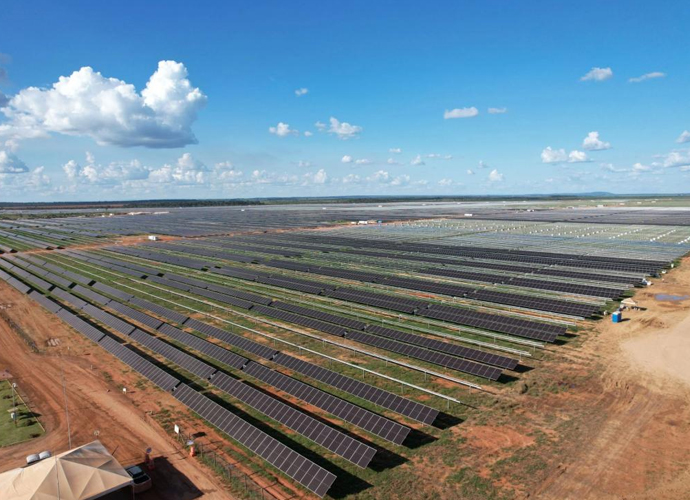
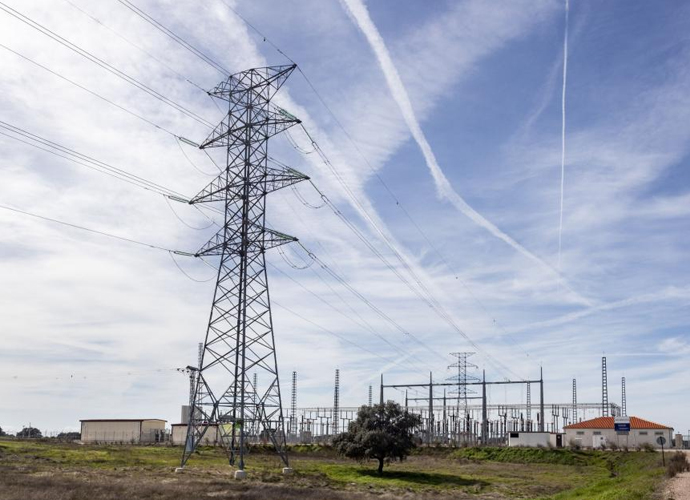
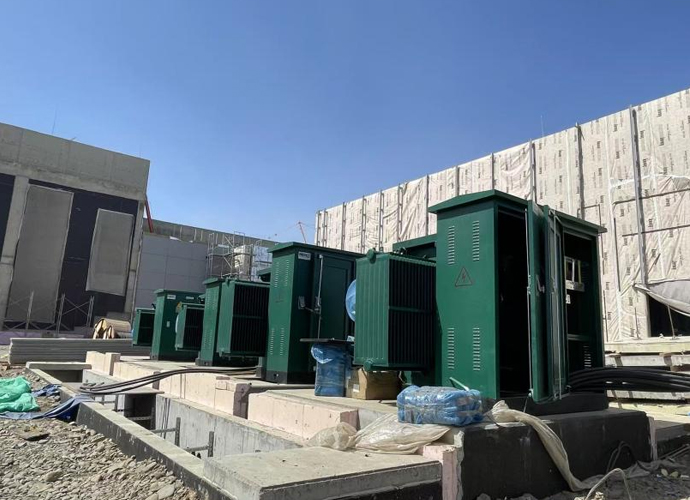
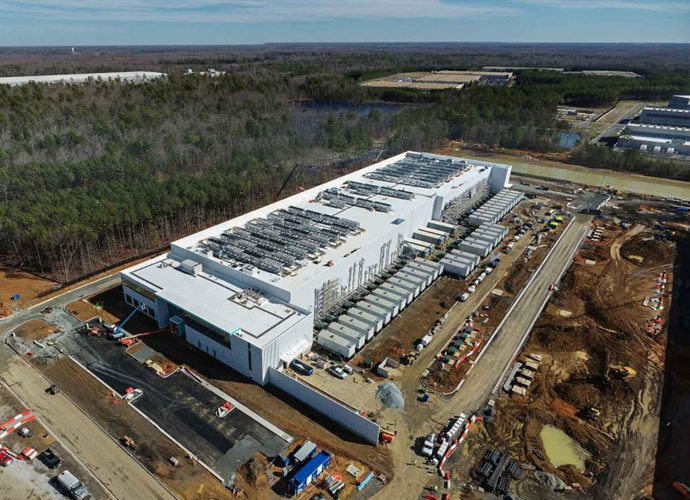
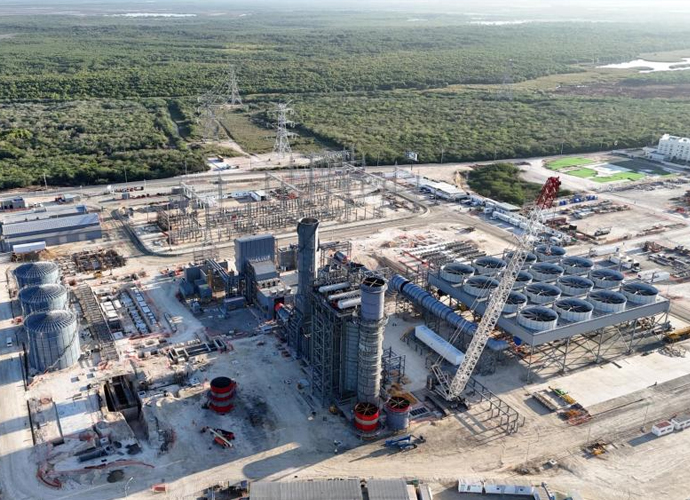
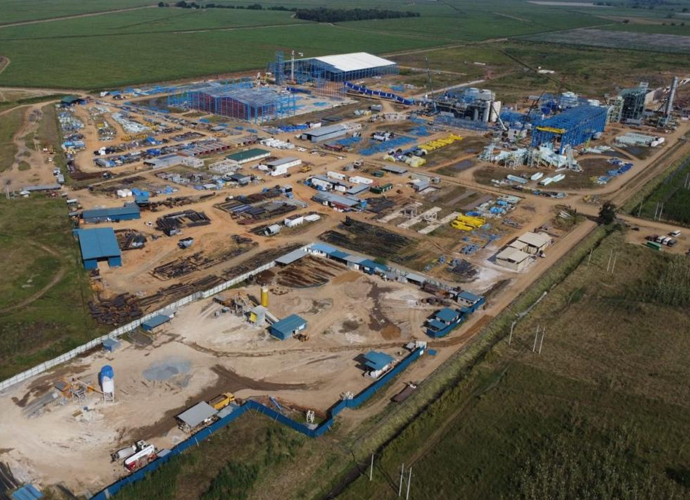
Suitable for data centers, oil and gas facilities, smart grid systems, ports, hospitals, renewable energy integration projects, temporary construction power supply, transportation hubs, utility substations, and remote industrial operations demanding modular outdoor electrical distribution solutions.


Technical Advantages
● 30+ years of manufacturing experience
● ISO and UL certified production
● Customized cable and transformer solutions
Product Packaging
Transformers Packaging (1)
Transformers Packaging (2)
Transformers Packaging (3)
Transformers Packaging (4)
Transformers Packaging (5)
Transformers Packaging (6)
Transformers Packaging (7)
Transformers Packaging (8)
Related Products

100kVA Completely self-protected(CSP) Single Phase Pole Mounted Transformer
100kVA CSP Single Phase Pole Mounted Transformer is a highly efficient and reliable solution designed for single-phase power distribution in residential, commercial, and light industrial applications. It features integrated self-protection systems, including overload, short-circuit, and over-voltage protection, ensuring automatic disconnection in the event of faults to safeguard both the transformer and connected equipment. With its pole-mounted design, it offers space-saving installation and is suitable for both urban and rural environments. This transformer delivers high operational efficiency with minimal energy loss and is built to withstand harsh weather conditions, ensuring long-lasting and reliable performance. It is the ideal choice for providing safe and stable single-phase power in diverse applications.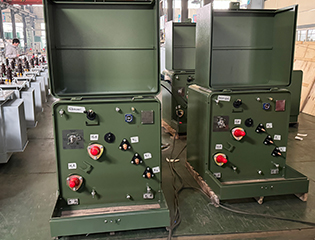
500kVA Single Phase Pad Mounted Transformer
The 500kVA Single Phase Pad Mounted Transformer is a high-capacity electrical transformer designed for reliable and efficient power distribution in commercial, industrial, and utility applications. With a robust, weatherproof enclosure, it is specifically built for outdoor use and can handle the demanding requirements of larger single-phase systems. This transformer offers a 500kVA capacity, ensuring dependable performance for a variety of load conditions.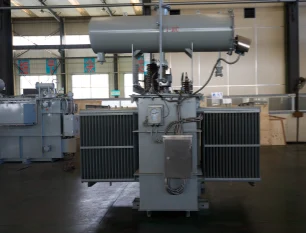
6kV Three-Phase Oil-Immersed Power Transformer
The 6kV Three-Phase Oil-Immersed Power Transformer is designed for stable and efficient voltage conversion in industrial and commercial power distribution systems. With a durable oil-immersed insulation structure and high-quality copper windings, it offers excellent thermal performance, strong dielectric strength, and reliable operation under varying load conditions. Its compact design, robust core materials, and advanced cooling system ensure low losses, reduced noise, and long service life. This 6kV transformer is suitable for factories, mining sites, distribution stations, and utility networks requiring consistent and safe electrical power supply. Engineered to meet international standards, it provides dependable performance and high efficiency across diverse low-to-medium voltage applications.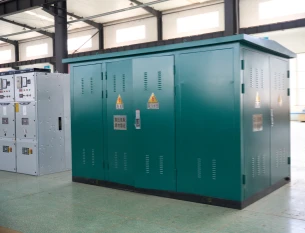
Outdoor Prefabricated Transformer Substation
The Outdoor Prefabricated Transformer Substation is an integrated medium-voltage power distribution solution designed for outdoor installation in industrial, commercial, utility, and renewable energy applications. The system combines medium-voltage switchgear, distribution transformer, low-voltage distribution equipment, and intelligent control systems into a compact prefabricated enclosure, providing efficient and reliable power transformation while minimizing construction time and installation costs. Engineered for harsh environmental conditions, the outdoor substation features a weather-resistant enclosure, corrosion-protected structure, advanced insulation technology, and optimized thermal ventilation system to ensure long-term operational stability. Its modular design allows rapid deployment, simplified transportation, and flexible installation while improving maintenance accessibility and operational safety. The Outdoor Prefabricated Transformer Substation supports multiple voltage levels, transformer capacities, and intelligent automation functions, making it suitable for utility distribution systems, renewable energy projects, urban infrastructure, mining facilities, transportation networks, and industrial manufacturing plants. With smart-grid compatibility and customizable configurations, the substation provides efficient and scalable electrical distribution performance for modern power networks.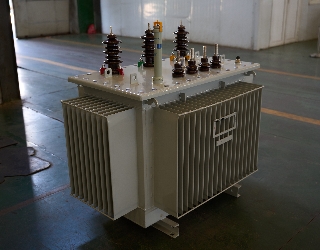
4000kVA Oil Immersed Transformer
4000kVA Oil Immersed Transformer is designed for medium and large-scale power distribution systems that require high reliability, strong overload capacity, and long-term stable operation. The transformer adopts a fully sealed oil-immersed structure, effectively preventing moisture ingress and oil oxidation, thereby extending service life and reducing maintenance frequency. The transformer features excellent thermal performance and robust insulation strength, ensuring stable operation under continuous load or fluctuating grid conditions. Advanced oil circulation and cooling structure enhance heat dissipation, while precise manufacturing processes guarantee low noise and high mechanical strength.
750kVA Oil Immersed Transformer
NPC ELECTRIC's 750kVA oil-immersed transformer uses advanced oil-immersed cooling technology to provide efficient and stable power conversion. The transformer complies with international standards such as the International Electrotechnical Commission (IEC) and ISO 9001, ensuring the high quality and safety of the product. Its sturdy structure and excellent overload resistance are widely used in industrial, commercial, and power network fields.FAQ From Customers
-
What is a Transformer?A transformer is an electrical device used to change the voltage of alternating current (AC). It works on the principle of electromagnetic induction, converting high-voltage current into low-voltage current or low-voltage current into high-voltage current. Transformers are widely used in power transmission, distribution systems, and various electronic devices.
-
What are the main uses of a transformer?The main use of a transformer is voltage conversion. Transformers are used in power transmission systems to help transfer electricity from power plants to consumers. In addition, transformers are also used in electronic devices such as chargers, televisions, power adapters, etc., to adjust the voltage to meet the requirements of different devices.
-
Do you have UL listed?Yes, our transformer has UL listed. We have exported to America many pad mounted transformer,substation transformer and HV.
Welcome your inquiry
Honesty, Integrity, Frugality, Activeness and Passion