Flexible Rubber Cable for Welding, Mining & Construction
2026-08-19
1. Why Flexible Rubber Cables Remain Essential in Modern Industry
As industrial operations become increasingly mobile, automated, and demanding, the need for durable and adaptable power transmission solutions continues to grow. While many conventional cables perform well in fixed installations, they often struggle under constant movement, vibration, abrasion, moisture exposure, and harsh environmental conditions.
This is where flexible rubber cable technology plays a critical role. Designed to withstand mechanical stress while maintaining reliable electrical performance, rubber-insulated cables are widely used across welding operations, mining sites, construction projects, ports, manufacturing facilities, and temporary power distribution systems.
Unlike rigid power cables, flexible electrical cable solutions can bend repeatedly without damaging conductors or insulation. Their unique construction enables safe operation in environments where mobility, durability, and reliability are equally important.
2. What Is a Flexible Rubber Cable?
A rubber cable is an electrical cable that uses rubber-based compounds as insulation and outer sheath materials. These compounds provide exceptional flexibility, impact resistance, and environmental protection.
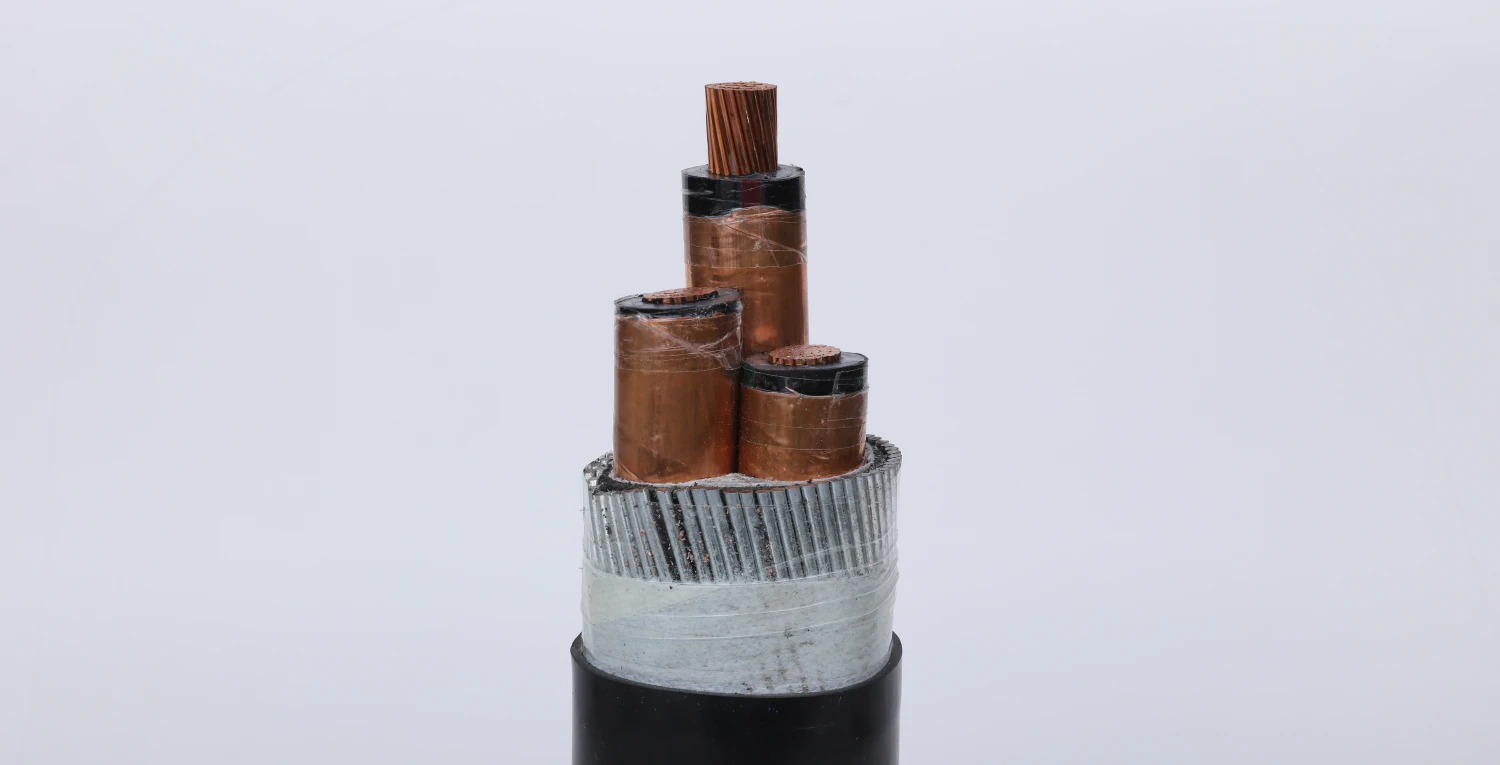
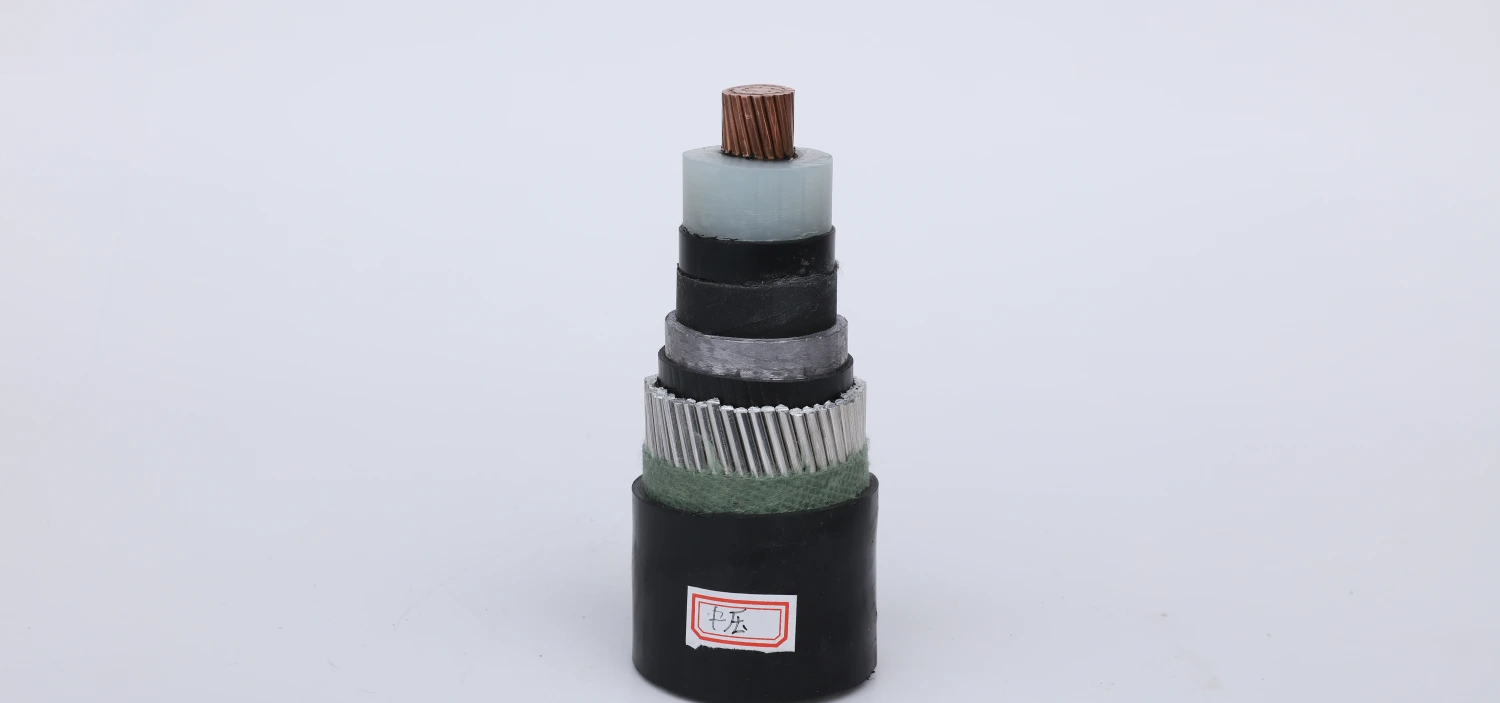
A typical flexible rubber cable consists of:
- Stranded copper conductors
- Rubber insulation
- Fillers and separators
- Reinforced sheath materials
- Protective outer jacket
Unlike PVC cables, rubber-insulated cables maintain flexibility across a wider temperature range and are more resistant to mechanical abuse.
Key Characteristics
Modern flexible cable designs offer:
- High flexibility
- Excellent bending performance
- Abrasion resistance
- Oil resistance
- Water resistance
- UV resistance
- Impact resistance
These properties make them suitable for portable equipment and continuously moving applications.
Why Flexibility Matters
In industrial environments, cables are often subjected to:
- Frequent movement
- Repeated bending
- Twisting
- Pulling
- Mechanical vibration
A properly designed flexible electrical cable can endure thousands of flexing cycles while maintaining stable electrical performance.
3. Construction and Materials of Flexible Rubber Cables
The performance of a flexible rubber cable largely depends on its internal construction and material selection.
Conductors
High-quality cables typically use finely stranded copper conductors.
Benefits include:
- Improved flexibility
- Lower electrical resistance
- Better current carrying capacity
- Enhanced fatigue resistance
The conductor design is one of the most important factors affecting cable flexibility.
Rubber Insulation
The insulation layer protects conductors from electrical leakage and environmental influences.
Common materials include:
- EPR (Ethylene Propylene Rubber)
- EPDM (Ethylene Propylene Diene Monomer)
- Natural Rubber
- Synthetic Rubber
These materials provide excellent dielectric properties and thermal stability.
Outer Sheath
The sheath protects against:
- Abrasion
- Chemical exposure
- UV radiation
- Moisture ingress
Premium industrial cables often use neoprene or chloroprene rubber compounds to maximize durability.
Table: Flexible Rubber Cable Construction and Material Comparison
|
Component |
Common Material |
Function |
Performance Benefit |
|
Conductor |
Class 5 / Class 6 Stranded Copper |
Electrical current transmission |
Maximum flexibility and conductivity |
|
Insulation |
EPR (Ethylene Propylene Rubber) |
Electrical insulation |
Excellent dielectric strength |
|
Insulation |
EPDM Rubber |
Thermal protection |
Superior weather resistance |
|
Water Blocking Layer |
Moisture-resistant fillers |
Prevent moisture ingress |
Improved service life |
|
Separator Layer |
Non-woven tape |
Structural stability |
Enhanced flexibility |
|
Outer Sheath |
Neoprene (CR) |
Mechanical protection |
Oil and abrasion resistance |
|
Outer Sheath |
CPE Rubber |
Chemical protection |
Industrial durability |
|
Reinforcement Layer |
Textile braid |
Tensile support |
Increased mechanical strength |
Typical Rubber Compound Properties
|
Property |
EPR |
EPDM |
Neoprene |
|
Flexibility |
Excellent |
Excellent |
Good |
|
Oil Resistance |
Good |
Moderate |
Excellent |
|
UV Resistance |
Good |
Excellent |
Excellent |
|
Weather Resistance |
Excellent |
Excellent |
Very Good |
|
Temperature Resistance |
Up to 90°C |
Up to 120°C |
Up to 90°C |
Engineering Insight
The combination of fine-stranded copper conductors and premium rubber compounds enables flexible rubber cables to maintain excellent performance under continuous bending and harsh environmental conditions.
Specialized Designs
Different applications may require:
- Flexible flat cable configurations
- Reinforced mining cable structures
- High-temperature welding cable constructions
- Oil-resistant industrial cable designs
Selecting the appropriate construction directly affects operational reliability and service life.
4. Common Types of Flexible Rubber Cables
The flexible cable market includes a wide range of specialized products designed for different operating conditions.
H07RN-F Rubber Cable
One of the most widely recognized products is rubber cable H07RN-F.
This cable is commonly used for:
- Construction equipment
- Industrial machinery
- Portable tools
- Temporary power supplies
Advantages include:
- Excellent flexibility
- Water resistance
- UV resistance
- Mechanical durability
Because of its versatility, H07RN-F has become a global standard for heavy-duty portable power applications.
Welding Cable
Welding cables are designed to connect welding machines and electrodes.
Key characteristics include:
- Extremely fine copper strands
- High flexibility
- Heat resistance
- Current carrying capability
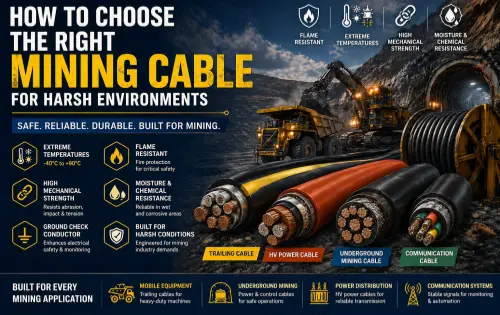
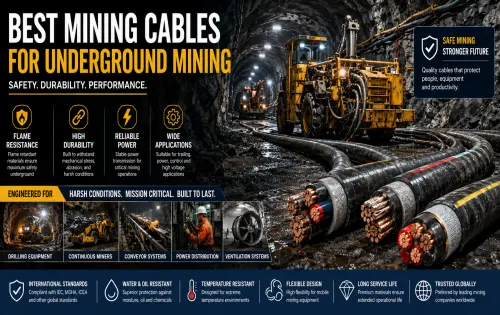
Mining Cable
Mining environments require cables capable of withstanding severe mechanical stress.
Mining cable designs often include:
- Reinforced jackets
- Enhanced abrasion resistance
- Flame-retardant compounds
- Moisture protection systems
Flexible Flat Cable
A flexible flat cable uses a flat conductor arrangement rather than a circular structure.
Applications include:
- Control systems
- Automated machinery
- Cable chains
- Robotics
Its compact profile simplifies cable routing in confined spaces.
Flexible Coaxial Cable
A flexible coaxial cable is used primarily for signal transmission rather than power delivery.
Applications include:
- Telecommunications
- Radio systems
- Testing equipment
- Data communication systems
5. Applications in Welding, Mining, and Construction Industries
Flexible rubber cables are among the most heavily utilized cable products in industrial environments.
Welding Applications
Welding operations involve:
- High currents
- Frequent movement
- Harsh environmental conditions
Flexible welding cables ensure stable current flow while allowing operators to move freely.
Mining Operations
Mining equipment requires power cables capable of surviving:
- Mechanical impact
- Dust exposure
- Moisture
- Vibration
Flexible rubber cable systems provide reliable performance in underground and surface mining operations.
Construction Projects
Construction sites often have temporary electrical installations.
Cables may be:
- Dragged across rough surfaces
- Exposed to weather
- Repositioned frequently
Flexible rubber cables offer the durability needed to maintain safe operation under these demanding conditions.
Industrial Manufacturing
Factories use flexible electrical cables for:
- Cranes
- Conveyors
- Automated systems
- Portable equipment
Their flexibility helps reduce stress on conductors and connection points.
Table: Flexible Rubber Cable Selection Matrix
|
Application |
Recommended Cable Type |
Key Requirements |
|
Welding Machines |
Flexible Welding Cable |
High flexibility and current capacity |
|
Underground Mining Equipment |
Mining Rubber Cable |
Abrasion and impact resistance |
|
Construction Sites |
H07RN-F Rubber Cable |
Weather and mechanical resistance |
|
Tower Cranes |
Flexible Power Cable |
Continuous movement capability |
|
Industrial Manufacturing |
Flexible Electrical Cable |
Reliability and flexibility |
|
Conveyor Systems |
Heavy-Duty Rubber Cable |
Fatigue resistance |
|
Mobile Generators |
Portable Power Cable |
Easy deployment |
|
Shipyards |
Marine Rubber Cable |
Moisture and salt resistance |
|
Renewable Energy Sites |
Flexible Industrial Cable |
Outdoor durability |
Table: H07RN-F Application Guide
|
Industry |
Suitability |
|
Construction |
Excellent |
|
Agriculture |
Excellent |
|
Industrial Plants |
Excellent |
|
Mining |
Good |
|
Marine Applications |
Good |
|
Renewable Energy Projects |
Excellent |
|
Temporary Events |
Excellent |
Engineering Insight
H07RN-F remains one of the most widely specified flexible rubber cables worldwide due to its balance of flexibility, durability, weather resistance, and compliance with international standards.
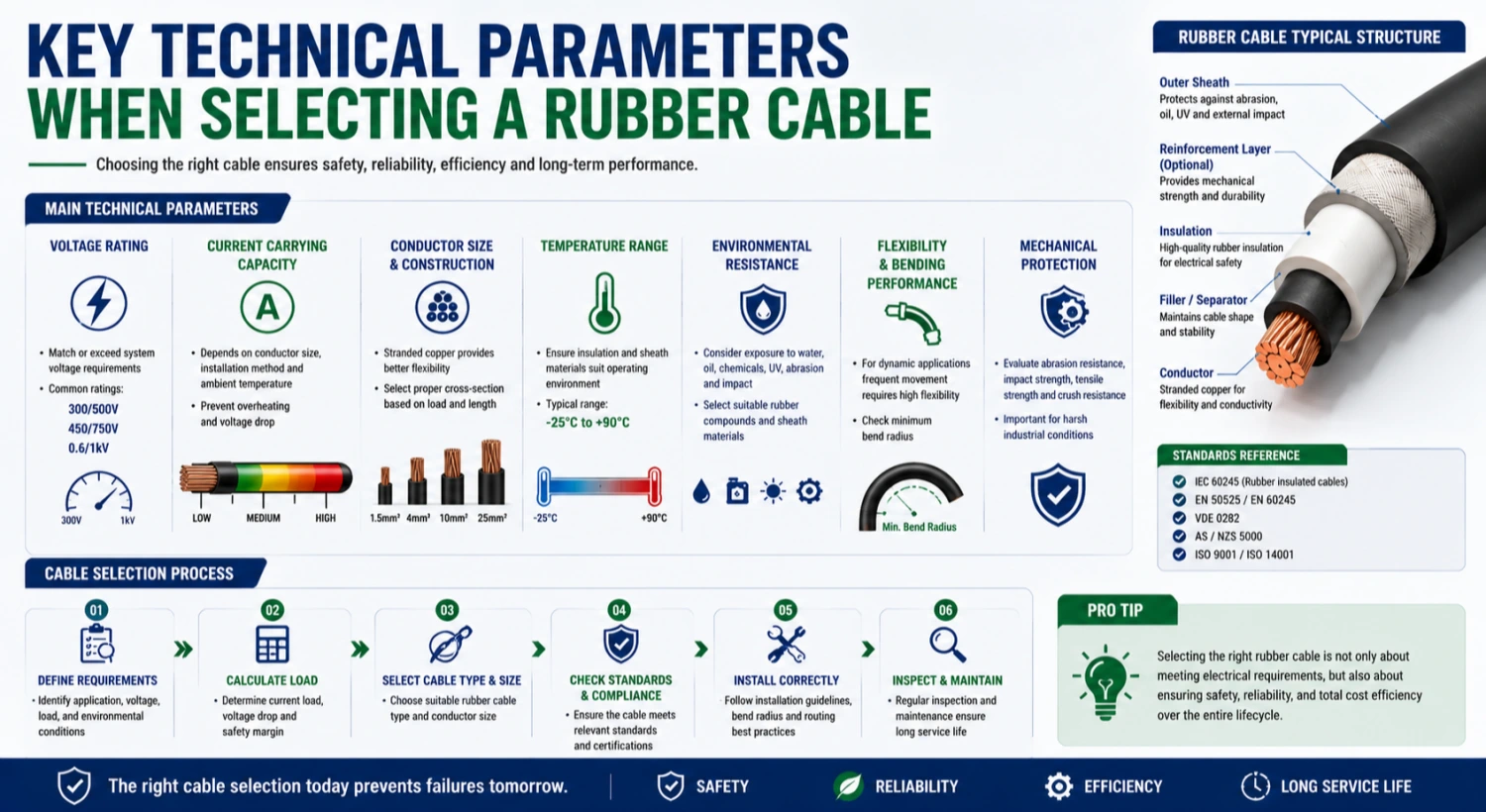
6. Key Technical Parameters When Selecting a Rubber Cable
Choosing the correct cable requires more than simply matching voltage ratings.
Engineers should evaluate multiple performance parameters.
Voltage Rating
Typical ratings include:
- 300/500V
- 450/750V
- 0.6/1kV
The selected cable must comply with system voltage requirements.
Current Carrying Capacity
Current rating depends on:
- Conductor size
- Installation method
- Ambient temperature
- Grouping conditions
Undersized cables can overheat and fail prematurely.
Flexing Performance
Applications involving constant movement require cables specifically designed for dynamic operation.
Temperature Range
Industrial environments may expose cables to:
- Extreme heat
- Freezing conditions
The insulation material must remain flexible throughout the operating range.
Environmental Resistance
Consider exposure to:
- Water
- Oil
- Chemicals
- UV radiation
- Abrasion
These factors significantly influence cable longevity.
Table: Typical Flexible Rubber Cable Technical Specifications
|
Conductor Size |
Voltage Rating |
Current Capacity* |
Typical Applications |
|
1.5 mm² |
450/750V |
18 A |
Portable tools |
|
2.5 mm² |
450/750V |
25 A |
Small machinery |
|
4 mm² |
450/750V |
35 A |
Construction equipment |
|
6 mm² |
450/750V |
45 A |
Industrial tools |
|
10 mm² |
0.6/1kV |
65 A |
Welding equipment |
|
16 mm² |
0.6/1kV |
85 A |
Heavy-duty industrial applications |
|
25 mm² |
0.6/1kV |
115 A |
Mining machinery |
|
35 mm² |
0.6/1kV |
145 A |
Large mobile equipment |
|
50 mm² |
0.6/1kV |
180 A |
High-current power distribution |
*Current ratings vary according to installation conditions and ambient temperature.
Table: Environmental Performance Comparison
|
Parameter |
Standard Rubber Cable |
Heavy-Duty Mining Cable |
|
Operating Temperature |
-25°C to +60°C |
-40°C to +90°C |
|
UV Resistance |
Good |
Excellent |
|
Oil Resistance |
Good |
Excellent |
|
Abrasion Resistance |
Moderate |
Very High |
|
Water Resistance |
High |
Very High |
|
Flame Retardancy |
Optional |
Typically Required |
Engineering Insight
Cable selection should consider not only electrical load but also environmental conditions, movement frequency, and expected service life.
7. Installation and Maintenance Best Practices
Even the highest-quality flexible rubber cable can fail prematurely if installed incorrectly.
Avoid Excessive Tension
Pulling forces should remain within manufacturer limits.
Excessive tension may damage:
- Conductors
- Insulation
- Internal structure
Respect Minimum Bend Radius
Every cable has a recommended bend radius.
Exceeding these limits can:
- Increase conductor stress
- Damage insulation
- Reduce service life
Prevent Mechanical Damage
Avoid:
- Sharp edges
- Crushing forces
- Repetitive kinking
Proper cable routing extends operational life.
Conduct Routine Inspections
Regular inspections should evaluate:
- Jacket condition
- Connector integrity
- Signs of overheating
- Mechanical wear
Preventive maintenance reduces unexpected downtime.
8. Future Trends in Flexible Rubber Cable Technology
Industrial electrification and automation continue to drive innovation in cable design.
Advanced Rubber Compounds
Manufacturers are developing new insulation materials offering:
- Greater flexibility
- Lower weight
- Improved environmental resistance
Smart Cable Monitoring
Emerging systems incorporate sensors capable of monitoring:
- Temperature
- Mechanical stress
- Current load
These technologies support predictive maintenance strategies.
Renewable Energy Projects
Flexible rubber cables are increasingly used in:
- Solar farms
- Wind power installations
- Battery energy storage systems
where durability and mobility are essential.
Sustainable Manufacturing
Modern cable manufacturers are investing in environmentally responsible production methods and recyclable materials to meet global sustainability objectives.
FAQ Section
FAQ 1: What is the difference between a flexible rubber cable and a standard PVC cable?
A flexible rubber cable uses rubber-based insulation and sheath materials that provide superior flexibility, mechanical strength, and environmental resistance compared to standard PVC cables.
Key advantages of flexible rubber cables include:
- Better flexibility during repeated bending
- Higher abrasion resistance
- Improved performance in cold environments
- Greater resistance to oil, moisture, and UV exposure
- Longer service life in industrial applications
PVC cables are generally more economical for fixed installations, while flexible rubber cables are preferred for mobile equipment, welding machines, construction sites, and mining operations where movement and durability are critical.
FAQ 2: What is H07RN-F rubber cable and where is it commonly used?
H07RN-F is one of the most widely used heavy-duty flexible rubber cable types worldwide. It is designed for portable power distribution and industrial applications requiring excellent flexibility and mechanical protection.
Typical applications include:
- Construction sites
- Portable generators
- Industrial machinery
- Agricultural equipment
- Temporary power systems
- Renewable energy installations
H07RN-F rubber cable offers excellent resistance to weather, moisture, oil, and mechanical stress, making it suitable for both indoor and outdoor environments.
FAQ 3: How do I select the correct flexible rubber cable size?
Selecting the correct flexible electrical cable depends on several engineering factors:
- Voltage rating
- Current carrying capacity
- Installation method
- Cable length
- Ambient temperature
- Frequency of movement
- Environmental conditions
For example, welding equipment may require larger conductor sizes due to high current demand, while construction tools often use smaller H07RN-F cables.
Engineers should always calculate voltage drop and current load before choosing a cable size to ensure safety and long-term reliability.
FAQ 4: Are flexible rubber cables suitable for mining applications?
Yes. Flexible rubber cables are extensively used in underground and surface mining operations because they can withstand severe mechanical and environmental conditions.
Mining cables typically provide:
- High abrasion resistance
- Impact resistance
- Flame retardancy
- Moisture protection
- Oil and chemical resistance
Heavy-duty mining cables are specifically designed to power mobile mining equipment, conveyors, drilling systems, and excavation machinery operating in demanding environments.
FAQ 5: What factors affect the service life of a flexible rubber cable?
Several factors influence the lifespan of a flexible rubber cable:
- Installation quality
- Mechanical stress
- Operating temperature
- Exposure to oil and chemicals
- UV radiation
- Bending frequency
- Overloading conditions
When properly selected and installed, high-quality flexible rubber cables can provide reliable service for many years even in harsh industrial environments.
Routine inspection and preventive maintenance can significantly extend cable life.
FAQ 6: Can flexible rubber cables be used outdoors?
Yes. Most industrial-grade flexible rubber cables are specifically designed for outdoor use.
Premium rubber cable constructions offer:
- UV resistance
- Water resistance
- Weather resistance
- Ozone resistance
- Temperature stability
Products such as H07RN-F rubber cable are widely used outdoors on construction sites, renewable energy projects, ports, mining facilities, and temporary power installations due to their excellent environmental durability.
Conclusion
Flexible rubber cables remain one of the most versatile and reliable solutions for industrial power distribution. Their ability to withstand continuous movement, mechanical stress, moisture, and harsh environmental conditions makes them indispensable in welding, mining, construction, manufacturing, and infrastructure projects.
Whether selecting a rubber cable H07RN-F for portable equipment, a heavy-duty mining cable for underground operations, or a specialized flexible electrical cable for automated machinery, understanding construction, performance characteristics, and installation requirements is essential for achieving long-term reliability.
As industrial systems become increasingly sophisticated, flexible rubber cable technology will continue to evolve, delivering safer, more efficient, and more durable power solutions for demanding applications worldwide.

Related Articles

Related Products
CONCENTRIC CABLE
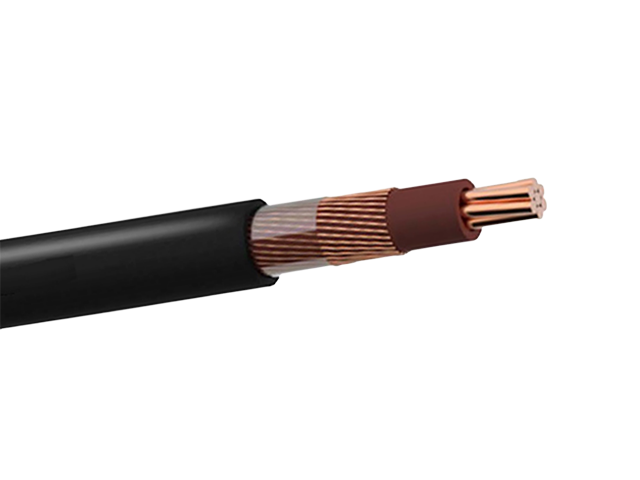
NPC Electric Concentric Cable is designed with a central phase conductor surrounded by an evenly distributed concentric neutral conductor, providing a stable electrical return path and enhanced system safety. The concentric construction ensures uniform current distribution, reduces electromagnetic interference, and improves grounding reliability. High-purity copper or aluminum conductors are combined with durable insulation materials that offer excellent resistance to moisture, heat, and environmental stress. This cable structure is widely used in low-voltage power distribution, where mechanical protection and electrical stability are critical. The concentric neutral layer also enhances fault current handling and minimizes voltage drop during operation. With strong mechanical strength, long service life, and consistent electrical performance, concentric cables are suitable for underground installation and utility networks requiring dependable power delivery.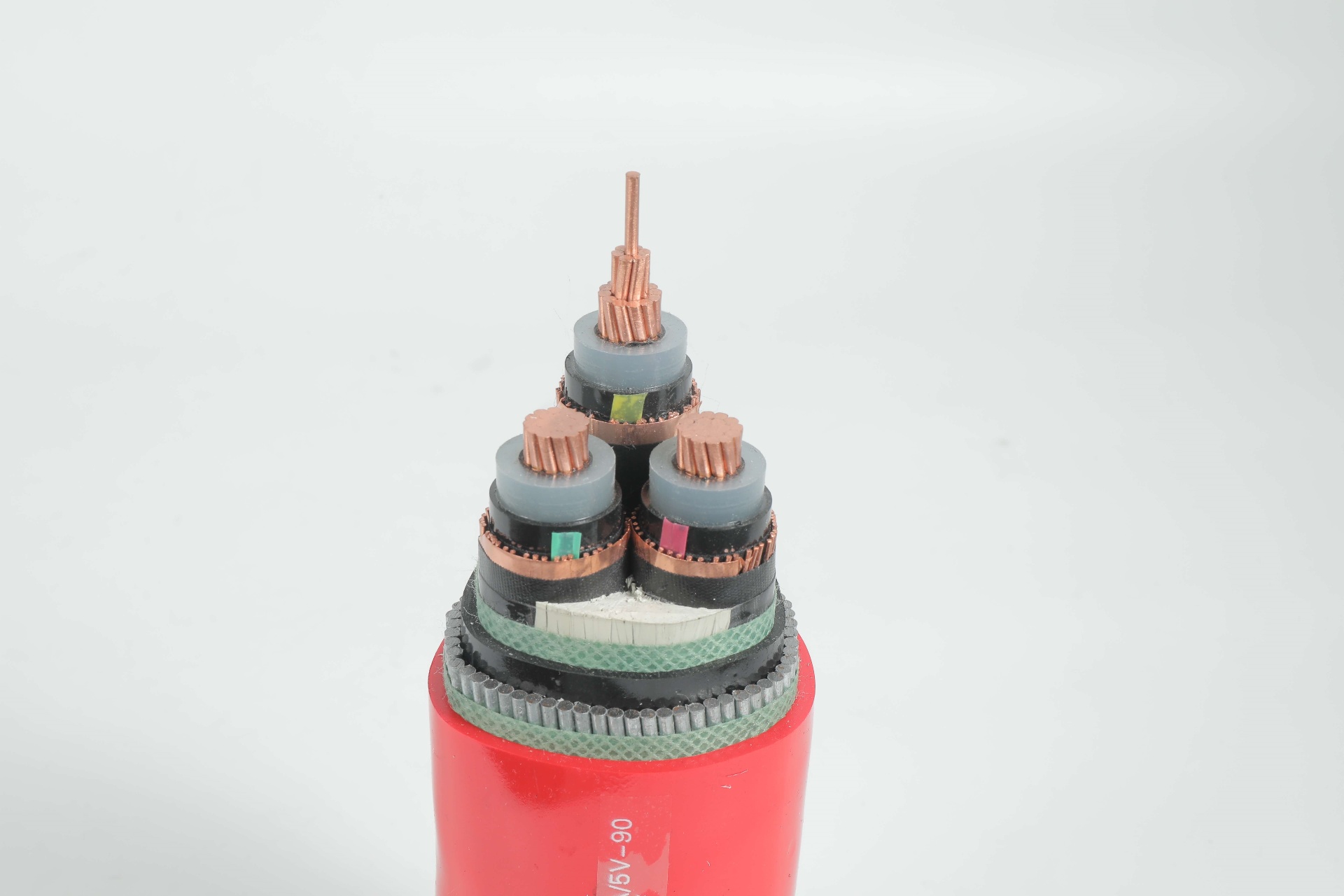
Three Core Medium Voltage Power Cable to IEC 60502
The Three Core Medium Voltage Power Cable to IEC 60502 is designed for stable and efficient power transmission in medium voltage distribution systems. Constructed with three insulated conductors laid together, this cable supports balanced load distribution and compact installation. High-purity copper or aluminum conductors ensure low electrical resistance and reliable current flow. The insulation system, typically based on XLPE, provides excellent dielectric strength, thermal endurance, and resistance to electrical stress. The three-core configuration simplifies installation in substations, industrial plants, and infrastructure projects where space efficiency and system reliability are critical. Manufactured in accordance with IEC 60502, the cable meets international standards for electrical performance, mechanical durability, and operational safety. Its robust construction ensures long service life and dependable operation in demanding medium voltage applications.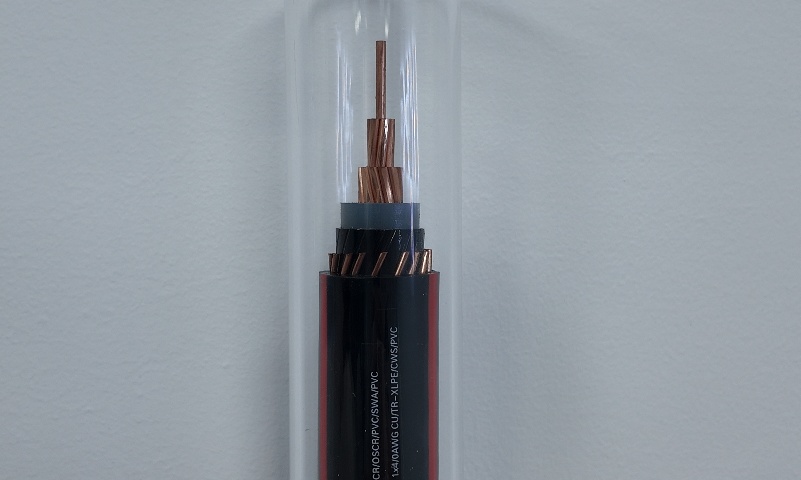
Single Conductor URD Cable
The Single Conductor URD Cable is a reliable and economical 600V underground residential distribution cable engineered for service entrance and secondary power delivery. It features a stranded AA8000 aluminum alloy conductor with XLPE insulation and a concentrically stranded aluminum alloy neutral, all protected by a durable black polyethylene sheath. This single conductor design provides excellent flexibility, high conductivity, and superior moisture resistance, making it suitable for direct burial or conduit installations. Lightweight and corrosion-resistant, the Single Conductor URD Cable is a practical alternative to copper cables while maintaining strong mechanical performance. Manufactured to UL 854 and ICEA standards, it undergoes extensive quality testing to ensure consistent performance and long service life in underground environments.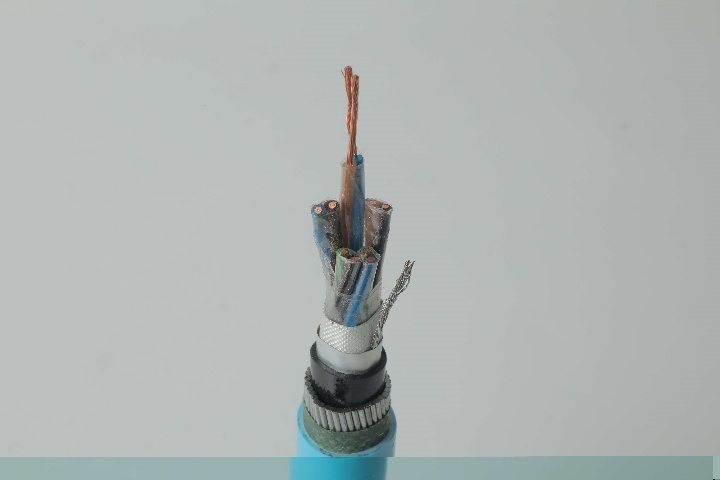
Instrumentation Cables—Mica Tapped, XLPE Insulated, Individual &Overall Screened, Wire Armoured LSZH Sheathed Cables(CU/GMT/XLPE/IOSCR/SWA/LSZH)
CU/GMT/XLPE/IOSCR/SWA/LSZH instrumentation cables are engineered for precise signal and control transmission in environments with high electrical noise and strict safety requirements. The mica tape layer protects the copper conductor during fire exposure, while XLPE insulation ensures stable electrical characteristics and heat resistance. Individual screening of each circuit, combined with an overall screen, provides superior protection against electromagnetic interference, enabling accurate and stable signal performance. Steel wire armour enhances mechanical durability and protects the cable from external damage. The LSZH sheath limits smoke emission and corrosive gases, making the cable suitable for enclosed and public installations. This robust design makes the cable ideal for complex industrial applications requiring both signal integrity and safety compliance.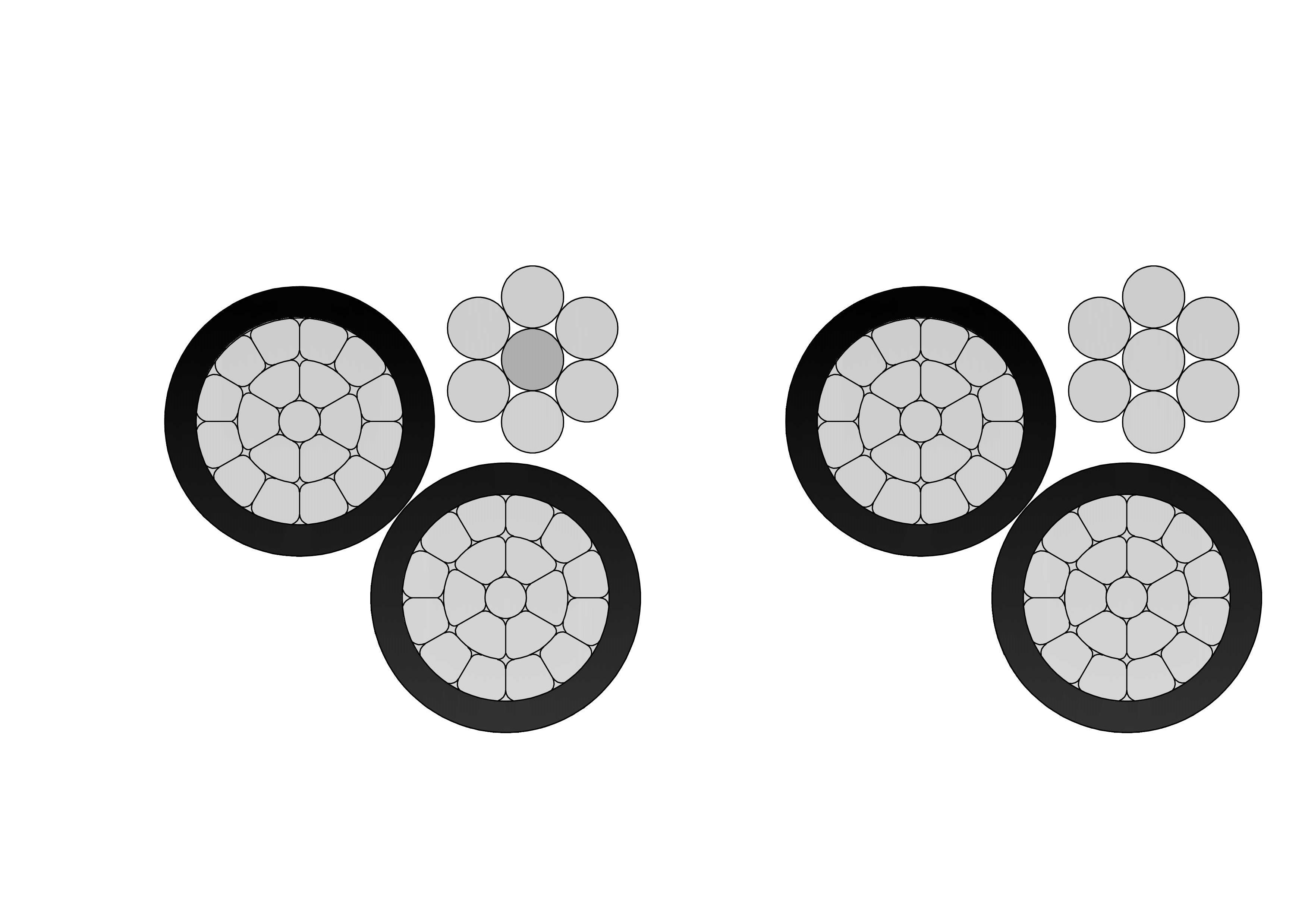
4 Artemia Aluminum Conductor Triplex Overhead Service Drop Cable
The 4 Artemia Aluminum Conductor Triplex Overhead Service Drop Cable is engineered for superior performance in overhead power distribution systems. Featuring three aluminum conductors with a neutral messenger, this cable ensures efficient electricity transmission for residential, commercial, and light industrial applications. Its robust construction includes high-grade aluminum alloy for enhanced conductivity and corrosion resistance, wrapped in weatherproof insulation to withstand harsh environmental conditions like UV exposure, rain, and wind. With a 4 AWG size, it supports voltages up to 600V and offers low impedance for minimal power loss. Easy to install with standard overhead fittings, it complies with ASTM, ANSI, and ICEA standards for safety and reliability. This triplex design reduces sagging and improves longevity, making it a cost-effective choice for utility companies and contractors. Whether upgrading existing lines or new installations, the 4 Artemia delivers dependable service with minimal maintenance. Invest in quality that powers your world efficiently.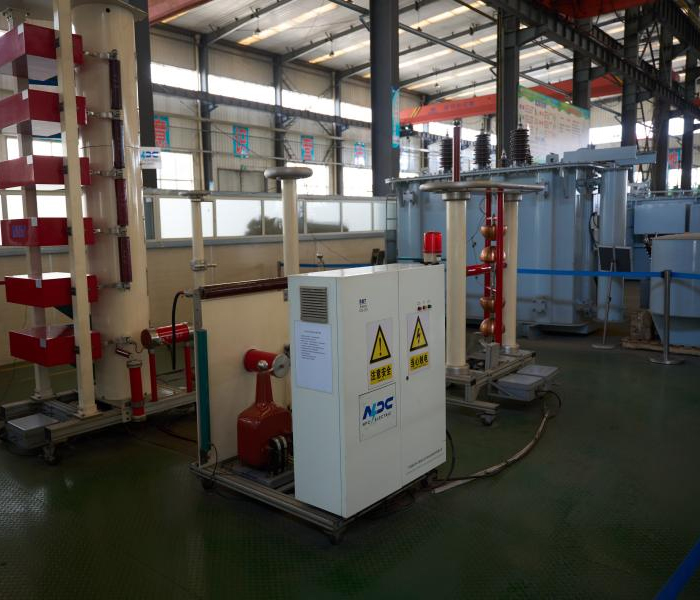
400kVA Dry Type Transformer
The NPC ELECTRIC 400kVA Dry Type Transformer is engineered for efficient and reliable power distribution in industrial, commercial, and utility applications. With a compact, fire-safe design, it operates without the need for oil or other cooling fluids, making it ideal for environments with strict safety and environmental standards. Designed to withstand heavy loads, it is the perfect solution for demanding electrical requirements, providing a sustainable and cost-effective option for modern electrical systems.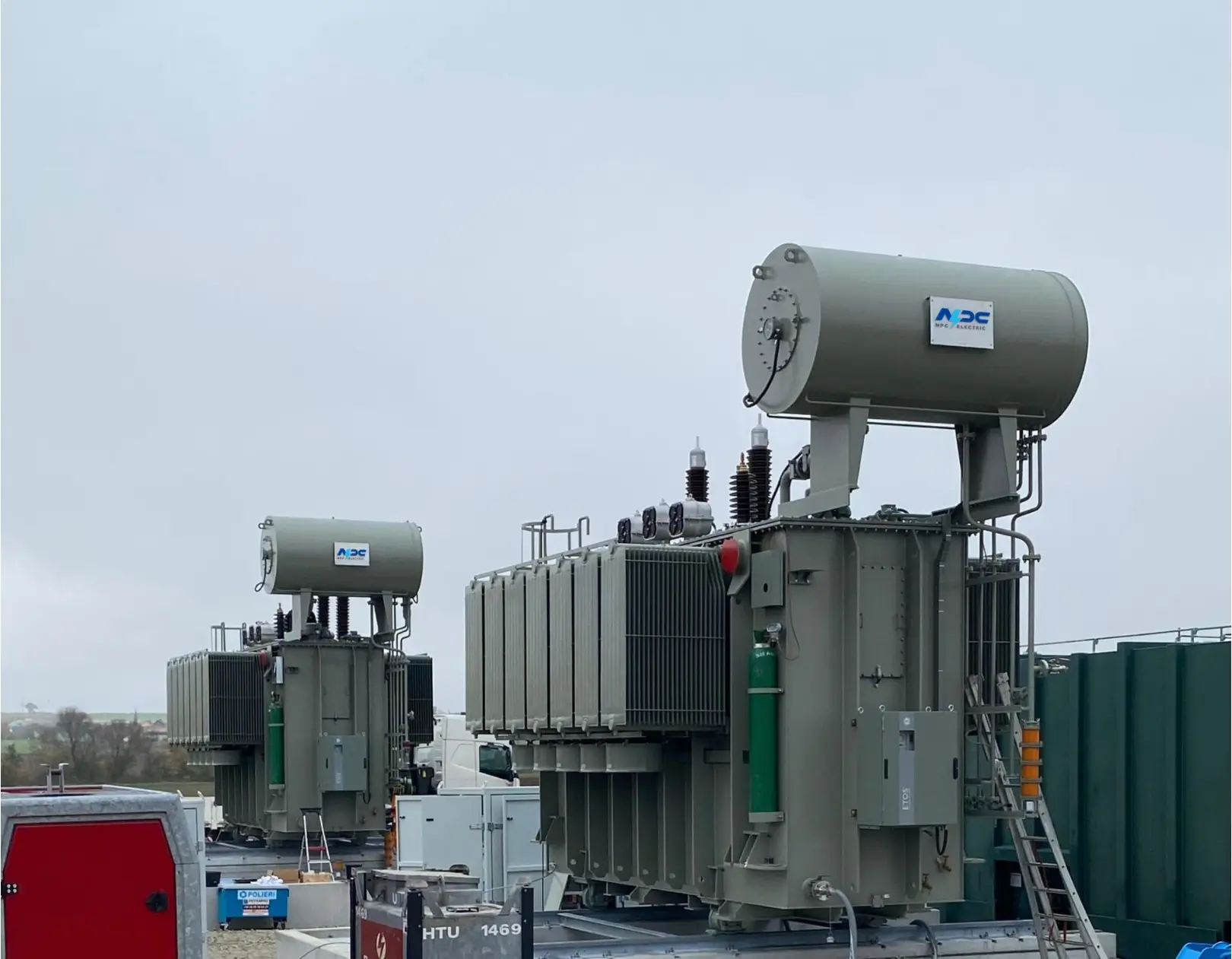
500kV Oil-Immersed Power Transformer For Ultra-High Voltage Grid Solutions
NPC Electric 500kV Oil-Immersed Power Transformer is a critical component for national ultra-high voltage (UHV) backbones, engineered to transmit massive blocks of power with industry-leading efficiency. Utilizing premium, laser-scribed CRGO silicon steel in a multi-step lap core construction, this transformer minimizes magnetizing current and core noise. The active part is submerged in high-grade inhibited mineral oil, processed through advanced vacuum degasification to ensure maximum dielectric strength. Its robust, shield-type winding structure provides exceptional resistance against lightning surges and short-circuit mechanical stresses. Designed to meet IEC 60076 and IEEE standards, this 500kV unit is the definitive solution for long-distance energy dispatch, connecting remote generation hubs to major load centers while maintaining grid frequency and voltage stability.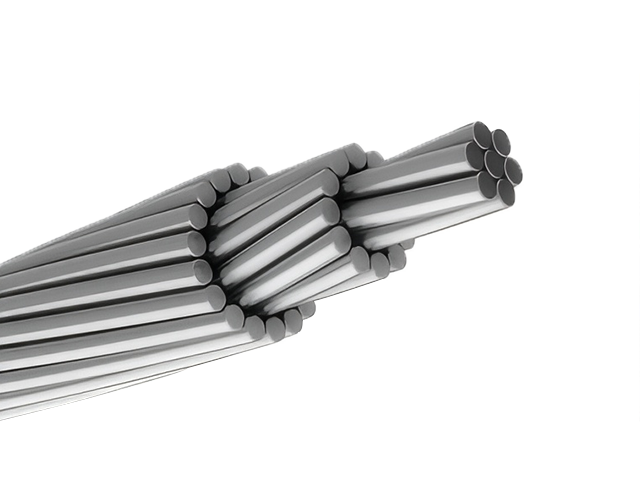
477 MCM HAWK ACSR Conductor Cable
The 477 MCM HAWK ACSR Conductor Cable is a robust and highly efficient Aluminium Conductor Steel Reinforced (ACSR) cable engineered for overhead transmission and distribution networks. It consists of 26 hard-drawn 1350-H19 aluminium wires concentrically stranded around 7 galvanized steel wires, delivering an optimal blend of electrical conductivity and mechanical strength. Designed and manufactured in accordance with ASTM B232, the HAWK configuration is well-suited for long-span overhead lines, where elevated tensile performance is required to withstand environmental loads like wind and ice. The galvanized steel core, available in Class A or B, offers superior corrosion resistance, while the aluminium strands ensure high current-carrying capacity with low resistivity. This conductor is a popular choice in transmission infrastructure due to its balance of strength, weight, and performance, making it a cost-effective and reliable solution in a wide range of operating environments.
Instrumentation Cables—XLPE Insulated,Individual & Overall Screened,Lead Sheathed,Wire Armoured PVC Sheathed Cables(CU/XLPE/IOSCR/LEAD/SWA/PVC)
Instrumentation Cables are multi-conductor cables that carry and transport low-voltage electrical signals. These low-voltage signals are used to control and monitor electrical power systems. Instrumentation cables have many different industrial applications that include broadcasting, equipment control, such as drilling and pumping in the oil and gas industry, and data transfer, which includes analog and digital signals. They are manufactured according to the BS EN 50288-7 and BS EN 50288-1 standards to ensure quality. Depending on the application, instrumentation cables can be insulated with PVC or XLPE; the cables can be armoured or unarmoured. The sheathing materials can be of PVC, LSZH, or PE. The cables can have additional flame retardant or flame retardant properties, and they can be manufactured with special protections such as lead sheaths, or DRYLAM or AIRBAG technology.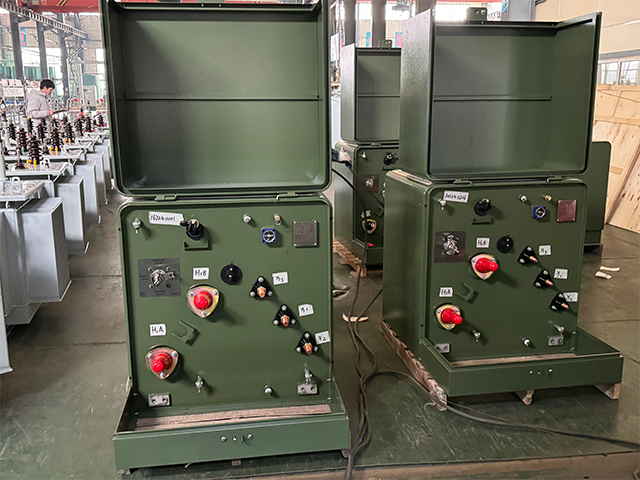
500kVA Single Phase Pad Mounted Transformer
The 500kVA Single Phase Pad Mounted Transformer is a high-capacity electrical transformer designed for reliable and efficient power distribution in commercial, industrial, and utility applications. With a robust, weatherproof enclosure, it is specifically built for outdoor use and can handle the demanding requirements of larger single-phase systems. This transformer offers a 500kVA capacity, ensuring dependable performance for a variety of load conditions.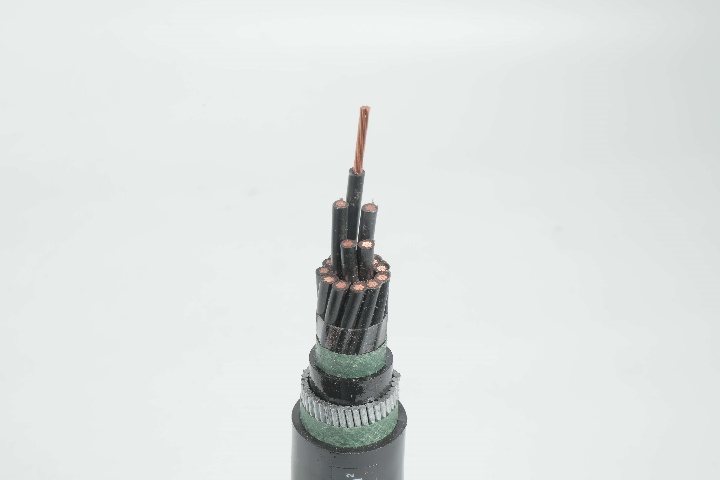
Flame Retardant Instrumentation Cables - Shielded Multi-Pair Cable
Flame Retardant Instrumentation Cables are engineered for reliable signal transmission in demanding industrial environments where fire safety is critical. These cables feature stranded copper conductors with high-quality insulation, individual and/or overall aluminum foil shielding with drain wires, and flame-retardant LSZH or PVC outer sheaths. They offer excellent electromagnetic interference (EMI) protection, low smoke emission, and superior fire performance. Designed for use in process control, automation systems, and instrumentation networks, these cables ensure signal integrity while meeting stringent international fire safety standards. The Flame Retardant Instrumentation Cables undergo rigorous quality testing from raw materials to finished product, guaranteeing consistent electrical performance, mechanical strength, and long-term reliability in oil & gas, power plants, refineries, and other high-risk installations.
NTSCGECECWOU 3.6/6kV and 6/10kV Cable
The NTSCGECECWOU 3.6/6kV and 6/10kV cable is a flexible medium voltage power cable manufactured to VDE 0250 Part 813 standards, designed for reeling and trailing applications in mining, tunneling, and other demanding industrial environments. Constructed with Class 5 tinned copper conductors, EPR insulation, and a robust halogen-free sheath, it delivers exceptional mechanical strength, flame retardancy, oil resistance, and flexibility. Its copper wire screen ensures EMC protection, while the rugged sheath withstands extreme temperatures, making it suitable for both indoor and outdoor installations in harsh conditions.
336.4 MCM MERLIN ACSR Conductor Cable
The ACSR CAA 336.4 KCM 18/1F MERLIN is a robust and efficient aluminium conductor steel reinforced cable, designed for high-performance in overhead power transmission and distribution lines. This conductor consists of 18 strands of hard-drawn 1350-H19 aluminium helically stranded around a single galvanized steel core wire, delivering an ideal combination of electrical conductivity and mechanical strength. Compliant with ASTM B232, this ACSR configuration is widely adopted in South American and international power systems. The steel core, galvanized to Class A or B, offers protection against corrosion, ensuring long service life in harsh environmental conditions. Meanwhile, the aluminium strands provide excellent current-carrying capacity and conductivity. The MERLIN design is particularly suitable for medium-voltage transmission lines and long-span installations where mechanical tension and conductor sag need to be controlled without compromising electrical performance.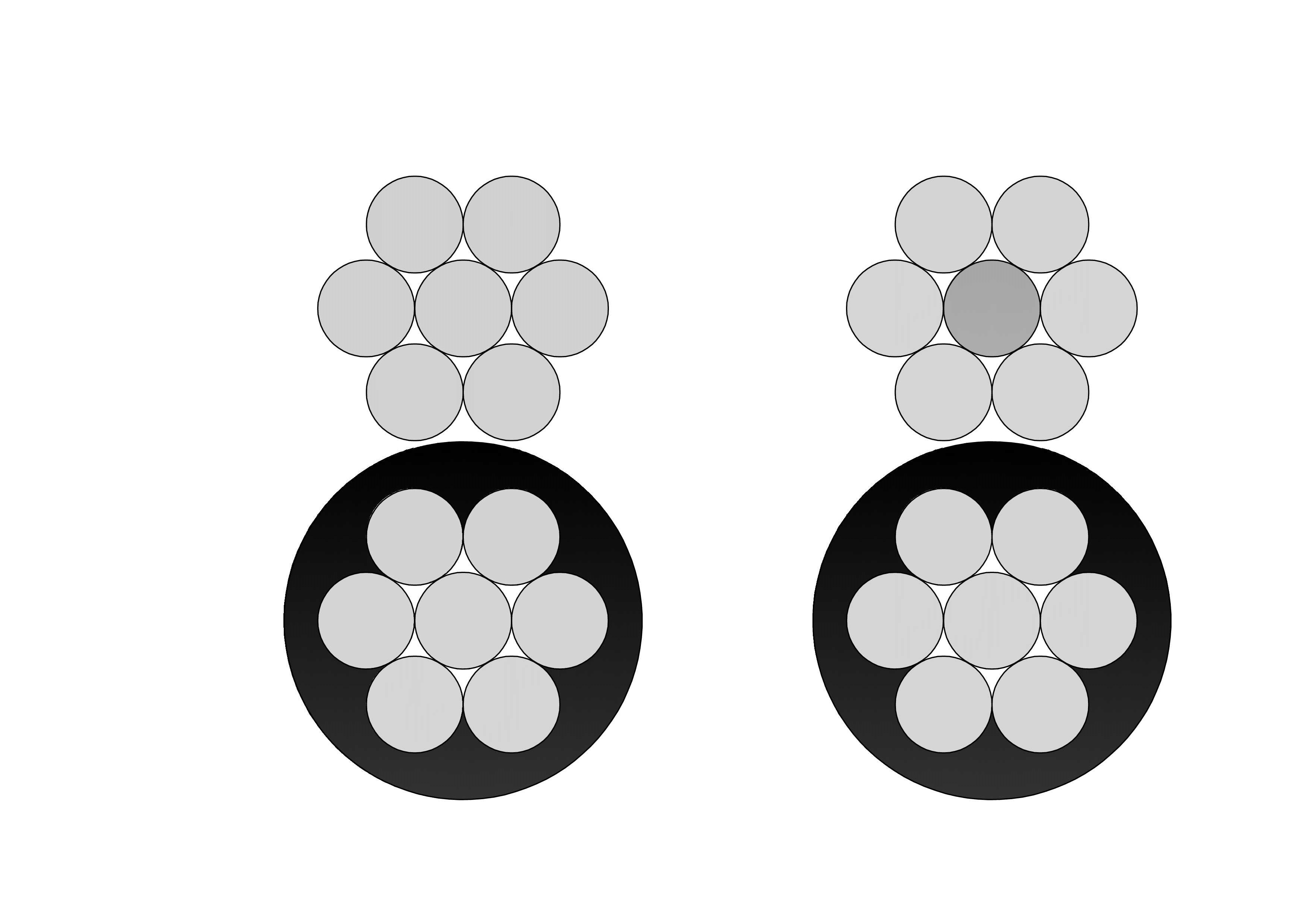
4 Spaniel Aluminum Conductor Duplex Overhead Service Drop Cable
Introducing the 4 Spaniel Duplex Service Drop Cable, a versatile overhead solution for low-voltage secondary distribution. Built with two 4 AWG aluminum conductors (7-strand) insulated with polyethylene or XLPE and formed into a duplex assembly, it meets ASTM and ICEA requirements for 600V service. The tough insulation offers outstanding protection against UV rays, moisture, tree contact, and abrasion. Compact duplex design provides self-support and easy pulling during installation. The 4 Spaniel Duplex Service Drop Cable supports efficient power transfer with low voltage drop and high durability in extreme temperatures. Popular for its lightweight construction and reduced installation time, it is the go-to choice for electricians and utilities. Widely deployed in housing developments, farm services, and temporary power setups, this cable ensures safe, long-lasting overhead connections from distribution transformers to customer service entrances worldwide.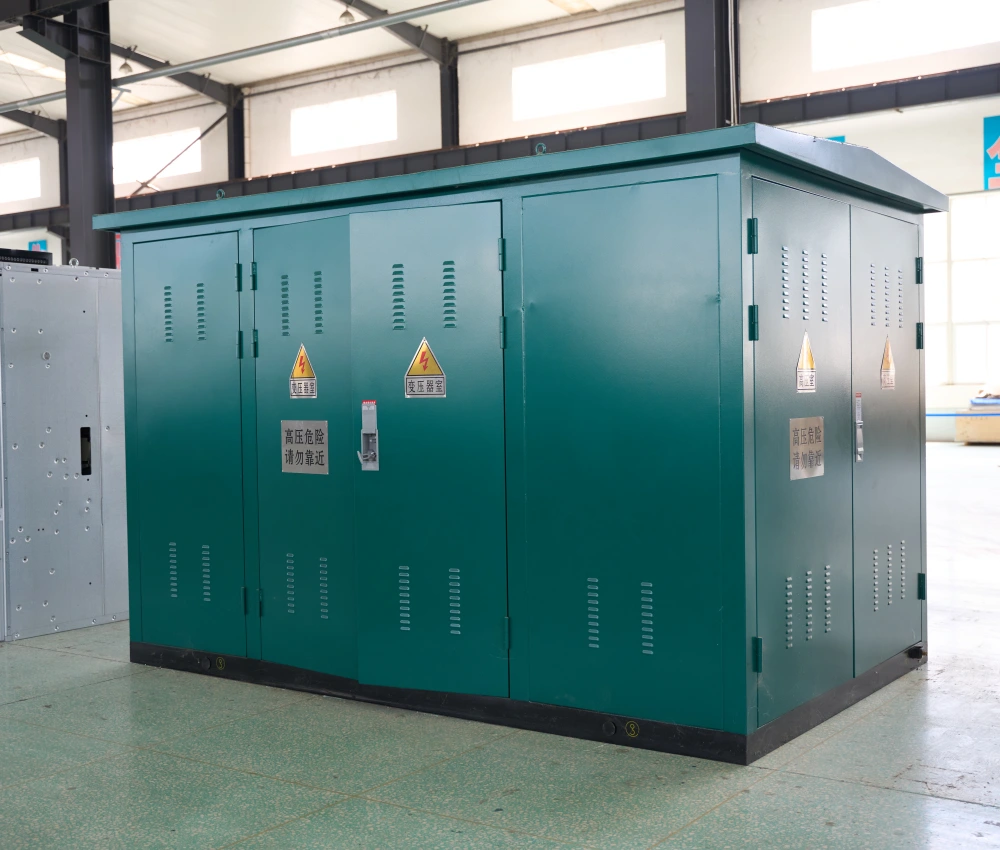
Outdoor Prefabricated Transformer Substation
The Outdoor Prefabricated Transformer Substation is an integrated medium-voltage power distribution solution designed for outdoor installation in industrial, commercial, utility, and renewable energy applications. The system combines medium-voltage switchgear, distribution transformer, low-voltage distribution equipment, and intelligent control systems into a compact prefabricated enclosure, providing efficient and reliable power transformation while minimizing construction time and installation costs. Engineered for harsh environmental conditions, the outdoor substation features a weather-resistant enclosure, corrosion-protected structure, advanced insulation technology, and optimized thermal ventilation system to ensure long-term operational stability. Its modular design allows rapid deployment, simplified transportation, and flexible installation while improving maintenance accessibility and operational safety. The Outdoor Prefabricated Transformer Substation supports multiple voltage levels, transformer capacities, and intelligent automation functions, making it suitable for utility distribution systems, renewable energy projects, urban infrastructure, mining facilities, transportation networks, and industrial manufacturing plants. With smart-grid compatibility and customizable configurations, the substation provides efficient and scalable electrical distribution performance for modern power networks.Welcome your inquiry
Honesty, Integrity, Frugality, Activeness and Passion