

Wires and Cables
AAAC
Ensure reliable and corrosion-resistant overhead power delivery with AAAC Conductor Cables. AAAC (All Aluminum Alloy Conductor) cables are an excellent choice for medium to long span overhead transmission and distribution lines, offering superior characteristics where both strength and conductivity are essential. Our AAAC conductors are exclusively made from high-strength aluminum-magnesium-silicon alloy (such as 6201-T81), eliminating the need for a steel core. This monolithic alloy construction provides exceptional corrosion resistance, higher strength-to-weight ratio than AAC, reduced sag, and excellent conductivity, especially in coastal or industrial environments. AAAC offers a durable, efficient, and low-maintenance solution for modern power grid infrastructure.
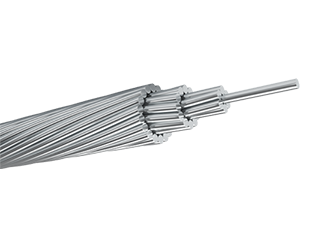
BUTTE AAAC Conductor Cable
BUTTE AAAC (All Aluminum Alloy Conductor) cables comply with ASTM B399 standards and offer high strength, good conductivity, and corrosion resistance. Named "Butte" for its 400 mm² nominal area with 37-strand configuration, it offers superior conductivity (53% IACS) and tensile strength (295 MPa min) compared to ACSR. Made from heat-treated aluminum-magnesium-silicon alloy (6201-T81), this cable provides excellent corrosion resistance, low weight, and reduced sag for longer spans. Compliant with ASTM B398, B399, IEC 61089, and BS EN 50182 standards, it supports voltages up to 33kV with ampacity up to 800A at 75°C. The homogeneous alloy construction eliminates bimetallic corrosion and ensures uniform mechanical properties. The Butte AAAC Conductor Cable minimizes line losses, withstands harsh weather, and requires minimal maintenance. Ideal for rural electrification, urban upgrades, and renewable energy integrations, it delivers reliable, cost-effective power in overhead lines worldwide, outperforming traditional conductors in corrosive or coastal environments.
CAIRO AAAC Conductor Cable
CAIRO AAAC (All Aluminum Alloy Conductor) cables comply with ASTM B399 standards and offer high tensile strength, good conductivity, and resistance to corrosion. Named "Cairo" for its 600 mm² nominal area with 61-strand configuration, it offers superior conductivity (53% IACS) and tensile strength (295 MPa min) compared to ACSR. Made from heat-treated aluminum-magnesium-silicon alloy (6201-T81), this cable provides excellent corrosion resistance, low weight, and reduced sag for longer spans. Compliant with ASTM B398, B399, IEC 61089, and BS EN 50182 standards, it supports voltages up to 33kV with ampacity up to 1000A at 75°C. The homogeneous alloy construction eliminates bimetallic corrosion and ensures uniform mechanical properties. The Cairo AAAC Conductor Cable minimizes line losses, withstands harsh weather, and requires minimal maintenance. Ideal for rural electrification, urban upgrades, and renewable energy integrations, it delivers reliable, cost-effective power in overhead lines worldwide, outperforming traditional conductors in corrosive or coastal environments.
CANTON AAAC Conductor Cable
CANTON AAAC (All Aluminum Alloy Conductor) cables are manufactured in accordance with ASTM B399 standards, offering high tensile strength, good electrical conductivity, and corrosion resistance. With 800 mm² nominal area and 61-strand design, it uses heat-treated aluminum-magnesium-silicon alloy (6201-T81) for enhanced strength (295 MPa min) and conductivity (53% IACS min). Meeting ASTM B398, B399, IEC 61089, and BS EN 50182 standards, this cable handles ampacity up to 1200A at 75°C and voltages up to 33kV. The all-alloy construction avoids bimetallic corrosion, providing better resistance in harsh conditions than ACSR. Reduced weight minimizes sag and installation expenses, supporting longer spans. The Canton AAAC Conductor Cable delivers low electrical losses, high mechanical endurance, and excellent weather tolerance. Flame-retardant variants available. Perfect for urban grids, renewable projects, and coastal setups, it provides cost-effective, low-maintenance power delivery in overhead applications globally, excelling in reliability and lifespan over conventional conductors.
DARIEN AAAC Conductor Cable
DARIEN AAAC (All Aluminum Alloy Conductor) cables are manufactured in compliance with ASTM B399 and IEC 61089 standards, offering excellent conductivity, high tensile strength, and outstanding corrosion resistance. With 700 mm² nominal area and 61-strand construction, it features heat-treated aluminum-magnesium-silicon alloy (6201-T81) for enhanced strength (295 MPa min) and conductivity (53% IACS min). Meeting ASTM B398, B399, IEC 61089, and BS EN 50182 standards, this cable supports ampacity up to 1100A at 75°C and voltages up to 33kV. The uniform alloy eliminates bimetallic issues, offering superior corrosion resistance in harsh environments compared to ACSR. Low weight reduces sag and installation costs, enabling longer spans. The Darien AAAC Conductor Cable provides minimal electrical losses, high mechanical endurance, and excellent weather tolerance. Flame-retardant options available. Suited for urban grids, renewable connections, and coastal installations, it ensures cost-effective, maintenance-free power delivery in overhead systems globally, outperforming traditional conductors in reliability and lifespan.
ELGIN AAAC Conductor Cable
ELGIN AAAC (All Aluminum Alloy Conductor) cables comply with ASTM B399 and IEC 61089 standards, offering high tensile strength, excellent conductivity, and strong corrosion resistance. Named "Elgin" for its 900 mm² nominal area with 61-strand configuration, it offers superior conductivity (53% IACS) and tensile strength (295 MPa min) compared to ACSR. Made from heat-treated aluminum-magnesium-silicon alloy (6201-T81), this cable provides excellent corrosion resistance, low weight, and reduced sag for longer spans. Compliant with ASTM B398, B399, IEC 61089, and BS EN 50182 standards, it supports voltages up to 33kV with ampacity up to 1300A at 75°C. The homogeneous alloy construction eliminates bimetallic corrosion and ensures uniform mechanical properties. The Elgin AAAC Conductor Cable minimizes line losses, withstands harsh weather, and requires minimal maintenance. Ideal for rural electrification, urban upgrades, and renewable energy integrations, it delivers reliable, cost-effective power in overhead lines worldwide, outperforming traditional conductors in corrosive or coastal environments.
FLINT AAAC Conductor Cable
FLINT AAAC (All Aluminum Alloy Conductor) cables are manufactured in accordance with ASTM B399 and IEC 61089 standards, offering excellent strength, conductivity, and corrosion resistance. With 750 mm² nominal area and 37-strand design, it uses heat-treated aluminum-magnesium-silicon alloy (6201-T81) for enhanced strength (295 MPa min) and conductivity (53% IACS min). Meeting ASTM B398, B399, IEC 61089, and BS EN 50182 standards, this cable handles ampacity up to 1150A at 75°C and voltages up to 33kV. The all-alloy construction avoids bimetallic corrosion, providing better resistance in harsh conditions than ACSR. Reduced weight minimizes sag and installation expenses, supporting longer spans. The Flint AAAC Conductor Cable delivers low electrical losses, high mechanical endurance, and excellent weather tolerance. Flame-retardant variants available. Perfect for urban grids, renewable projects, and coastal setups, it provides cost-effective, low-maintenance power delivery in overhead applications globally, excelling in reliability and lifespan over conventional conductors.
GREELEY AAAC Conductor Cable
GREELEY AAAC (All Aluminum Alloy Conductor) cables are manufactured in accordance with ASTM B399 standards, offering a balance of strength, conductivity, and corrosion resistance. With 850 mm² nominal area and 61-strand construction, it features heat-treated aluminum-magnesium-silicon alloy (6201-T81) for enhanced strength (295 MPa min) and conductivity (53% IACS min). Meeting ASTM B398, B399, IEC 61089, and BS EN 50182 standards, this cable supports ampacity up to 1250A at 75°C and voltages up to 33kV. The uniform alloy eliminates bimetallic issues, offering superior corrosion resistance in harsh environments compared to ACSR. Low weight reduces sag and installation costs, enabling longer spans. The Greeley AAAC Conductor Cable provides minimal electrical losses, high mechanical endurance, and excellent weather tolerance. Flame-retardant options available. Suited for urban grids, renewable connections, and coastal installations, it ensures cost-effective, maintenance-free power delivery in overhead systems globally, outperforming traditional conductors in reliability and lifespan.In-Depth Analysis
AAAC cables are built to deliver high efficiency, reliable performance, and advanced safety, helping businesses reduce energy costs while ensuring stable power supply. With future-ready adaptability for renewable energy and smart grid applications, they provide a sustainable and innovative solution for today’s and tomorrow’s power needs.
Comparative Analysis of Efficiency and Loss
Compared to the industry average, aaac cables exhibit lower losses and higher efficiency across the entire load range.
Load Efficiency Comparison(%)
No-load Loss Comparison(W)

High Conductivity Design
High-purity oxygen-free copper or high-quality aluminum conductors are used with smooth surface and low resistance to ensure efficient power transmission and reduce energy loss.
Improved Conductivity
+20%
Reduced Energy Loss
-15%

Insulation Protection System
Use flame-retardant, wear-resistant and corrosion-resistant polymer insulation materials to meet the safe operation requirements in different environments.
Withstand Voltage Level
≥1kV
Flame Retardant Grade
VW-1 / IEC 60332-3

Weather-Resistant & Durable Technology
The outer sheath is made of UV-resistant, heat-resistant, and oil-resistant materials, making it suitable for high and low temperatures, humidity, and long-term outdoor use.
Service Life
≥ 25 Years
Operating Temperature Range
-40°C to +90°C

Safe Flame Retardant System
The multi-layered flame-retardant structure effectively slows the spread of flames and releases low-smoke, halogen-free gases during combustion, reducing secondary hazards.
Flame Retardant Performance
IEC 60332 / UL 1581 Qualified
Smoke Density
Low Smoke ≤50%

Easy Installation & Maintenance
The flexible core and flex-resistant outer sheath provide a small bend radius and high installation efficiency. Color coding and length markings reduce installation and maintenance costs.
Bend Radius
≤6D
Installation Efficiency Improvement
+30%

Intelligent Monitoring
An optional remote monitoring system is available to monitor operating status, temperature, load and other parameters in real time, and supports fault warning and remote diagnosis.
Data Collection Frequency
one times a minute
Fault Warning Accuracy
98%
Environmental Adaptability Analysis
AAAC cables have been rigorously tested and can operate stably under various harsh environmental conditions.
Temperature Range
-40℃ ~ +55℃
Can work normally in extreme high and low temperature environments

Humidity Adaptation
0 ~ 100% RH
Including condensation environment, no frost requirement

Weather Resistance Grade
UV/IEC 60811-501
The outer sheath has excellent UV resistance and aging resistance

Chemical Corrosion Resistance
Oil / Acid / Alkali
Resistant to oil, acid, alkali and some chemical corrosion environments
Why Choose Us
With 30 years of expertise, global certifications, and advanced manufacturing technology, NPC Electric delivers reliable, high-performance AAAC cables trusted by industries worldwide.
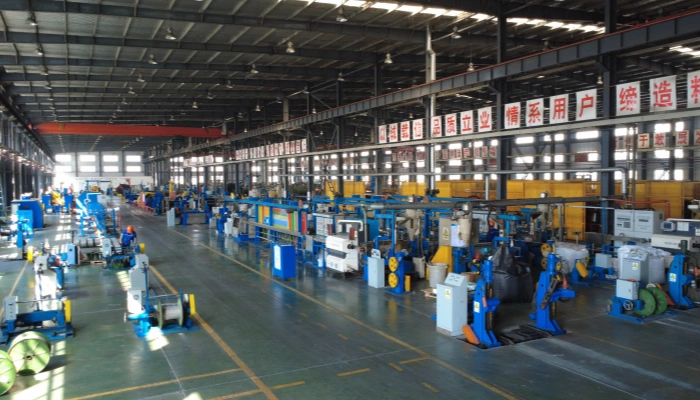
Corrosion Resistance for Demanding Environments
Our AAAC Conductor Cables offer superior corrosion resistance, making them the premier choice for overhead power lines in harsh, demanding environments such as coastal areas, industrial zones, or regions with high pollution. Unlike ACSR, which can suffer from galvanic corrosion between steel and aluminum, our AAAC conductors are made entirely of a high-strength aluminum alloy (e.g., 6201-T81). This monolithic construction eliminates dissimilar metal contact, ensuring exceptional resilience against rust and degradation. By choosing our corrosion-resistant AAAC cables, you invest in a long-lasting and low-maintenance electrical infrastructure that performs reliably for decades.
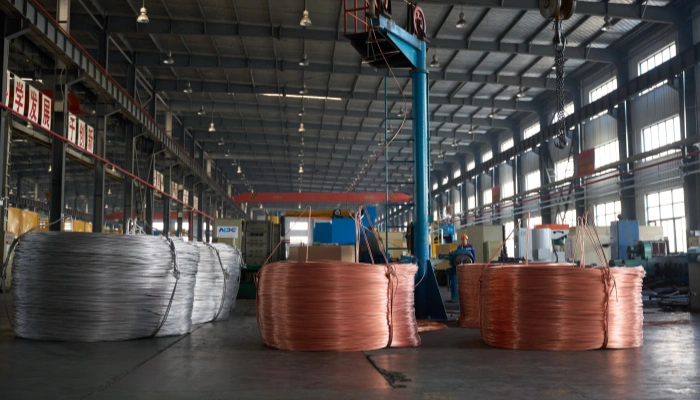
Enhanced Strength-to-Weight Ratio & Reduced Sag
Our AAAC cables boast an enhanced strength-to-weight ratio compared to traditional AAC, allowing for reduced sag and longer span lengths in overhead transmission and distribution lines. The specialized aluminum alloy composition provides robust mechanical strength without the need for a steel core, leading to a lighter conductor overall. This feature translates into several benefits: fewer support structures (poles/towers) required, simplified installation, and improved line aesthetics due to less sag. By deploying our high-strength AAAC conductors, you optimize your power grid design, achieving greater efficiency and cost-effectiveness in overhead electrical systems.
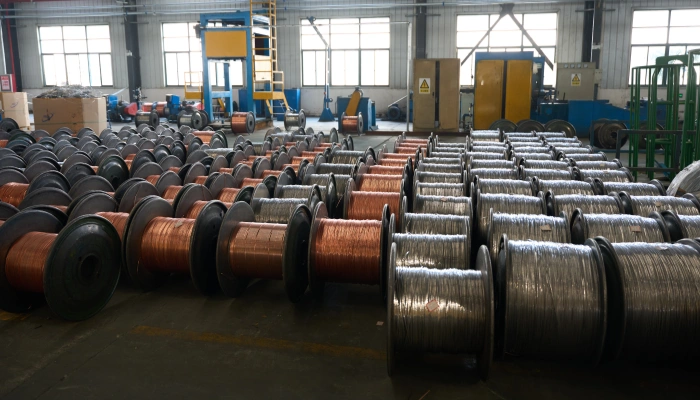
Excellent Conductivity & Energy Efficiency
Our AAAC Conductor Cables provide excellent conductivity, ensuring highly energy-efficient power delivery across your network. The use of a high-purity aluminum alloy maximizes electrical performance, resulting in minimal energy loss and stable voltage regulation over long distances. This superior conductivity helps reduce operational costs and improve the overall efficiency of your power transmission and distribution systems. We engineer our AAAC conductors to meet stringent electrical standards, guaranteeing optimal current flow and reliable service, making them a smart, sustainable choice for modernizing or expanding your electrical infrastructure with efficiency in mind.
Low Maintenance & Long Operational Lifespan
Investing in our AAAC Conductor Cables ensures a low-maintenance solution with a significantly long operational lifespan. The inherent corrosion resistance and robust mechanical properties of the all-aluminum alloy minimize the need for frequent inspections and repairs, reducing overall lifecycle costs. Our AAAC conductors are designed to withstand environmental stresses without degradation, offering consistent performance for decades. This reliability frees up resources, reduces service disruptions, and provides peace of mind, making our AAAC solutions an intelligent choice for utilities seeking durable, high-performance, and sustainable overhead power lines.
Product Show
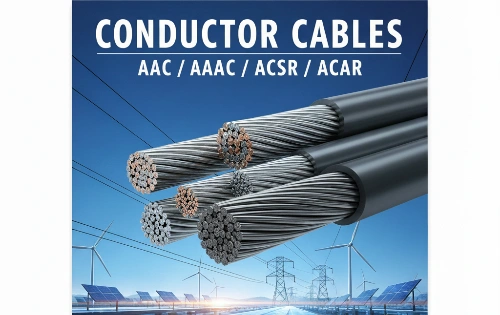
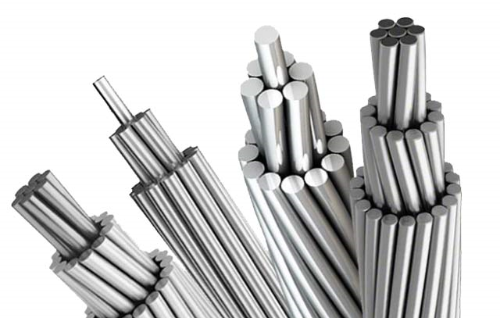
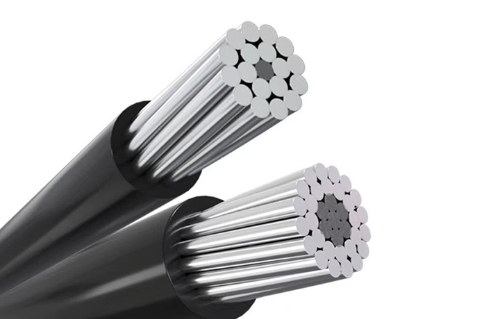
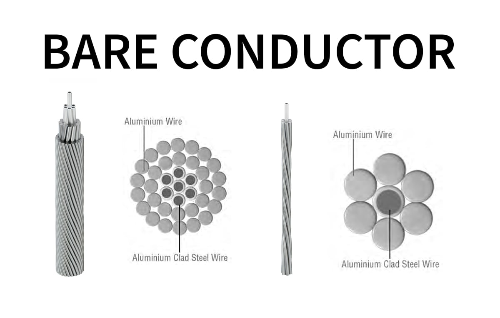
Explore the detailed design and practical application scenarios of aac, aaac, acar, acsr conductor cable
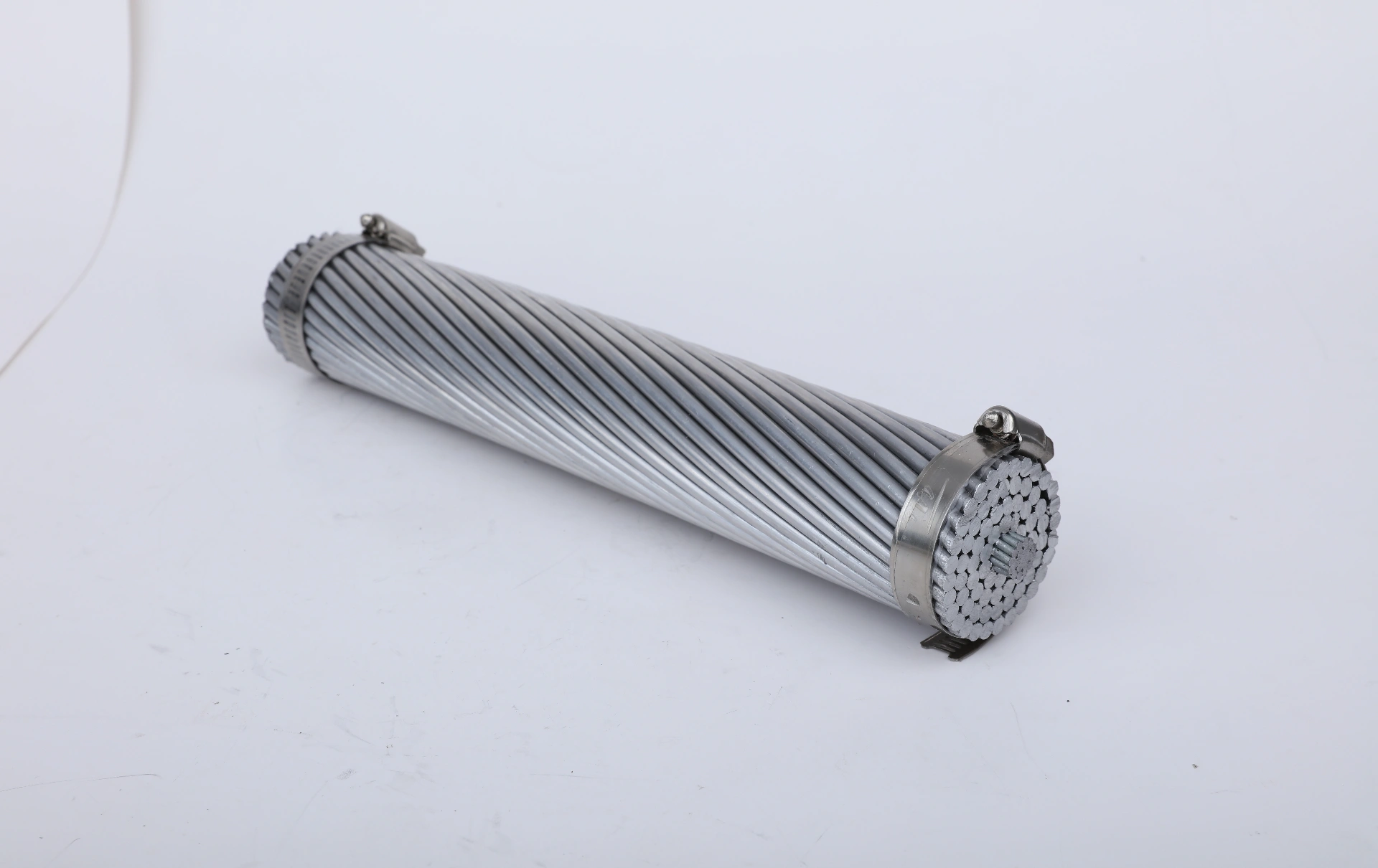
ACSR Conductor Cable
acsr conductor cable structure
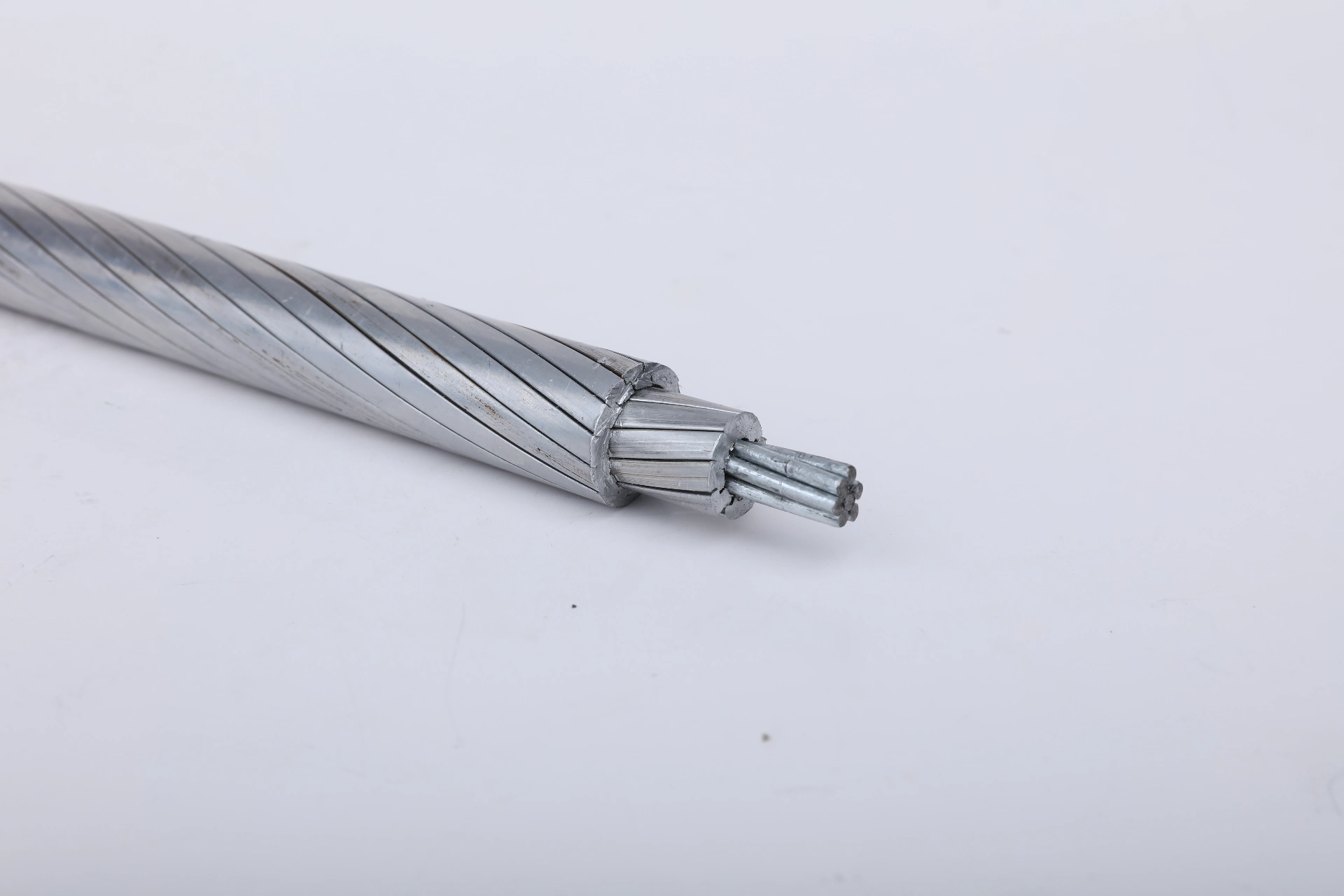
AAAC Conductor Cable
aaac conductor cable structure
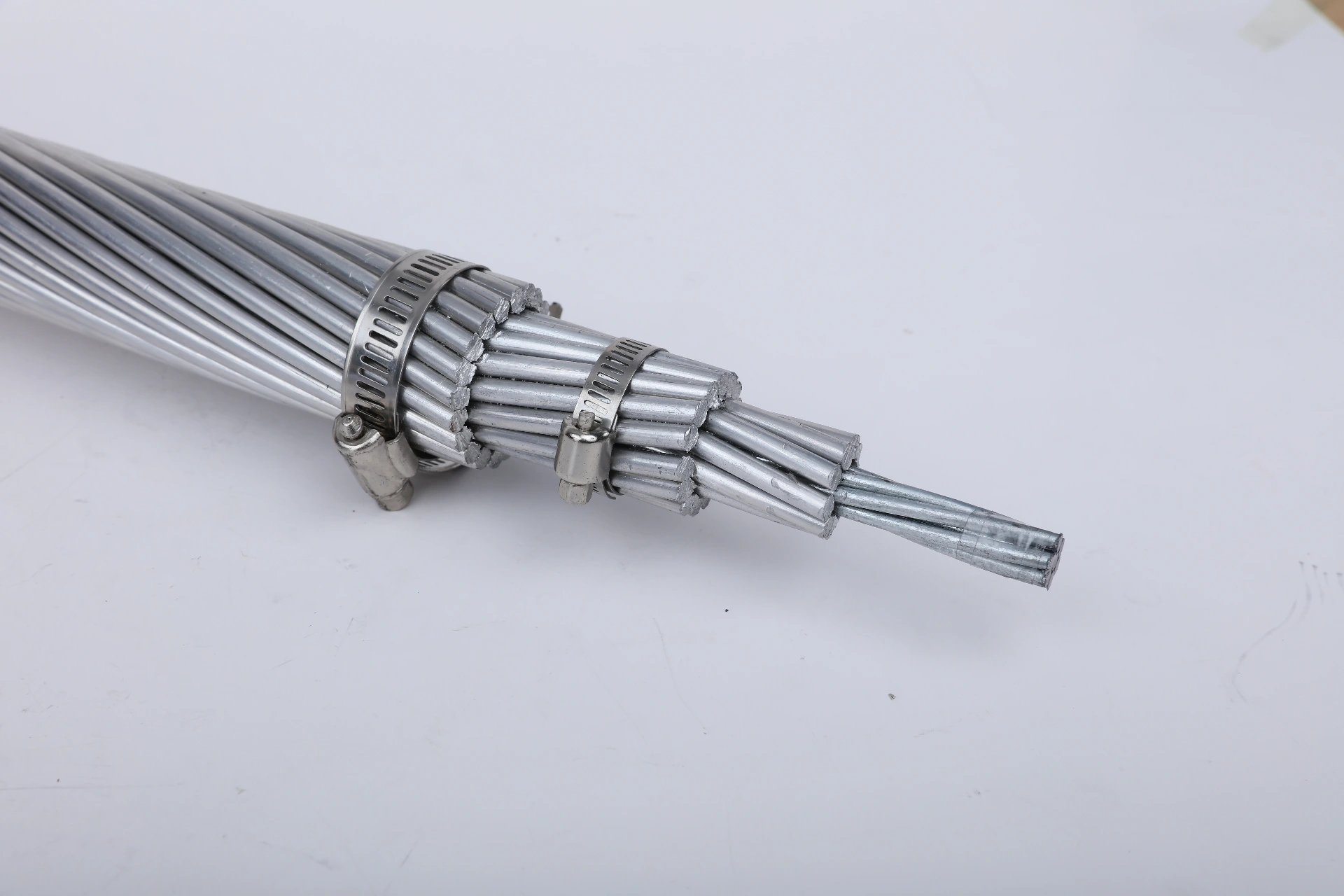
AAC Conductor Cable
aac conductor cable structure
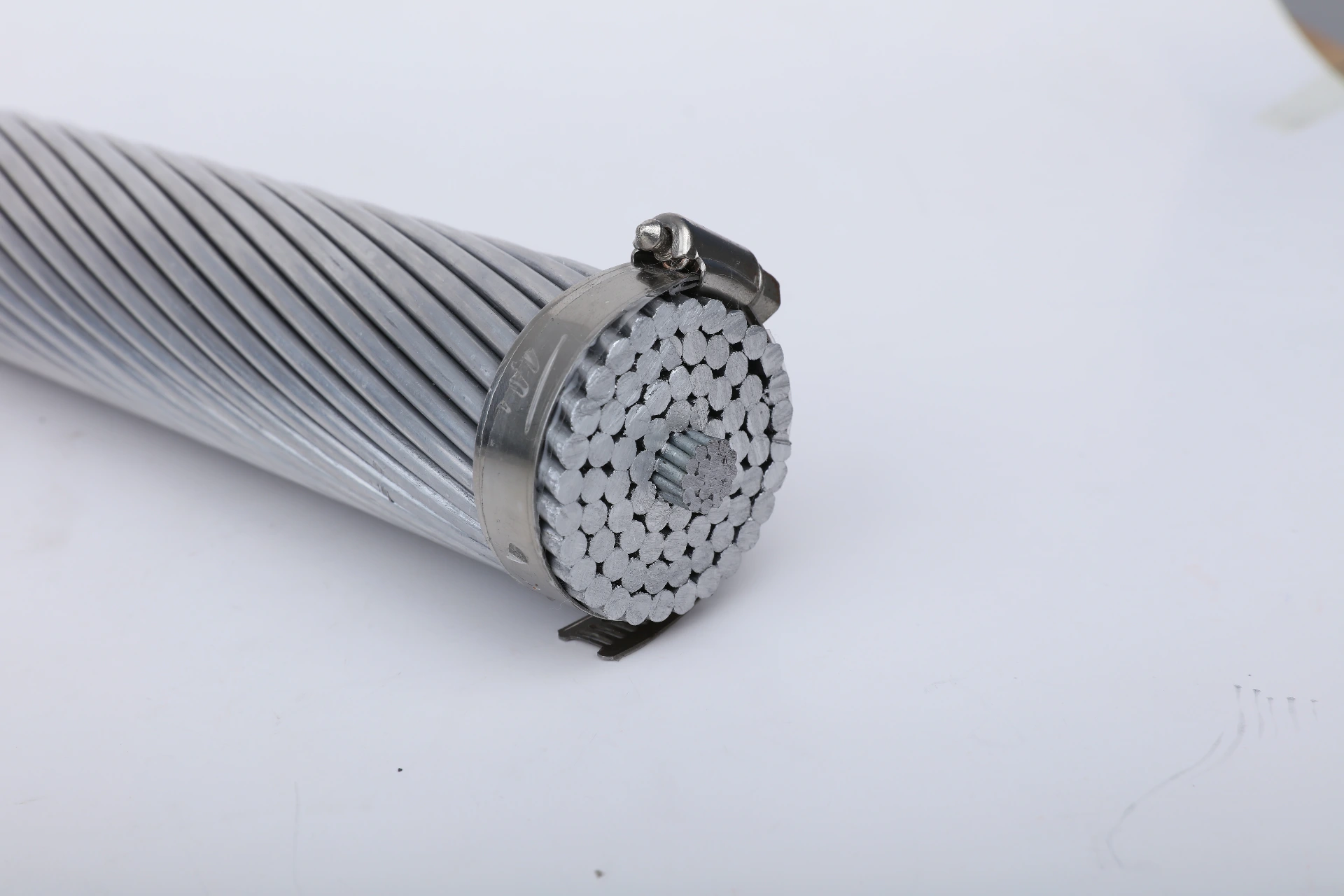
ACSR Conductor Core Structure
acsr conductor cable core structure
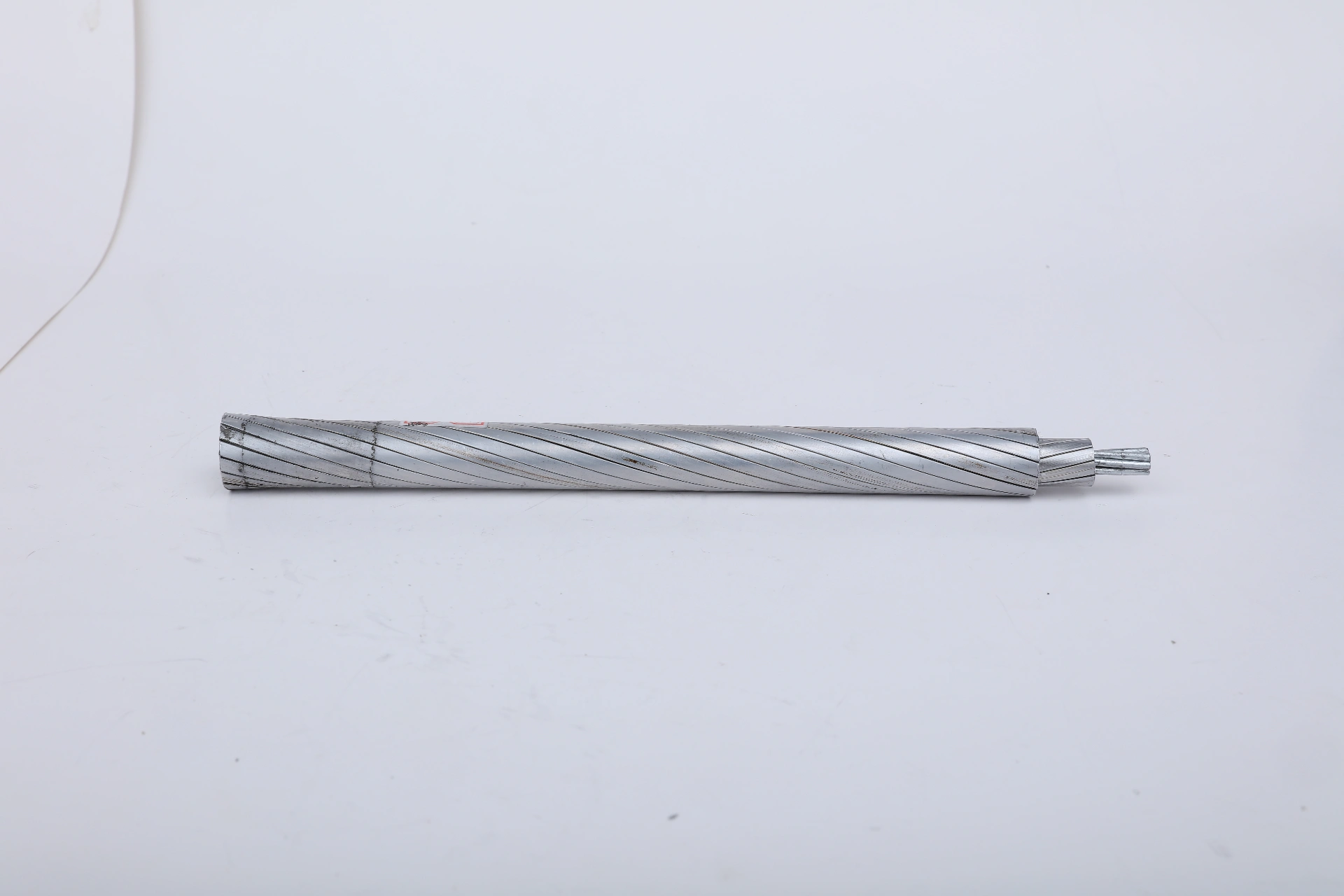
ACAR Conductor Cable
acar conductor cable structure
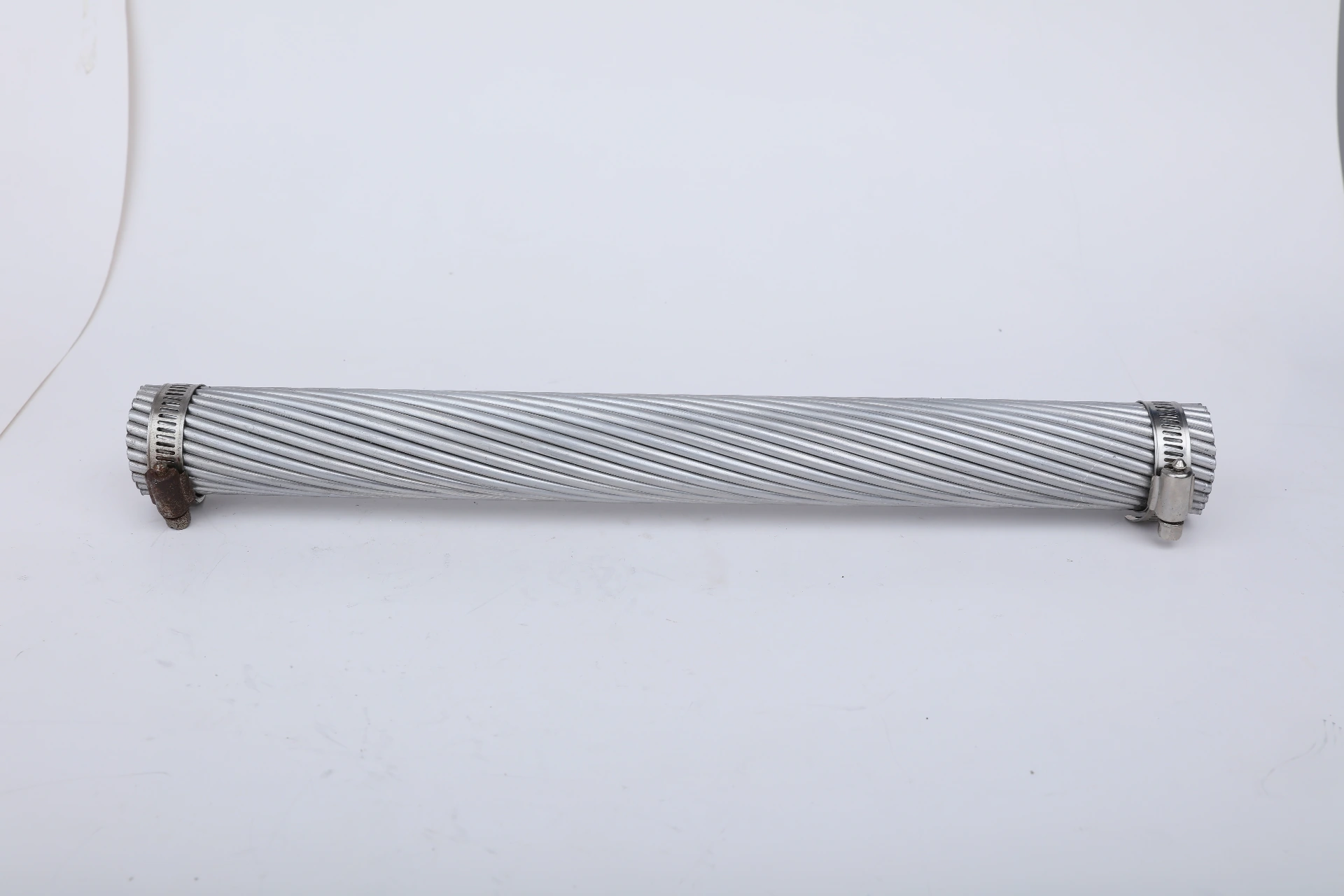
ACSR Conductor Appearance
acsr conductor cable appearance
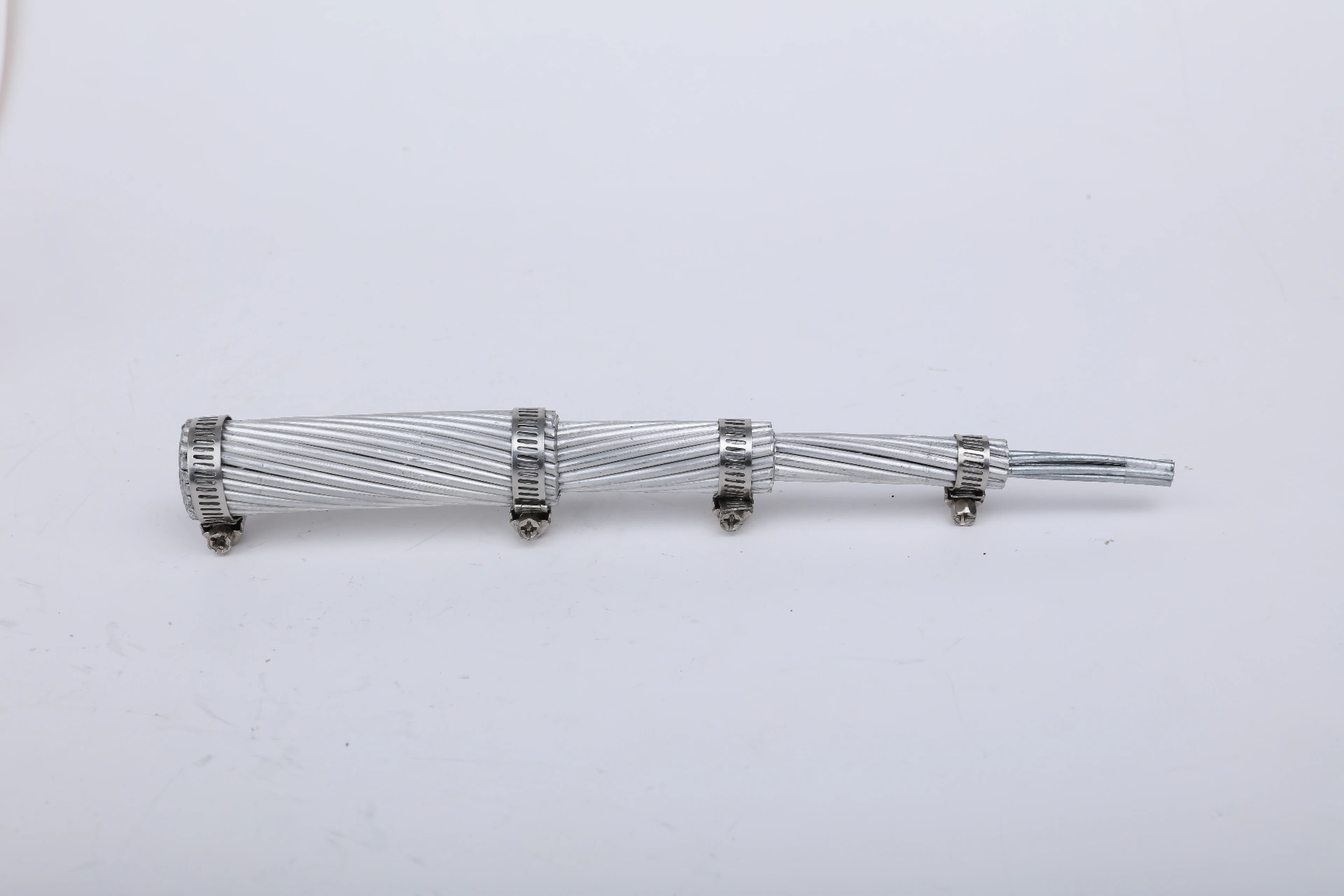
AAAC Conductor Cable
aaac conductor cable structure
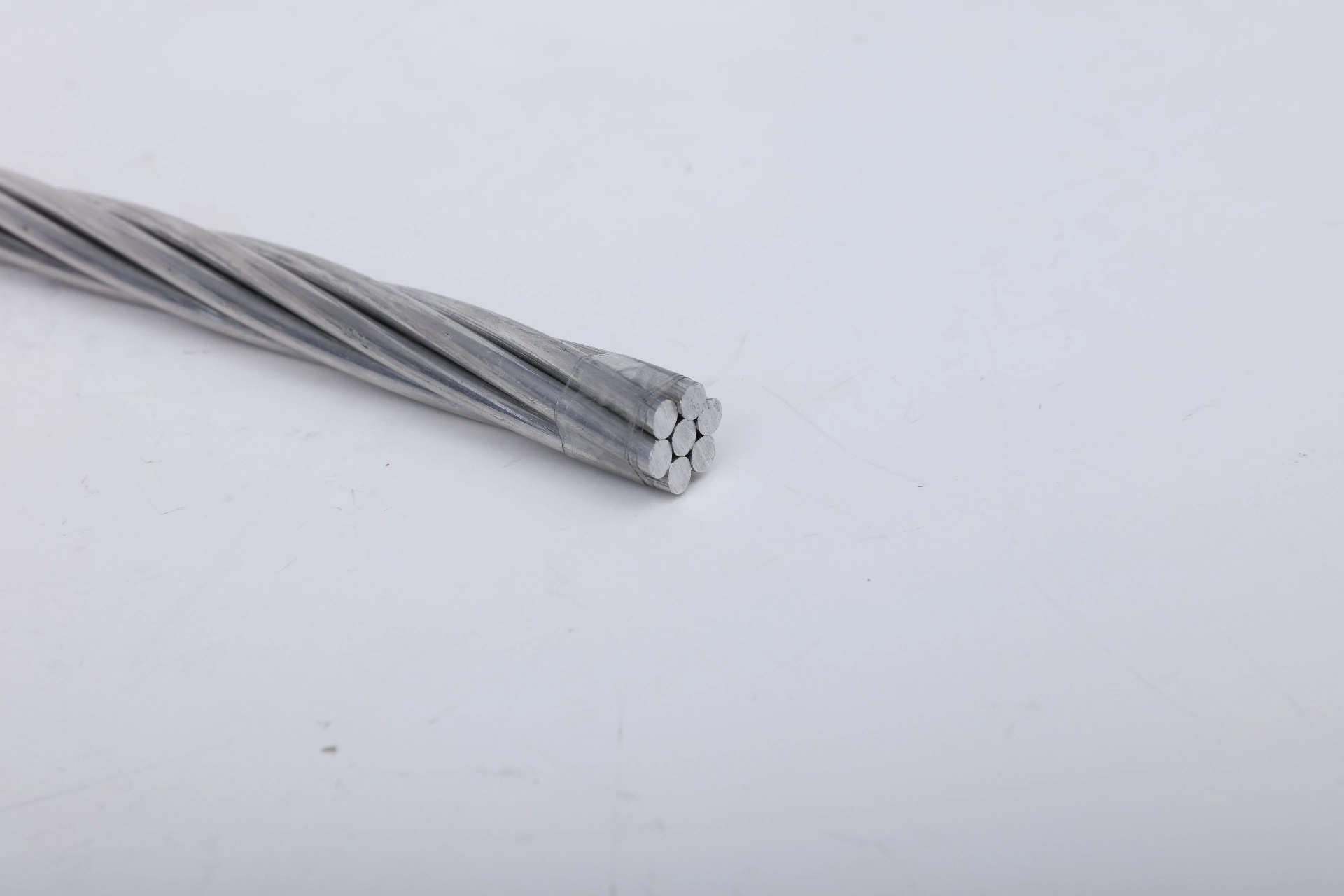
AAAC Conductor Core Structure
aaac conductor single core structure
Testing and Certification
Tested with precision and certified to meet international standards as
well as strict industry requirements.
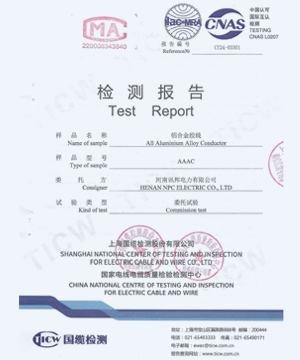
Bare Cable Test Report
SGS Inspection Report
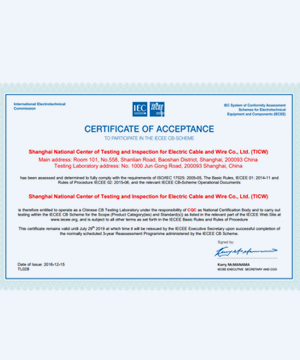
Certificate of Acceptance
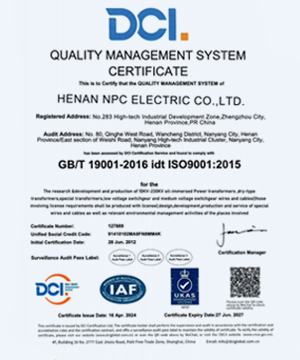
ISO Quality Certificate
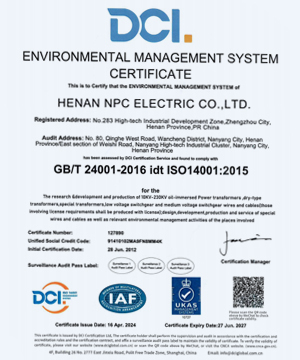
ISO Environmental Certificate
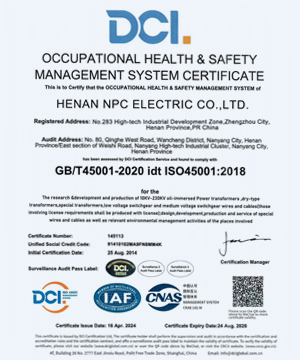
ISO Occupational Certificate
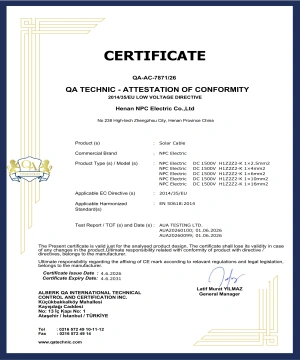
Solar Calbe- QA TECHNIC
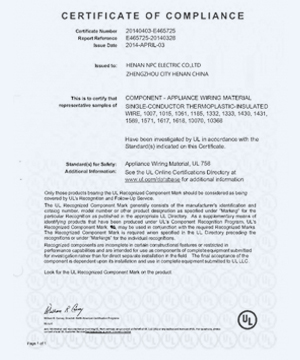
UL Product Certificate
Project Cases
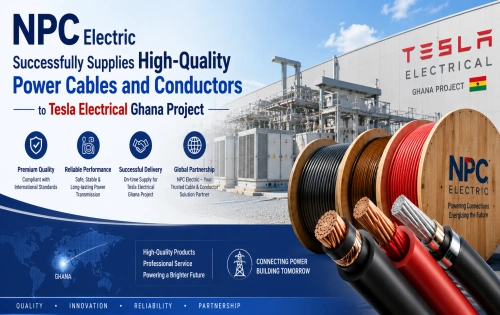
NPC wires and cables have been successfully applied in many projects and have been highly praised by customers.
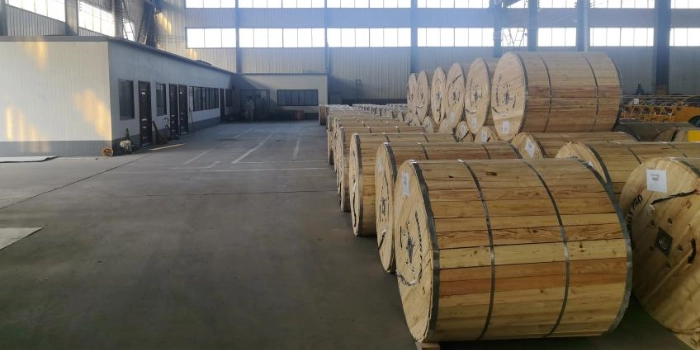
Peru Solar PV Project
CompletedNPC Electric Delivers Medium-Voltage Cables for Peru Solar PV Project
Country:Peru
Model:HEPRZ1(AS) 1x630 mm² 19/33kV x 6km
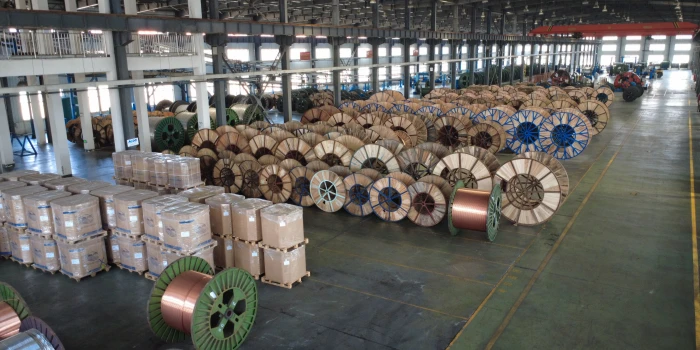
Chile El Project
CompletedReliable 19/33kV MV cables ensuring safe, stable, and efficient power transmission for critical projects.
Country:Chile
Model:19/33kV MV Power Cables x 5km
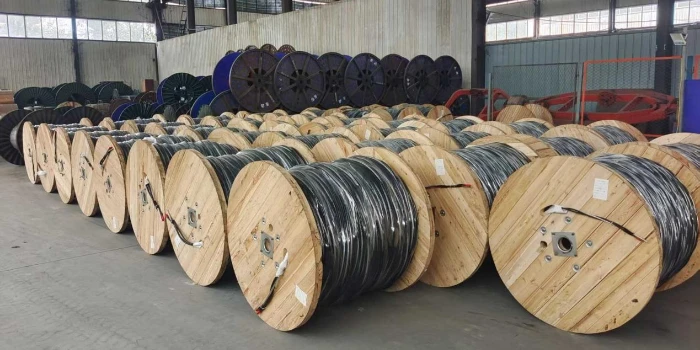
Dominican Edenorte Project
CompletedProvide outdoor power solutions for urban main road reconstruction projects to adapt to complex environments.
Country:Dominican
Model:NPC AAAC Cable & Triplex Cable x 10km
Related Articles
Understand the product's characteristics, structure, and applications.
Technical Advantages
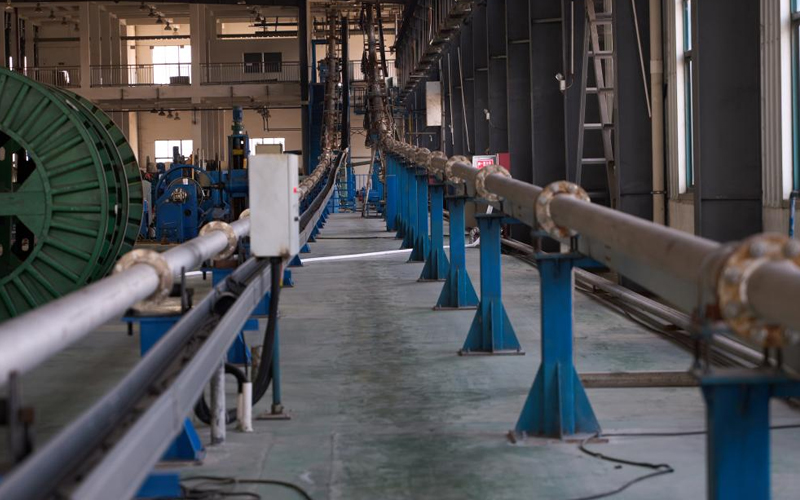
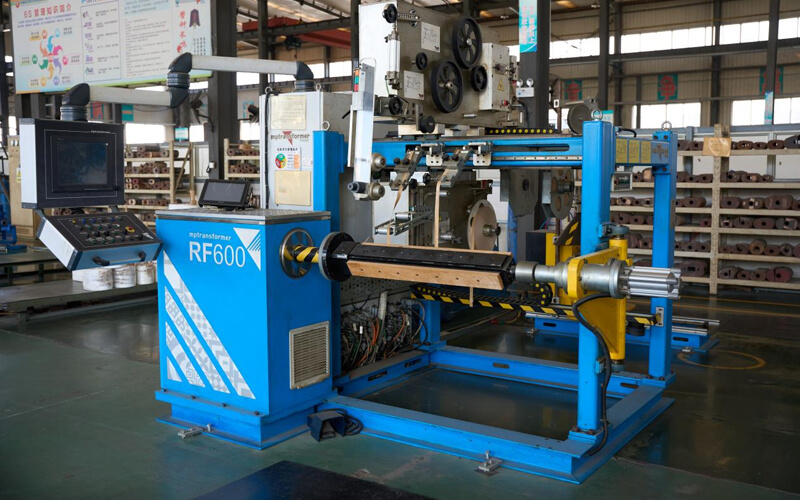
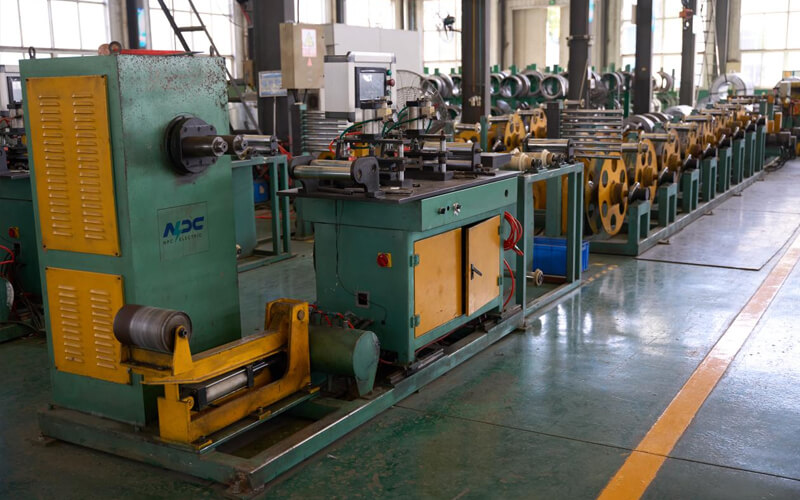
● 30+ years of manufacturing experience
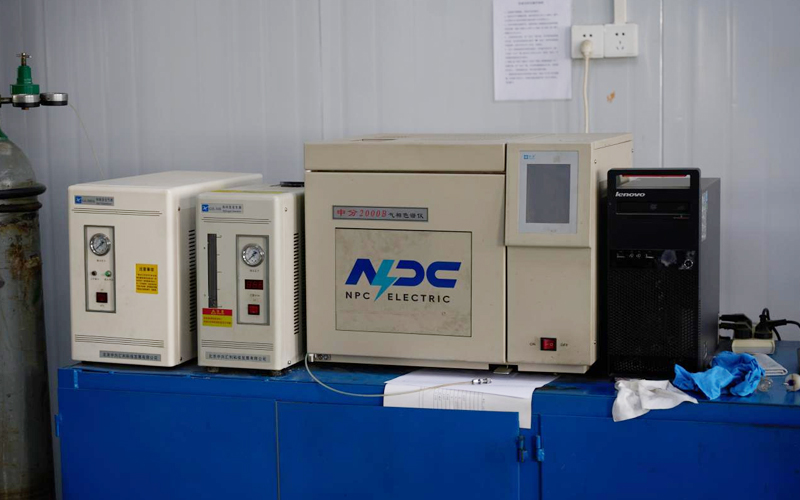
● ISO and UL certified production
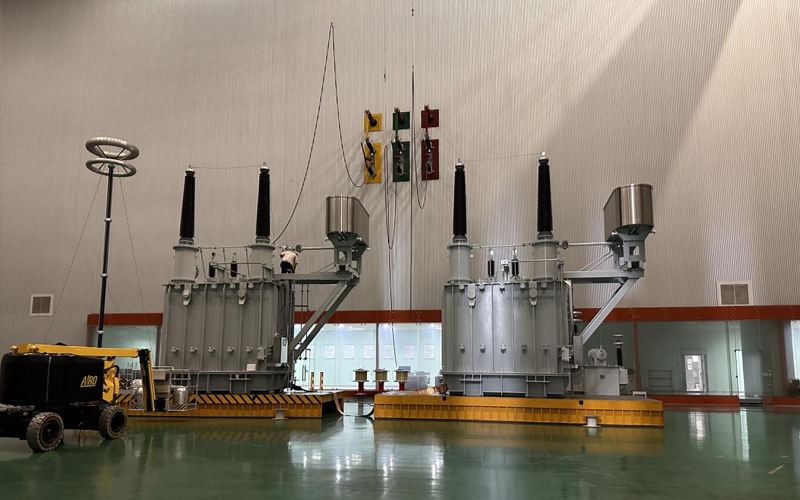
● Customized cable and transformer solutions

FAQ From Customers
-
What is the meaning of AAAC conductor?
AAAC conductor stands for All Aluminum Alloy Conductor. It is a type of electrical conductor made from aluminum alloy, designed to provide better mechanical strength and corrosion resistance compared to AAC conductors. This allows AAAC conductors to be used in more challenging environments and for longer spans in overhead power lines, especially in areas with high humidity, salinity, or extreme weather conditions. -
What is the difference between AAC, AAAC, and ACSR?
The key differences between AAC, AAAC, and ACSR conductors lie in their construction and material composition.
1. AAC (All Aluminum Conductor) is made entirely of aluminum, ideal for shorter spans.
2. AAAC (All Aluminum Alloy Conductor) uses aluminum alloy, providing better strength and corrosion resistance, making it suitable for longer spans and harsh conditions.
3. ACSR (Aluminum Conductor Steel Reinforced) combines aluminum and steel, offering high tensile strength and is used for long-distance power transmission. ACSR is typically preferred for high-voltage applications, while AAAC and AAC are used for lower voltage systems. -
What is the use of AAAC conductor?
AAAC conductors are primarily used in overhead power lines for medium to long-distance transmission. Due to their high strength and corrosion resistance, AAAC conductors are ideal for use in power distribution networks and in areas with environmental challenges, such as coastal regions, where traditional aluminum conductors might corrode faster. They are also widely used in renewable energy projects, such as solar and wind power farms, where durability and reliability are essential. -
How does AAAC conductor compare to other conductor types?
Compared to AAC (All Aluminum Conductor) and ACSR (Aluminum Conductor Steel Reinforced), AAAC conductor offers superior corrosion resistance and mechanical strength due to the aluminum alloy material. While AAC conductors are lightweight and cost-effective for short-distance power distribution, AAAC conductors excel in areas with higher corrosion risks and are ideal for medium to long-span transmission lines. ACSR, with its steel core, is better suited for high-tension, long-distance high voltage transmission lines. -
What are the advantages of using AAAC conductors for power transmission?
The main advantages of using AAAC conductors in power transmission are their strength, corrosion resistance, and lighter weight compared to traditional aluminum conductors. The aluminum alloy composition makes them ideal for areas with harsh environmental conditions, such as coastal or high-humidity regions, where corrosion is a concern. Additionally, AAAC conductors allow for longer spans between transmission poles, reducing installation costs and improving overall network efficiency.
Welcome your inquiry
Honesty, Integrity, Frugality, Activeness and Passion