


Single Phase Isolation Transformer
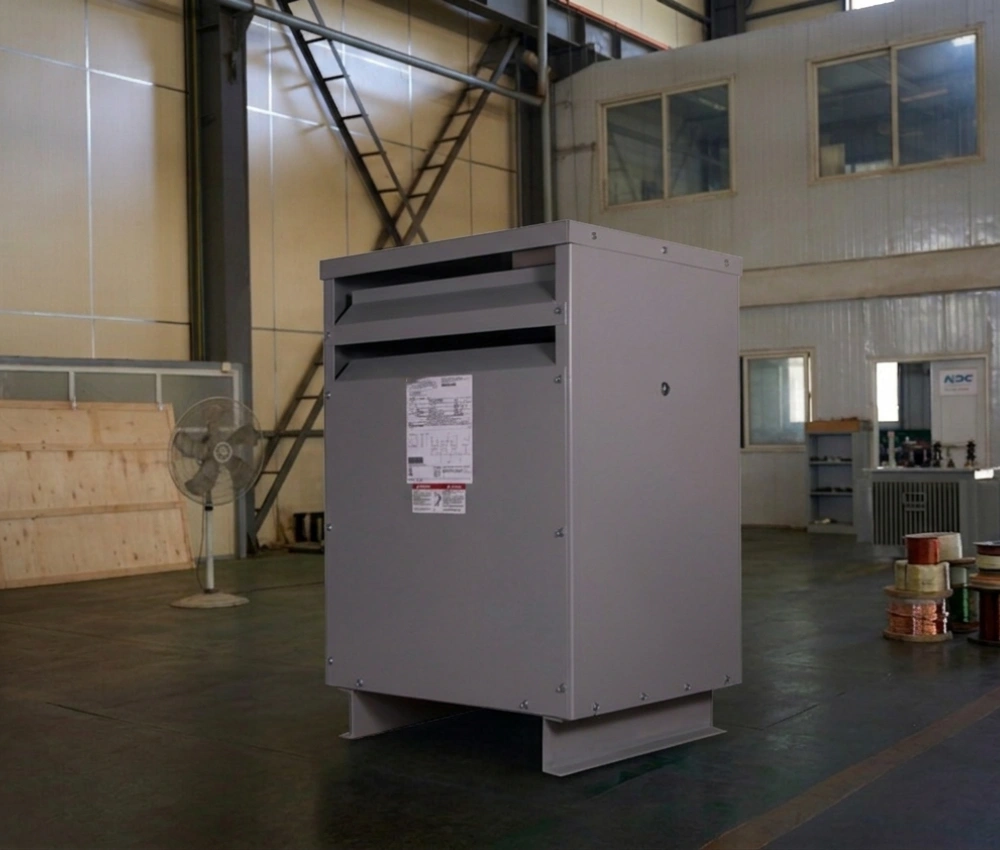
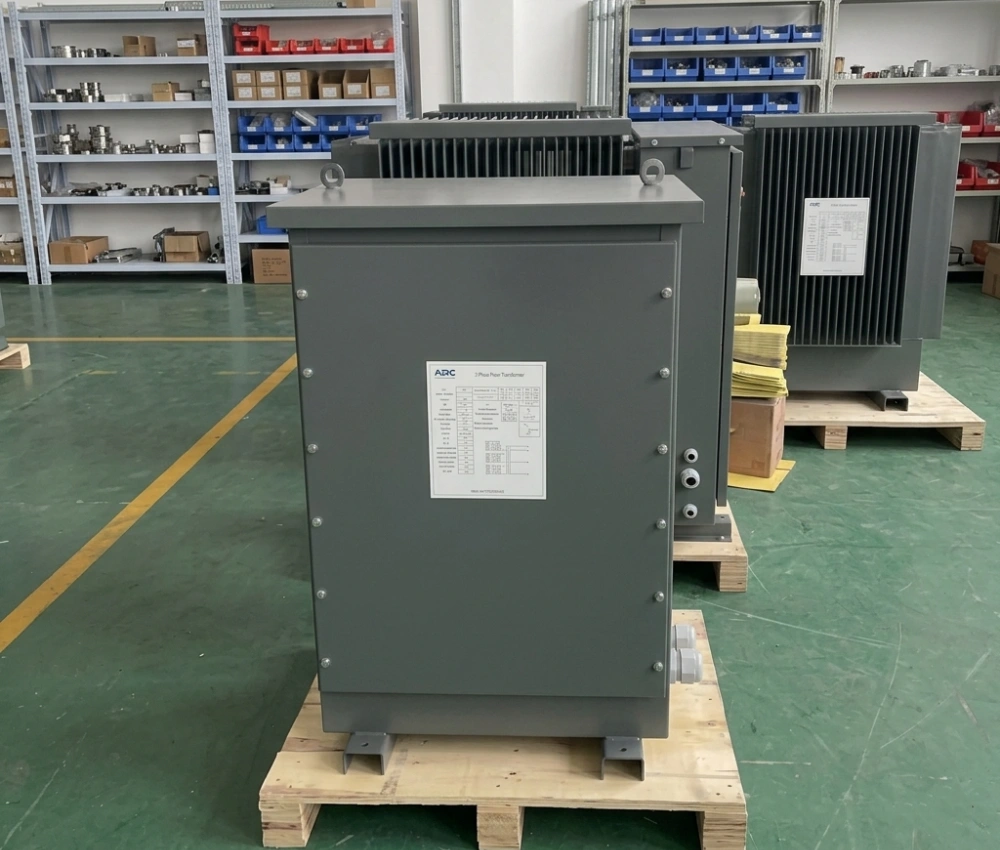
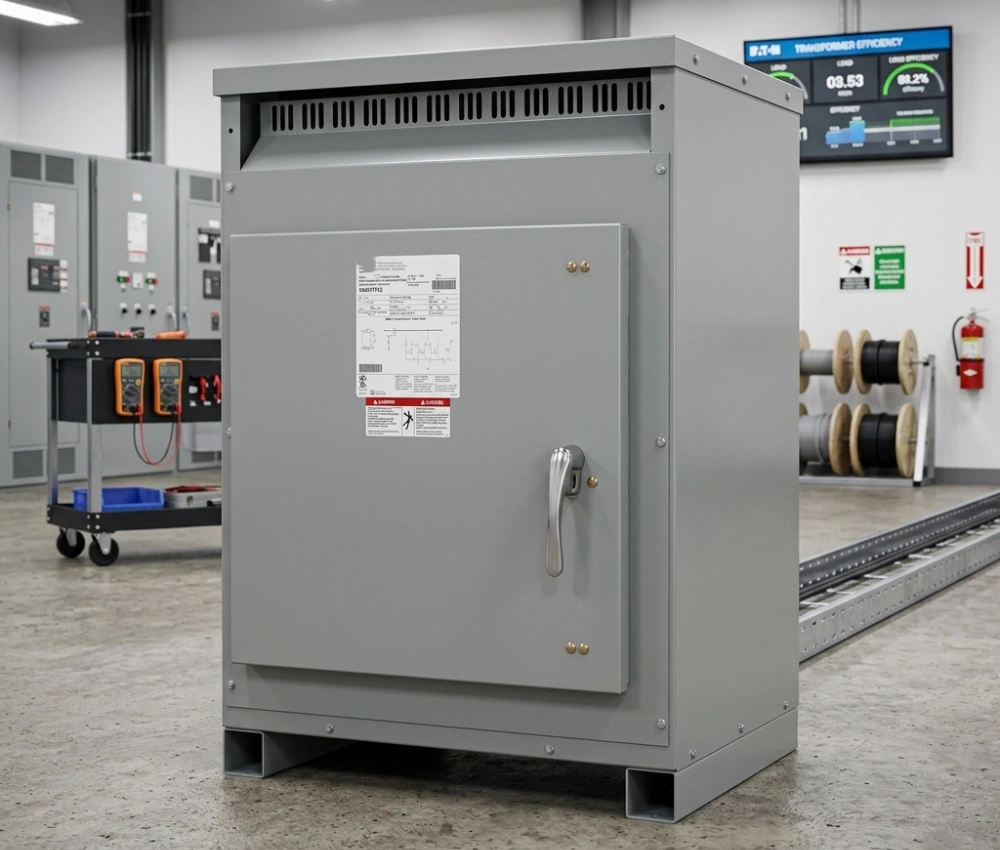
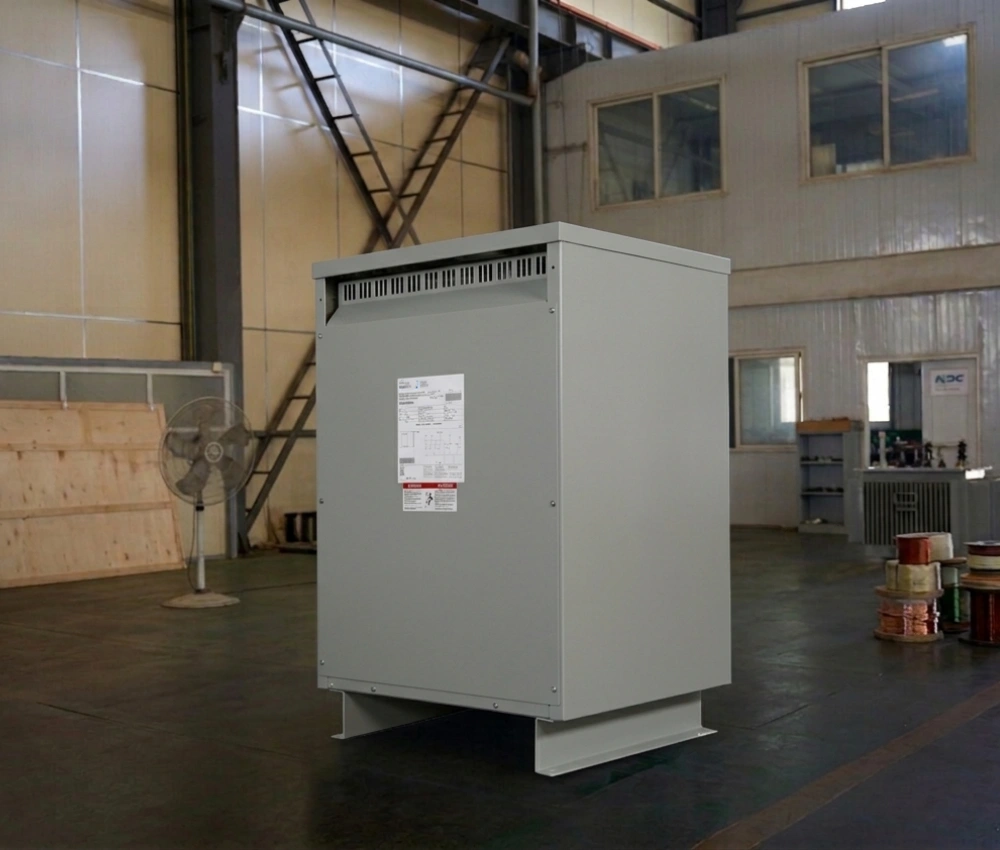
The Single Phase Isolation Transformer is a specialized power transformer designed to provide complete electrical isolation between the primary and secondary circuits while ensuring safe and efficient power transmission. By eliminating direct conductive paths between input and output power sources, the transformer effectively suppresses electrical noise, reduces common-mode interference, minimizes transient voltage disturbances, and enhances operational safety for connected equipment. This makes it an ideal solution for sensitive electronic devices, industrial control systems, laboratory instruments, medical equipment, and commercial power applications. Constructed with premium-grade CRGO silicon steel cores and precision-wound copper or aluminum conductors, the Single Phase Isolation Transformer offers exceptional efficiency, low losses, and stable voltage regulation. Its robust insulation system enhances dielectric strength and provides reliable protection against electrical faults and grounding issues. The transformer is available in a wide range of voltage ratings and capacities, making it suitable for both standard and customized electrical distribution requirements. Designed for long-term performance and minimal maintenance, the Single Phase Isolation Transformer can be integrated into industrial automation systems, telecommunications networks, data processing facilities, and specialized power conditioning applications.
- Primary Voltage Ratings 220V – 35kV
- Secondary Voltage Ratings 220/220V, 230/230V, 240/240V, or custom
- Type Isolation Transformer
- Standards IEC 60076 / IEEE / ANSI
- Application laboratory equipment, medical devices, industrial control panels
- Power Rating 1 kVA – 500 kVA
- Certificate UL, CESI, IEEE
- Cooling Method Natural Air (AN)
Technical Specifications
Customization Optional
Packing and Shipping
Manufacturer Test
Routine Testing
Application
Technical Specifications
Single Phase Isolation Transformer
Single Phase Isolation Transformer Data Sheet
| Parameter | Specification |
| Product Type | Single Phase Isolation Transformer |
| Transformer Type | Dry Type / Encapsulated Type |
| Rated Capacity | 0.5kVA – 500kVA |
| Phase Configuration | Single Phase |
| Primary Voltage | 110V / 220V / 240V / 380V / Customized |
| Secondary Voltage | Customized |
| Rated Frequency | 50Hz / 60Hz |
| Voltage Regulation | ≤ 3% |
| Efficiency | Up to 98.5% |
| Insulation Class | B / F / H |
| Core Material | CRGO Silicon Steel |
| Winding Material | Copper / Aluminum |
| Cooling Method | Air Natural (AN) |
| Dielectric Strength | IEC Compliant |
| Electrostatic Shield | Optional |
| Temperature Rise | 80K / 100K |
| Noise Level | ≤ 55dB |
| Protection Degree | IP20 / IP23 / IP44 |
| Harmonic Filtering Capability | Optional |
| Thermal Protection | Optional |
| Digital Monitoring | Optional |
| Operating Temperature | -20°C to +50°C |
| Relative Humidity | ≤ 95% |
| Installation Altitude | Up to 4000m |
| Short Circuit Strength | IEC Standard |
| Service Life | More than 25 Years |
| Applicable Standards | IEC 60076 / IEEE / ANSI |
Customization Optional
Single Phase Isolation Transformer
The Single Phase Isolation Transformer offers extensive customization to fulfill precise safety and performance demands across various industries. Clients can choose specific voltage ratios, capacity ranges, and shielding configurations, including single, double, or triple electrostatic shields with independent grounding terminals. Medical-grade models with enhanced creepage distance, reinforced insulation, and ultra-low leakage current are available for healthcare applications. Enclosure options include open-type, wall-mounted, rack-mount, or fully enclosed IP54 cabinets with stainless steel construction for harsh or cleanroom environments.
We also provide specialized features such as K-factor designs for harmonic loads, integrated surge protection devices, PT100 temperature sensors with alarm relays, and custom mounting brackets. Low-noise variants with vibration dampers and thermal monitoring systems are available for sensitive installations. These personalized solutions ensure optimal electrical isolation, noise attenuation, and system compatibility while meeting international safety standards and client-specific requirements.
Packing and Shipping
Single Phase Isolation Transformer
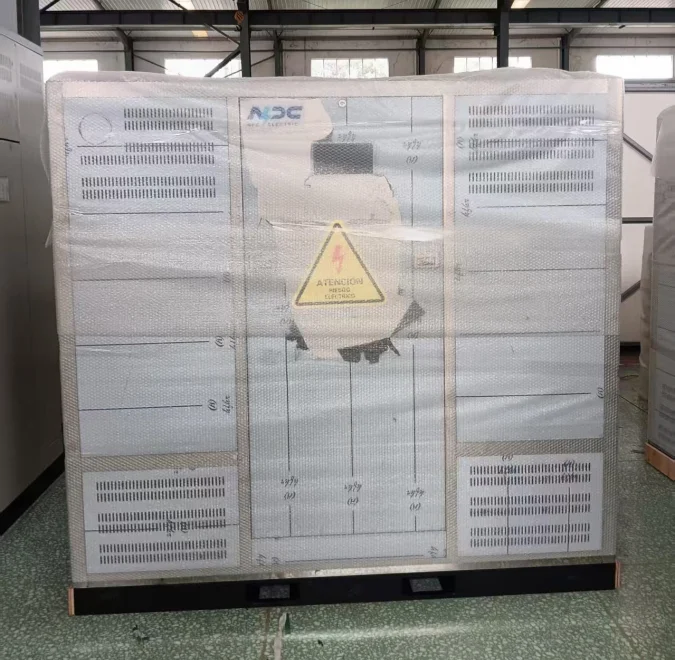
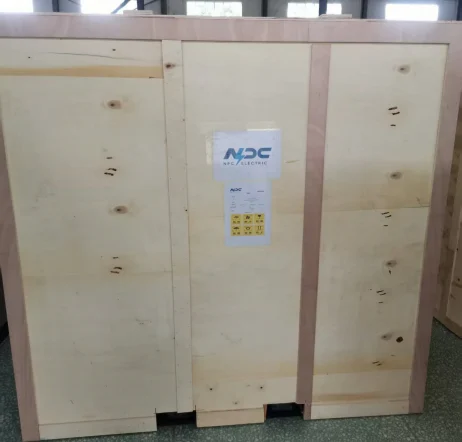
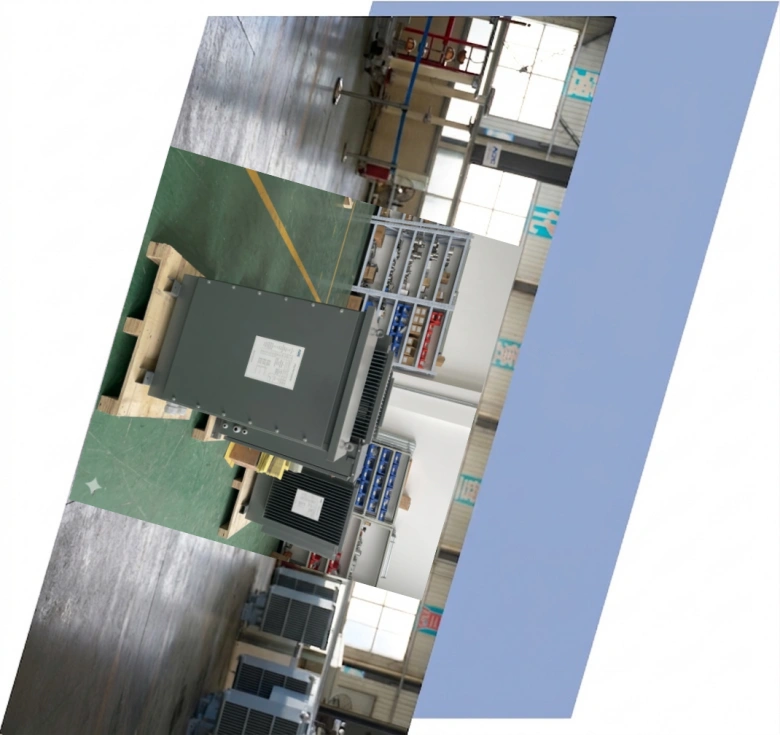
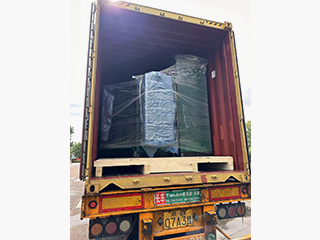
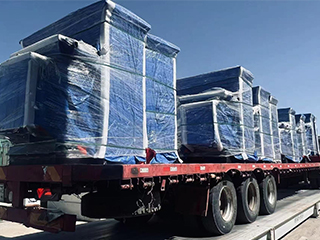
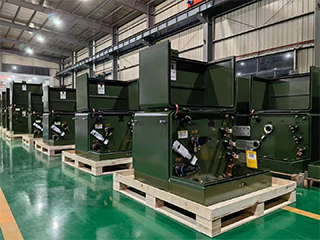
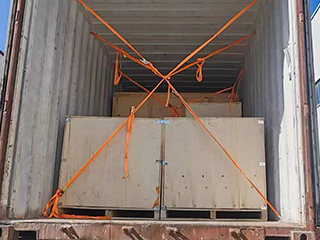
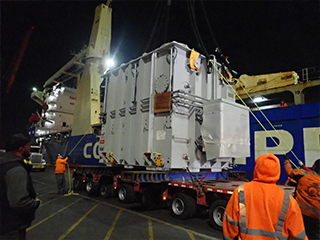
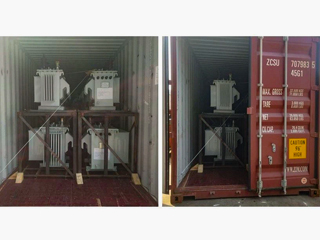
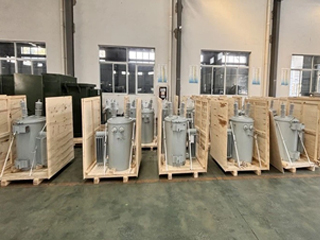
The Single Phase Isolation Transformer is packaged with professional care to protect its windings, shielding layers, and core during transportation. Each unit is securely mounted on a reinforced wooden pallet using anti-vibration rubber pads and heavy-duty strapping. Terminals and sensitive components are protected with custom foam inserts and rigid covers. The transformer is wrapped in multi-layer anti-static and moisture-resistant film with desiccant packets to control humidity. A sturdy, ISPM 15 fumigated wooden crate provides complete protection, equipped with shock and tilt indicators for full transit monitoring.
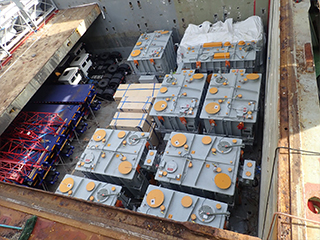
We offer flexible and secure shipping solutions worldwide. Sea freight in 20ft or 40ft containers with professional blocking and bracing is the most cost-effective option for bulk or large-capacity units, typically taking 20–50 days. Air freight is arranged for urgent or smaller orders. Domestic and regional shipments utilize specialized vehicles with secure tie-down systems and weatherproof covering.
Full export documentation is prepared in advance, including commercial invoices, packing lists, certificates of origin, test reports, and safety compliance declarations to ensure smooth customs clearance. Sustainable packing practices are prioritized by using recyclable materials and optimized load planning. Customers receive real-time GPS tracking and proactive updates from our dedicated logistics team.
Upon arrival, we provide optional professional unpacking supervision, insulation resistance verification, and packaging disposal services. For project orders, we support consolidated shipments and phased delivery scheduling to minimize logistics costs and site management complexity. This meticulous packing and shipping process ensures every single phase isolation transformer arrives in perfect condition, ready for immediate installation.
Each shipment is accompanied by a complete documentation package that typically includes factory inspection reports, routine test certificates, operation manuals, installation guidelines, packing lists, wiring diagrams, quality assurance records, and export compliance documents. Additional customer-specific documentation can be provided upon request. The overall packing and shipping process is designed to ensure that every transformer arrives safely and is ready for immediate installation and operation.
We offer flexible and secure shipping solutions worldwide. Sea freight in 20ft or 40ft containers with professional blocking and bracing is the most cost-effective option for bulk or large-capacity units, typically taking 20–50 days. Air freight is arranged for urgent or smaller orders. Domestic and regional shipments utilize specialized vehicles with secure tie-down systems and weatherproof covering.
Full export documentation is prepared in advance, including commercial invoices, packing lists, certificates of origin, test reports, and safety compliance declarations to ensure smooth customs clearance. Sustainable packing practices are prioritized by using recyclable materials and optimized load planning. Customers receive real-time GPS tracking and proactive updates from our dedicated logistics team.
Upon arrival, we provide optional professional unpacking supervision, insulation resistance verification, and packaging disposal services. For project orders, we support consolidated shipments and phased delivery scheduling to minimize logistics costs and site management complexity. This meticulous packing and shipping process ensures every single phase isolation transformer arrives in perfect condition, ready for immediate installation.
Each shipment is accompanied by a complete documentation package that typically includes factory inspection reports, routine test certificates, operation manuals, installation guidelines, packing lists, wiring diagrams, quality assurance records, and export compliance documents. Additional customer-specific documentation can be provided upon request. The overall packing and shipping process is designed to ensure that every transformer arrives safely and is ready for immediate installation and operation.
32
32 years of industry experience
Manufacturer Test
Single Phase Isolation Transformer
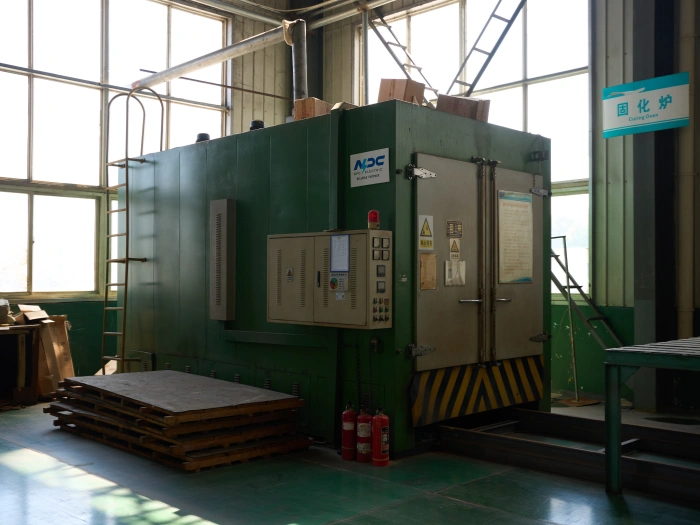
Progress Test
Early manufacturing progress testing for the Single Phase Isolation Transformer includes core material validation through Epstein frame testing to confirm low-loss characteristics. Copper winding resistance and inter-turn insulation tests are performed before assembly. Electrostatic shielding layers are installed and tested for continuity and grounding effectiveness. Preliminary dielectric withstand and insulation resistance tests are conducted between primary, secondary, and shield. These foundational checks, supported by digital traceability records, ensure the transformer meets high isolation and safety standards from the initial production stages. Mid-to-late stage progress testing features partial discharge measurement and power frequency withstand testing at elevated voltage levels. Leakage current testing under rated voltage confirms compliance with strict safety limits.
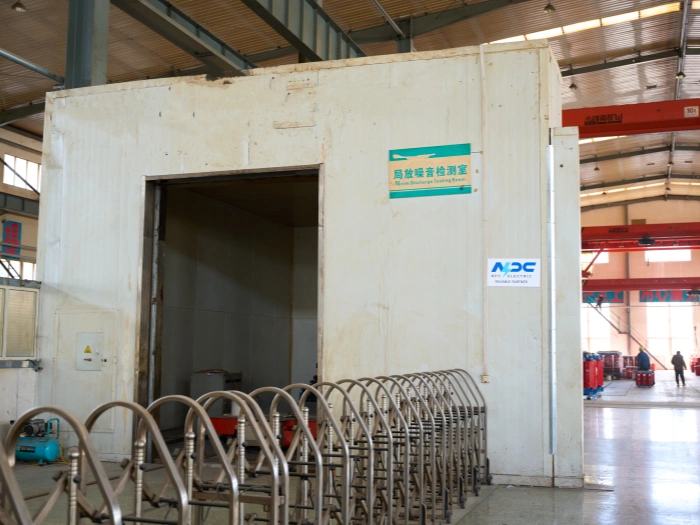
Design Tests
All transformers will be tested after production is finished. Test items are as follows:
♦ Insulation Power Factor
♦ Ratio, Polarity, and Phase Relation
♦ Winding Resistance
♦ Impulse Tests
♦ Transformer Turns Ratio/TTR (All Tap Voltages)
♦ Impedance Voltage & Load Loss (Rated Voltage)
♦ Polarity, 1-Ph / Phase Relation, 3-Ph (Rated Voltage)
♦ Excitation & No-Load Loss (Rated Voltage)
♦ Insulation Resistance (Rated Voltage)
♦ Temperature Rise
♦ Dielectric Withstand (Hipot)
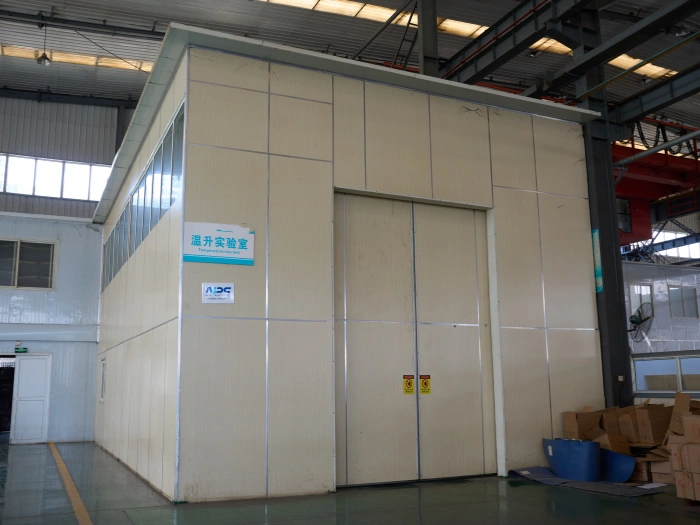
Factory Acceptance Test
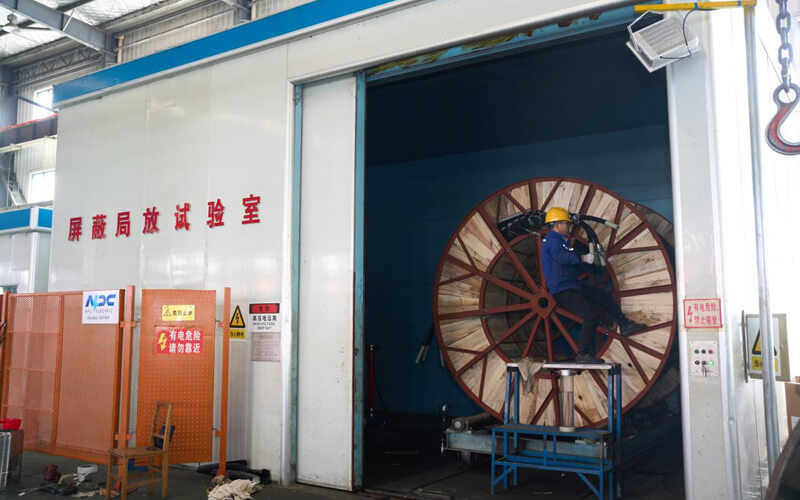
Factory Acceptance Testing begins with accurate voltage ratio, polarity, and impedance measurements. No-load loss and excitation current tests confirm core efficiency. Full-load efficiency and temperature rise tests are performed to verify thermal performance. Dielectric withstand tests at elevated voltage levels and insulation resistance measurements validate galvanic isolation strength. Leakage current and shielding effectiveness tests ensure superior noise suppression. These routine electrical tests establish baseline performance and isolation integrity. Advanced FAT includes partial discharge testing under induced overvoltage to confirm low pC levels. Common-mode noise attenuation is measured across a wide frequency range. Overload and short-circuit withstand capabilities are tested.
Routine Test - Excitation & No-Load Loss (Rated Voltage)
Purpose of Testing
The purpose of testing Excitation & No-Load Loss at rated voltage is to assess the transformer's core loss and magnetizing current under normal operating conditions, ensuring efficient performance and identifying any potential issues in the core or windings. This test helps verify that the transformer operates within specified parameters and meets its design requirements.
Testing Equipment
Test equipment: Excitation Test instrument (such as OMICRON, Megger, etc.)
Voltage source: usually rated voltage (such as 230V, 400V, 660V, customized according to equipment requirements)
Temperature and humidity meter: used to record ambient temperature and humidity conditions
Voltage source: usually rated voltage (such as 230V, 400V, 660V, customized according to equipment requirements)
Temperature and humidity meter: used to record ambient temperature and humidity conditions
Pre-Test Preparation
Disconnect and make sure the device is powered off and properly grounded and discharged.
Check the device terminals and wiring to ensure that the connection is secure and not loose or contaminated.
Ensure the test environment is suitable: relative humidity below 75%, no rain, and recommended temperature is 20-30°C.
Check the device terminals and wiring to ensure that the connection is secure and not loose or contaminated.
Ensure the test environment is suitable: relative humidity below 75%, no rain, and recommended temperature is 20-30°C.
Test Progress
Connect the Test Instrument:
Connect the test equipment to the appropriate terminals of the device under test and ensure that all connection points are properly grounded to avoid current leakage during the test.
Apply Test Voltage:
Select a suitable test voltage according to the rated voltage of the equipment (for example, the rated voltage is 11kV, 33kV or others), and ensure that the applied voltage is stable.
Connect the test equipment to the appropriate terminals of the device under test and ensure that all connection points are properly grounded to avoid current leakage during the test.
Apply Test Voltage:
Select a suitable test voltage according to the rated voltage of the equipment (for example, the rated voltage is 11kV, 33kV or others), and ensure that the applied voltage is stable.
Measure and Record
No-load current
No-load loss
Excitation loss
Power factor
Voltage
Current
Ambient temperature and humidity during testing
No-load loss
Excitation loss
Power factor
Voltage
Current
Ambient temperature and humidity during testing
Temperature Correction
The measured loss values and currents are corrected to a reference temperature (typically 20°C) for an accurate evaluation.
Repeat Testing (if necessary)
If necessary, measure the no-load loss and excitation loss of different windings (high voltage, medium voltage, low voltage) and at different voltage levels for comparative analysis.
Evaluation Criteria (Reference)
No-load loss ≤ rated loss (meets specifications)
No-load loss > rated loss (further inspection or corrective action required)
No-load loss > rated loss (further inspection or corrective action required)
*These comprehensive tests ensure that each transformer meets performance standards and operates
reliably under various conditions.
Application
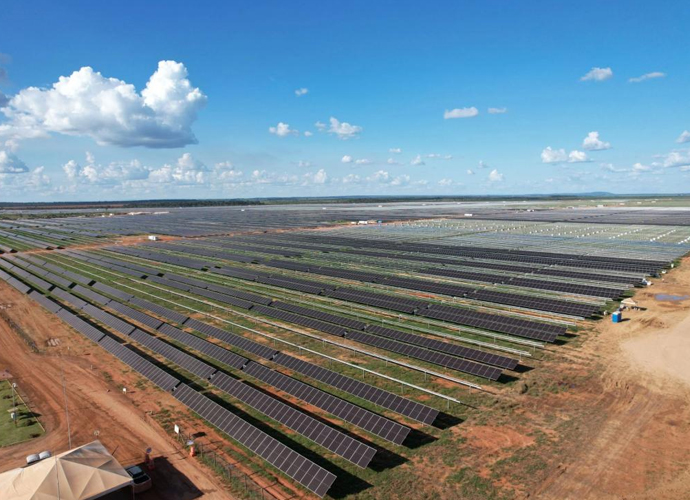
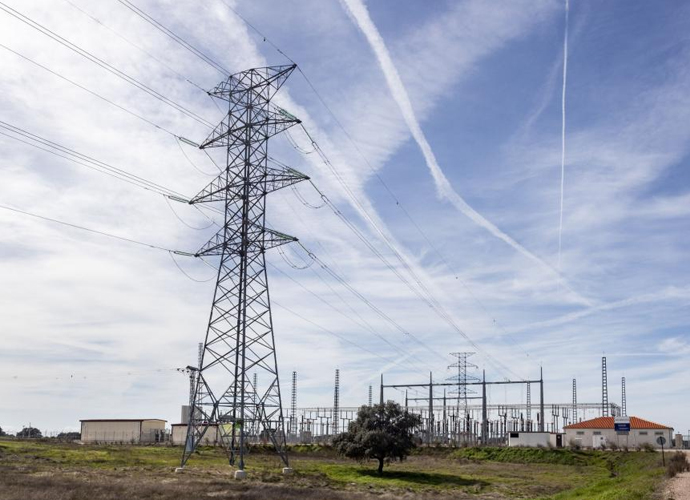
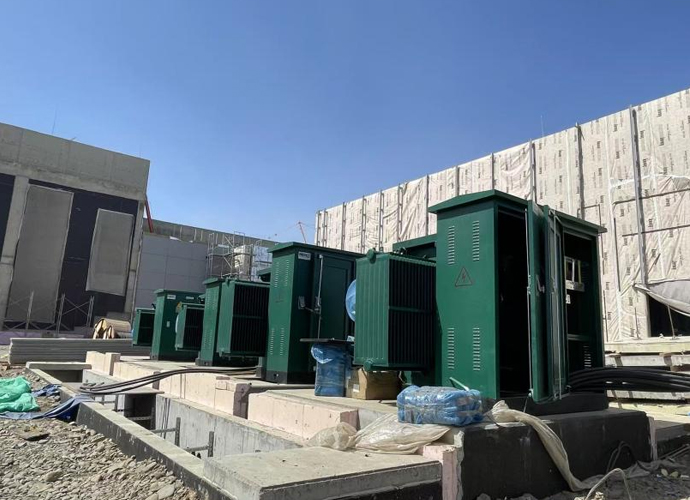
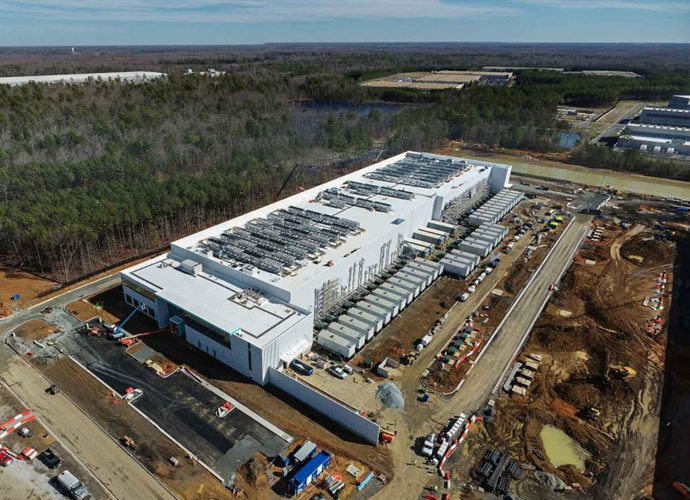
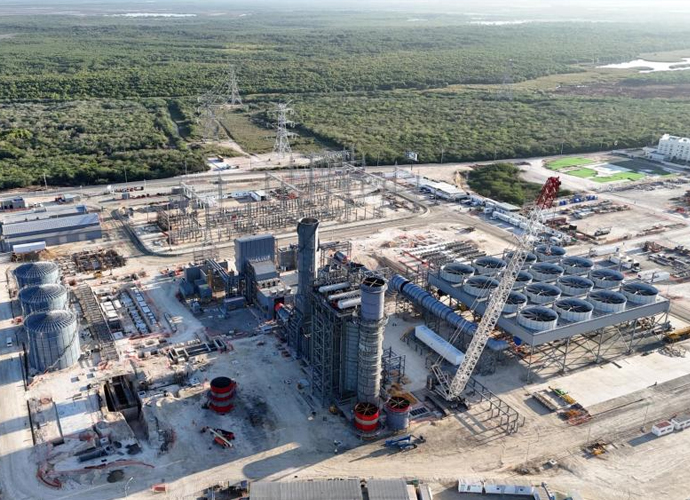
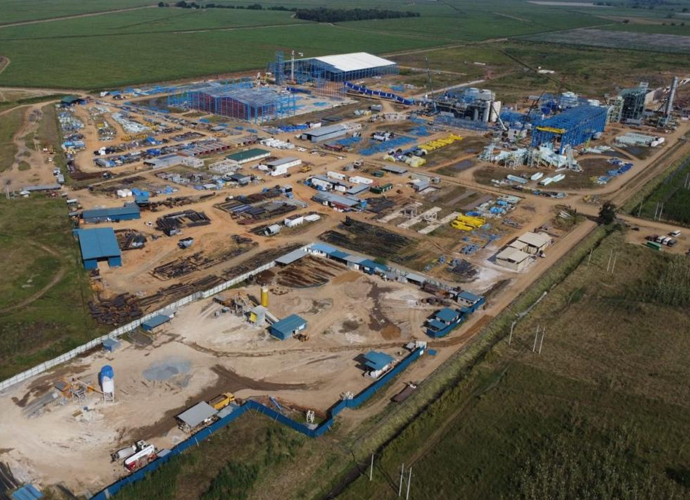
Widely used in commercial buildings, renewable energy setups, and high-tech manufacturing facilities, delivering reliable electrical isolation, surge protection, and enhanced power quality for critical single-phase applications.


Technical Advantages
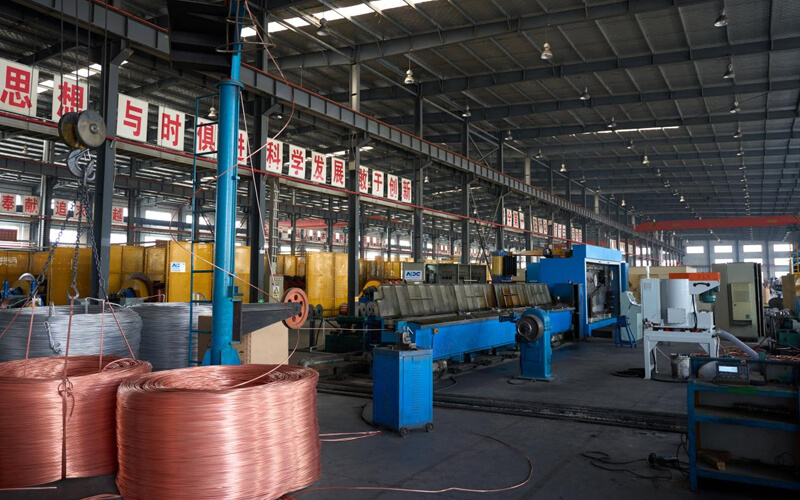
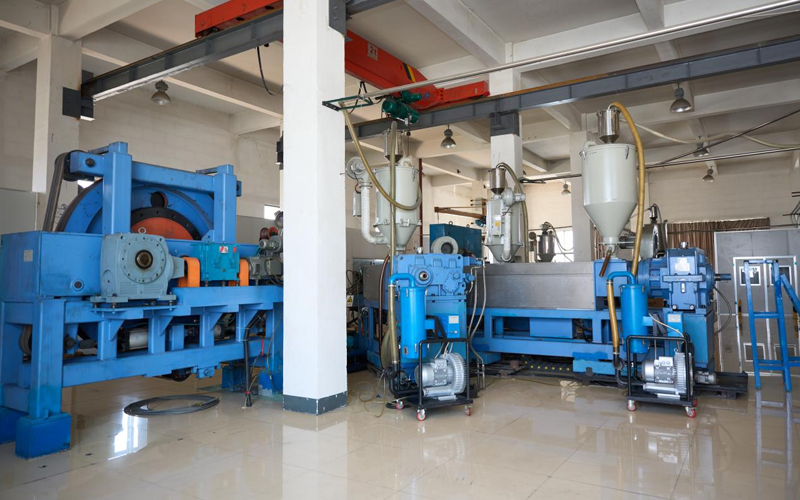
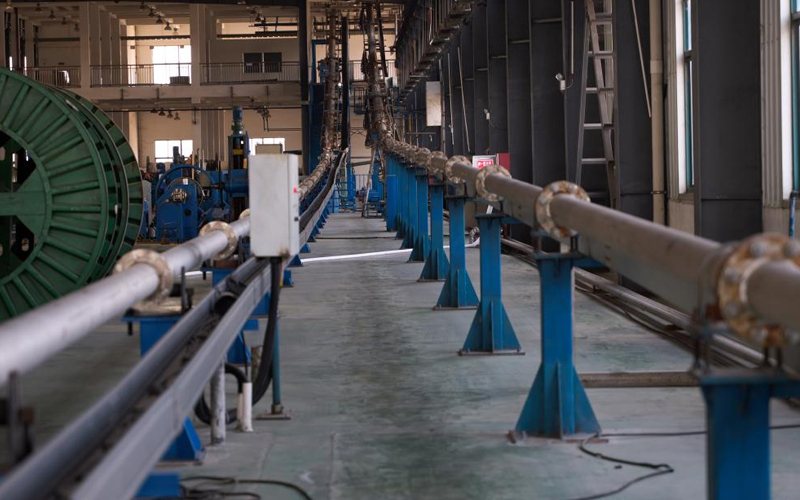
● 30+ years of manufacturing experience
● ISO and UL certified production
● Customized cable and transformer solutions
Product Packaging
Transformers Packaging (1)
Transformers Packaging (2)
Transformers Packaging (3)
Transformers Packaging (4)
Transformers Packaging (5)
Transformers Packaging (6)
Transformers Packaging (7)
Transformers Packaging (8)
Related Products
167kVA Conventional Type Single Phase Pole Mounted Transformer
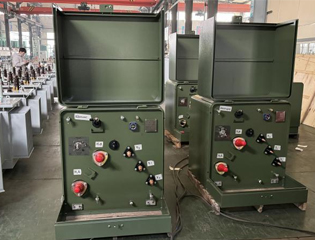
NPC ELECTRIC'S 167kVA Single Phase pole Mounted transformer is a high capacity single phase distribution transformer designed for medium to high load distribution systems. It is mainly used in residential, commercial, agricultural and light industrial applications to provide stable single phase power to ensure reliable operation of user-side equipment. It complies with international standards such as ANSI/IEEE C57, IEC60076 and other standards to ensure its high quality and stability. Standard features include mineral oil insulation (ONAN cooling), aluminum or copper windings, primary voltages 2.4kV–34.5kV grounded wye or delta (common: 7200/12470GrdY, 7620/13200GrdY, 12470GrdY/7200, 24940GrdY/14400, 34500GrdY/19920), secondary 120/240V or 240/120V split-phase (options for 277V/480V or custom), BIL ratings 95–150kV HV / 30kV LV, impedance typically 1.5–4.5%, ±2×2.5% or 5-position tap changer, conventional or CSP (completely self-protected) configurations with internal fuses, lightning arresters, weak-link protection, pressure relief valve, oil sight gauge, and ANSI 70 gray tank finish. Efficiency typically reaches 99.33% at 50% load per DOE levels (with 2029 amendments targeting further reductions for units ≥100 kVA), with low sound levels and corrosion-resistant hardware for extended outdoor service.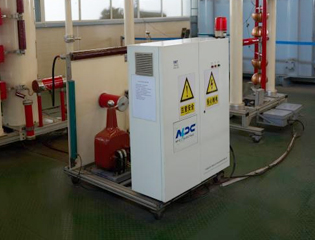
6300kVA Dry Type Transformer
The NPC ELECTRIC 6300kVA Dry Type Transformer is a high-performance, heavy-duty power solution designed for large industrial and commercial applications. With a capacity of 6300kVA, it features cutting-edge dry-type insulation technology, offering superior safety, low maintenance, and extended reliability. Built to withstand demanding operating conditions, this transformer provides stable, efficient, and noise-free performance while minimizing environmental impact. Its dry-type ventilated or encapsulated construction provides zero fluid maintenance, no spill/leak risks, and suitability for extreme high-density loads, space-limited, or environmentally restricted high-power applications.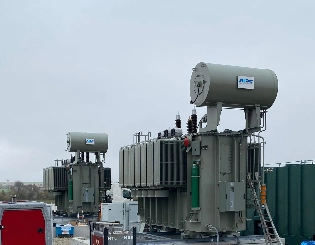
132kV 138kV Power Transformer
132kV 138kV power transformer complies with international standards as below standard: 1. IEC 60076 Power Transformers; 2. AS NZS 60076 Power Transformers CSAC88-16 Power Transformers; 3. ANSI/IEEE C57.12.00 IEEE Standard for General Requirements for Liquid-Immersed Distribution, Power, and Regulating Transformers; 4. GOST R 52719 Power Transformers - General Specifications; 5. EN60076 Poer Transformer; 6. Local After-Sales Services In North America South. Engineered for overloads (150% short-term), harmonic tolerance, low noise (<70dB), and robust corrosion protection for long-term outdoor operation.
200kVA Single Phase Pole Mounted Transformer
NPC ELECTRIC'S 200kVA single phase pole mounted transformer delivers exceptional reliability for demanding overhead power systems. It efficiently converts primary voltages like 11kV or 22kV to secondary levels such as 220V or 400V, supporting heavier loads in diverse environments. Constructed with low-loss grain-oriented steel cores and high-grade aluminum conductors, it achieves superior energy efficiency and reduced operational costs. Meeting ANSI/IEEE C57 standards, the weatherproof enclosure ensures protection against elements, with a 55°C temperature rise and ONAF cooling for enhanced performance. Essential safety integrations include overload fuses and oil level gauges, making it suitable for utilities aiming for minimal downtime. This transformer excels in providing stable power with low harmonic distortion, ideal for modern grid upgrades.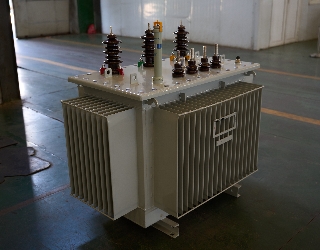
1500kVA Oil Immersed Transformer
NPC ELECTRIC's 1500kVA oil-immersed transformer adopts advanced technology, complies with international IEC, ANSI, and other standards, and has efficient and stable power conversion capabilities. It uses oil-immersed cooling technology, has excellent heat dissipation performance and durability, and ensures long-term stable operation of the equipment in harsh environments. Primary voltages range from 2.4kV to 34.5kV (common: 34.5kV, 24.94kV, 13.8kV, 13.2kV, 12.47kV, 4.16kV) in delta or grounded wye configurations with BIL up to 200kV.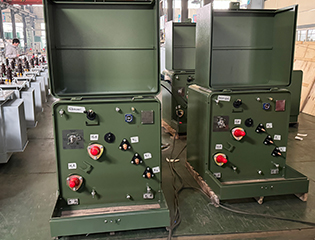
1000kVA Single Phase Pad Mounted Transformer
1000kVA Single Phase Pad Mounted Transformer, a high-capacity powerhouse optimized for extensive underground residential and commercial power distribution systems. This advanced oil-immersed transformer boasts ultra-efficient wound cores and premium windings to drastically cut operational losses while maintaining cool, stable performance even at peak demands. Fully aligned with ANSI C57.12.38, IEEE C57.12.00, and DOE efficiency requirements, this 1000kVA padmount delivers seamless step-down from primary voltages up to 34.5kV to versatile secondary outputs, empowering large-scale loop-feed or radial-feed networks with superior overload handling and minimal acoustic footprint.FAQ From Customers
-
What is a Transformer?A transformer is an electrical device used to change the voltage of alternating current (AC). It works on the principle of electromagnetic induction, converting high-voltage current into low-voltage current or low-voltage current into high-voltage current. Transformers are widely used in power transmission, distribution systems, and various electronic devices.
-
What are the main uses of a transformer?The main use of a transformer is voltage conversion. Transformers are used in power transmission systems to help transfer electricity from power plants to consumers. In addition, transformers are also used in electronic devices such as chargers, televisions, power adapters, etc., to adjust the voltage to meet the requirements of different devices.
-
Do you have UL listed?Yes, our transformer has UL listed. We have exported to America many pad mounted transformer,substation transformer and HV.
Welcome your inquiry
Honesty, Integrity, Frugality, Activeness and Passion