2Y-high-voltage-power-cable-2.webp)
2Y-high-voltage-power-cable-2-small.webp)
A2XS(FL)2Y MDPE High Voltage 76/132 (145) kV Power Cable
The A2XS(FL)2Y MDPE High Voltage 76/132 (145) kV Power Cable is a single-core aluminum conductor cable with XLPE insulation and MDPE sheath, designed for high-voltage power transmission. Built in accordance with IEC 60840 standards, it provides excellent electrical performance, water resistance, and mechanical protection. Suitable for underground, underwater, indoor, outdoor, and duct installations, the cable features water-blocking tape that prevents water propagation inside, ensuring long-term reliability in power stations, industrial plants, and distribution networks. The A2XS(FL)2Y MDPE is widely used in major UHV transmission grids, underground/submarine lines, river crossings, offshore wind connections, and large-scale renewable energy projects where water ingress protection, efficiency, and ultra-reliability are essential.
- Voltage Rating(Uo/U)(Um) 76/132kV (145kV)
Construction
Technical Specifications
Quality Control
Application
Construction
A2XS(FL)2Y MDPE High Voltage 76/132 (145) kV Power Cable Constrution
Conductor
Aluminium conductor (optional watertightness – WTC)
Conductor Screen
Semi-conductive screen extruded on the phase conductor
Insulation
XLPE (Cross-Linked Polyethylene)
Insulation Screen
Semi-conductive screen extruded on insulation
Wrapping
Semi-conductive water swelling tape
Metallic Screen
Copper wires and equalising tape
Sheath
MDPE (Medium Density Polyethylene)Optional —semi-conductive layer
Sheath Colour
Black
Manufacturer Standard
IEC 60840
Tape
Longitudinally applied aluminium tape coated with PE copolymer
Application
A2XS(FL)2Y MDPE High Voltage 76/132 (145) kV Power Cable is suitable for distribution networks and connections to generation units, plants, and processes, with installation options including underground, underwater, indoor, outdoor, and cable ducts.
Technical Specifications
A2XS(FL)2Y MDPE High Voltage 76/132 (145) kV Power Cable
A2XS(FL)2Y MDPE High Voltage 76/132 (145) kV Power Cable
| No. Of Cores |
NOMINAL CROSS SECTIONAL AREA mm² |
INSULATION mm |
METALLIC SCREEN |
NOMINAL WEIGHT kg/km |
MAXIMUM PULLING FORCE kN |
||
| Nominal Thickness |
Nominal Diameter Over |
Nominal Cross Section mm² |
Nominal Diameter Over mm |
||||
| 1 | 150RM | 18.0 | 53.1 | 95 | 58.9 | 4350 | 5.3 |
| 1 | 185RM | 17.0 | 52.2 | 95 | 58.0 | 4330 | 6.5 |
| 1 | 240RM | 16.5 | 52.9 | 95 | 58.7 | 4490 | 8.4 |
| 1 | 300RM | 15.5 | 53.0 | 95 | 58.8 | 4600 | 10.5 |
| 1 | 400RM | 14.5 | 53.9 | 95 | 59.7 | 4820 | 14.0 |
| 1 | 500RM | 14.0 | 55.7 | 95 | 61.5 | 5210 | 17.5 |
| 1 | 630RM | 14.0 | 59.9 | 95 | 65.7 | 5910 | 22.1 |
| 1 | 800RM | 14.0 | 63.6 | 95 | 69.4 | 6610 | 28.0 |
| 1 | 1000RM | 14.0 | 68.6 | 95 | 74.4 | 7540 | 35.0 |
| 1 | 1200RM | 14.0 | 73.1 | 95 | 78.9 | 8440 | 42.0 |
| 1 | 1200RMS | 14.0 | 75.2 | 95 | 81.0 | 8710 | 42.0 |
| 1 | 1400RMS | 14.0 | 77.3 | 95 | 83.1 | 9420 | 49.0 |
| 1 | 1600RMS | 14.0 | 80.7 | 95 | 86.5 | 10240 | 56.0 |
| 1 | 1800RMS | 14.0 | 84.9 | 95 | 90.7 | 11200 | 63.0 |
| 1 | 2000RMS | 14.0 | 86.7 | 95 | 92.5 | 11830 | 70.0 |
| 1 | 2500RMS | 14.5 | 93.2 | 95 | 99.4 | 13610 | 87.5 |
| 1 | 3000RMS | 14.5 | 101.2 | 95 | 107.4 | 16180 | 100.0 |
Quality Control
A2XS(FL)2Y MDPE High Voltage 76/132 (145) kV Power Cable
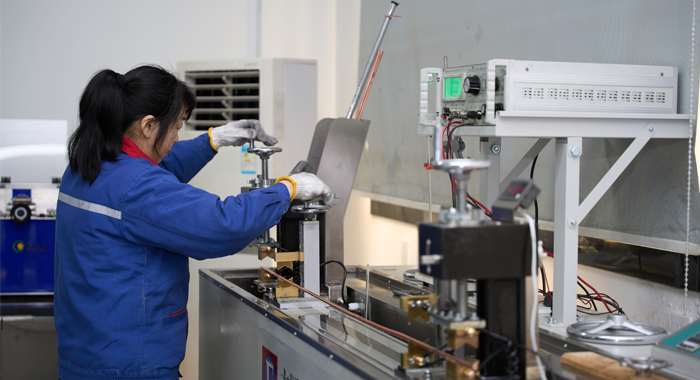
Raw Material Test
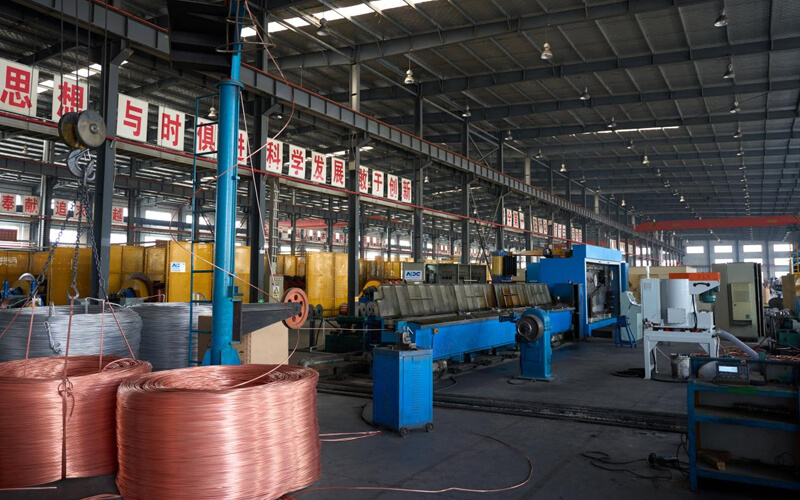
Raw Material Test for A2XS(FL)2Y MDPE 76/132 (145) kV Power Cable prioritizes ultra-high-voltage quality and longitudinal water-blocking. The detailed process includes: Supplier Certification Review: Verify stranded aluminium conductors meet IEC 60228 class 2 for purity, stranding, and conductivity; XLPE insulation compound certified to IEC 62067/IEC 60840 for electrical/thermal properties; water-blocking materials (swellable tapes/powders) and aluminium laminated foil certified for longitudinal sealing; MDPE sheath compound certified for mechanical toughness and environmental resistance. XLPE Insulation Evaluation: XLPE compound tested for tensile strength (>12.5 MPa), elongation (>200%), dielectric strength (>20 kV/mm), water tree resistance, thermal aging (135°C/168h), and hot set test (≤175% elongation after 200°C/15 min).
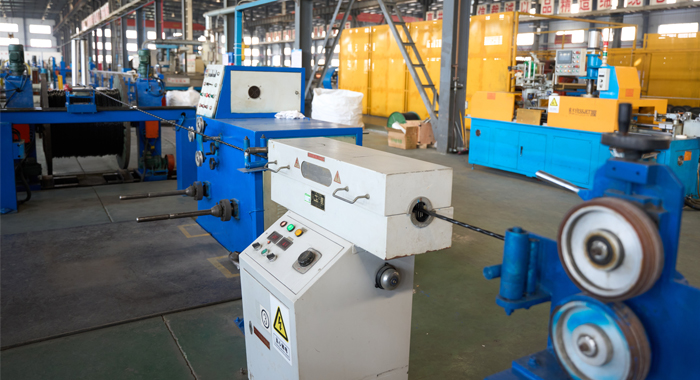
Process inspection
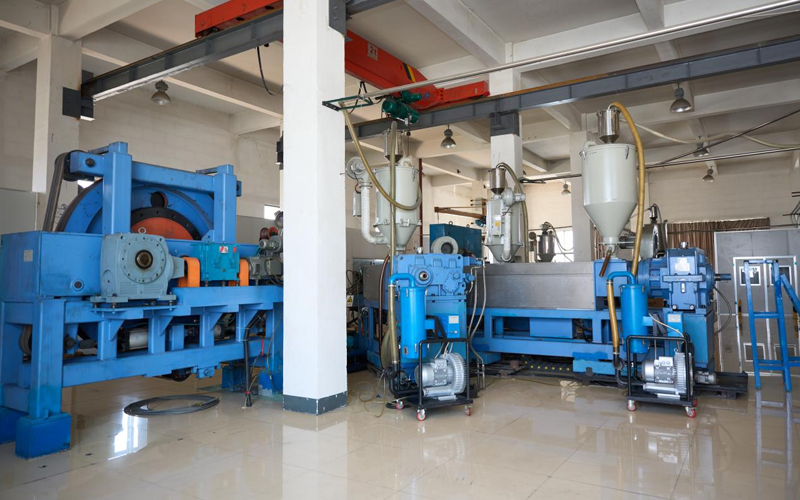
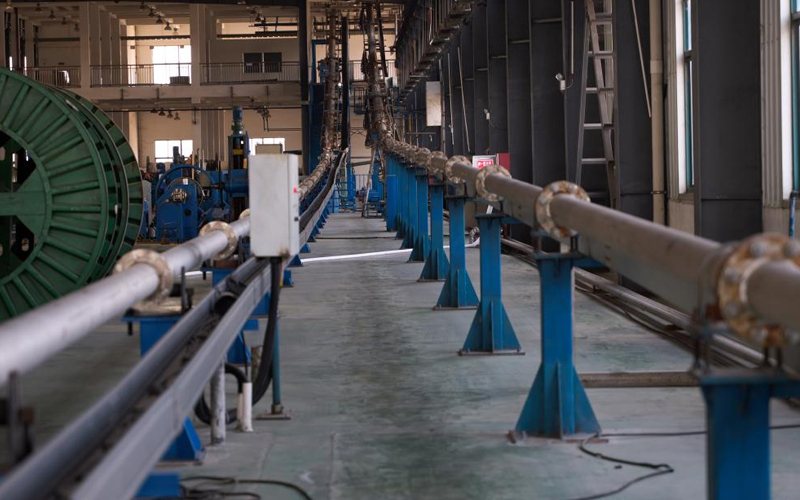
Process Inspection during manufacturing of A2XS(FL)2Y MDPE 76/132 (145) kV Power Cable maintains ultra-HV integrity and water-blocking effectiveness. Steps include: Conductor Stranding: Monitor class 2 stranding for uniform lay length, compactness, and no loose strands. Triple Extrusion: Apply semi-conductive conductor screen, XLPE insulation, and semi-conductive insulation screen in continuous triple extrusion; inline diameter scanners, eccentricity monitors, and spark testers detect voids/defects. Water-Blocking Application: Insert longitudinal water-blocking tapes/powders around core assembly to prevent axial water migration. Screening Application: Apply concentric copper wire screen and aluminium laminated foil with precise overlap/coverage for effective shielding and longitudinal sealing.
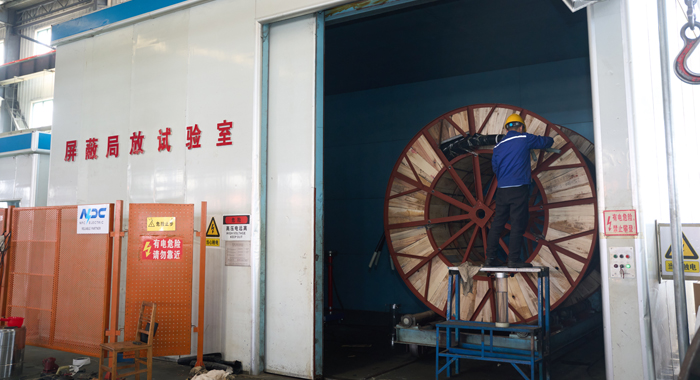
Finished Product
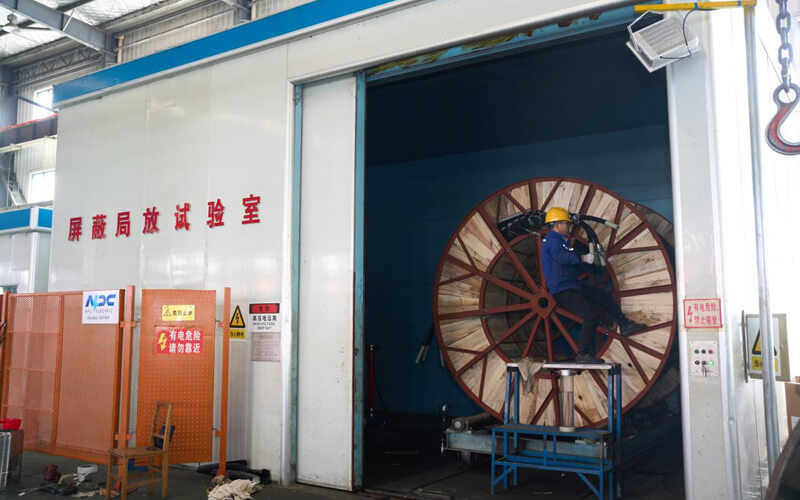
Finished Product Test confirms the A2XS(FL)2Y MDPE 76/132 (145) kV Power Cable meets ultra-high-voltage standards before shipment. The procedure includes: Visual & Dimensional Inspection: Examine full length for defects, uniformity, markings, and measure outer diameter/weight per meter. Electrical Tests: DC resistance, insulation resistance (>1000 MΩ·km), high-voltage AC withstand (230kV/1h or per IEC 60840), lightning impulse test (e.g., 650kV peak), partial discharge (<5 pC), and screen continuity. Water-Blocking Performance: Longitudinal water penetration test (IEC 60840 or equivalent, 1 bar/14 days or higher pressure simulation) to verify no axial water migration. Mechanical Evaluation: Bending radius (15–20× OD), tensile strength, crush resistance, and impact tests.
Application
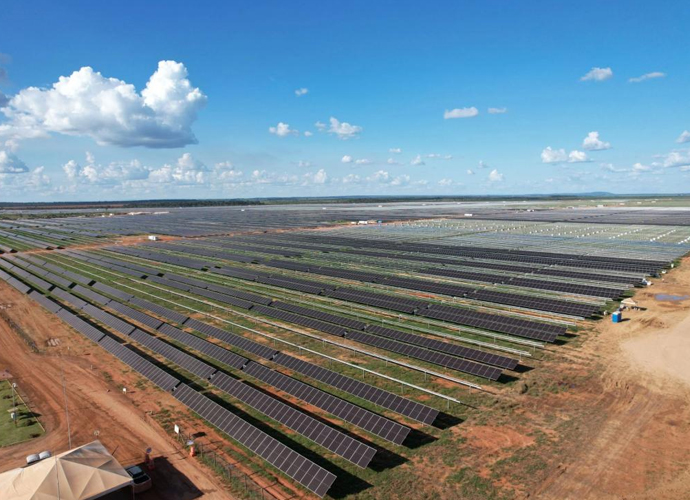
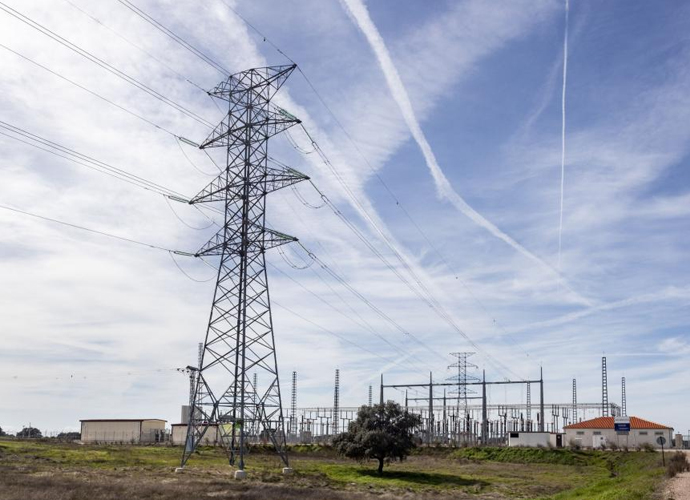
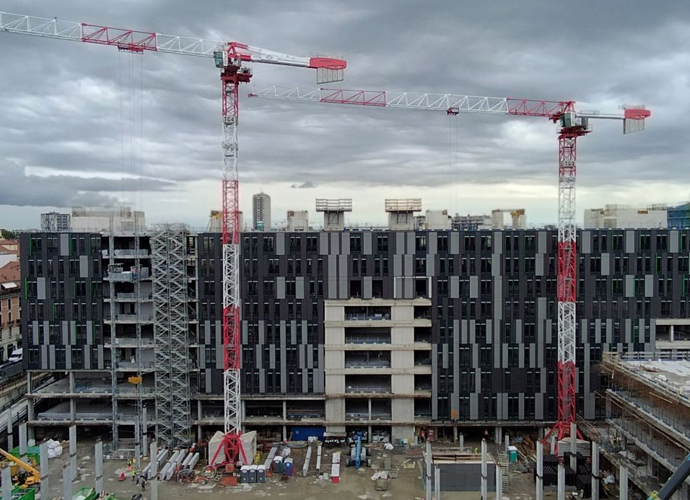
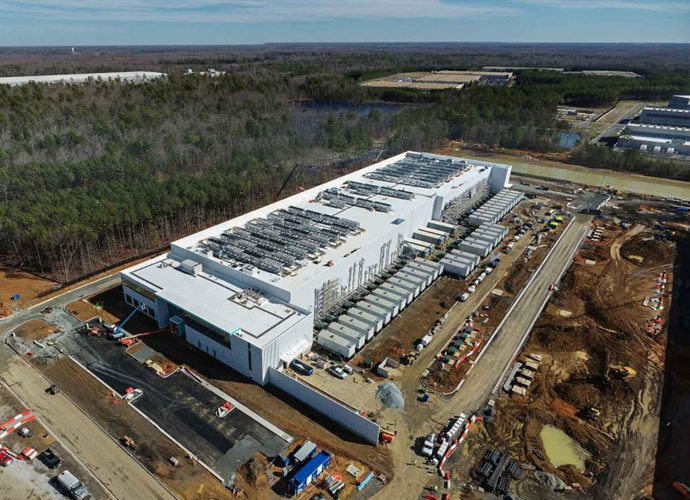
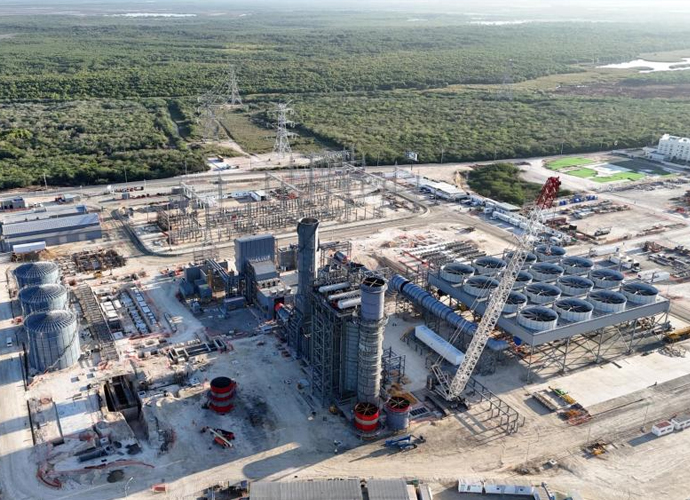
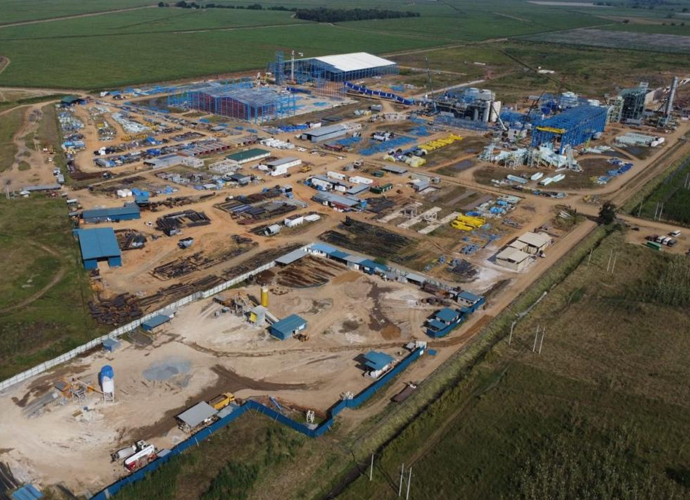
The A2XS(FL)2Y MDPE 76/132 (145) kV Power Cable is suited for 76/132 kV ultra-high-voltage transmission lines, underground/submarine UHV networks, river/lake crossings, offshore wind farm connections, substation interconnections, and wet/aggressive soil UHV installations requiring XLPE-insulated, longitudinally water-blocked cable with high electrical and mechanical performance.
Technical Advantages
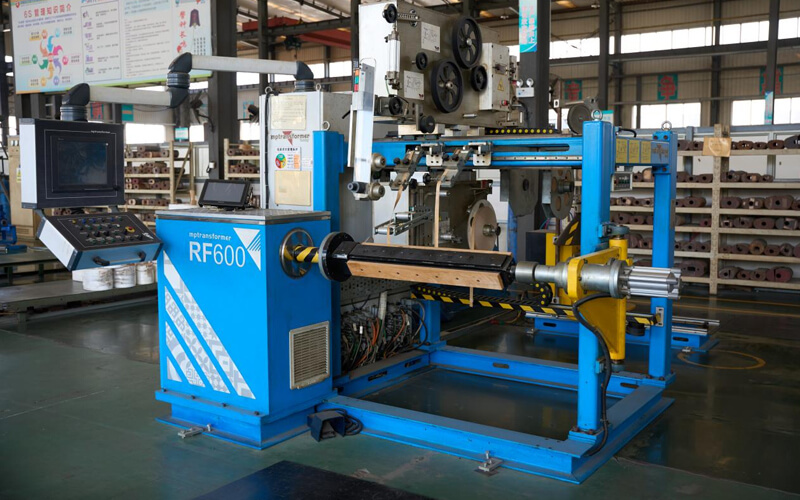
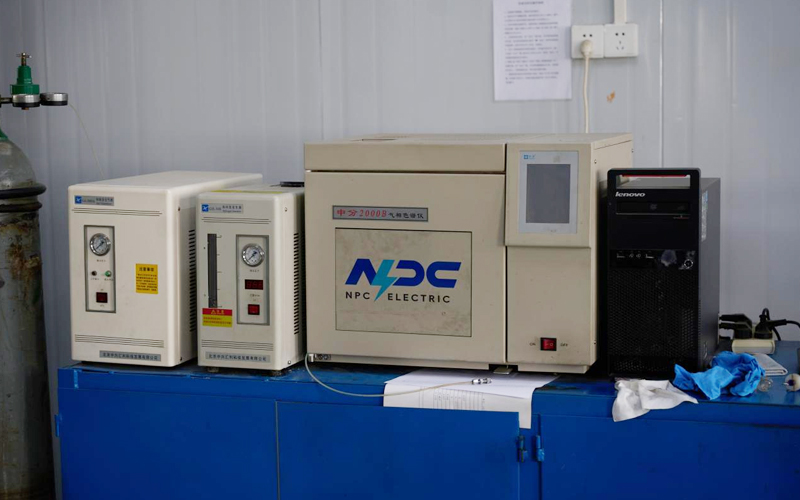
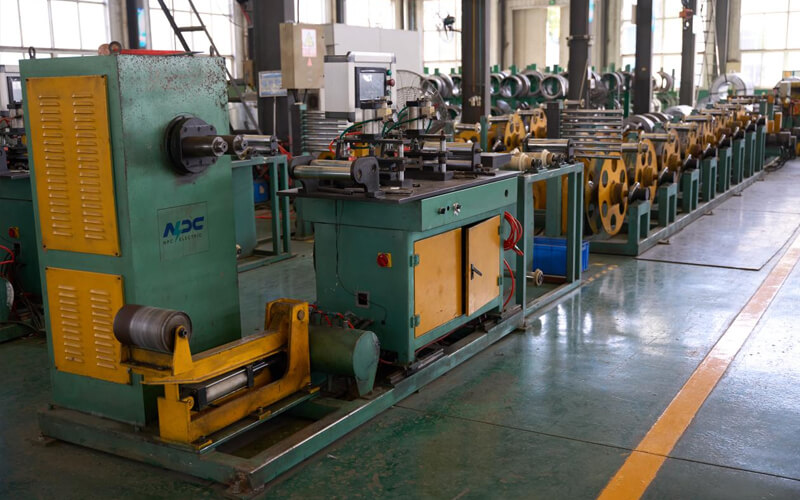
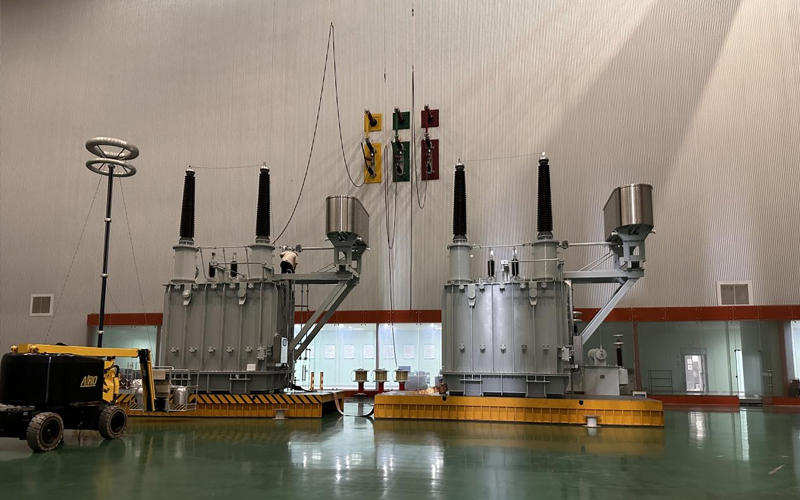
● 30+ years of manufacturing experience
● ISO and UL certified production
● Customized cable and transformer solutions
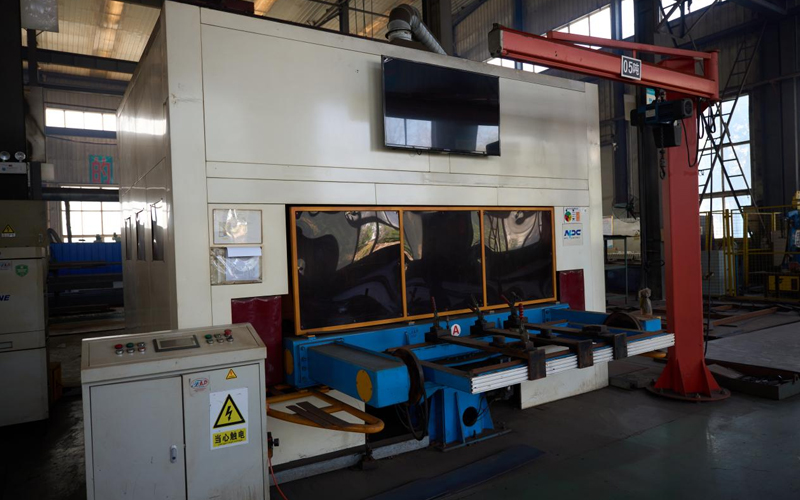
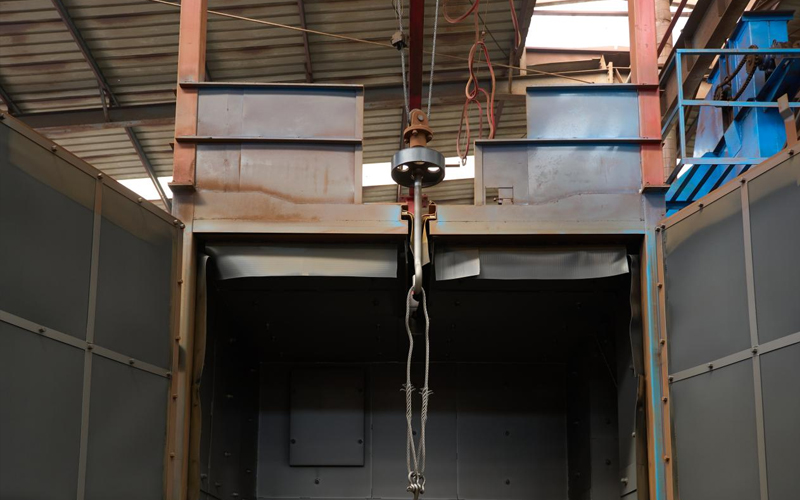
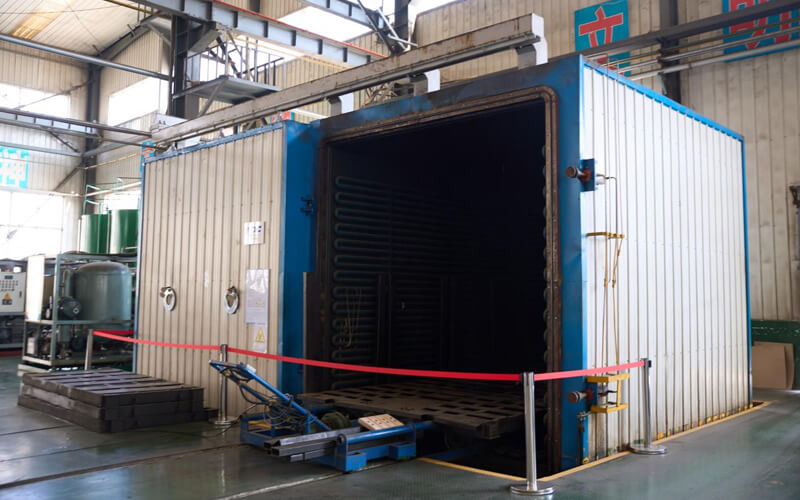
Product Packaging
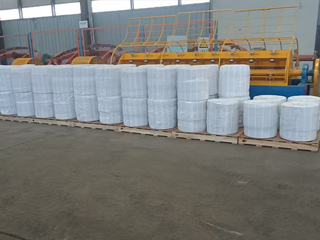
Wires and Cables packaging (1)
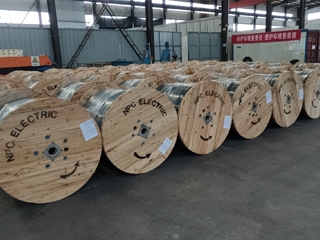
Wires and Cables packaging (2)
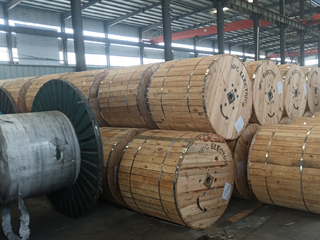
Wires and Cables packaging (3)
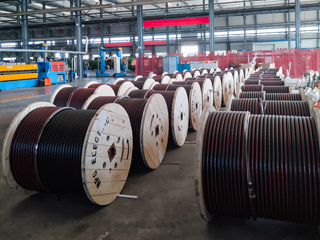
Wires and Cables packaging (4)
Wires and Cables packaging (5)
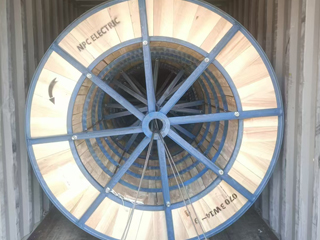
Wires and Cables packaging (6)
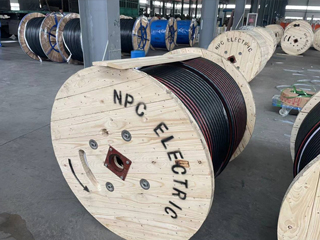
Wires and Cables packaging (7)
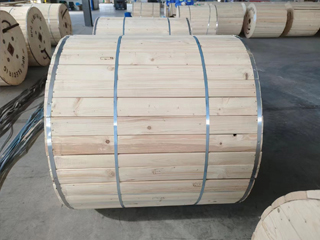
Wires and Cables packaging (8)
Related Products
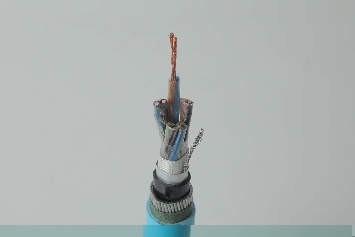
Instrumentation Cables—PVC Insulated, Overall Screened, Wire Armoured PVC Sheathed Cables(CU/PVC/OSCR/SWA/PVC)
Instrumentation Cables are multi-conductor cables that carry and transport low-voltage electrical signals. These low-voltage signals are used to control and monitor electrical power systems. Instrumentation cables have many different industrial applications that include broadcasting, equipment control, such as drilling and pumping in the oil and gas industry, and data transfer, which includes analog and digital signals. They are manufactured according to the BS EN 50288-7 and BS EN 50288-1 standards to ensure quality. Depending on the application, instrumentation cables can be insulated with PVC or XLPE; the cables can be armoured or unarmoured. The sheathing materials can be of PVC, LSZH, or PE. The cables can have additional flame retardant or flame retardant properties, and they can be manufactured with special protections such as lead sheaths, or DRYLAM or AIRBAG technology.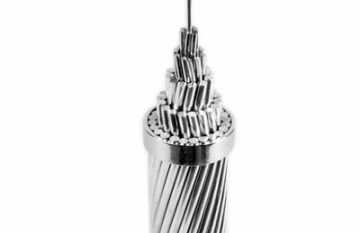
397.5 MCM Canna AAC Cable
The 397.5 MCM Canna AAC Cable represents premium All Aluminum Conductor technology for overhead power applications. Built with 19 strands of high-conductivity 1350-H19 aluminum, this bare conductor delivers an optimal balance of electrical efficiency and mechanical robustness. With a 0.724-inch diameter, 7,110 lbs breaking strength, and 570 amps ampacity, the Canna AAC offers low DC resistance of 0.0435 ohms per 1000 ft at 20°C and a weight of 373.2 lbs per 1000 ft. This design minimizes sag while providing excellent corrosion resistance for extended outdoor service. Manufactured to meet ASTM B-230 and B-231 standards, the 397.5 MCM Canna AAC Cable undergoes extensive quality testing from raw materials through finished product. It is the perfect solution for new installations and upgrades in transmission and distribution systems that demand lightweight, high-conductivity bare aluminum conductors.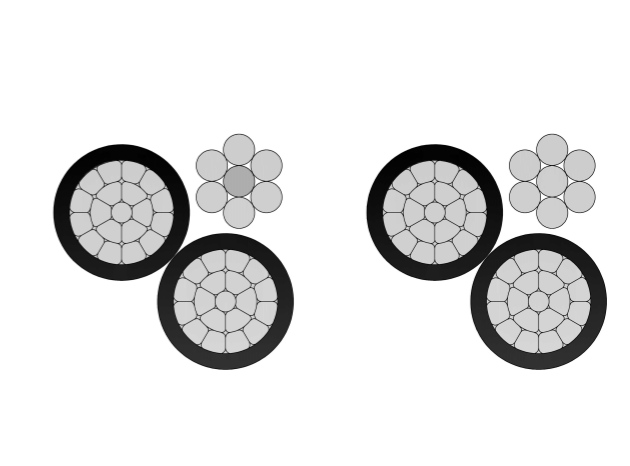
4/0 Cerapus Aluminum Conductor Triplex Overhead Service Drop Cable
4/0-4/0-2/0 Cerapus Aluminum Conductor Triplex Overhead Service Drop Cable provides premium overhead power transmission for utility-to-consumer connections with elevated capacity needs. Featuring concentric or compressed 1350-H19 aluminum phase conductors (#4/0 AWG), black XLPE insulation for enhanced thermal, abrasion, and environmental protection, plus a bare ACSR neutral messenger (#2/0 AWG), it ensures efficient conductivity, corrosion resistance, and structural integrity. Rated 600V phase-to-phase up to 90°C (XLPE), with ≈315A ampacity, it complies with ASTM B-230/B-231/B-232/B-399 and ICEA S-76-474. Its balanced, lightweight design facilitates easy installation while offering robust long-term performance against demanding outdoor factors like extreme temperatures, moisture, UV exposure, and mechanical loads in residential, commercial, and light industrial settings.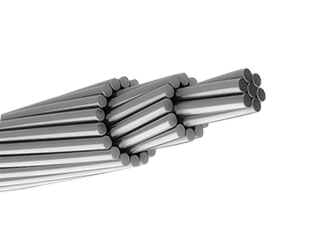
4 AWG SWAN ACSR Conductor Cable
The 4 AWG SWAN ACSR Conductor Cable is a reliable overhead conductor designed for utility distribution and light transmission applications requiring stable electrical performance and mechanical durability. It is manufactured with concentrically stranded aluminum wires reinforced by a galvanized steel core, combining efficient conductivity with added tensile strength. The aluminum strands ensure low resistance and consistent current flow, while the steel core reduces sag, improves load-bearing capability, and enhances resistance to wind and mechanical stress. This construction allows the 4 AWG SWAN ACSR conductor to perform reliably during installation and long-term outdoor service. Produced in accordance with ASTM and IEC standards, the 4 AWG SWAN ACSR Conductor Cable offers uniform quality, easy handling, and dependable service life. It is widely used in overhead distribution networks, rural electrification projects, and utility line upgrades where performance consistency and cost efficiency are essential.
500 MCM Zinnia AAC Cable
The 500 MCM Zinnia AAC Cable represents premium All Aluminum Conductor technology for overhead power applications. Built with 19 strands of high-conductivity 1350-H19 aluminum, this bare conductor delivers an optimal balance of electrical efficiency and mechanical robustness. With a 0.811-inch diameter, 8,760 lbs breaking strength, and 658 amps ampacity, the Zinnia AAC offers low DC resistance of 0.0346 ohms per 1000 ft at 20°C and a weight of 469.4 lbs per 1000 ft. This design minimizes sag while providing excellent corrosion resistance for extended outdoor service. Manufactured to meet ASTM B-230 and B-231 standards, the 500 MCM Zinnia AAC Cable undergoes extensive quality testing from raw materials through finished product. It is the ideal solution for new installations and upgrades in transmission and distribution systems that demand lightweight, high-conductivity bare aluminum conductors.H-medium-voltage-power-cable.jpg)
N2XS(FL)H Medium Voltage Power Cable(6/10kV, 12/20kV, 18/30kV)
The N2XS(FL)H Medium Voltage Power Cable is designed for reliable and fire-safe power transmission in medium voltage systems rated at 6/10kV, 12/20kV, and 18/30kV. The cable features a copper conductor insulated with XLPE and is equipped with a flame-retardant laminated aluminum foil screen, which provides effective electromagnetic shielding and moisture protection. An LSZH outer sheath is applied to minimize smoke emission and eliminate halogen gases in the event of fire, enhancing safety in confined or populated installations. Manufactured in accordance with IEC standards, the N2XS(FL)H cable offers low dielectric loss, high thermal stability, and long service life. Its optimized construction ensures dependable electrical performance while meeting stringent fire safety and environmental requirements.FAQ From Customers
-
What are the advantages of power cables and overhead lines?(1) Reliable operation, because it is installed in a hidden place such as underground, it is less damaged by external forces, has less chance of failure, and the power supply is safe, and it will not cause harm to people; (2) The maintenance workload is small and frequent inspections are not required; (3) No need to erect towers; (4) Help improve power factor.
-
Which aspects should be considered when choosing the cross section of a power cable?(1) The long-term allowable working current of the cable; (2) Thermal stability once short circuited; (3) The voltage drop on the line cannot exceed the allowable working range.
-
What are the measures for cable fire prevention?(1) Use flame-retardant cables; (2) Use fireproof cable tray; (3) Use fireproof paint; (4) Fire partition walls and fire baffles are installed at cable tunnels, mezzanine exits, etc.; (5) Overhead cables should avoid oil pipelines and explosion-proof doors, otherwise local pipes or heat insulation and fire prevention measures should be taken.
-
What should be paid attention to during the transportation and handling of cables?(1) During transportation, loading and unloading, cables and cable reels should not be damaged. It is strictly forbidden to push the cable reels directly from the vehicle. Generally, cables should not be transported and stored flat. (2) Before transporting or rolling the cable reel, ensure that the cable reel is firm, the cable is wound tightly, the oil pipe between the oil-filled cable and the pressure oil tank should be fixed without damage, the pressure oil tank should be firm, and the pressure indication should meet the requirements.
-
What inspections should be carried out for the acceptance of cable lines?(1) The cable specifications should meet the regulations, the arrangement should be neat, no damage, and the signs should be complete, correct and clear; (2) The fixed bending radius of the cable, the related distance and the wiring of the metal sheath of the single-core power cable should meet the requirements; (3) The cable terminal and the middle head should not leak oil, and the installation should be firm. The oil pressure of the oil-filled cable and the meter setting should meet the requirements; (4) Good grounding; (5) The color of the cable terminal is correct, and the metal parts such as the bracket are completely painted; (6) There should be no debris in the cable trench, tunnel, and bridge, and the cover should be complete.
Welcome your inquiry
Honesty, Integrity, Frugality, Activeness and Passion