
Best Mining Cables for Underground Mining: Safety and Durability Explained
2026-07-08
Modern underground mining operations depend heavily on reliable electrical infrastructure to maintain productivity, safety, and operational continuity. From powering drilling equipment and conveyor systems to supporting ventilation networks and underground communication systems, mining cables serve as critical components of mining power distribution systems.
Unlike conventional industrial cables, underground mining cable systems must operate under some of the harshest environmental conditions in the world. Extreme mechanical stress, continuous vibration, moisture exposure, abrasive surfaces, chemical contamination, and fire hazards create unique engineering challenges that require specialized cable designs.
Cable failures in underground mining environments can lead to catastrophic operational downtime, equipment damage, fire risks, and serious worker safety incidents. As a result, selecting the correct mining electrical cable is not simply a purchasing decision but a critical engineering and risk-management process.
1. What Is a Mining Cable?
A mining cable is a specialized electrical cable designed for power transmission, equipment control, and communication applications within mining environments.
Mining industry cable systems are engineered specifically to withstand:
- Heavy mechanical stress
- Abrasion and impact
- Chemical exposure
- Water ingress
- Extreme temperatures
- Continuous flexing
- Harsh underground operating conditions
Compared with standard industrial wires and cables, mining cables typically feature reinforced insulation systems, stronger outer jackets, enhanced flame resistance, and superior flexibility.
Mining cable systems are widely used in:
- Underground mining operations
- Open-pit mining
- Tunneling projects
- Mineral processing facilities
- Conveyor systems
- Drilling equipment
- Mobile mining machinery
Modern mining cable manufacturers increasingly focus on safety, reliability, and long service life under severe operational conditions.
2. Why Underground Mining Requires Specialized Cables
Underground mining environments are uniquely demanding from an electrical engineering perspective.
Extreme Mechanical Stress
Mining cables are frequently exposed to:
- Crushing forces
- Repeated bending
- Tension loads
- Abrasion against rock surfaces
- Equipment movement
Trailing cables connected to mobile mining equipment experience especially severe flexing cycles during daily operations.
Standard industrial power cables generally fail quickly under these conditions.
Fire and Explosion Risks
Underground mines often contain combustible gases and dust particles.
Electrical cable failures may create:
- Arc faults
- Short circuits
- Overheating
- Ignition sources
Flame-retardant mining cables are therefore essential for minimizing fire propagation and improving evacuation safety during emergencies.
Moisture and Chemical Exposure
Mining tunnels frequently contain:
- Water accumulation
- Acidic groundwater
- Chemical contaminants
- Oil and hydraulic fluids
Specialized mining cable insulation and sheath materials help prevent long-term degradation under these aggressive environmental conditions.
Operational Reliability Requirements
Mining production systems operate continuously, often 24/7.
Cable failure can stop:
- Conveyor systems
- Ventilation systems
- Dewatering pumps
- Drilling operations
- Ore transportation equipment
Operational downtime in large mining operations can result in enormous financial losses.
3. Main Types of Mining Cables
Different mining applications require different cable types depending on voltage levels, mobility requirements, and environmental exposure.
Trailing Cables
Trailing cables are flexible mining power cables used for mobile mining equipment.
Typical applications include:
- Continuous miners
- Shuttle cars
- Drilling machines
- Excavators
Key characteristics include:
- High flexibility
- Impact resistance
- Abrasion-resistant jackets
- Reinforced conductors
Trailing cables are among the most mechanically stressed cable systems in the mining industry.
High Voltage Mining Cables
High-voltage mining electrical cable systems are used for large mining equipment and long-distance underground power distribution.
Typical voltage levels include:
- 3.3kV
- 6.6kV
- 11kV
These high-voltage systems require enhanced insulation and shielding to ensure safe operation.
Control Cables
Control cables transmit low-voltage control and monitoring signals between mining equipment and control systems.
Applications include:
- Automation systems
- Monitoring devices
- PLC communication
- Safety systems
Reliable control cables are critical for modern smart mining operations.
Portable Mining Cables
Portable mining cables are designed for temporary or movable equipment installations.
These cables prioritize:
- Flexibility
- Fast deployment
- Mechanical durability
Table: Comparison of Common Mining Cable Types Used in Underground Mining
|
Cable Type |
Typical Voltage Range |
Main Features |
Common Applications |
Flexibility Level |
|
Trailing Cable |
600V – 25kV |
High flexibility and abrasion resistance |
Continuous miners, shuttle cars |
Very High |
|
High Voltage Mining Cable |
3.3kV – 11kV |
Enhanced insulation and shielding |
Underground power distribution |
Medium |
|
Control Cable |
Below 1kV |
Signal transmission and automation control |
PLC systems, monitoring equipment |
High |
|
Portable Mining Cable |
600V – 5kV |
Lightweight and movable design |
Temporary mining equipment |
High |
|
1kV – 35kV |
Heavy mechanical protection |
Harsh underground installations |
Low to Medium |
|
|
Flame Retardant Mining Cable |
LV to HV |
Fire-resistant and low smoke performance |
Underground mining tunnels |
Medium |
4. Key Construction Features of Mining Cables
Mining cable durability depends heavily on construction quality and material selection.
Conductors
Mining power cables typically use:
- Tinned copper conductors
- Flexible stranded conductors
Fine-stranded conductors improve flexibility and fatigue resistance.
Insulation Systems
Common insulation materials include:
- EPR (Ethylene Propylene Rubber)
- XLPE (Cross-linked Polyethylene)
These materials provide excellent:
- Electrical insulation
- Moisture resistance
- Thermal stability
Reinforced Sheath Design
Outer jackets must resist:
- Abrasion
- Chemicals
- Oil exposure
- Mechanical impact
Heavy-duty elastomeric compounds are commonly used.
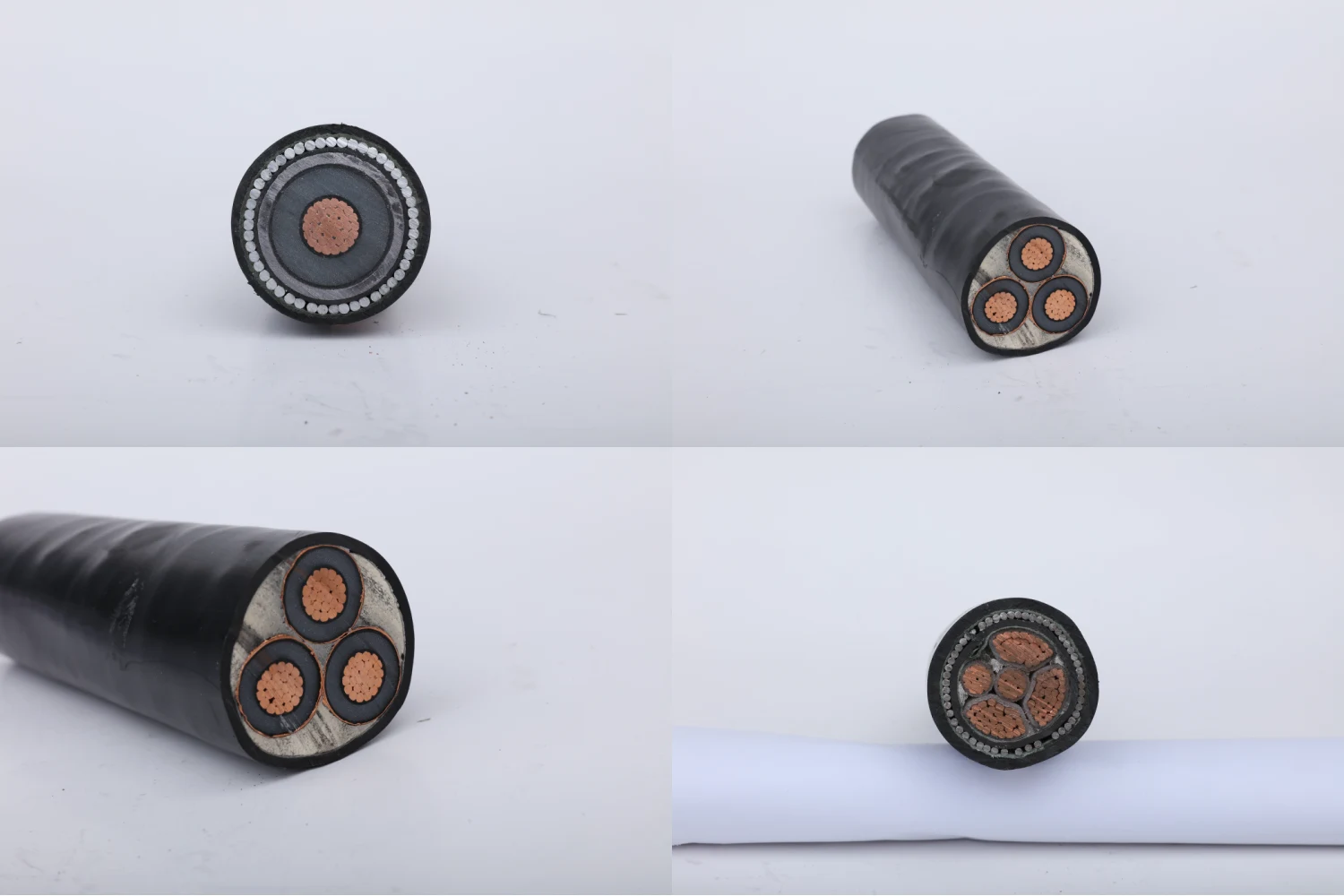
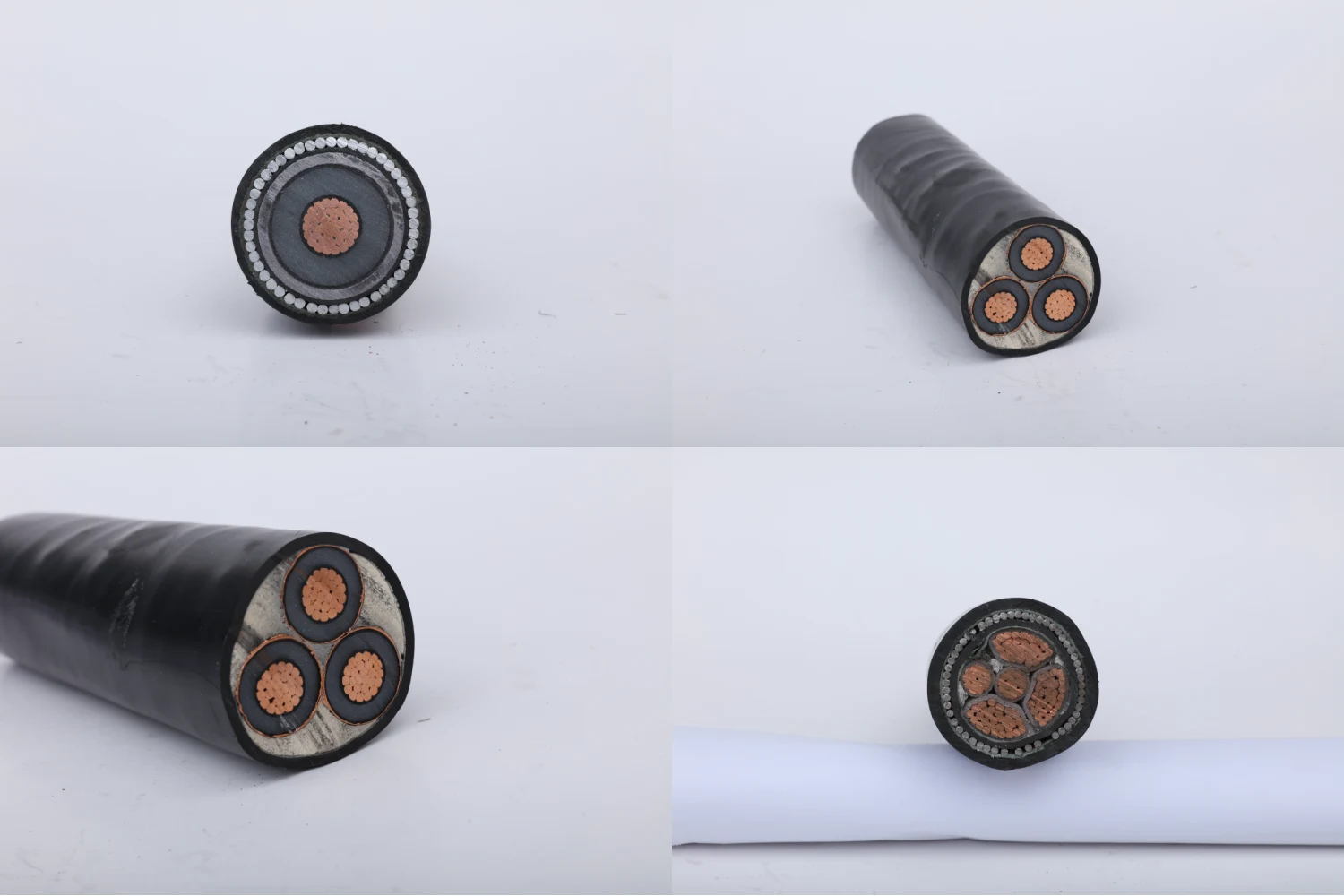
Armoring and Shielding
Some underground mining cable systems include metallic shielding or armor for:
- Mechanical protection
- Ground fault control
- Electromagnetic shielding
5. Flame Resistance and Safety Standards
Table: Critical Performance Requirements for Underground Mining Cable Systems
|
Performance Requirement |
Engineering Importance |
Operational Benefit |
|
Flame Resistance |
Prevents fire propagation |
Improves underground safety |
|
Abrasion Resistance |
Protects against rock friction |
Extends cable lifespan |
|
Moisture Resistance |
Prevents insulation failure |
Improves reliability |
|
Flexibility |
Supports mobile equipment movement |
Reduces conductor fatigue |
|
Impact Resistance |
Withstands crushing and dragging |
Minimizes cable damage |
|
Chemical Resistance |
Protects against oil and acidic water |
Improves durability |
|
Thermal Stability |
Prevents overheating damage |
Supports continuous operation |
|
Shielding Performance |
Controls electromagnetic interference |
Improves system safety |
|
High Voltage Insulation |
Maintains electrical integrity |
Prevents electrical breakdown |
|
Low Smoke Emission |
Improves evacuation visibility |
Enhances emergency safety |
Safety is one of the most important considerations in mining cable design.
Flame Resistance Requirements
Flame resistance ensures cables do not propagate fire during electrical faults.
Flame Retardant Mining Cables are engineered to:
- Self-extinguish
- Reduce smoke generation
- Limit toxic gas emissions
These characteristics are essential in underground evacuation scenarios.
International Standards
Mining cable manufacturers must comply with strict international standards.
Common standards include:
- IEC 60332
- ICEA standards
- MSHA requirements
- AS/NZS mining cable standards
Certification ensures cables meet safety and durability requirements.
Grounding and Shielding Safety
Proper cable grounding reduces risks associated with:
- Electrical shock
- Ground faults
- Arc flash incidents
Shielded mining electrical cable systems improve operational safety in high-power installations.
6. How to Choose the Right Mining Cable
Selecting the correct cable requires careful engineering analysis.
Table: Choose the Right Mining Cable
|
Mining Environment |
Recommended Cable Type |
Key Selection Priority |
|
Mobile Mining Equipment |
Trailing cable |
Flexibility |
|
Deep Underground Mining |
Flame-retardant cable |
Fire safety |
|
Wet Tunnel Conditions |
Waterproof mining cable |
Moisture resistance |
|
High Load Distribution |
High-voltage mining cable |
Thermal performance |
|
Automated Mining Systems |
Shielded control cable |
Signal integrity |
|
Heavy Mechanical Exposure |
Armored mining cable |
Mechanical protection |
Voltage Requirements
The first consideration is operating voltage.
Typical categories include:
- Low-voltage mining cables
- Medium voltage mining cables
- High-voltage mining cables
Improper voltage selection can cause insulation failure and operational hazards.
Mechanical Durability
Engineers must evaluate:
- Bending radius
- Tension loading
- Impact exposure
- Abrasion risk
Mobile equipment applications require highly flexible cable designs.
Environmental Conditions
Cable performance depends heavily on environmental exposure.
Important factors include:
- Water presence
- Chemical exposure
- Temperature range
- UV exposure
- Dust concentration
Flame Resistance Performance
Underground mining applications should prioritize flame-retardant cable systems compliant with mining safety regulations.
Cable Flexibility
Frequent equipment movement requires highly flexible conductor and insulation systems.
Poor flexibility often leads to conductor fatigue and premature cable failure.
7. Common Causes of Mining Cable Failure
Understanding failure mechanisms helps improve cable selection and maintenance planning.
Mechanical Damage
The most common cause of mining cable failure is physical damage caused by:
- Crushing
- Dragging
- Sharp rocks
- Vehicle movement
Insulation Degradation
Heat, moisture, and contamination gradually weaken insulation materials.
This can result in:
- Short circuits
- Leakage current
- Electrical tracking
Table: Common Underground Mining Cable Failures and Preventive Solutions
|
Failure Cause |
Typical Impact |
Most Affected Cable Type |
Recommended Prevention Method |
|
Mechanical Crushing |
Conductor damage |
Trailing cables |
Reinforced cable routing |
|
Excessive Flexing |
Conductor fatigue |
Flexible mining cables |
Improved bend radius management |
|
Water Ingress |
Insulation breakdown |
Underground power cables |
Waterproof sheath systems |
|
Thermal Overload |
Insulation aging |
High voltage mining cables |
Proper cable sizing |
|
Abrasion Against Rocks |
Outer sheath damage |
Portable mining cables |
Abrasion-resistant jackets |
|
Chemical Exposure |
Material degradation |
Underground mining cables |
Chemical-resistant compounds |
|
Poor Cable Handling |
Structural damage |
All cable types |
Operator training |
|
Arc Faults |
Fire hazards |
High voltage cables |
Advanced protection systems |
Excessive Flexing
Trailing cables experience repeated bending cycles that eventually fatigue conductors.
Overheating
Improper cable sizing may cause excessive thermal buildup under heavy electrical loads.
Thermal overload accelerates insulation aging.
8. Future Trends in Mining Cable Technology
Mining cable technology continues evolving to support automation, sustainability, and digital mining operations.
Smart Cable Monitoring
Modern cable systems increasingly integrate:
- Temperature monitoring
- Fault detection
- Predictive maintenance sensors
These technologies improve operational reliability and reduce downtime.
Environmentally Safer Materials
Manufacturers are developing low-smoke, halogen-free mining cables to improve underground fire safety and environmental performance.
Higher Voltage Systems
Large mining operations increasingly require higher voltage underground distribution systems to improve energy efficiency.
Automation and Electrification
Electric mining vehicles and automated mining systems are increasing the demand for advanced, flexible mining cable solutions.
FAQ: Mining Cables for Underground Mining
1. What is a mining cable used for?
A mining cable is used to transmit electrical power, control signals, and communication data in mining operations. These cables are specifically designed to withstand harsh underground conditions, including mechanical stress, moisture, abrasion, and continuous equipment movement.
2. Why are flame-retardant mining cables important in underground mining?
Flame-retardant mining cables are essential because underground mines have limited ventilation and high fire risks. These cables are designed to reduce flame propagation, minimize smoke generation, and improve worker safety during electrical faults or fire emergencies.
3. What is the difference between trailing cables and standard power cables?
Trailing cables are highly flexible mining cables designed for mobile mining equipment such as continuous miners and shuttle cars. Unlike standard power cables, trailing cables can withstand repeated bending, dragging, vibration, and severe mechanical stress in underground mining environments.
4. How do mining cables resist harsh underground conditions?
Mining electrical cables use reinforced insulation systems, abrasion-resistant outer jackets, waterproof barriers, and flexible stranded conductors to withstand moisture, chemicals, impact, and mechanical stress commonly found in underground mining operations.
5. What voltage levels are commonly used in mining cable systems?
Mining cable systems commonly operate at voltage levels ranging from low voltage 600V systems to medium and high voltage systems such as 3.3kV, 6.6kV, and 11kV for underground power distribution and heavy mining equipment.
6. How can mining cable failures be prevented?
Mining cable failures can be reduced through proper cable selection, correct installation practices, routine inspections, thermal monitoring, mechanical protection systems, and preventive maintenance programs designed for underground mining operations.
Conclusion
Mining cables are among the most demanding electrical cable systems used in industrial applications. Underground mining environments expose cables to severe mechanical stress, moisture, chemicals, fire hazards, and continuous operational loading.
Selecting the correct mining electrical cable requires careful consideration of voltage levels, flame resistance, flexibility, mechanical durability, and environmental conditions. From trailing cables for mobile equipment to high voltage underground power systems, cable performance directly impacts mining safety, operational continuity, and long-term infrastructure reliability.
As underground mining operations continue adopting automation, electrification, and smart monitoring technologies, advanced mining cable systems will play an increasingly critical role in supporting safe and efficient mining operations worldwide.

Related Articles
Related Products
Instrumentation Cables—Mica Tapped, XLPE Insulated, Overall Screened, Wire Armoured LSZH Sheathed Fire-Resistant Cables(CU/GMT/XLPE/OSCR/SWA/LSZH)
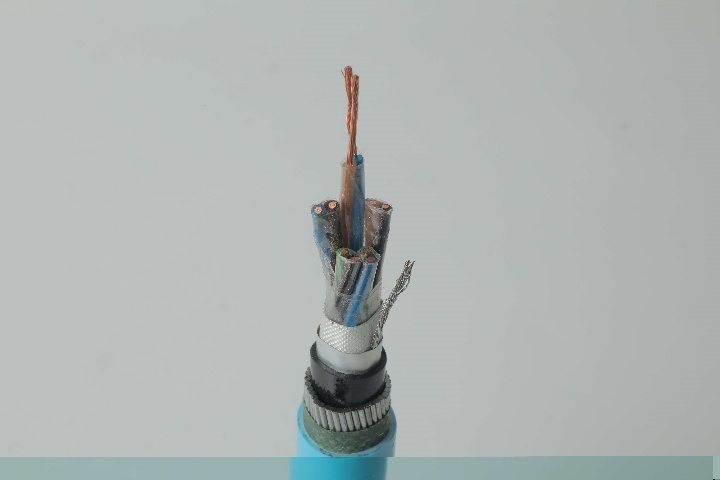
Instrumentation Cables with Mica Taped, XLPE Insulated, Overall Screened, Wire Armoured and LSZH Sheathed construction (CU/GMT/XLPE/OSCR/SWA/LSZH) are designed for critical signal transmission in fire-risk and safety-sensitive environments. The copper conductor is wrapped with mica tape to maintain circuit integrity under fire conditions, while XLPE insulation ensures stable electrical performance and thermal resistance. The overall screen reduces electromagnetic interference, enabling accurate signal transmission in industrial systems. Steel wire armouring provides mechanical protection against impact and external stress, making the cable suitable for harsh installation conditions. The LSZH outer sheath limits smoke emission and toxic gases during fire, enhancing personnel safety. These fire-resistant instrumentation cables are widely used where continuous operation and reliable signal control are essential, even in extreme conditions.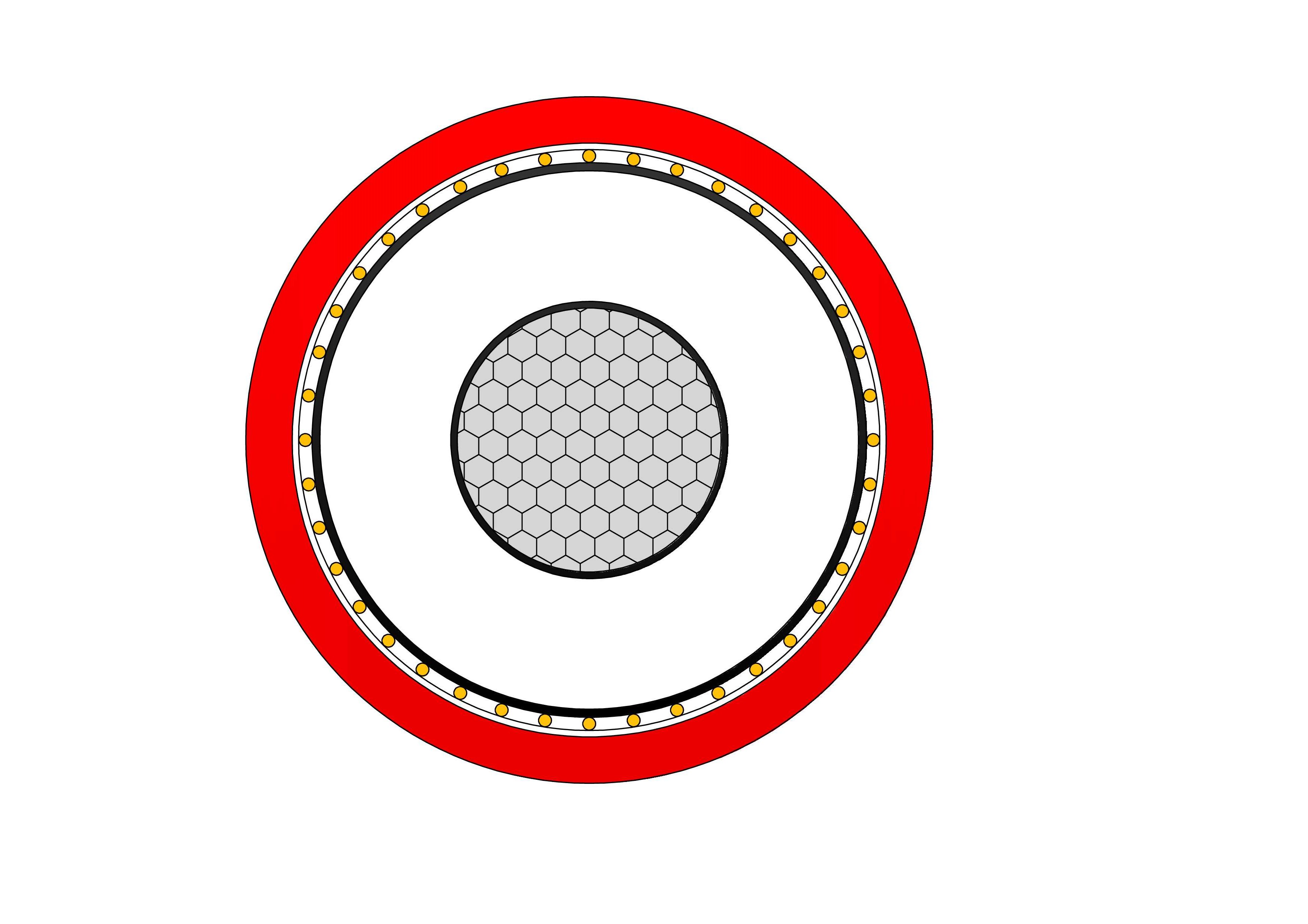
NA2XSY Medium Voltage Power Cable(6/10kV, 12/20kV, 18/30kV)
NA2XSY are medium voltage power cables with aluminum conductors and XLPE insulation, designed according to IEC 60502-2 standards. Constructed with aluminium conductors, thermosetting XLPE insulation, metallic screen (copper tape or wires), and tough PVC outer sheath, it meets IEC 60502-2 requirements. The screen ensures electromagnetic compatibility and fault protection. Low tan delta, high breakdown strength, and excellent thermal endurance minimize losses and support overloads. PVC sheath provides reliable mechanical and moisture protection for fixed installations. Optional longitudinal water-blocking improves performance in damp areas. Flame-retardant and easy to install, the NA2XSY Medium Voltage Power Cable is favored for power grids, manufacturing plants, commercial developments, and renewable energy sites demanding cost-efficient single-core medium voltage cabling with proven durability and performance in buried or tray installations worldwide.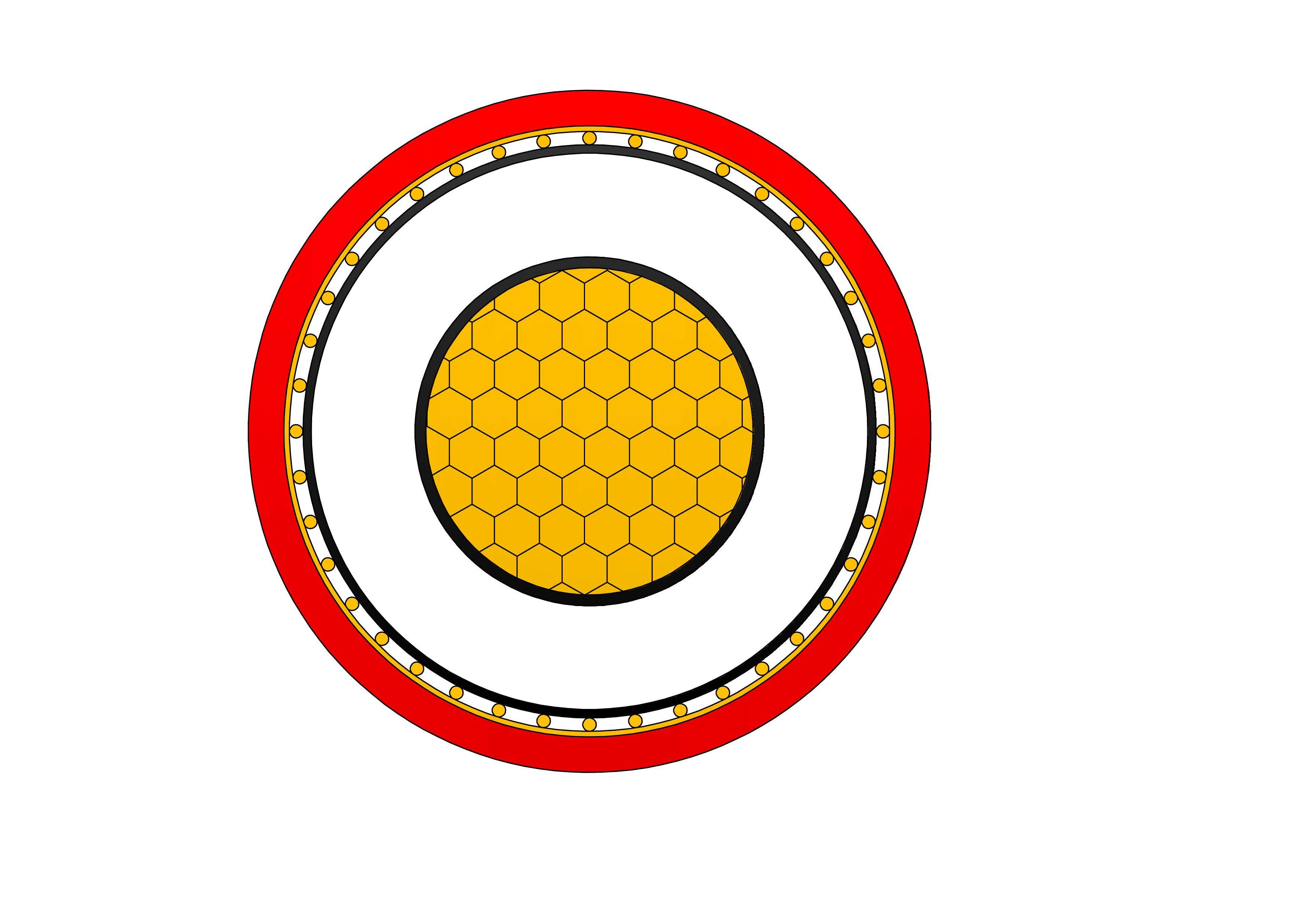
N2XSEY Medium Voltage Power Cable(6/10kV, 8.7/15KV,12/20kV, 18/30kV)
N2XSEY are medium voltage power cables with copper conductors, XLPE insulation, and PVC outer sheath, designed in accordance with VDE 0276-620 standards. Built with copper conductors, thermosetting XLPE insulation, individual metallic screens (copper tape/wire) per core, filler, and tough PVC outer sheath, it meets IEC 60502-2 requirements. Per-core screening minimizes interference and provides fault protection. Low tan delta, high breakdown strength, and excellent thermal endurance ensure efficient operation with reduced losses. PVC sheath delivers good mechanical and moisture protection for fixed installations. Optional longitudinal water-blocking enhances performance in wet conditions. Flame-retardant and durable, the N2XSEY Medium Voltage Power Cable is favored for power grids, industrial sites, renewable installations, and urban infrastructure demanding reliable three-core medium voltage cabling with superior shielding and long-term stability in buried or ducted systems.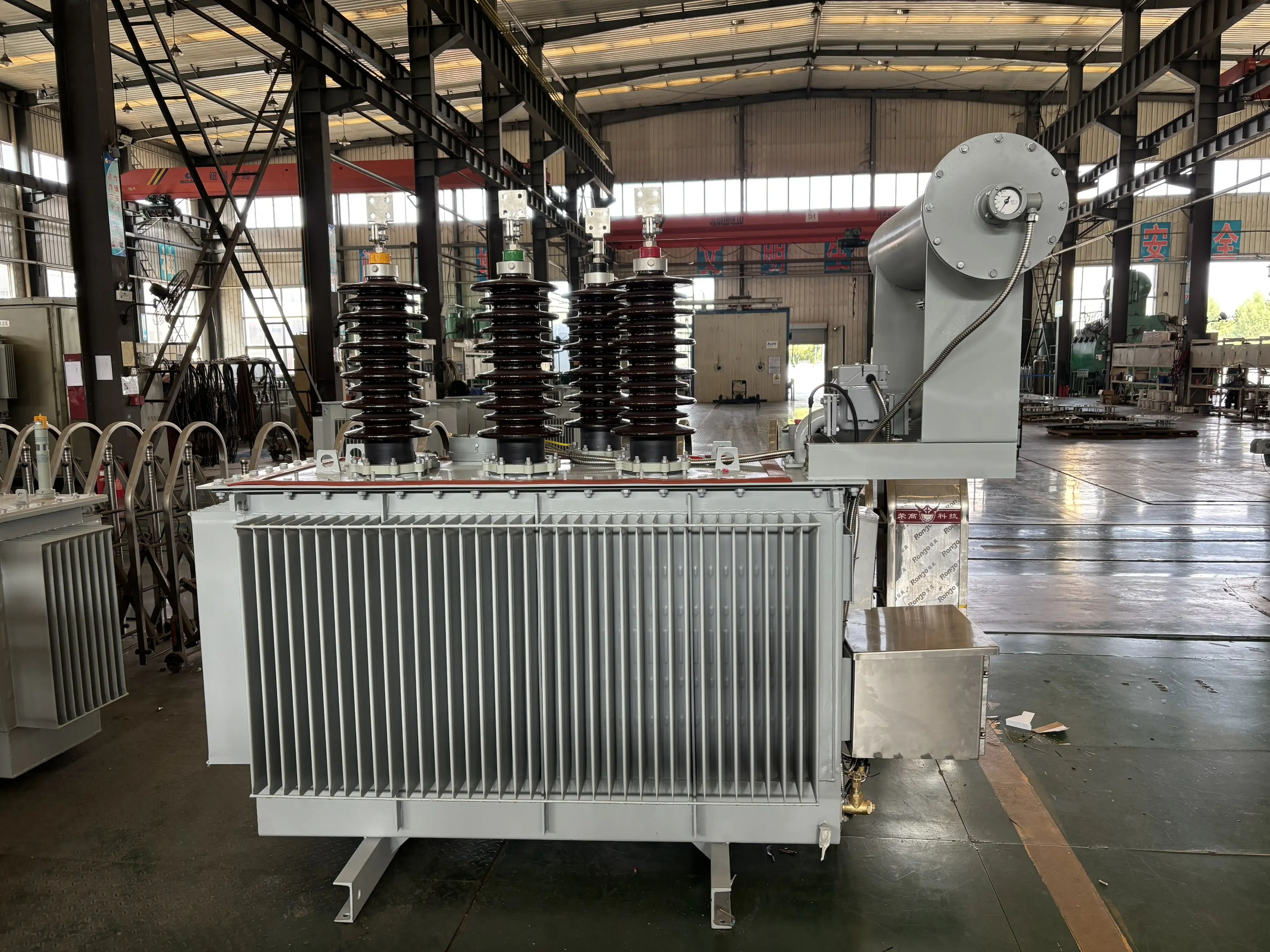
Earthing Transformer
The Earthing Transformer (also known as Grounding Transformer or Neutral Grounding Transformer) is a specialized auxiliary transformer used in three-phase power systems to provide a neutral grounding point and a low-impedance path for zero-sequence currents during ground faults. It is essential in ungrounded delta or ungrounded wye systems (common in industrial, utility, and renewable energy applications) where no natural neutral exists, enabling safe fault current flow to ground, stabilizing voltages, limiting overvoltages on unfaulted phases, and supporting protective relaying. Typical features include three-phase construction, rated voltage matching system line-to-line (e.g., 11kV, 33kV, 35kV, up to 220kV+), short-time rating for fault current (e.g., 10–30 seconds at 100–1000A or more), neutral bushing for grounding connection.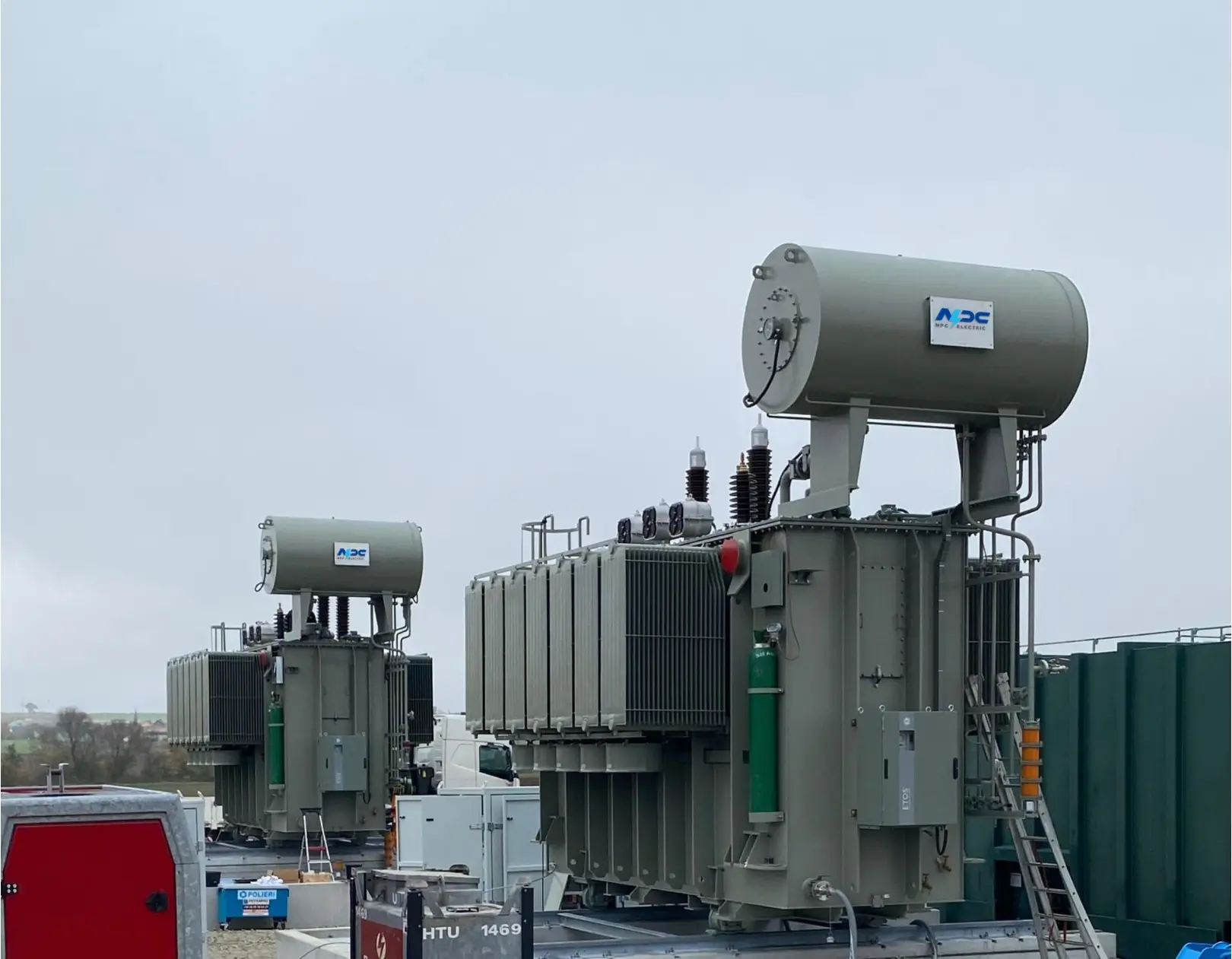
High Voltage 160kV Step-Up Power Transformer: Efficient 20MVA / 30MVA / 60MVA Solutions for Substations
The 160kV High Voltage Step-Up Power Transformer is designed to increase voltage levels efficiently for power generation plants and substation applications. Available in 20MVA, 30MVA, and 60MVA ratings, it supports stable energy transmission from generation sources to high-voltage networks. The transformer adopts a carefully optimized electromagnetic design that enhances voltage conversion efficiency while maintaining controlled thermal and electrical performance. Its oil-immersed insulation system ensures reliable cooling and long-term insulation stability under continuous operating conditions. The structural design emphasizes mechanical strength and operational safety, enabling dependable performance in outdoor substations and demanding grid environments. This step-up transformer is well suited for modern power systems that require efficient voltage elevation, reduced transmission losses, and consistent operational reliability.
Duplex Overhead Service Drop Cable
Duplex Overhead Service Drop Cable is a reliable aerial cable for secondary power distribution from utility poles to service entrances. Available with aluminum or copper conductors (phase and neutral, stranded) insulated with XLPE or PE and assembled in duplex configuration, it offers excellent mechanical strength and weather resistance. Compliant with ASTM B-230, B-231, ICEA S-76-474, and ANSI/ICEA standards, this cable supports 600V applications with superior UV, moisture, and abrasion protection. The self-supporting design ensures reduced sag and easy installation over medium spans. The Duplex Overhead Service Drop Cable delivers low power losses, high current capacity, and long service life in harsh outdoor conditions. Lightweight and flexible, it is widely used for single-phase service drops in residential, commercial, and rural electrification projects requiring safe, cost-effective overhead connections worldwide.-AL-medium-voltage-power-cable-2.jpg)
RHZ1-OL(AS)-AL Medium Voltage Power Cable(8.7/15kV, 12/20kV, 18/30kV)
RHZ1-OL(AS)-AL Medium Voltage Power Cable (8.7/15kV, 12/20kV, 18/30kV) is a lightweight cable with enhanced fire retardancy for critical medium voltage applications. Featuring stranded aluminium conductors, cross-linked polyethylene (XLPE) insulation, metallic screen, and low smoke zero halogen (LSZH) outer sheath with advanced fire behavior (AS designation), it complies with UNE 21123-4 and higher CPR classifications. In fire scenarios, it produces very low smoke and no toxic gases. Aluminium construction reduces weight and costs while ensuring reliable current capacity. Superior partial discharge resistance, low dielectric losses, and high thermal stability provide efficient, long-lasting performance. Suitable for direct burial, ducts, or indoor use in high-safety areas. The RHZ1-OL(AS)-AL Medium Voltage Power Cable is perfect for utilities, hospitals, schools, tunnels, and infrastructure projects requiring economical, advanced fire-safe medium voltage cabling with exceptional life-safety features and durability worldwide.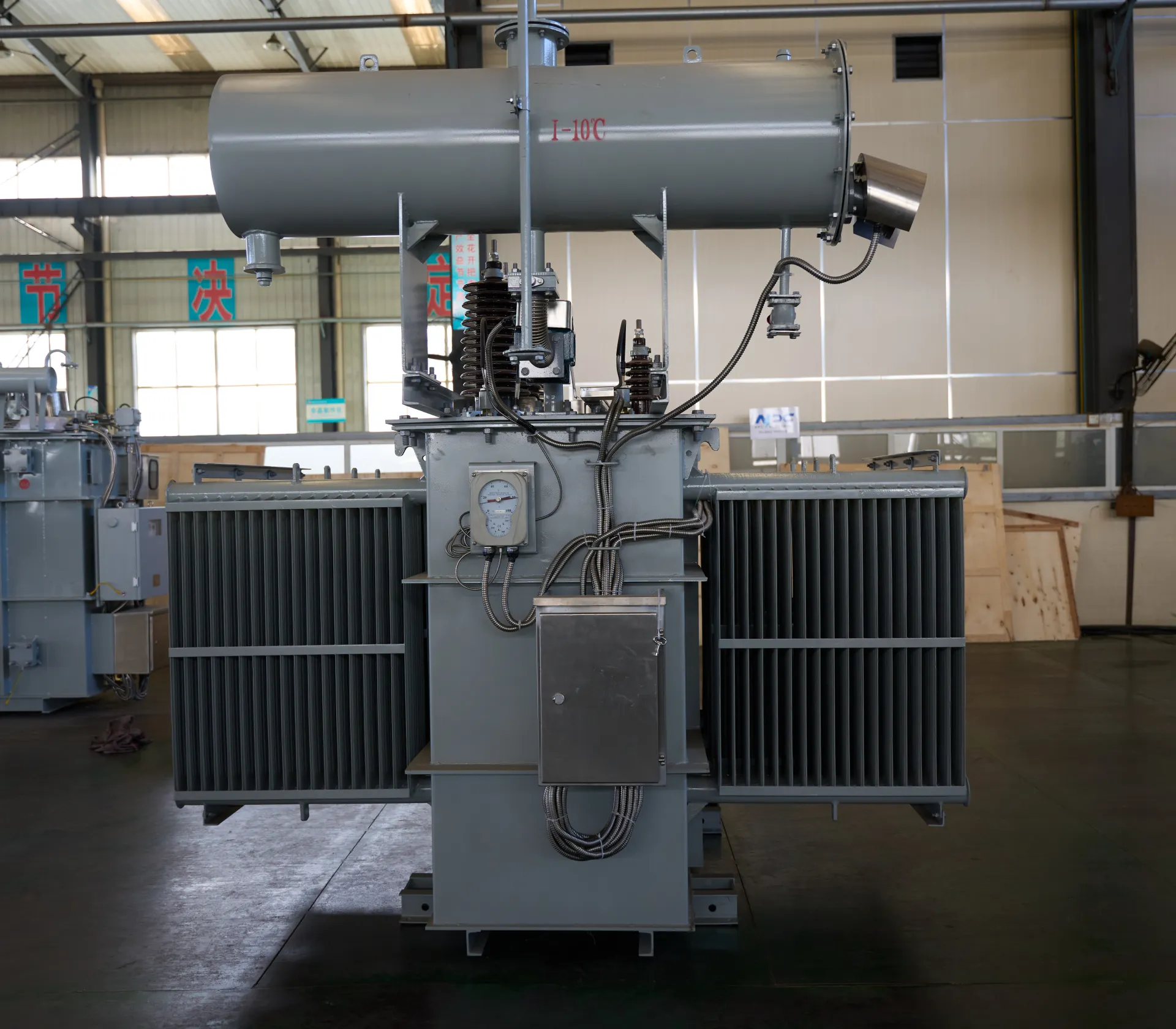
11kV to 0.8kV 1250 kVA Solar Power Transformer - Copper Wound High Efficiency PV Transformer
The 1250 kVA Solar Power Step-Up Transformer is a high-performance, inverter-duty solution specifically engineered for utility-scale photovoltaic (PV) installations. Designed to interface directly with 800V central or string inverters, this unit efficiently elevates voltage to 11kV for medium-voltage distribution. Unlike standard distribution transformers, our 1250 kVA model features 100% high-purity oxygen-free copper windings, offering superior thermal conductivity and lower losses. The core is constructed from laser-scribed, grain-oriented silicon steel to minimize eddy current losses, ensuring maximum energy harvest even during low-irradiance periods. With advanced harmonic mitigation technology, it withstands the high-frequency switching stresses typical of modern solar power conversion.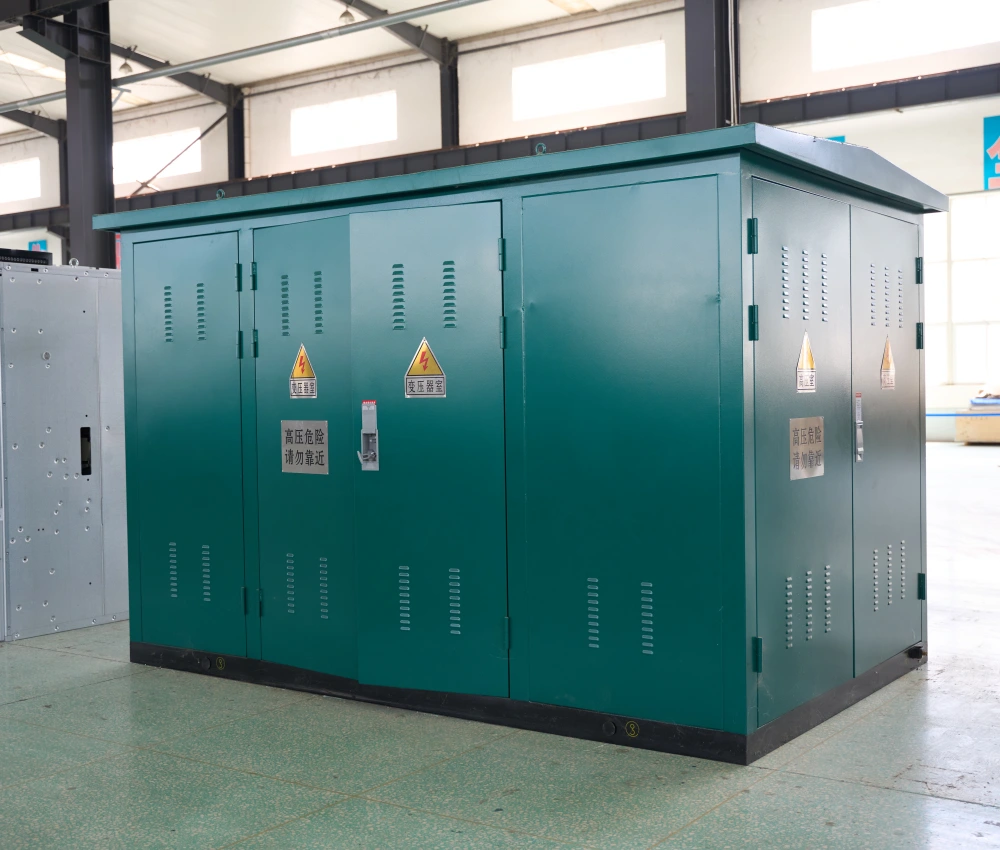
Outdoor Prefabricated Transformer Substation
The Outdoor Prefabricated Transformer Substation is an integrated medium-voltage power distribution solution designed for outdoor installation in industrial, commercial, utility, and renewable energy applications. The system combines medium-voltage switchgear, distribution transformer, low-voltage distribution equipment, and intelligent control systems into a compact prefabricated enclosure, providing efficient and reliable power transformation while minimizing construction time and installation costs. Engineered for harsh environmental conditions, the outdoor substation features a weather-resistant enclosure, corrosion-protected structure, advanced insulation technology, and optimized thermal ventilation system to ensure long-term operational stability. Its modular design allows rapid deployment, simplified transportation, and flexible installation while improving maintenance accessibility and operational safety. The Outdoor Prefabricated Transformer Substation supports multiple voltage levels, transformer capacities, and intelligent automation functions, making it suitable for utility distribution systems, renewable energy projects, urban infrastructure, mining facilities, transportation networks, and industrial manufacturing plants. With smart-grid compatibility and customizable configurations, the substation provides efficient and scalable electrical distribution performance for modern power networks.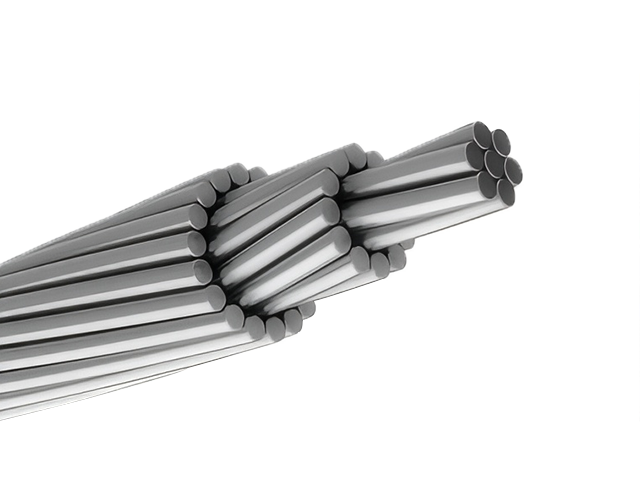
336.4 MCM MERLIN ACSR Conductor Cable
The ACSR CAA 336.4 KCM 18/1F MERLIN is a robust and efficient aluminium conductor steel reinforced cable, designed for high-performance in overhead power transmission and distribution lines. This conductor consists of 18 strands of hard-drawn 1350-H19 aluminium helically stranded around a single galvanized steel core wire, delivering an ideal combination of electrical conductivity and mechanical strength. Compliant with ASTM B232, this ACSR configuration is widely adopted in South American and international power systems. The steel core, galvanized to Class A or B, offers protection against corrosion, ensuring long service life in harsh environmental conditions. Meanwhile, the aluminium strands provide excellent current-carrying capacity and conductivity. The MERLIN design is particularly suitable for medium-voltage transmission lines and long-span installations where mechanical tension and conductor sag need to be controlled without compromising electrical performance.-AL-medium-voltage-power-cable-2.jpg)
RHZ1-2OL(S)-AL Medium Voltage Power Cable(8.7/15kV, 12/20kV, 18/30kV Specifications)
NPC Electric RHZ1-2OL(S)-AL Medium Voltage Power Cable (8.7/15kV, 12/20kV, 18/30kV) combines economy with special fire safety for demanding medium voltage networks. Built with aluminium conductors, thermosetting XLPE insulation, metallic screen, and specially formulated LSZH sheath with superior fire-retardant characteristics (S), it meets UNE 21123-4 and higher CPR classifications. The special LSZH sheath drastically reduces smoke and eliminates corrosive gases in fires. Lightweight aluminium minimizes costs and installation effort. Excellent partial discharge resistance, low tan delta, and thermal endurance ensure efficiency and longevity. Suitable for direct burial, ducts, or indoor use in high-risk areas, the RHZ1-2OL(S)-AL Medium Voltage Power Cable is favored for metro systems, data centers, public venues, and infrastructure demanding reliable medium voltage cabling with advanced fire protection, environmental compliance, and enhanced life-safety in populated or confined spaces.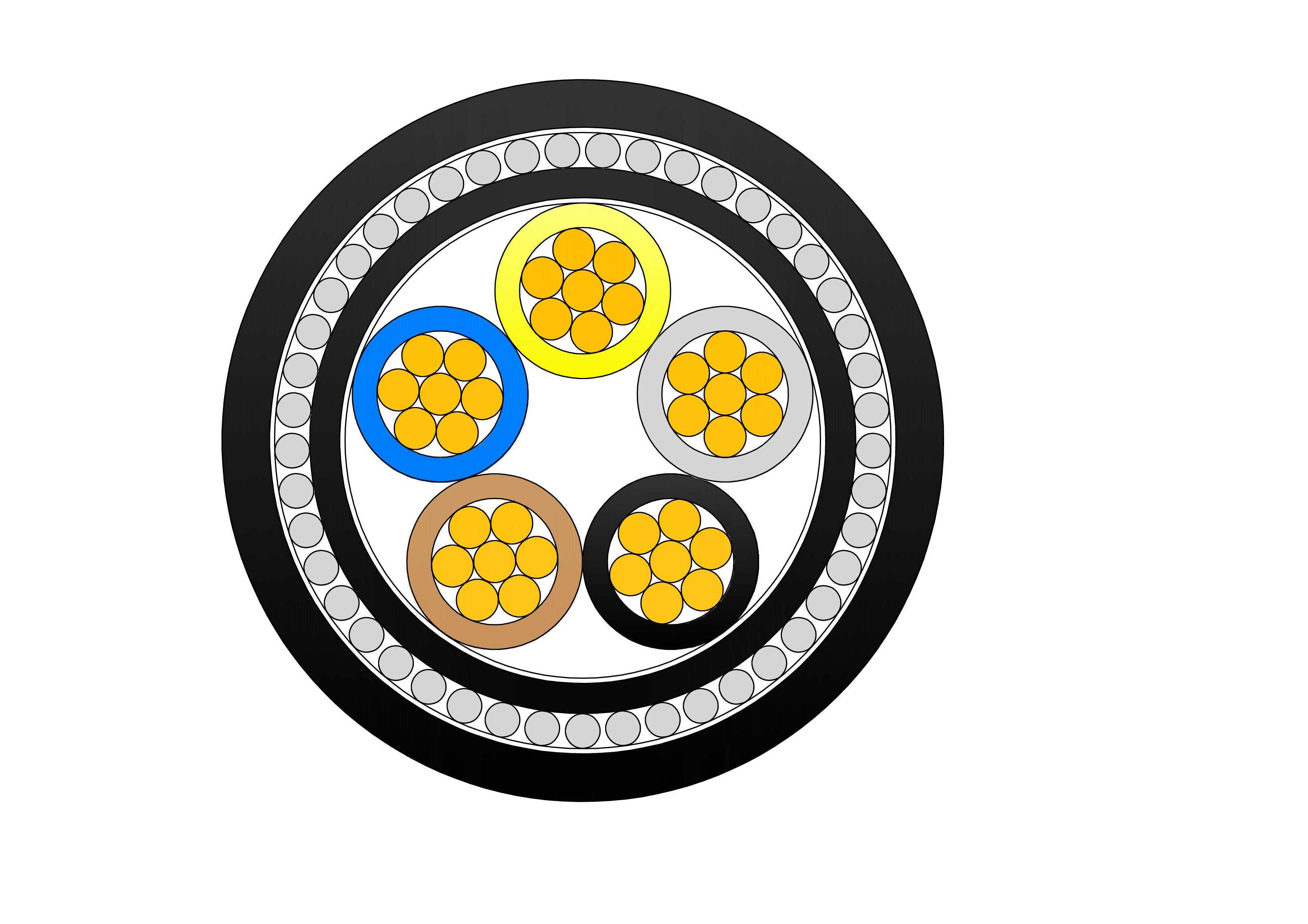
NYRY 0.6/1kV Low Voltage Power Cable
NYRY 0.6/1kV are low voltage power cables designed according to BS 5467 standard, suitable for fixed installation in indoor, outdoor, underground, cable ducts or concrete (not subject to vibration) environments, with steel wire armouring for mechanical protection. The cable features stranded copper conductors insulated with high-quality PVC, ensuring dependable electrical performance and thermal resistance under normal operating conditions. The metallic concentric conductor layer provides effective grounding and enhanced fault current capability, while the robust PVC outer sheath offers protection against moisture, abrasion, and external mechanical stress. Rated at 0.6/1kV and manufactured in accordance with relevant IEC standards, the NYRY cable is suitable for fixed installation both indoors and outdoors. Its construction supports long service life, consistent power delivery, and safe operation in demanding environments.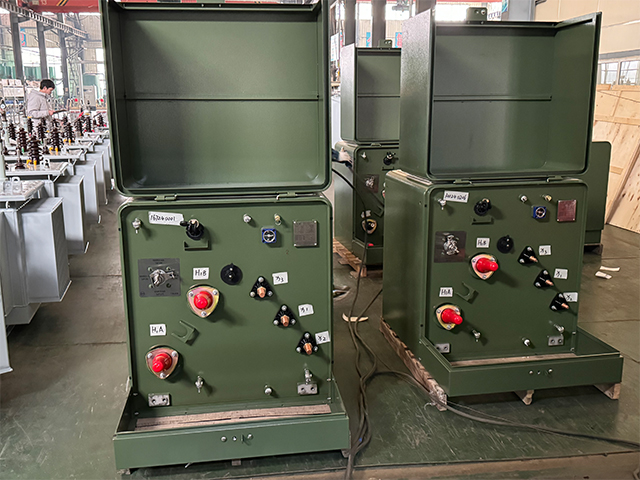
37.5kVA Single Phase Pad Mounted transformer
The 37.5kVA Single Phase Pad Mounted transformer with high voltage (HV) specifications of 24.94GRDY/14.4 kV and low voltage (LV) of 240/120V. At its core lies a robust tank, constructed from resilient alloy 304 stainless steel, guaranteeing longevity even in the harshest conditions. The HV and LV windings, equally critical components, are meticulously crafted from high-quality aluminum to ensure unwavering performance.
Instrumentation Cables—XLPE Insulated,Individual & Overall Screened,Lead Sheathed,Wire Armoured PVC Sheathed Cables(CU/XLPE/IOSCR/LEAD/SWA/PVC)
Instrumentation Cables are multi-conductor cables that carry and transport low-voltage electrical signals. These low-voltage signals are used to control and monitor electrical power systems. Instrumentation cables have many different industrial applications that include broadcasting, equipment control, such as drilling and pumping in the oil and gas industry, and data transfer, which includes analog and digital signals. They are manufactured according to the BS EN 50288-7 and BS EN 50288-1 standards to ensure quality. Depending on the application, instrumentation cables can be insulated with PVC or XLPE; the cables can be armoured or unarmoured. The sheathing materials can be of PVC, LSZH, or PE. The cables can have additional flame retardant or flame retardant properties, and they can be manufactured with special protections such as lead sheaths, or DRYLAM or AIRBAG technology.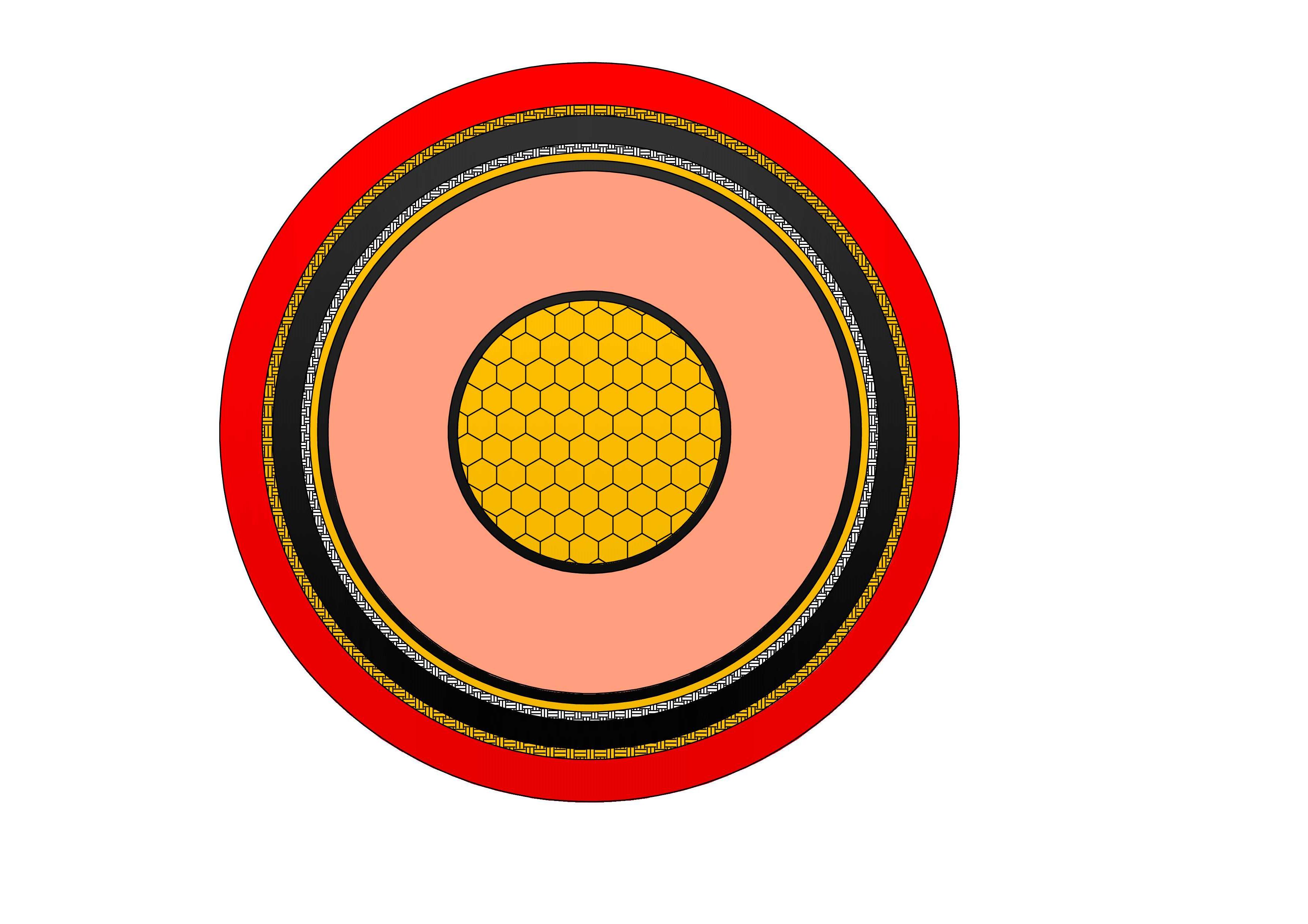
XAI Armoured Medium Voltage Power Cable(6/10kV, 12/20kV, 18/30kV)
NPC Electric XAI Armoured Medium Voltage Power Cable (6/10kV, 12/20kV, 18/30kV) delivers protected, high-performance medium voltage transmission. Constructed with copper or aluminium conductors, thermosetting XLPE insulation, metallic screen, bedding, galvanised steel wire armour (SWA), and tough outer sheath, it meets IEC 60502-2 requirements. The SWA layer offers outstanding resistance to mechanical damage, enabling direct burial without conduits. Low transmission losses, high current rating, and excellent overload tolerance ensure optimal efficiency. Optional LSZH sheath and water-blocking for added safety and reliability. Flame-retardant and environmentally robust, the XAI Armoured Medium Voltage Power Cable is widely selected for power grids, manufacturing plants, wind/solar farms, and infrastructure demanding reliable, maintenance-free medium voltage cabling with enhanced mechanical safeguarding in challenging terrains or high-impact zones worldwide.Welcome your inquiry
Honesty, Integrity, Frugality, Activeness and Passion