
What is The Transformer Tap Changer?
2025-09-24
In modern power systems, transformer tap changers are critical for maintaining voltage stability in distribution networks, ensuring reliability, and protecting equipment. Tap changers are used in voltage-regulating and power transformers to adjust the transformer's turns ratio, ensuring consistent voltage levels under varying load conditions.
1. Basic Function of a Transformer Tap Changer
A transformer tap changer is a mechanism that allows the connection to different points on a transformer's windings, effectively changing the transformer tap. By altering the number of active turns, it adjusts the voltage ratio between primary and secondary windings.
This adjustment is essential in both high-voltage power transformers and distribution transformers to maintain voltage within specified limits. Tap changers are particularly useful in networks with fluctuating loads or distributed generation sources.
2. Types of Transformer Tap Changers
Transformer tap changers can be broadly classified into two categories:
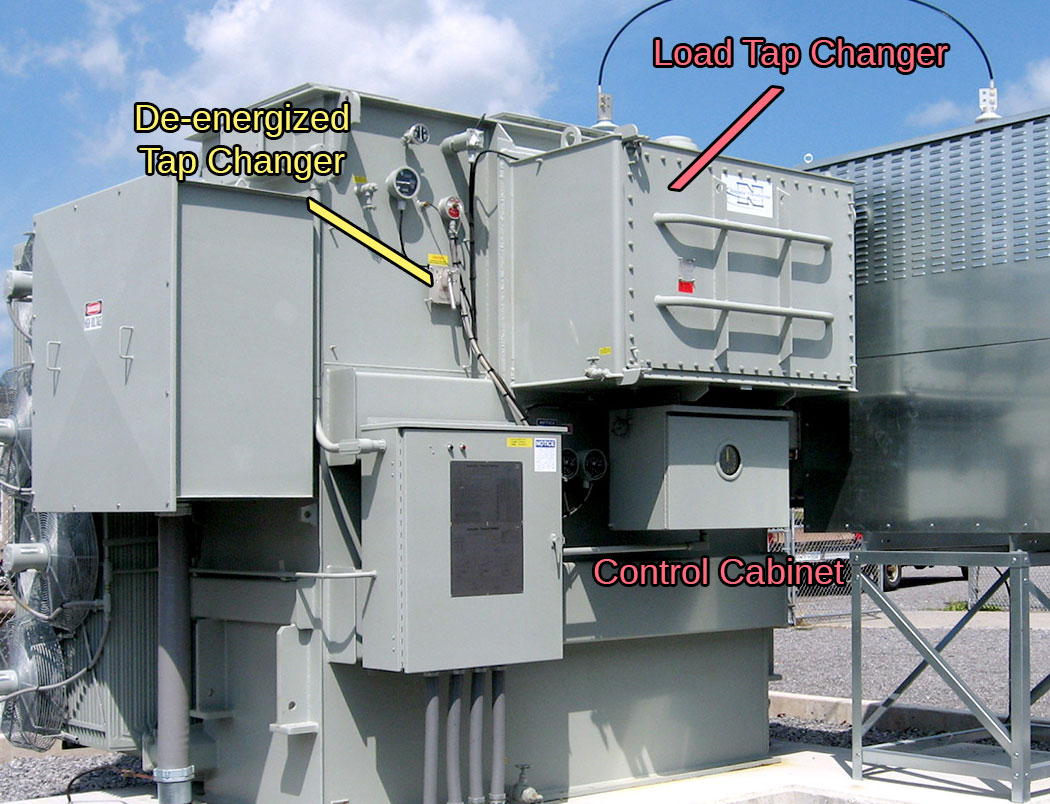
a) De-energized Tap Changers (DETCs)
Also known as de-energized tap changers, these devices adjust the transformer tap only when the transformer is offline. DETCs are simpler, cheaper, and have lower maintenance requirements, but cannot respond to real-time load fluctuations.
Key components of DETCs include:
- Selector switches to choose the desired tap
- Mechanical linkages to connect transformer windings
- Indicators for tap position
DETCs are often used in distribution networks where voltage regulation does not require continuous adjustment.
b) Load Tap Changers (OLTC)
Load tap changers (OLTCs) can adjust the transformer tap under load conditions, without interrupting the power supply. This capability makes them essential in power distribution systems and voltage regulators for maintaining stable voltage.
OLTCs consist of:
- Diverter switches that momentarily carry current during tap transitions
- Selector switches that select the new tap
- Mechanical or motor-driven mechanisms
These load tap changers OLTC allow smooth voltage regulation, reduce system losses, and improve the reliability of power transformers in dynamic load environments.
3. Practical Applications in the Field
During my work experience on utility-scale distribution networks, I observed several practical considerations when operating tap-changing transformers:
- Routine Inspection: Load tap changers OLTC require regular oil analysis and inspection to ensure diverter switches are functioning correctly.
- Voltage Regulation: Adjusting transformer taps in feeders connected to industrial loads can prevent overvoltage during low-demand periods.
- Coordination with Voltage Transformers: Proper integration with voltage transformers ensures accurate sensing and avoids unnecessary tap changes.
- Maintenance Challenges: Mechanical selector switches and diverter contacts experience wear, so preventive maintenance is key to minimizing downtime.
A real-world scenario involved a 110 kV tap-changing transformer serving a mixed industrial-residential feeder. By monitoring load tap changer operations, we optimized turn ratios and stabilized secondary voltages within ±2%, significantly improving power quality.
4. Benefits of Tap Changing Transformers
- Dynamic Voltage Control: OLTCs allow real-time adaptation to load changes.
- Extended Transformer Life: Smooth transitions reduce mechanical stress on transformer windings.
- Improved Power Distribution: Voltage stability ensures reliable operation of downstream equipment.
- Energy Efficiency: Proper voltage regulation reduces losses in the distribution network.
5. Key Considerations for Design and Operation
When selecting or operating a tap-changing transformer, engineers must consider:
- Rated load and voltage variations in the network
- Compatibility with voltage regulators and protection schemes
- Accessibility for maintenance of de-energized tap changers, DETCs, or load tap changers, OLTC
- Coordination with other power transformers to avoid overcompensation
Proper understanding of transformer tap changers ensures efficient, reliable, and safe operation of the power distribution infrastructure.
A transformer tap changer is an indispensable device for voltage regulation and grid stability. Whether employing load tap changers OLTC for continuous adjustment or de-energized tap changers DETCs for offline adjustments, these devices optimize transformer operation and support reliable power distribution.
Through practical application and maintenance, utilities can maximize the lifespan of tap-changing transformers, ensure consistent voltage in the distribution network, and enhance overall power quality.

Related Articles
Related Products
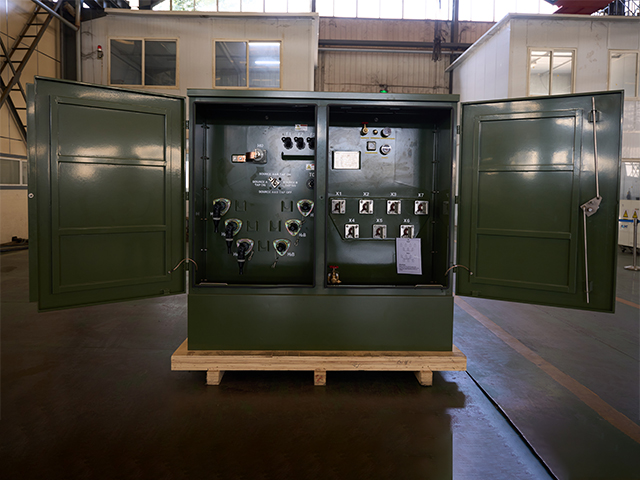
5000kVA Three Phase Pad Mounted Transformer
NPC ELECTRIC's 5000kVA Three Phase Pad Mounted Transformer (5 MVA) is a robust, liquid-immersed compartmental distribution transformer built for high-capacity outdoor pad-mounted installations on concrete foundations. Compliant with updated DOE energy conservation standards (post-2024 amendments, targeting high efficiency levels around 99.68% for 5000 kVA units), ANSI/IEEE C57.12.00, C57.12.34, C57.12.90, and related CSA/IEC norms, this transformer delivers top-tier energy efficiency, minimal no-load and load losses, and exceptional reliability in utility-scale, industrial, and commercial power systems. The tamper-resistant, weatherproof steel enclosure (dead-front or live-front) with NEMA 3R-equivalent protection ensures safety, reduced maintenance, and seamless blending into urban, suburban, or remote environments.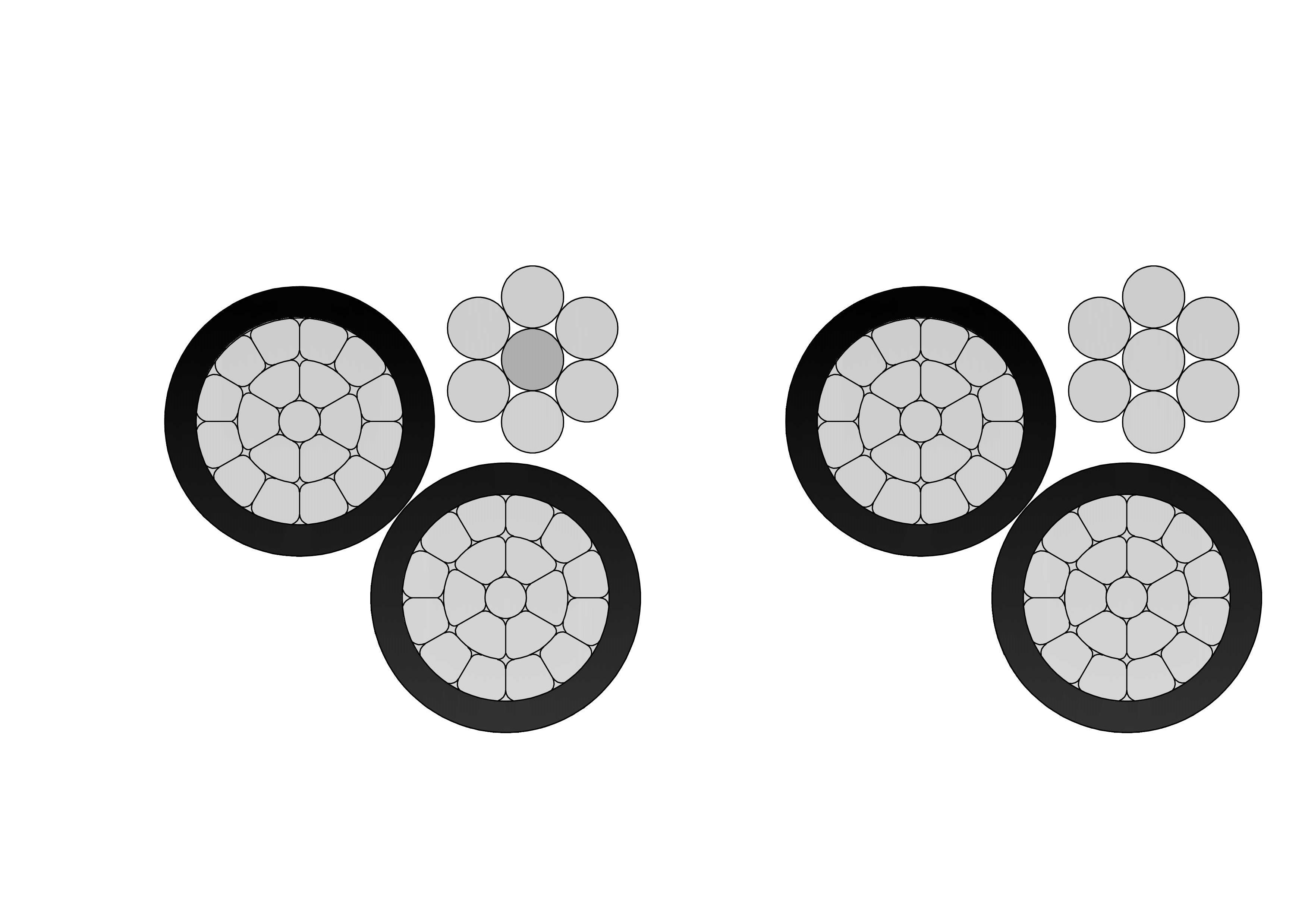
4 Oyster Aluminum Conductor Triplex Overhead Service Drop Cable
4-4-4 Oyster Aluminum Conductor Triplex Overhead Service Drop Cable provides high-quality overhead power transmission for utility-to-consumer connections. Constructed with compressed 1350-H19 aluminum phase conductors (#4 AWG), robust XLPE black insulation for enhanced thermal and environmental protection, and an AAC bare neutral (#4 AWG), it offers outstanding electrical efficiency, corrosion resistance, and durability in extreme weather. Designed for 600V applications (phase-to-phase) with conductor temps up to 90°C, it supports ~115A ampacity. Meets key standards including ASTM B-230/B-231/B-232 and ICEA S-76-474. Lightweight yet strong, this cable simplifies installation while ensuring long-term performance for service entrances.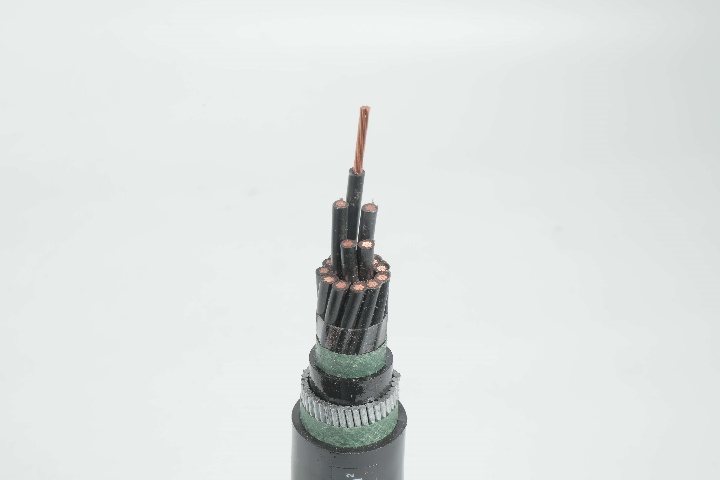
Flame Retardant Instrumentation Cables - Shielded Multi-Pair Cable
Flame Retardant Instrumentation Cables are engineered for reliable signal transmission in demanding industrial environments where fire safety is critical. These cables feature stranded copper conductors with high-quality insulation, individual and/or overall aluminum foil shielding with drain wires, and flame-retardant LSZH or PVC outer sheaths. They offer excellent electromagnetic interference (EMI) protection, low smoke emission, and superior fire performance. Designed for use in process control, automation systems, and instrumentation networks, these cables ensure signal integrity while meeting stringent international fire safety standards. The Flame Retardant Instrumentation Cables undergo rigorous quality testing from raw materials to finished product, guaranteeing consistent electrical performance, mechanical strength, and long-term reliability in oil & gas, power plants, refineries, and other high-risk installations.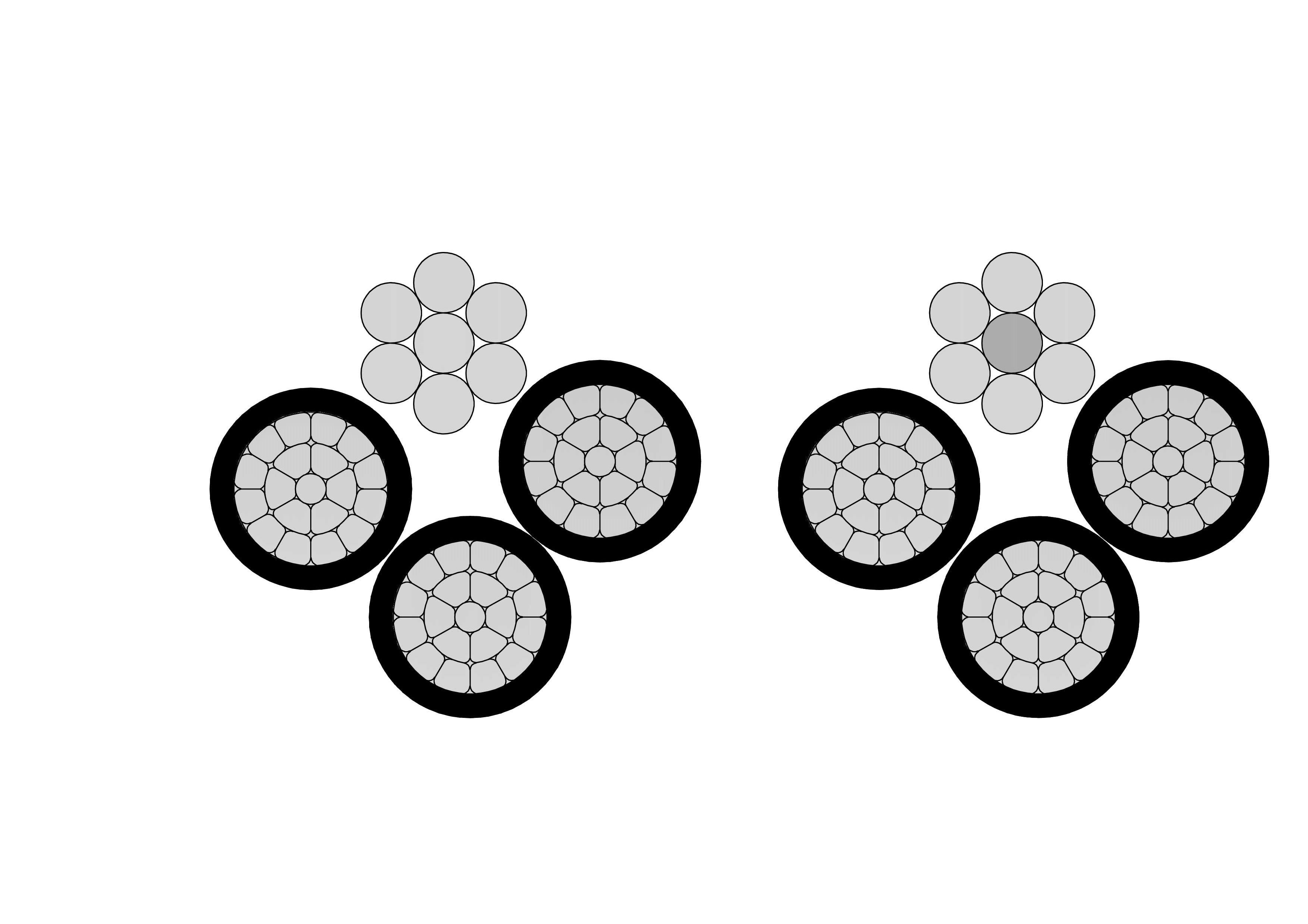
6 Chola Aluminum Conductor Quadruplex Overhead Service Drop Cable
Introducing the 6 Chola Quadruplex Service Drop Cable, a versatile overhead solution for three-phase secondary distribution with neutral. Built with three 6 AWG aluminum phase conductors and one neutral messenger (7-strand) insulated with polyethylene or XLPE and formed into a quadruplex assembly, it meets ASTM and ICEA requirements for 600V service. The tough insulation offers outstanding protection against UV rays, moisture, tree contact, and abrasion. Self-supporting messenger design ensures easy pulling and reduced sag during installation. The 6 Chola Quadruplex Service Drop Cable supports efficient power transfer with low voltage drop and high durability in extreme temperatures. Popular for its lightweight construction and reduced installation time, it is the choice for electricians and utilities. Widely deployed in housing developments, commercial services, and temporary power setups, this cable ensures safe, long-lasting overhead connections from distribution transformers to customer service entrances worldwide.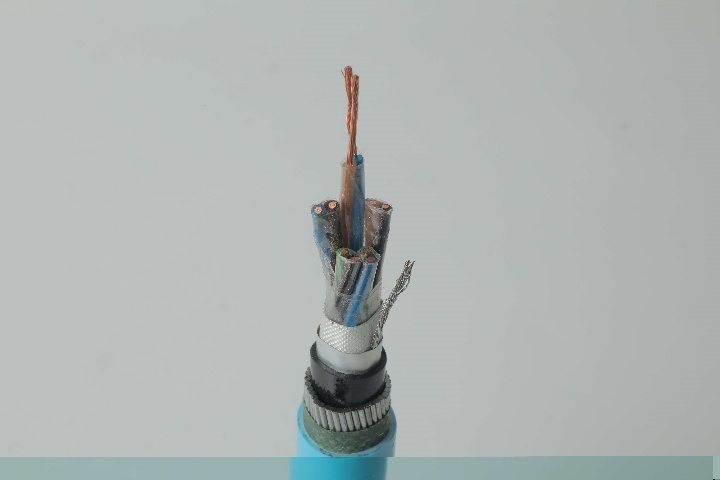
Instrumentation Cables—XLPE Insulated, Overall Screened, DRYLAM Layered, Wire Armoured PVC Sheathed Cables(CU/XLPE/OSCR/DRYLAM/SWA/PVC)
CU/XLPE/OSCR/DRYLAM/SWA/PVC instrumentation cables are engineered to deliver stable signal transmission under harsh environmental and mechanical conditions. XLPE insulated copper conductors provide excellent dielectric performance and resistance to thermal aging. The overall screen minimizes electromagnetic interference, ensuring precise signal transmission in sensitive instrumentation circuits. The DRYLAM water-blocking layer offers effective protection against moisture ingress, enhancing cable reliability in humid or buried installations. Steel wire armour improves resistance to mechanical stress and external damage, while the PVC sheath protects against abrasion, oils, and chemicals. This balanced construction combines electrical performance, water resistance, and mechanical durability for long-term industrial use.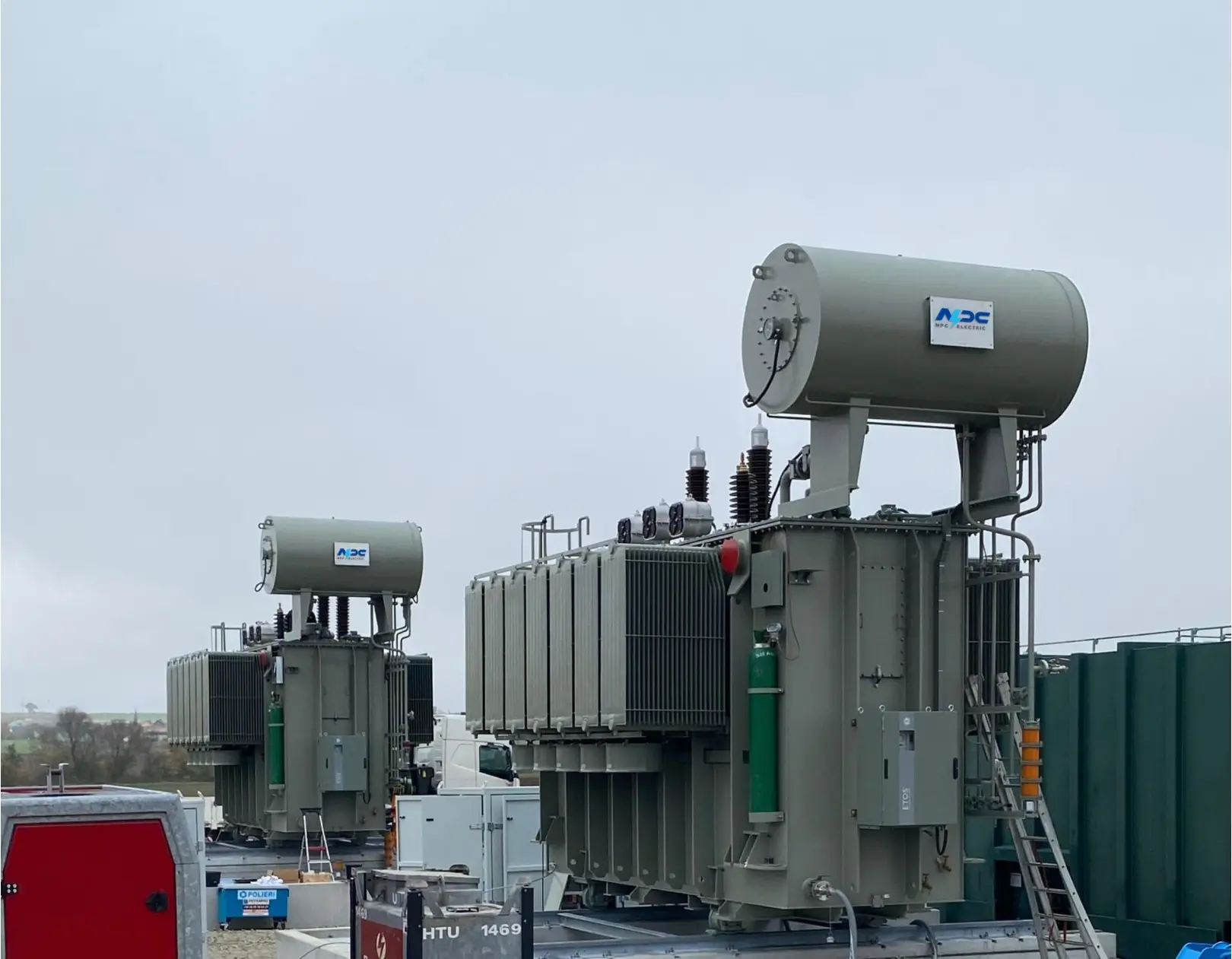
60kV Dyn11/Yyn0 Pure Copper Oil-Immersed Power Transformer
The 60kV Dyn11/Yyn0 Pure Copper Oil-Immersed Power Transformer is designed for regional 35–50 kV distribution networks and industrial substations. It adopts 99.99 % electrolytic pure copper windings, Class A insulation, corrugated tank + ONAN natural cooling, and energy-saving S11/S13 core with up to 40 % lower no-load loss. Standard vector groups Dyn11 or Yyn0, off-circuit tap changer ±5 % or ±2×2.5 % (on-load optional). Fully compliant with IEC 60076, lightning impulse 250 kV peak, PD <10 pC. Fully sealed or conservator design prevents oil aging and moisture ingress. Low noise ≤58 dB, strong short-circuit withstand, suitable for high-altitude and harsh environments. Vacuum oil filling + nitrogen sealing ensures>30-year lifespan. Widely used in mining, petrochemical, renewable energy, and urban 50 kV networks.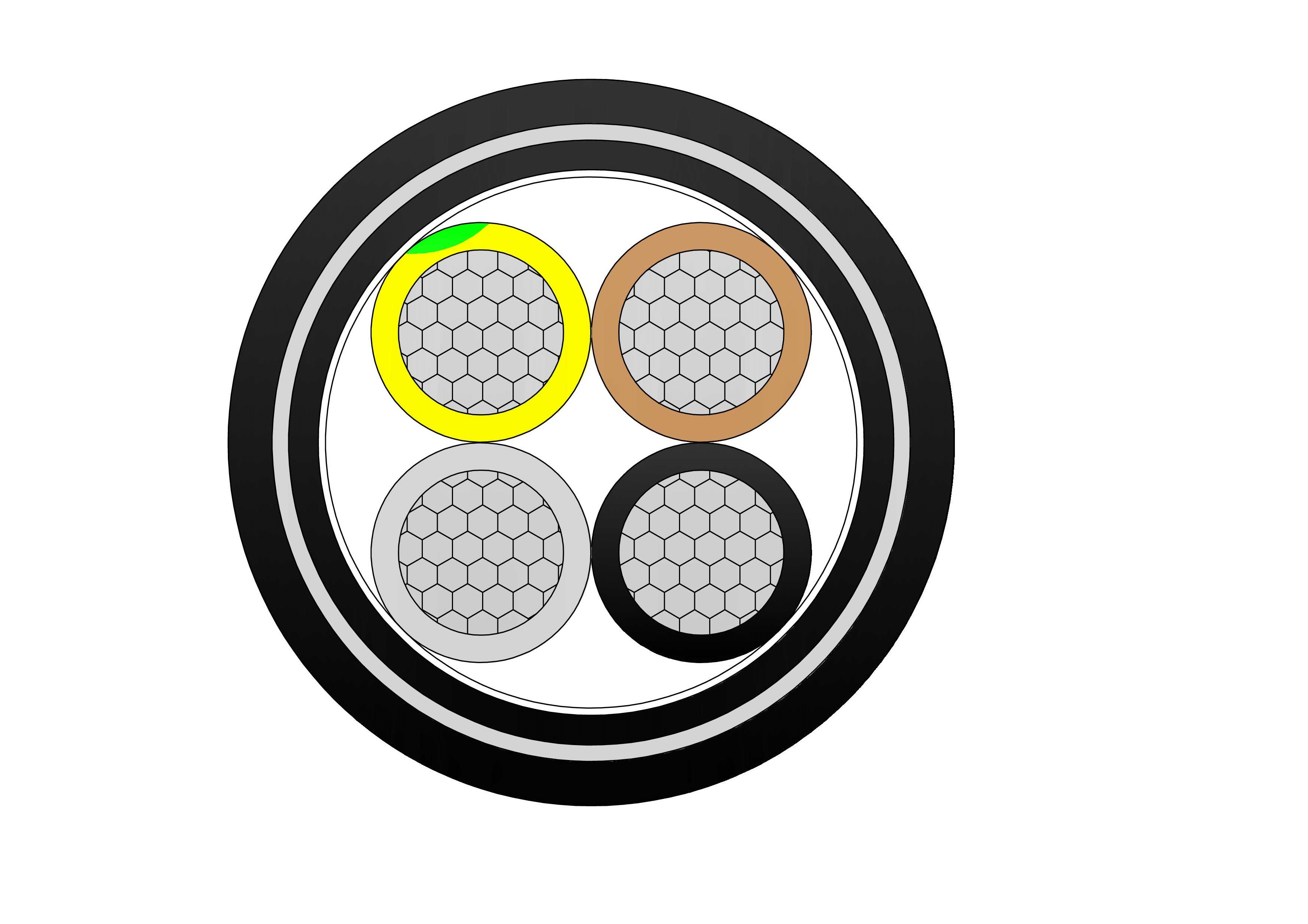
NAYBY 0.6/1kV Low Voltage Power Cable
NAYBY 0.6/1kV are low voltage power cables designed according to DIN VDE 0276 standard, suitable for fixed installation in indoor, outdoor, underground, cable ducts, or concrete (not exposed to vibration), with steel tape armoring providing additional mechanical protection. Featuring stranded or solid aluminium conductors, PVC insulation, filler, and robust PVC outer sheath, it complies with VDE 0276-603 and IEC standards. This unarmoured cable offers good electrical properties, mechanical strength, and resistance to moisture and chemicals. Lightweight aluminium design reduces installation and material costs compared to copper equivalents. Suitable for direct burial, ducts, or indoor fixed installations where mechanical protection is not critical. Flame-retardant with adequate current-carrying capacity, the NAYBY 0.6/1kV Low Voltage Power Cable ensures reliable performance with minimal losses.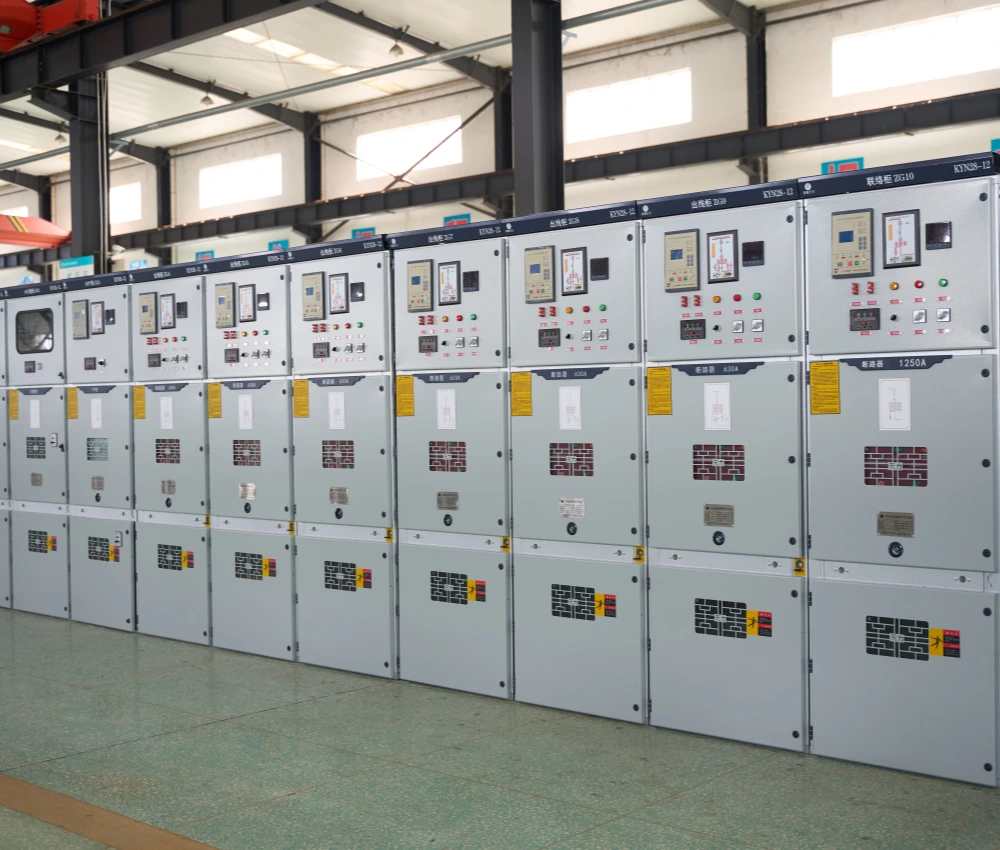
Medium Voltage Switchgear
The Medium Voltage Switchgear is an advanced electrical distribution and protection system engineered for safe, reliable, and efficient medium-voltage power management in utility substations, industrial facilities, renewable energy plants, commercial infrastructure, and smart-grid applications. The system integrates vacuum circuit breakers, disconnect switches, protection relays, busbar assemblies, intelligent monitoring systems, and automation devices into a compact modular enclosure structure to ensure stable electrical distribution and enhanced operational safety. Designed with high-strength insulated structures and precision-manufactured electrical components, the medium voltage switchgear provides outstanding dielectric performance, thermal stability, and mechanical durability under demanding operating conditions. Its modular cabinet configuration improves installation flexibility, simplifies maintenance procedures, and supports future power distribution expansion while minimizing operational downtime and maintenance costs. The Medium Voltage Switchgear supports air-insulated and gas-insulated configurations, intelligent automation systems, remote communication protocols, and smart-grid integration technologies. With customizable protection schemes and scalable electrical distribution capabilities, the switchgear delivers dependable medium-voltage control and protection performance for industrial automation systems, utility power networks, renewable energy integration projects, transportation infrastructure, and mission-critical electrical facilities.
Indoor Box-Type Fixed Metal-Enclosed Switchgear
The Indoor Box-Type Fixed Metal-Enclosed Switchgear is a high-performance medium-voltage electrical distribution and protection system specifically engineered for industrial facilities, utility substations, commercial infrastructure, renewable energy projects, and intelligent power distribution networks. The switchgear adopts a fully enclosed metal-clad structure integrating vacuum circuit breakers, disconnect switches, protection relays, current transformers, voltage transformers, and intelligent control systems within a compact fixed cabinet configuration. This design provides reliable medium-voltage power distribution while significantly improving operational safety and equipment stability. Designed according to international medium-voltage distribution standards, the indoor box-type switchgear delivers outstanding insulation performance, mechanical durability, and thermal stability under continuous operating conditions. The compartmentalized cabinet structure effectively separates busbar chambers, breaker compartments, cable chambers, and low-voltage control sections to reduce electrical fault propagation risks and simplify maintenance procedures. The fixed structure design improves installation stability and ensures dependable long-term operational performance for mission-critical electrical systems. The Indoor Box-Type Fixed Metal-Enclosed Switchgear supports intelligent monitoring systems, digital protection devices, remote communication interfaces, and smart-grid automation technologies for modern electrical distribution environments. With flexible configuration capabilities and scalable electrical protection architectures, the switchgear provides stable medium-voltage switching, fault isolation, and electrical control performance for industrial automation systems, utility networks, transportation infrastructure, and commercial power systems.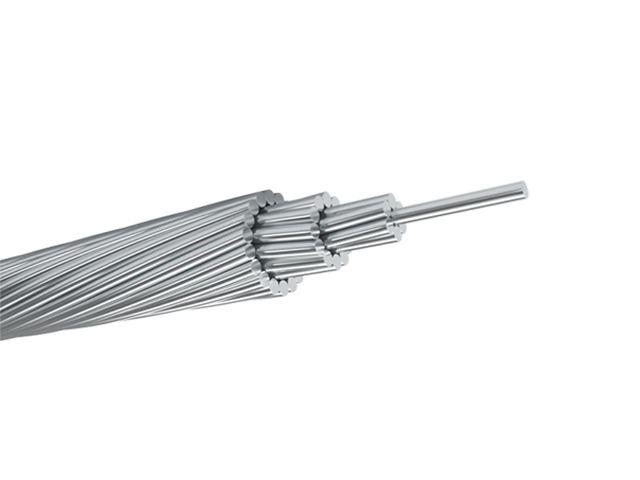
BUTTE AAAC Conductor Cable
BUTTE AAAC (All Aluminum Alloy Conductor) cables comply with ASTM B399 standards and offer high strength, good conductivity, and corrosion resistance. Named "Butte" for its 400 mm² nominal area with 37-strand configuration, it offers superior conductivity (53% IACS) and tensile strength (295 MPa min) compared to ACSR. Made from heat-treated aluminum-magnesium-silicon alloy (6201-T81), this cable provides excellent corrosion resistance, low weight, and reduced sag for longer spans. Compliant with ASTM B398, B399, IEC 61089, and BS EN 50182 standards, it supports voltages up to 33kV with ampacity up to 800A at 75°C. The homogeneous alloy construction eliminates bimetallic corrosion and ensures uniform mechanical properties. The Butte AAAC Conductor Cable minimizes line losses, withstands harsh weather, and requires minimal maintenance. Ideal for rural electrification, urban upgrades, and renewable energy integrations, it delivers reliable, cost-effective power in overhead lines worldwide, outperforming traditional conductors in corrosive or coastal environments.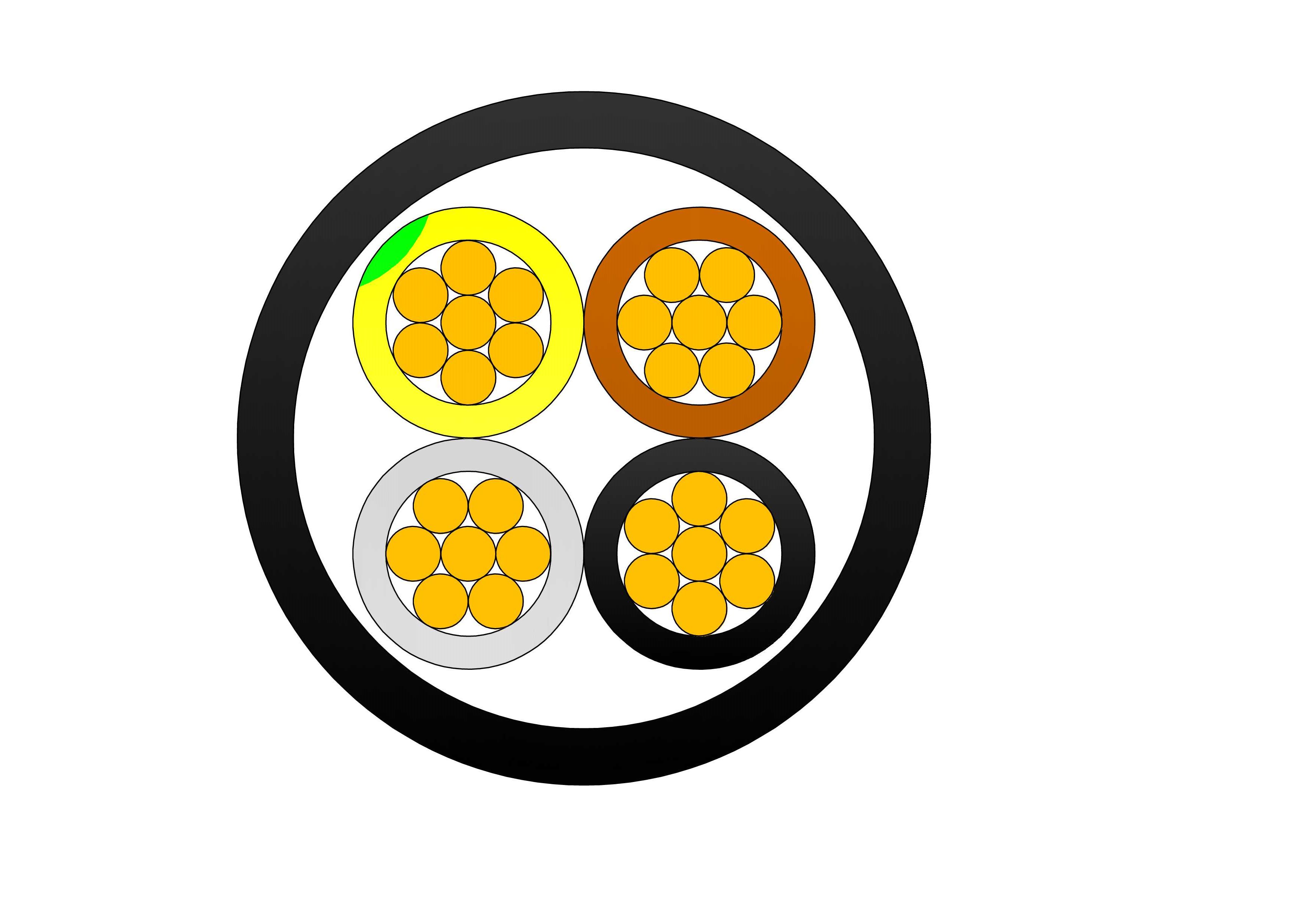
NYY-J / NYY-O 0.6/1kV Low Voltage Power Cable
NYY-J / NYY-O 0.6/1kV are low voltage power cables designed according to VDE 0276 standard, suitable for fixed installation in indoor, outdoor, and underground, cable ducts or concrete (not exposed to mechanical stress or vibration). It uses copper conductors to deliver stable electrical performance and features a durable outer sheath that protects against mechanical damage, moisture, and chemical exposure. NYY-J cables incorporate a protective earth conductor for enhanced safety, while NYY-O cables are supplied without an earth conductor for specific system designs. Designed for a rated voltage of 0.6/1kV and manufactured in compliance with IEC requirements, the cable is suitable for indoor and outdoor use, including installation in ducts, concrete, or underground. Its balanced construction supports long-term reliability, easy installation, and low maintenance costs in demanding operating environments.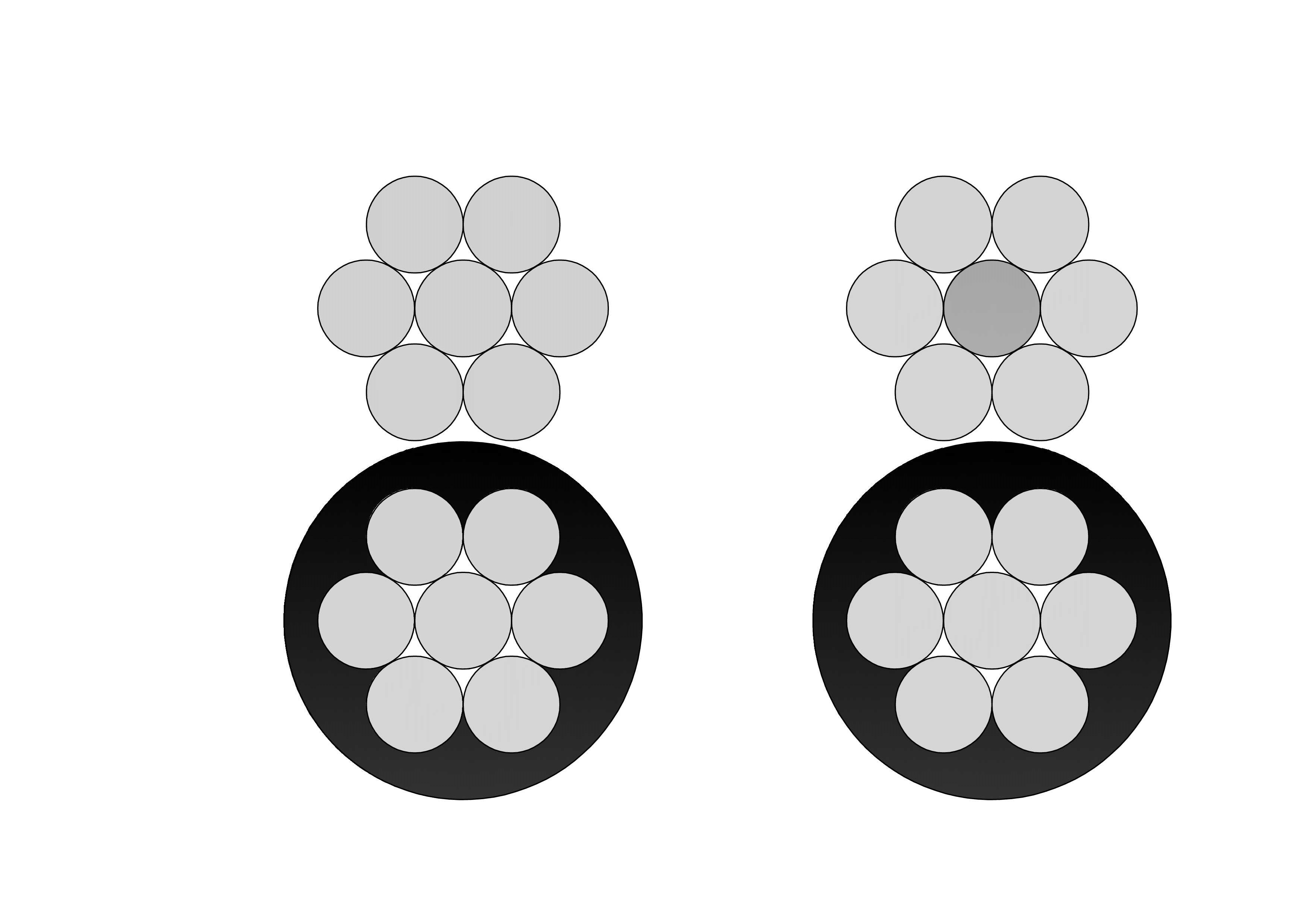
Duplex Overhead Service Drop Cable
Duplex Overhead Service Drop Cable is a reliable aerial cable for secondary power distribution from utility poles to service entrances. Available with aluminum or copper conductors (phase and neutral, stranded) insulated with XLPE or PE and assembled in duplex configuration, it offers excellent mechanical strength and weather resistance. Compliant with ASTM B-230, B-231, ICEA S-76-474, and ANSI/ICEA standards, this cable supports 600V applications with superior UV, moisture, and abrasion protection. The self-supporting design ensures reduced sag and easy installation over medium spans. The Duplex Overhead Service Drop Cable delivers low power losses, high current capacity, and long service life in harsh outdoor conditions. Lightweight and flexible, it is widely used for single-phase service drops in residential, commercial, and rural electrification projects requiring safe, cost-effective overhead connections worldwide.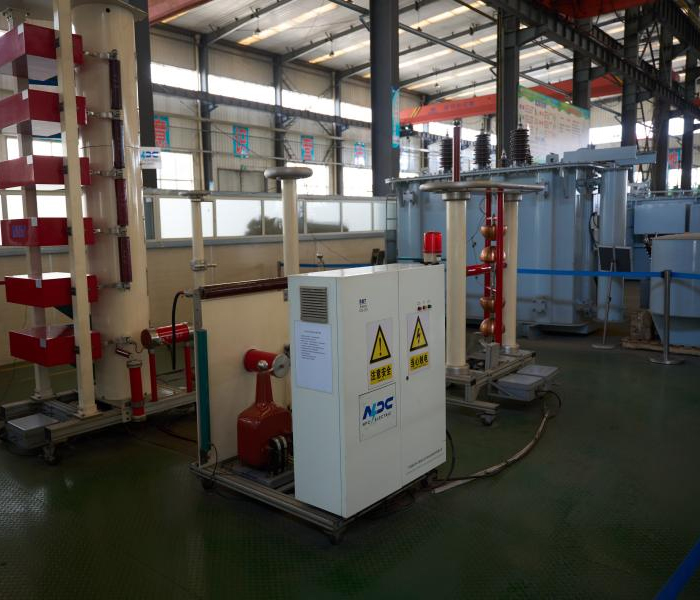
33kV Cast Resin Dry Type Transformer 1000kVA–5000kVA Three Phase
The 33kV Cast Resin Dry Type Transformer 1000kVA–5000kVA Three Phase is a high-capacity, oil-free power solution engineered for demanding indoor medium- and high-voltage distribution networks. This robust three-phase cast resin transformer utilizes premium low-loss grain-oriented silicon steel cores and high-conductivity copper windings (aluminum optional) fully encapsulated in high-grade epoxy resin under vacuum pressure, delivering exceptional energy efficiency (typically 98.5–99.5%), significantly reduced no-load and load losses, and superior partial discharge performance (<10pC). Fully compliant with IEC 60076-11, IEEE/ANSI, and relevant energy efficiency standards, this transformer steps down 33kV primary (with ±2×2.5% to ±10% off-circuit taps standard) to secondary voltages such as 0.4kV, 0.69kV, 6.6kV, or 11kV (Dyn11 vector group typical).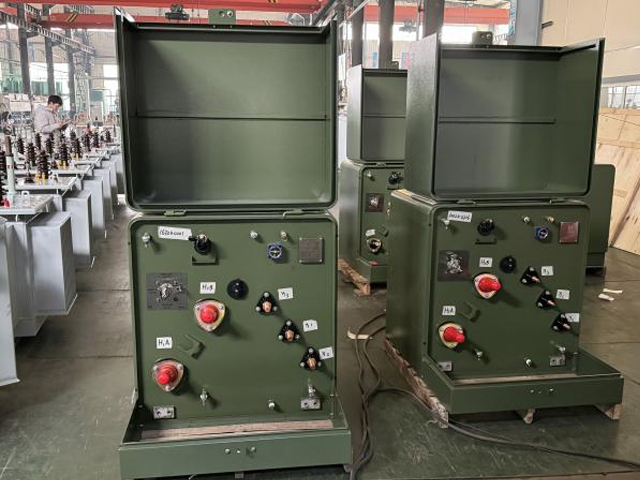
15kVA Conventional Type Single Phase Pole Mounted Transformer
NPC ELECTRIC has been focusing on the production of 15kVA Conventional Type Single Phase pole Mounted transformer for more than 20 years, which complies with IEC 60076, ANSI C57.12.20, EN 50464-1, ISO 9001 standards. NPC ELECTRIC'S transformer adopts oil-immersed self-cooling design, which can efficiently and stably convert high-voltage electricity into low-voltage electricity suitable for users. It is mainly used for power supply needs of rural areas, end of the power grid and small industrial users. Typical features include mineral oil insulation (ONAN cooling), aluminum or copper windings, primary voltages from 2.4kV to 34.5kV (e.g., 7200/12470GrdY, 7620/13200GrdY, 12470GrdY/7200, 24900GrdY/14400), secondary voltages 120/240V or 240/120V split-phase, BIL ratings 60-150kV on HV and 30kV on LV, impedance around 2-3.5%, ±2×2.5% taps, conventional or CSP (completely self-protected) configurations with internal fuses, arresters, and weak-link protection, pressure relief valve, oil sight gauge, and ANSI 70 gray tank finish.
133kV 135kV Three-Phase Power Transformer – High Voltage Substation Equipment
The 133kV / 135kV Three-Phase Power Transformer is developed for high-voltage substations requiring dependable power conversion, grid stability, and long-term operational security. Designed as core infrastructure equipment, it supports continuous duty under fluctuating electrical loads and complex grid conditions. The transformer integrates a high-strength magnetic core, precision-manufactured windings, and a stable oil-immersed insulation system to achieve controlled losses and consistent voltage performance. Its structural design prioritizes mechanical durability, enabling safe operation under electrical stress, thermal expansion, and external environmental factors. Engineered for outdoor substation installation, the transformer ensures reliable service life with reduced maintenance demand. Compliance with international power equipment standards makes it suitable for modern transmission and substation systems where operational reliability, safety, and efficiency are essential.Welcome your inquiry
Honesty, Integrity, Frugality, Activeness and Passion